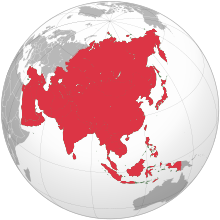
East Asia
597 ethnic groups
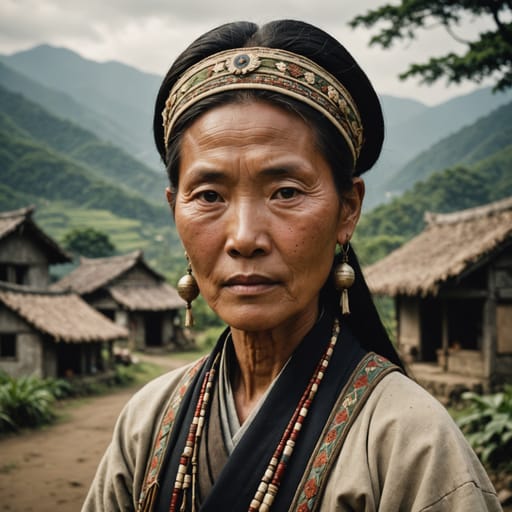
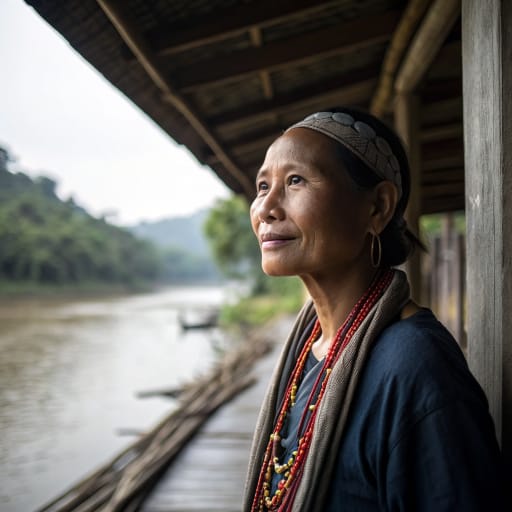
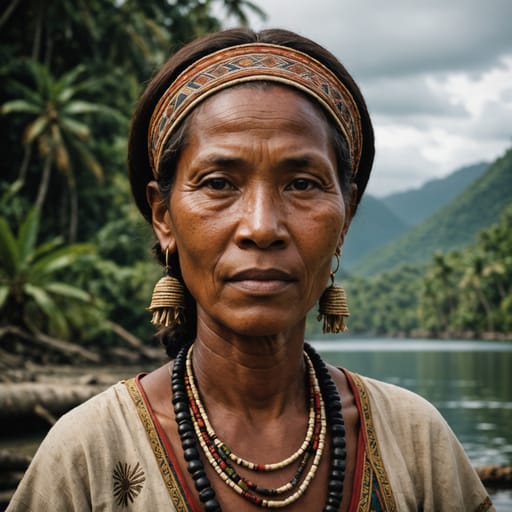
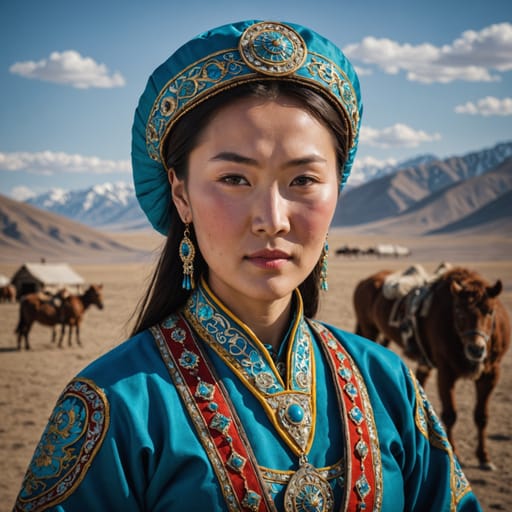
Browse the 597 ethnic groups native to East Asia. Each profile documents facial features, skin tone, hair texture and body type. Explore the people below, or read the full East Asia phenotype and anatomy reference further down.
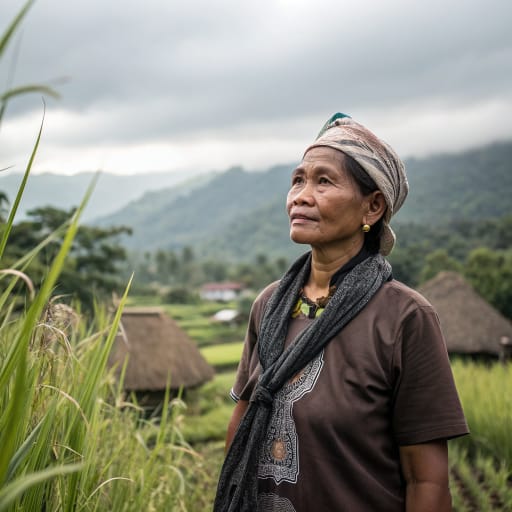
Help us get this right
Does this portrait look right for Abui?
Nobody has judged this one yet. You would be the first.

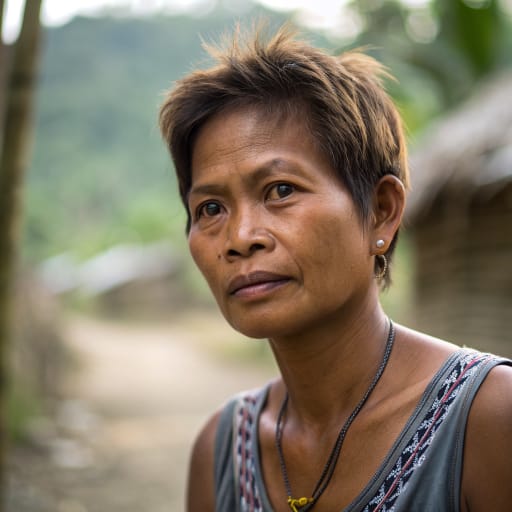
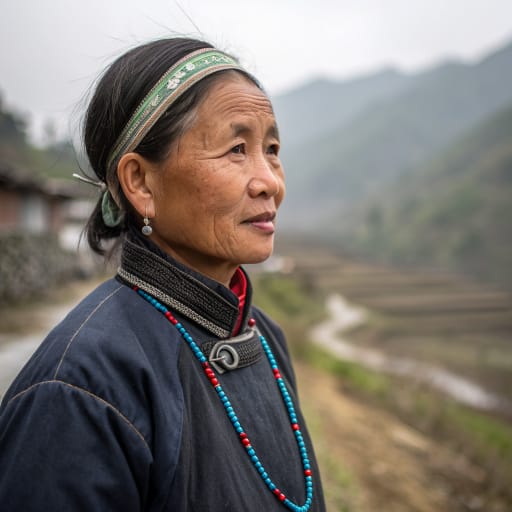
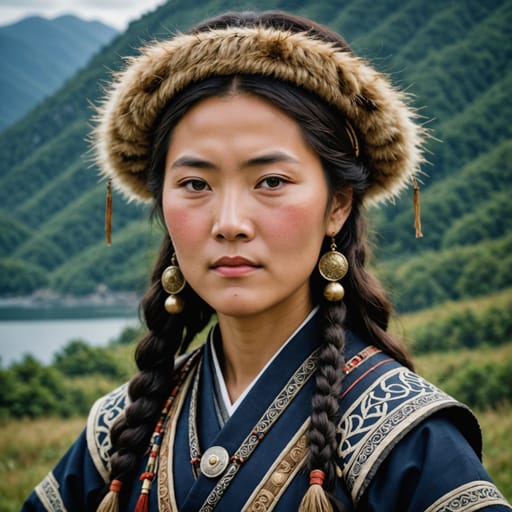
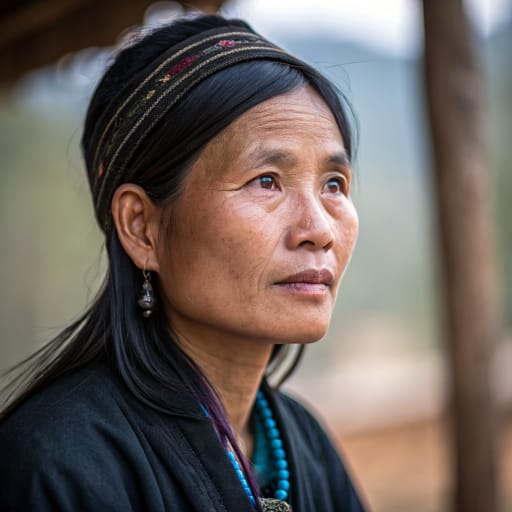
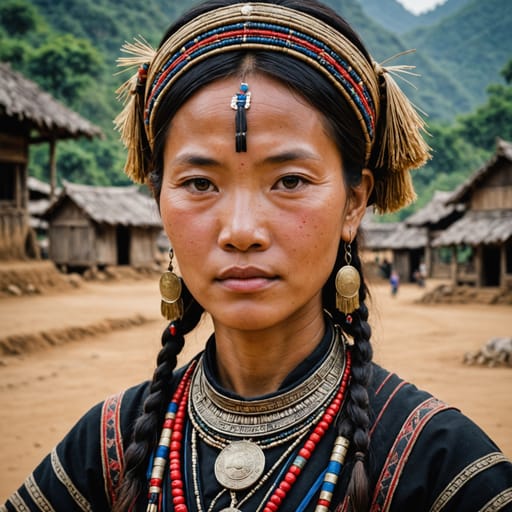
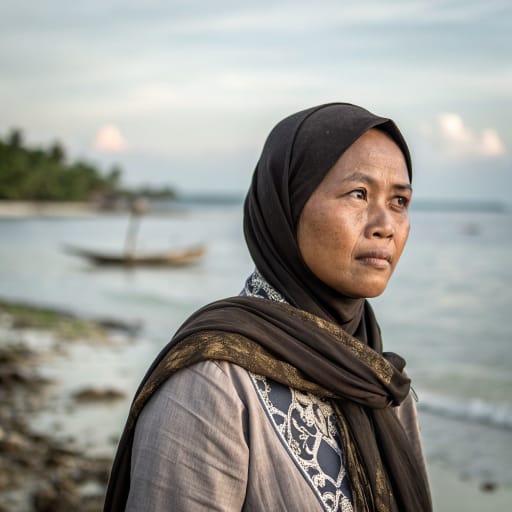
Aklanon
Aklan province, northwestern Panay island, Western Visayas, Philippines, including Kalibo and the island of Boracay
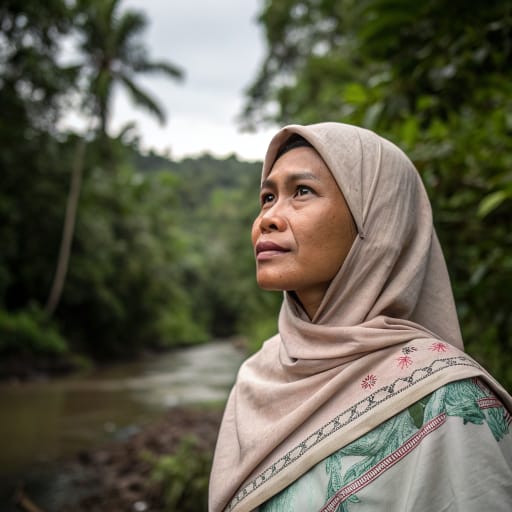
Alas
The Alas River valley around Kutacane, Southeast Aceh Regency, Aceh province, Sumatra, Indonesia
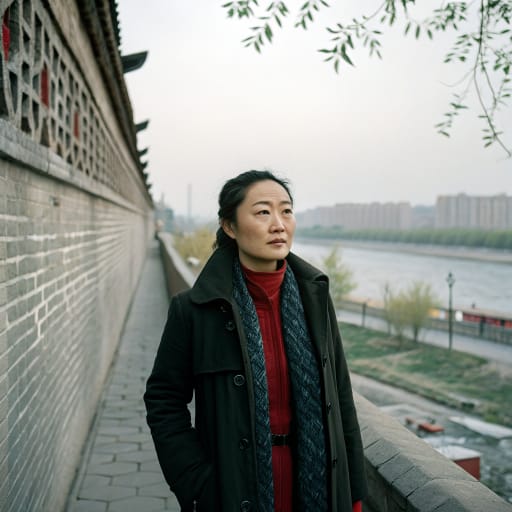



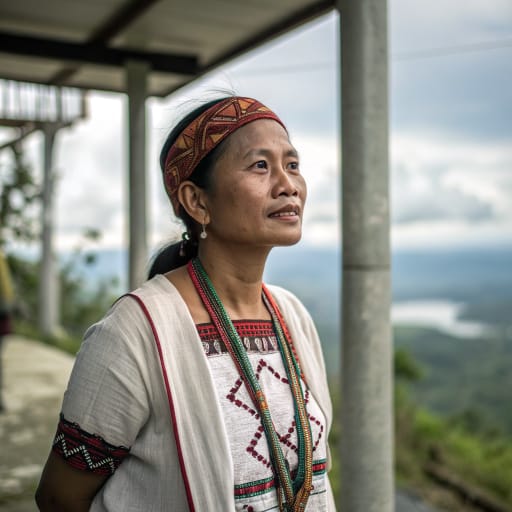
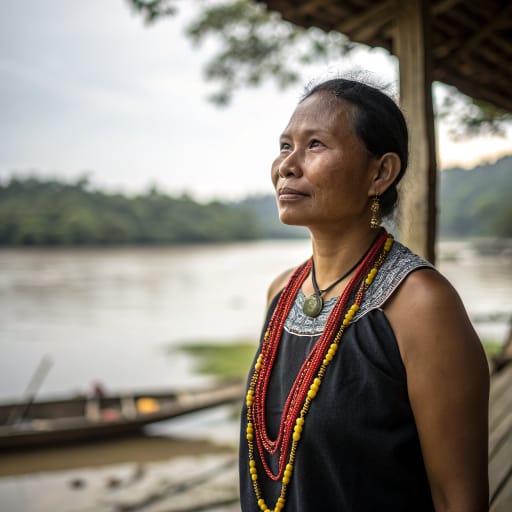

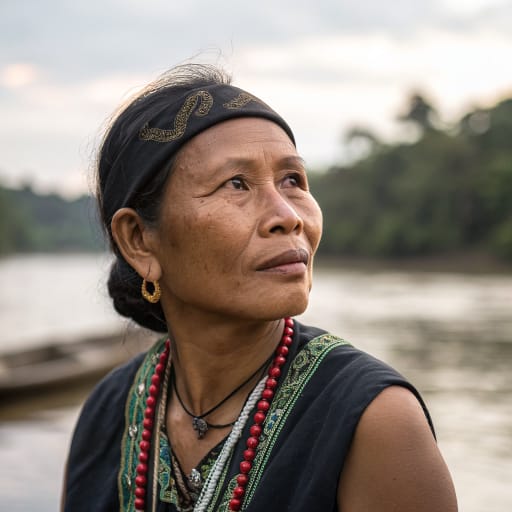


Banggai
Banggai Archipelago (Peling, Banggai and neighboring islands) and the Luwuk area of mainland Central Sulawesi, Indonesia
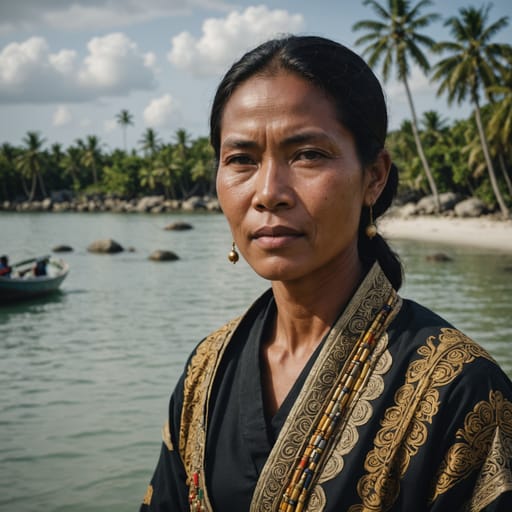
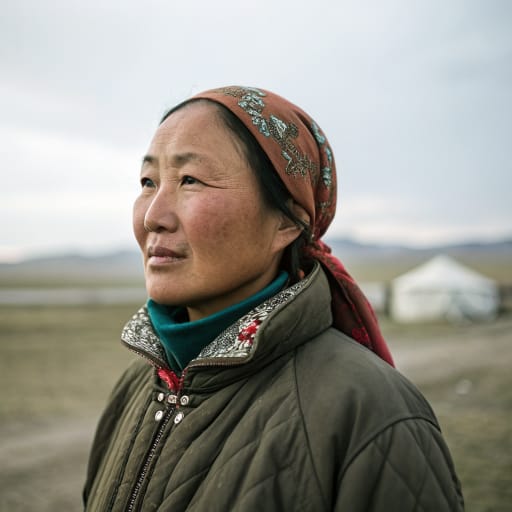
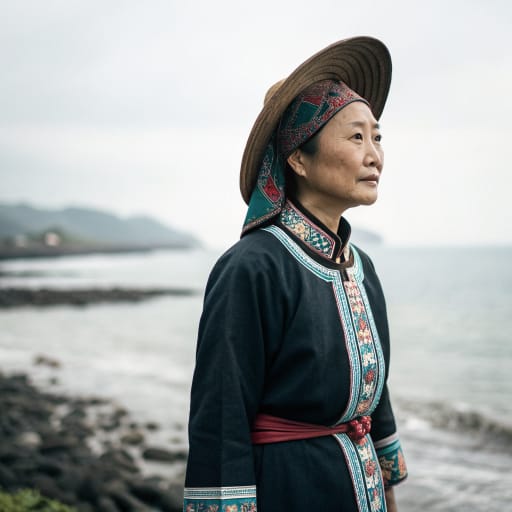
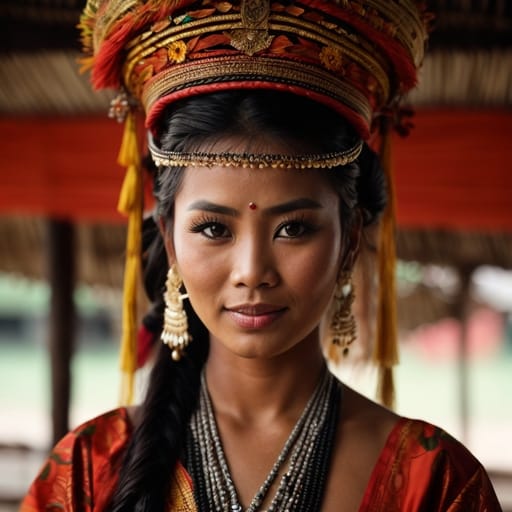
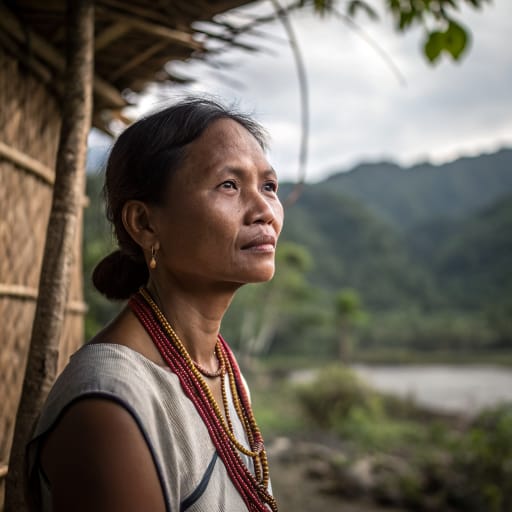
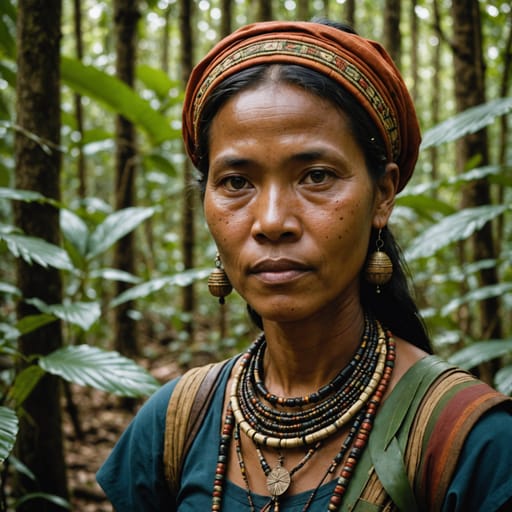
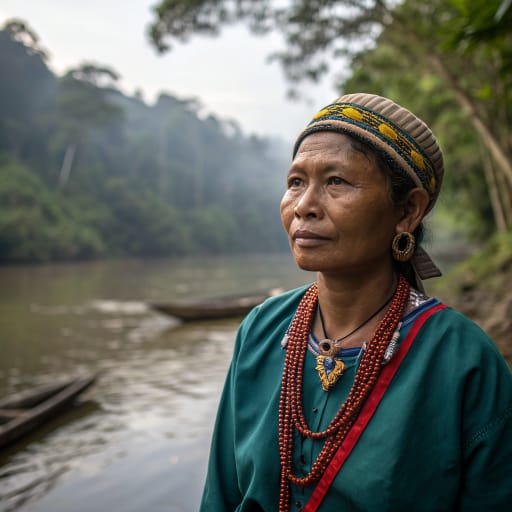
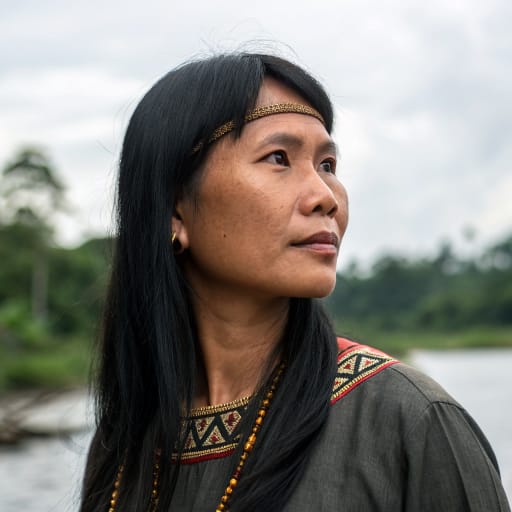
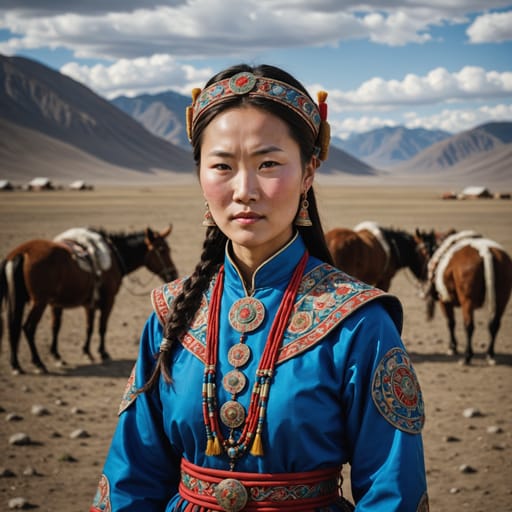
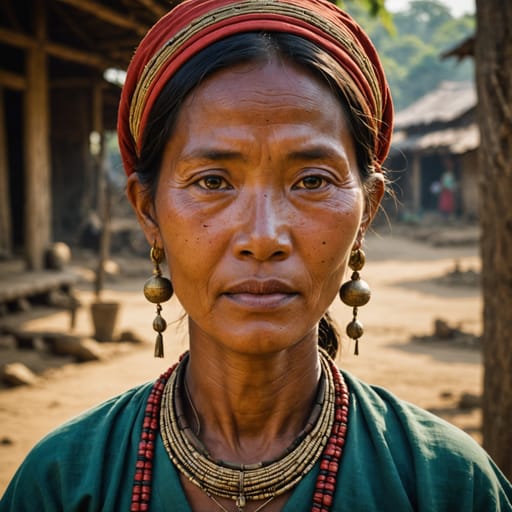
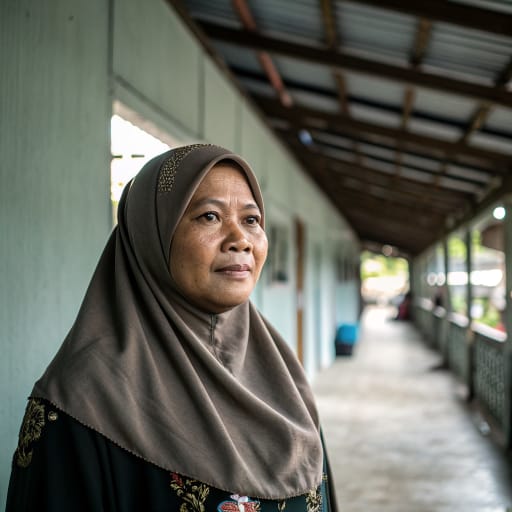
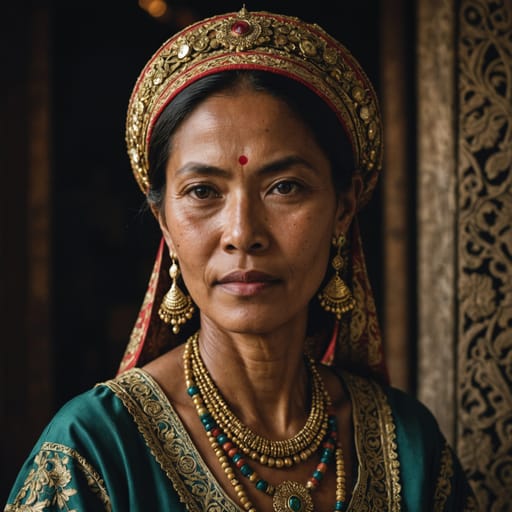
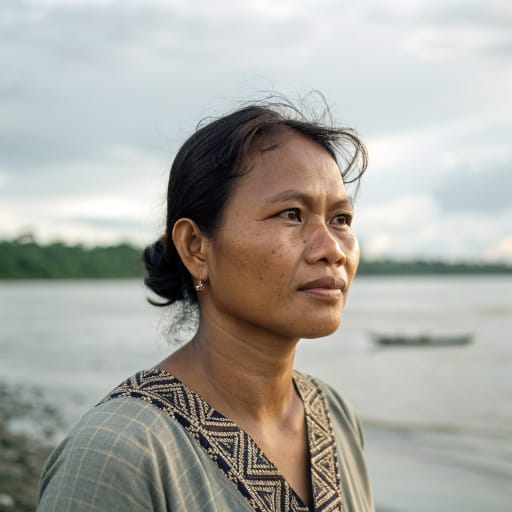
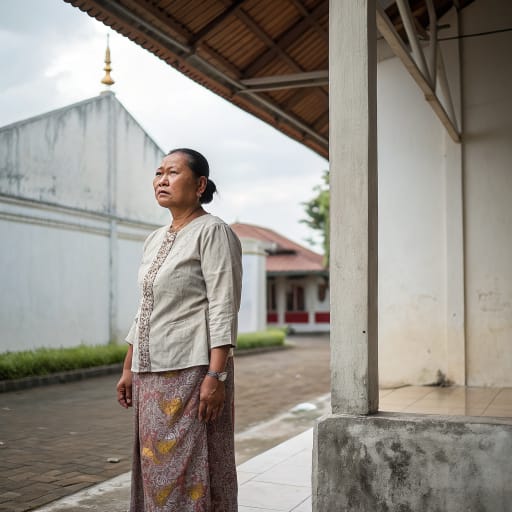
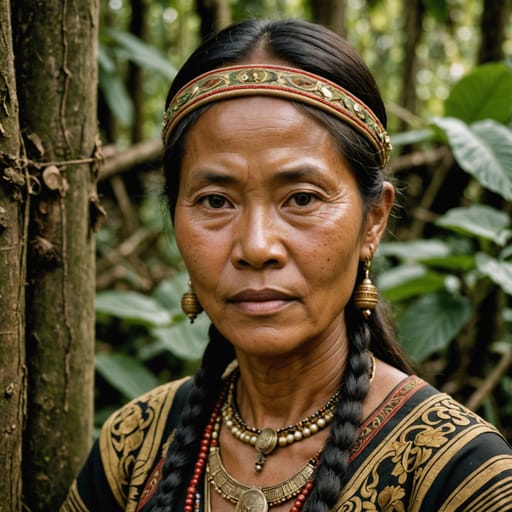

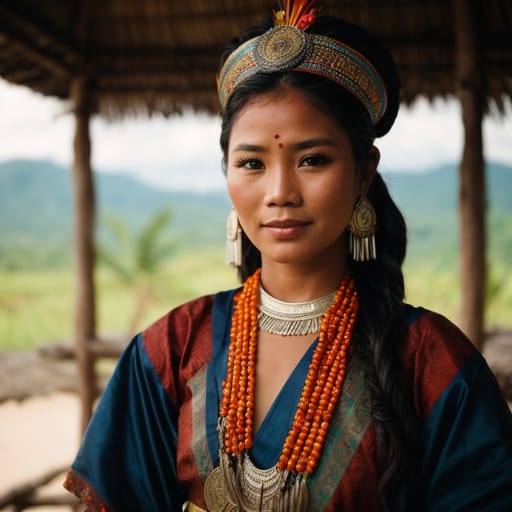
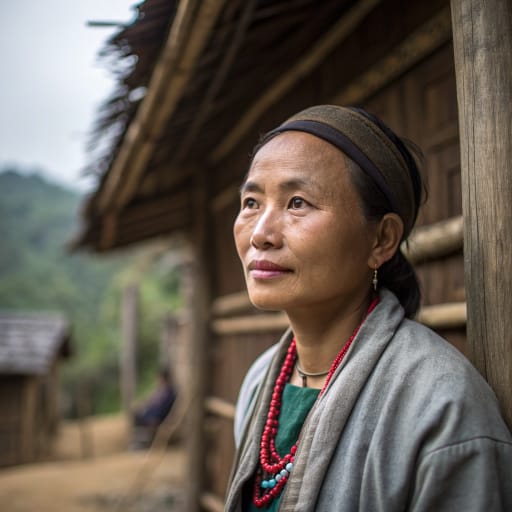
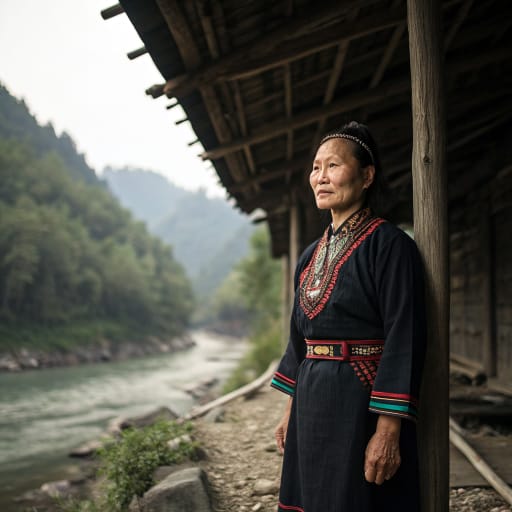
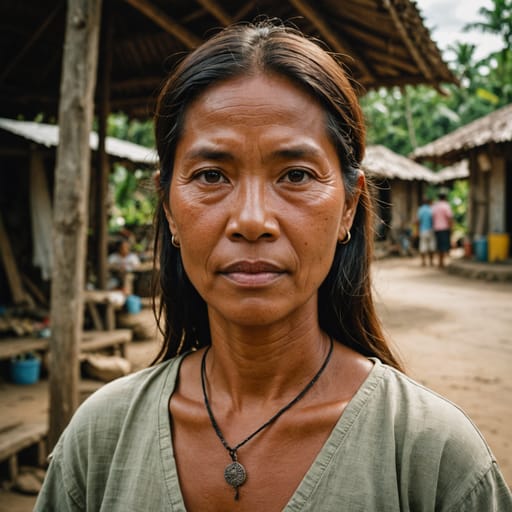
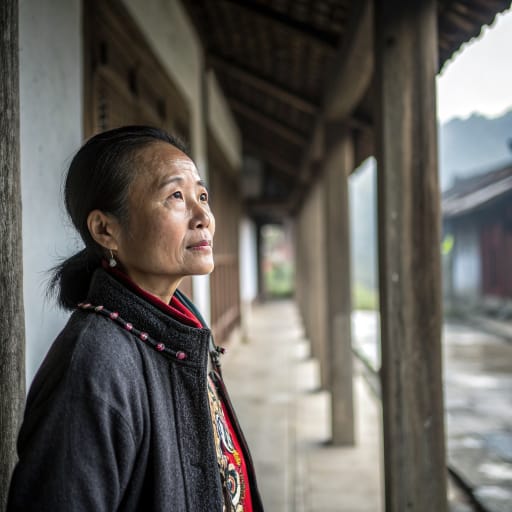
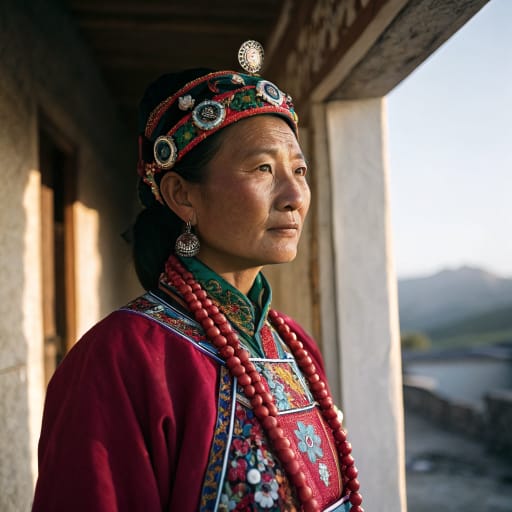
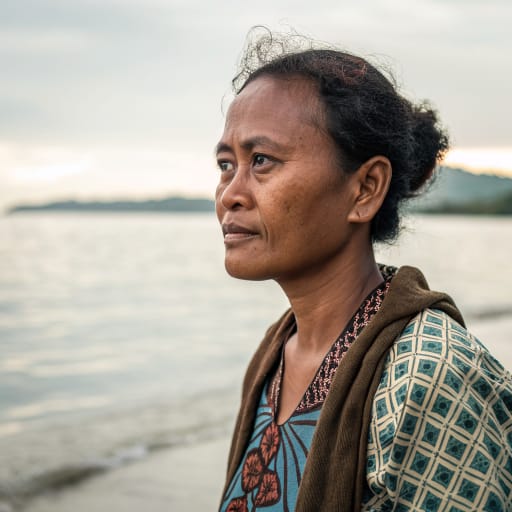
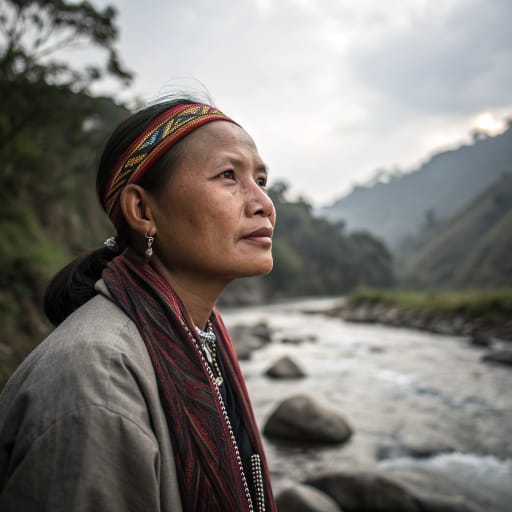
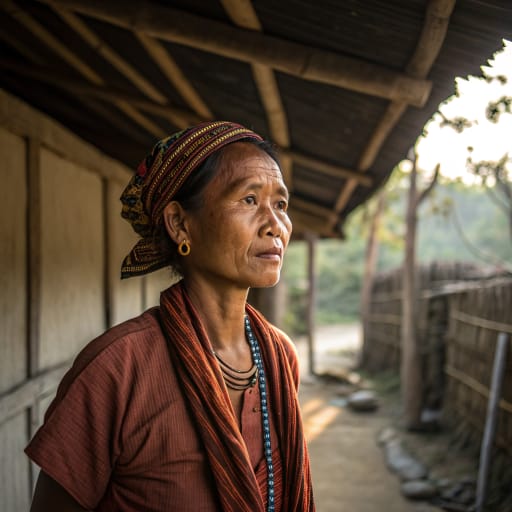

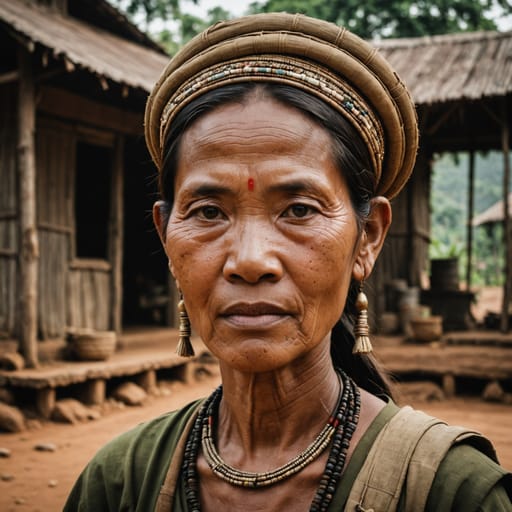
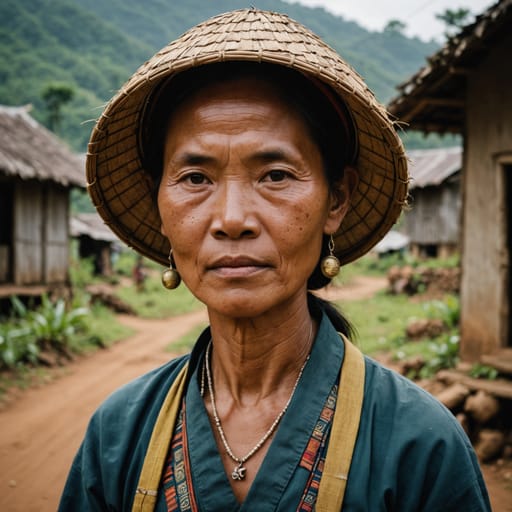

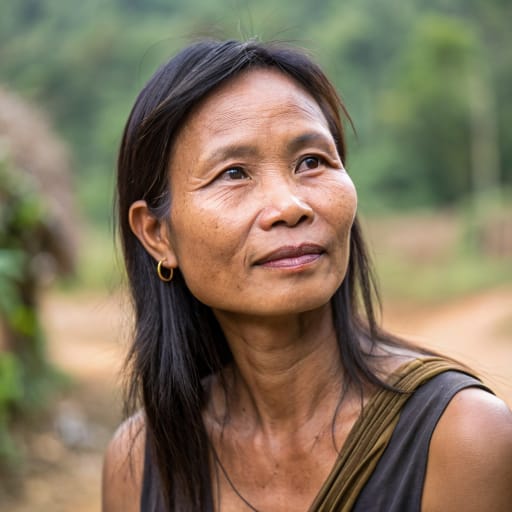
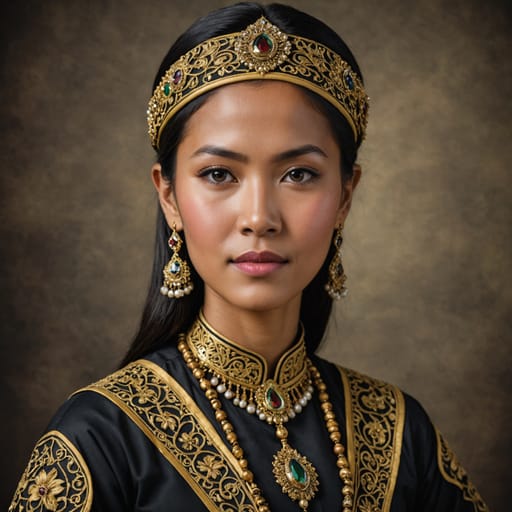
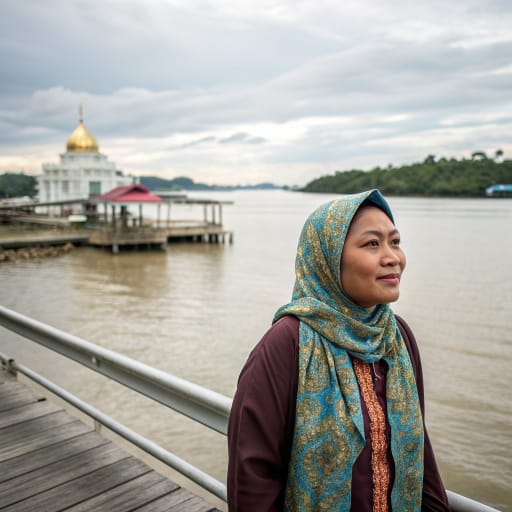


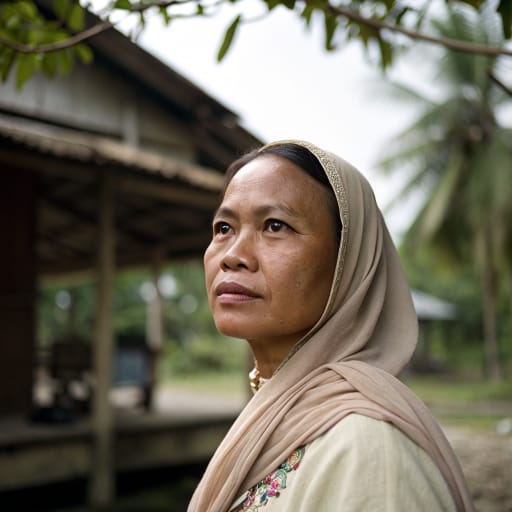
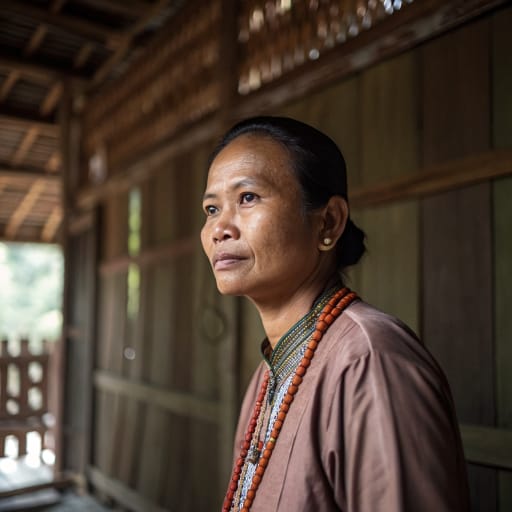
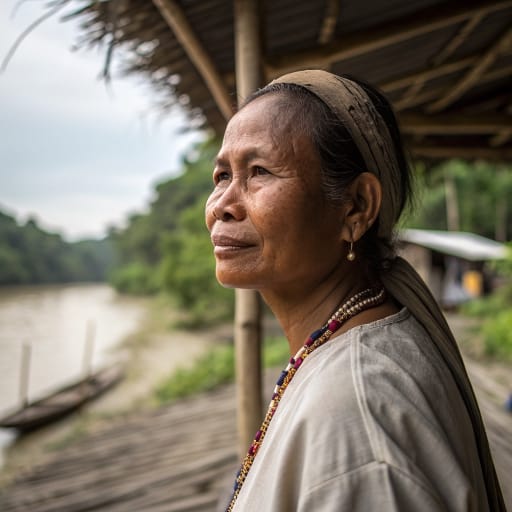
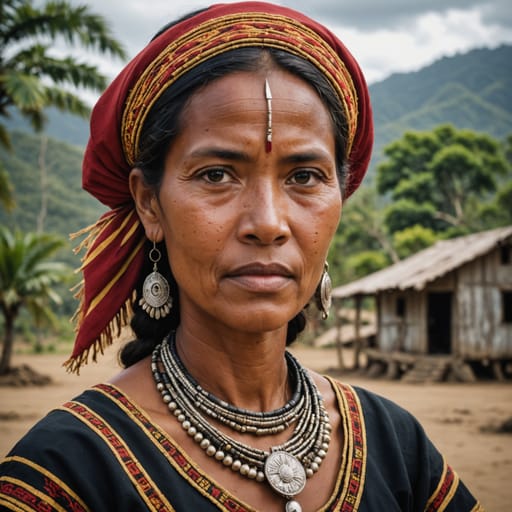
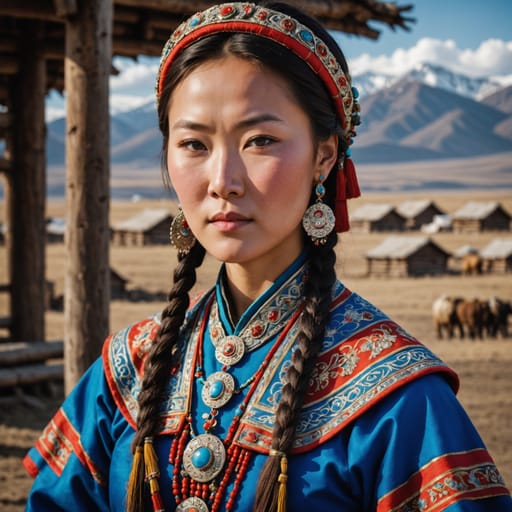
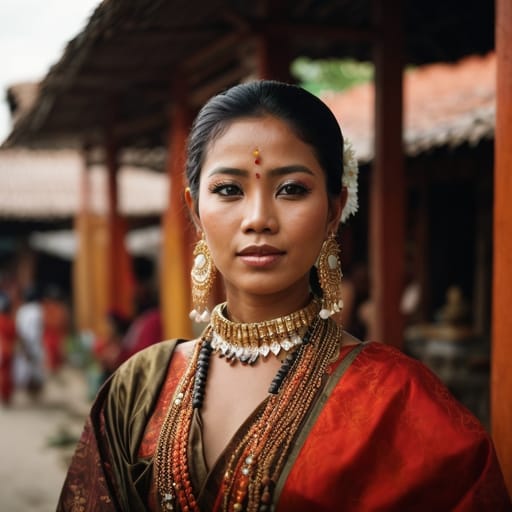
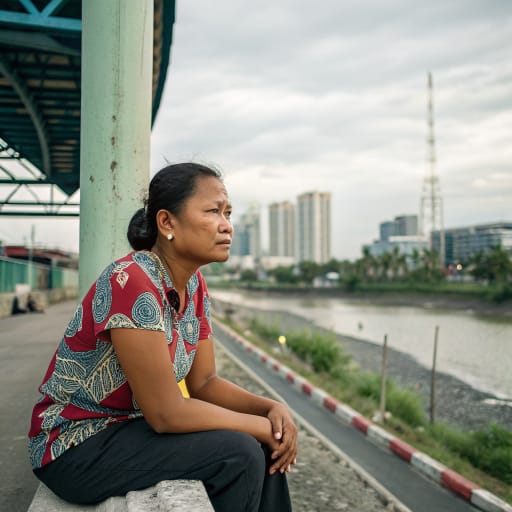
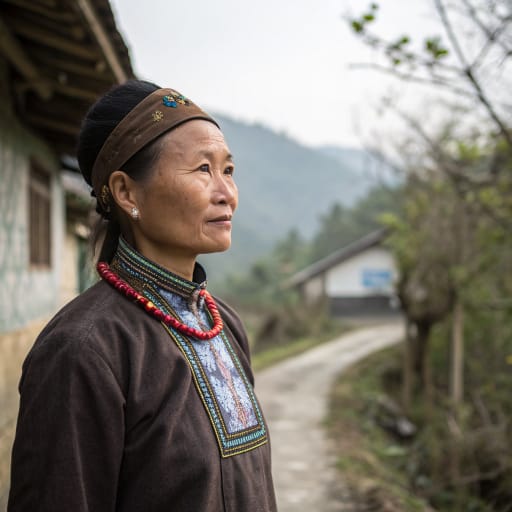
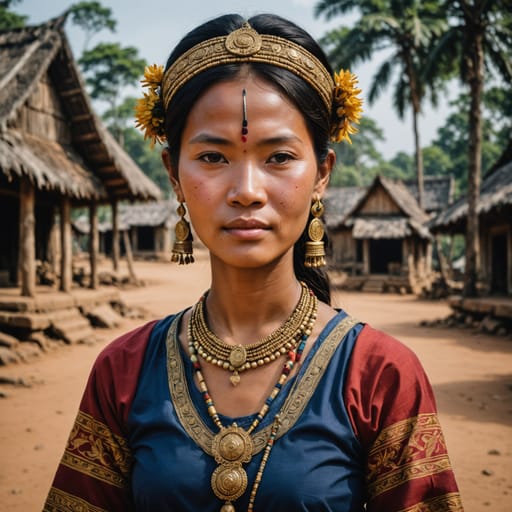
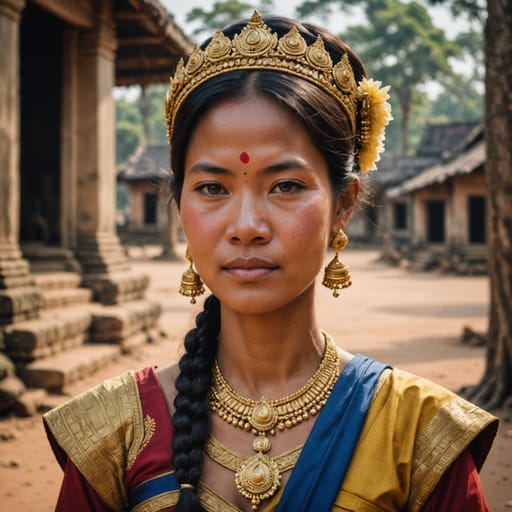


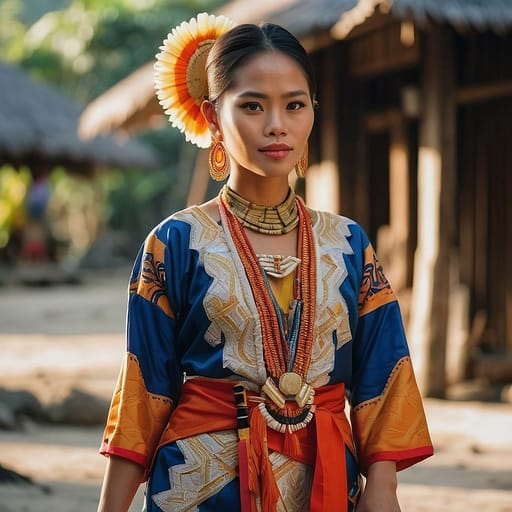

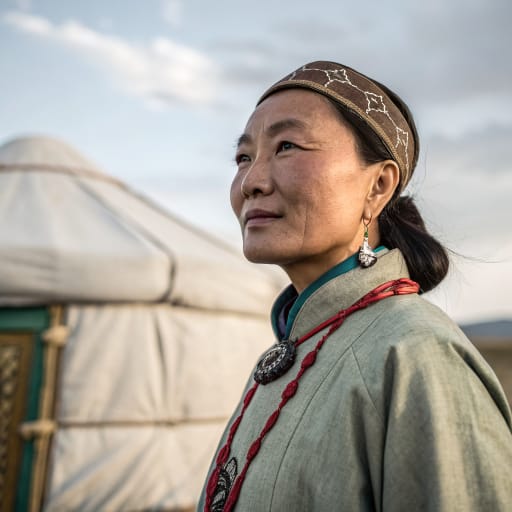
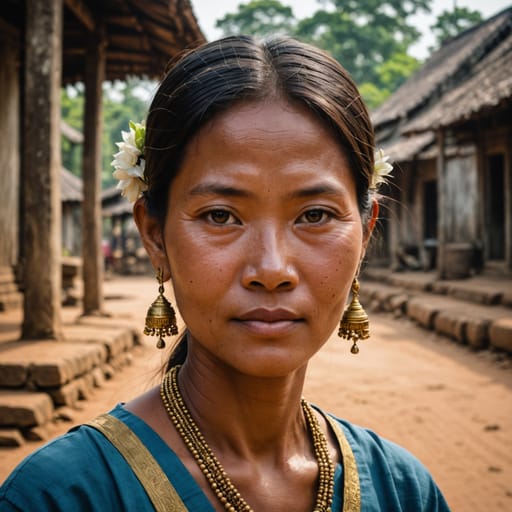

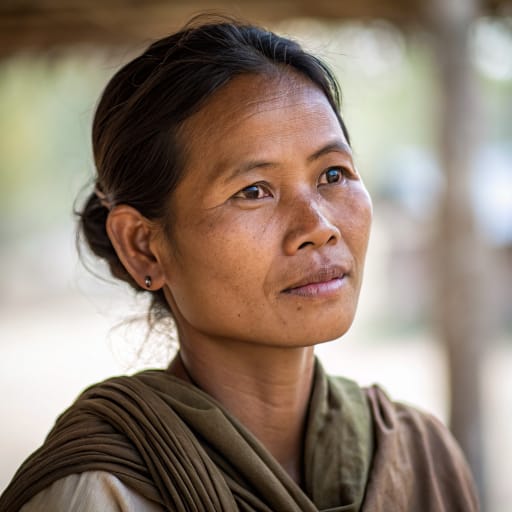
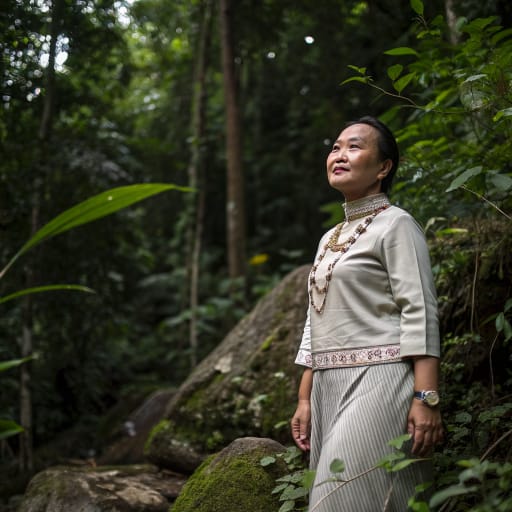
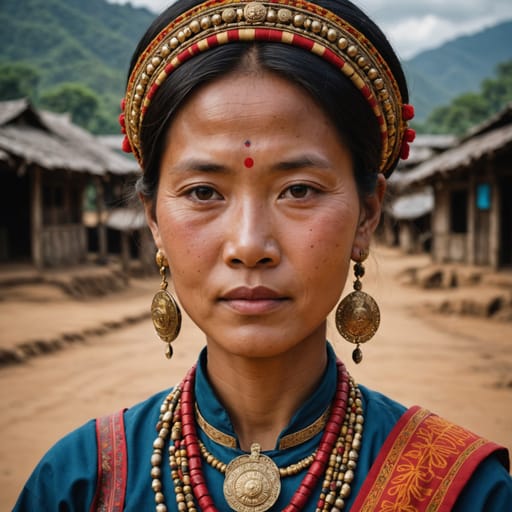

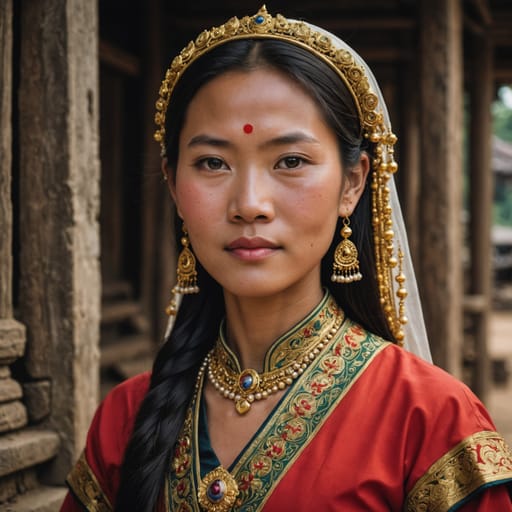
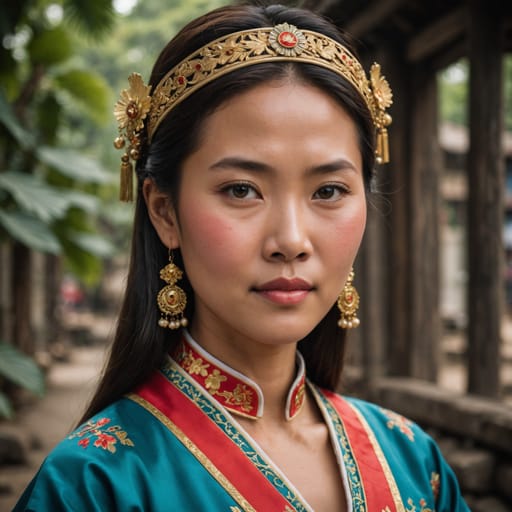






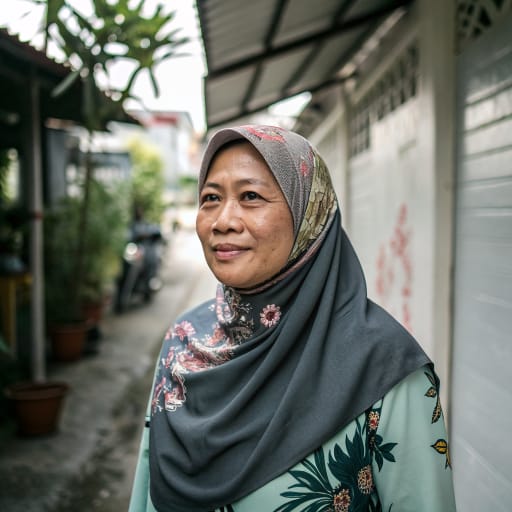
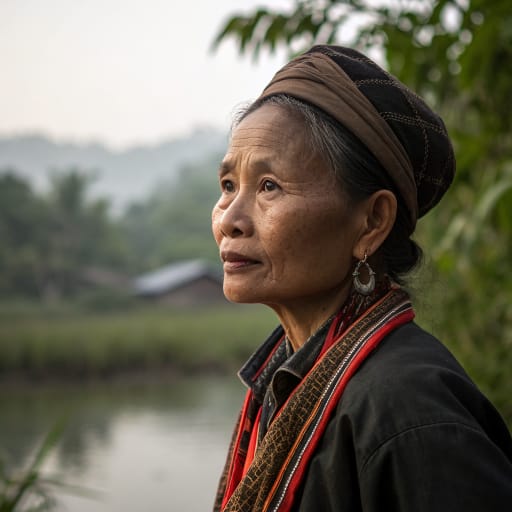
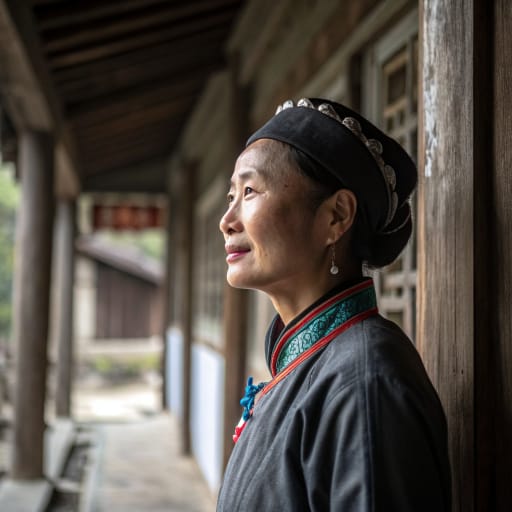
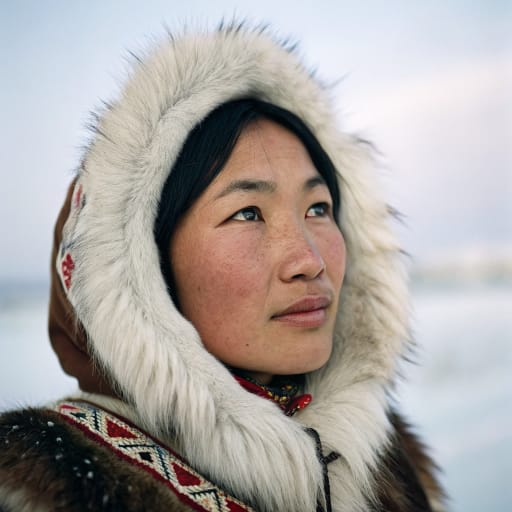
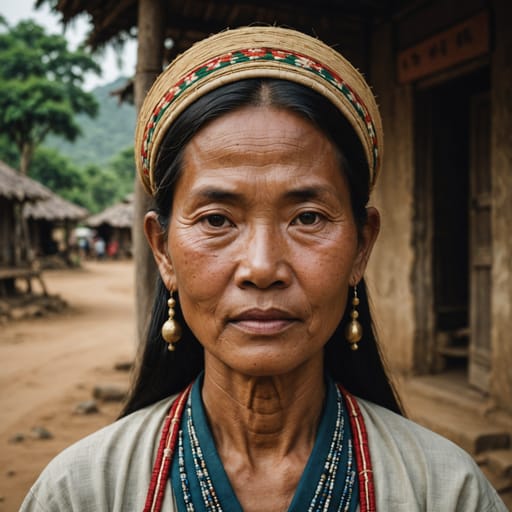
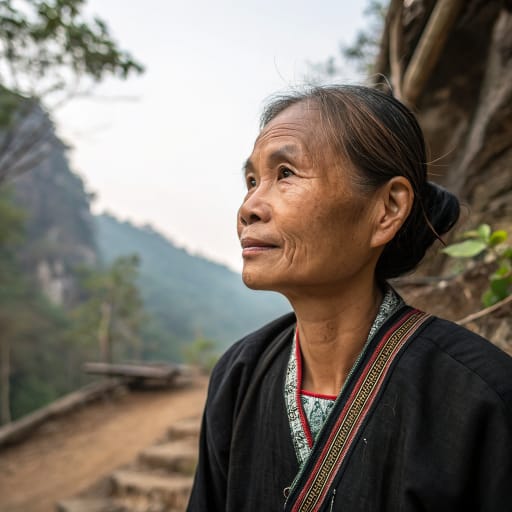
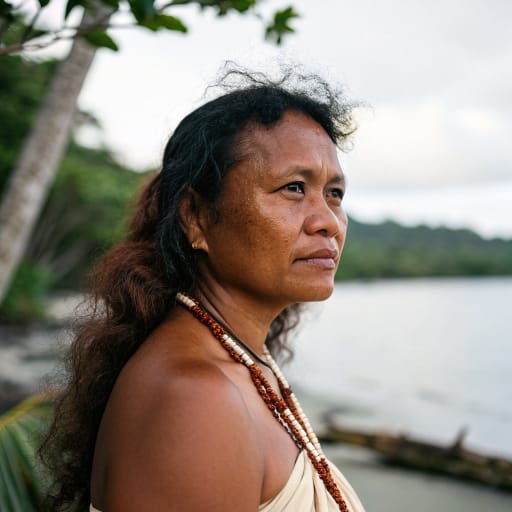
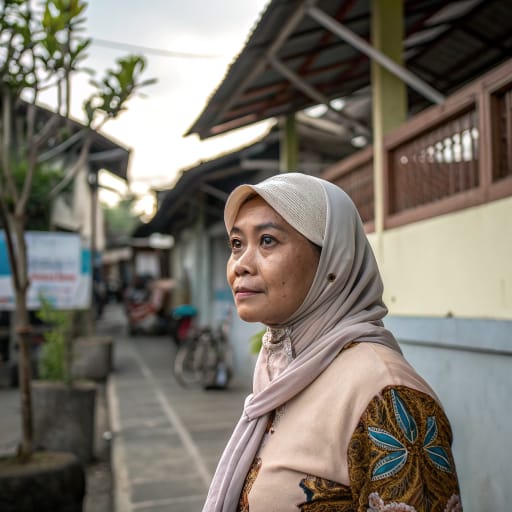
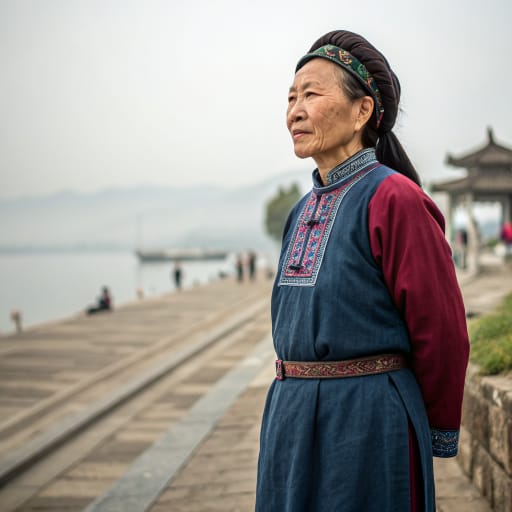
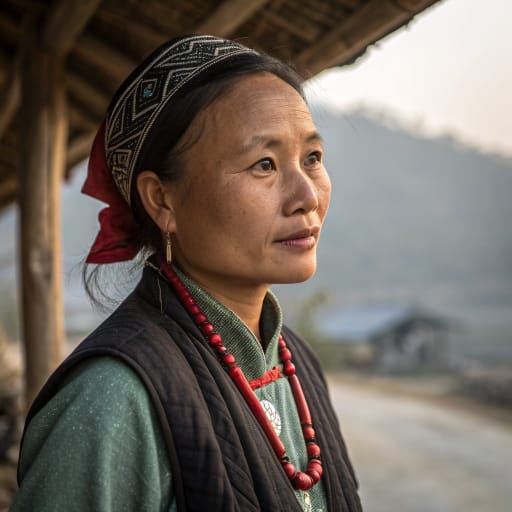
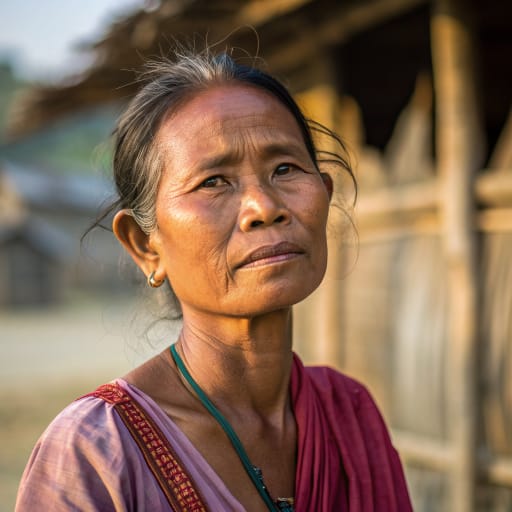
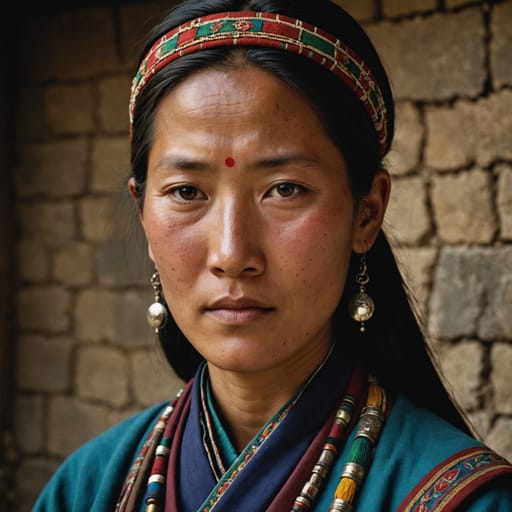
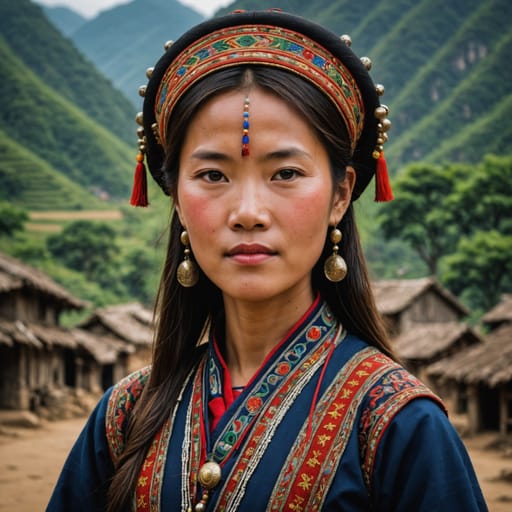
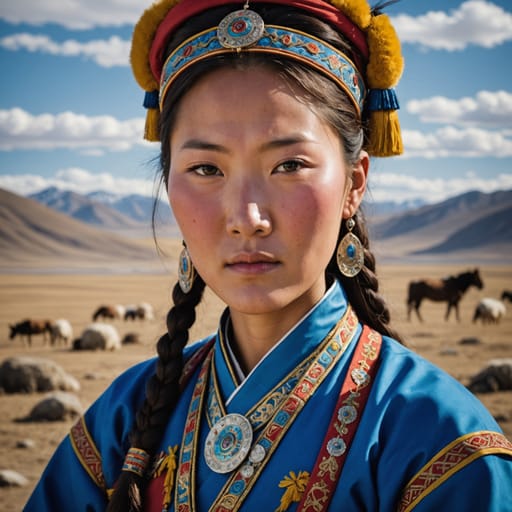
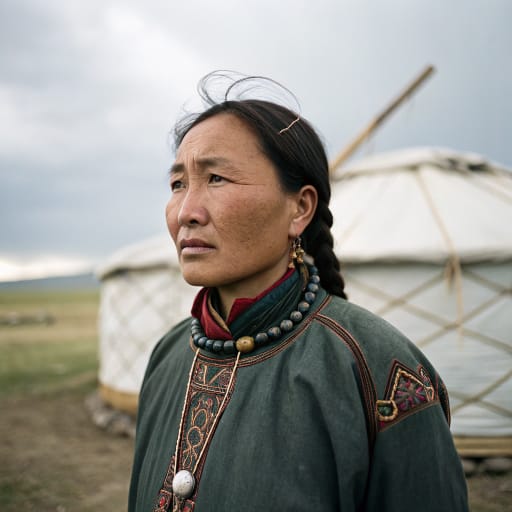

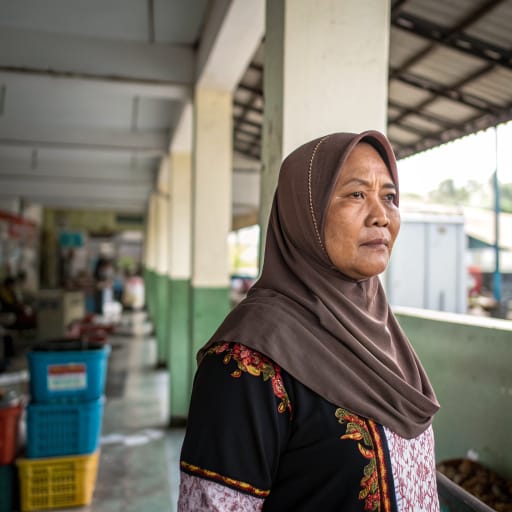
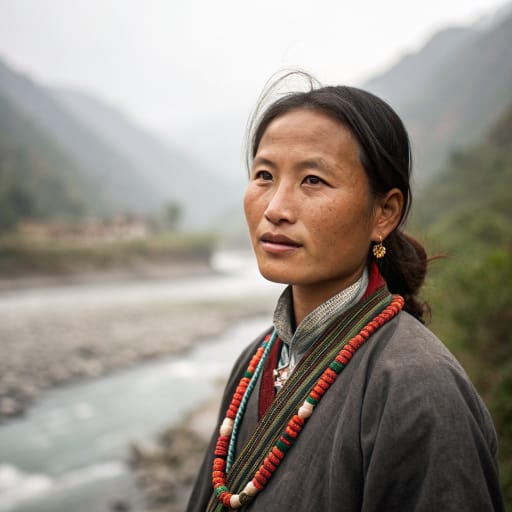
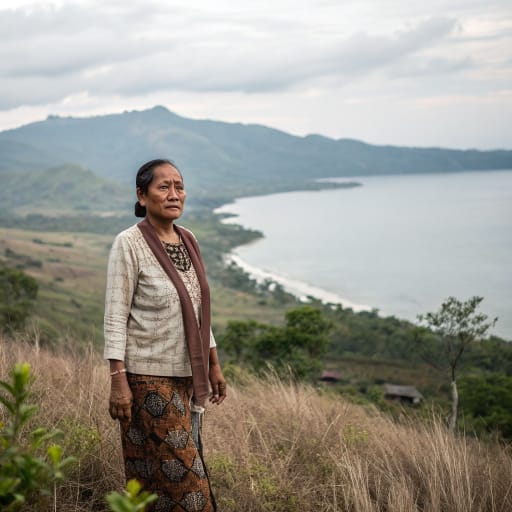
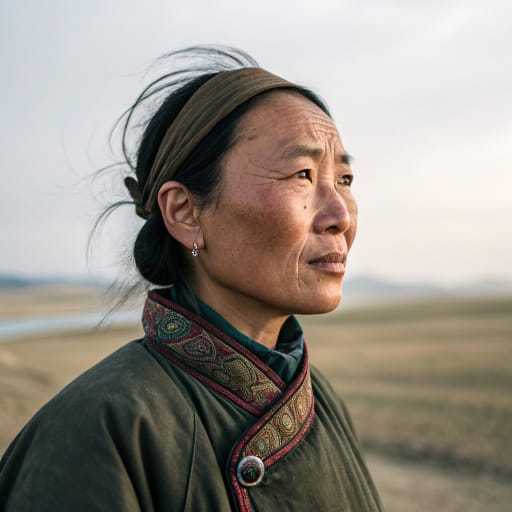
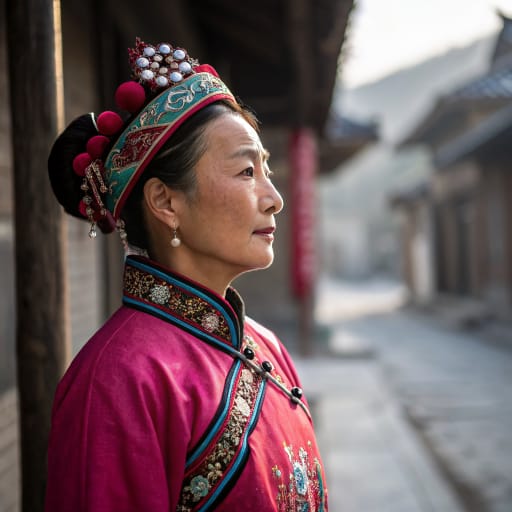
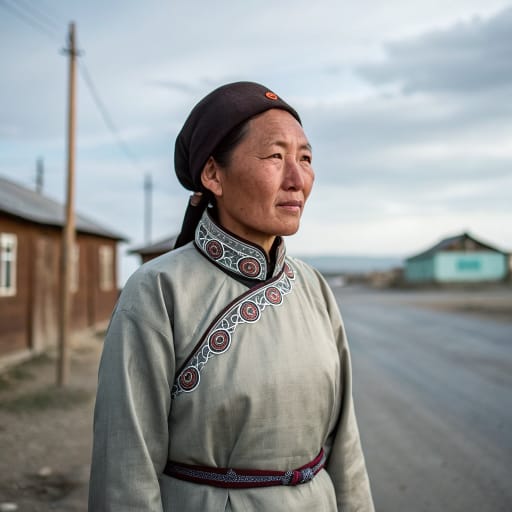
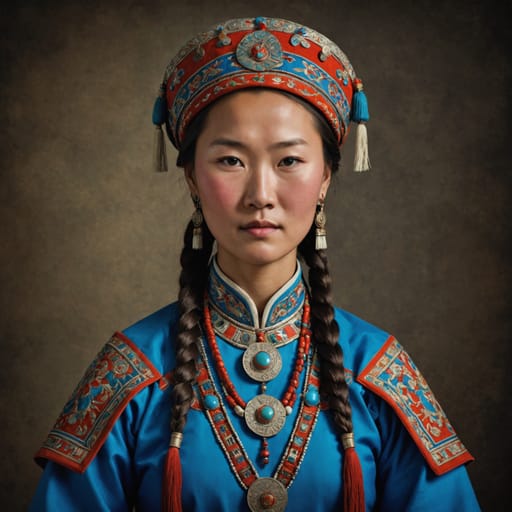
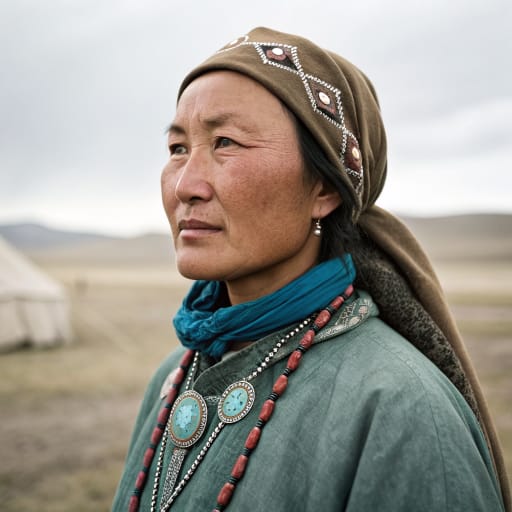
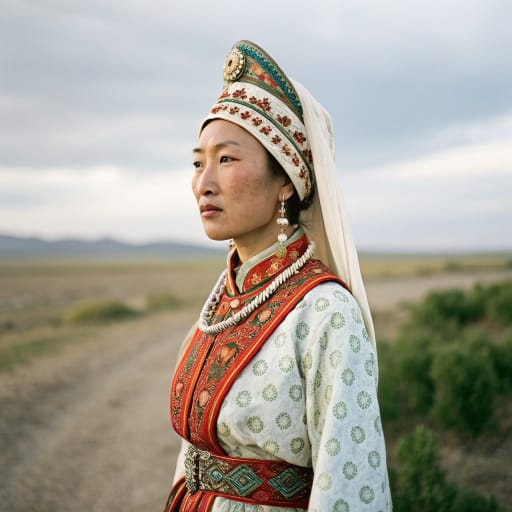





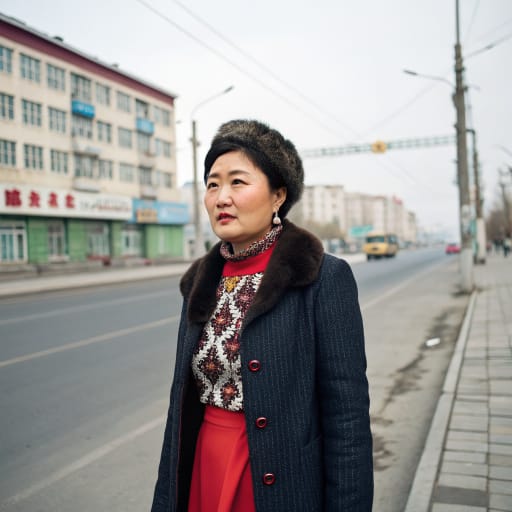
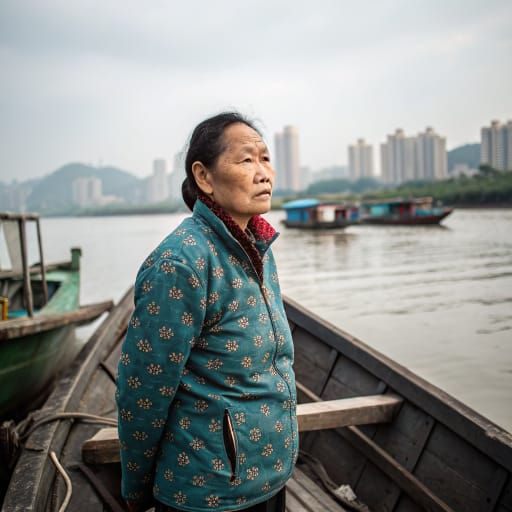
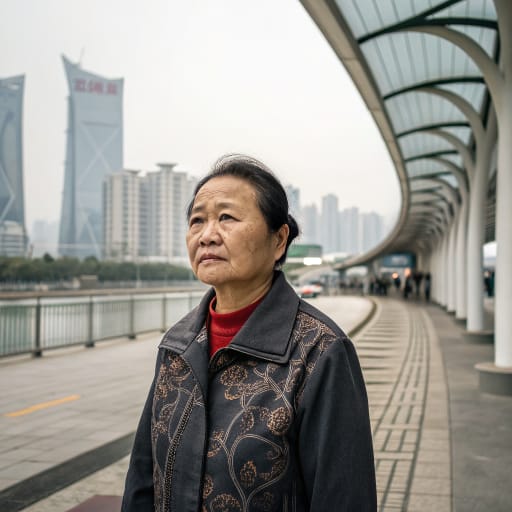
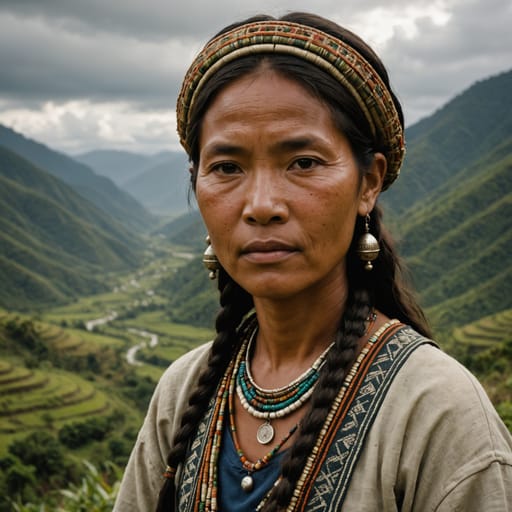
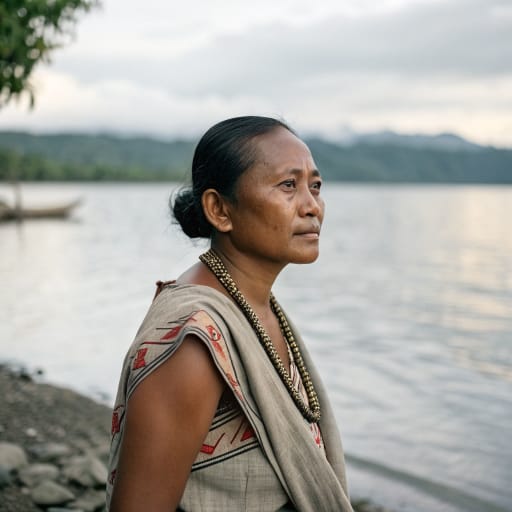


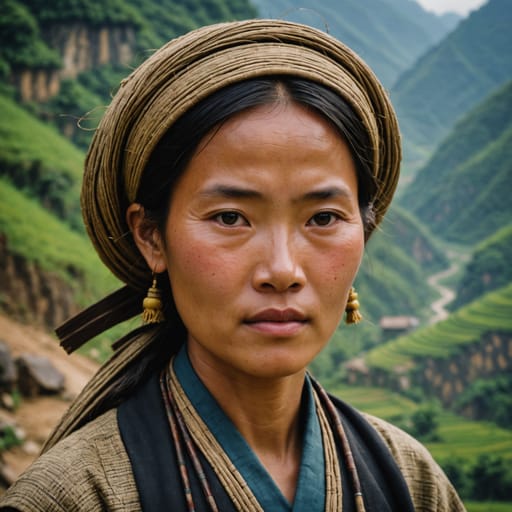
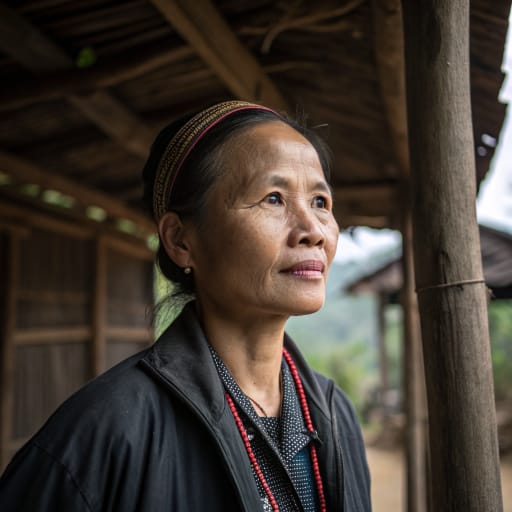
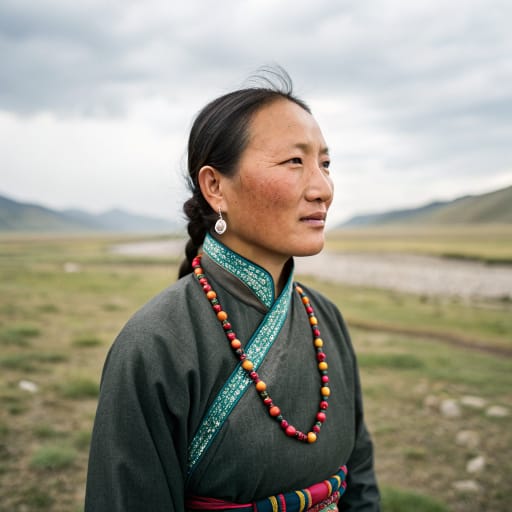



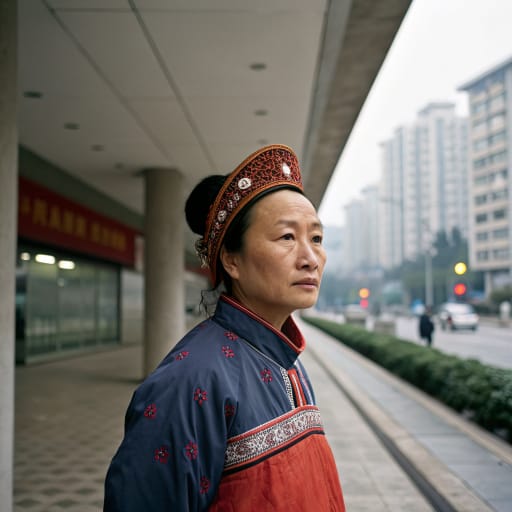




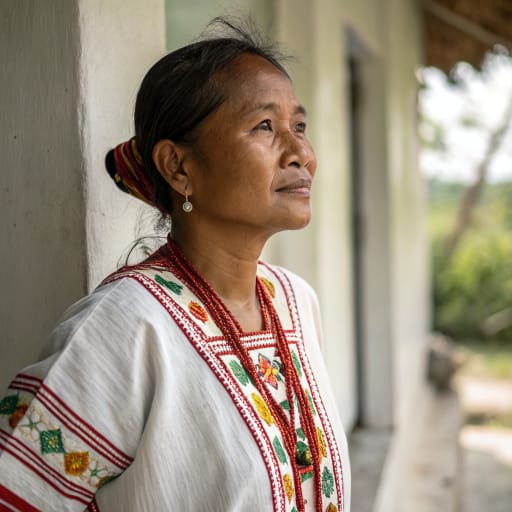
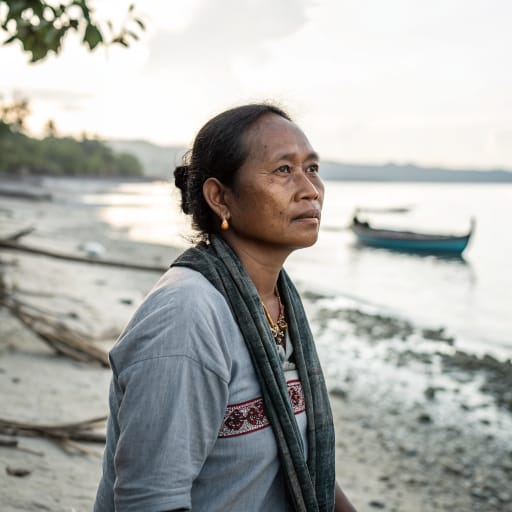

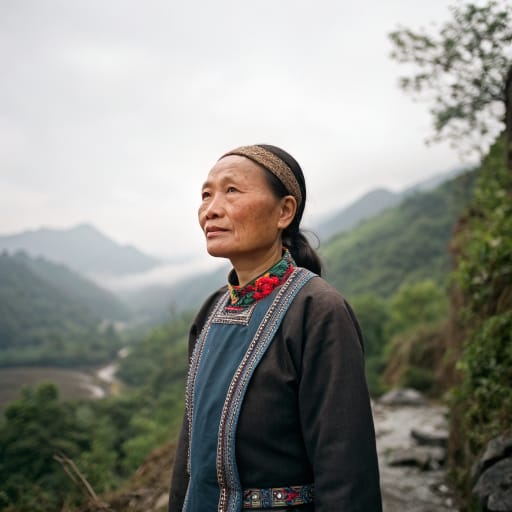

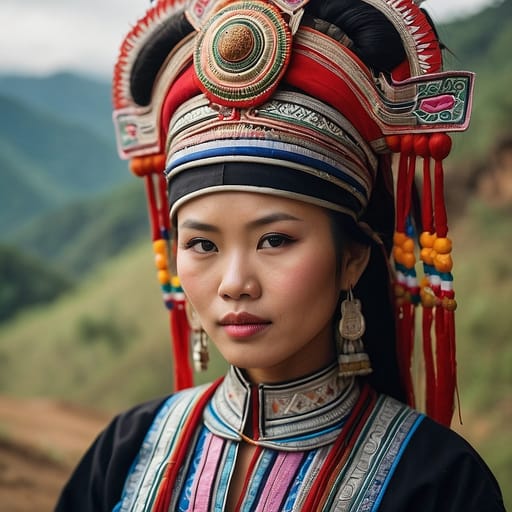
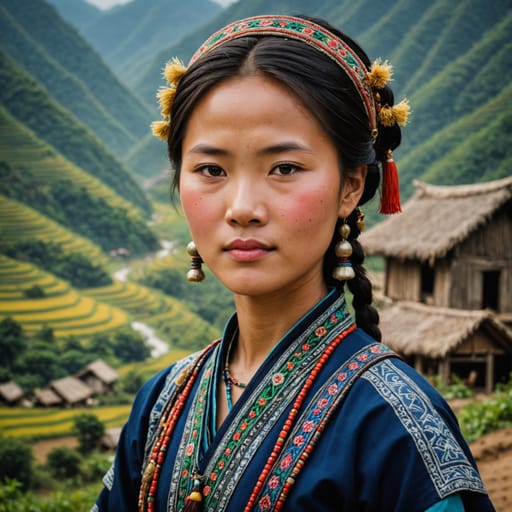

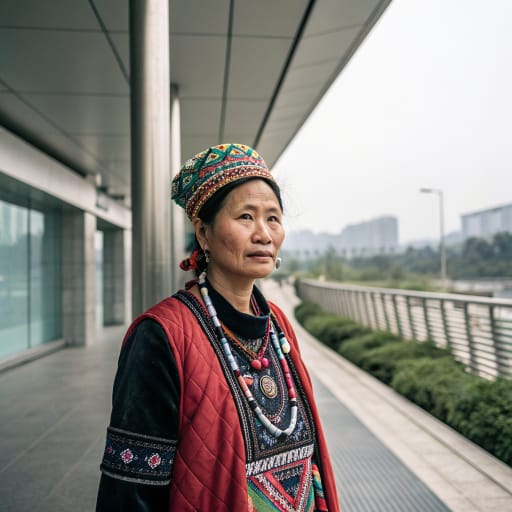
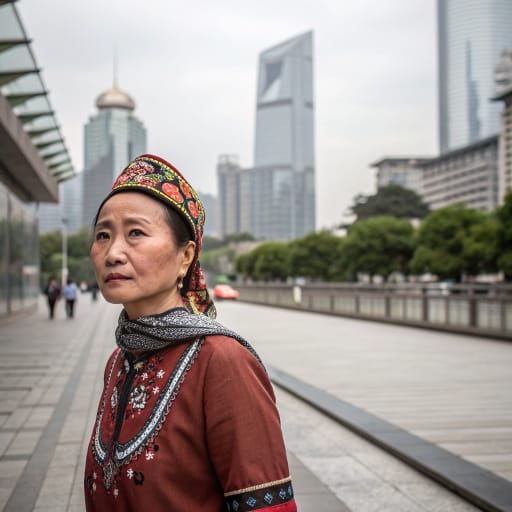



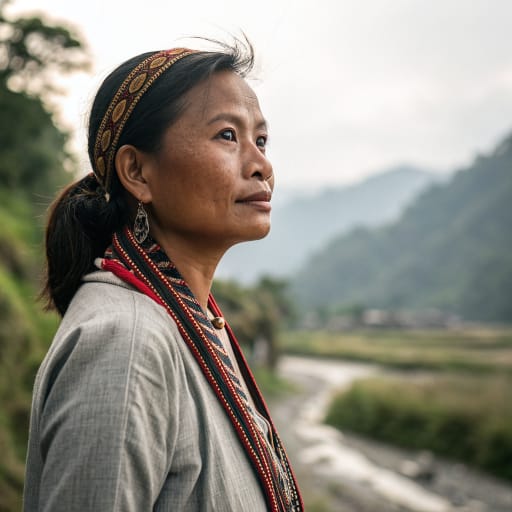
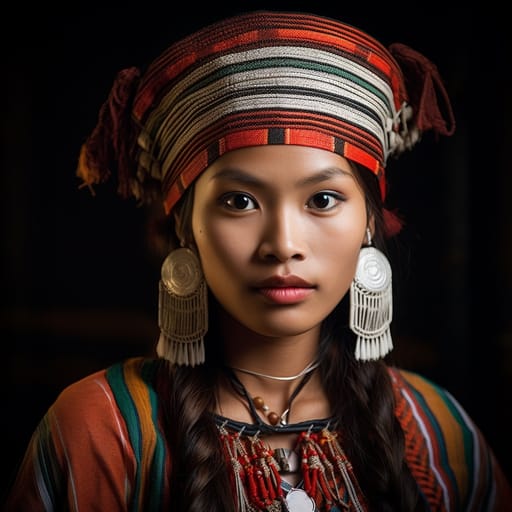
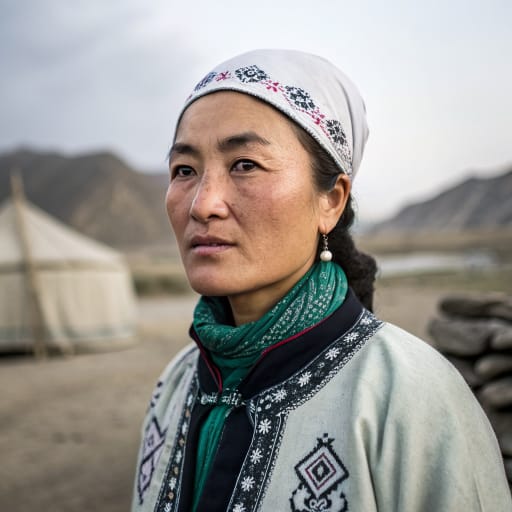
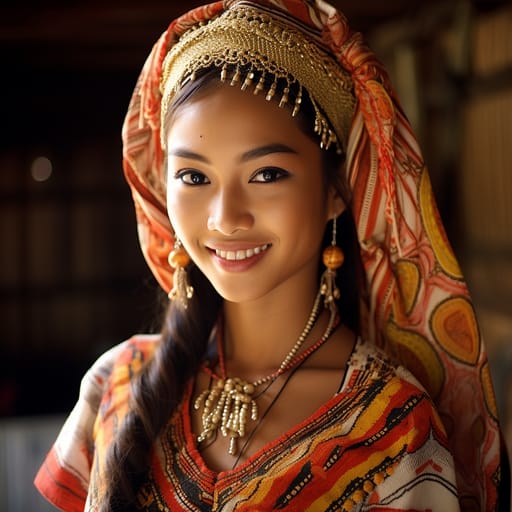
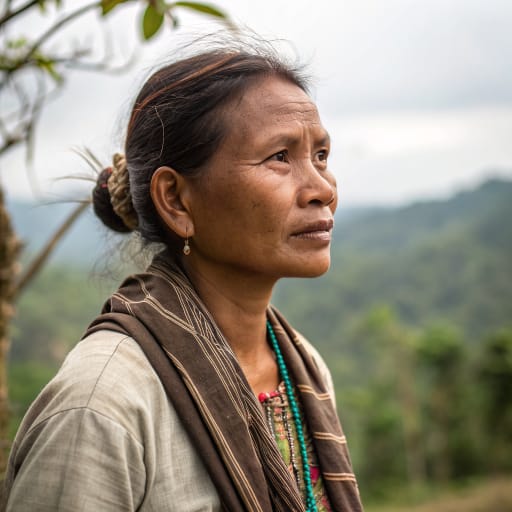


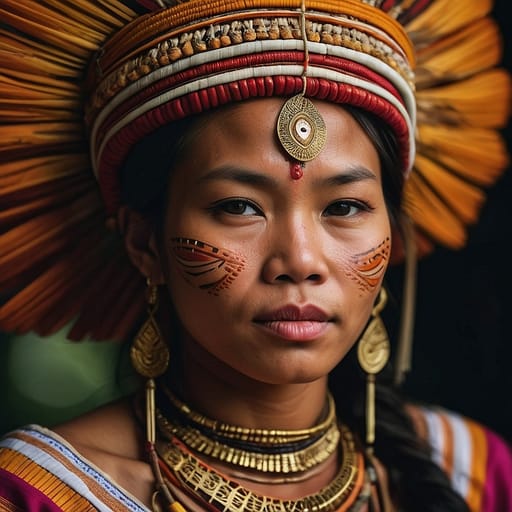


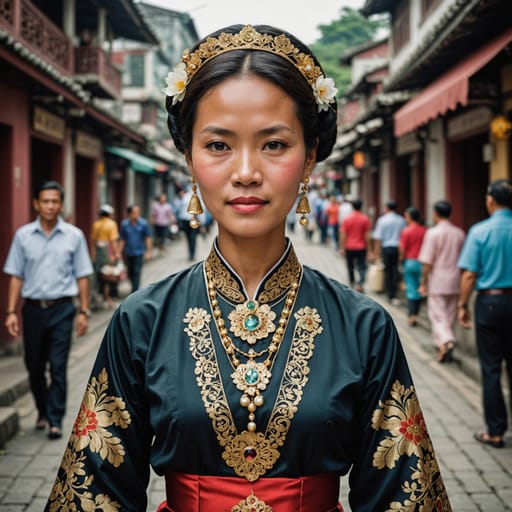

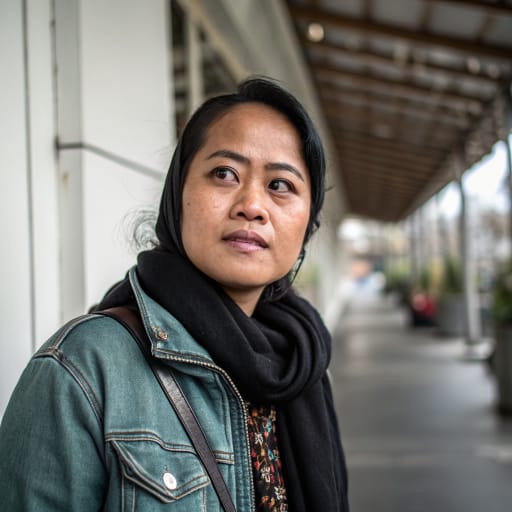
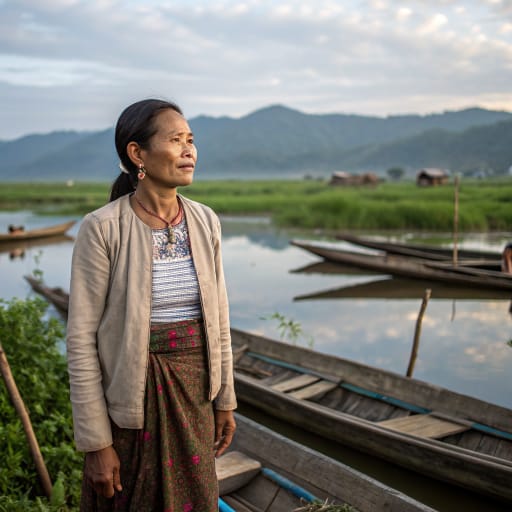


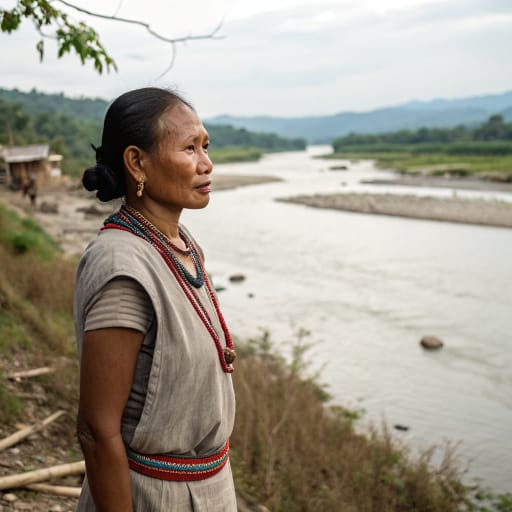

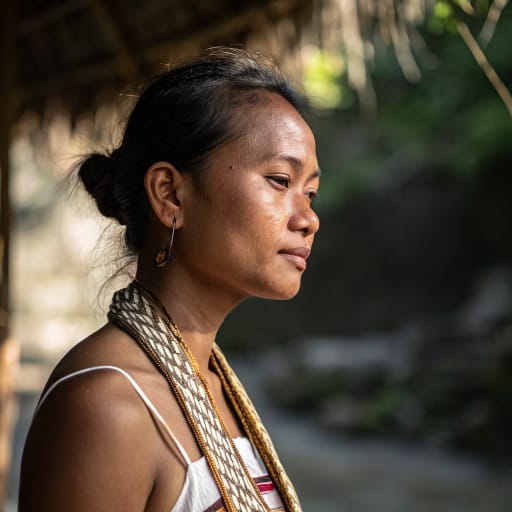
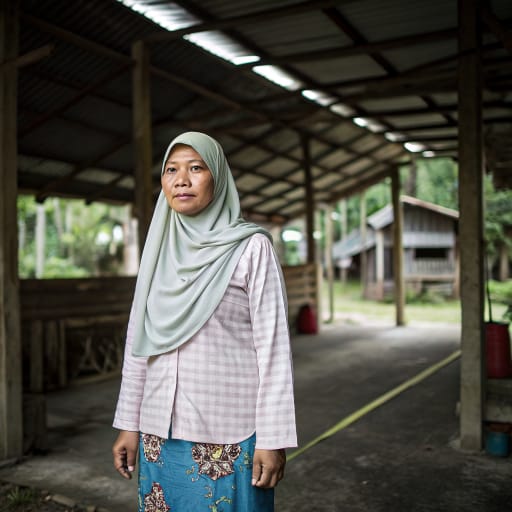
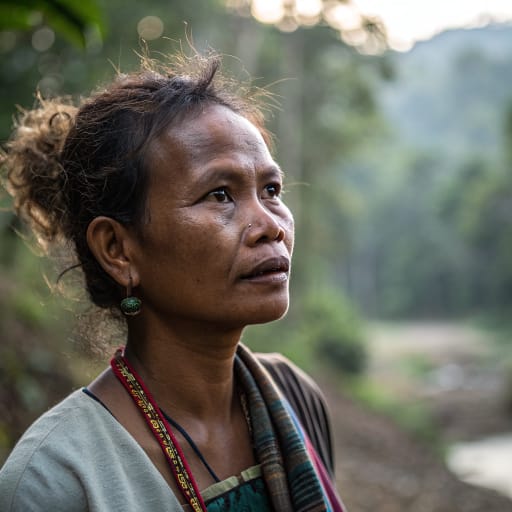
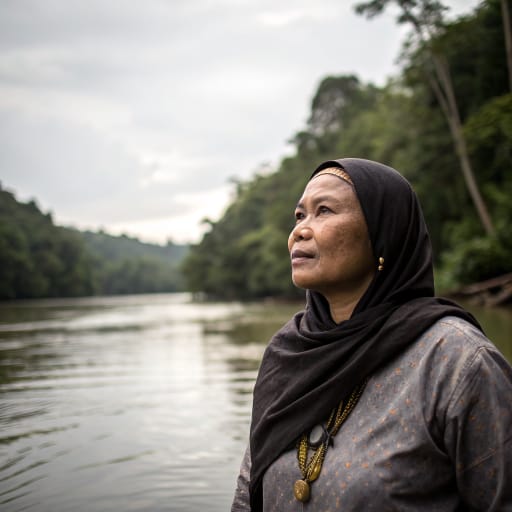
Jalaids
Jalaid Banner and nearby areas of Hinggan League, eastern Inner Mongolia, China; historic Jalair branches in Iran, Iraq and Central Asia



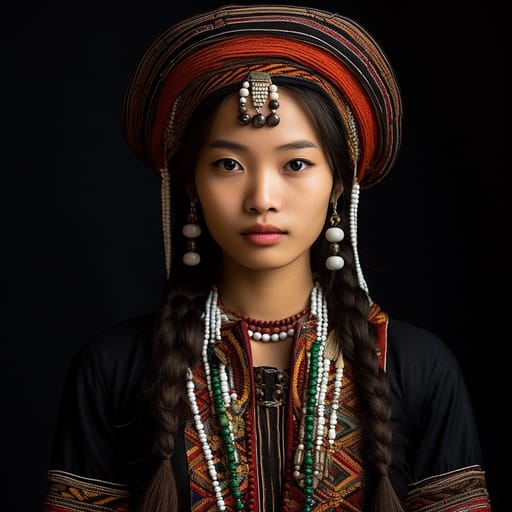
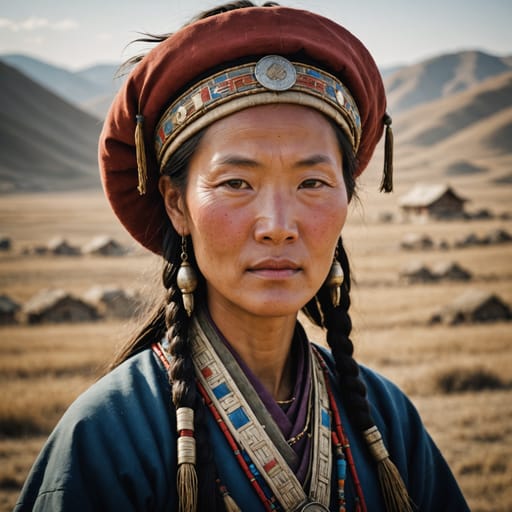

Jeju
Jeju Island and nearby islets such as Udo and Marado, off the southern coast of South Korea; a long-established community in Osaka, Japan
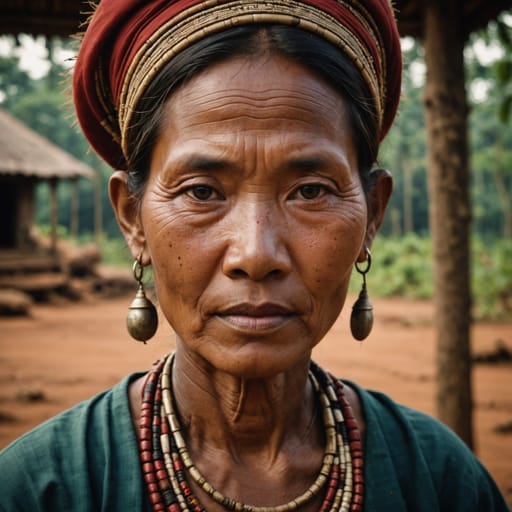
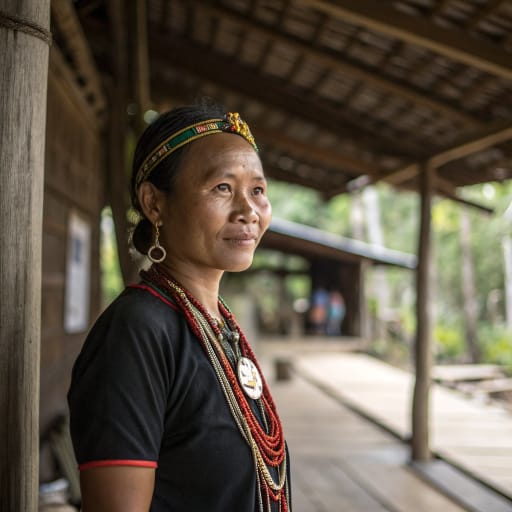

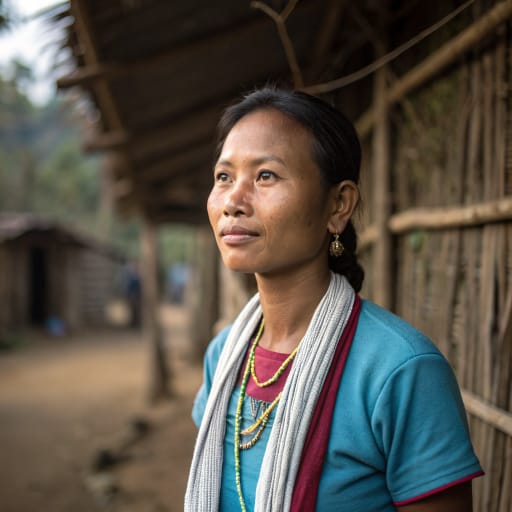
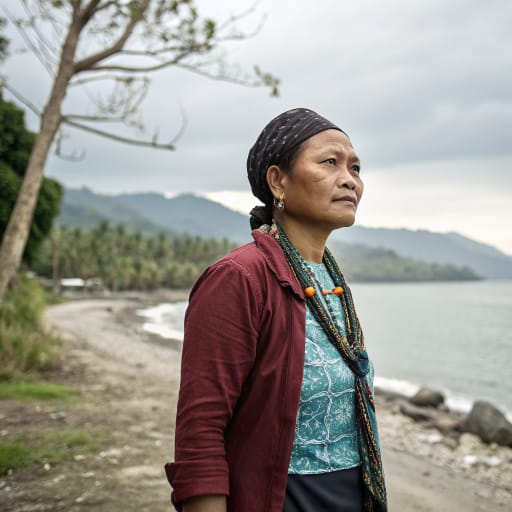
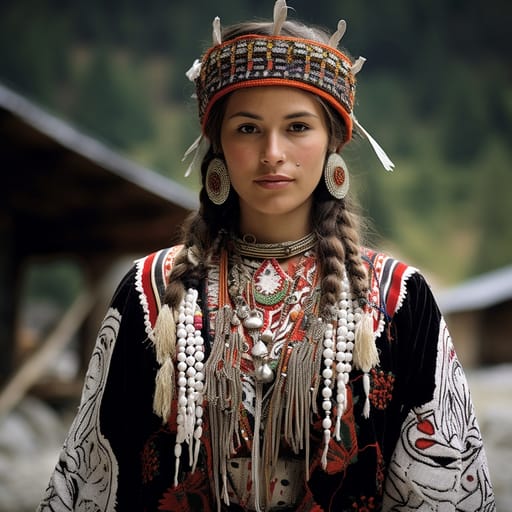
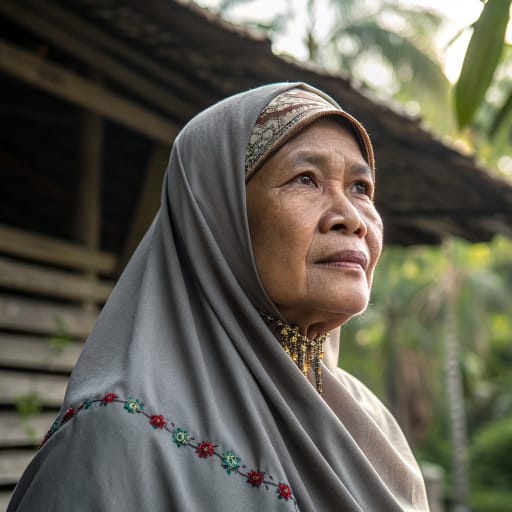
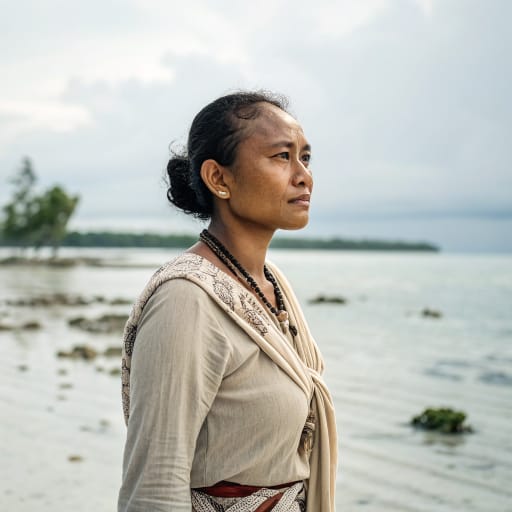
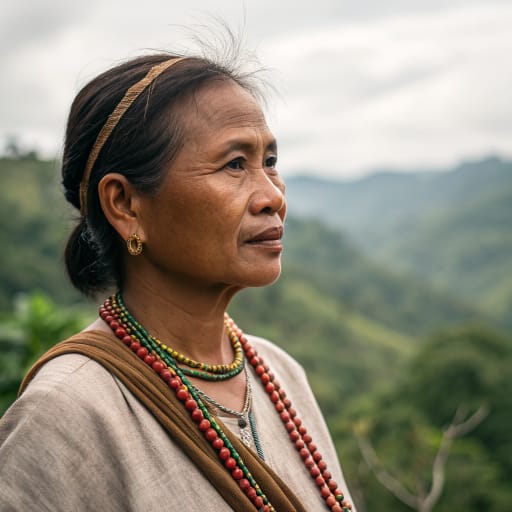

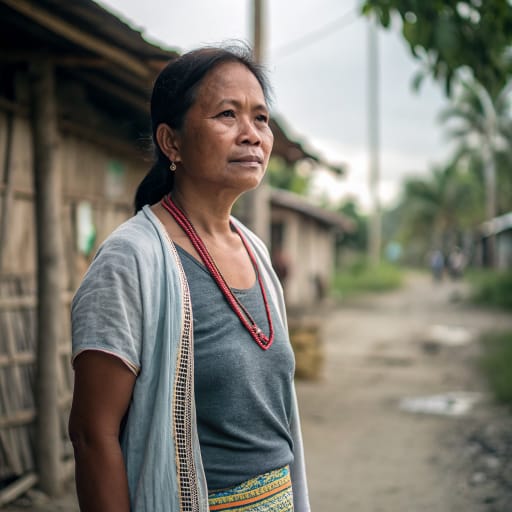
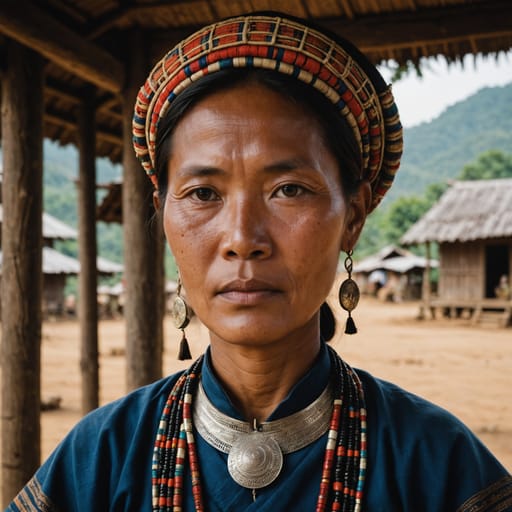
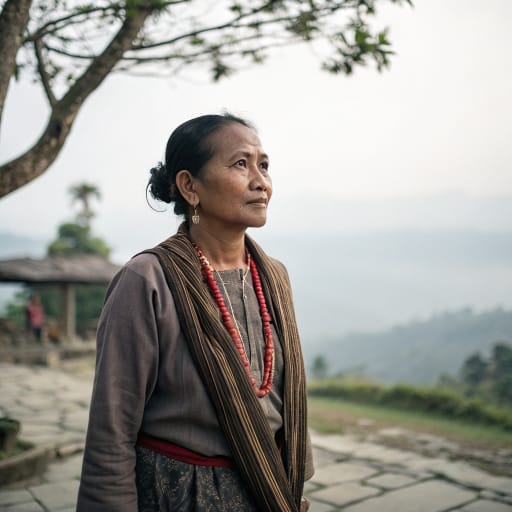
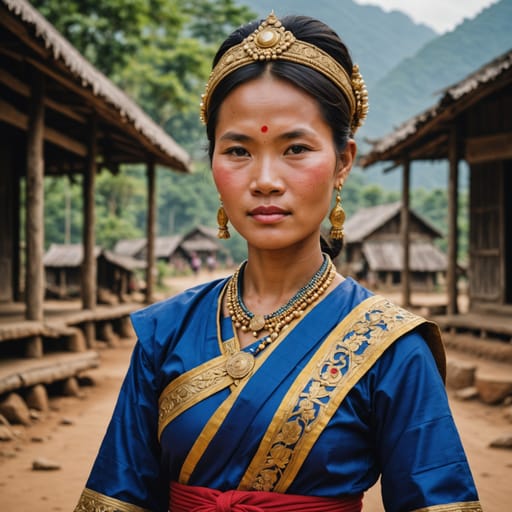
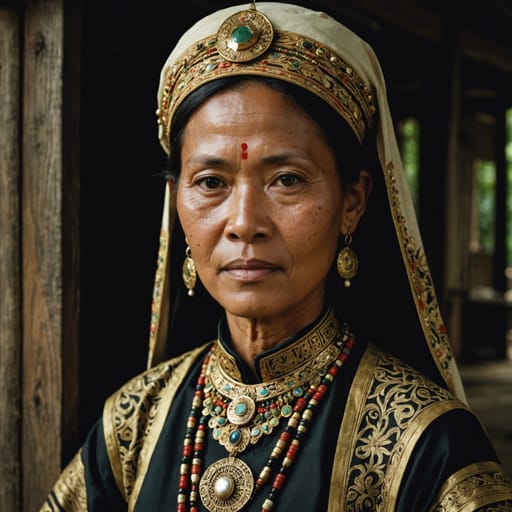
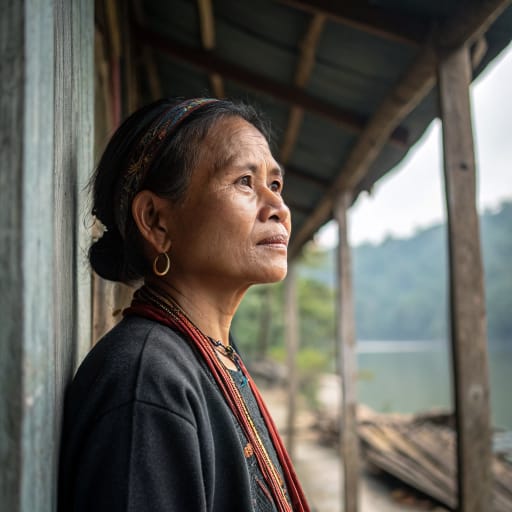
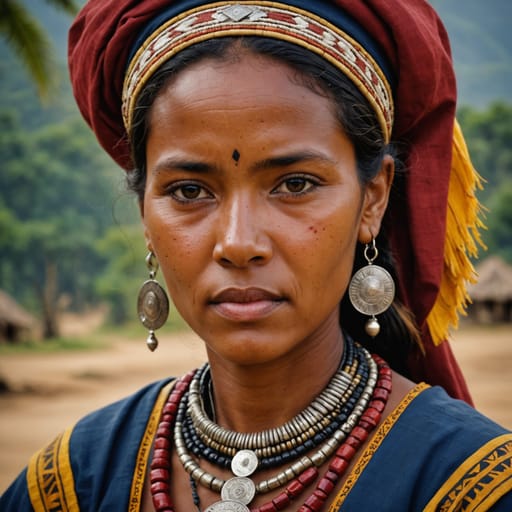
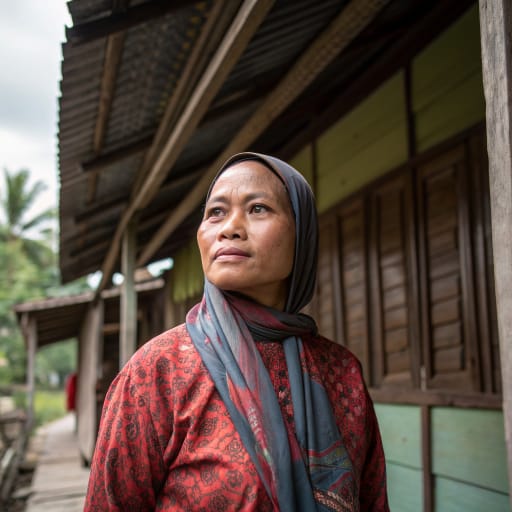
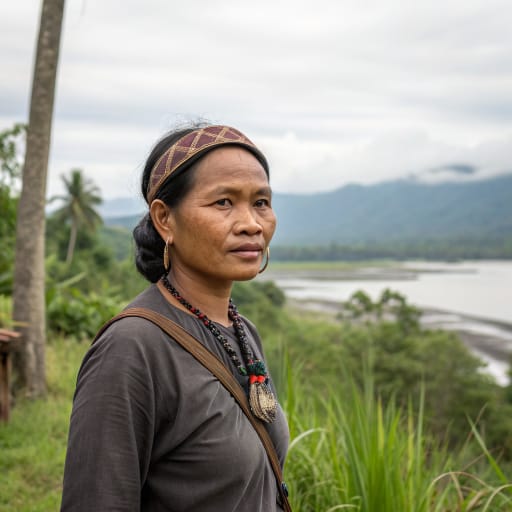
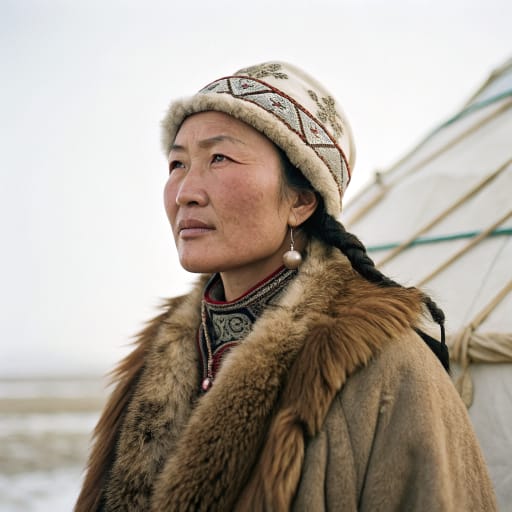
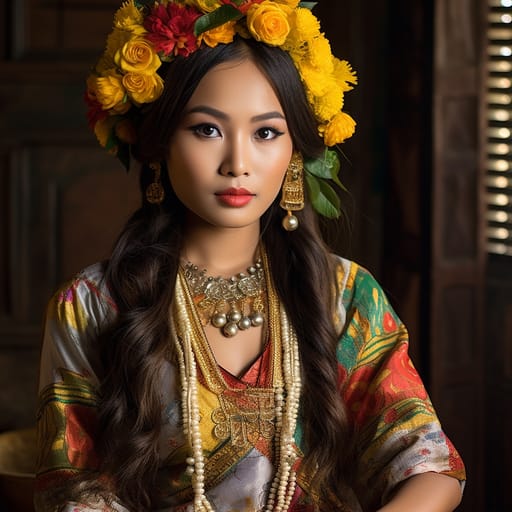
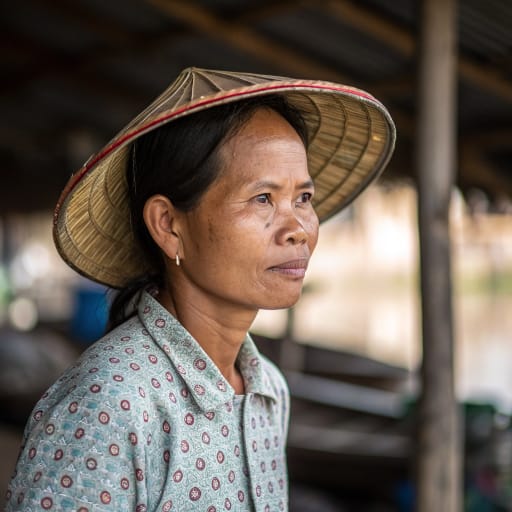
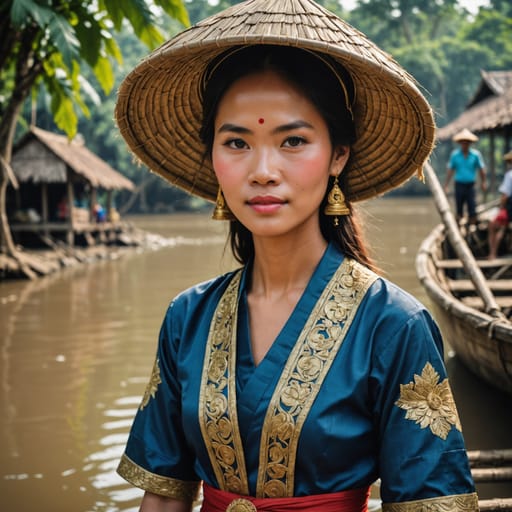


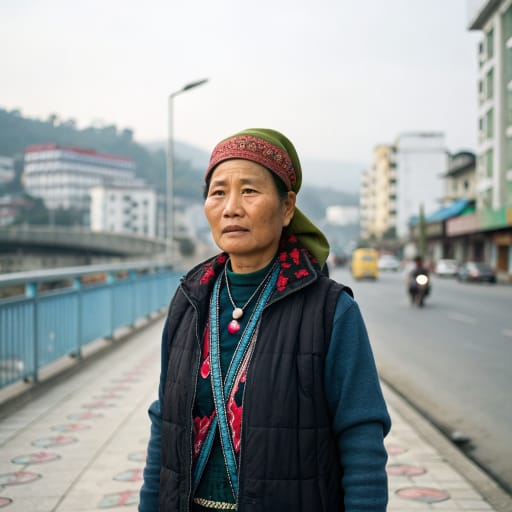
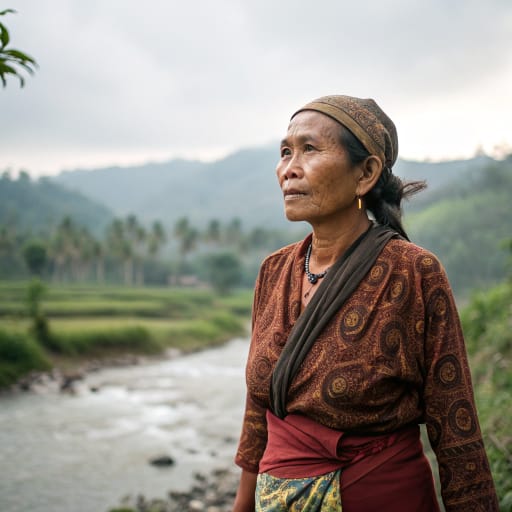
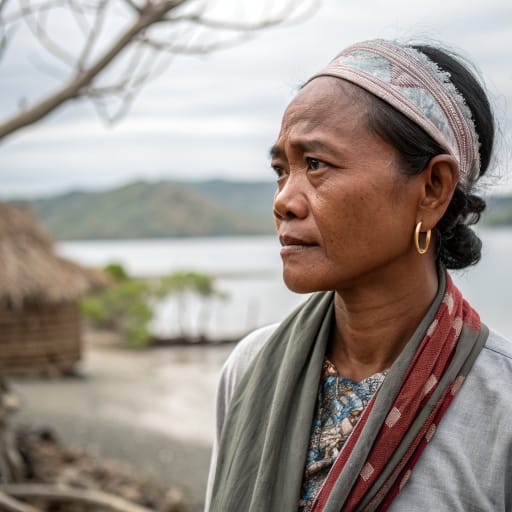
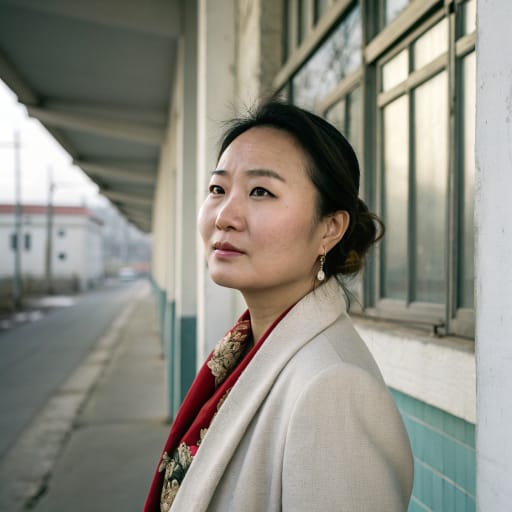


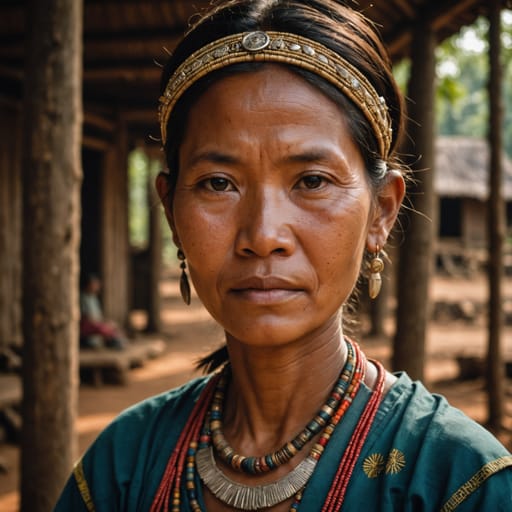
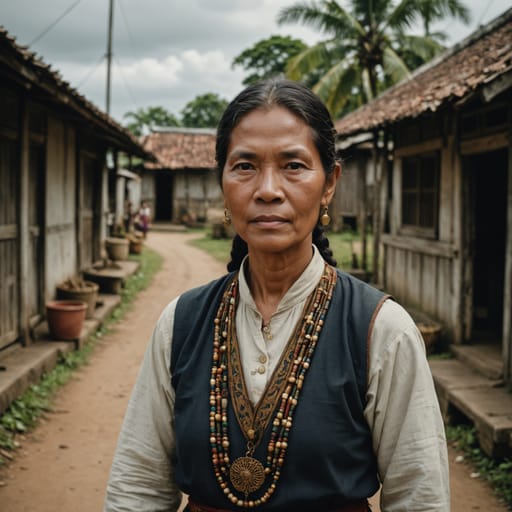

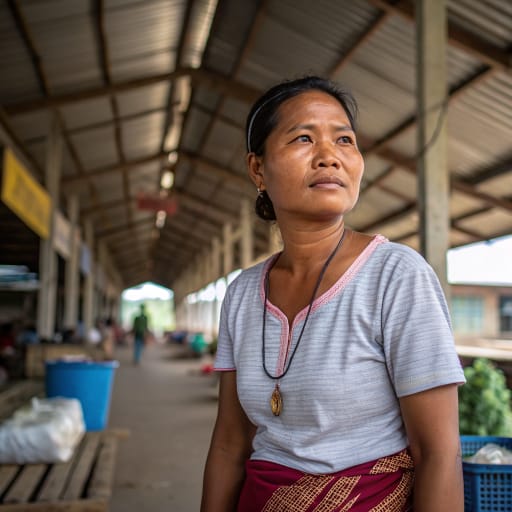
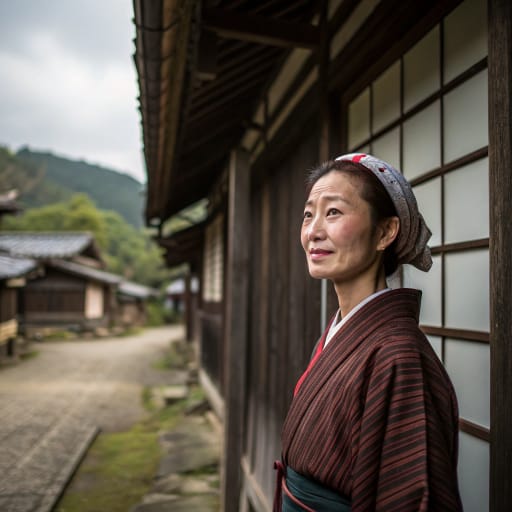
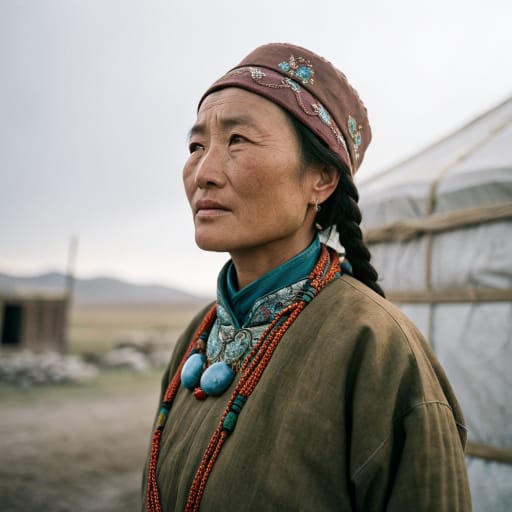
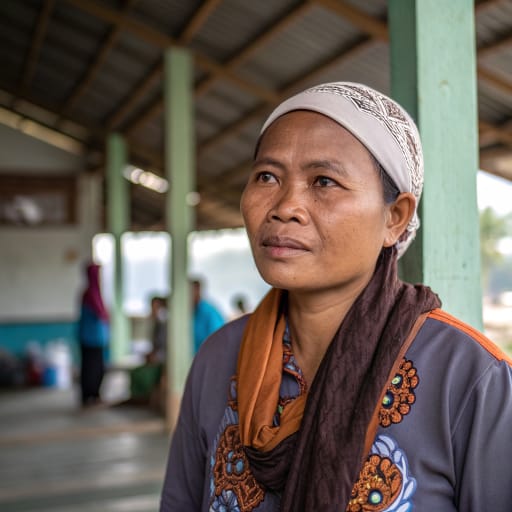
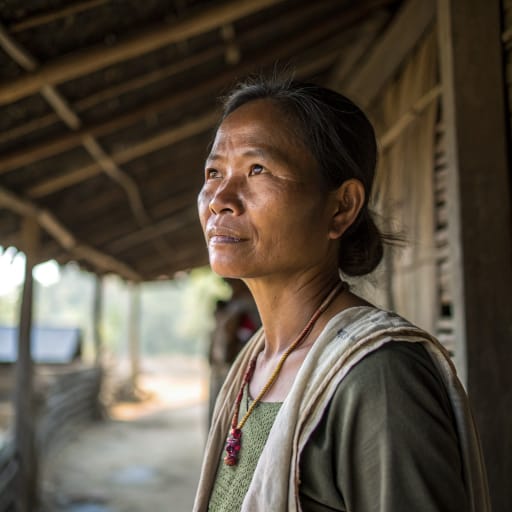
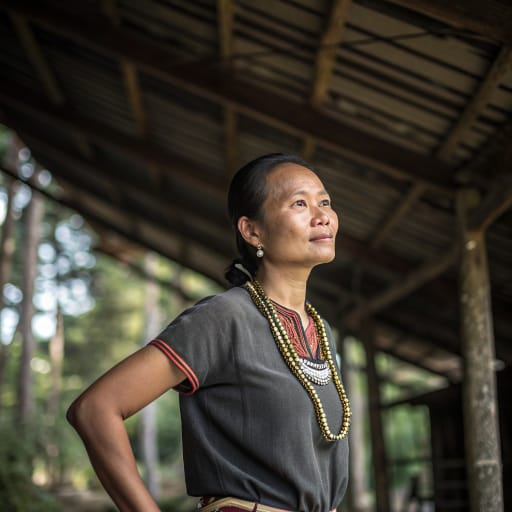
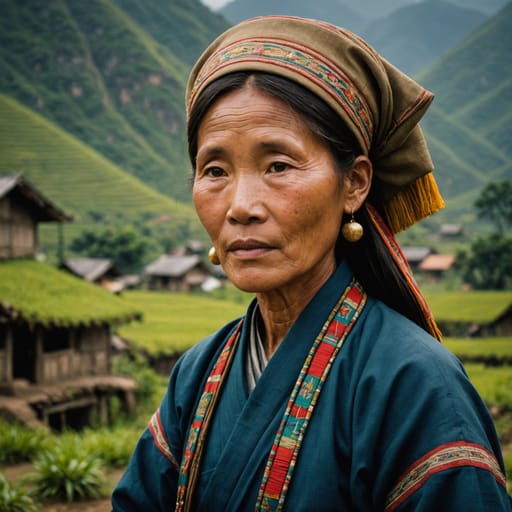
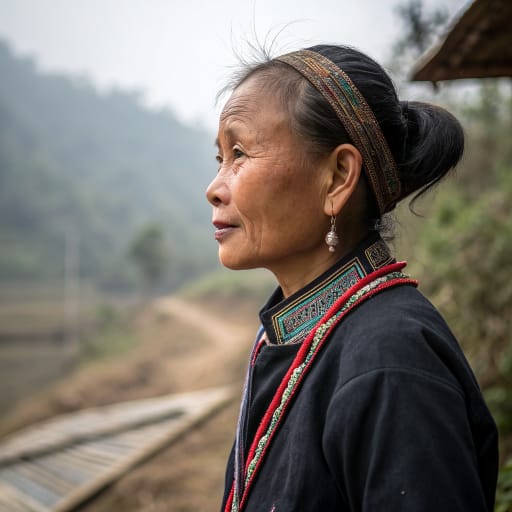
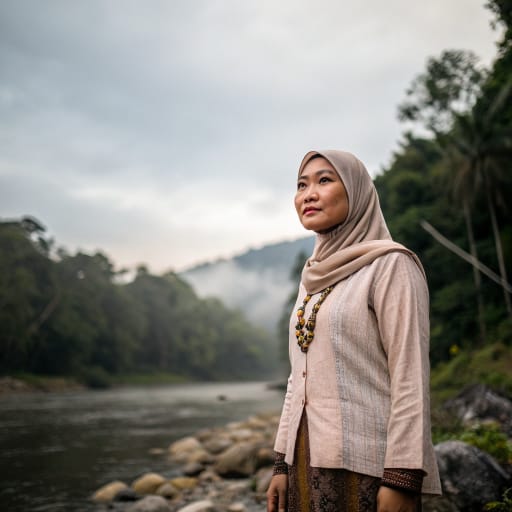
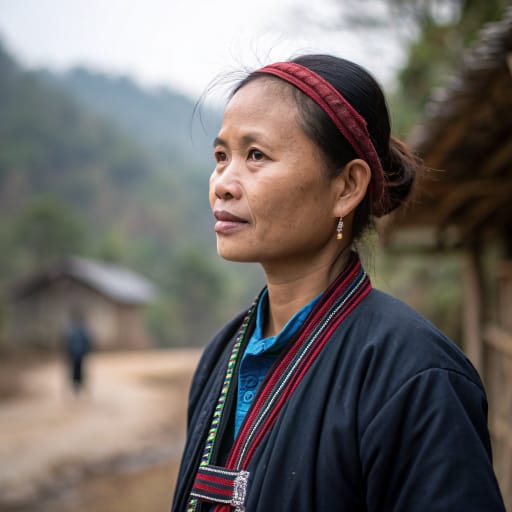

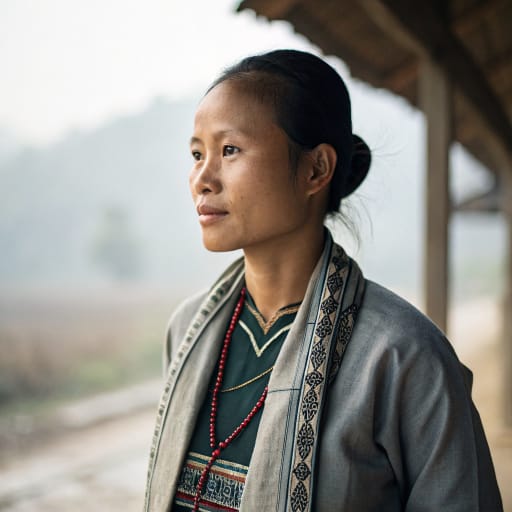

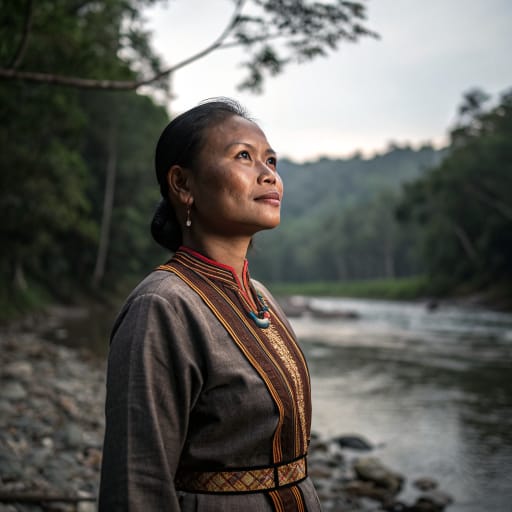

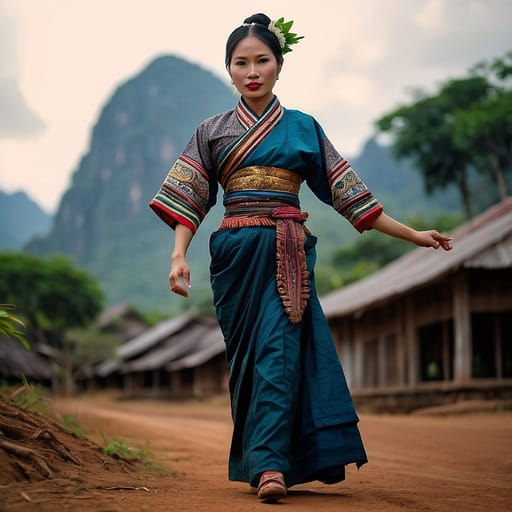
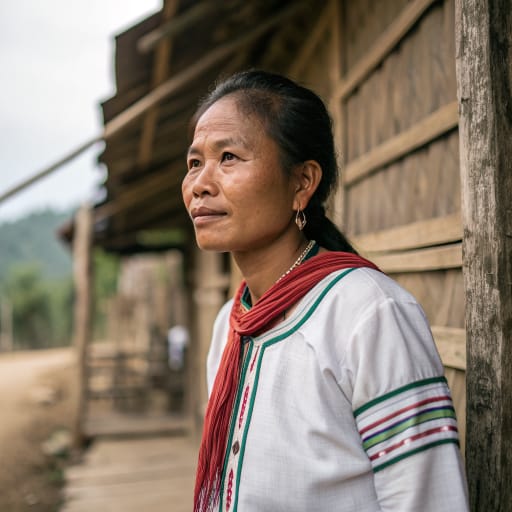
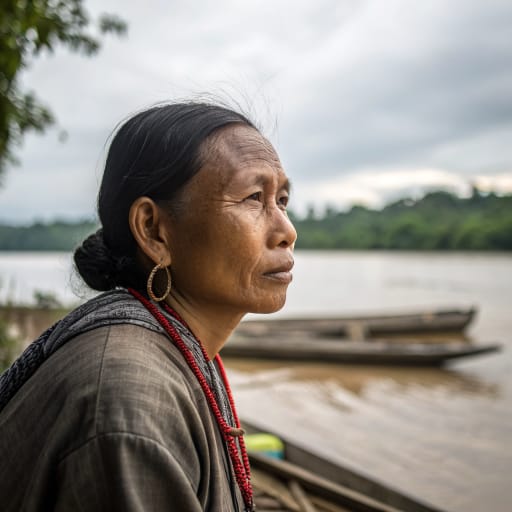
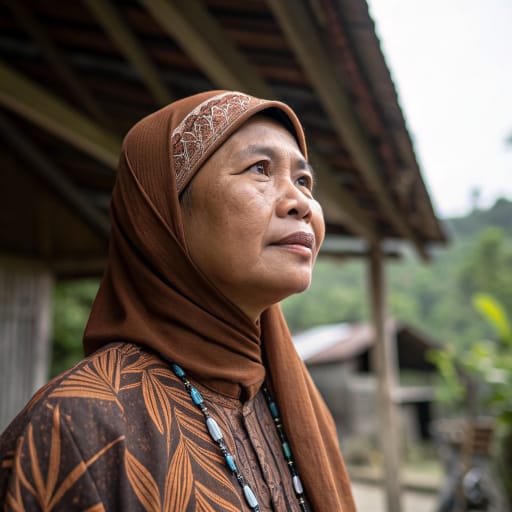

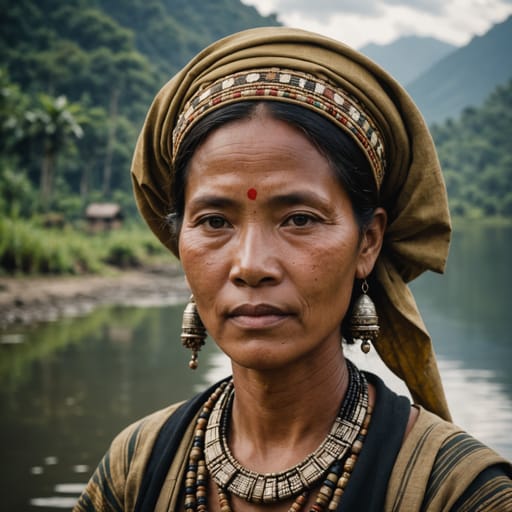
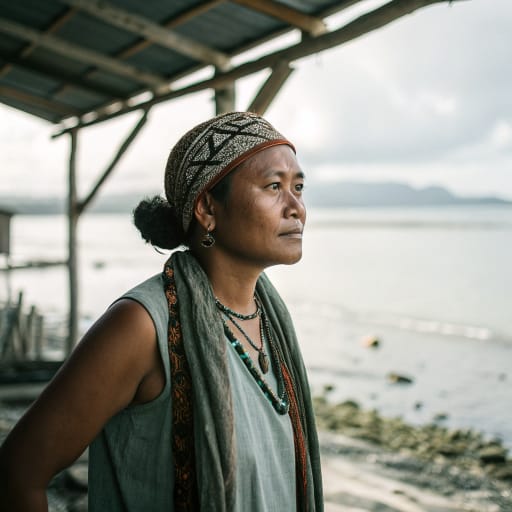
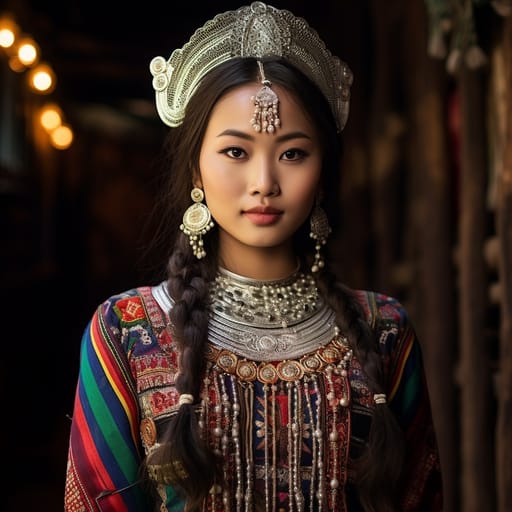
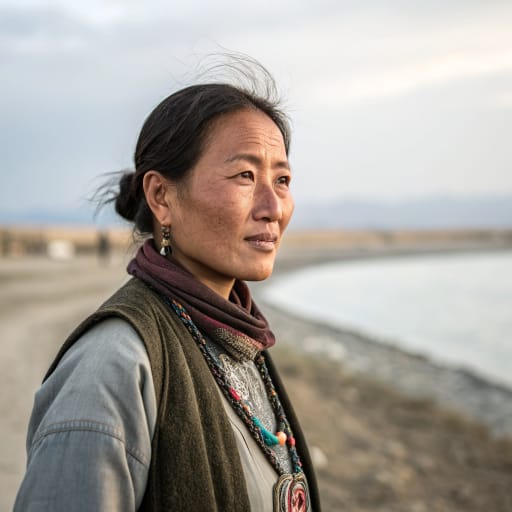
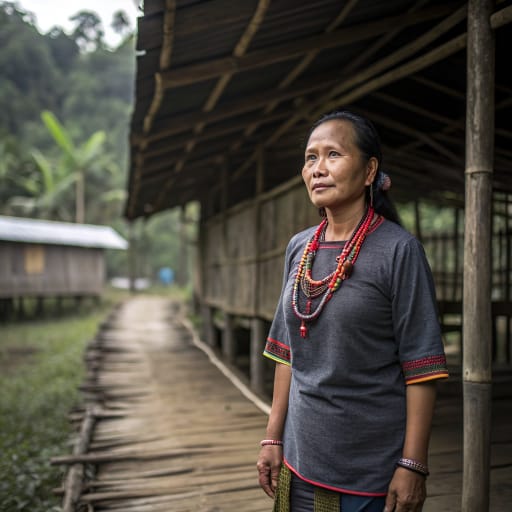
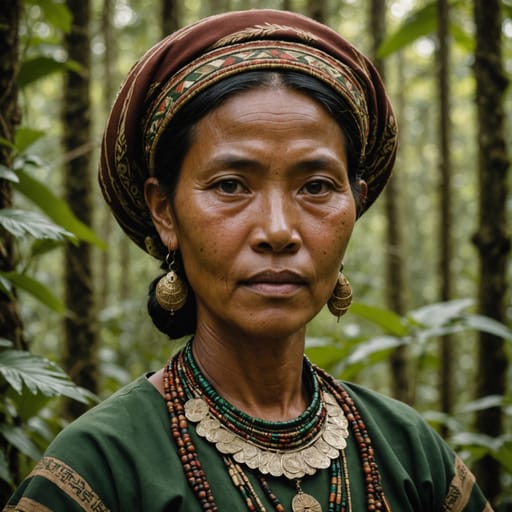
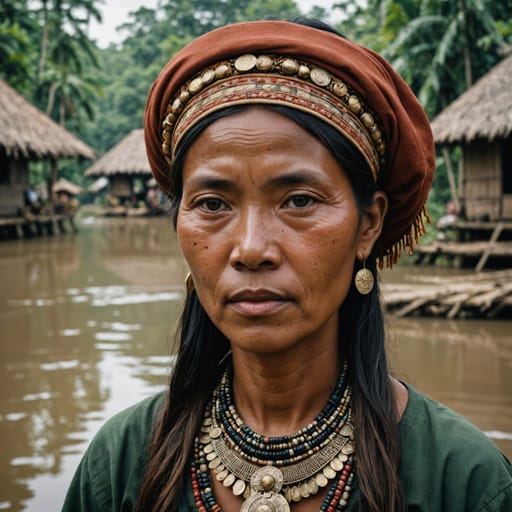
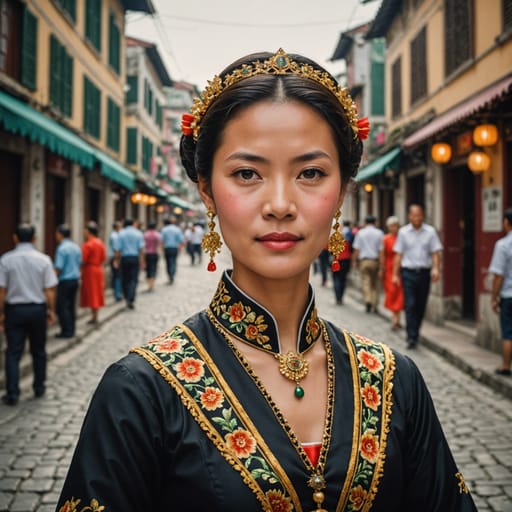

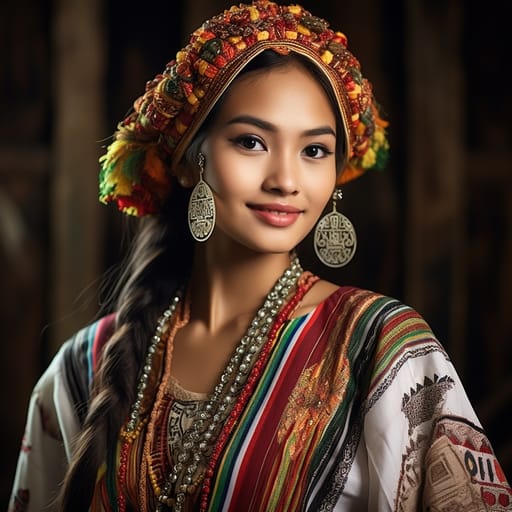
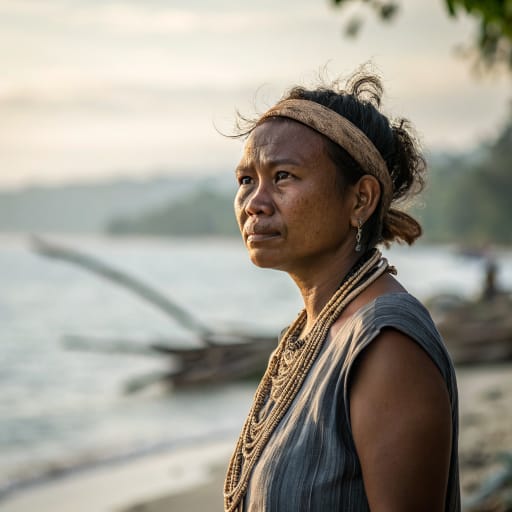

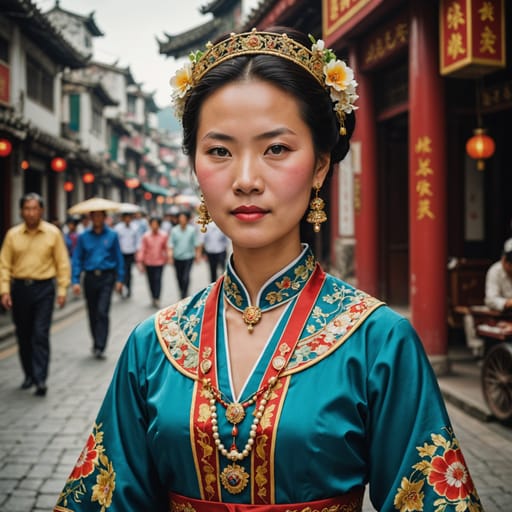

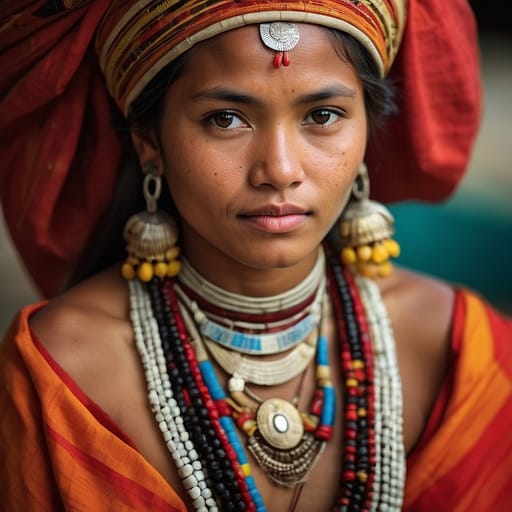

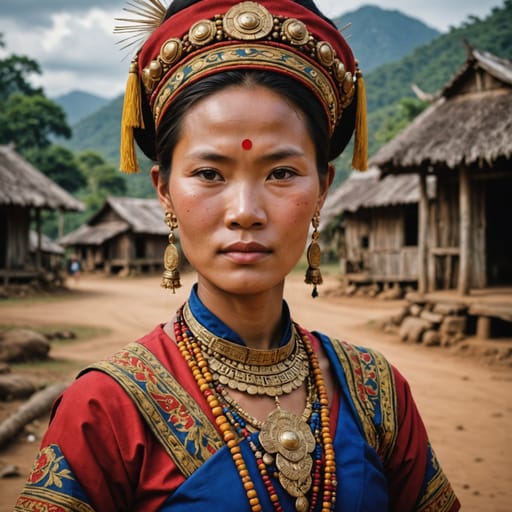
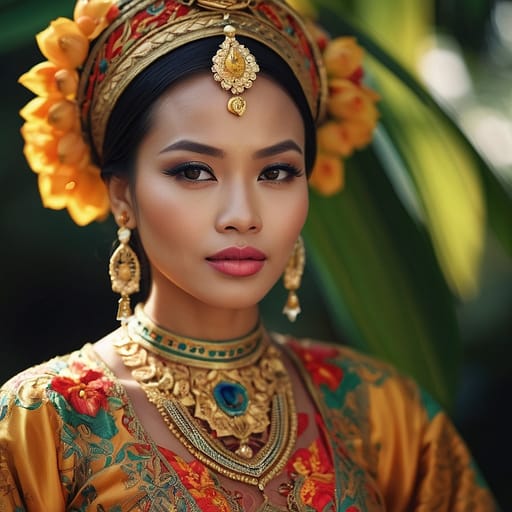




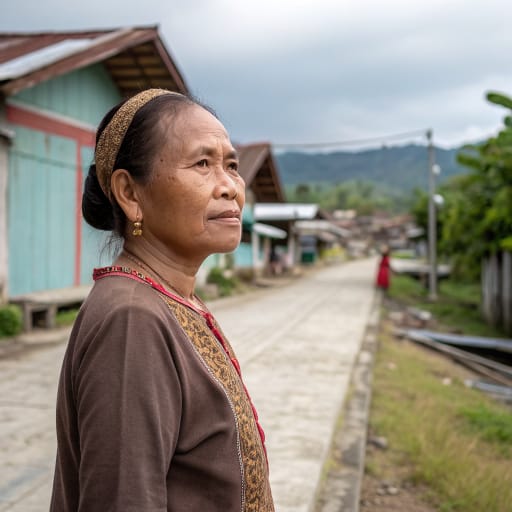

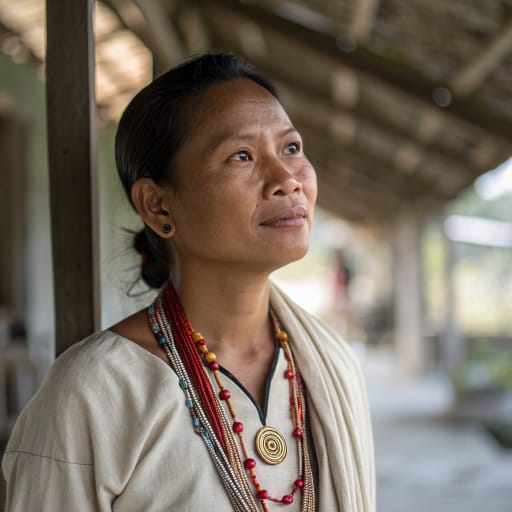
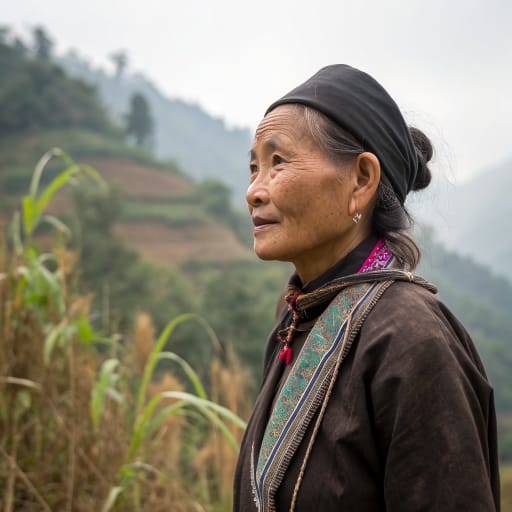
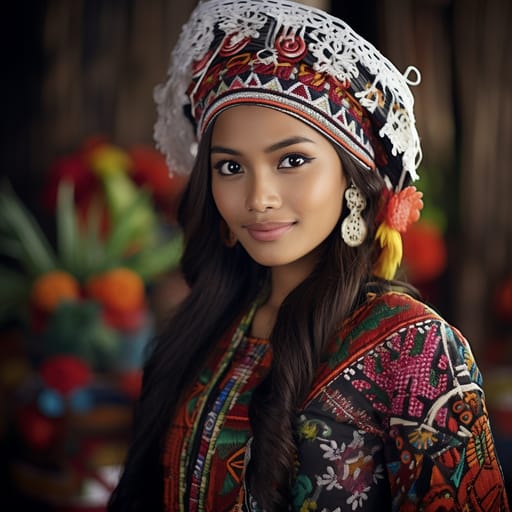
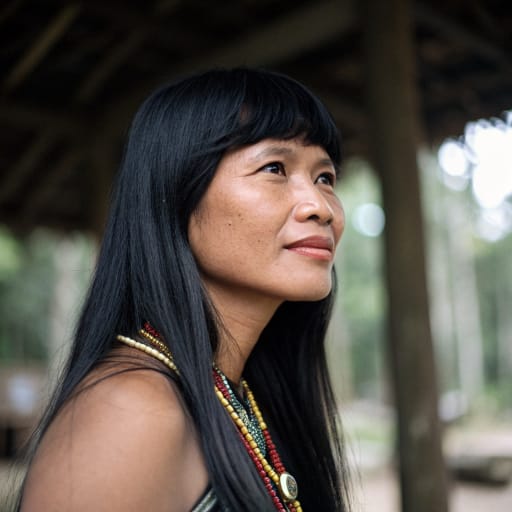
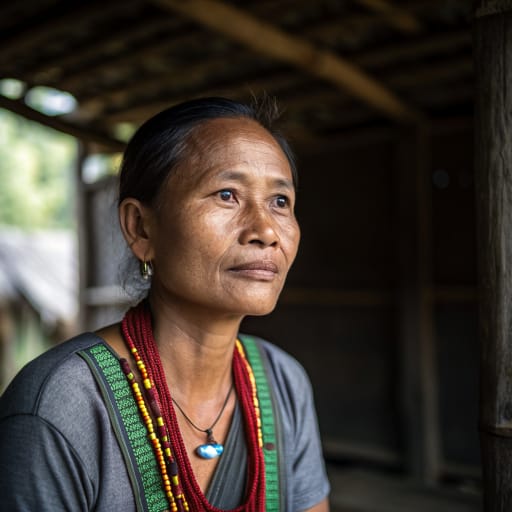
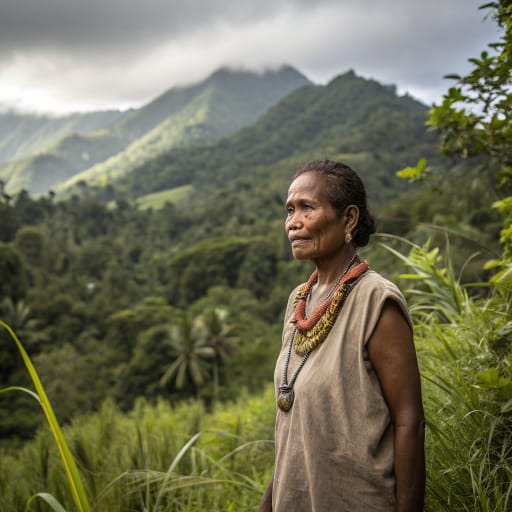
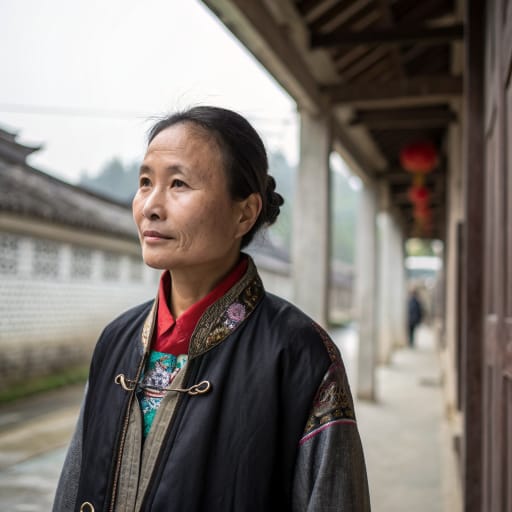
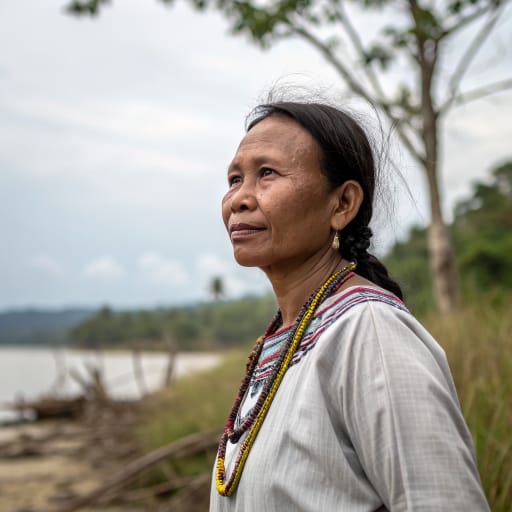
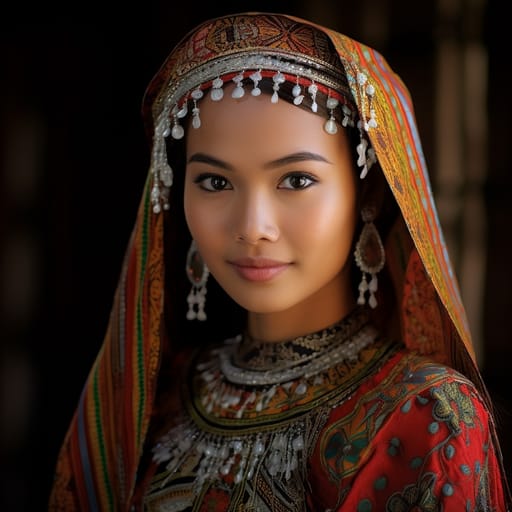
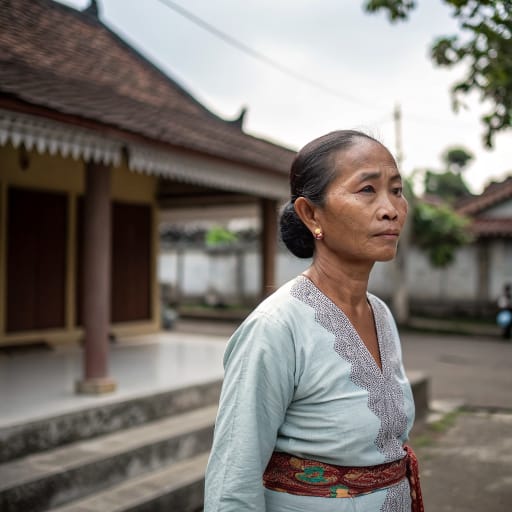
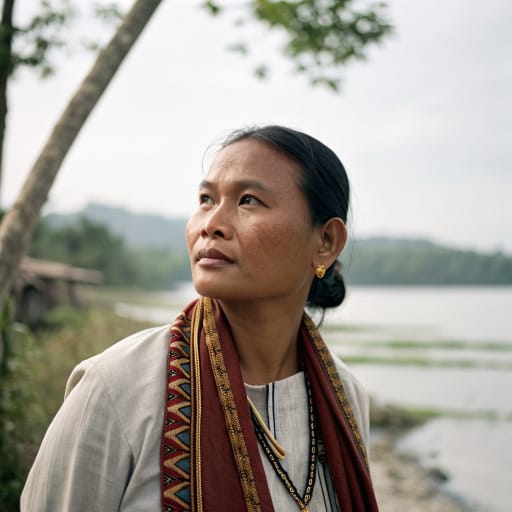


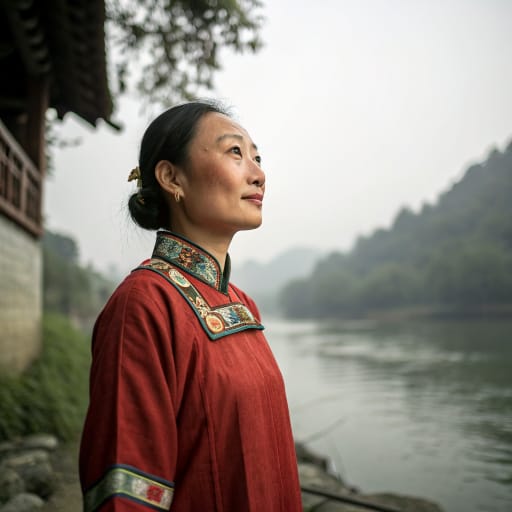
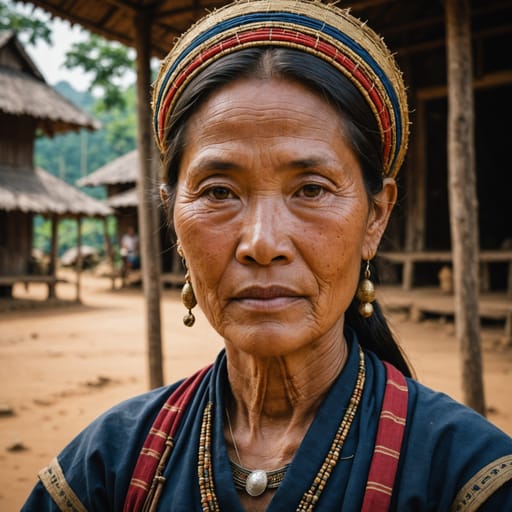
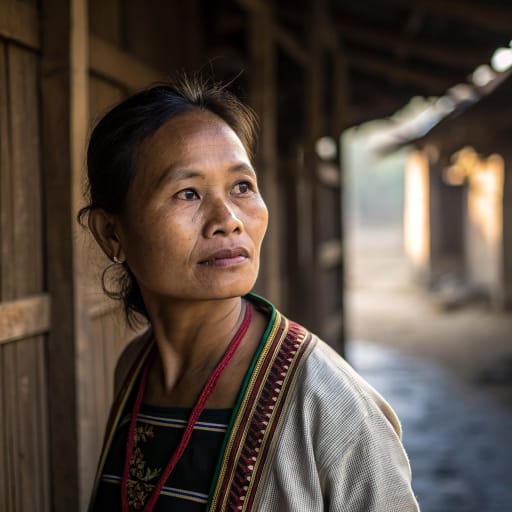
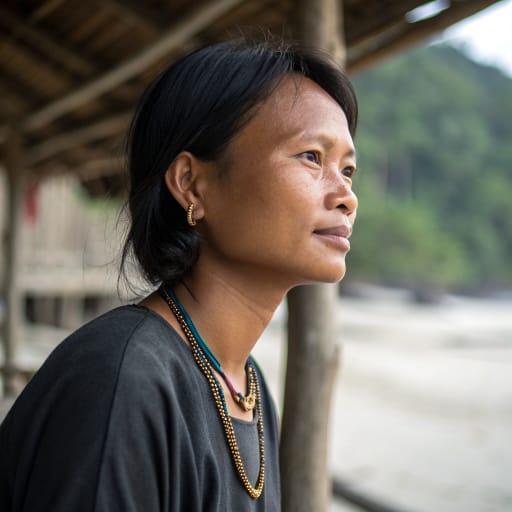
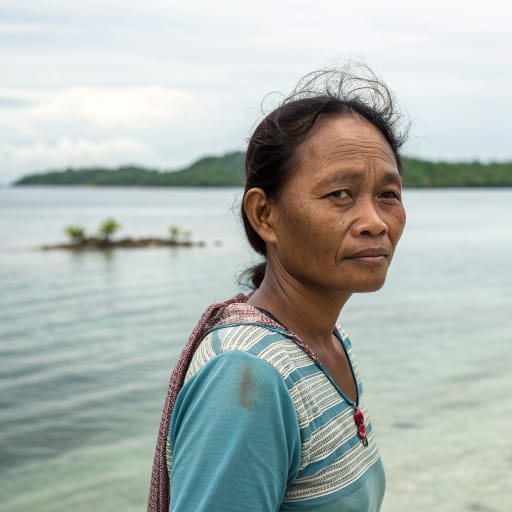
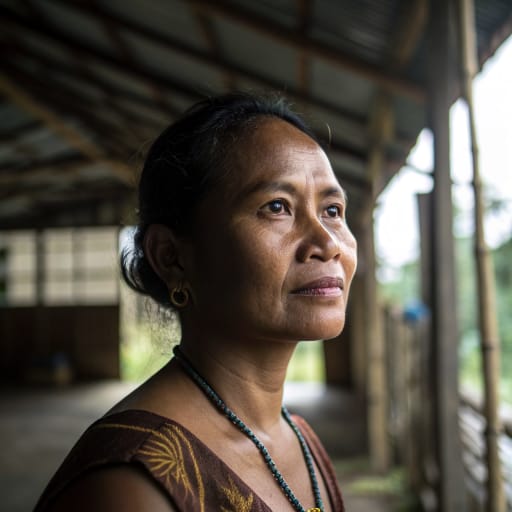
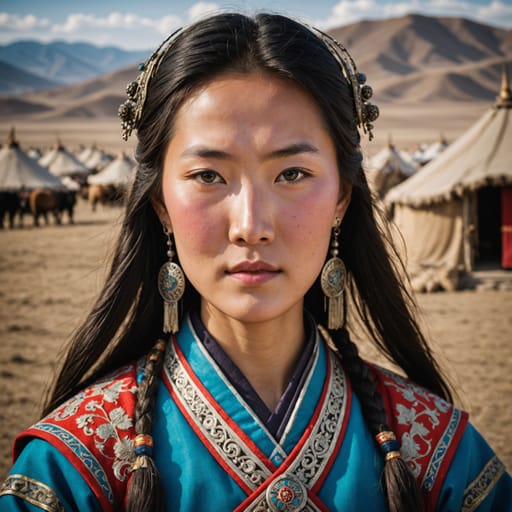

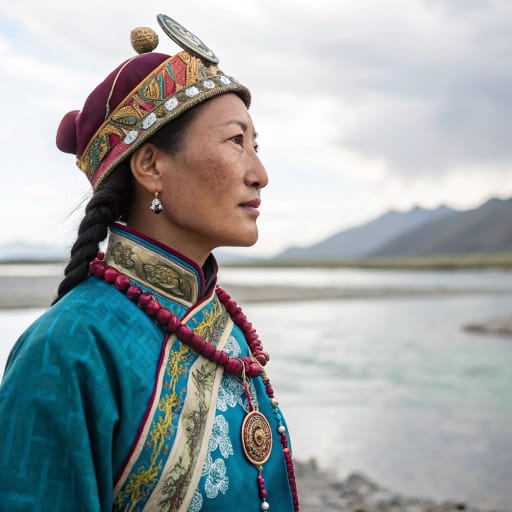
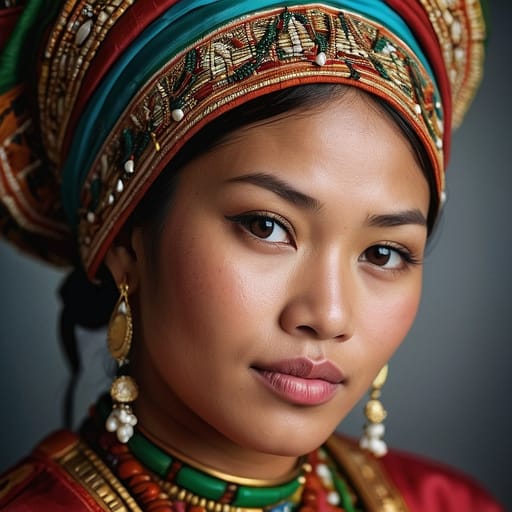
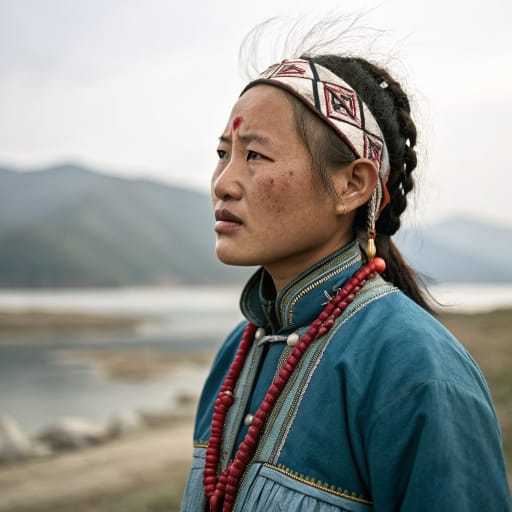
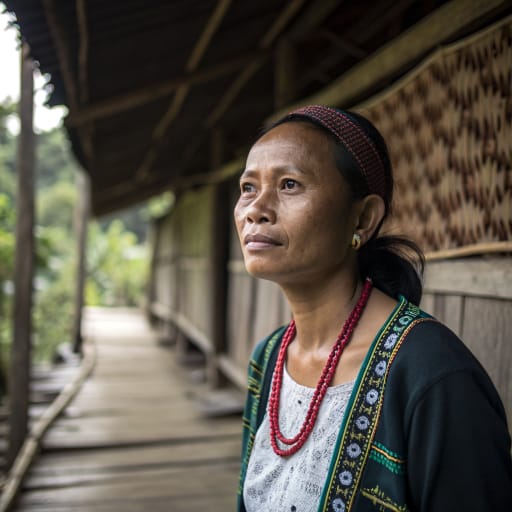
Mukomuko
Mukomuko Regency, on the northern coast of Bengkulu Province in western Sumatra, Indonesia, bordering West Sumatra and Jambi
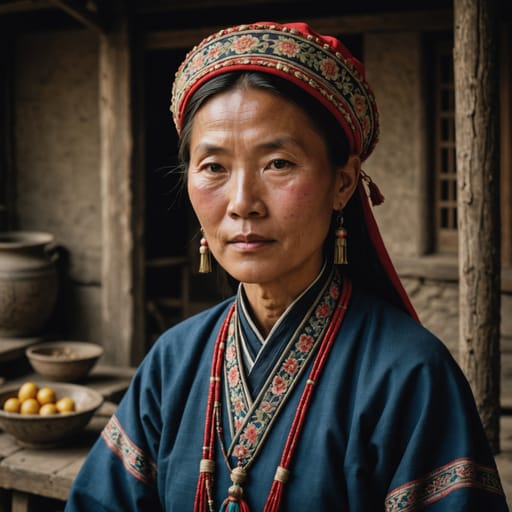

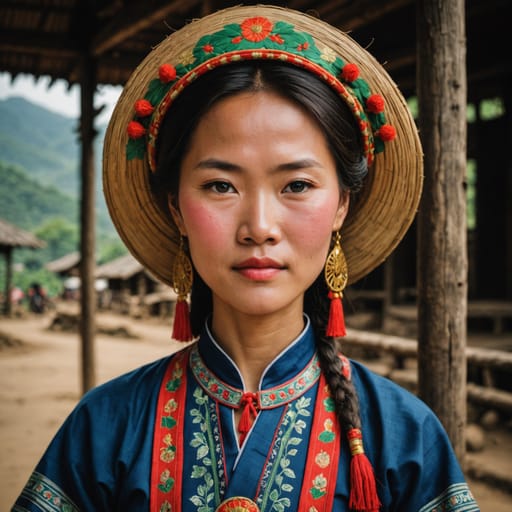

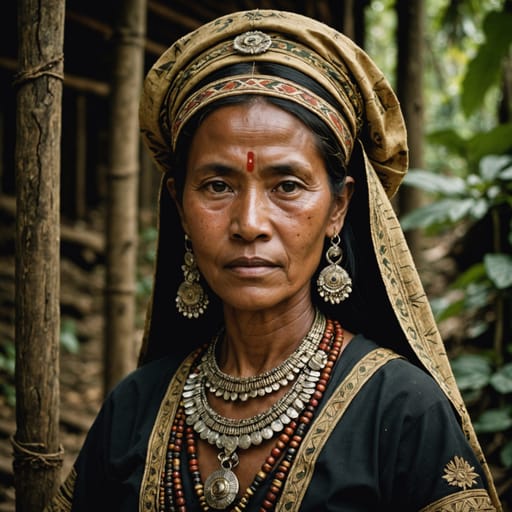
Myangad
Khovd Province in western Mongolia, mainly Myangad District on the lower Khovd River near Khar-Us Lake
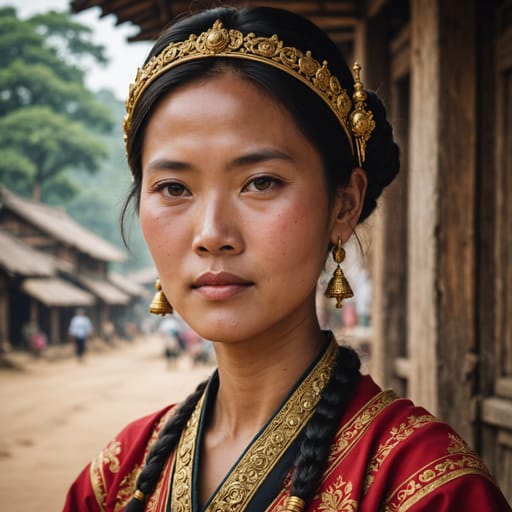
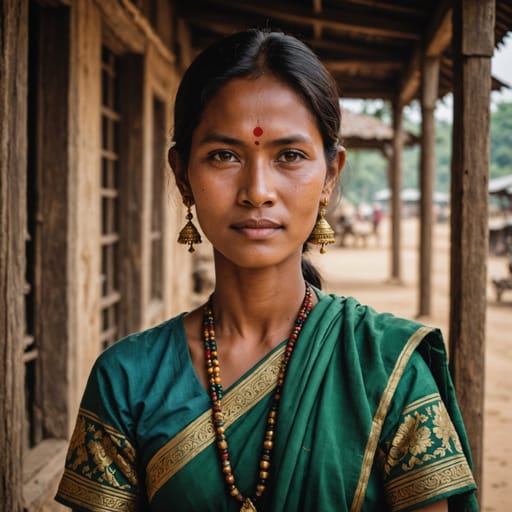
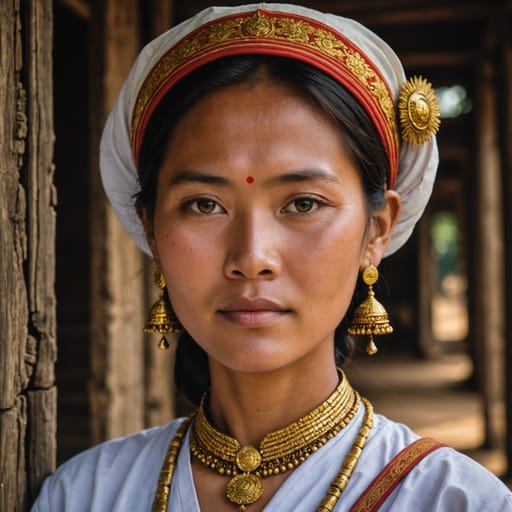
Nage
Central Flores, mainly Boawae and the surrounding hill districts of Nagekeo Regency, East Nusa Tenggara, Indonesia
Naimans
Western Mongolia between the Altai and Khangai ranges, reaching the upper Irtysh (present-day Mongolia, with margins in Kazakhstan, Russia and China)
Nakhi
Lijiang basin and the surrounding Hengduan Mountains of northwestern Yunnan, with communities in southwestern Sichuan, China

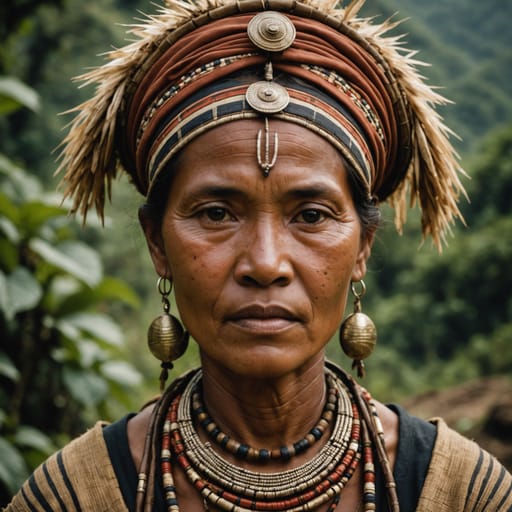
Ngái
Northeastern Vietnam, chiefly Quảng Ninh, Bắc Giang, Lạng Sơn, Thái Nguyên, Cao Bằng and Bắc Kạn provinces, including the Gulf of Tonkin coast




Noyakin
The Onon and Kherlen river country of northeastern Mongolia, home range of the Nirun Mongol clans, in the centuries before and during the rise of Genghis Khan.
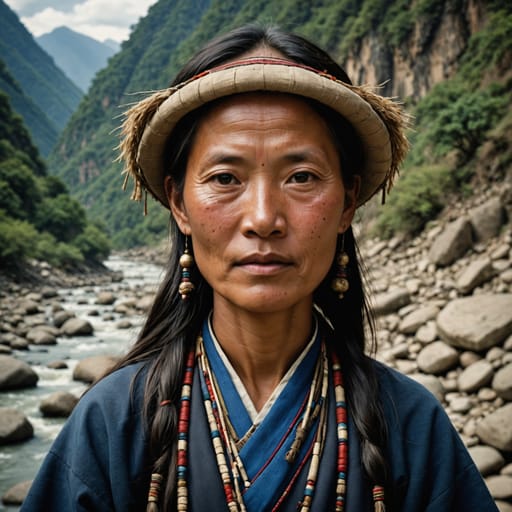
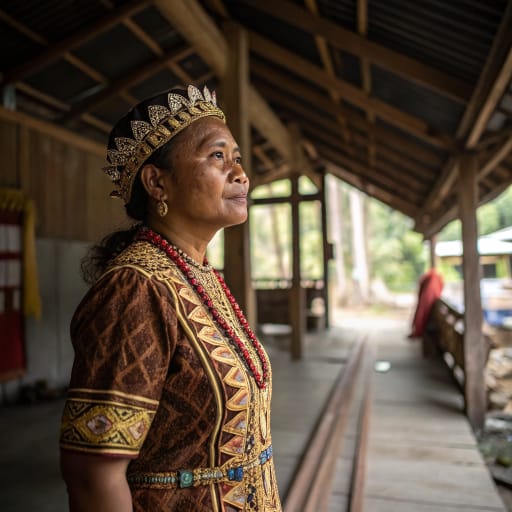
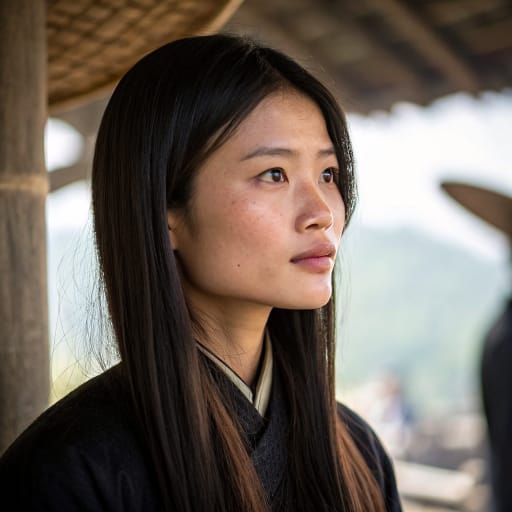
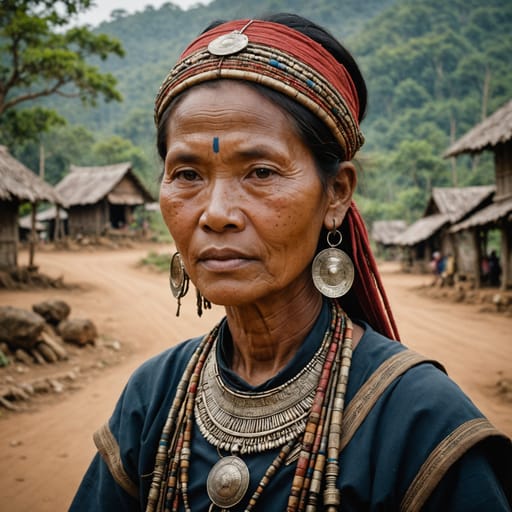
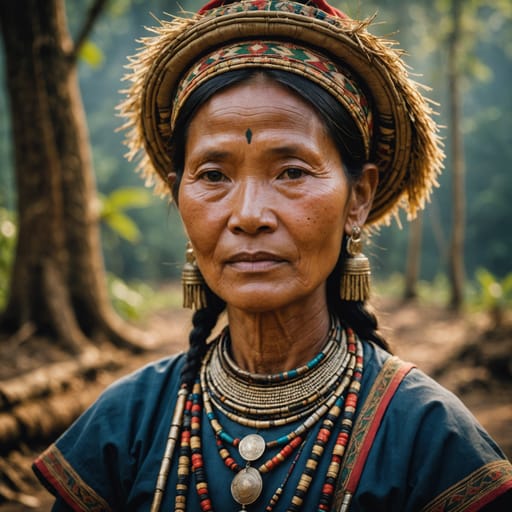
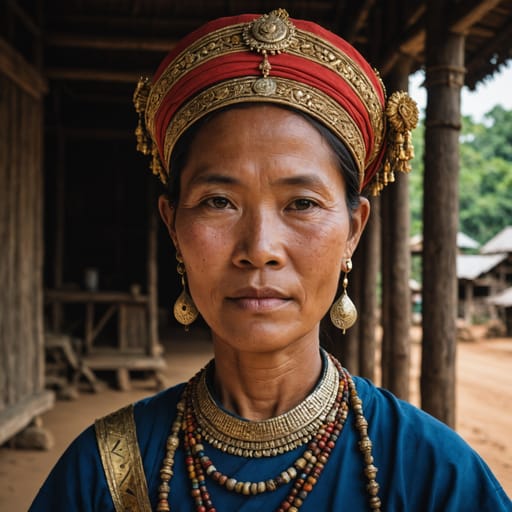
O Du
Mountains of western Nghệ An province, Vietnam, mainly around Tương Dương on the upper Cả River near the Laos border
Ogan
The Ogan River valley in South Sumatra, Indonesia, mainly Ogan Komering Ulu and Ogan Ilir regencies and parts of Ogan Komering Ilir
Oirats
Altai region: western Mongolia, Xinjiang (China) and southern Siberia (Russia); the Kalmyk branch lives on the lower Volga in Kalmykia, Russia
Olots
Mongolia and the Ili region of Xinjiang, China; historically Dzungaria, in present-day northern Xinjiang
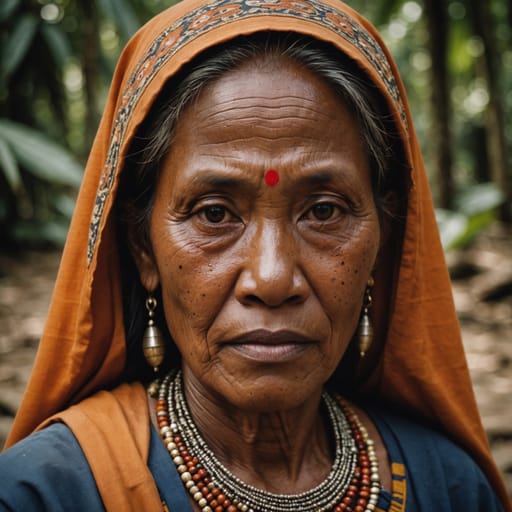
Orang Sungai
Riverbanks of eastern and northeastern Sabah, Malaysia, especially along the Kinabatangan, Labuk, Sugut, Paitan and Segama rivers
Oroqen
The Greater and Lesser Khingan ranges of northeastern China, in the Oroqen Autonomous Banner of Hulunbuir, Inner Mongolia, and the forest counties of northern Heilongjiang, with a small related population across the Amur in Russia.
Orya
Northern Manchuria beyond the Liao frontier post of Huanglong, in present-day northeastern China; the exact site of their walled town is disputed
Osing
Banyuwangi Regency, at the eastern tip of Java, Indonesia, concentrated in the districts around Glagah, Licin, Songgon and Rogojampi.

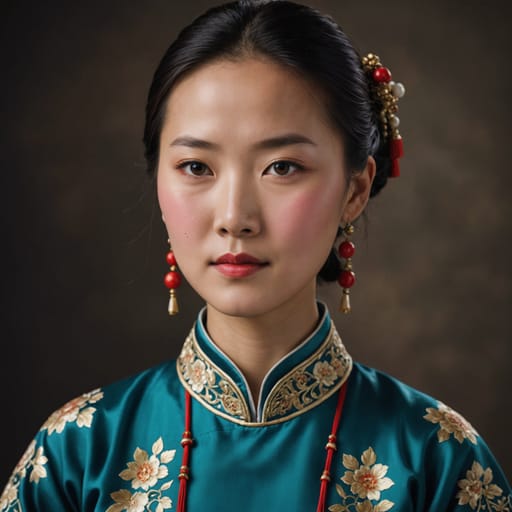


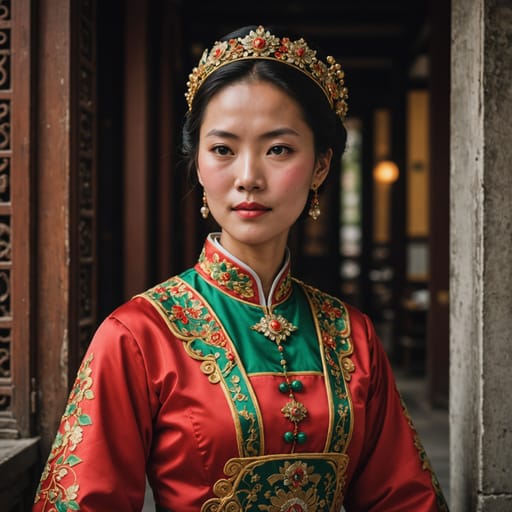
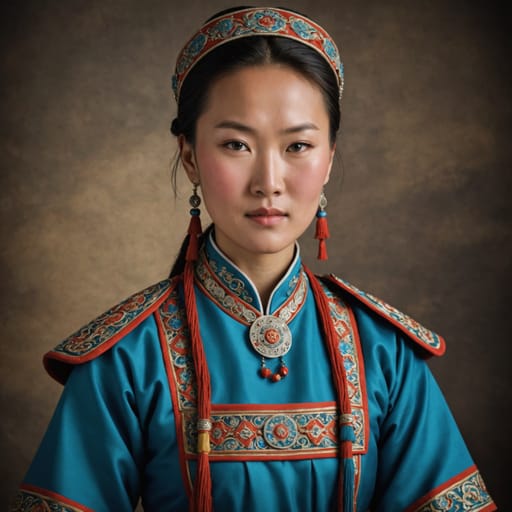

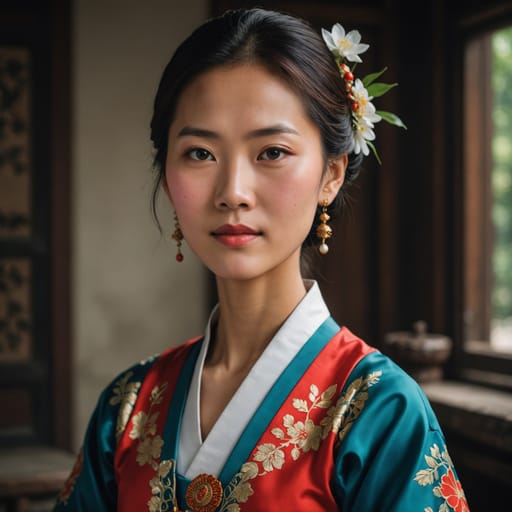
Pà Thẻn
Northern Vietnam: Tuyên Quang province, including the former Hà Giang province (Bắc Quang and Quang Bình areas) and the Lâm Bình and Chiêm Hóa areas
Pacoh
Annamite uplands on the border of central Vietnam and Laos: the A Lưới highlands west of Huế and the Quảng Trị hills in Vietnam, and Samuoi and neighboring districts of Salavan province in Laos.
Padaung
Kayah State and southern Shan State, eastern Myanmar; refugee settlements in Mae Hong Son province, northern Thailand
Paitan
Riverine northeastern Sabah, Malaysia, along the Paitan, Sugut, Labuk and Kinabatangan rivers, mainly in the Beluran and Pitas districts
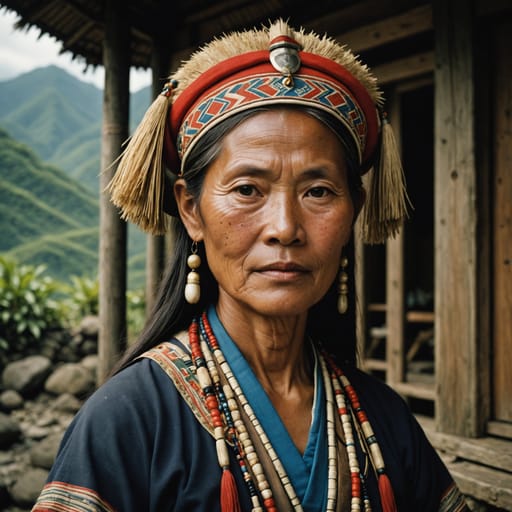
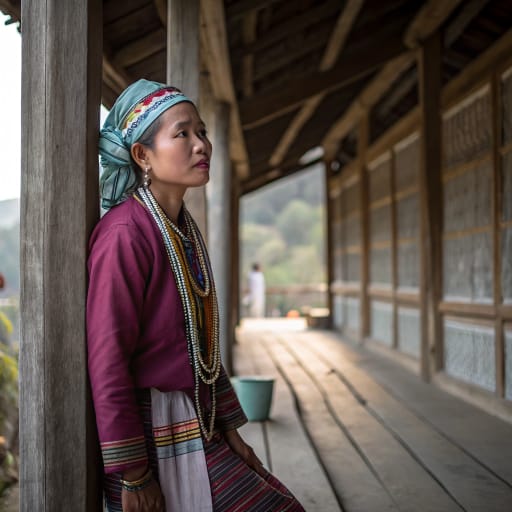
Palawan
Southern Palawan island, Philippines, including Brooke's Point, Quezon, Rizal, Sofronio Española, Bataraza and the Mount Mantalingahan range
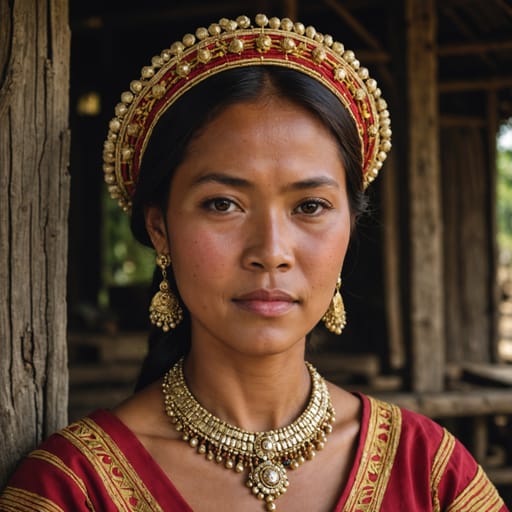
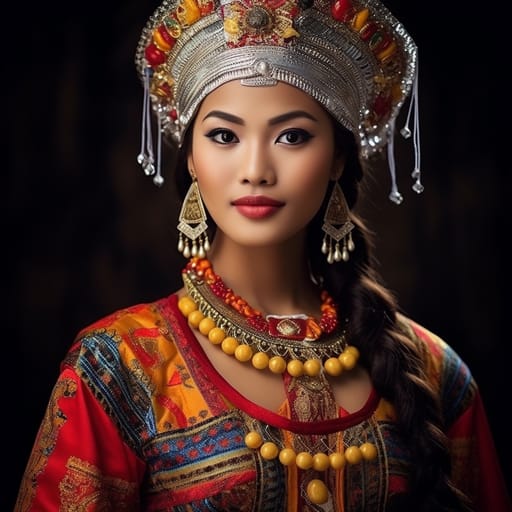
Papora
The Dadu plateau and adjoining coastal plain of central western Taiwan, now the Dadu, Shalu, Qingshui, Wuqi and Longjing districts of Taichung, with a later resettled community in the Puli basin, Nantou County
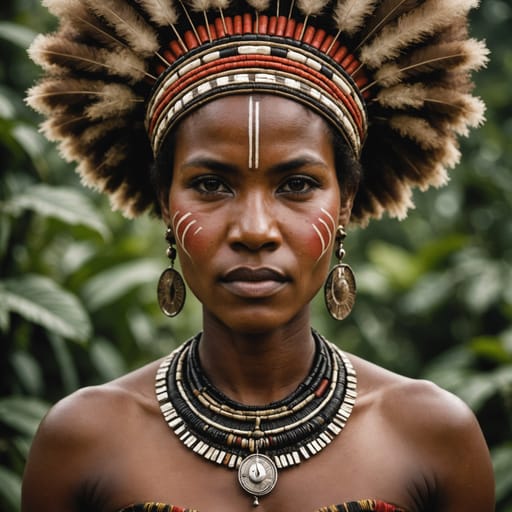
Paser
East Kalimantan, Indonesia, chiefly Paser and Penajam Paser Utara regencies in the southeast of the province
Pear
Small rural communities in central and western Cambodia, notably Kampong Thom province and the areas toward the Cardamom Mountains.
Pekal
Coastal lowlands of North Bengkulu Regency around Ketahun, and nearby parts of Mukomuko Regency, Bengkulu Province, Sumatra, Indonesia
Peranakan Chinese
Straits of Malacca region (Malacca, Penang, Singapore), Kelantan, Java and other parts of Indonesia, and Phuket in southern Thailand; Malaysia, Singapore, Indonesia, Thailand
Peranakans
Malacca and Penang in Malaysia, Singapore, Phuket in Thailand, and towns of Java and elsewhere in Indonesia
Phai
Upland districts of Nan province in northern Thailand and neighboring Sainyabuli (Xayaboury) province in Laos


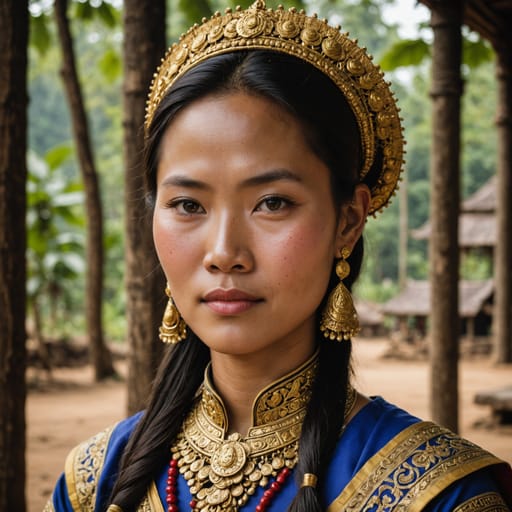
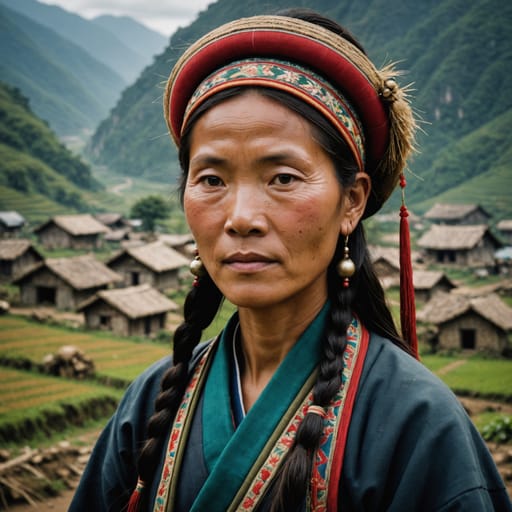
Phunoi
Mountains of Phongsaly Province in far northern Laos, around Phongsaly town; migrant communities in Oudomxay, Luang Namtha and Vientiane.
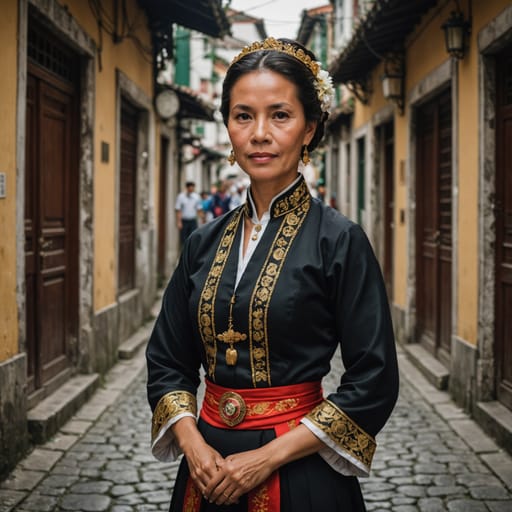
Proto-Malay
Proposed for the Malay Peninsula and the islands of western Indonesia; the six communities the label covers today live in Peninsular Malaysia, chiefly Pahang, Johor, Selangor and Negeri Sembilan.
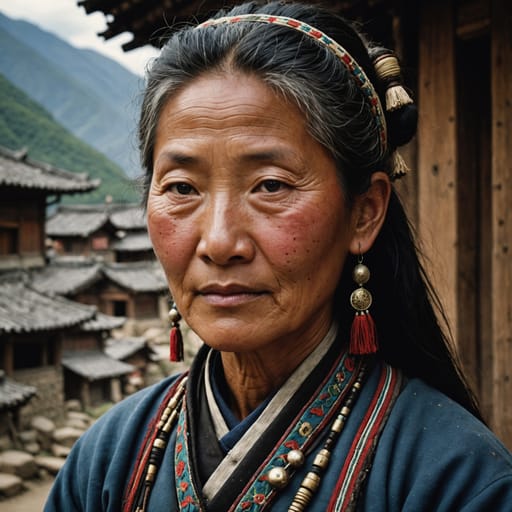
Punan Bah
Longhouse communities on the middle Rajang and its tributaries, chiefly the Bah and Biau rivers, in the Belaga and Bintulu districts of Sarawak, Malaysia, on Borneo.
Putian
Putian in central coastal Fujian, China, including Xianyou County and Meizhou Island; diaspora communities in Singapore, Malaysia and Indonesia
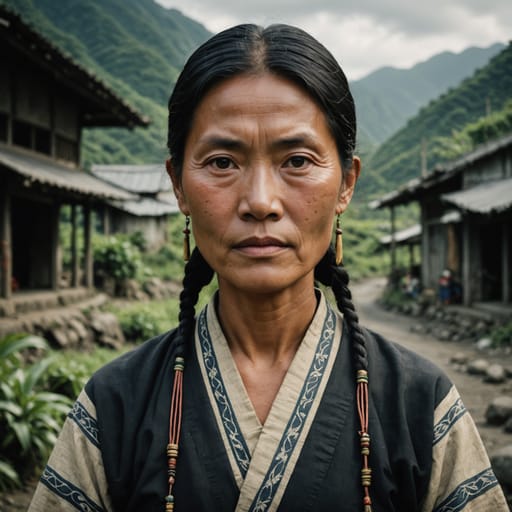
Pwo Karen
Lower Myanmar, including the Ayeyarwady Delta, Bago Region, Kayin State, Mon State and Tanintharyi, plus western and northern Thailand (Kanchanaburi, Ratchaburi, Mae Hong Son, Chiang Mai, Lamphun)
Qabiao
Limestone highlands of far northern Vietnam in former Hà Giang province (now part of Tuyên Quang), plus a smaller community in Maguan County, Yunnan, China
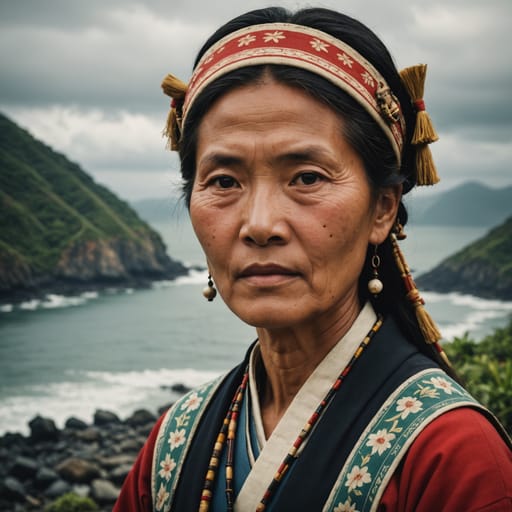

Raglai
The dry inland hills of south central Vietnam, mainly Ninh Thuan and Khanh Hoa provinces, with communities in Binh Thuan and southern Lam Dong.
Rampi
The Rampi highlands of North Luwu Regency, South Sulawesi, Indonesia, near the border with Central Sulawesi
Ratagnon
Southern tip of Mindoro island, mainly the southern end of Occidental Mindoro province, Philippines

Rơ Măm
Le village in the Mô Rai area, far western Central Highlands of Vietnam near the Cambodian border (former Kon Tum province, now part of Quảng Ngãi)

Rongga
Southeastern East Manggarai Regency (Manggarai Timur), in and around Kota Komba district, on Flores, East Nusa Tenggara, Indonesia, near the border with Ngada
Rotenese
Rote Island and nearby islets, Rote Ndao Regency, East Nusa Tenggara, Indonesia, with a large community in Kupang and across West Timor.
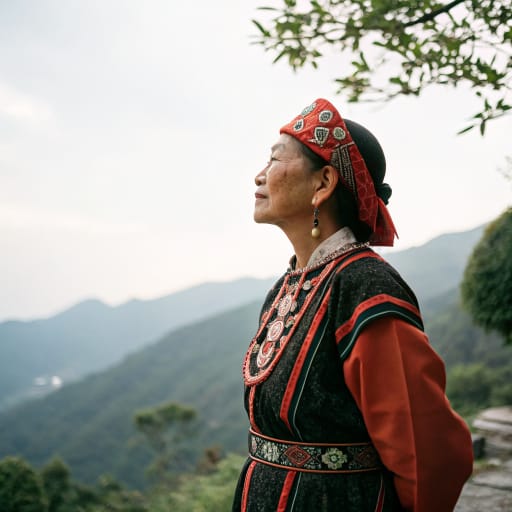

Sa'ban
Upper Baram River villages in Sarawak, Malaysia (Long Banga, Long Puak, Long Peluan, Long Balong) and the upper Bahau River area of North Kalimantan, Indonesia.
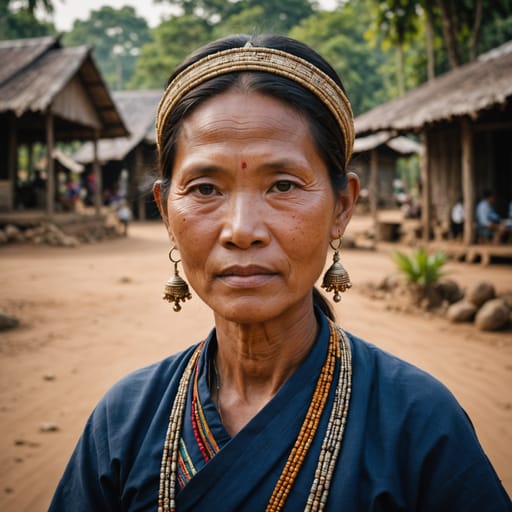
Saeki
Said to originate in eastern Honshu (Kanto and Tohoku); resettled by the Yamato court in Harima, Sanuki, Iyo, Aki and Awa provinces of western Japan
Sahu
Inland western Halmahera around Jailolo, mainly the Sahu and East Sahu districts of West Halmahera Regency, North Maluku, Indonesia
Sakizaya
The Qilai Plain around Hualien City, with villages along the coast and in the East Rift Valley, Hualien County, eastern Taiwan
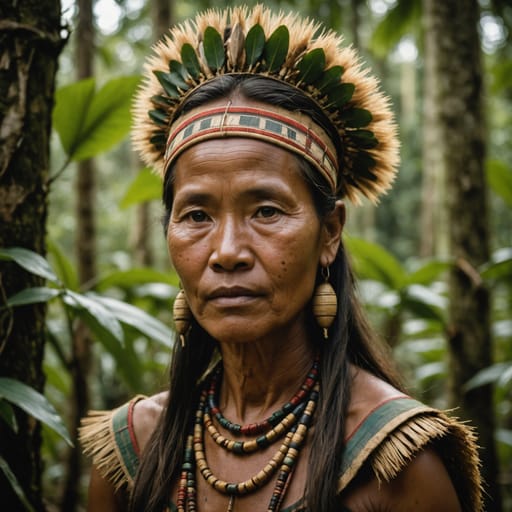
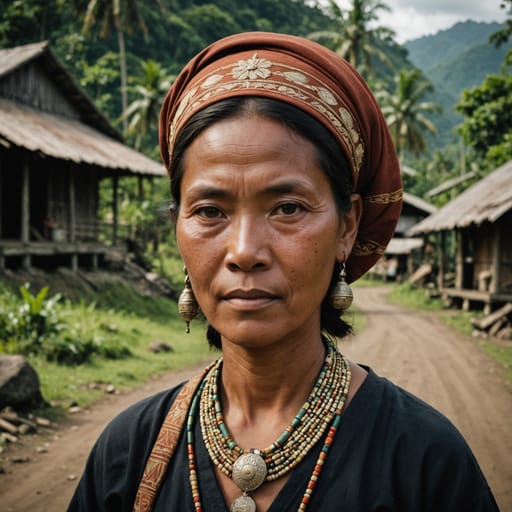

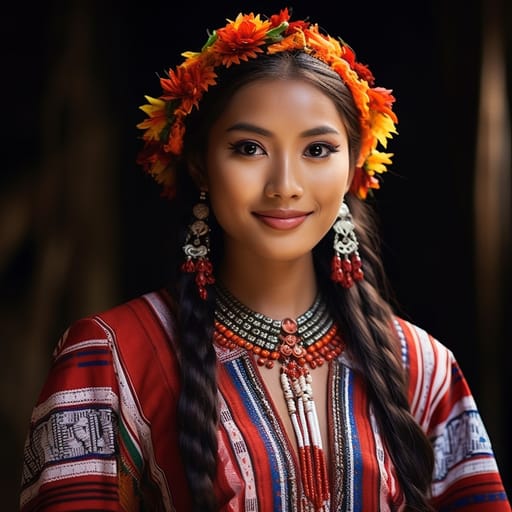
San Chay
Midland and upland northeastern Vietnam, mainly Tuyên Quang, Thái Nguyên, Bắc Giang and Quảng Ninh, with smaller communities in neighboring provinces
San Diu
Midland hills of northern Vietnam, chiefly Thai Nguyen, Tuyen Quang, Quang Ninh and the former Vinh Phuc and Bac Giang provinces; ancestral origin in Guangdong, China

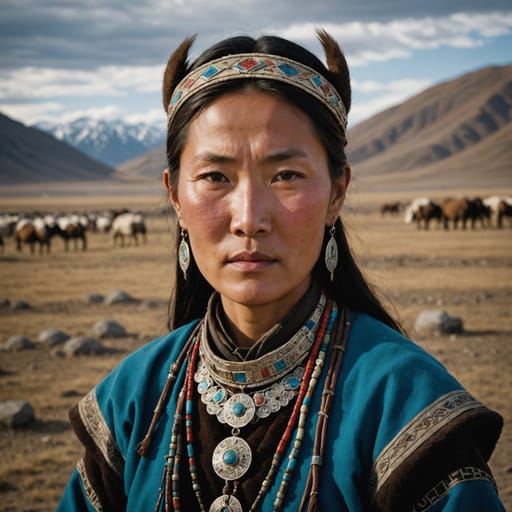


Sedang
Northern Central Highlands of Vietnam: the Kon Tum plateau and Ngọc Linh massif, extending into the mountain districts of Quảng Nam and Quảng Ngãi
Seediq
Central Mountain Range of Taiwan: Ren'ai Township in Nantou County, and the Wanrong and Zhuoxi area of Hualien County
Seletar
Coasts, estuaries and mangroves of the Johor Strait, mainly villages around Johor Bahru, Johor, Malaysia; historically also the rivers of northern Singapore
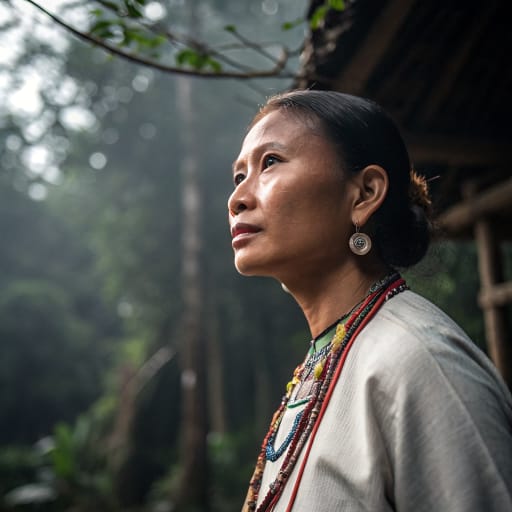
Semang
Hill and lowland rainforest of northern Peninsular Malaysia (Perak, Kedah, Kelantan, Pahang, Terengganu) and the Banthad range of southern Thailand
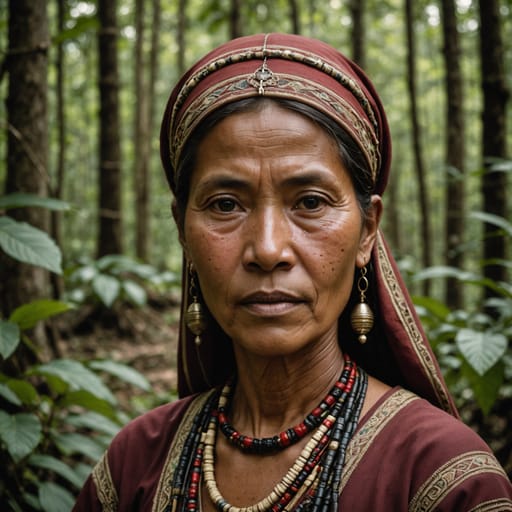
Semaq Beri
Interior Pahang and Terengganu in Peninsular Malaysia, mainly along forested river valleys
Semelai
Tasik Bera wetland and surrounding river valleys in central Pahang, extending into neighboring Negeri Sembilan, Peninsular Malaysia
Serawai
Southern Bengkulu province on the southwest coast of Sumatra, Indonesia, chiefly South Bengkulu and Seluma regencies
S'gaw Karen
Kayin State and the eastern hills along the Thai border, the Irrawaddy Delta and Tanintharyi in Myanmar, with communities in western Thailand and resettled populations in the United States, Australia and Scandinavia.
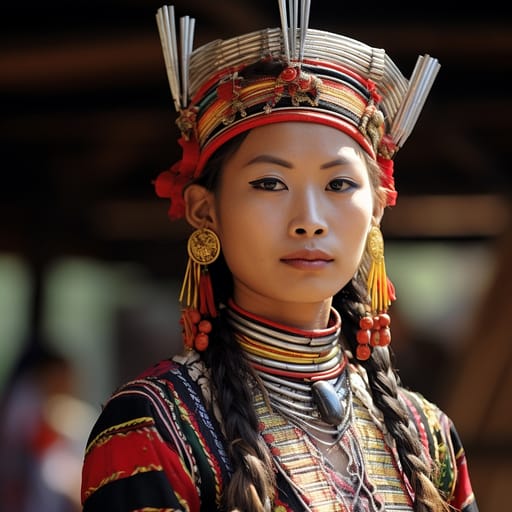
Shatuo
First the desert east of Lake Barkol near Beiting in the eastern Tian Shan (Xinjiang, China); after 808, the Lingzhou area and northern Shanxi, China
She
The hills of southeastern China, mainly northeastern Fujian and southern Zhejiang, with smaller communities in Jiangxi, Guangdong and Anhui
Shiwei
Upper Amur and Argun river basins and the Greater Khingan range, in present-day northeastern Inner Mongolia and Heilongjiang, China, with adjoining parts of eastern Mongolia and the Russian Far East.
Si La
Mường Tè district in Lai Châu province and Mường Nhé in Điện Biên province, northwestern Vietnam, with related communities in Phongsaly province, northern Laos

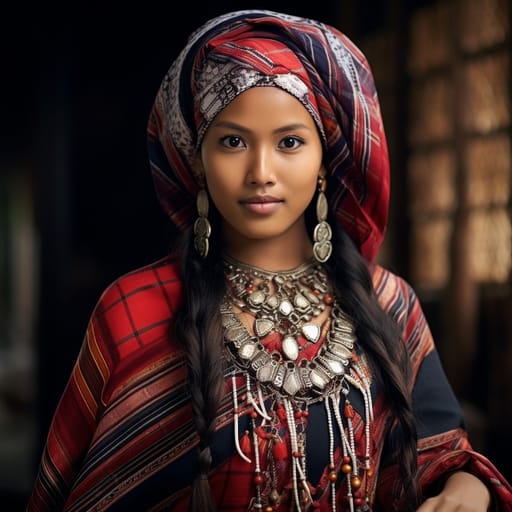
Simalungun
Simalungun Regency and the city of Pematangsiantar, east of Lake Toba in North Sumatra, Indonesia
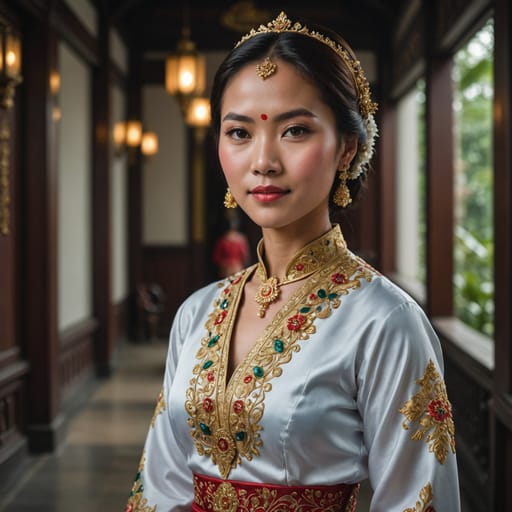
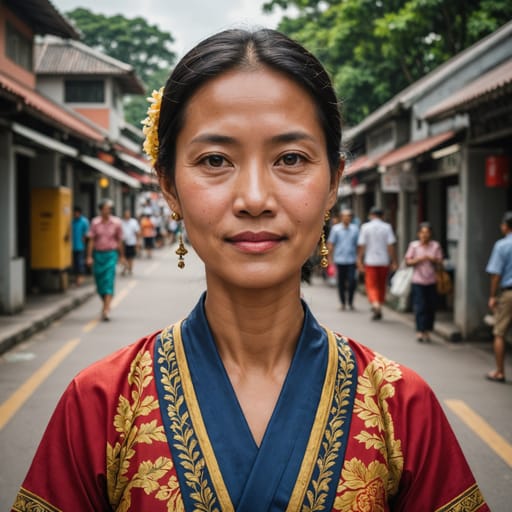
Singkil
Aceh Singkil Regency and the city of Subulussalam in southwestern Aceh province, Sumatra, Indonesia, along the Singkil river system near the North Sumatra border
Siraya
Chianan Plain of southwestern Taiwan around Tainan, with descendant communities in Hualien and Taitung on the east coast
Sogwo Arig
Henan Mongol Autonomous County, Huangnan Tibetan Autonomous Prefecture, southeastern Qinghai, China, near the Gansu border and the first bend of the Yellow River



Stieng
The red-earth hills of Bình Phước Province in southern Vietnam, with smaller communities in Tây Ninh, Đồng Nai and Lâm Đồng, and across the border in Kratié and Mondulkiri provinces, Cambodia.
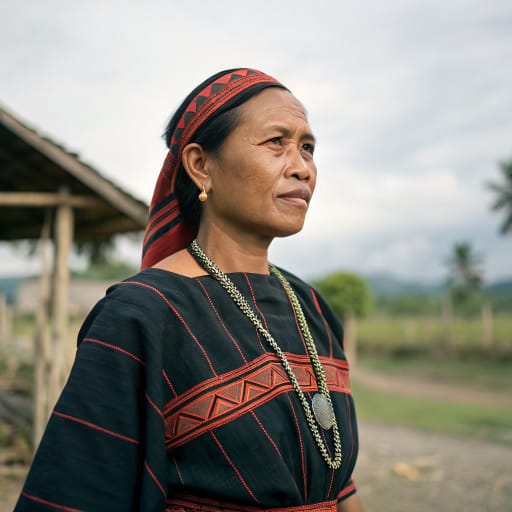



Sumo Mohe
Upper Songhua River basin in central Jilin Province, Northeast China (Manchuria); resettled groups lived at Yingzhou (Chaoyang, Liaoning) and later in the Balhae heartland around Dunhua.

Sunud
Sönid Left and Sönid Right Banners of Xilingol League, Inner Mongolia, China, on the Gobi steppe near the border with Mongolia
Ta Oi
The Annamite range along the Vietnam and Laos border: A Luoi district and western Quang Tri in Vietnam, Salavan and Sekong provinces in Laos.
Tagakaolo
Mountains and coast west of the Davao Gulf in southern Mindanao, Philippines: Davao Occidental, Davao del Sur and Sarangani provinces, around Malita, Santa Maria, Malalag and Malungon.

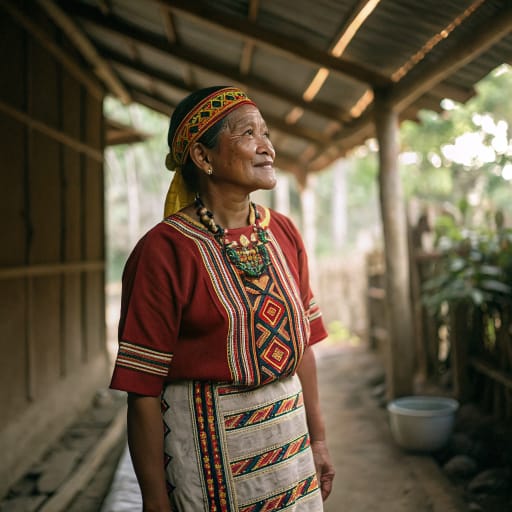
Tai Daeng
Northeastern Laos, especially Houaphanh province; the uplands of Thanh Hóa and neighboring provinces in north-central Vietnam; smaller communities in Thailand.
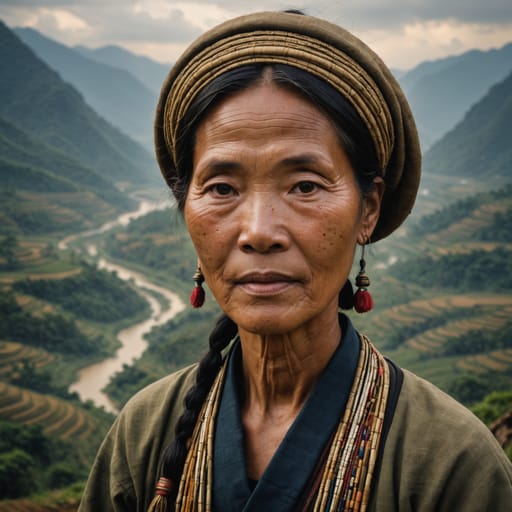
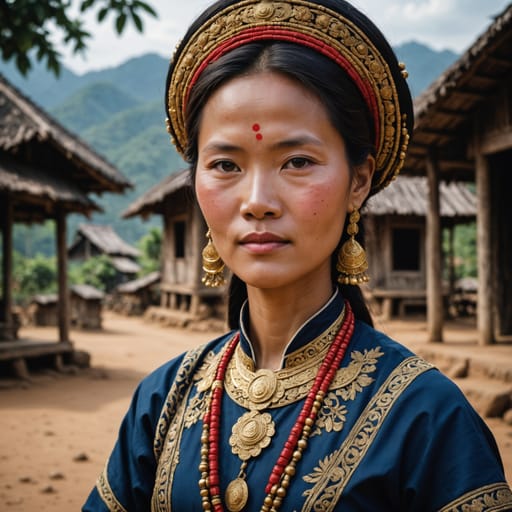
Tai Lue
Sipsongpanna (Xishuangbanna), southern Yunnan, China, along the upper Mekong; also northern Laos, eastern Shan State in Myanmar, northern Thailand and northwestern Vietnam
Tai Nua
Dehong Dai and Jingpo Autonomous Prefecture and nearby areas of western Yunnan, China; adjoining northern Shan State, Myanmar; smaller communities in Laos, Thailand and Vietnam
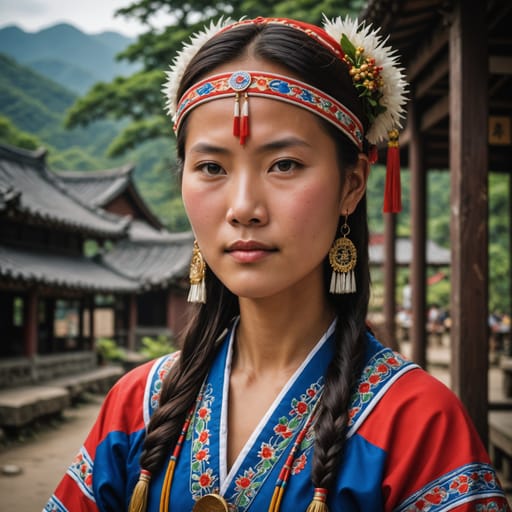
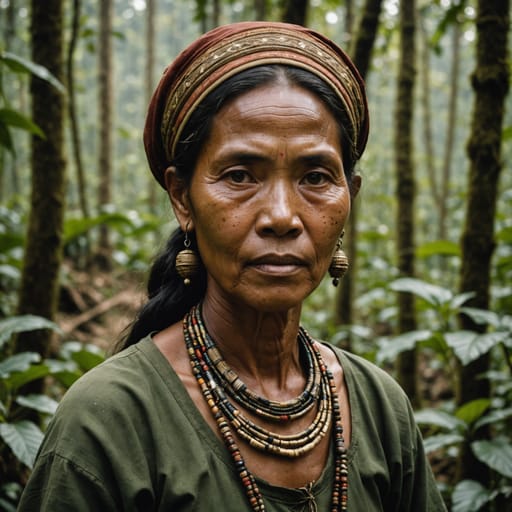
Talaud
Talaud Islands (Karakelang, Salibabu, Kabaruan, Nanusa and Miangas), North Sulawesi province, Indonesia, near the border with the Philippines
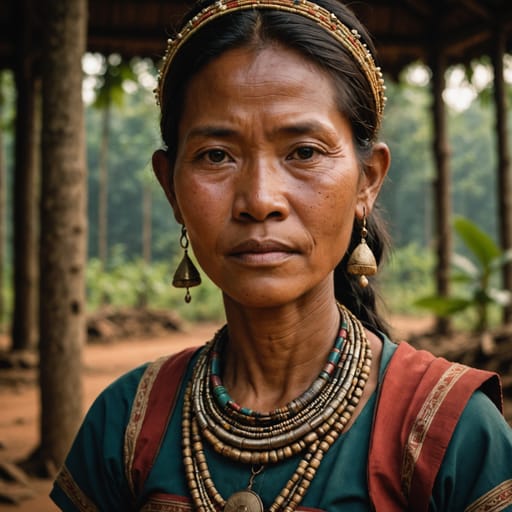
Tanguts
Northwest China: Ningxia, Gansu, eastern Qinghai, northern Shaanxi and western Inner Mongolia, with earlier origins on the eastern Tibetan plateau in Qinghai and Sichuan
Tanka
Coastal and river waters of southern China: Guangdong and the Pearl River Delta, Guangxi, Hainan, Fujian along the Min River, Zhejiang, plus Hong Kong and Macau; now mostly settled ashore in the same areas.

Tashons
Falam area of northern Chin State, Myanmar, with diaspora communities in Mizoram (India), Malaysia and the United States
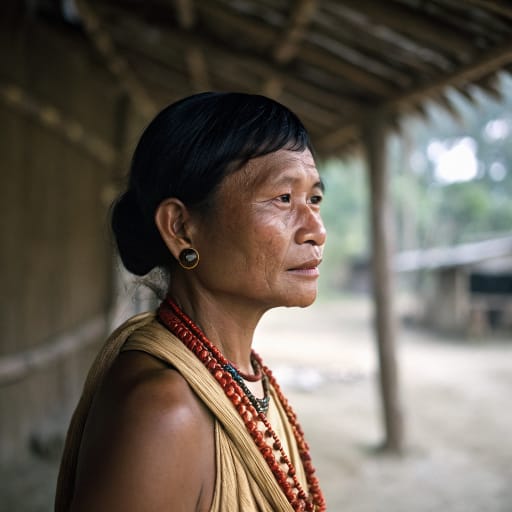
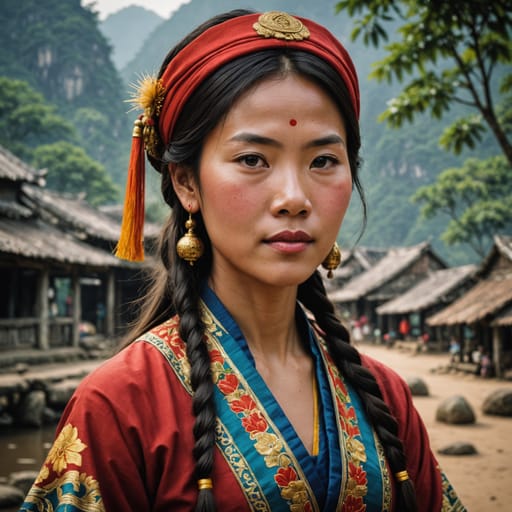

Tedim
Tedim and Tonzang townships in northern Chin State, Myanmar, with large communities in Kalay (Sagaing Region), in Manipur and Mizoram in India, and a refugee diaspora in Malaysia, Australia and the United States.
Teochew
The Chaoshan region of eastern Guangdong, China, centered on Chaozhou, Shantou and Jieyang, with large long-settled communities in Thailand, Cambodia, Vietnam, Singapore, Malaysia, Hong Kong and France.
Terengganuan Malays
Terengganu state on the east coast of Peninsular Malaysia, with migrant communities in the Klang Valley and Johor
Ternateans
Ternate island and neighboring islands of North Maluku, Indonesia, with communities along western Halmahera
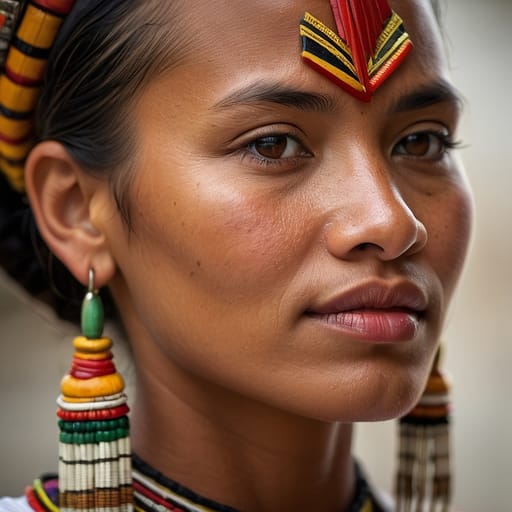

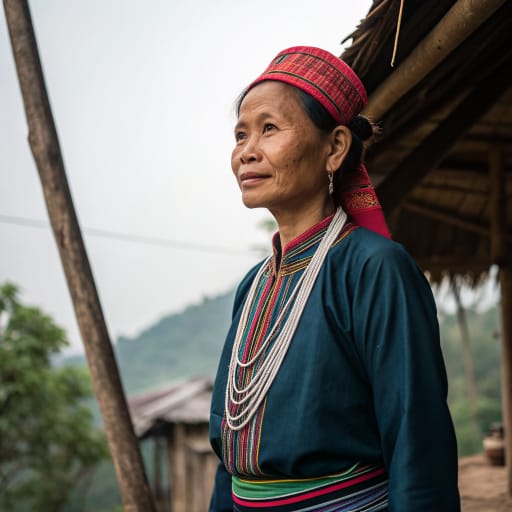
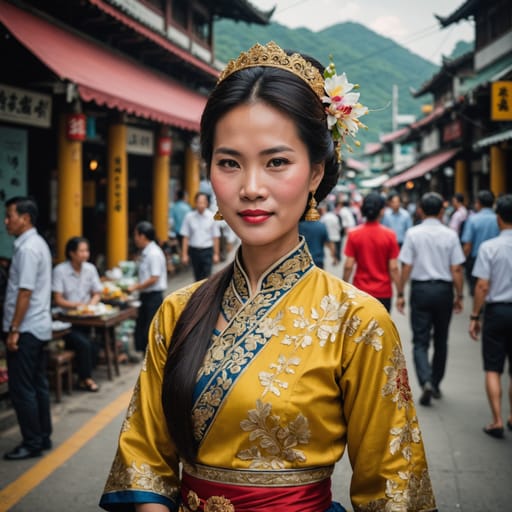

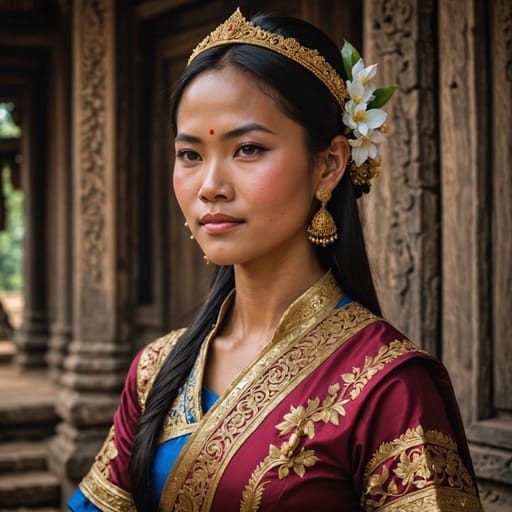

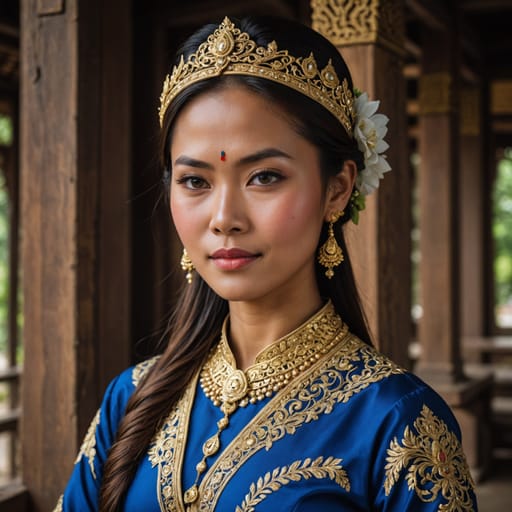
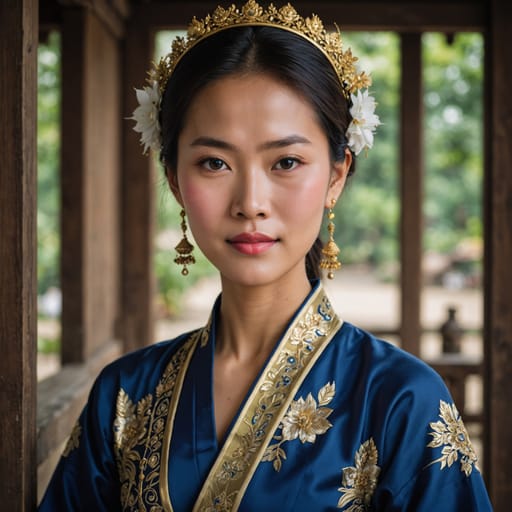

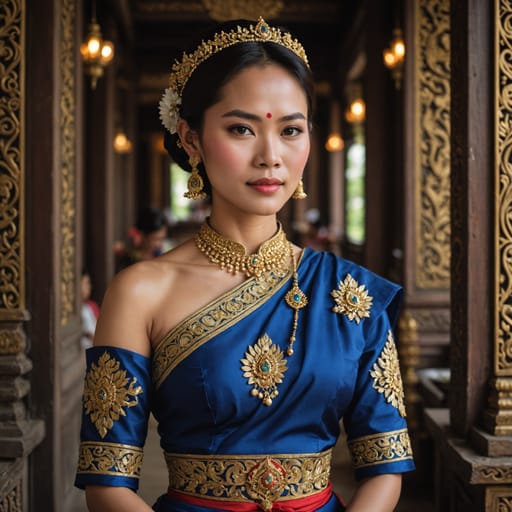

Thao
Sun Moon Lake and the surrounding hills of Nantou County, central Taiwan, chiefly the village of Ita Thao on the southern shore.
Thổ
Hill and midland areas of western Nghệ An and southern Thanh Hóa provinces in north-central Vietnam, including Nghĩa Đàn, Tân Kỳ, Như Xuân and the Pù Mát forest near Con Cuông

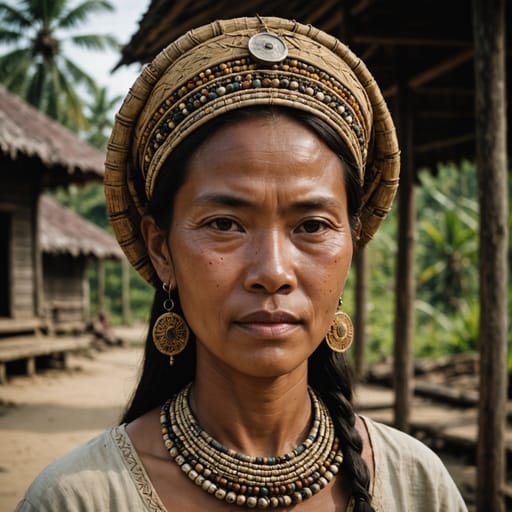
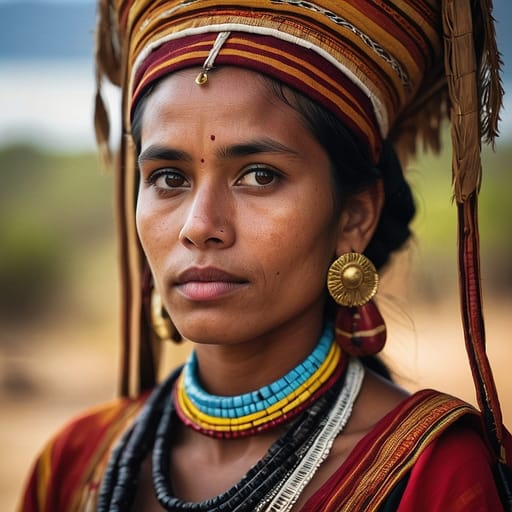
Tinguian
Abra province in the Cordillera of northwestern Luzon, Philippines, with smaller communities in Ilocos Sur, Ilocos Norte, Kalinga and Apayao
Toba Batak
Highlands around Lake Toba and Samosir Island in North Sumatra, Indonesia, with large communities in Medan, Jakarta and other Indonesian cities
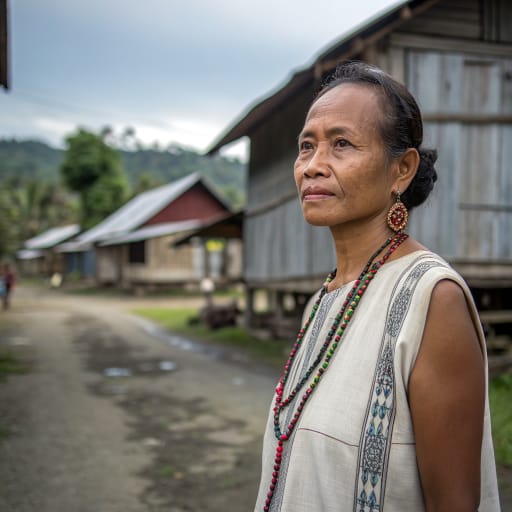
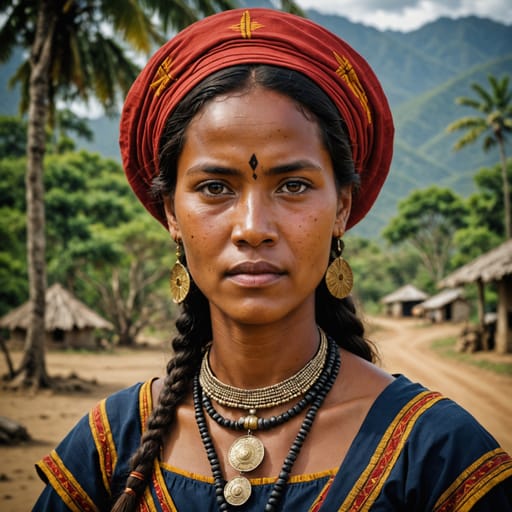
Tombonuo
Northeastern Sabah, Malaysia (Borneo), mainly the Pitas and Beluran districts along the Paitan, Sugut and Labuk rivers, with communities toward Sandakan and Kinabatangan
Tomun
Lamandau River basin in Lamandau and West Kotawaringin regencies, Central Kalimantan, Indonesia (Borneo)
Topasses
Solor, Larantuka on eastern Flores, and Timor, especially Lifau and Oecusse, in present-day Indonesia and East Timor
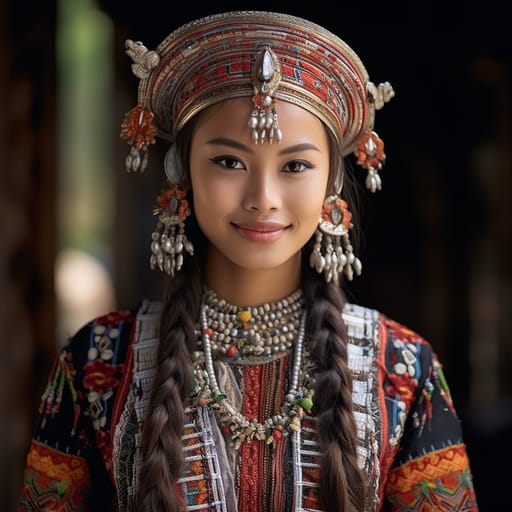
Torghut
Bayingolin and Hoboksar in Xinjiang, China; Khovd Province in western Mongolia; and Kalmykia in southern Russia
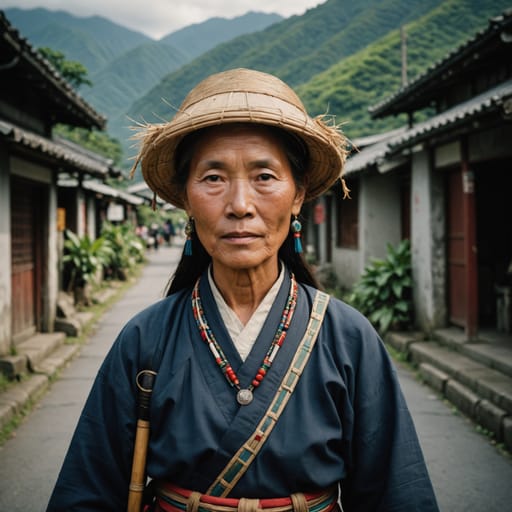
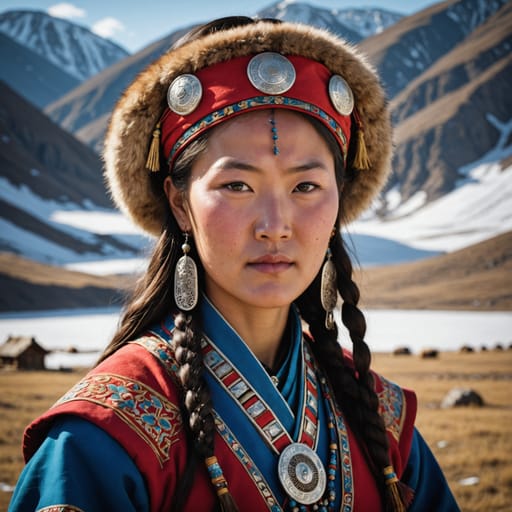
Tsou
The Alishan range and the upper Zengwen river valleys of Chiayi County in south central Taiwan, with communities in Nantou and Kaohsiung.
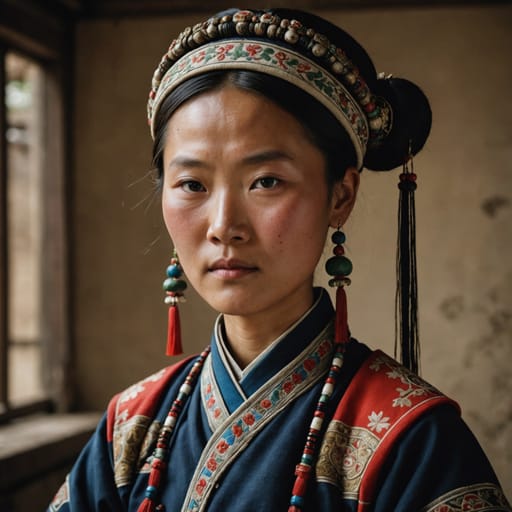
Tunjung
Middle Mahakam River basin and the nearby uplands around Melak, Barong Tongkok and Sendawar, West Kutai Regency, East Kalimantan, Indonesia
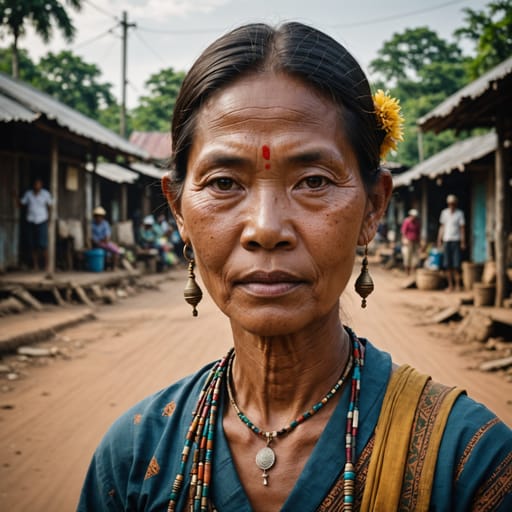
Urak Lawoi'
Islands and coastal villages of the Andaman Sea in southern Thailand: Phuket, Ko Lanta, Ko Jum, Ko Phi Phi, Ko Bulon and Ko Lipe in the Butang group
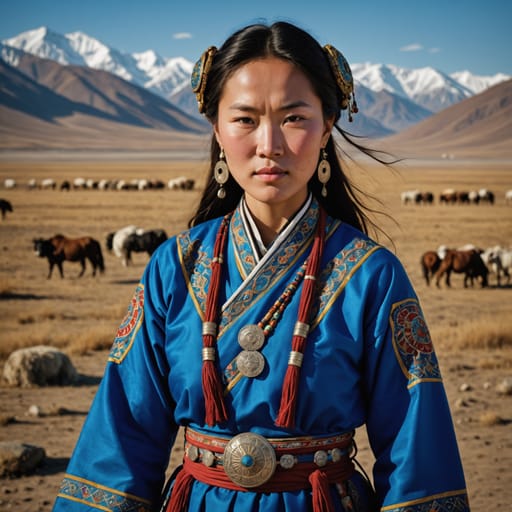

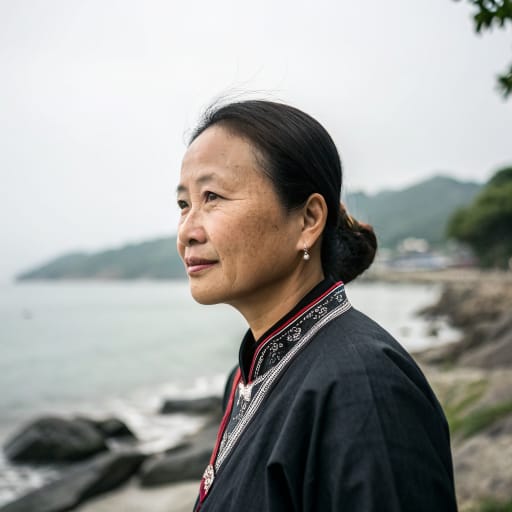

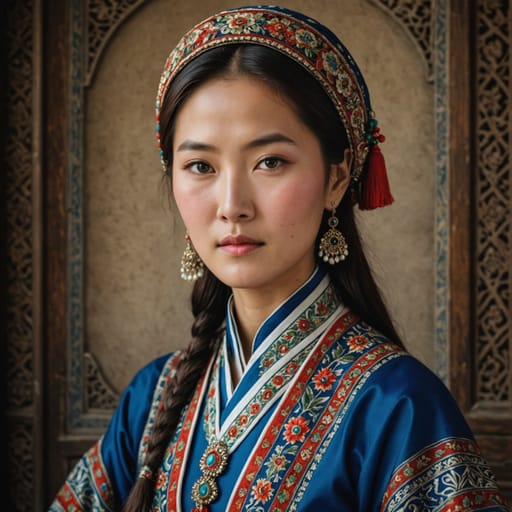
Üzemchin
Ujimqin banners of Xilingol League, Inner Mongolia, China; a smaller community in Dornod and Sükhbaatar provinces of eastern Mongolia


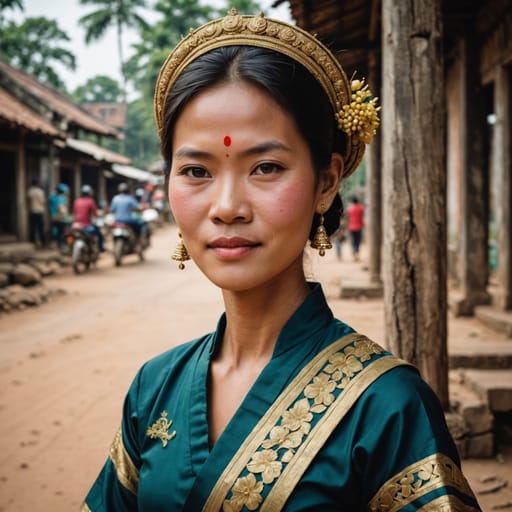


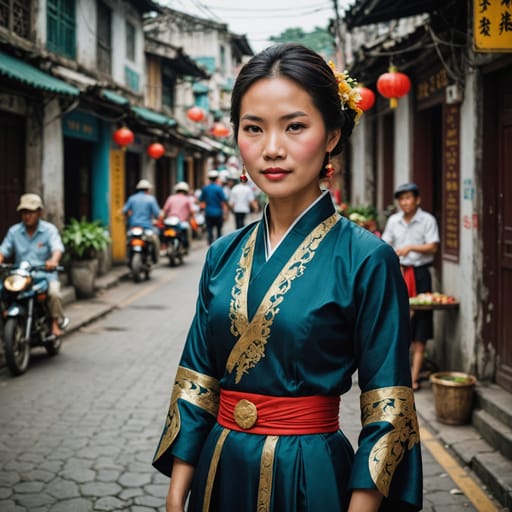



Wai Apu
The Apu (Waeapo) river valley and plain in northeastern Buru Island, Maluku province, Indonesia
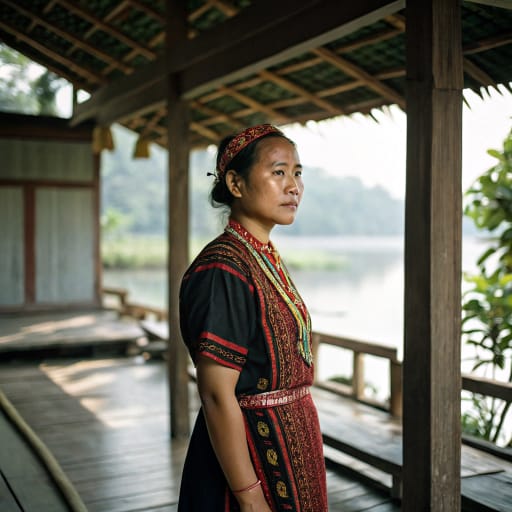
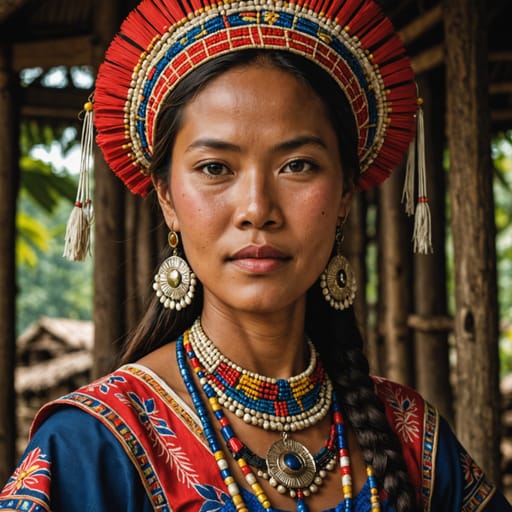

Wemale
Villages in the interior hills and river valleys of central Seram Island, Maluku province, Indonesia
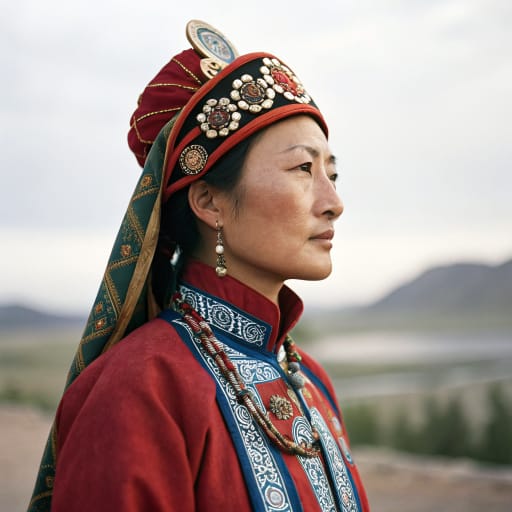
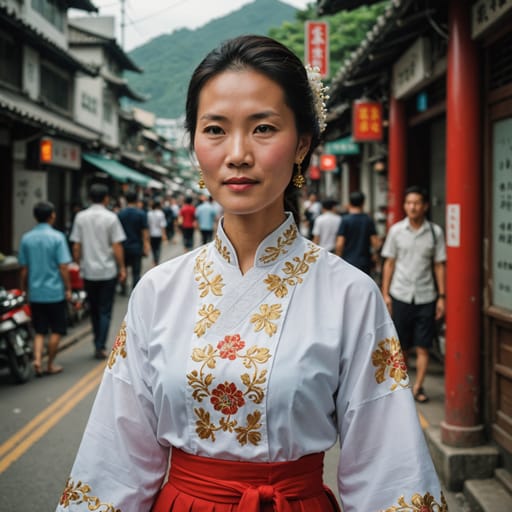
White Tai
Upland river valleys of northwestern Vietnam (Lai Châu, Điện Biên, Sơn La, Hòa Bình), with smaller communities in northern Laos and southern Yunnan, China
Wuji
Songhua, Mudan and lower Amur river basins and the Changbai foothills of Manchuria, north of Goguryeo: today's Heilongjiang and Jilin in China, reaching into Russia's Primorye and Amur lands.
Xianbei
Greater Khingan range and eastern Inner Mongolia, later the Mongolian Plateau and northern China (present-day China and Mongolia)
Xinh Mun
Upland northwestern Vietnam, mainly Sơn La province (Yên Châu, Mai Sơn, Sông Mã) and Điện Biên province, with a smaller community in northern Laos
Xiongnu
Mongolian Plateau and adjoining steppe: Mongolia, Inner Mongolia and the Ordos in China, and Transbaikalia in southern Siberia, Russia
Xirong
The Wei River valley and the uplands west and northwest of it: present-day Shaanxi, Gansu, Ningxia, and eastern Qinghai, China
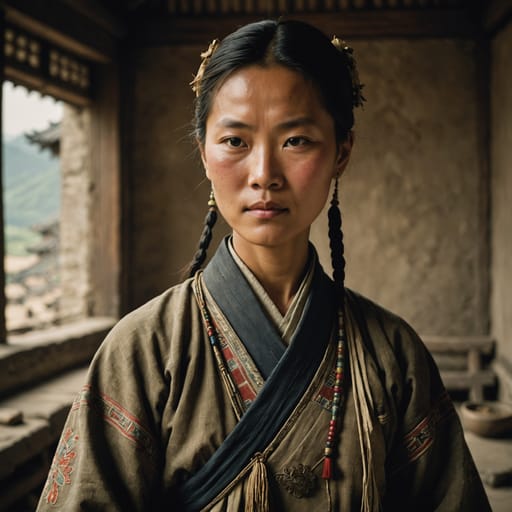


Yangyue
The middle Yangtze and lands to its south in present-day Hubei, Hunan and Jiangxi, China; later usage extended the name toward Guangdong and Guangxi


Yoy
Sakon Nakhon Province in northeastern Thailand (Isan), centered on Akat Amnuai and neighboring districts, with smaller related communities reported in Laos

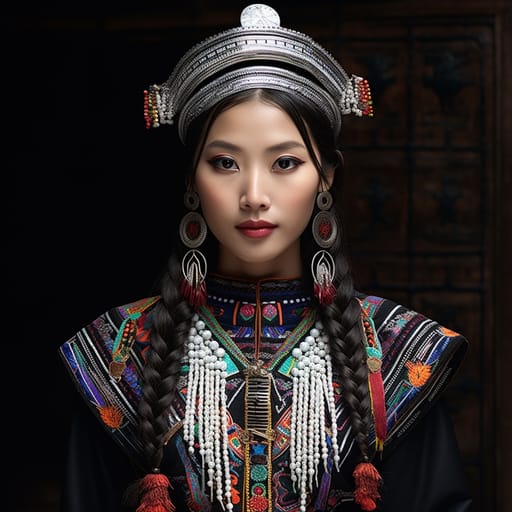
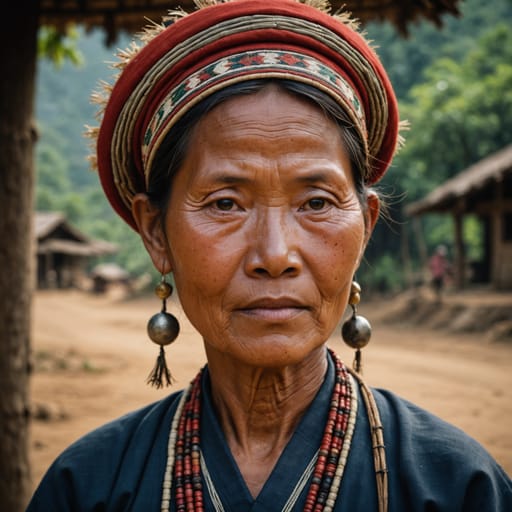
8 countries in East Asia
Aggregate phenotype profile per country · weighted by demographic composition
East Asia Body & Anatomy Reference
East Asian Sinitic / Mongoloid phenotype: adult AI generation reference across East Asia
East Asia Women: Boobs & Breasts
East Asia women's tits and boobs run small-to-medium cup, modest projection, the classic East Asian Sinitic / Mongoloid bust profile across East Asia. Nipples and areolas show light-pink to medium-brown areolar pigmentation against the light-to-medium skin tone, with areolar diameter typically in the 26-36mm range and forward-set positioning rather than the the fuller South Asian or Levantine bust profile. East Asia breasts trend firm and modestly projecting; smaller cup size than the South Asian or Western Asian average, a function of the ectomorph-to-mesomorph, lean frame body habitus and mean adult female BMI 20-23. For anatomically-accurate AI-generated East Asia nude women the render preserves: small-to-medium cup, modest projection shape, 26-36mm areolas with regional pigmentation, and the torso proportions of the East Asian Sinitic / Mongoloid phenotype.
East Asia Women: Ass & Hips
East Asia women's ass and hip morphology presents as small-to-medium, modest projection, narrower hip profile, distinctly different from the fuller projected glutes of the West African or Polynesian phenotype. East Asia pelvic profile shows narrower iliac crests, less gluteal-femoral fat deposition, anchored in the East Asian Sinitic / Mongoloid skeletal pattern. East Asia butt shots in adult AI imagery should render the small-to-medium, modest projection, narrower hip profile silhouette with the ectomorph-to-mesomorph, lean frame build and the gluteal-femoral fat distribution typical of the East Asian Sinitic / Mongoloid phenotype rather than defaulting to a globally-averaged shape that generic AI generators produce.
East Asia Women: Vagina & Pussy
East Asia women's pussy and vulvar anatomy presents light-pink to medium-brown labial pigmentation, smaller labia minora, consistent with the East Asian Sinitic / Mongoloid phenotype's pigmentation pattern. East Asia pubic hair is typically straight fine texture, sparser distribution than the South Asian norm, distributed in the inverted-triangle pattern with regional-typical density. AI-generated East Asia nude imagery should preserve the light-pink to medium-brown labial pigmentation and the straight fine texture hair texture rather than defaulting to a Western-European pink-and-sparse template. For anatomically-accurate East Asia pussy renders the labial pigmentation should match the surrounding light to medium skin tone of the East Asian Sinitic / Mongoloid phenotype.
East Asia Men: Dicks & Penis
East Asia men's dick and penile anatomy in adult AI generation should anchor on the regional reference data: regional mean ~11-12cm erect, moderate girth, and light-brown shaft pigmentation. East Asia cock profile reflects the East Asian Sinitic / Mongoloid ancestral population's anthropometric measurements rather than a globally-averaged Western-pornography default. For anatomically-accurate East Asia nude male imagery the shaft pigmentation should track the surrounding light to medium skin tone, with continuous glans-to-shaft pigmentation transition and the straight fine texture pubic-hair texture distributed in the typical inverted-V escutcheon.
East Asia: Body, Curves & Build
East Asia body type and overall build presents as ectomorph-to-mesomorph, lean frame, with mean adult female BMI 20-23: the characteristic East Asian Sinitic / Mongoloid habitus. East Asia curves and proportions in adult AI imagery should preserve the regional skeletal frame (height, shoulder-to-hip ratio, limb proportions) rather than scaling to a Western-European mesomorph default. The East Asia nude female form, when rendered with anatomical fidelity, shows the height range, frame width, and adipose distribution pattern typical of the East Asian Sinitic / Mongoloid phenotype. Generic AI image generators tend to collapse regional body types into a few default shapes; the Ethnic Erotic phenotype-anchored approach preserves the East Asia build as its own reference category.
East Asia: Skin Tone & Hair Texture
East Asia skin tone falls in the light to medium (Fitzpatrick II-IV) band, the surface signal most often miscalibrated by generic AI nude generators trained on Western-photographic datasets. East Asia hair texture is typically straight 1A, fine-to-medium, predominantly black, characteristic of the East Asian Sinitic / Mongoloid phenotype. For anatomically-accurate East Asia nude renders the skin should hold the Fitzpatrick band consistently across body surface rather than showing the lighter-than-face body shading that AI generators default to.
East Asia: The Historical Erotic Record
Named positions and museum-attested works from this region’s manuals, art & literature
Su Nü Jing (Classic of the Plain Girl)
Chinese (Han dynasty tradition) · c. 2nd century BCE–2nd century CE; preserved in the Japanese Ishimpō (984 CE)
- Cicada Clings(known today as Cicada Clings)
- Tiger's Tread(known today as Doggy style)
- Dragon Turns(known today as Dragon Turns)
- Cranes Entwine Necks(known today as Entwined Cranes)
- Fishes Interlock(known today as Fishes Interlock)
- Monkey's Attack(known today as Legs on shoulders)
- Cranes with Necks Entwined(known today as Lotus)
- Mounting Tortoise(known today as Mating press)
- Dragon Turns(known today as Missionary)
- Monkey's Attack(known today as Monkey's Attack)
- Phoenix Soars(known today as Phoenix Soars)
- Clinging Cicada(known today as Prone bone)
- Fish Linking Scales(known today as Prone cowgirl)
- Rabbit Licks Its Fur(known today as Reverse cowgirl)
- Tiger's Tread(known today as Tiger's Tread)
- Turtle Rises(known today as Turtle Rises)
- Phoenix Soaring(known today as Yawning position)
Dongxuanzi (Master of the Cavern Mystery)
Chinese (Tang dynasty) · c. 7th century CE
- Fluttering Butterflies(known today as Cowgirl (woman on top))
- Wild Horse Leaps(known today as Legs on shoulders)
- Silkworm Spinning a Cocoon(known today as Missionary, legs wrapped)
- Mandarin Ducks Entwined(known today as Spooning)
- Late-Spring Donkey(known today as Standing rear entry (bent over))
Shunga woodblock prints
Japanese (Edo period) · 17th–19th century CE
- Rear-entry prints(known today as Doggy style)
- Mutual-oral prints(known today as Sixty-nine (69))
Shijūhatte (the Forty-Eight Techniques)
Japanese (Edo period) · 17th–19th century CE
- Ekiben (the station lunchbox)(known today as Ekiben (facing-away carry))
- Taimen-zai (face-to-face seat)(known today as Face-off (chair straddle))
- Matsuba-kuzushi (scattered pine needles)(known today as Pretzel (pretzel dip))
- Haimen-zai (rear-facing seat)(known today as Seated rear entry (lap ride))
Chinese spring-palace albums
Chinese (Ming–Qing) · 16th–18th century CE
- The chair scene(known today as Face-off (chair straddle))
In the museum record
Shunga — Edo-period ukiyo-e, 1603–1868
3 catalogued works
- Hokusai, "Tako to Ama" ("The Dream of the Fisherman's Wife"), British Museum, London
- Utamaro, Utamakura ("Poem of the Pillow"), British Museum & V&A (E.104-1954)
- Torii Kiyonaga, Sode no Maki ("Handscroll for the Sleeve"), MFA Boston & British Museum
Ming–Qing Erotic Albums — "Spring Pictures," c. 1590–1900
5 catalogued works
- Huaying Jinzhen ("Variegated Battle Arrays of the Flowery Camp"), Muban Foundation, London
- Fengliu Juechang Tu ("Pictures of the Height of Sophistication"), Muban Foundation, London
- Erotic leaves attrib. Gu Jianlong, from a Jin Ping Mei illustration album, Nelson-Atkins Museum (2006.18.4)
- "Secret Play on a Spring Night," fenben copy after Zhou Fang, Bertholet Collection (context-supported)
- Wang Sheng ten-leaf album ("Album A"), Holding institution unconfirmed
Full entries with verification notes on the history timeline.