Help us get this right
Does this portrait look right for Kavalan?
Nobody has judged this one yet. You would be the first.
Kavalan Erotic
Historically the Lanyang (Yilan) Plain of northeastern Taiwan; today mainly coastal villages in Hualien and Taitung counties on Taiwan's east coast, centered on Xinshe in Fengbin Township.
Kavalan (Austronesian, East Formosan branch), severely endangered; Mandarin, Taiwanese Hokkien and Amis in daily use.
Predominantly Christian, Presbyterian and Catholic, alongside surviving ancestral rites and female shamanic practice.
One of Taiwan's recognized Austronesian indigenous peoples; historically counted among the plains peoples (Pingpu) and registered as Amis until 2002; closely linked to the neighboring Sakizaya.
About Kavalan People
The Kavalan are the people the Yilan Plain is named for. Before Han settlement they held that flat, river-cut land in Taiwan's northeastern corner, dozens of villages between the mountains and the sea, and the name they use for themselves marks the distinction that mattered to them: people of the plain, as against the people upslope. They fished the rivers and the coast, farmed, and traded with ships working the northern coast long before anyone drew a border around them. Their language sits in the Austronesian family, in its East Formosan branch, closer to Amis and to the vanished Basay than to the mountain languages spoken next door. Taiwan is the Austronesian homeland, the island the whole family sailed out from, so Kavalan is not a transplanted tongue but one of the deep roots of a family that reaches to Madagascar and Hawaii.
What came after is compressed and brutal. In 1796 an expedition under Wu Sha broke into the plain, Han settlement followed fast, the Qing set up a subprefecture in 1812, and within two generations the land was gone. Families moved south down the east coast into present-day Hualien, and in 1878 the Kavalan at Kaliawan joined the Sakizaya against Qing troops, lost, and scattered again. Many survived by living quietly inside Amis villages, which is why the state counted them as Amis for most of a century. Formal recognition as a distinct people came only in 2002, the eleventh name on Taiwan's official list, and fewer than two thousand people are registered under it. The largest settlement is Xinshe, Paterongan in Kavalan, on the Hualien coast, where women revived weaving with banana fiber: the pseudostem stripped, dried, and split into thread fine enough for a backstrap loom, a technique that nearly died with the last weavers who held it. Ritual authority here has long run through women, the mtiu who handle healing and the dead, and the year-end Palilin rites for ancestors are still kept in households that never let them go. Most Kavalan today are Christian, Presbyterian or Catholic, and most speak Mandarin. The language has almost no fluent speakers below the oldest generation, and the village classes are in a race with it.
Related ethnic groups
Groups that share Kavalan's homeland, region, language, or religious tradition. These are likely candidates for comparative phenotype reference.
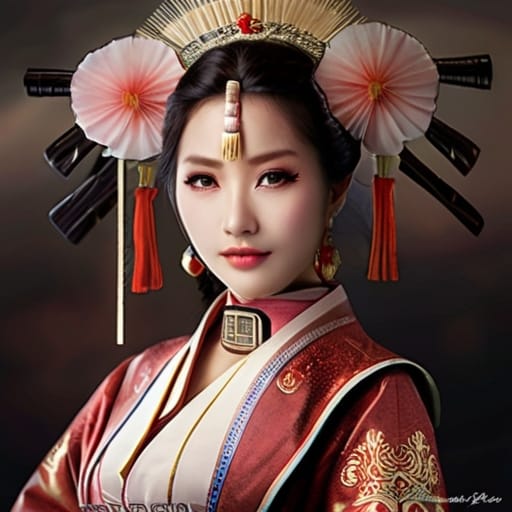
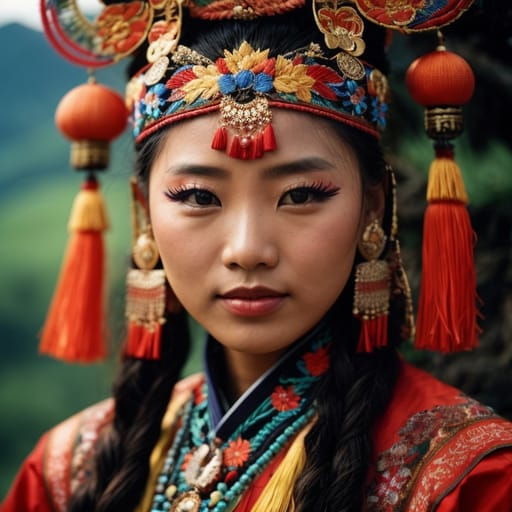
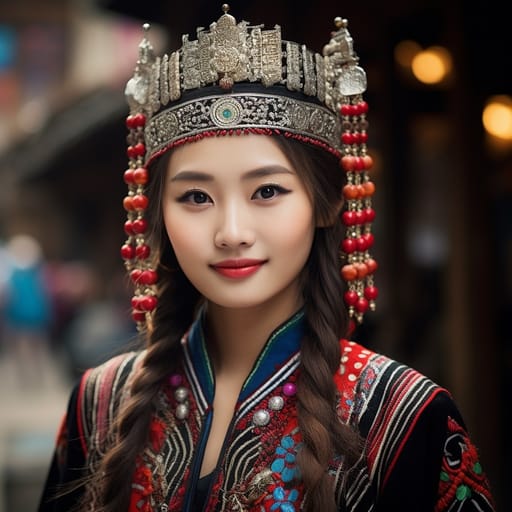
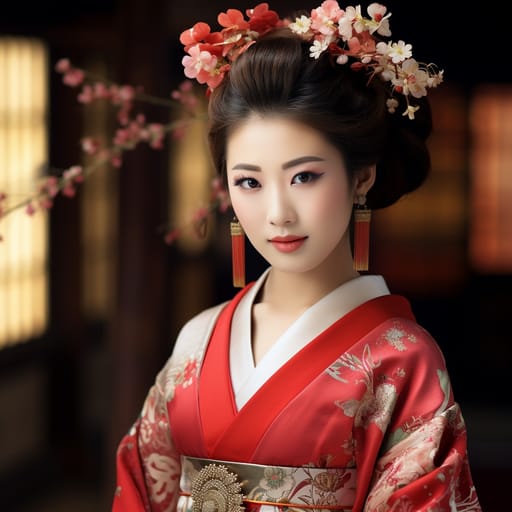
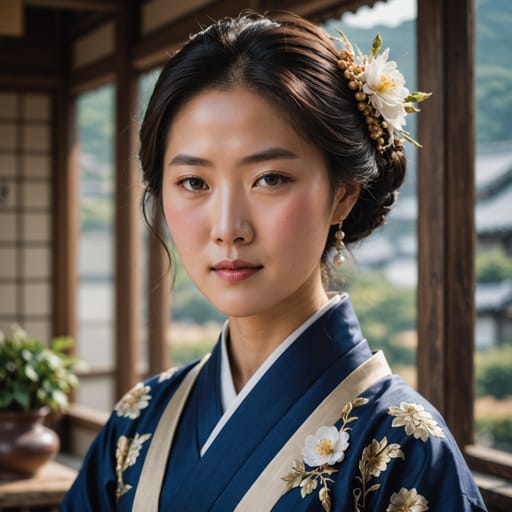
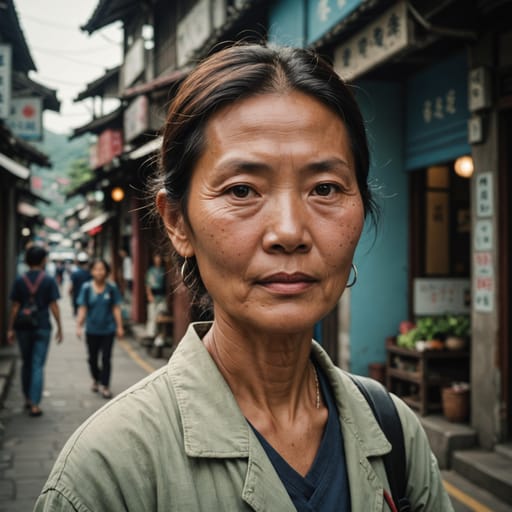
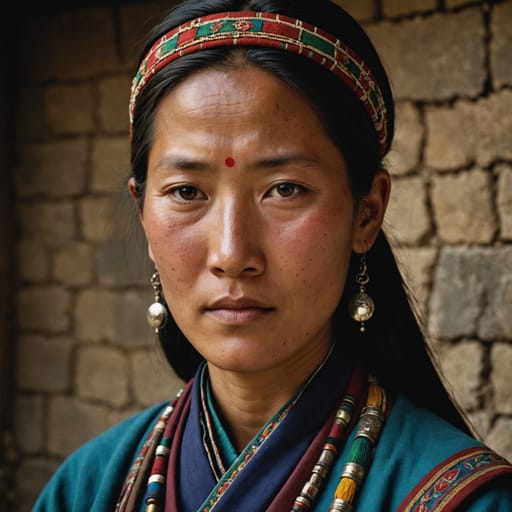
Typical Kavalan Phenotypes
Reference for AI generation: hair, eyes, skin, facial structure, build
Explore phenotype categories
Structured taxonomy with peer-reviewed scales · 22 anatomical categories
Erotic Poses & Sex Positions
From the pose catalog: 219 named positions with reference skeletons
Frequently asked questions about Kavalan people
Where is the Kavalan homeland?
The Kavalan homeland is Historically the Lanyang (Yilan) Plain of northeastern Taiwan; today mainly coastal villages in Hualien and Taitung counties on Taiwan's east coast, centered on Xinshe in Fengbin Township. in East Asia.
What language do Kavalan people speak?
Kavalan people primarily speak Kavalan (Austronesian, East Formosan branch), severely endangered; Mandarin, Taiwanese Hokkien and Amis in daily use..
What religion do Kavalan people practice?
The predominant religion among Kavalan people is Predominantly Christian, Presbyterian and Catholic, alongside surviving ancestral rites and female shamanic practice..






Make your own Kavalan images
Five a day, free, no credits to buy. The studio starts from this group's phenotype data, so you can set body type, pose and style and keep the traits accurate.
Start with Kavalan