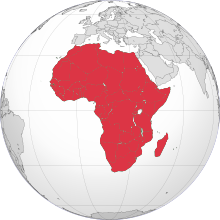
Southern Africa
122 ethnic groups
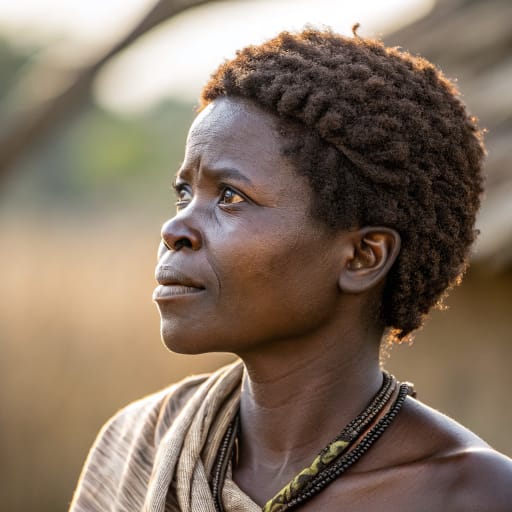
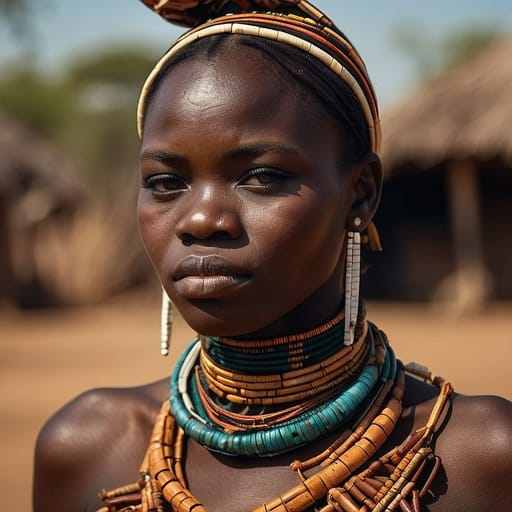
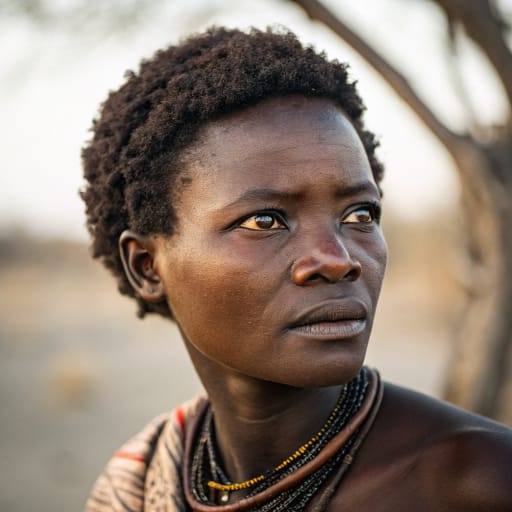
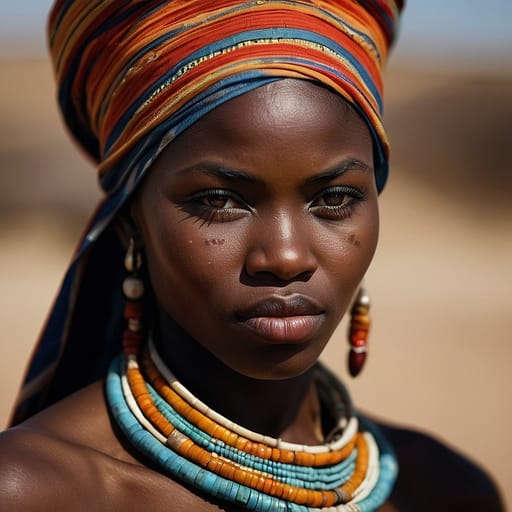
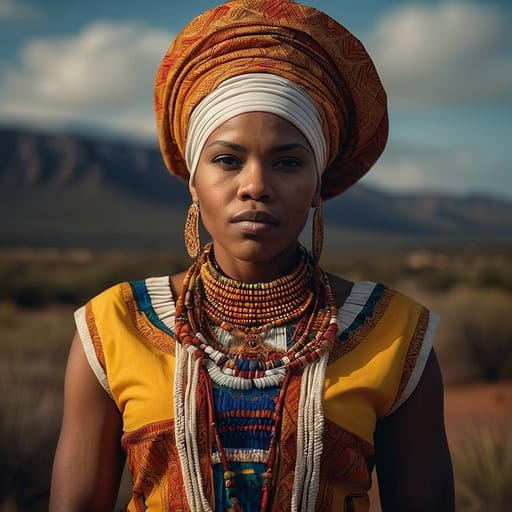
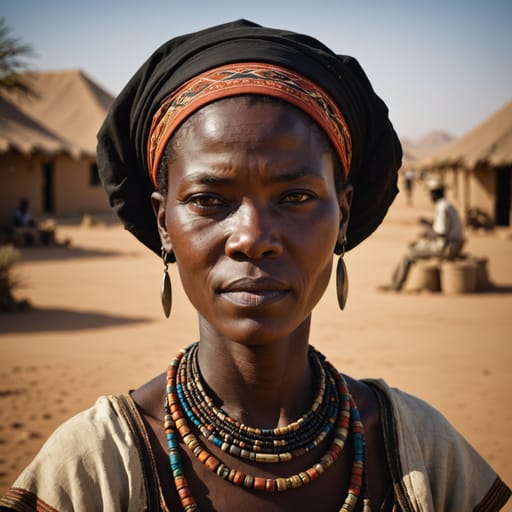
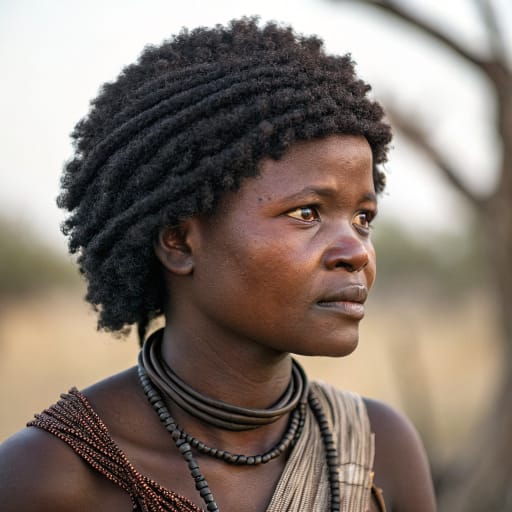
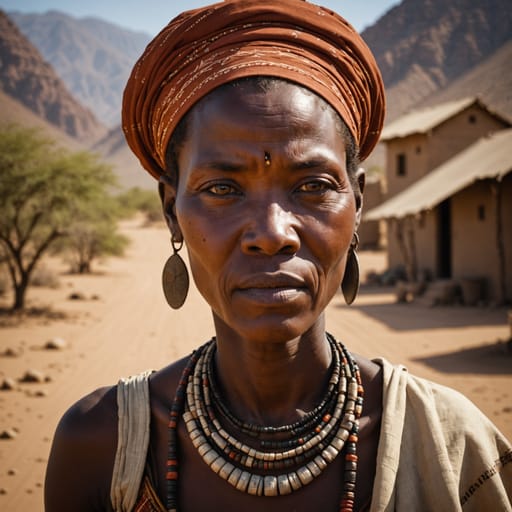
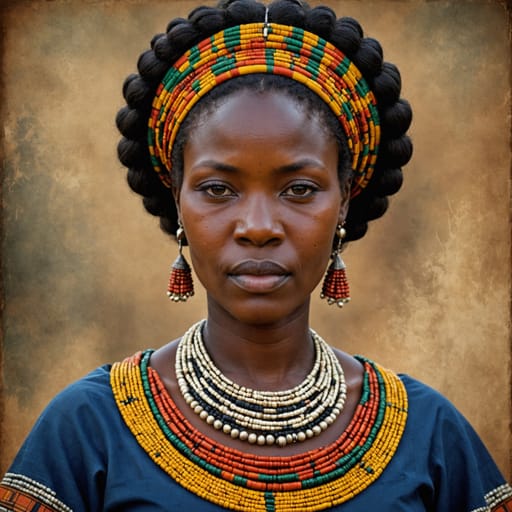
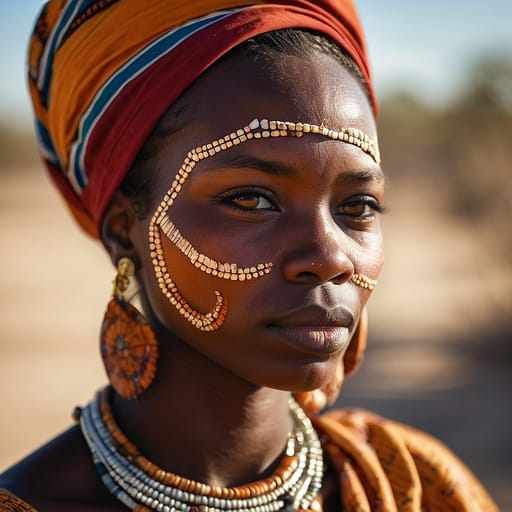
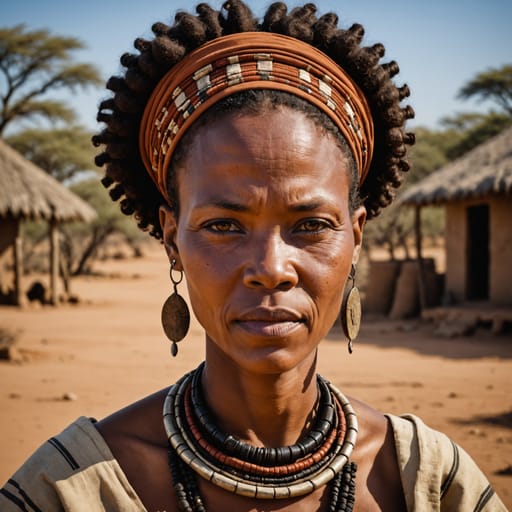
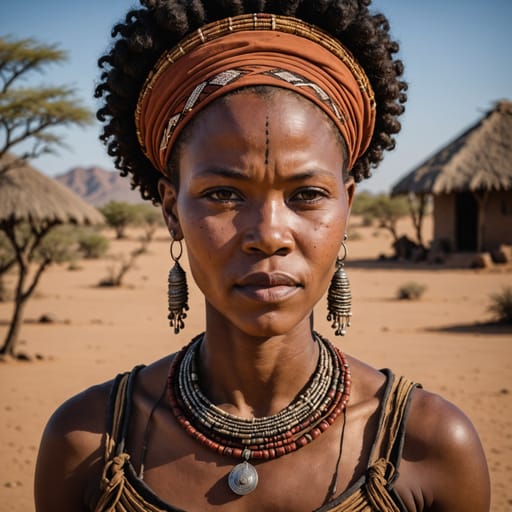
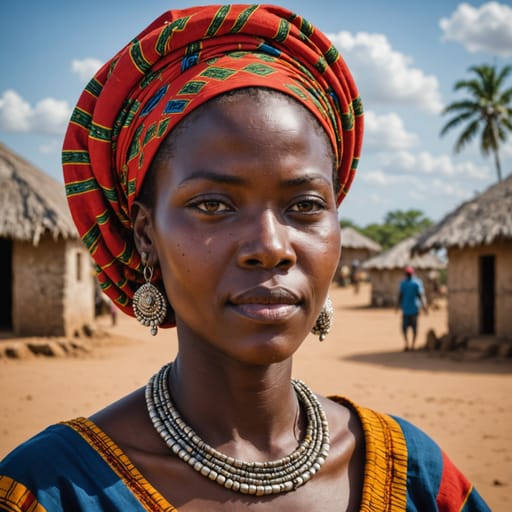
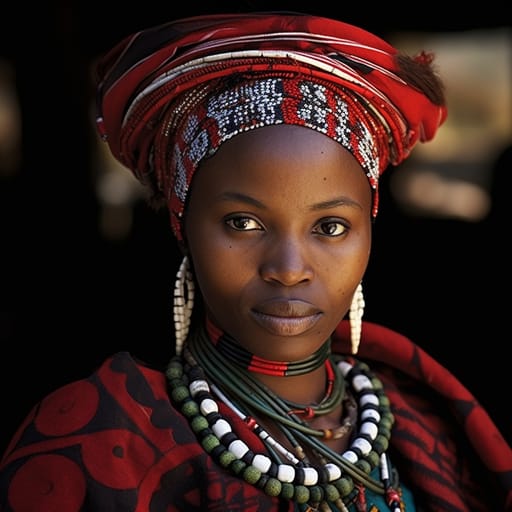
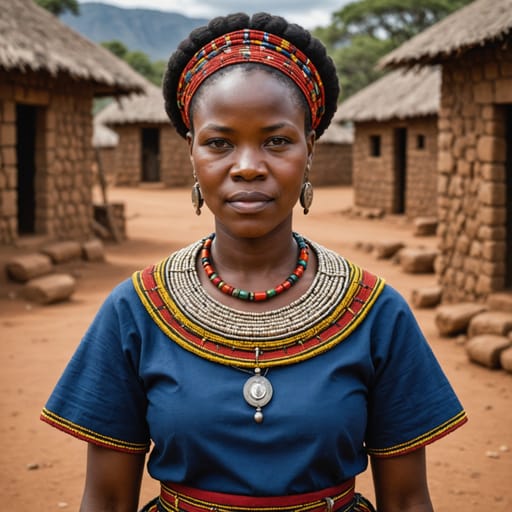
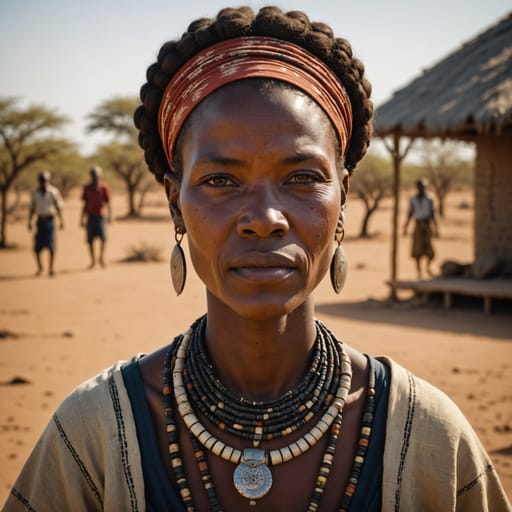
Browse the 122 ethnic groups native to Southern Africa. Each profile documents facial features, skin tone, hair texture and body type. Explore the people below, or read the full Southern Africa phenotype and anatomy reference further down.
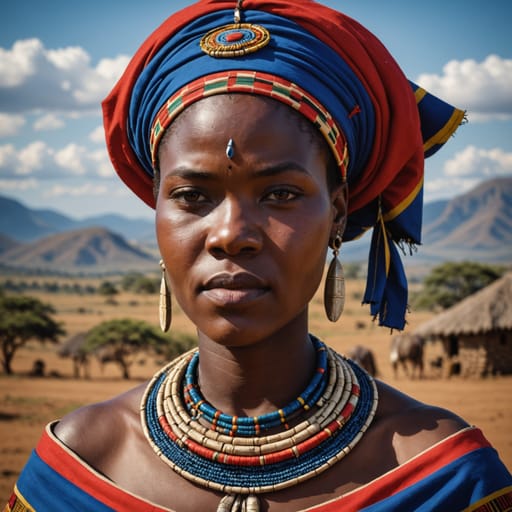
Help us get this right
Does this portrait look right for Eswatini Other?
Nobody has judged this one yet. You would be the first.
ǀKhowesin
Gibeon and the surrounding Hardap Region of southern Namibia; the clan originated at Pella in what is now South Africa's Northern Cape.

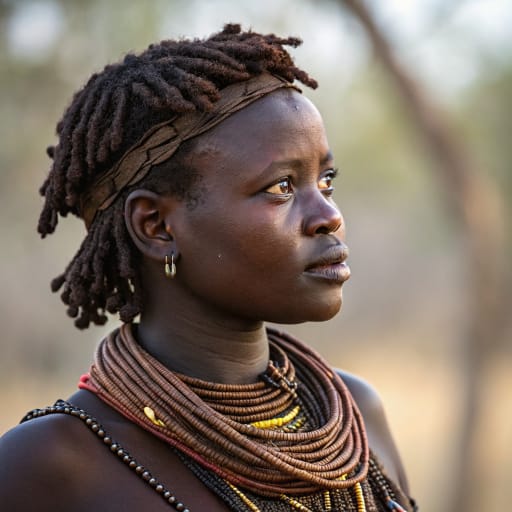
Bakoena
Lesotho, Botswana (Kweneng District, around Molepolole) and South Africa's Free State and North West provinces
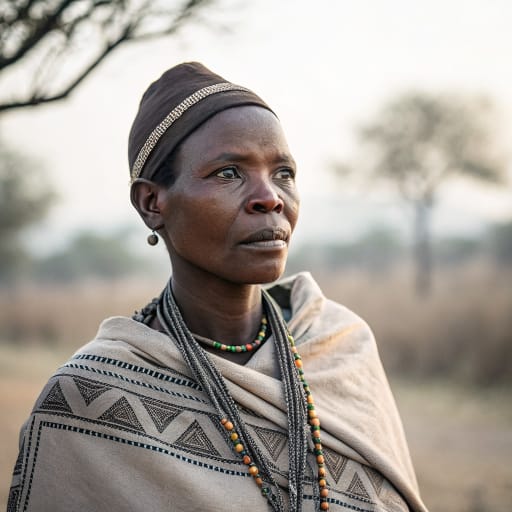
Bangwato
Central District of Botswana, centered on Serowe, between the Tswapong Hills and the Makgadikgadi Pans
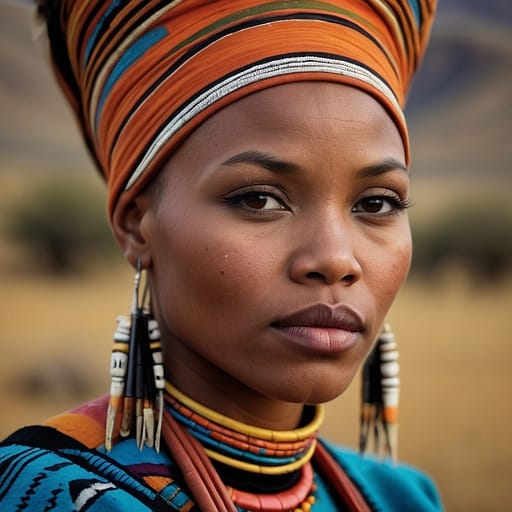
Basters
Rehoboth and the surrounding Rehoboth Gebiet in central Namibia, south of Windhoek; originally the northern Cape frontier of South Africa.
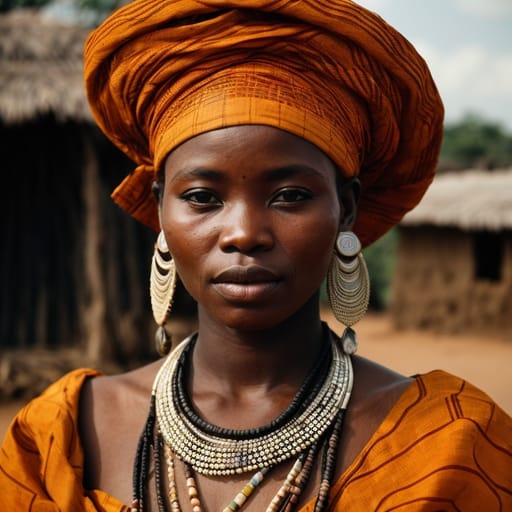
Bhaca
Mount Frere (KwaBhaca) and surrounding uplands of the Eastern Cape, in the former Transkei, and the Umzimkhulu area of southern KwaZulu-Natal, South Africa
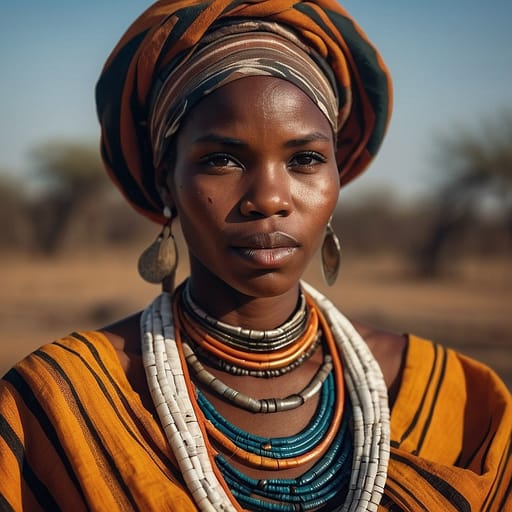
Cape Coloureds
Western Cape and Northern Cape provinces of South Africa, centered on Cape Town, with communities across the rest of the country and in Namibia
Cape Malays
Cape Town and the wider Western Cape, South Africa, historically concentrated in the Bo-Kaap and, until the forced removals, District Six.
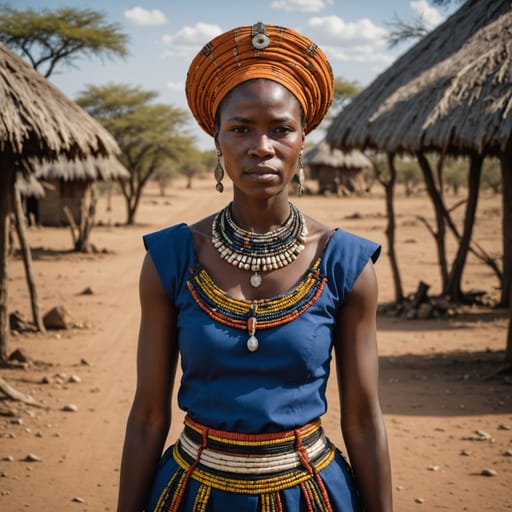
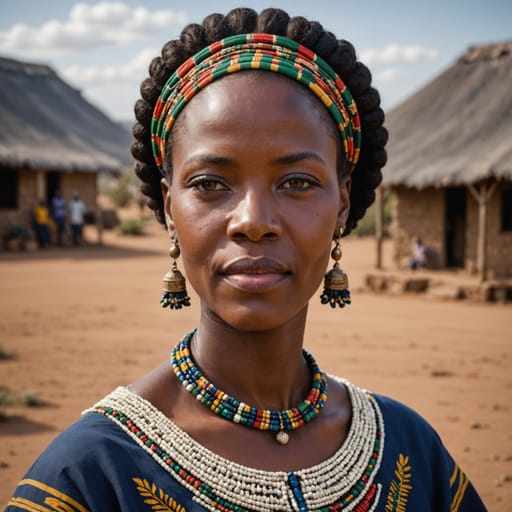
Gciriku
Along the Kavango (Okavango) River in Kavango East Region, northeastern Namibia, with a smaller population on the Angolan bank in Cuando Cubango Province
Griqua
Northern Cape, Free State, Eastern Cape and KwaZulu-Natal, South Africa, with historical settlements in Namibia
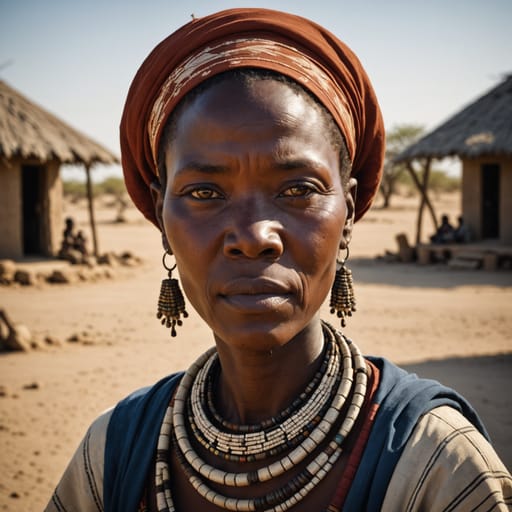
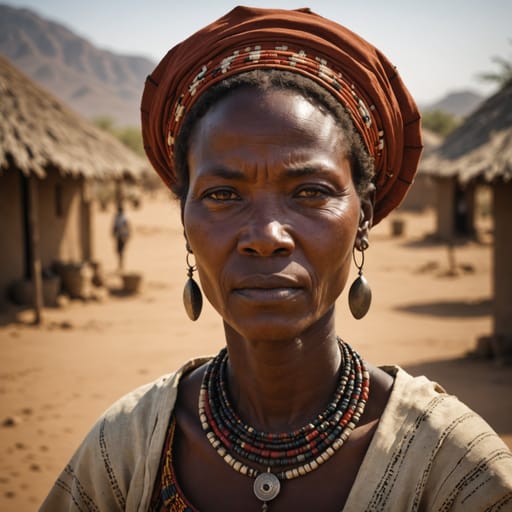
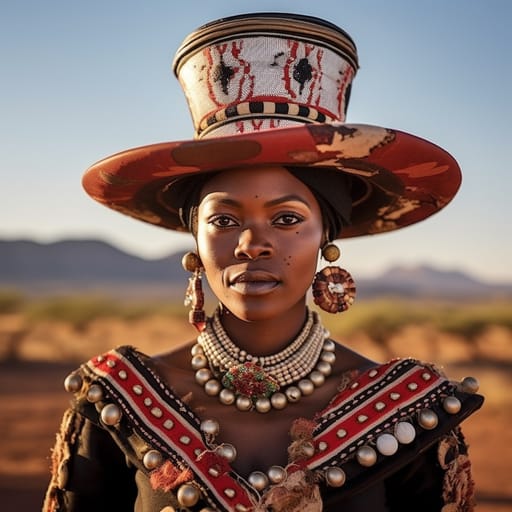
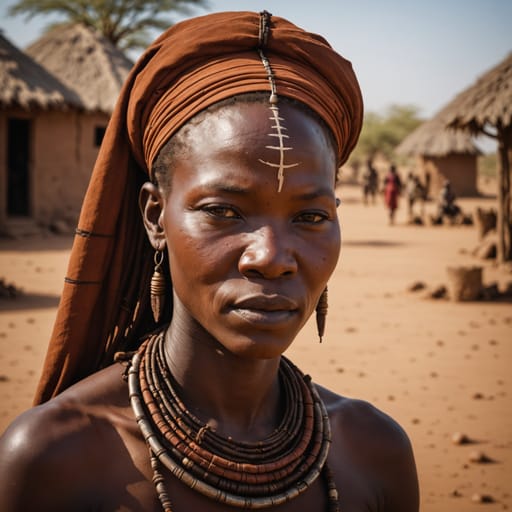
Hlubi
Originally the upper Mzinyathi (Buffalo) River country of northern KwaZulu-Natal, South Africa; now mainly KwaZulu-Natal and the Eastern Cape, with communities elsewhere in South Africa.
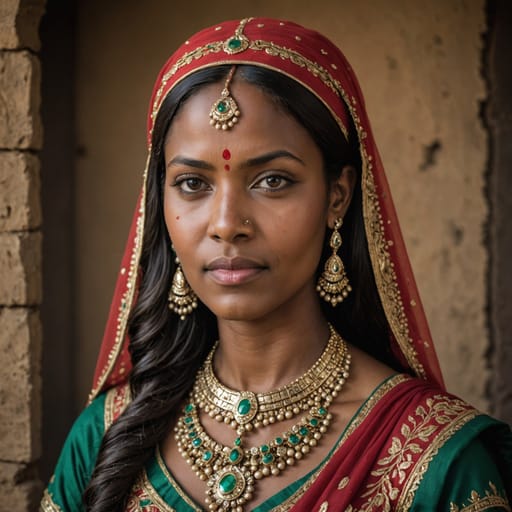
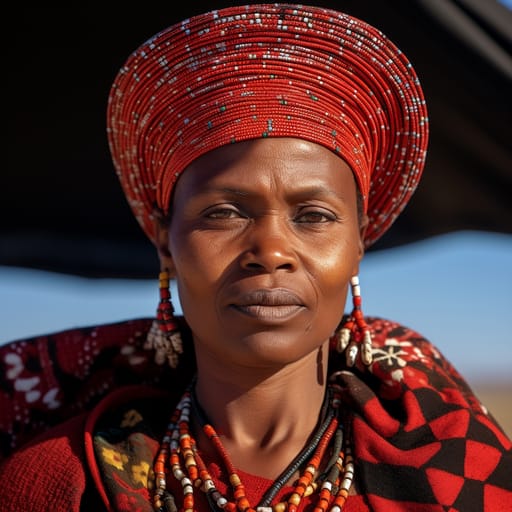
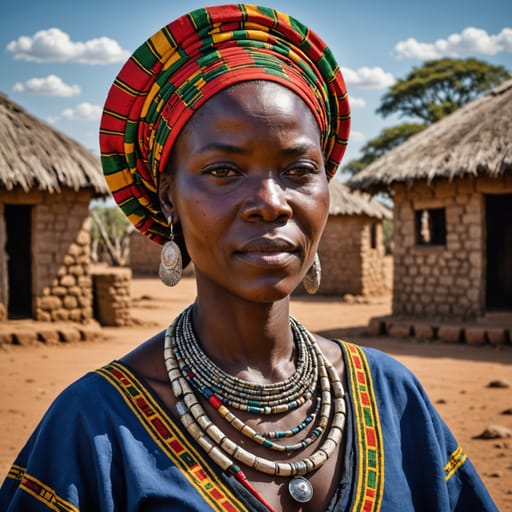
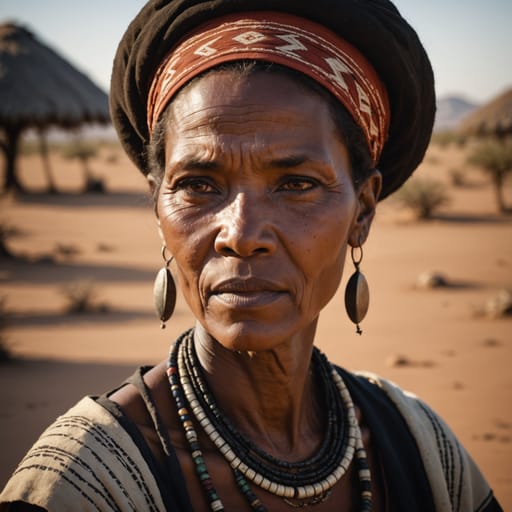
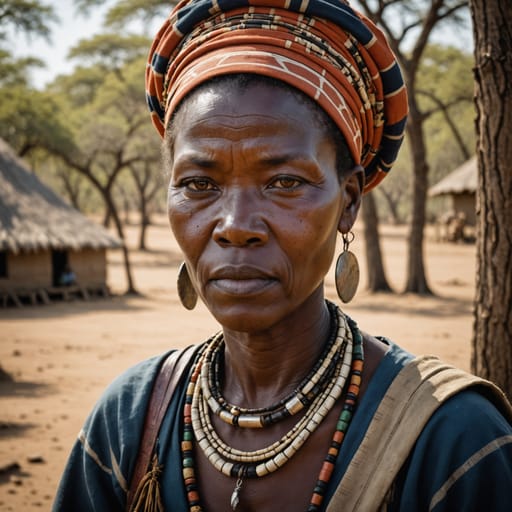
Kunda
Luangwa Valley in Mambwe District, Eastern Province, Zambia; also the middle Zambezi valley in Tete Province, Mozambique, and Mbire District, Zimbabwe
Kung
Northern Kalahari Basin: northeastern Namibia, northwestern Botswana and southern Angola, with a displaced community at Platfontein, South Africa.
Kwanyama
The Oukwanyama area straddling the border: Cunene Province in southern Angola (around Ondjiva) and Ohangwena Region in northern Namibia (around Eenhana and Oshikango).
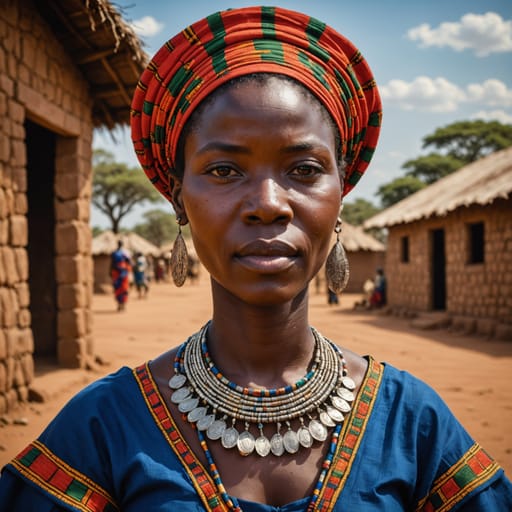
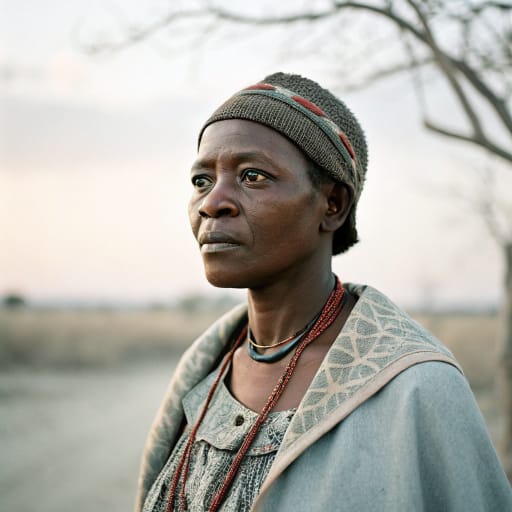
Lenje
Central Province, Zambia, from the northern outskirts of Lusaka through Chisamba and Chibombo to Kabwe and the Lukanga Swamp
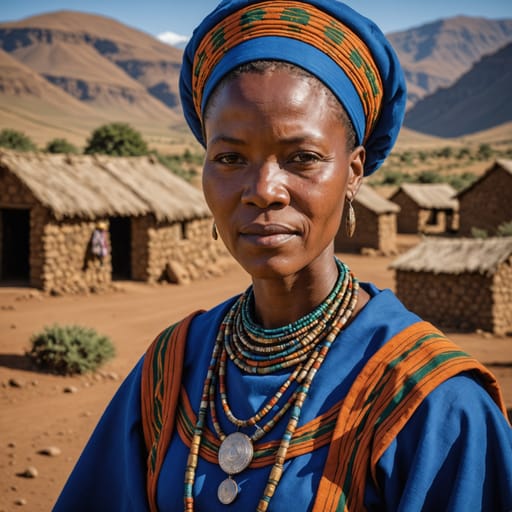
Lobedu
Bolobedu, around Modjadjiskloof and Kgapane in Mopani District, Limpopo Province, South Africa
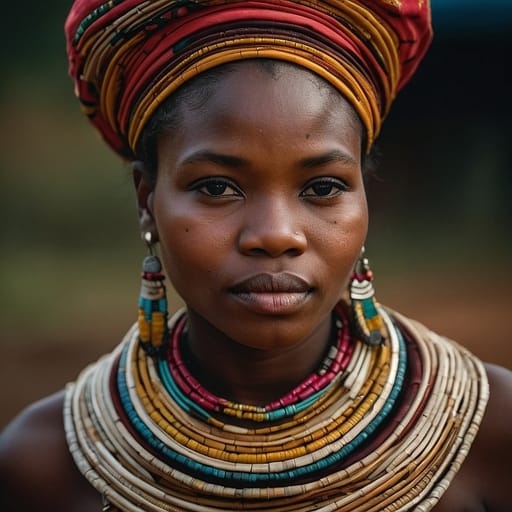
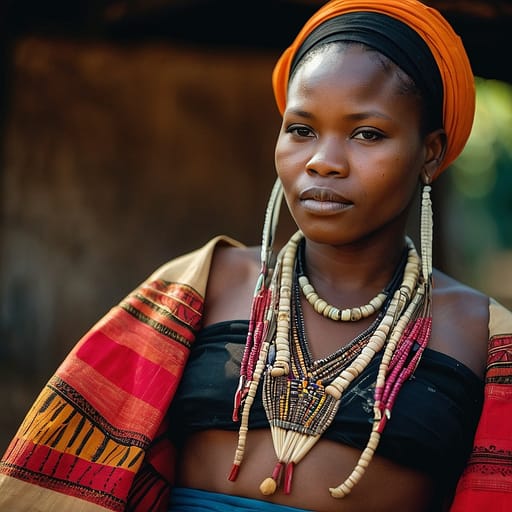
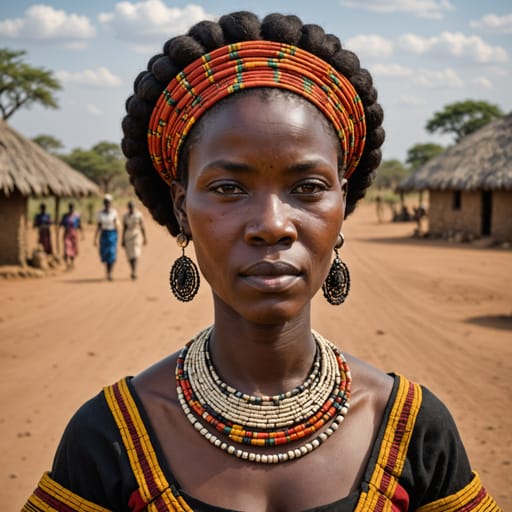
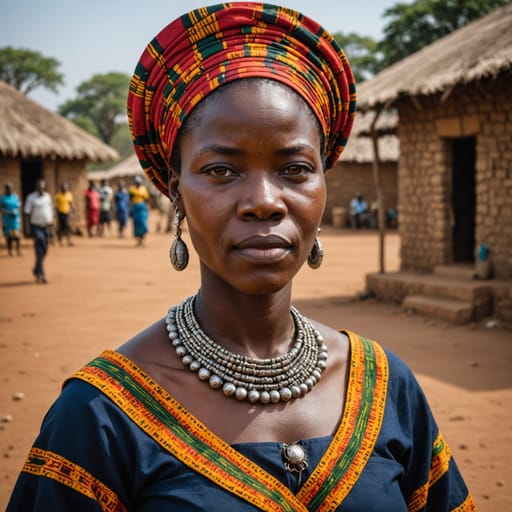
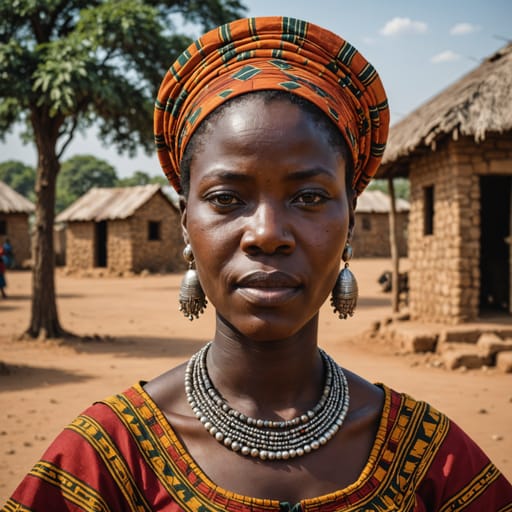
Mafwe
Zambezi Region (former Caprivi Strip) of northeastern Namibia, centered on Chinchimane and the Kwando and Linyanti river country, with Fwe-speaking communities across the Zambezi in Zambia
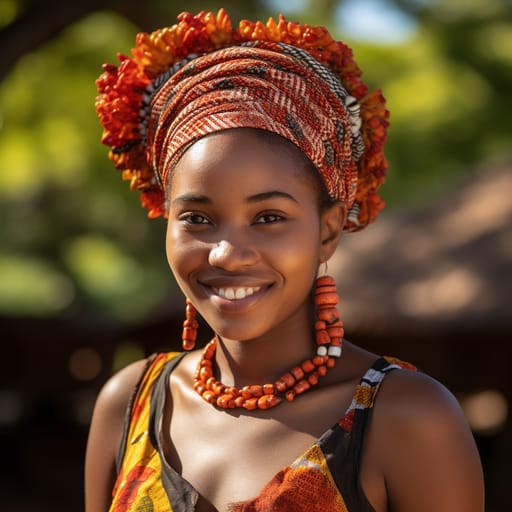
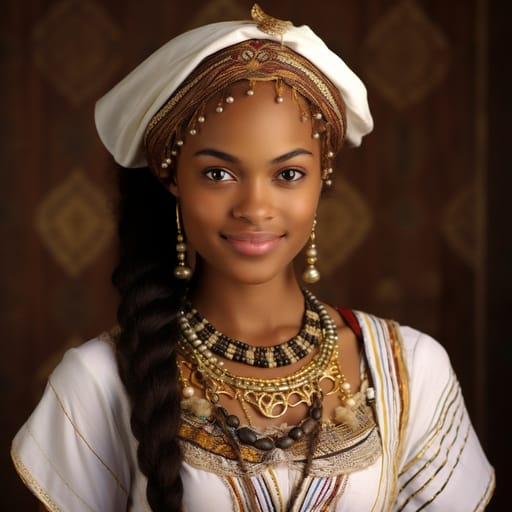
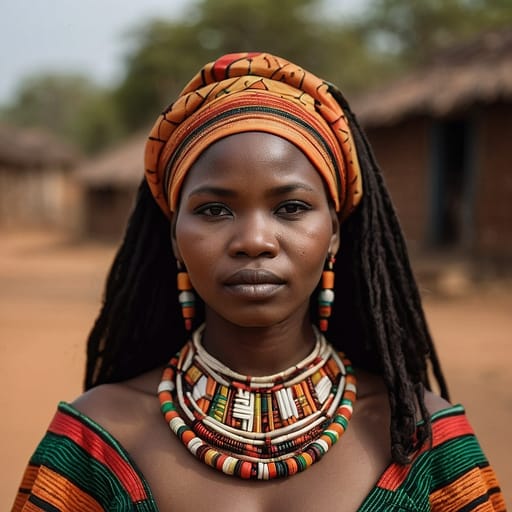
Mapulana
Mapulaneng, the Bushbuckridge area of Mpumalanga, South Africa, between the Drakensberg escarpment and Kruger National Park
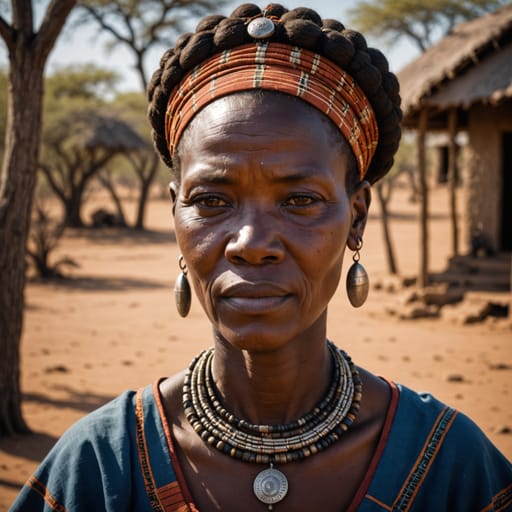
Mbukushu
The Okavango River valley in Kavango East, Namibia; the Okavango panhandle and Etsha area of northwestern Botswana; Cuando Cubango, Angola; smaller numbers in Zambia
Mbunda
South-eastern Angola (Moxico and Cuando provinces) and western Zambia (Western Province, historic Barotseland, especially Kaoma, Lukulu and Kalabo districts)
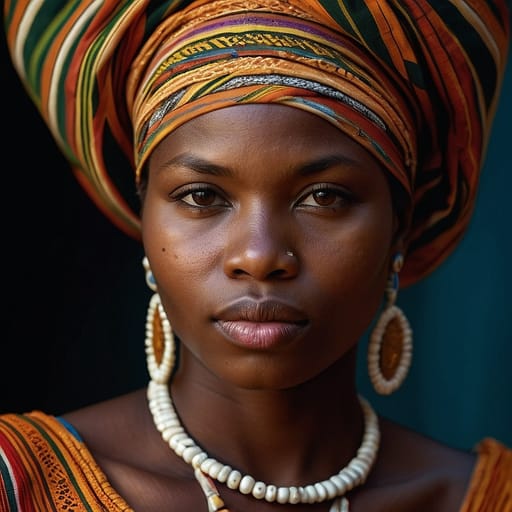
Mpondo
Pondoland, on South Africa's Eastern Cape coast between the Mthatha and Mtamvuna rivers, around Lusikisiki, Mbizana, Flagstaff and Port St Johns; large migrant communities in Durban and Gauteng
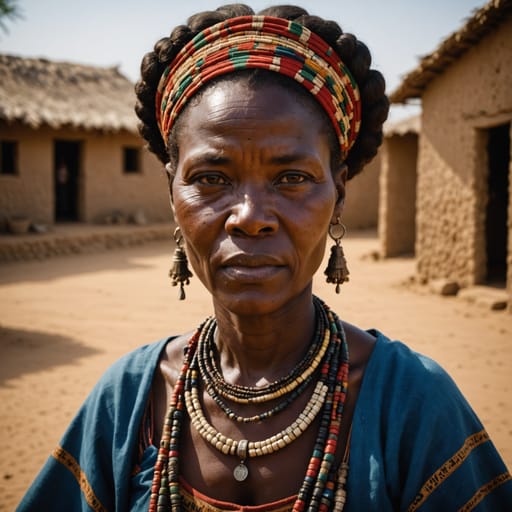
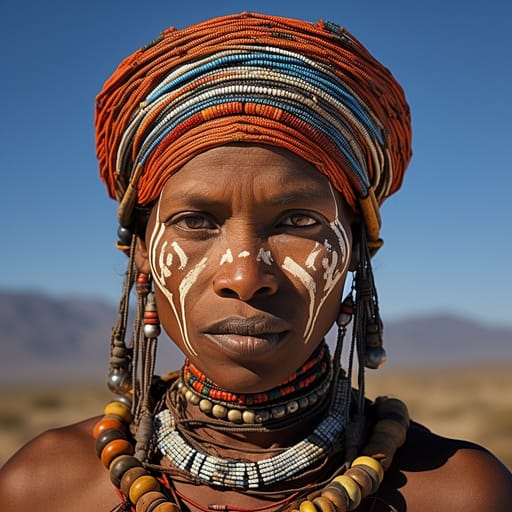
Nambya
Hwange district and nearby parts of Matabeleland North, northwestern Zimbabwe, between Hwange National Park and the Zambezi; smaller communities in northern Botswana.
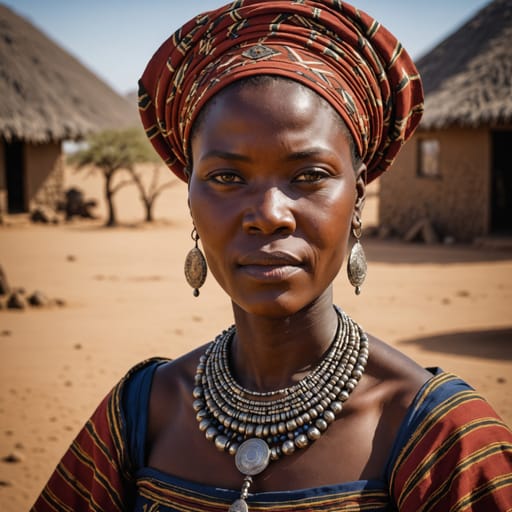
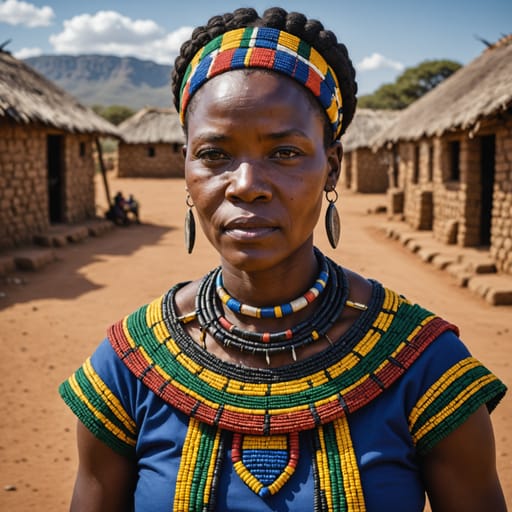
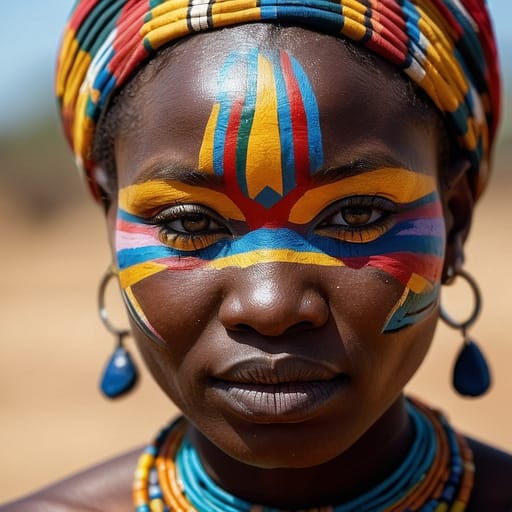
Ndwandwe
The country between the Black Mfolozi and Pongola rivers in northern KwaZulu-Natal, South Africa, reaching toward the Eswatini border; descendant communities in Mozambique, Eswatini, Zimbabwe, Malawi, Zambia and Tanzania.
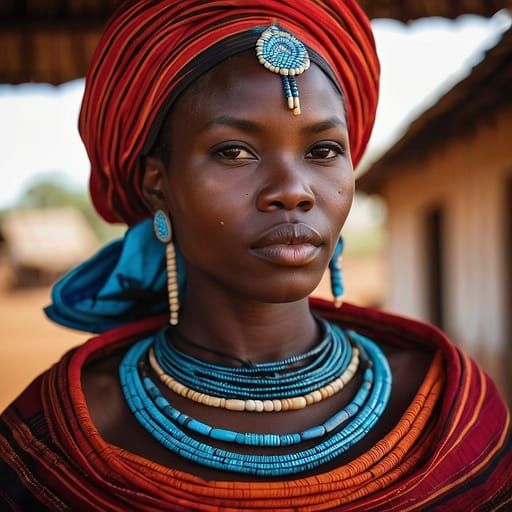
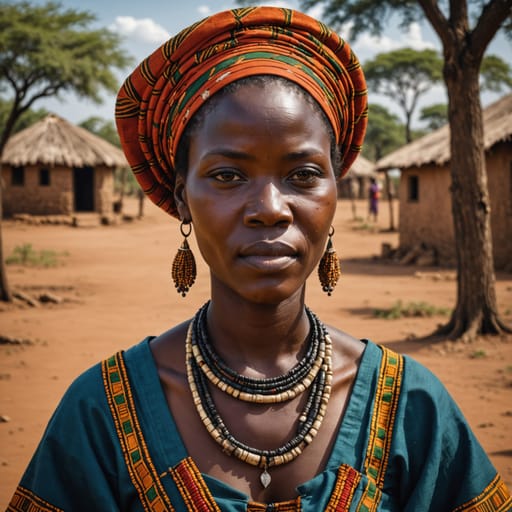
Northern Ndebele
Matabeleland, southwestern Zimbabwe, centered on Bulawayo; smaller communities in Botswana and South Africa
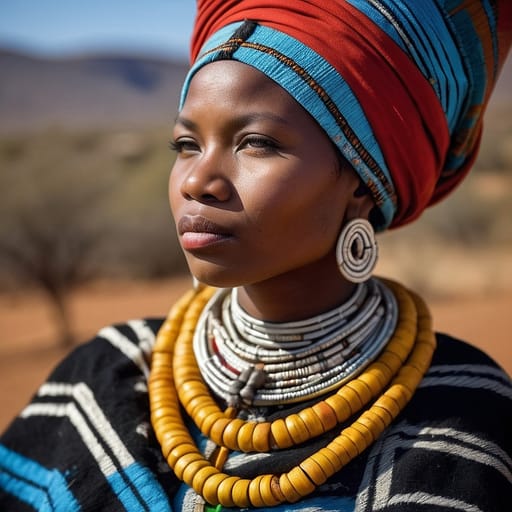
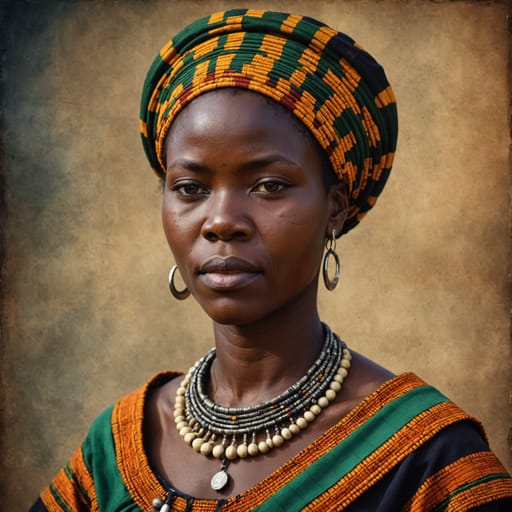
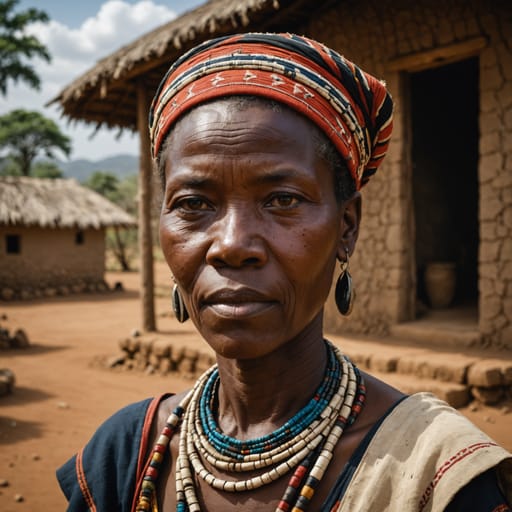
Oorlam
Southern and central Namibia (historic Great Namaqualand), with origins on the northern frontier of South Africa's Cape Colony
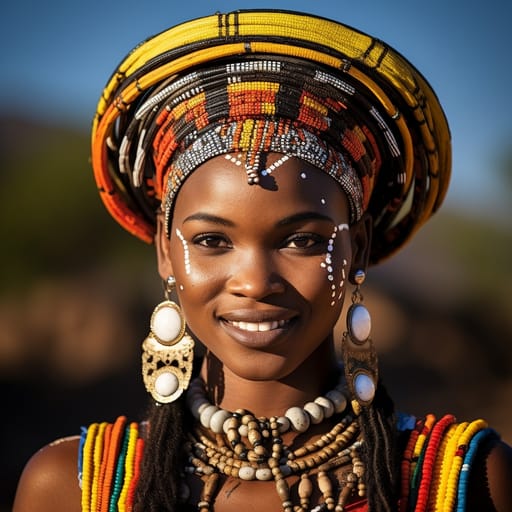
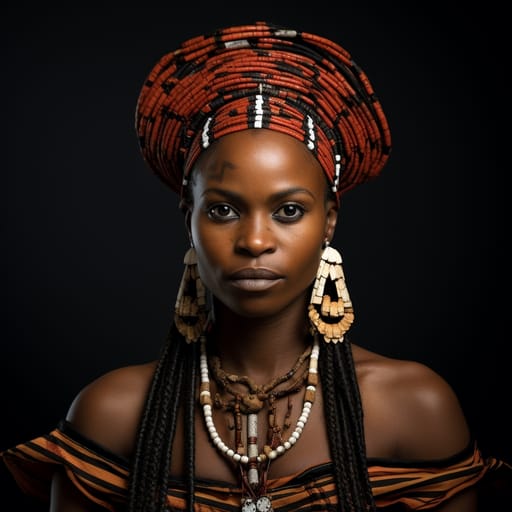
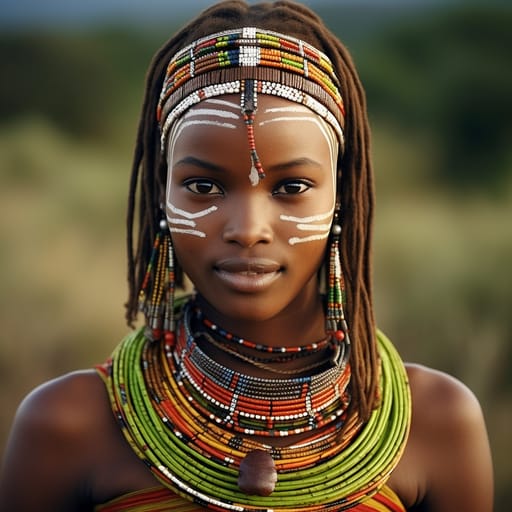
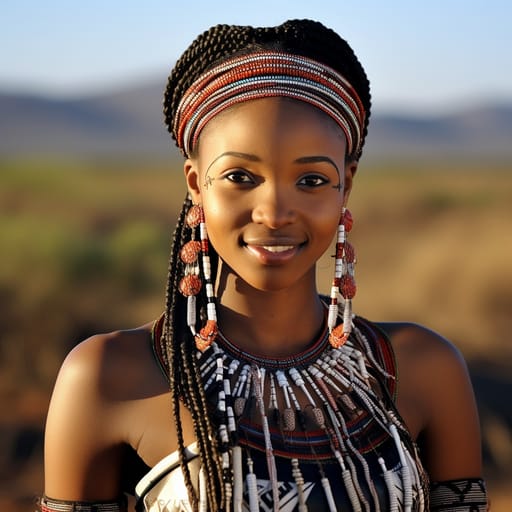
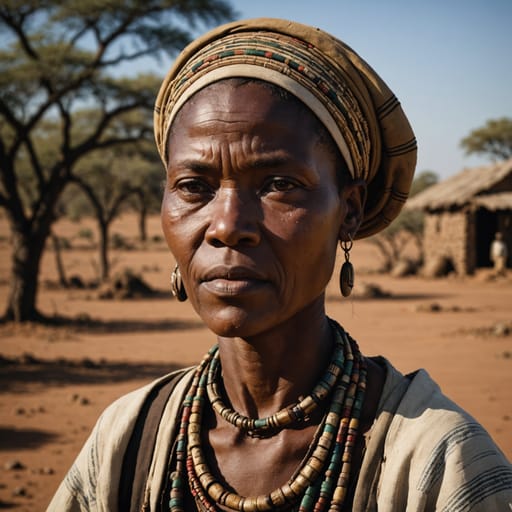
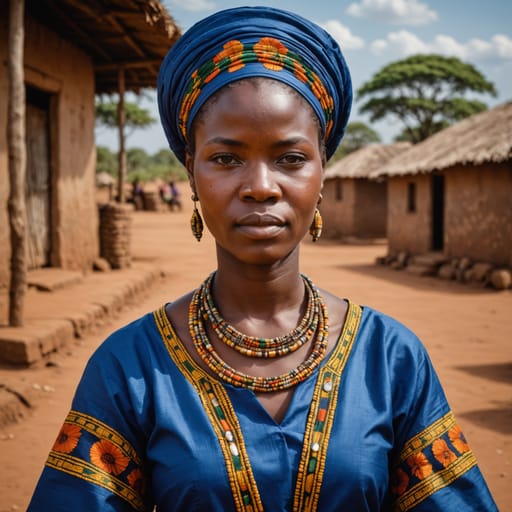
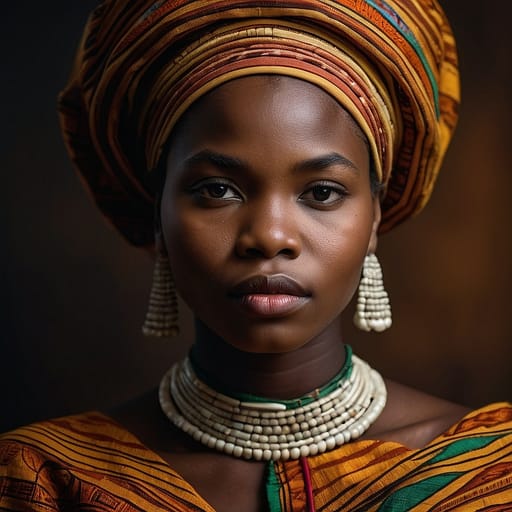
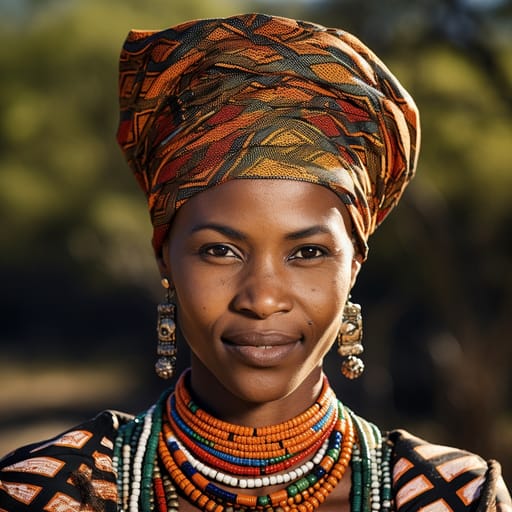
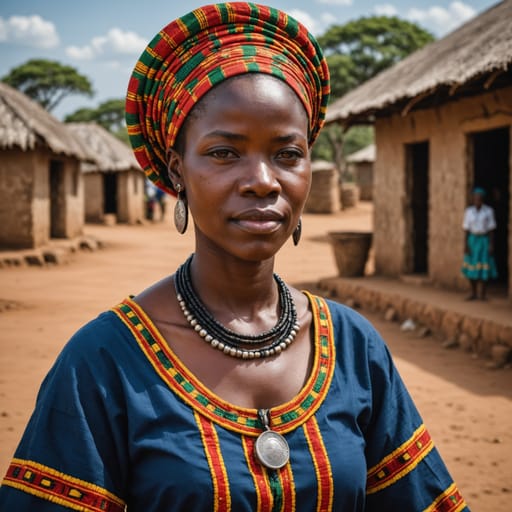
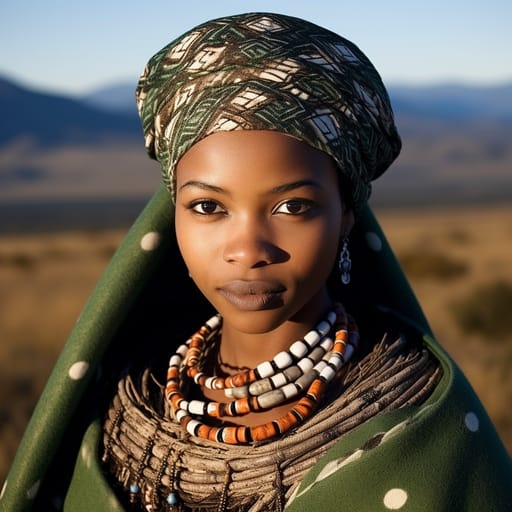
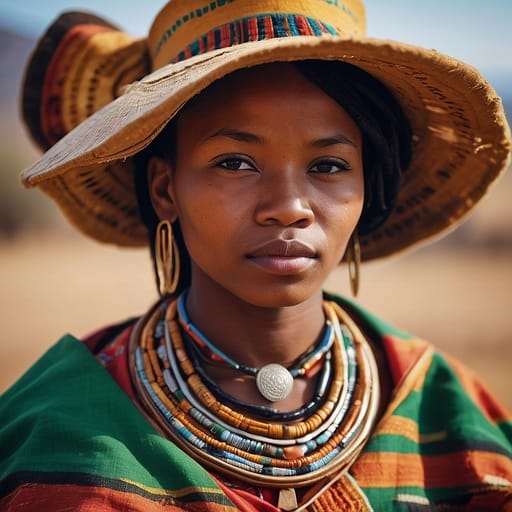
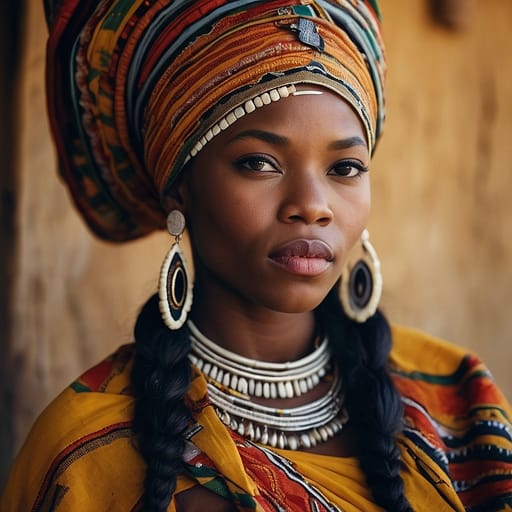
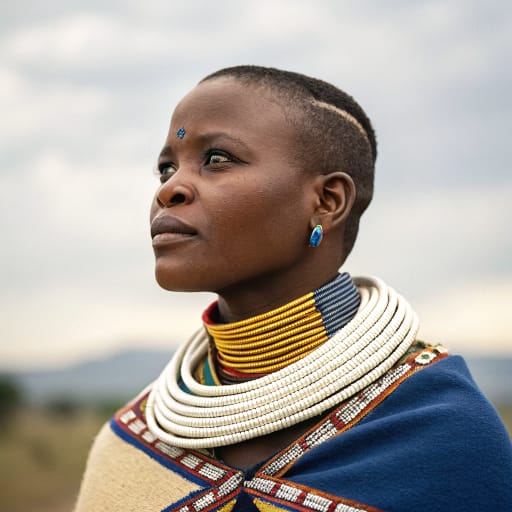
Subiya
Chobe and Zambezi floodplains: the eastern Zambezi Region (former Caprivi Strip) of Namibia, the Chobe District of northern Botswana, and the Sesheke area of Zambia's Western Province.
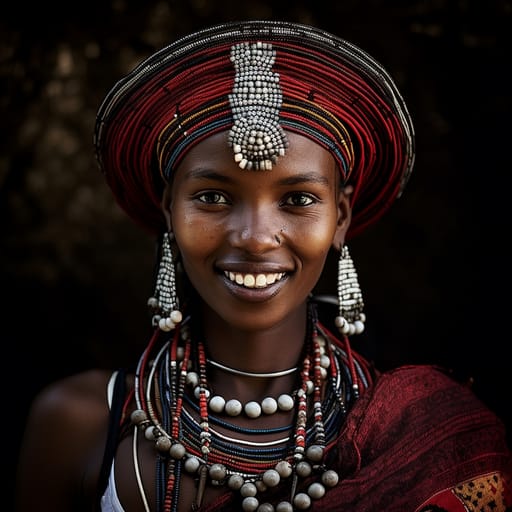
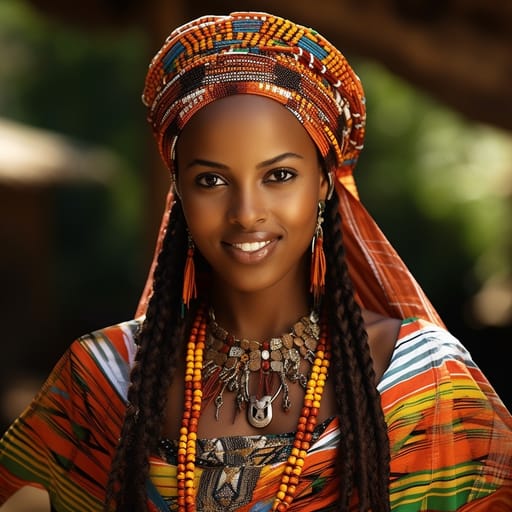
Tlokwa
Southeastern Botswana around Tlokweng; the Botlokwa area of Limpopo, South Africa; historically the Caledon River valley on the South Africa and Lesotho border
Tonga
Southern Province of Zambia and the Zambezi valley, including Binga District in Matabeleland North, Zimbabwe.
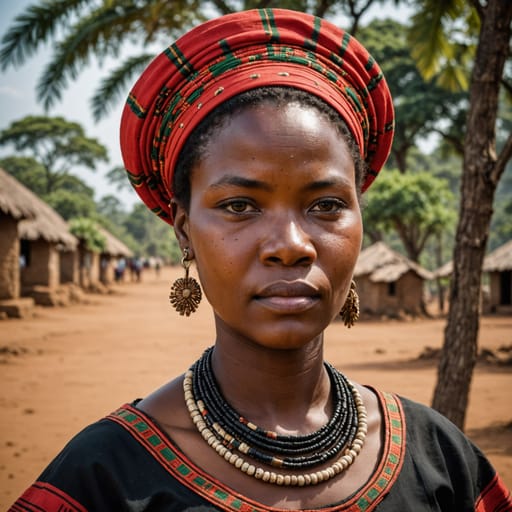
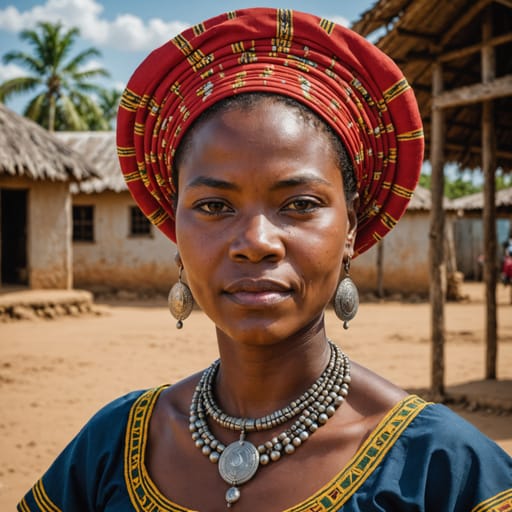
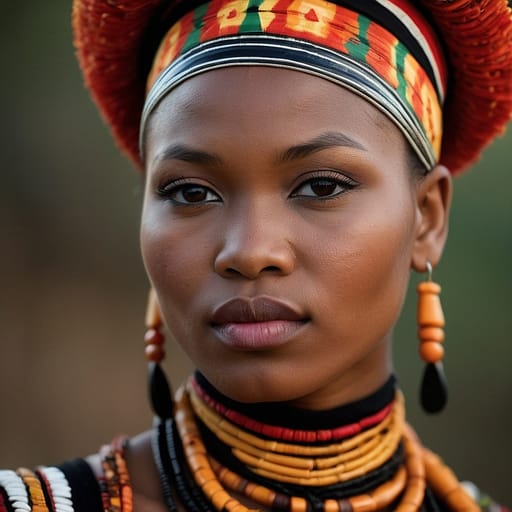
Topnaar
Lower Kuiseb River valley in the Namib Desert near Walvis Bay, Erongo Region, Namibia; a second community at Sesfontein, Kunene Region, Namibia
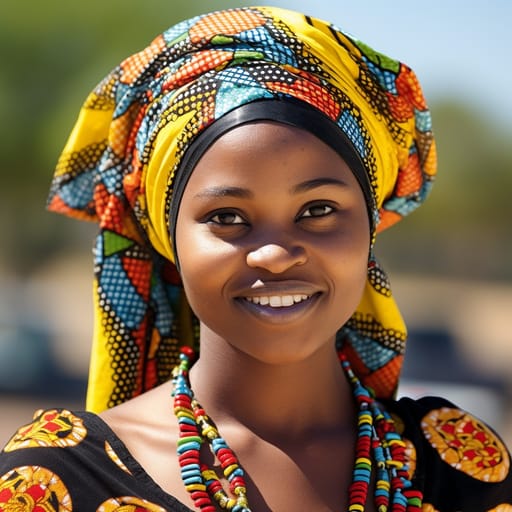
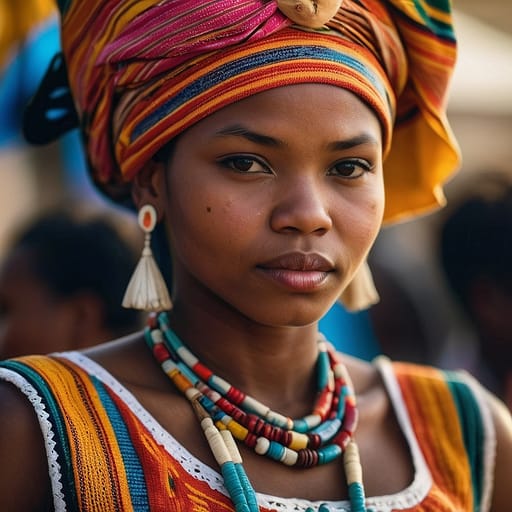
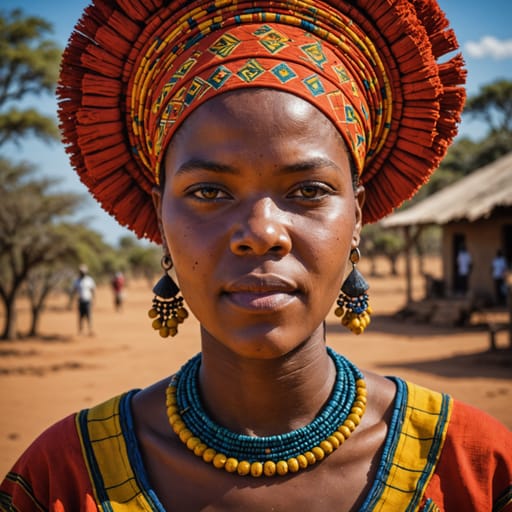
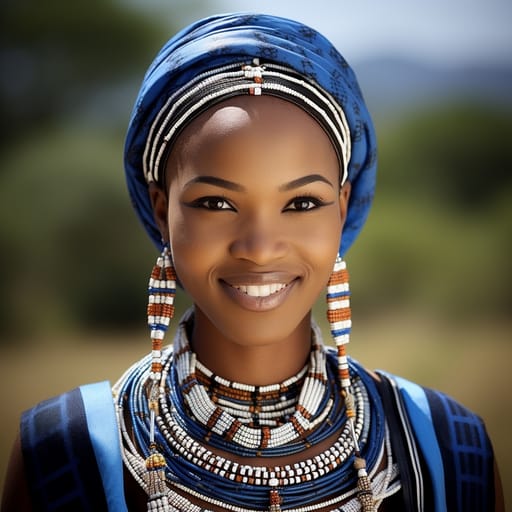
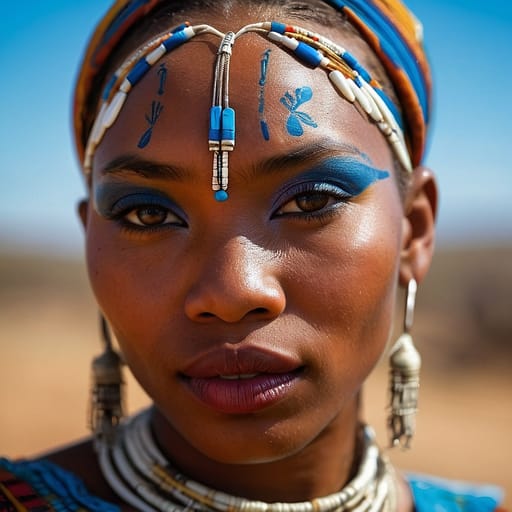
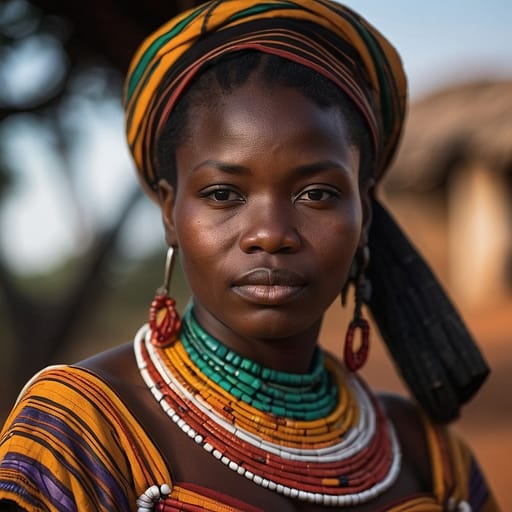
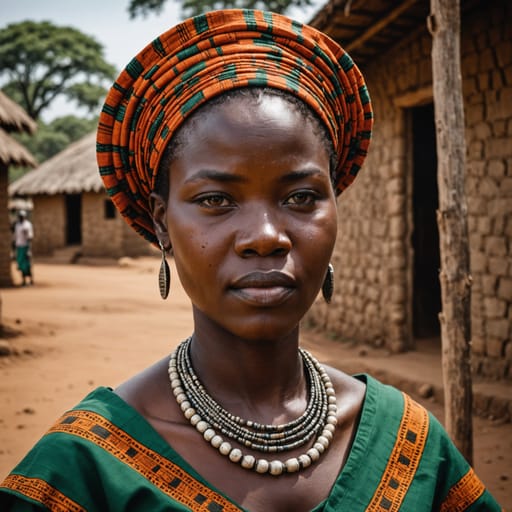
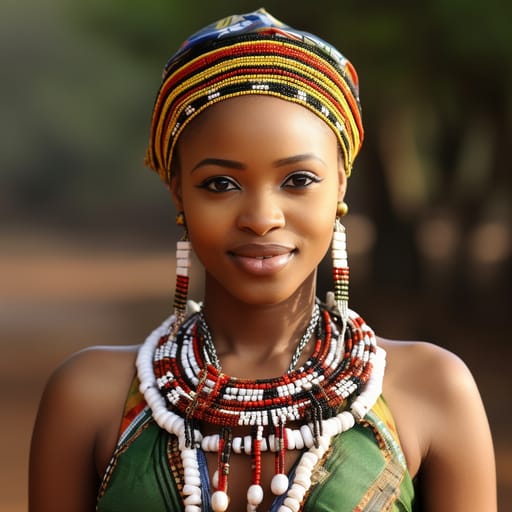
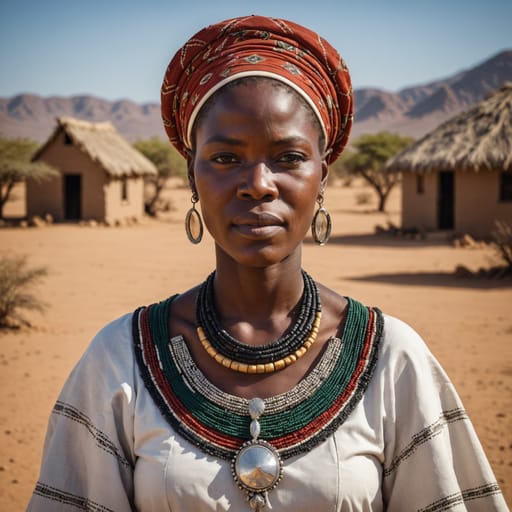
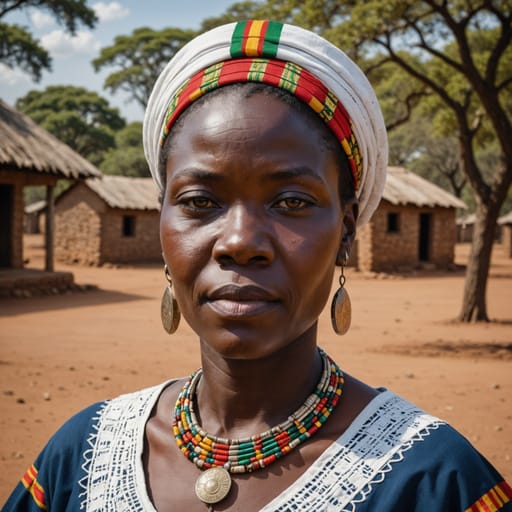
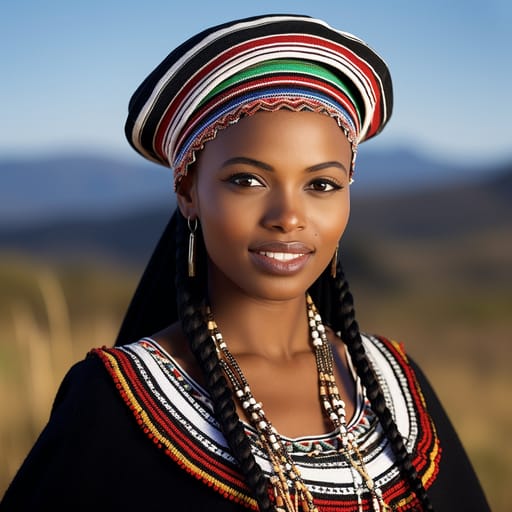
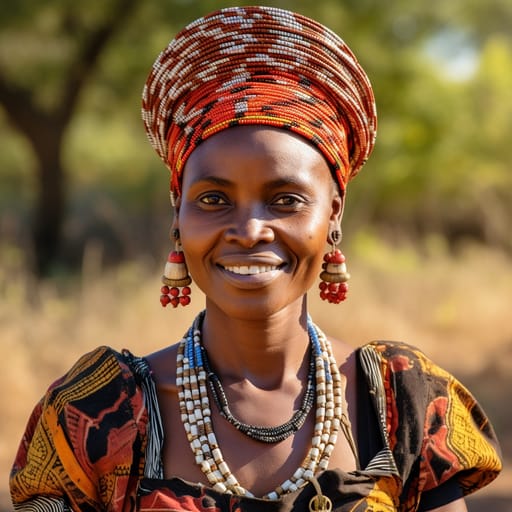
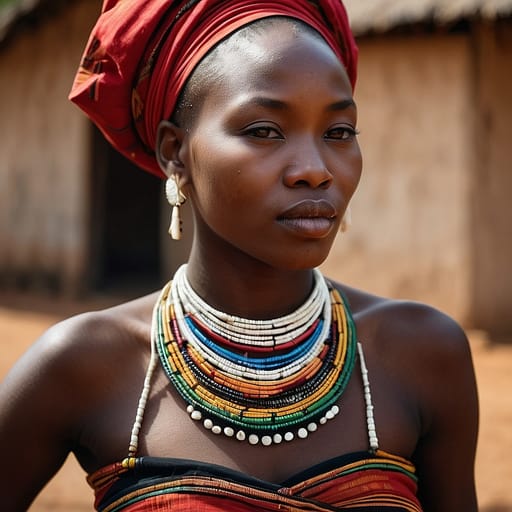
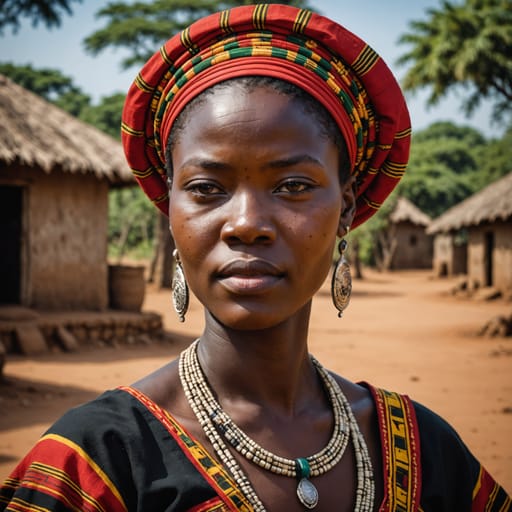
Yeyi
The Okavango Delta, Boteti River and Lake Ngami area of Ngamiland, northwestern Botswana, with communities in Namibia's Zambezi Region.
9 countries in Southern Africa
Aggregate phenotype profile per country · weighted by demographic composition
Southern Africa Body & Anatomy Reference
Bantu / Khoisan Southern African phenotype: adult AI generation reference across Southern Africa
Southern Africa Women: Boobs & Breasts
Southern Africa women's tits and boobs run medium cup, full but moderate projection, the classic Bantu / Khoisan Southern African bust profile across Southern Africa. Nipples and areolas show medium-brown to deep-brown areolar pigmentation, with areolar diameter typically in the 30-44mm range and forward-set positioning rather than the the heavier West African bust. Southern Africa breasts trend moderately full; less projecting than West African norm, a function of the mesomorph; Khoisan-descended sub-populations show distinctive steatopygic fat deposition body habitus and mean adult female BMI 24-28. For anatomically-accurate AI-generated Southern Africa nude women the render preserves: medium cup, full but moderate projection shape, 30-44mm areolas with regional pigmentation, and the torso proportions of the Bantu / Khoisan Southern African phenotype.
Southern Africa Women: Ass & Hips
Southern Africa women's ass and hip morphology presents as the distinctive Khoisan-influenced steatopygic profile in some sub-populations (San, Khoekhoe); broader gluteal projection in Bantu-speaking groups, distinctly different from the slim Cushitic East African profile. Southern Africa pelvic profile shows wide iliac crests with notable lordosis in Khoisan-descended sub-populations, anchored in the Bantu / Khoisan Southern African skeletal pattern. Southern Africa butt shots in adult AI imagery should render the the distinctive Khoisan-influenced steatopygic profile in some sub-populations (San, Khoekhoe); broader gluteal projection in Bantu-speaking groups silhouette with the mesomorph; Khoisan-descended sub-populations show distinctive steatopygic fat deposition build and the gluteal-femoral fat distribution typical of the Bantu / Khoisan Southern African phenotype rather than defaulting to a globally-averaged shape that generic AI generators produce.
Southern Africa Women: Vagina & Pussy
Southern Africa women's pussy and vulvar anatomy presents deep-brown labial pigmentation; the elongated labia minora documented in some Khoisan-descended populations, consistent with the Bantu / Khoisan Southern African phenotype's pigmentation pattern. Southern Africa pubic hair is typically tightly-coiled coarse texture, distributed in the inverted-triangle pattern with regional-typical density. AI-generated Southern Africa nude imagery should preserve the deep-brown labial pigmentation; the elongated labia minora documented in some Khoisan-descended populations and the tightly-coiled coarse texture hair texture rather than defaulting to a Western-European pink-and-sparse template. For anatomically-accurate Southern Africa pussy renders the labial pigmentation should match the surrounding medium-brown to deep-brown skin tone of the Bantu / Khoisan Southern African phenotype.
Southern Africa Men: Dicks & Penis
Southern Africa men's dick and penile anatomy in adult AI generation should anchor on the regional reference data: regional mean ~14cm erect, moderate-to-above-average girth, and deep-brown shaft pigmentation. Southern Africa cock profile reflects the Bantu / Khoisan Southern African ancestral population's anthropometric measurements rather than a globally-averaged Western-pornography default. For anatomically-accurate Southern Africa nude male imagery the shaft pigmentation should track the surrounding medium-brown to deep-brown skin tone, with continuous glans-to-shaft pigmentation transition and the tightly-coiled coarse texture pubic-hair texture distributed in the typical inverted-V escutcheon.
Southern Africa: Body, Curves & Build
Southern Africa body type and overall build presents as mesomorph; Khoisan-descended sub-populations show distinctive steatopygic fat deposition, with mean adult female BMI 24-28: the characteristic Bantu / Khoisan Southern African habitus. Southern Africa curves and proportions in adult AI imagery should preserve the regional skeletal frame (height, shoulder-to-hip ratio, limb proportions) rather than scaling to a Western-European mesomorph default. The Southern Africa nude female form, when rendered with anatomical fidelity, shows the height range, frame width, and adipose distribution pattern typical of the Bantu / Khoisan Southern African phenotype. Generic AI image generators tend to collapse regional body types into a few default shapes; the Ethnic Erotic phenotype-anchored approach preserves the Southern Africa build as its own reference category.
Southern Africa: Skin Tone & Hair Texture
Southern Africa skin tone falls in the medium-brown to deep-brown (Fitzpatrick V-VI); lighter in Khoisan-descended populations band, the surface signal most often miscalibrated by generic AI nude generators trained on Western-photographic datasets. Southern Africa hair texture is typically tightly-coiled 4A-4C; the distinctive 'peppercorn' tight-spiral texture in Khoisan-descended populations, characteristic of the Bantu / Khoisan Southern African phenotype. For anatomically-accurate Southern Africa nude renders the skin should hold the Fitzpatrick band consistently across body surface rather than showing the lighter-than-face body shading that AI generators default to.