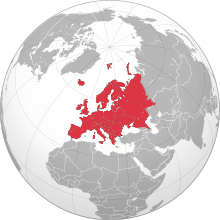
Eastern Europe
189 ethnic groups
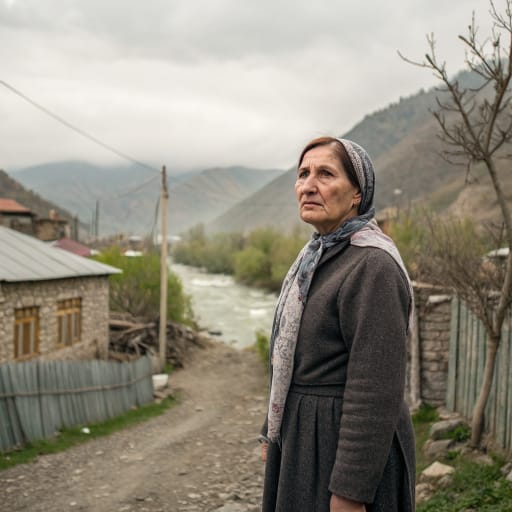
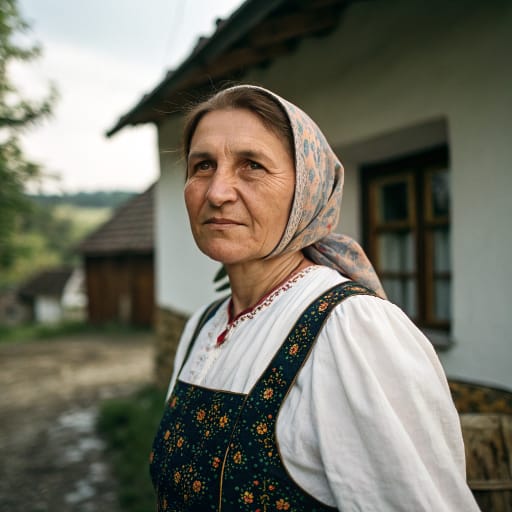
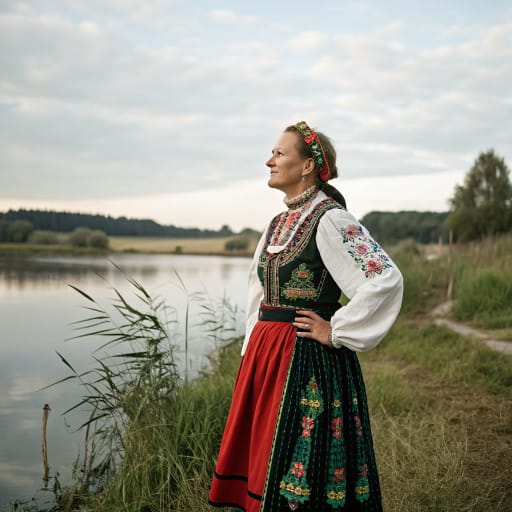
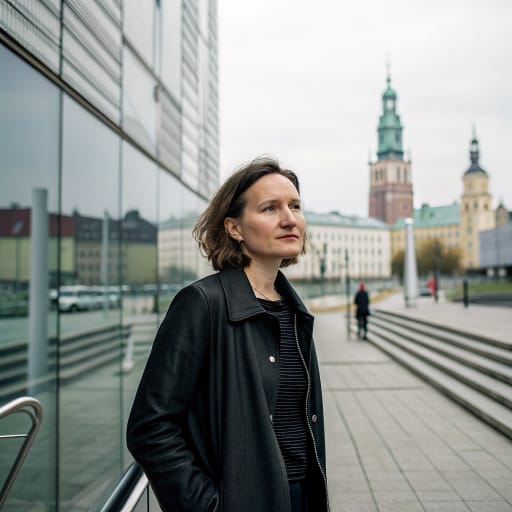
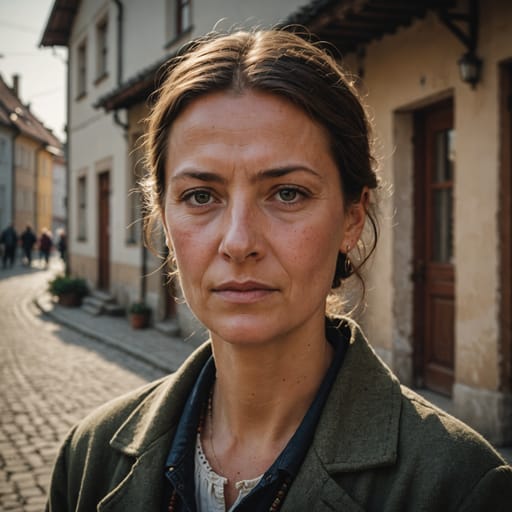
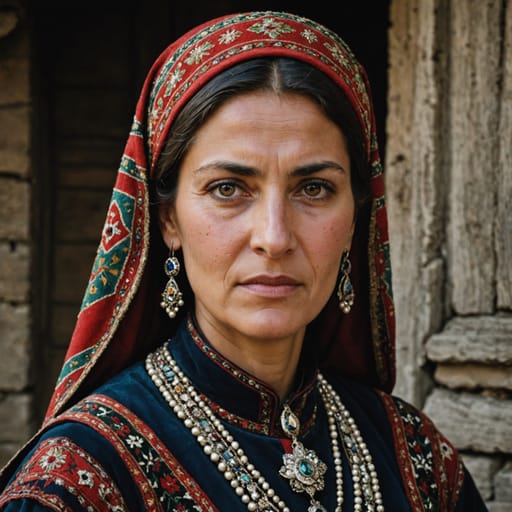
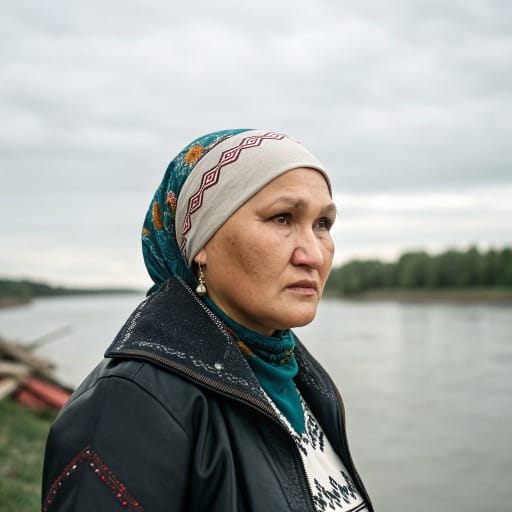
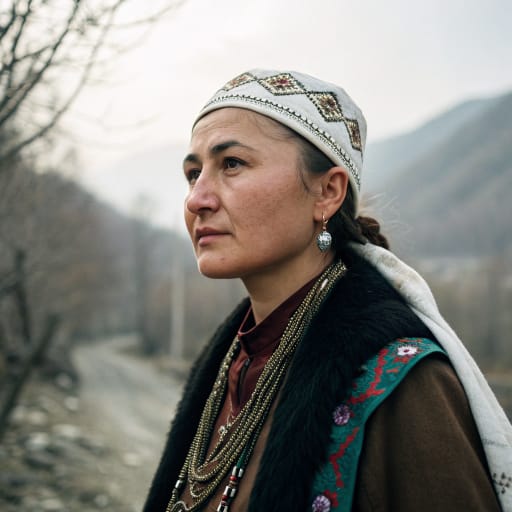
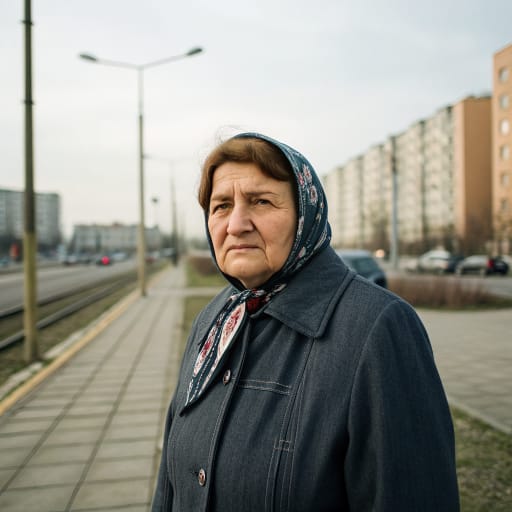
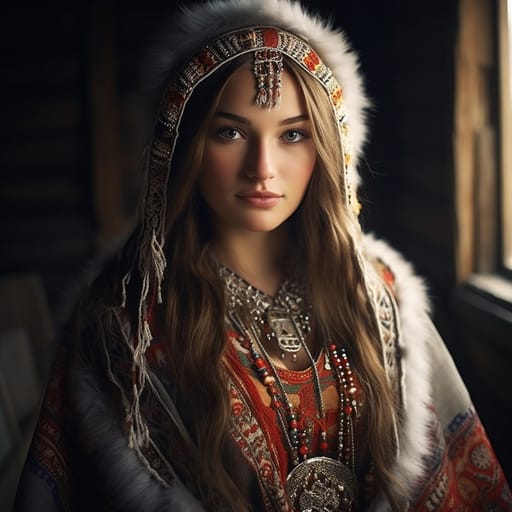
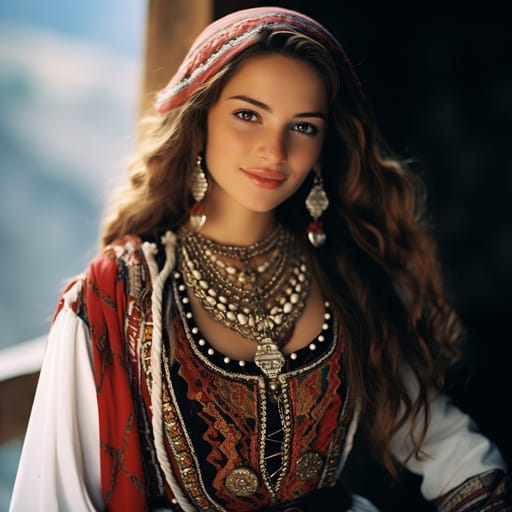
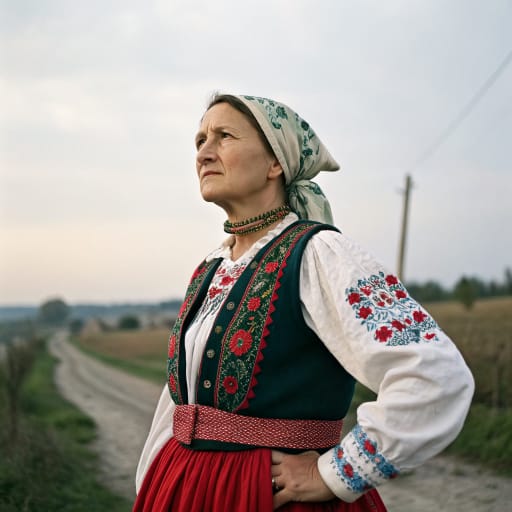
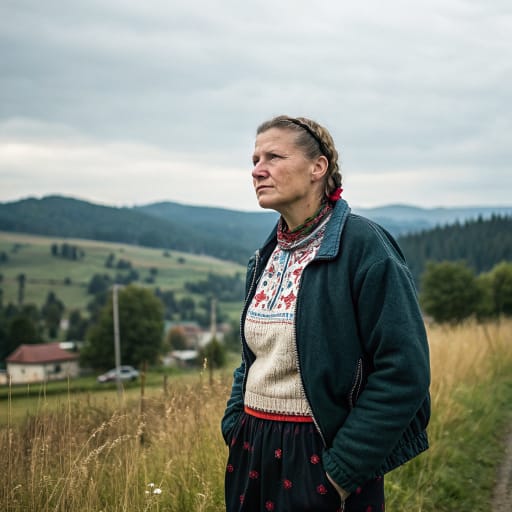
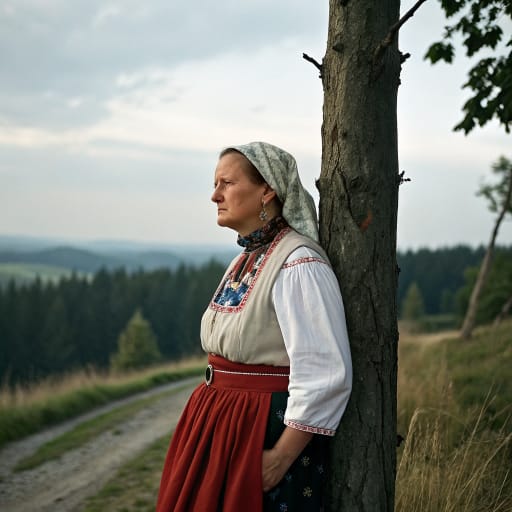
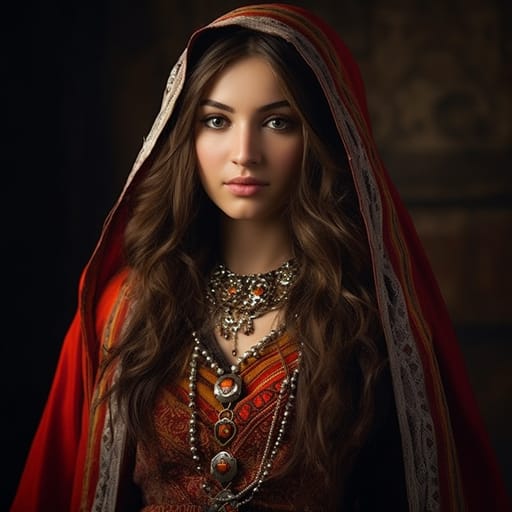
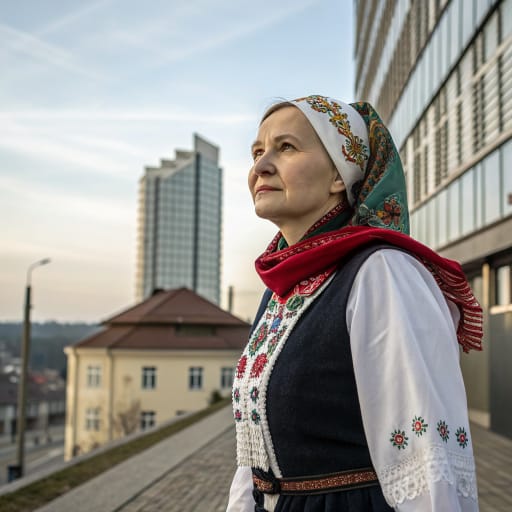
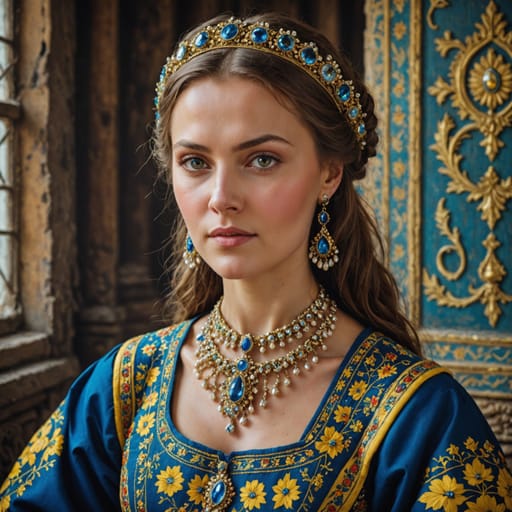
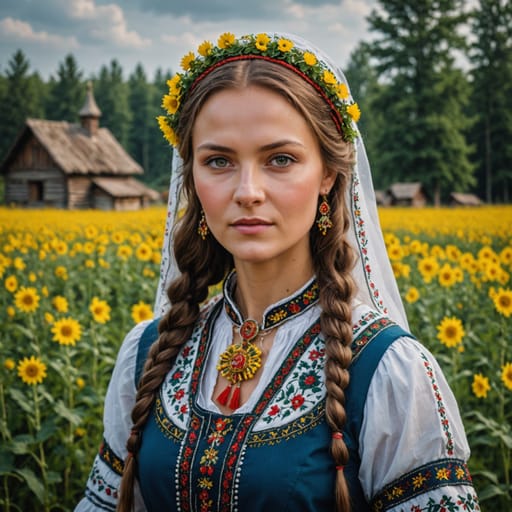
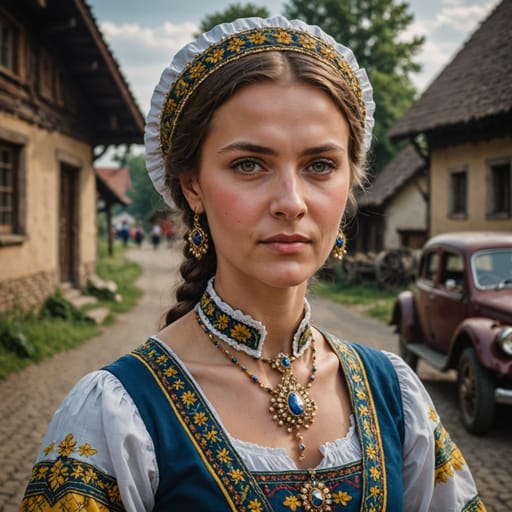
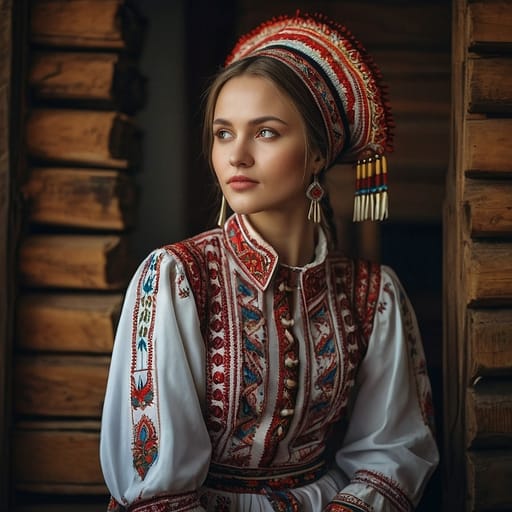
Browse the 189 ethnic groups native to Eastern Europe. Each profile documents facial features, skin tone, hair texture and body type. Explore the people below, or read the full Eastern Europe phenotype and anatomy reference further down.
Help us get this right
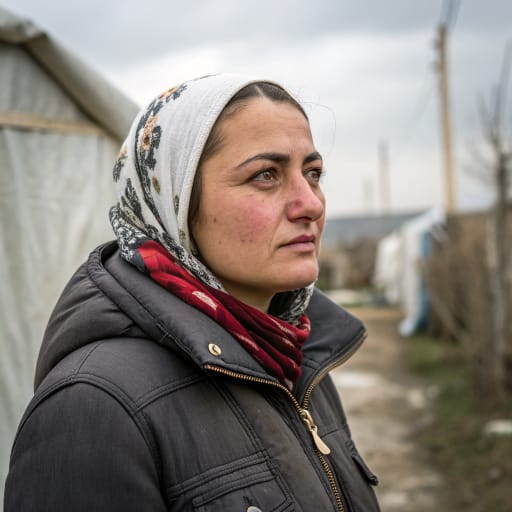
Does this portrait look right for Abzakh?
Nobody has judged this one yet. You would be the first.
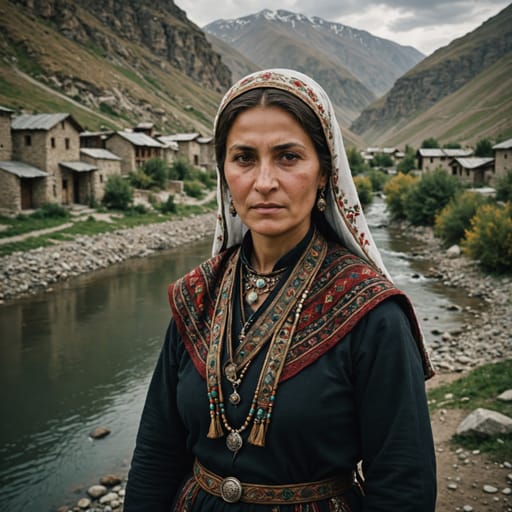
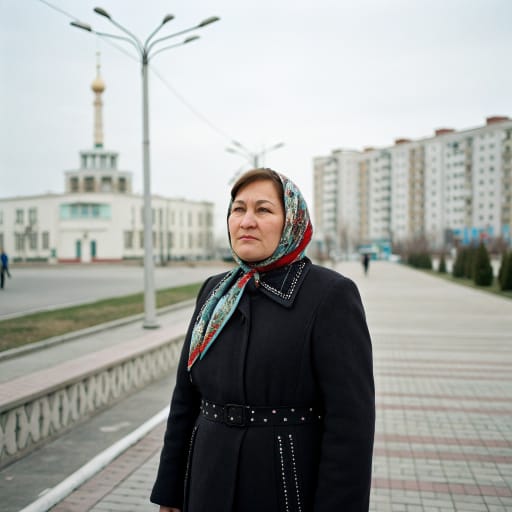
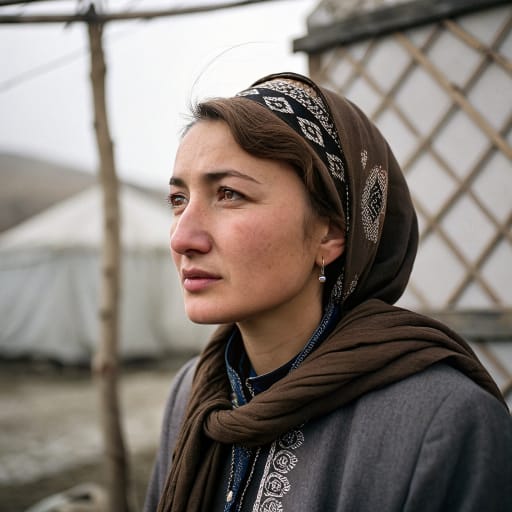
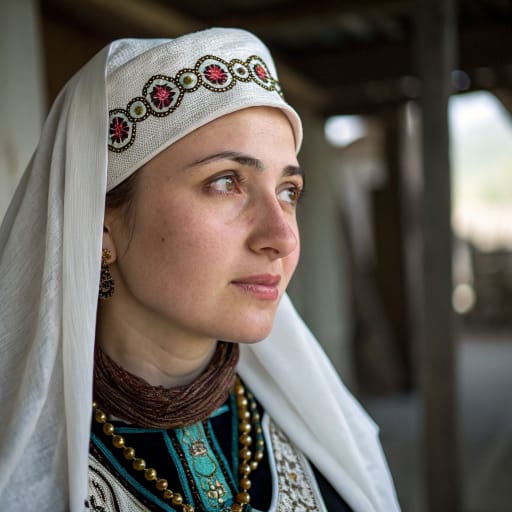
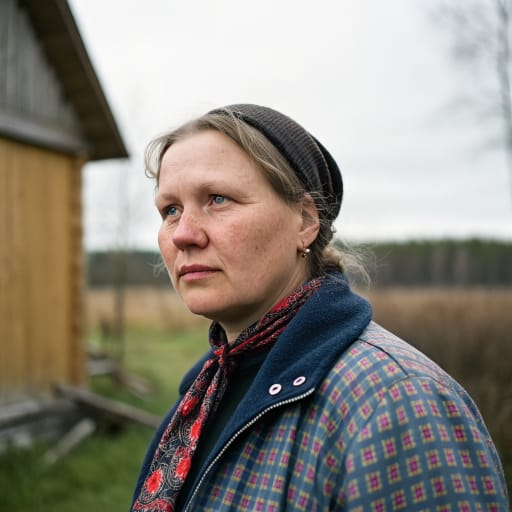
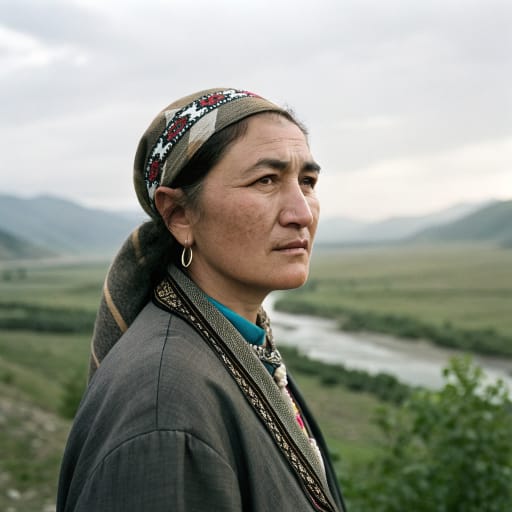
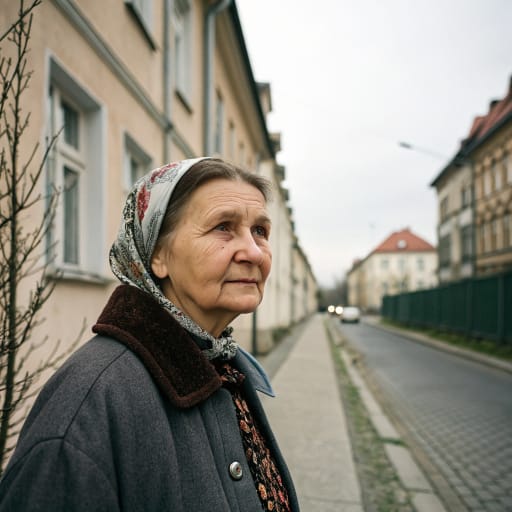
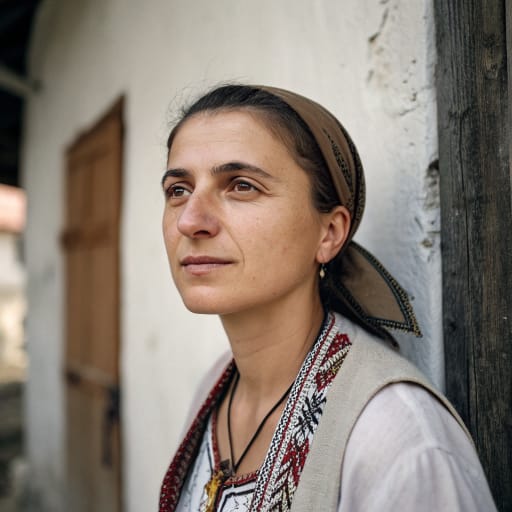
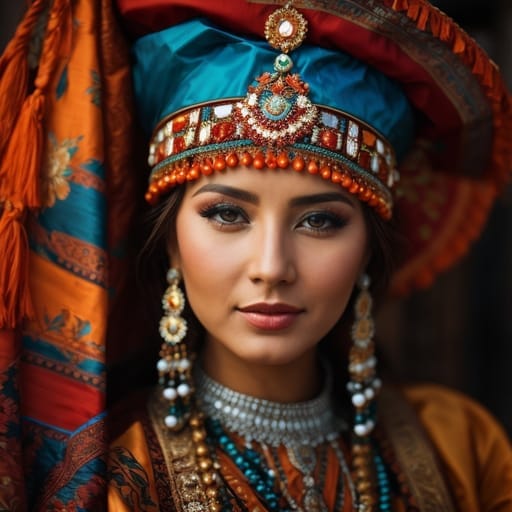
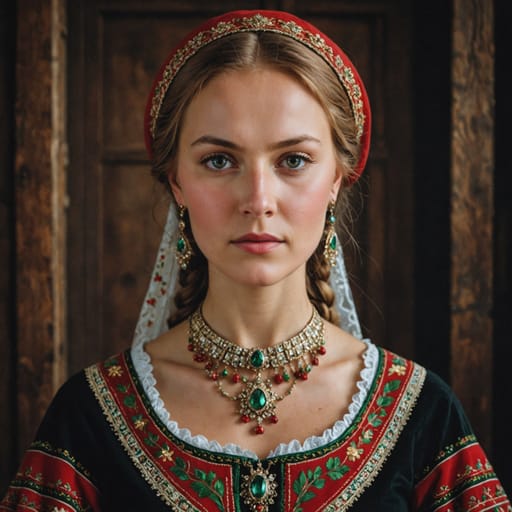
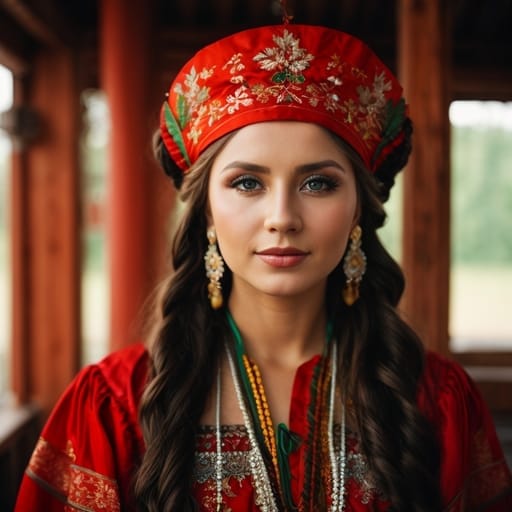
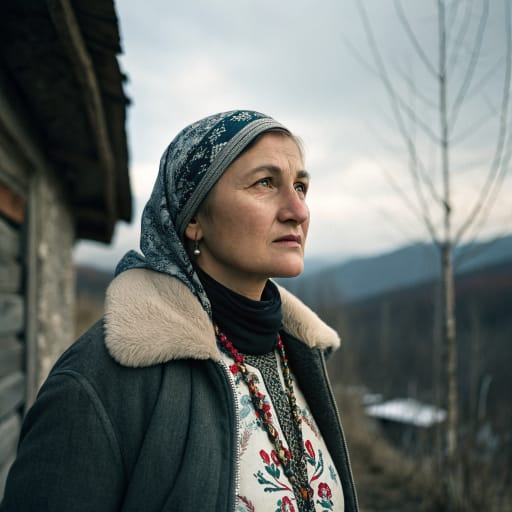
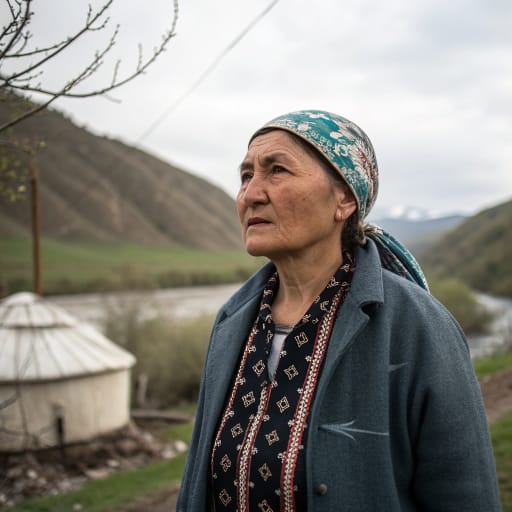
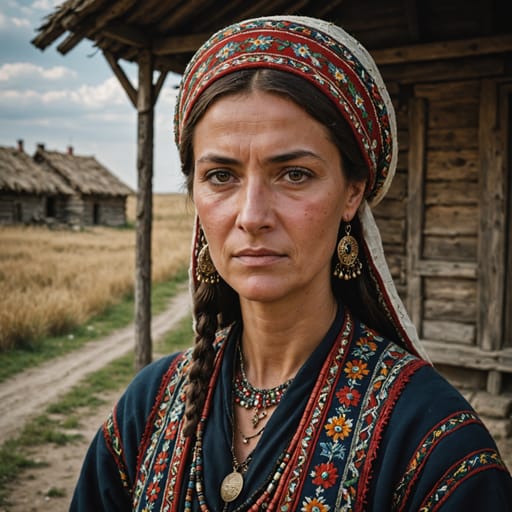
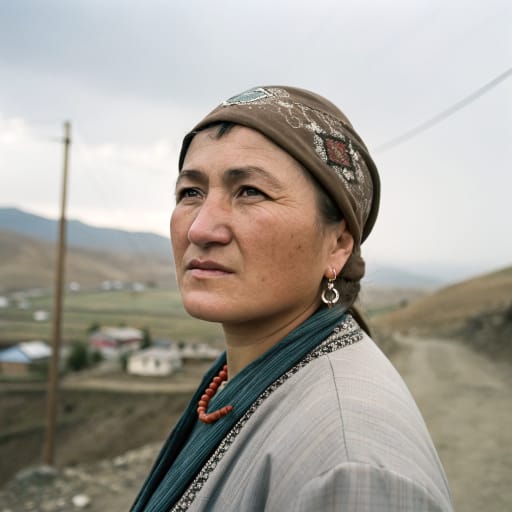
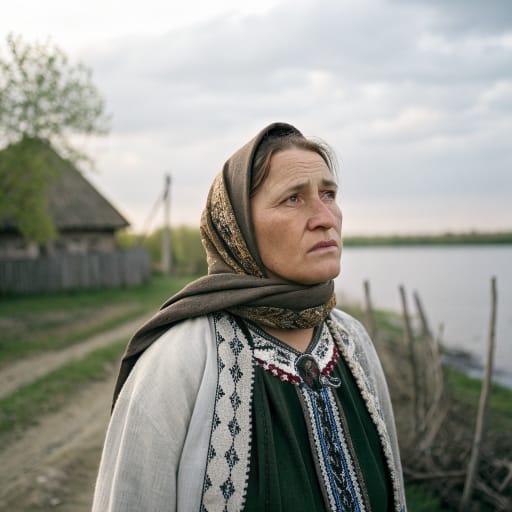
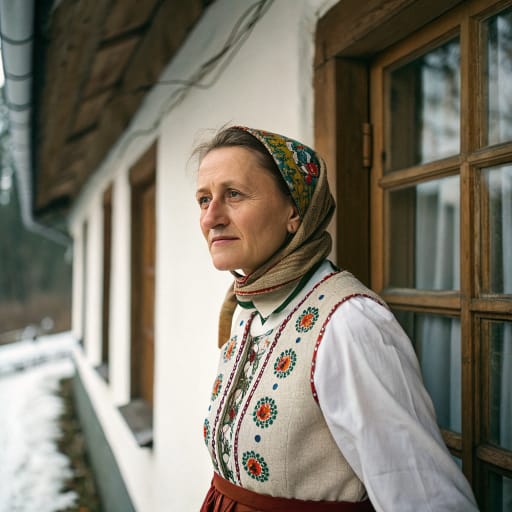
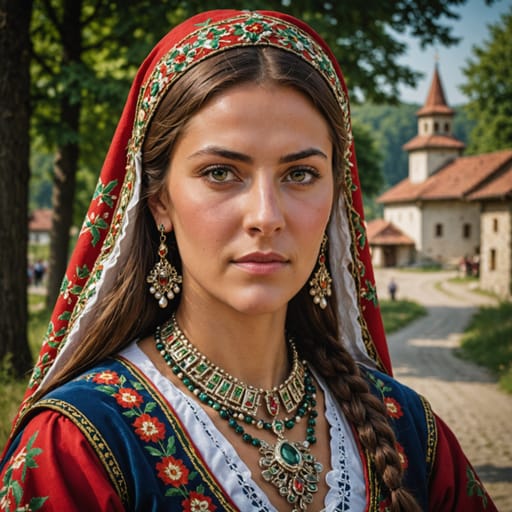
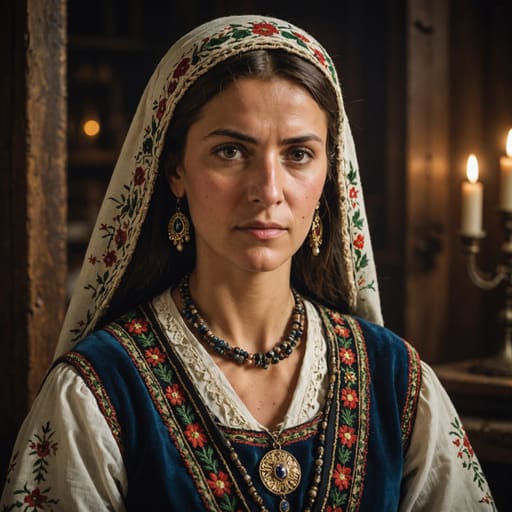
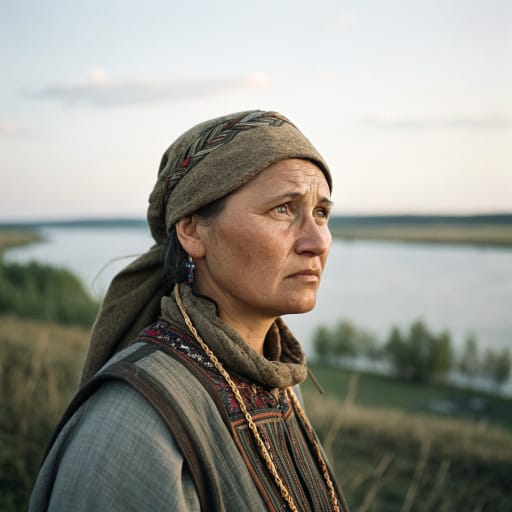
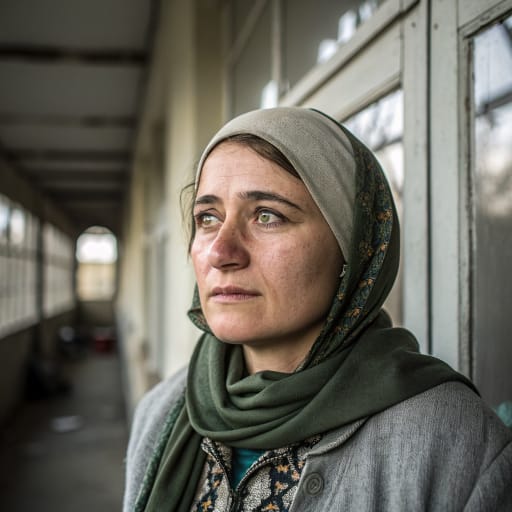
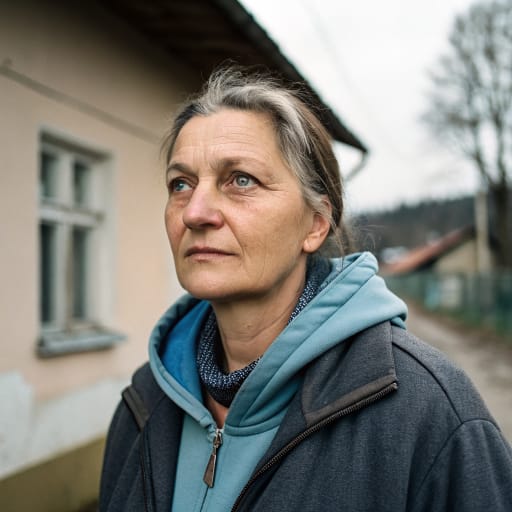
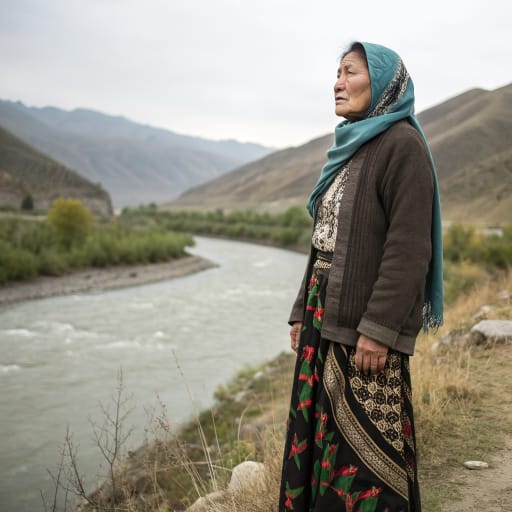
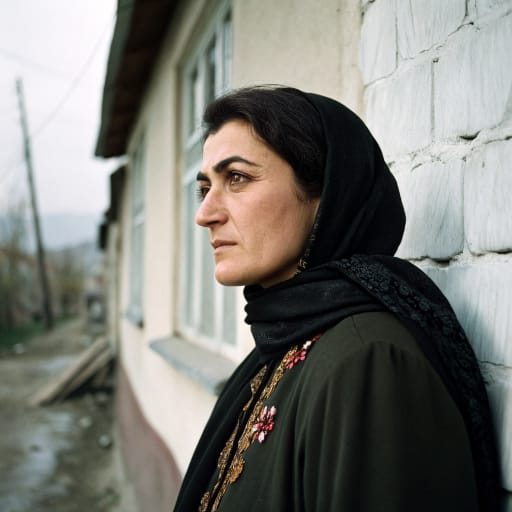
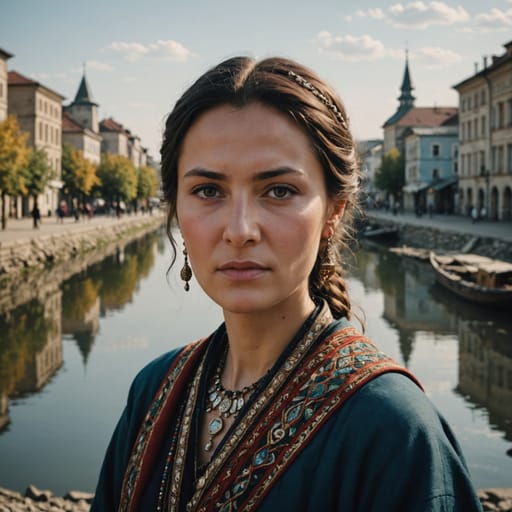
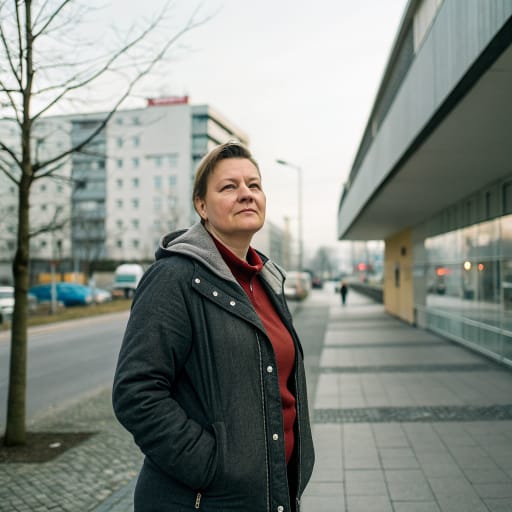
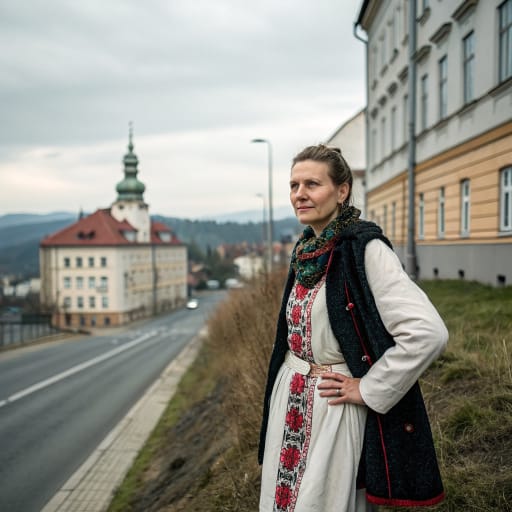
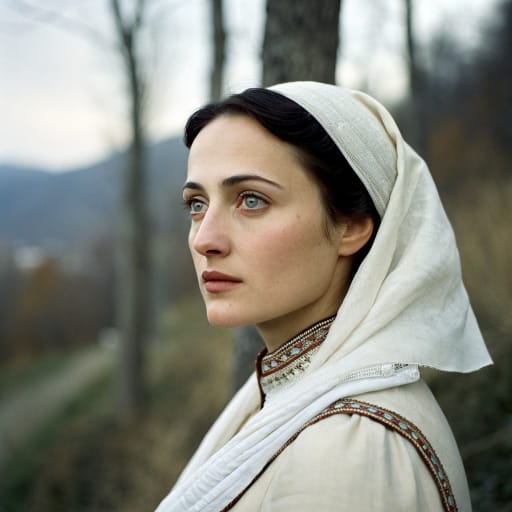
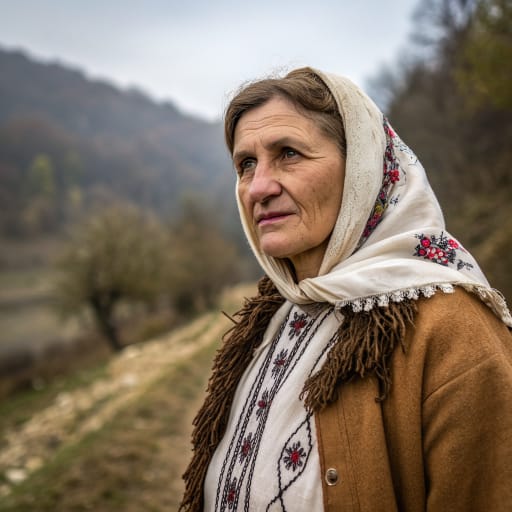
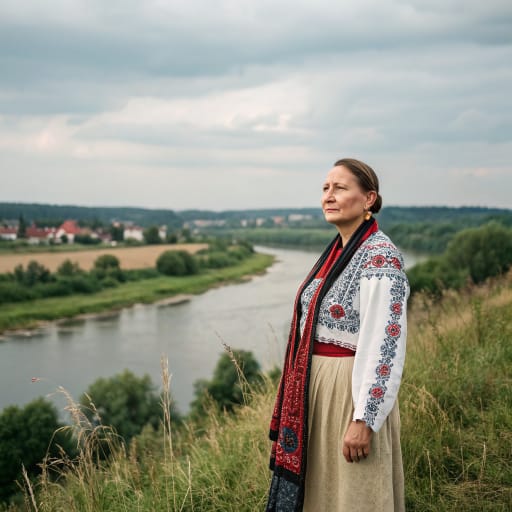
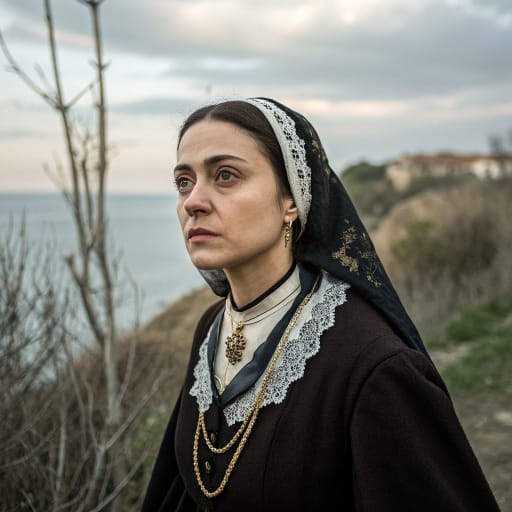
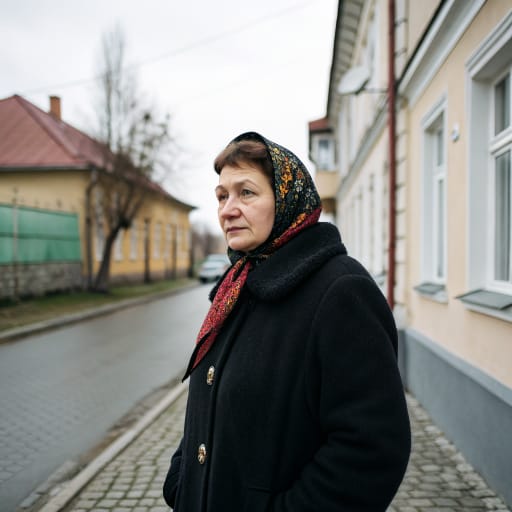
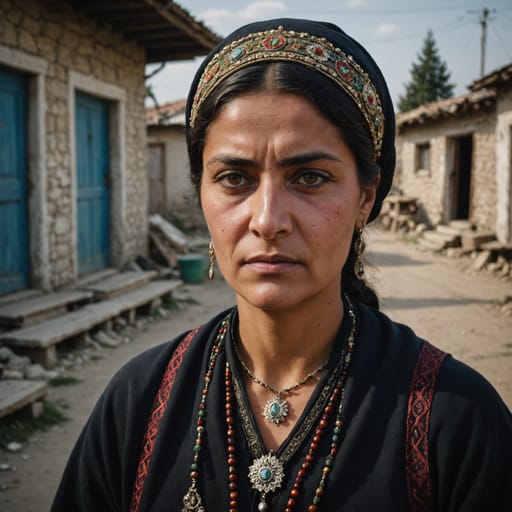
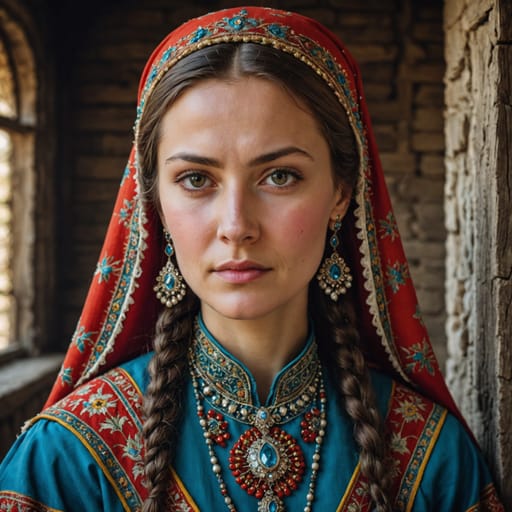
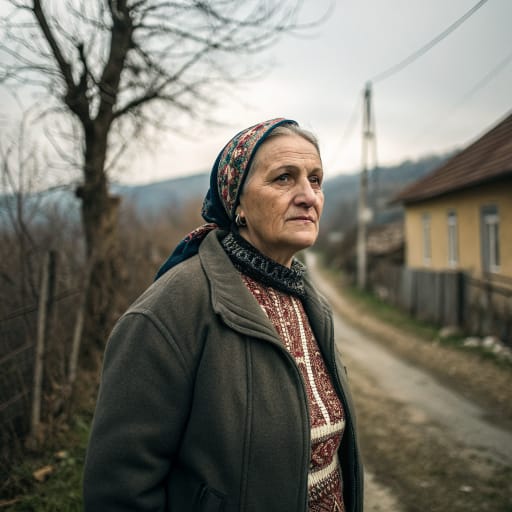
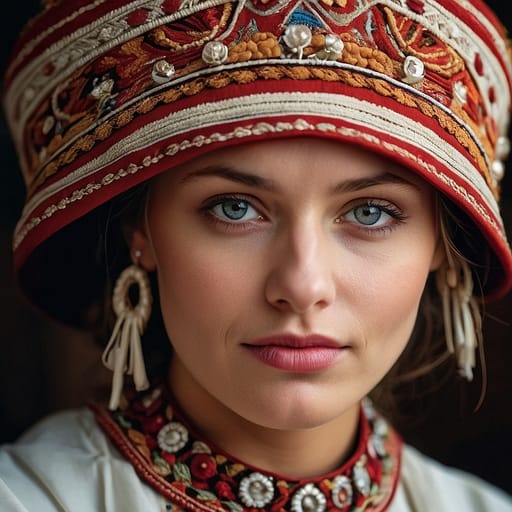
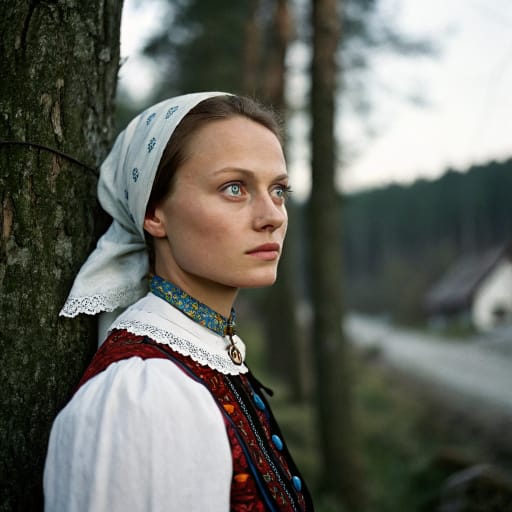
Dacians
Carpathian basin and lower Danube: present-day Romania and Moldova, with parts of Ukraine, Serbia, Bulgaria, Hungary and Slovakia
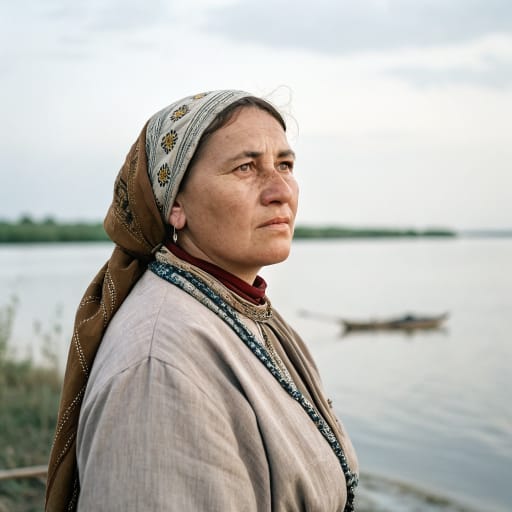
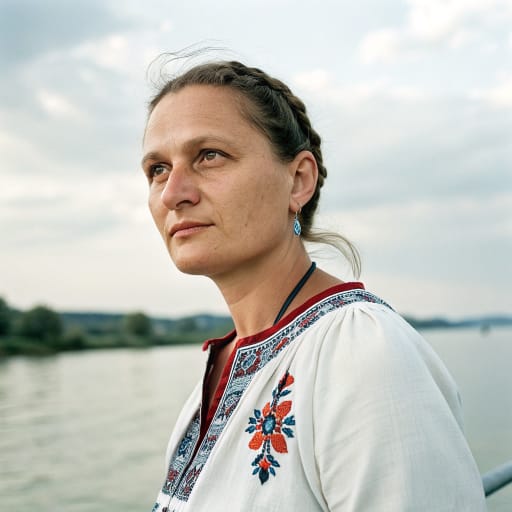
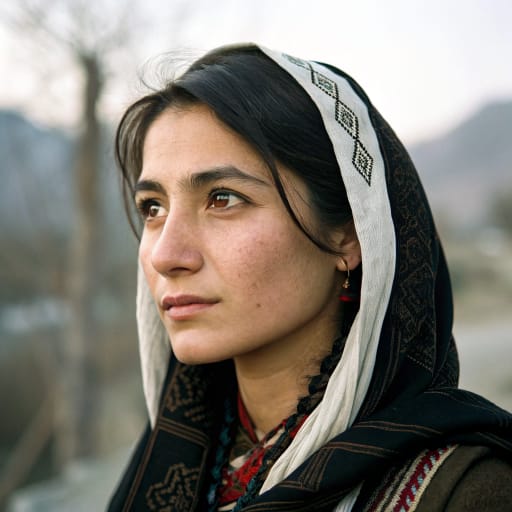
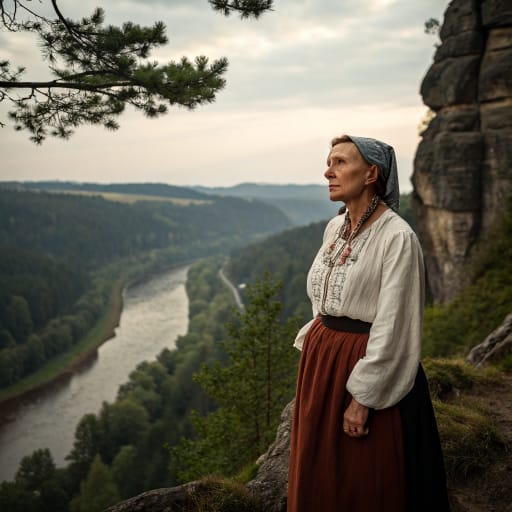
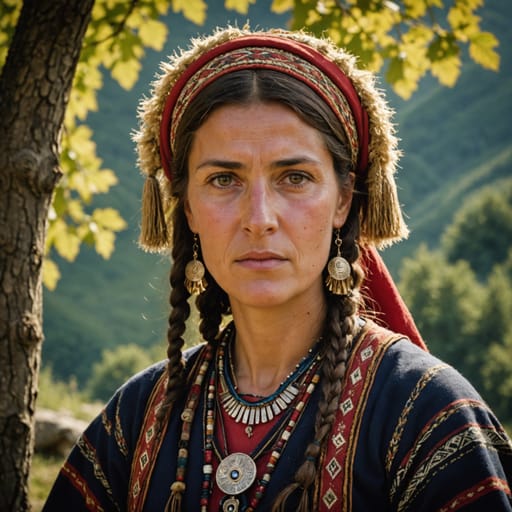
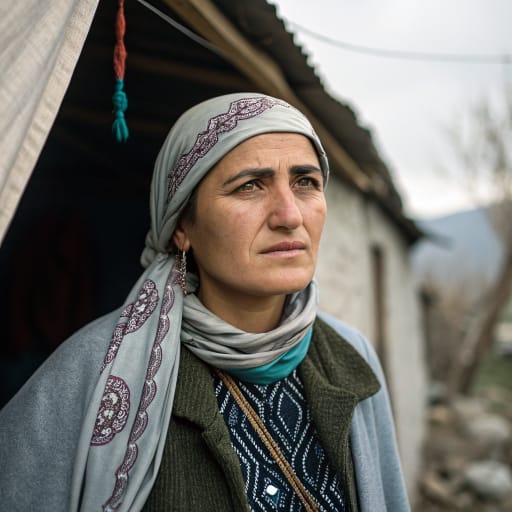
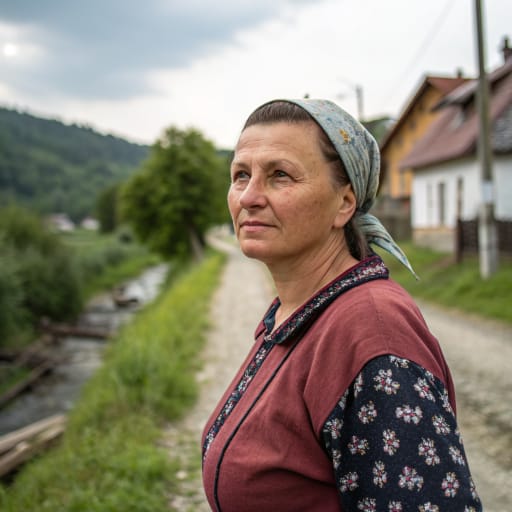
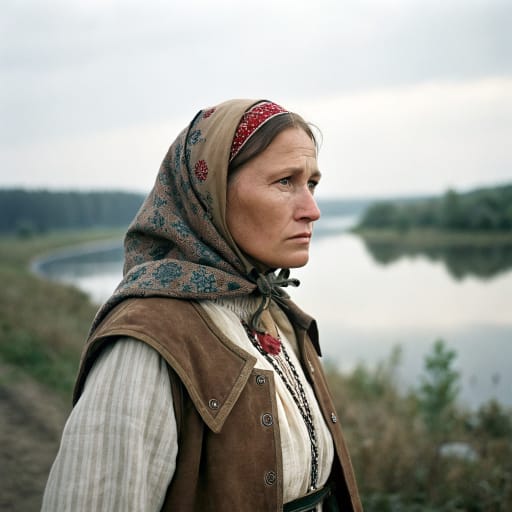
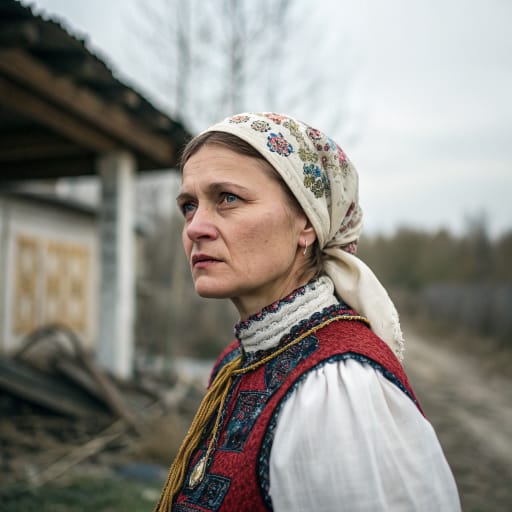
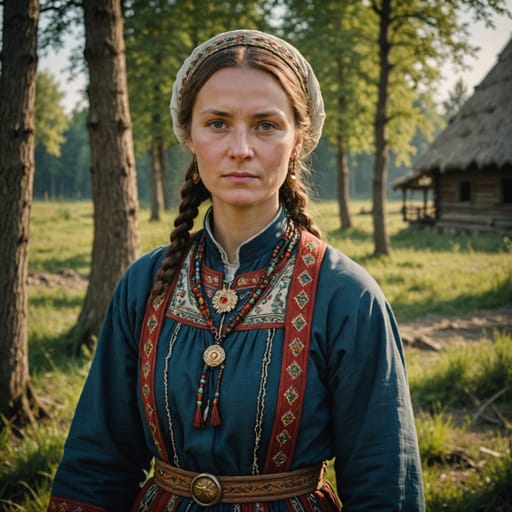
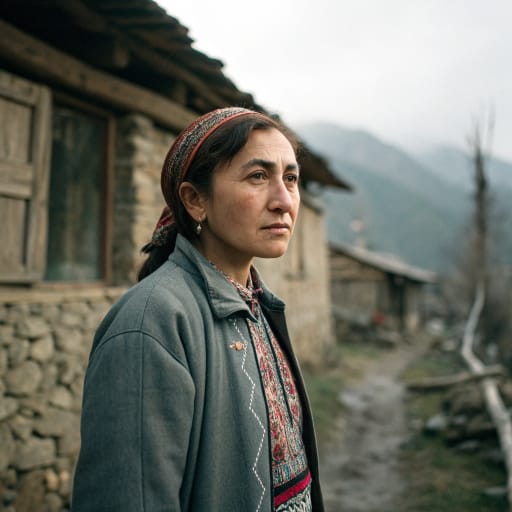
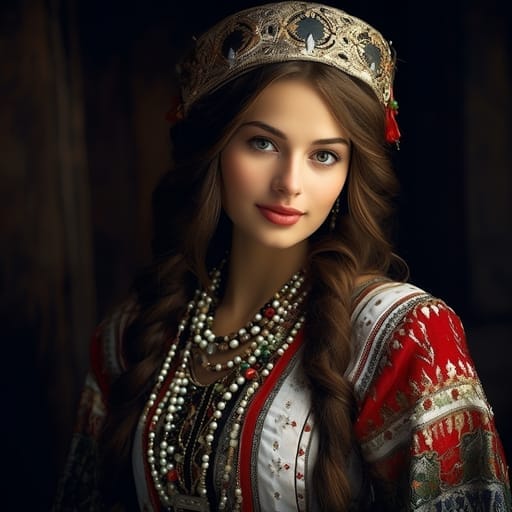
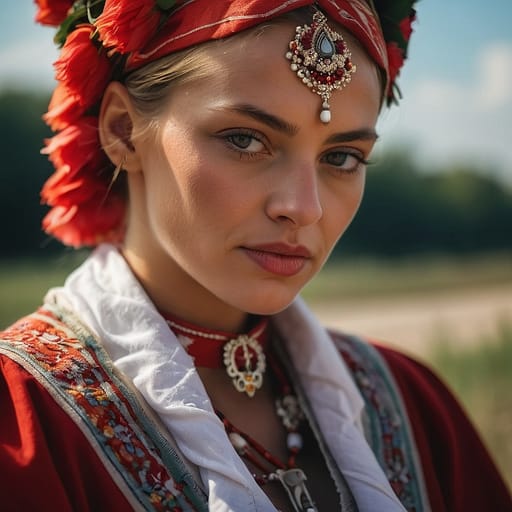
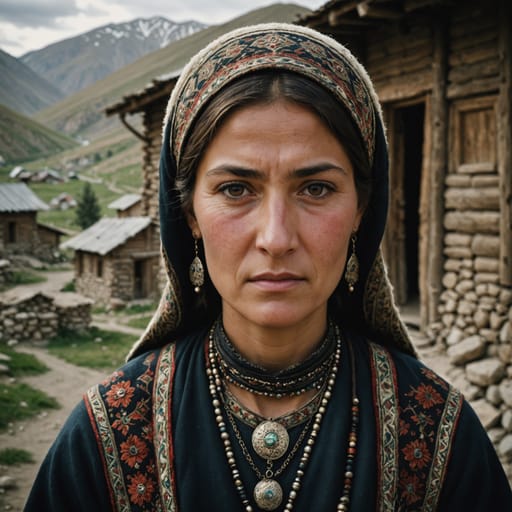
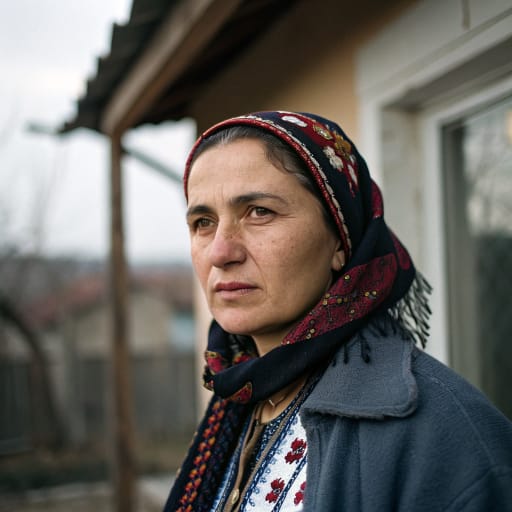
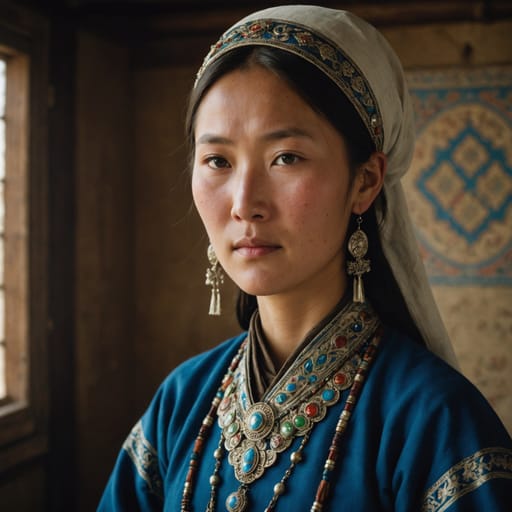
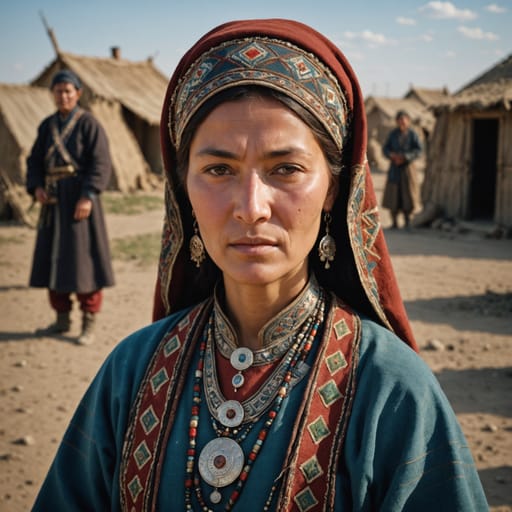
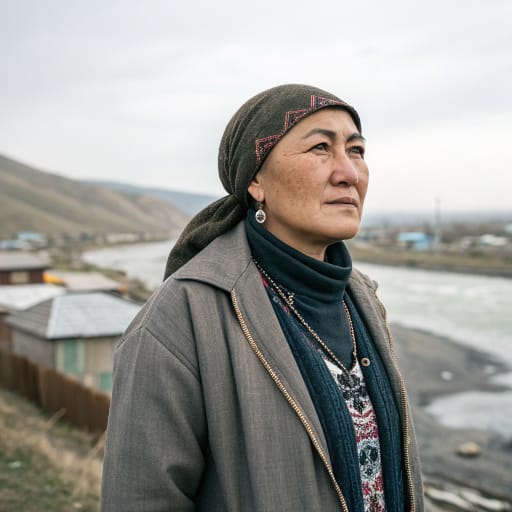
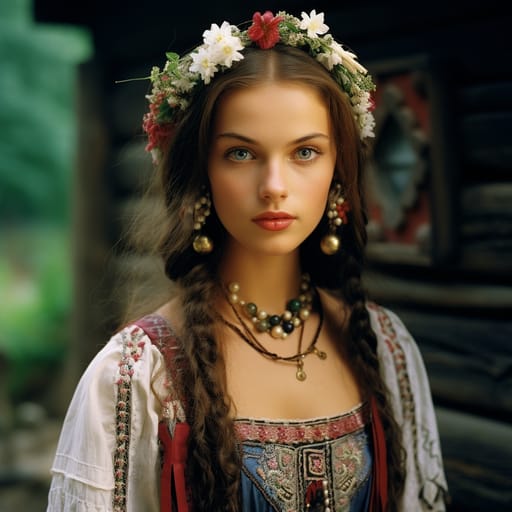
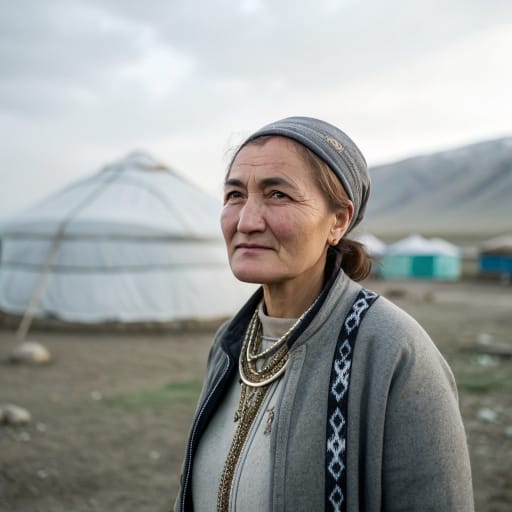
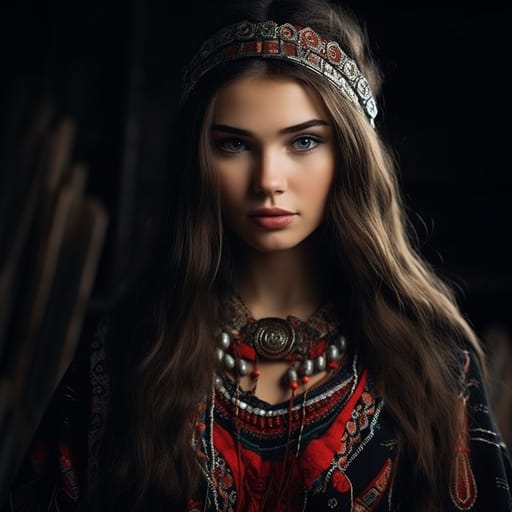
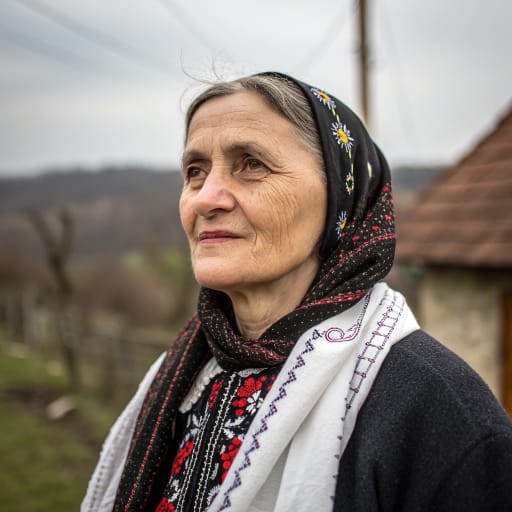
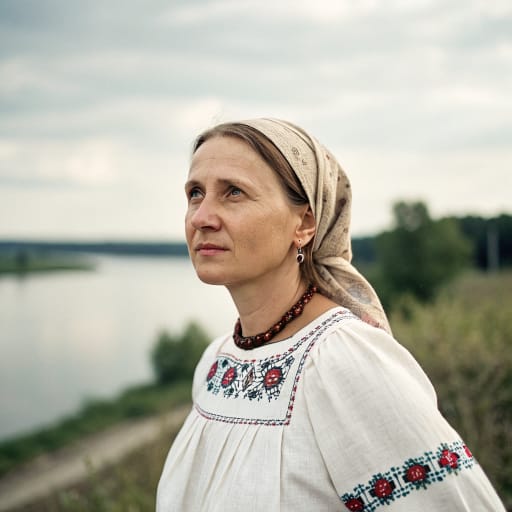
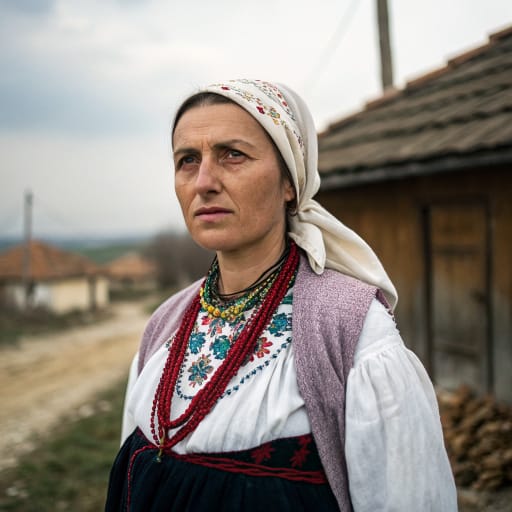
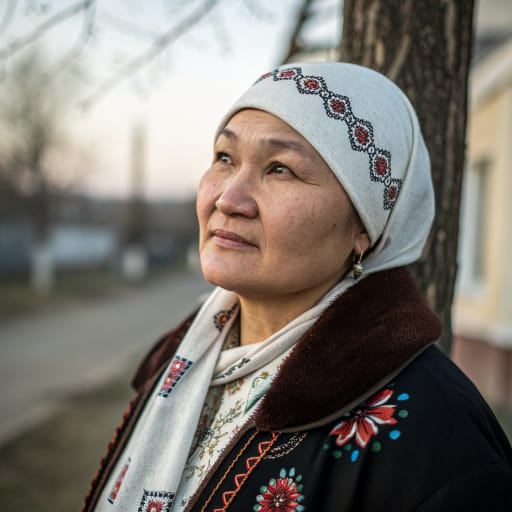
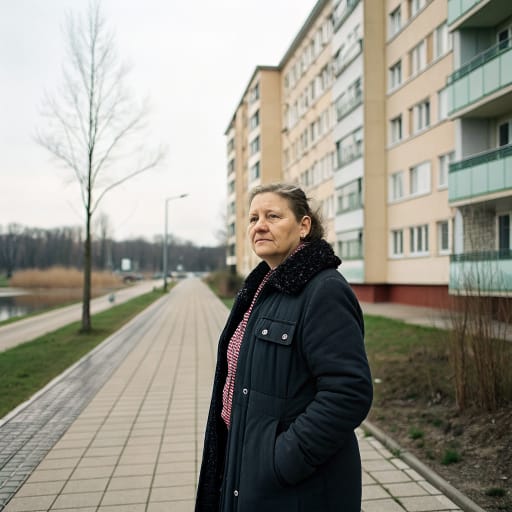
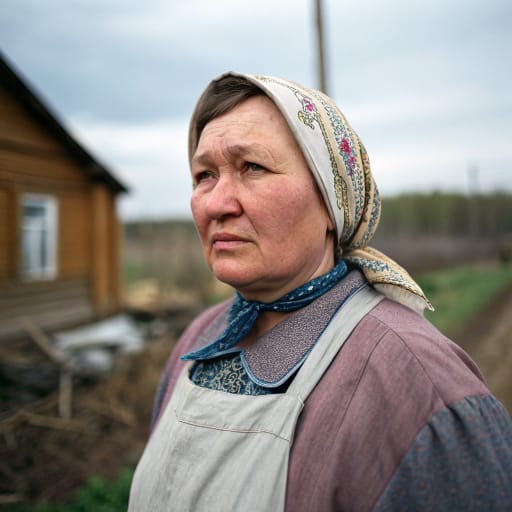
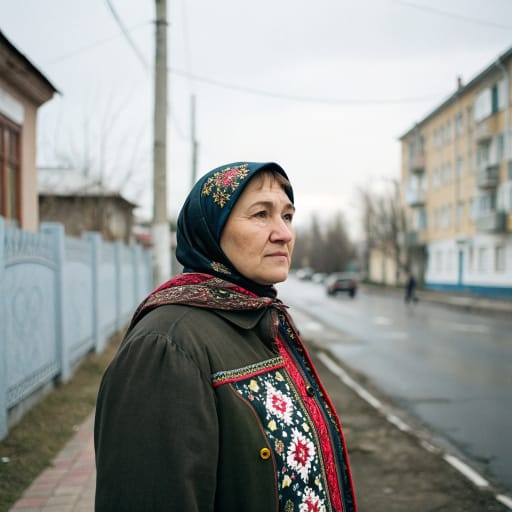
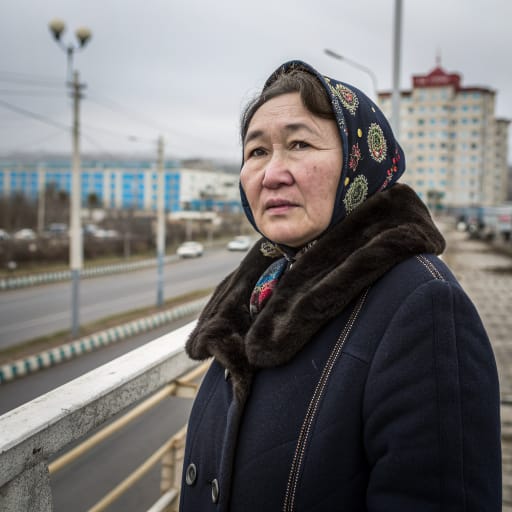
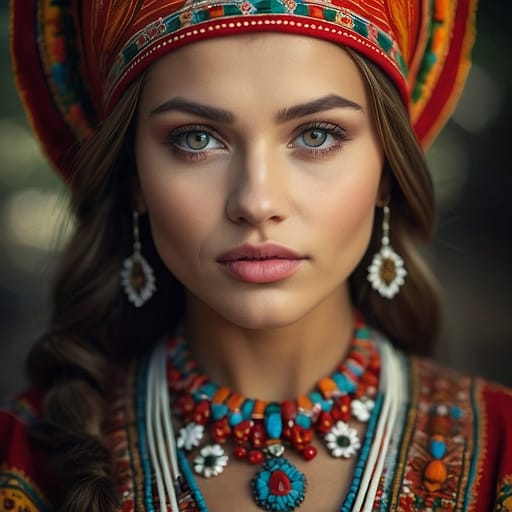
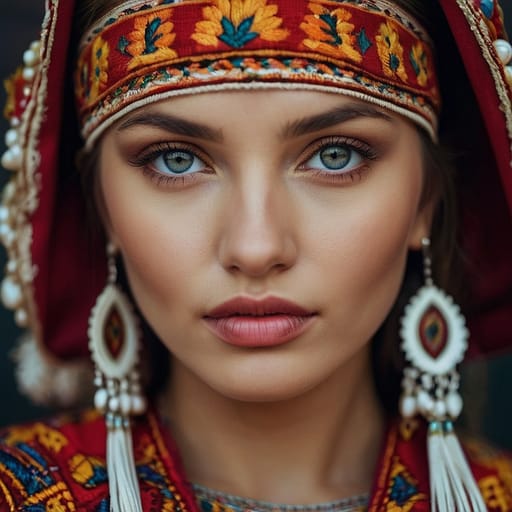
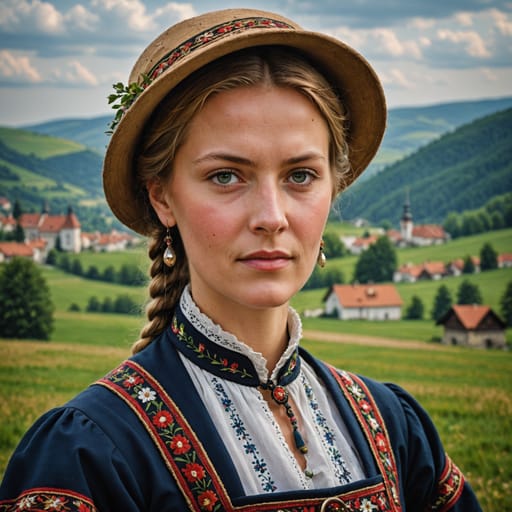
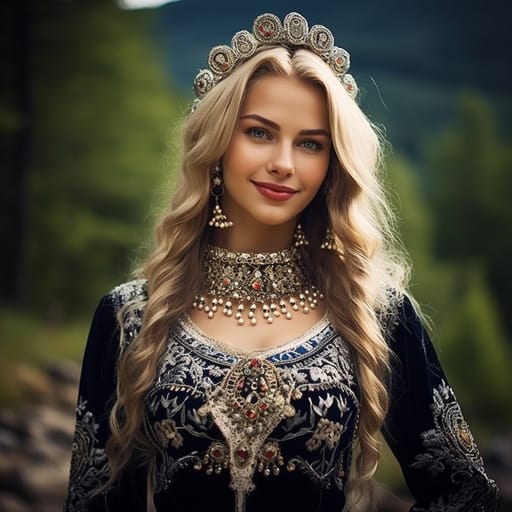
Muromians
Middle Oka River valley around the city of Murom, in present-day Vladimir Oblast and adjacent Nizhny Novgorod Oblast, Russia
Nadruvians
Nadruvia, the middle Pregolya and lower Neman basin, now Kaliningrad Oblast, Russia, reaching to the present Lithuanian border
Natukhai
Historically the northwest Caucasus between the lower Kuban and the Black Sea coast around Anapa and Novorossiysk, Russia; today mainly diaspora in Turkey, Syria and Jordan.
Novgorod Slavs
Lake Ilmen basin and the Volkhov, Lovat and Msta rivers around Novgorod, northwestern Russia
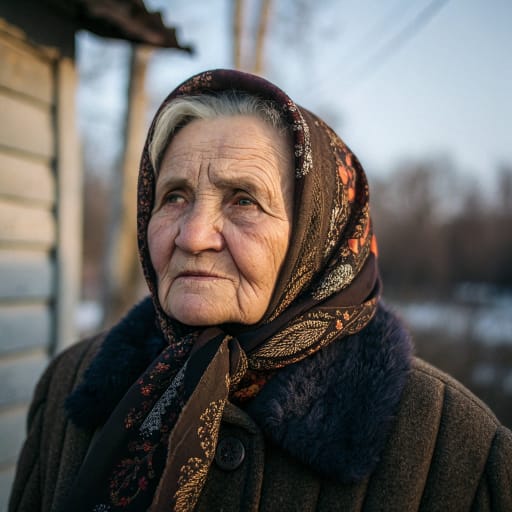
Olonets Karelians
The Olonets Isthmus between Lakes Ladoga and Onega in the southwest of the Republic of Karelia, Russia, chiefly the Olonets and Pryazha districts; historically also Salmi, with evacuee descendants in Finland
Palóc
The northern hill country of Hungary (Nógrád, Heves and Borsod counties) and the adjoining border districts of southern Slovakia.
Podhalans
Podhale, the basin and foothills below the Tatra Mountains in southern Poland (Lesser Poland Voivodeship), centered on Nowy Targ and Zakopane; a large diaspora lives in Chicago.
Podlashuks
Podlachia (Podlasie), eastern Poland, between the Narew and Bug rivers on the Belarusian border: Hajnówka, Bielsk Podlaski and Siemiatycze counties and the northern Lublin Voivodeship, with related villages across the border in Belarus.
Pogórzanie
Carpathian Foothills of southern Poland, in the Lesser Poland and Subcarpathian voivodeships, around Gorlice, Biecz, Jasło, Krosno, Brzozów and Sanok
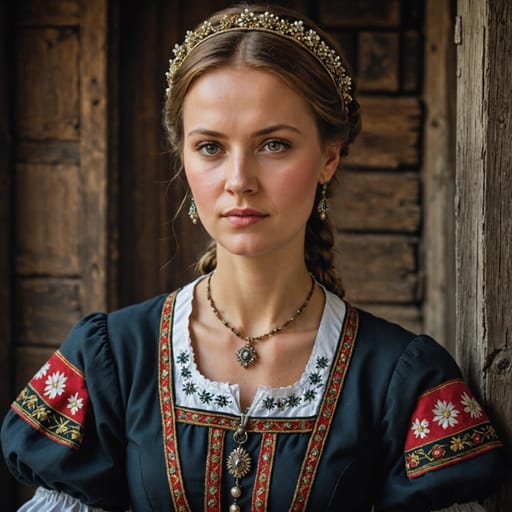
Polans
Middle Dnieper around Kyiv, on both banks from Liubech to Rodnia, including the lower Desna, Irpin, Teteriv, Stuhna, Ros' and Sula valleys (north-central Ukraine)
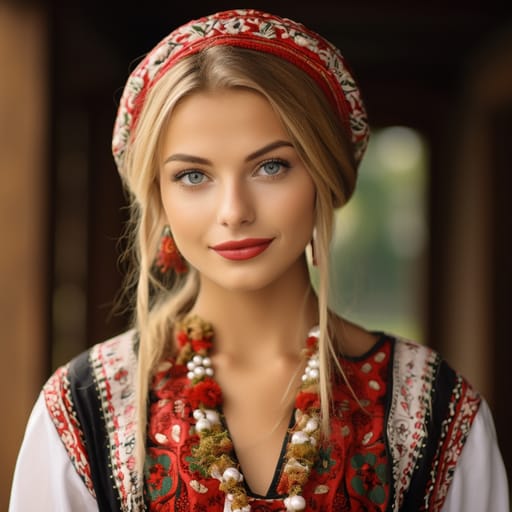
Poleshuks
Polesia, the forested wetland of the Pripyat River basin in southern Belarus and northern Ukraine, extending into eastern Poland and western Russia
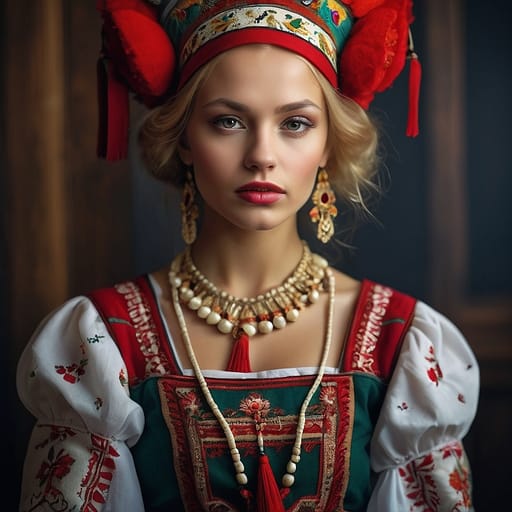
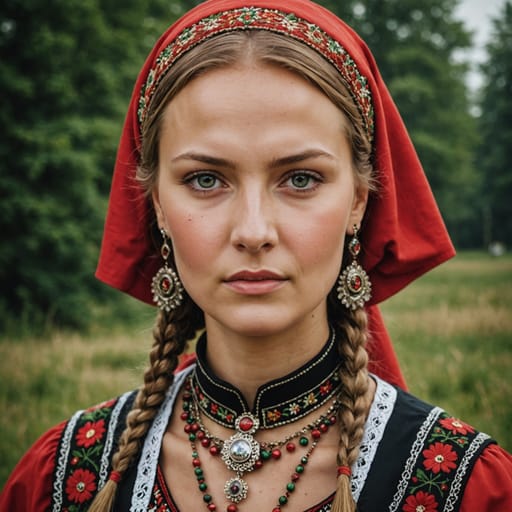
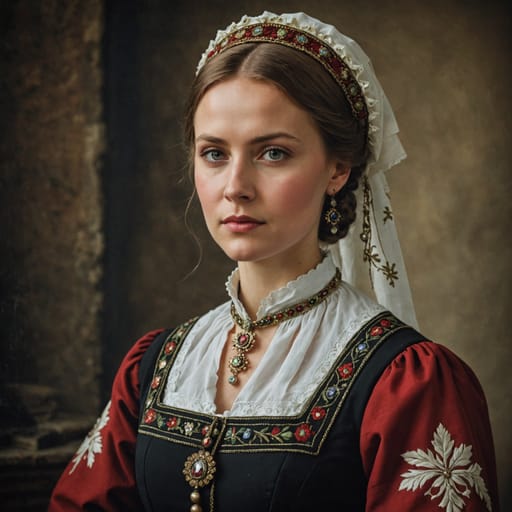
Pomaks
Rhodope Mountains of southern Bulgaria and northeastern Greece (Western Thrace), smaller areas of central Bulgaria around Lovech, and large settled communities in Turkey
Quadi
North bank of the middle Danube: western Slovakia between the Morava and Hron rivers, later reaching into northern Hungary, facing the Roman province of Pannonia
Radimichs
Sozh River basin in the upper Dnieper region, in present-day eastern Belarus (Gomel and Mogilev regions) and adjacent western Russia (Bryansk and Smolensk oblasts)
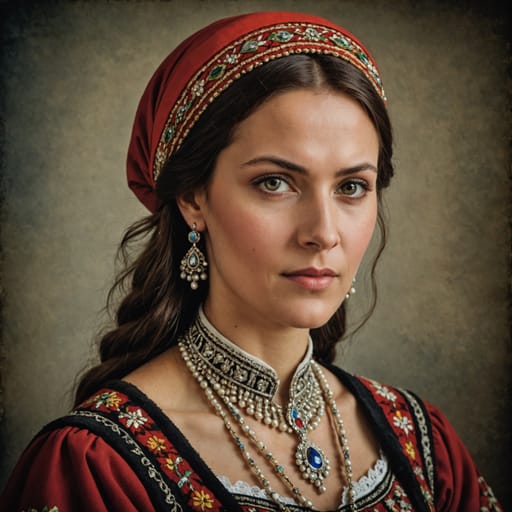
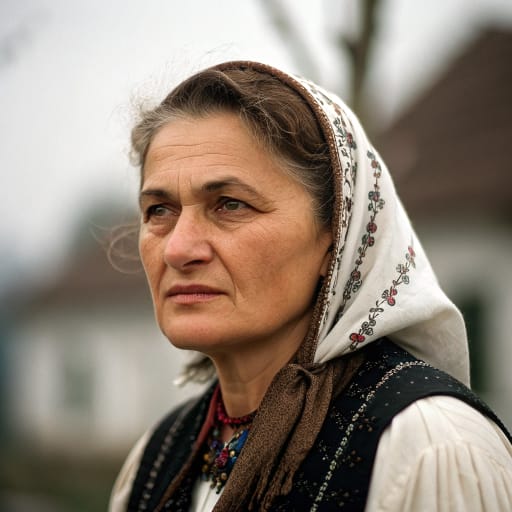
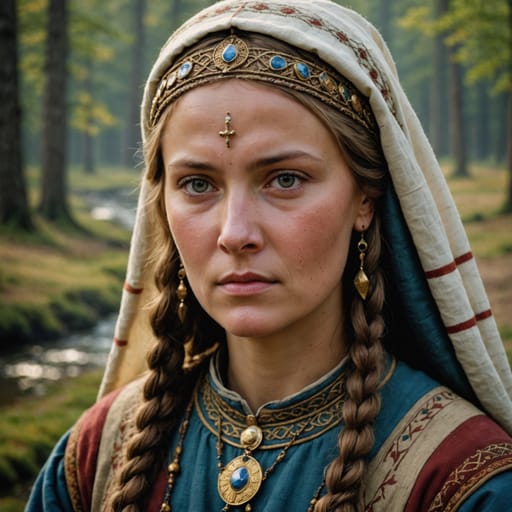
Ruska Roma
Russia, from the western provinces to Siberia, with communities in Belarus, Ukraine and other former Soviet states
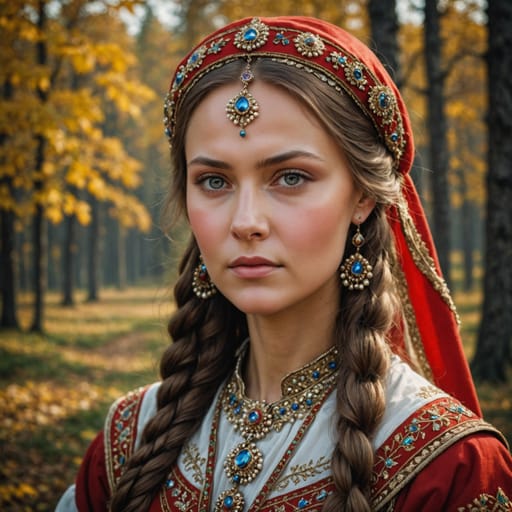
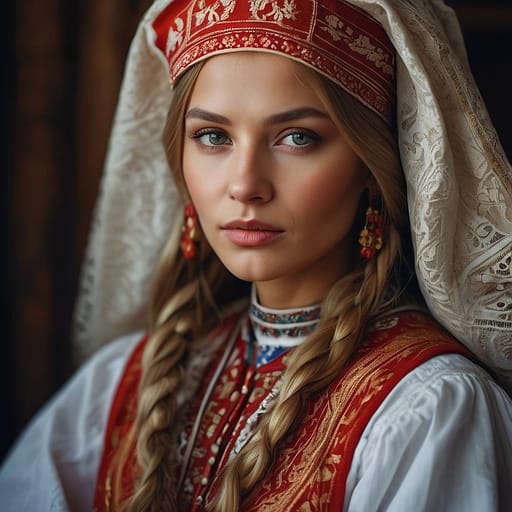
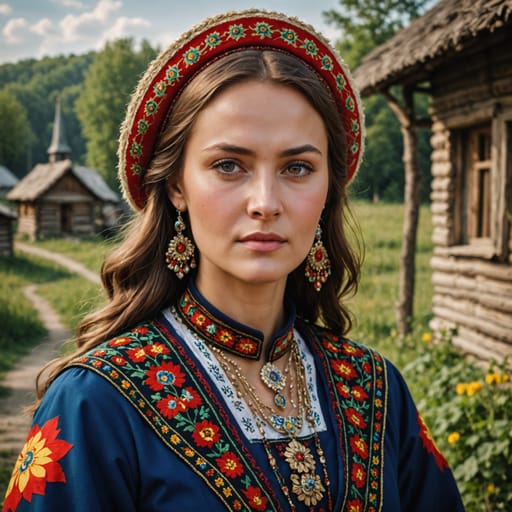
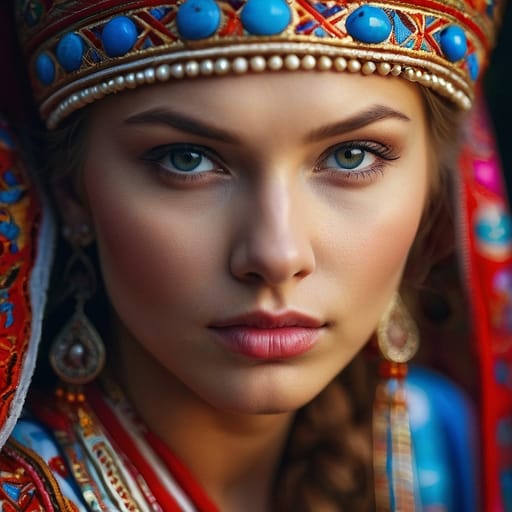
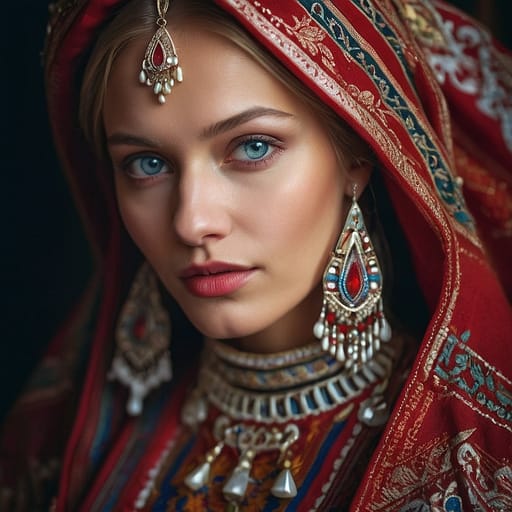
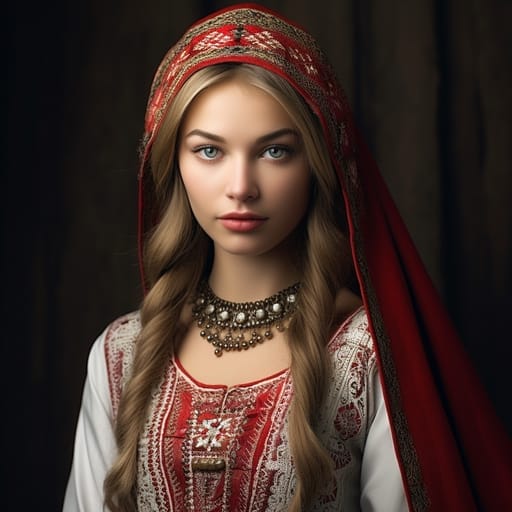
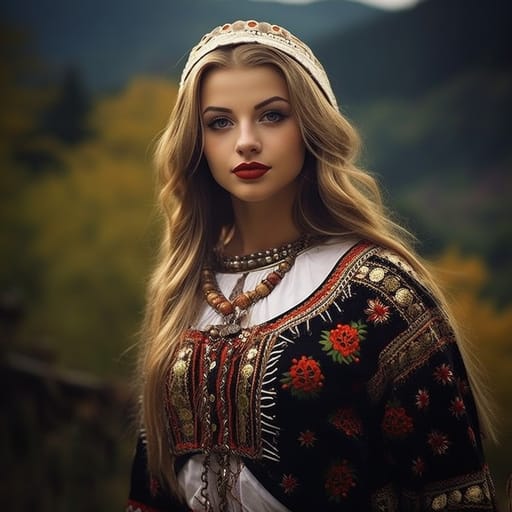
Rutulians
Upper Samur River valley in southern Dagestan, Russia (Rutulsky and Akhtynsky districts), with a few villages near Shaki in northern Azerbaijan
Sącz Lachs
The Sącz Basin and surrounding foothills around Nowy Sącz, Stary Sącz and Podegrodzie, along the Dunajec and Poprad rivers in southern Lesser Poland, Poland.
Savakot
Ingria, the historic region around St. Petersburg in present-day Leningrad Oblast, Russia; ancestral roots in Savo, eastern Finland; descendants now mainly in Finland, Russia, Estonia and Sweden
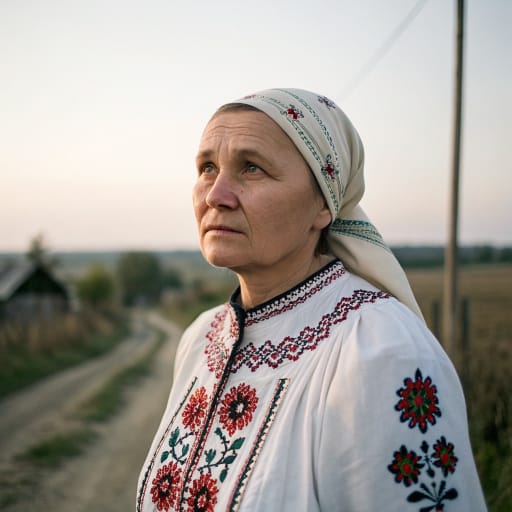
Shokshas
Western Mordovia, Russia, mainly Tengushevsky and Torbeyevsky districts, around the village of Shoksha
Shopi
Shopluk, the upland border region of western Bulgaria (around Sofia, Pernik and Kyustendil), eastern Serbia (around Pirot, Dimitrovgrad and Bosilegrad) and northeastern North Macedonia
Sigynnae
The plains north of the middle Danube, probably the Carpathian Basin in present-day Hungary and neighboring Serbia and Romania; Strabo places a similarly named people near the Caspian
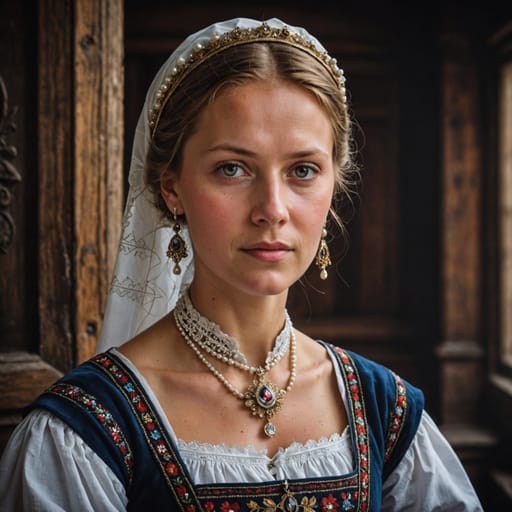
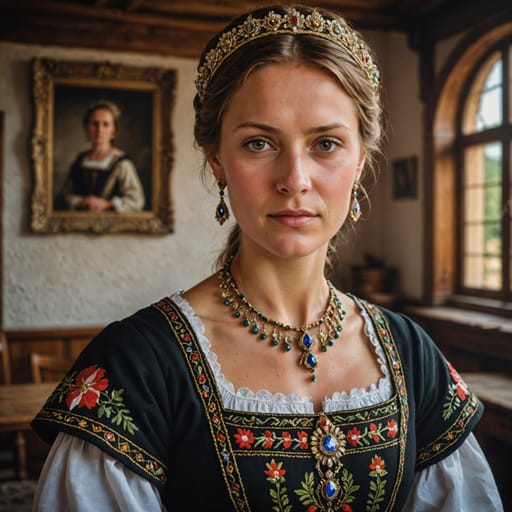
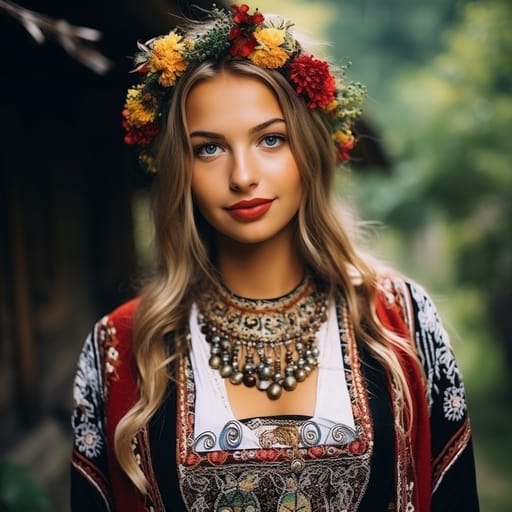
Slovincians
The Baltic coast between Lake Gardno and Lake Łebsko, near Słupsk and Łeba in Pomerania, formerly Farther Pomerania in Prussia and now northern Poland
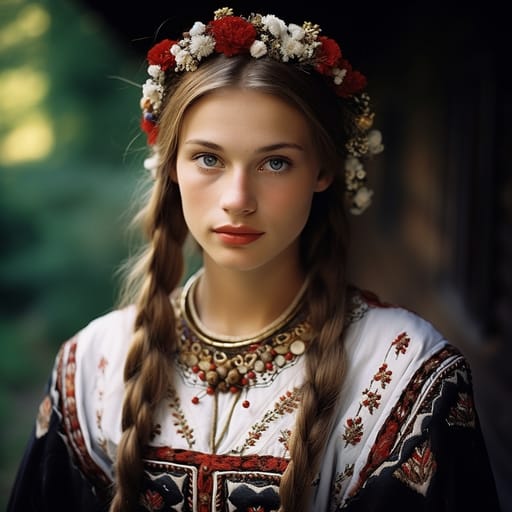
Székelys
Székely Land in eastern Transylvania, Romania (Harghita, Covasna and eastern Mureș counties); smaller communities in Bukovina, Romania, in Tolna and Baranya counties, Hungary, and in Vojvodina, Serbia
Székelys of Bukovina
Tolna and Baranya counties, Hungary; Hunedoara and Suceava counties, Romania; Vojvodina, Serbia. Historically five villages in southern Bukovina, now Suceava County, Romania
Tabasarans
Southern Dagestan, Russia, chiefly the Tabasaransky and Khivsky districts inland from Derbent, with communities on the Caspian plain and in Derbent and Makhachkala
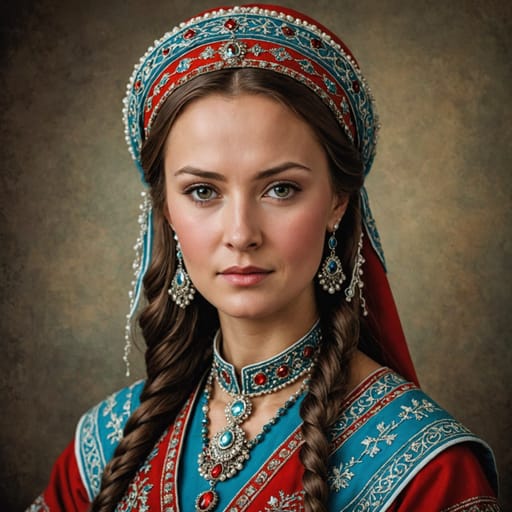
Terloy
Terloy-Mokhk, high side valleys of the Chanty-Argun basin in Itum-Kalinsky District, southern Chechnya, Russia; most descendants now live in lowland Chechnya, Grozny, and the wider Chechen diaspora.
Tindi
The Tsumadinsky district of western Dagestan, Russia, in the mountains above the Andi Koysu river, with large communities in the Dagestani lowlands.
Tivertsi
Along the Dniester and Prut rivers toward the Danube and the Black Sea, in present-day Moldova and southwestern Ukraine
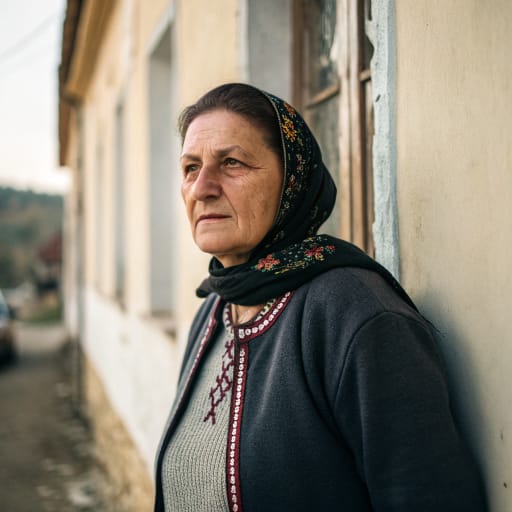
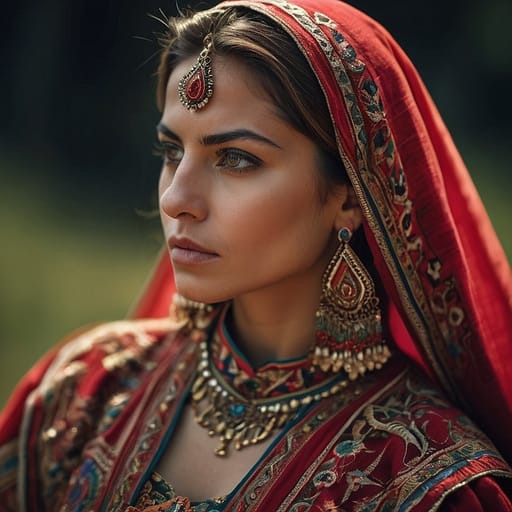
Tver Karelians
Tver Oblast, Russia, chiefly the Likhoslavl, Maksatikha, Rameshki, Spirovo and Vesyegonsk districts; ancestral origin around Lake Ladoga and Korela (modern Priozersk)
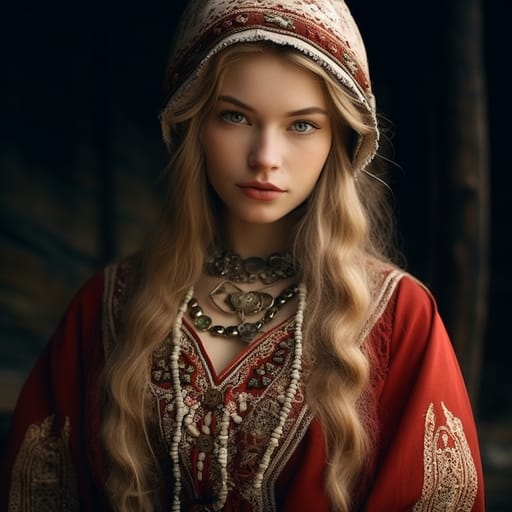
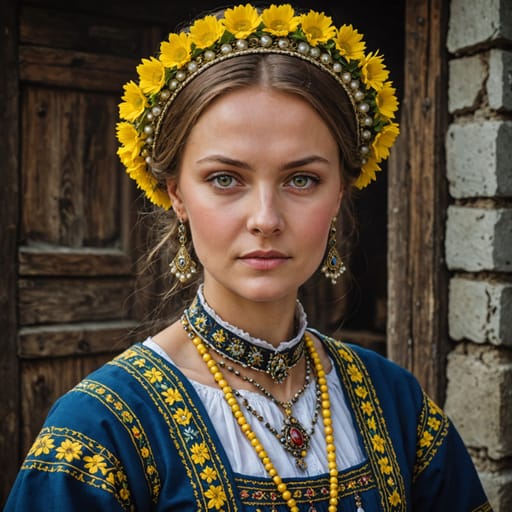
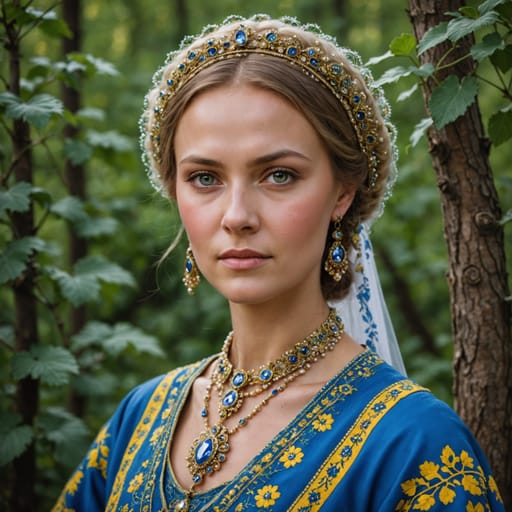
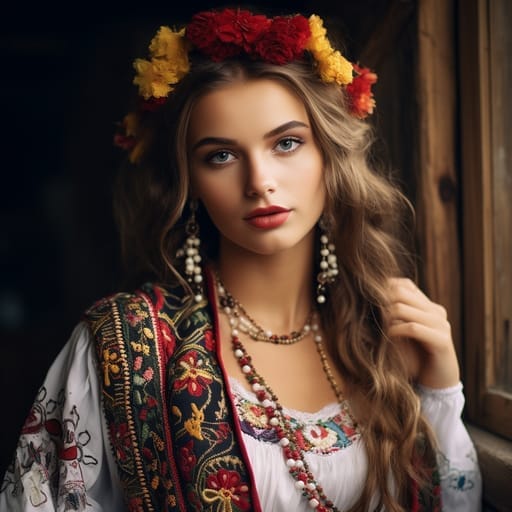
Ulichs
The steppe borderland north of the Black Sea, first between the lower Dnieper and the Southern Bug, later between the Southern Bug and the Dniester: modern southern Ukraine and Moldova.
Unterlander Jews
Northeastern historic Hungary: Carpathian Ruthenia, Maramureș, Szatmár and eastern Slovakia, now in Ukraine, Romania, Slovakia and Hungary; descendants live mainly in the United States and Israel
Ursari
Romania and Moldova, with related communities in Bulgaria, Serbia and other parts of the Balkans
Urums
Villages of the northern Sea of Azov coast in Donetsk Oblast, Ukraine, and formerly the Tsalka and Trialeti highlands of southern Georgia; large diaspora in Greece and Russia.
Varangians
The eastern river routes from the Baltic through Russia, Belarus and Ukraine to Constantinople; origin mostly in eastern Sweden and Gotland
Vepsians
Northwestern Russia, between Lake Onega and Lake Ladoga: the Republic of Karelia and the Leningrad and Vologda oblasts
Vidivarii
Vistula delta and the Elbląg Upland on the southern Baltic coast, in present-day northern Poland.

Vilamovians
The town of Wilamowice, between Bielsko-Biała and Oświęcim, Silesian Voivodeship, southern Poland
Vistulans
The upper Vistula basin of southern Poland, the region later called Lesser Poland, centered on Kraków, Wiślica and the Sandomierz uplands.
Volga Bulgarians
Middle Volga and lower Kama basin, centered on present-day Tatarstan and neighboring regions of Russia
Volhynians
Volhynia, between the Western Bug and the upper Pripyat basin: today northwestern Ukraine, with fringes in eastern Poland and southwestern Belarus
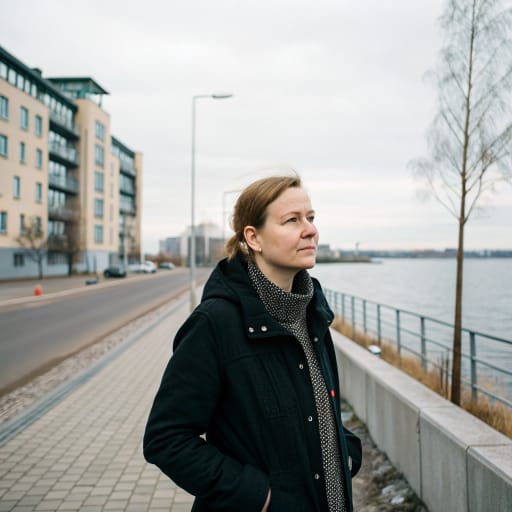
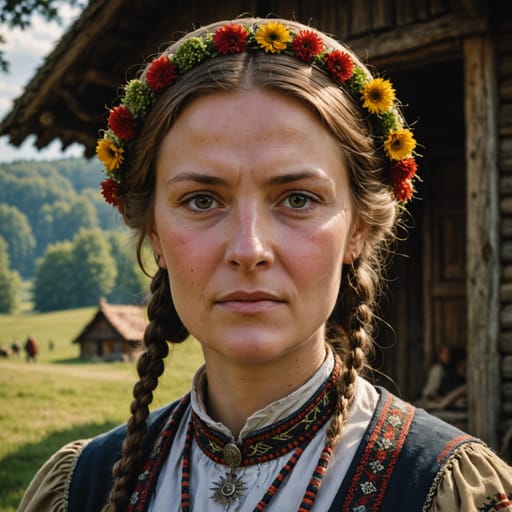
White Croats
White Croatia, north of the Carpathians: parts of today's southern Poland, Czech Republic and western Ukraine; exact extent disputed
Yotvingians
Sudovia (Yotvingia), the lake and forest country between the Neman and Narew rivers: northeastern Poland, southwestern Lithuania and western Belarus
Eastern Europe Body & Anatomy Reference
Eastern European / Slavic phenotype: adult AI generation reference across Eastern Europe
Eastern Europe Women: Boobs & Breasts
Eastern Europe women's tits and boobs run medium-to-large cup, full, moderate-to-high projection, the classic Eastern European / Slavic bust profile across Eastern Europe. Nipples and areolas show light-pink to medium-brown areolar pigmentation against the fair-to-light-brown skin tone, with areolar diameter typically in the 30-44mm range and forward-set positioning rather than the the smaller East Asian bust. Eastern Europe breasts trend full and projecting, classic Eastern European curvy bust, a function of the mesomorph, full hip-and-bust deposition body habitus and mean adult female BMI 23-26. For anatomically-accurate AI-generated Eastern Europe nude women the render preserves: medium-to-large cup, full, moderate-to-high projection shape, 30-44mm areolas with regional pigmentation, and the torso proportions of the Eastern European / Slavic phenotype.
Eastern Europe Women: Ass & Hips
Eastern Europe women's ass and hip morphology presents as medium-to-full, moderate-to-high projection, distinctly different from the slim narrow-hip East Asian profile. Eastern Europe pelvic profile shows medium iliac crests, full gluteal-femoral fat deposition, anchored in the Eastern European / Slavic skeletal pattern. Eastern Europe butt shots in adult AI imagery should render the medium-to-full, moderate-to-high projection silhouette with the mesomorph, full hip-and-bust deposition build and the gluteal-femoral fat distribution typical of the Eastern European / Slavic phenotype rather than defaulting to a globally-averaged shape that generic AI generators produce.
Eastern Europe Women: Vagina & Pussy
Eastern Europe women's pussy and vulvar anatomy presents light-pink to medium-brown labial pigmentation, varied labia minora, consistent with the Eastern European / Slavic phenotype's pigmentation pattern. Eastern Europe pubic hair is typically wavy medium texture, blond to dark-brown, distributed in the inverted-triangle pattern with regional-typical density. AI-generated Eastern Europe nude imagery should preserve the light-pink to medium-brown labial pigmentation and the wavy medium texture hair texture rather than defaulting to a Western-European pink-and-sparse template. For anatomically-accurate Eastern Europe pussy renders the labial pigmentation should match the surrounding fair to light skin tone of the Eastern European / Slavic phenotype.
Eastern Europe Men: Dicks & Penis
Eastern Europe men's dick and penile anatomy in adult AI generation should anchor on the regional reference data: regional mean ~13-14cm erect, moderate girth, and light-pink to medium-brown shaft pigmentation. Eastern Europe cock profile reflects the Eastern European / Slavic ancestral population's anthropometric measurements rather than a globally-averaged Western-pornography default. For anatomically-accurate Eastern Europe nude male imagery the shaft pigmentation should track the surrounding fair to light skin tone, with continuous glans-to-shaft pigmentation transition and the wavy medium texture pubic-hair texture distributed in the typical inverted-V escutcheon.
Eastern Europe: Body, Curves & Build
Eastern Europe body type and overall build presents as mesomorph, full hip-and-bust deposition, with mean adult female BMI 23-26: the characteristic Eastern European / Slavic habitus. Eastern Europe curves and proportions in adult AI imagery should preserve the regional skeletal frame (height, shoulder-to-hip ratio, limb proportions) rather than scaling to a Western-European mesomorph default. The Eastern Europe nude female form, when rendered with anatomical fidelity, shows the height range, frame width, and adipose distribution pattern typical of the Eastern European / Slavic phenotype. Generic AI image generators tend to collapse regional body types into a few default shapes; the Ethnic Erotic phenotype-anchored approach preserves the Eastern Europe build as its own reference category.
Eastern Europe: Skin Tone & Hair Texture
Eastern Europe skin tone falls in the fair to light (Fitzpatrick II-III) band, the surface signal most often miscalibrated by generic AI nude generators trained on Western-photographic datasets. Eastern Europe hair texture is typically straight-to-wavy 1A-2B, light-blond to dark-brown, characteristic of the Eastern European / Slavic phenotype. For anatomically-accurate Eastern Europe nude renders the skin should hold the Fitzpatrick band consistently across body surface rather than showing the lighter-than-face body shading that AI generators default to.