Help us get this right
Does this portrait look right for Rus'?
One tap. It takes a second and it is recorded.
1 says it looks right, 0 say it looks off.
Rus' Erotic
River routes of early medieval Eastern Europe, from Ladoga and Novgorod to Kiev, in present-day Russia, Ukraine and Belarus; originally from Sweden
Old East Norse (Germanic, North Germanic), giving way to Old East Slavic (Slavic) by the 11th century
Norse and Slavic paganism, then Eastern Orthodox Christianity from 988
Scandinavian (mainly Swedish) origin; ancestral to the ruling class of Kievan Rus' and by name to Russians, Ukrainians, Belarusians and Ruthenians
About Rus' People
The Rus' were a historical people of the 8th to 11th centuries, Norse in origin and mostly Swedish, who traded along and then ruled the river roads between the Baltic and the Black Sea, and who dissolved within a few generations into the Slavic population they governed, leaving their name to Kievan Rus' and through it to Russians, Ukrainians, Belarusians and Ruthenians. What made them a people was not a homeland but a trade. They rowed and portaged shallow boats up the Neva and the Volkhov, across the watersheds, and down the Dnieper and the Volga, carrying furs, wax, honey and slaves south and hauling Arab silver north. The word itself probably comes from an Old Norse term for rowing crews, passed through Finnish Ruotsi, still the Finnish name for Sweden. Frankish annalists in 839 met envoys calling themselves Rhos and decided they were Swedes. In Constantinople such men served as mercenaries under the name Varangians.
Their towns were the fortified trading posts of Ladoga, Novgorod, Gnezdovo near Smolensk and Kiev, where the Rurikid princes made themselves rulers of the Slavic tribes who paid them tribute. The witnesses on the peace treaties with Constantinople in 911 and 944 carry Norse names, Karl, Ingjald, Farulf, Vermund, and a Byzantine emperor writing a generation later recorded the names of the Dnieper rapids twice, once in Rus' and once in Slavonic, the Rus' versions being plain Old Norse. But the shift was fast. Prince Igor's son was Sviatoslav, a Slavic name, and by the time Vladimir accepted baptism from Byzantium in 988 the ruling class spoke Old East Slavic, with Norse surviving mainly in names and loanwords. Religion followed the same route: Norse gods first, then a Slavic pantheon under Perun, on whom the Rus' swore their treaty oaths by laying down weapons and rings, then Orthodox Christianity, which is why Rus' came to mean an Orthodox land rather than a Viking one.
The best eyewitness is the Arab envoy Ibn Fadlan, who met Rus' merchants on the Volga in 922 and wrote down what he saw: men tattooed in dark green from the neck down, each carrying an axe, a sword and a knife, women wearing a brooch box at the breast with a knife hung from it and a neck ring for every ten thousand dirhams their husbands owned. He watched a chieftain burned in his ship with a slave girl killed to accompany him, a rite the graves at Gnezdovo and Ladoga confirm in outline. Within two centuries that world was gone, absorbed into the princely families, the church and the cities it had built, and the people who carried the name were no longer Norse at all.
Related ethnic groups
Groups that share Rus''s homeland, region, language, or religious tradition. These are likely candidates for comparative phenotype reference.
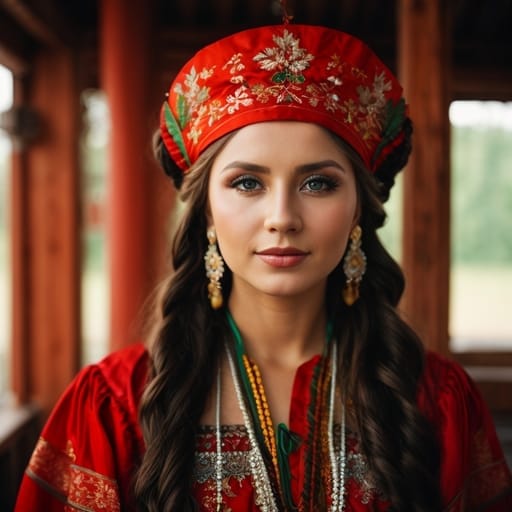
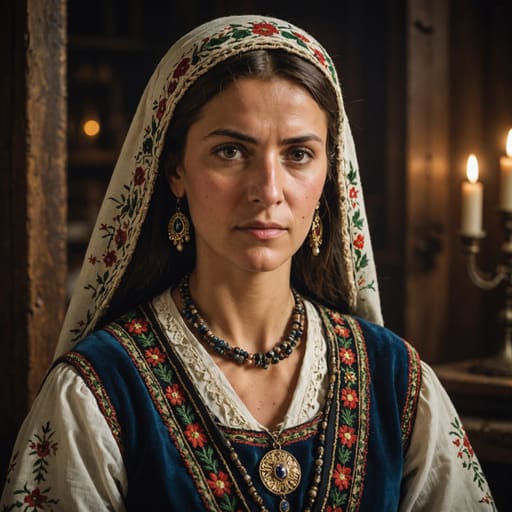
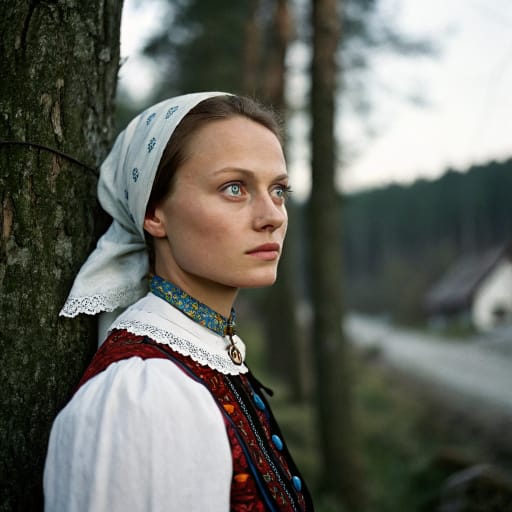
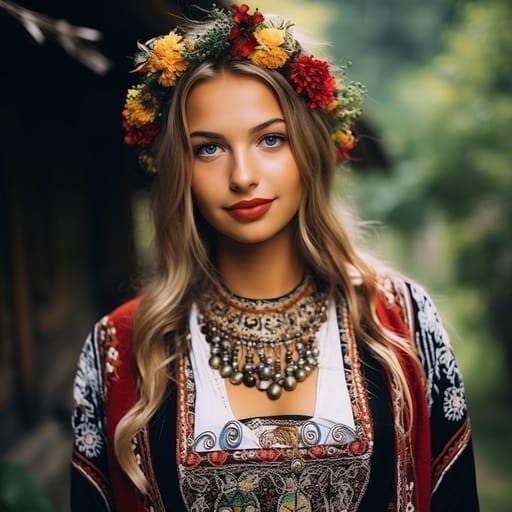
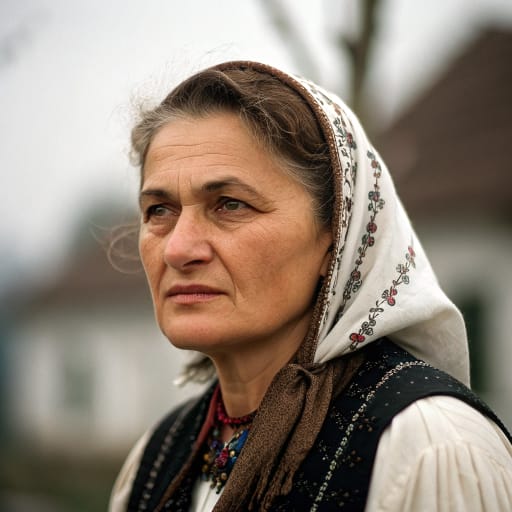
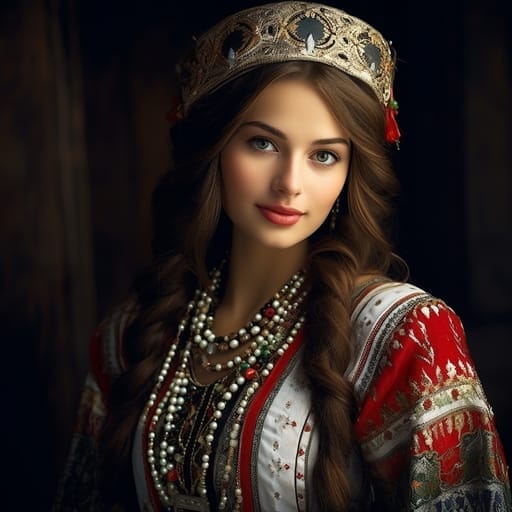
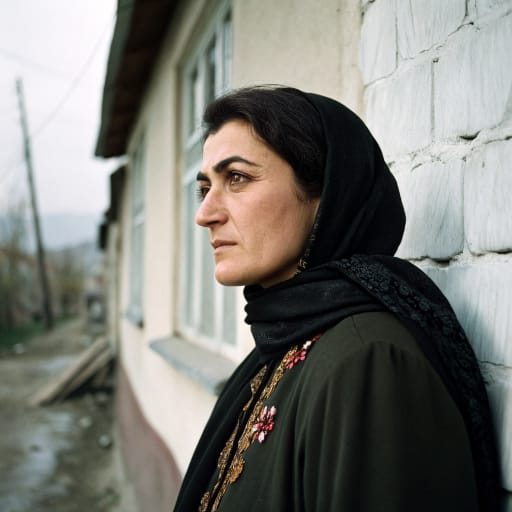
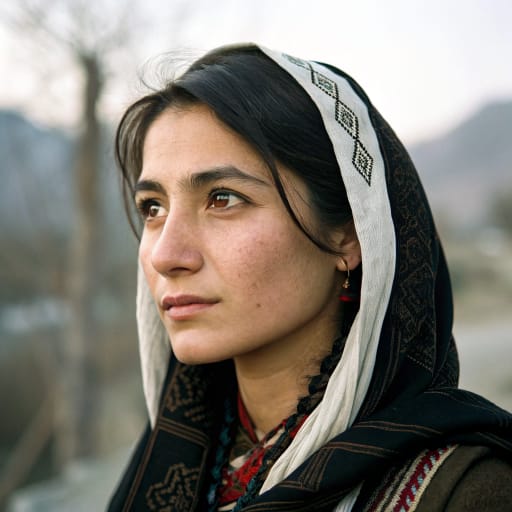
Typical Rus' Phenotypes
Reference for AI generation: hair, eyes, skin, facial structure, build
Explore phenotype categories
Structured taxonomy with peer-reviewed scales · 22 anatomical categories
Erotic Poses & Sex Positions
From the pose catalog: 219 named positions with reference skeletons
Frequently asked questions about Rus' people
Where is the Rus' homeland?
The Rus' homeland is River routes of early medieval Eastern Europe, from Ladoga and Novgorod to Kiev, in present-day Russia, Ukraine and Belarus; originally from Sweden in Eastern Europe.
What language do Rus' people speak?
Rus' people primarily speak Old East Norse (Germanic, North Germanic), giving way to Old East Slavic (Slavic) by the 11th century.
What religion do Rus' people practice?
The predominant religion among Rus' people is Norse and Slavic paganism, then Eastern Orthodox Christianity from 988.






Make your own Rus' images
Five a day, free, no credits to buy. The studio starts from this group's phenotype data, so you can set body type, pose and style and keep the traits accurate.
Start with Rus'