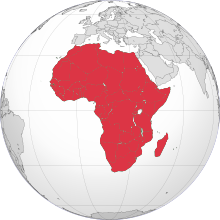
Northern Africa
91 ethnic groups
Browse the 91 ethnic groups native to Northern Africa. Each profile documents facial features, skin tone, hair texture and body type. Explore the people below, or read the full Northern Africa phenotype and anatomy reference further down.
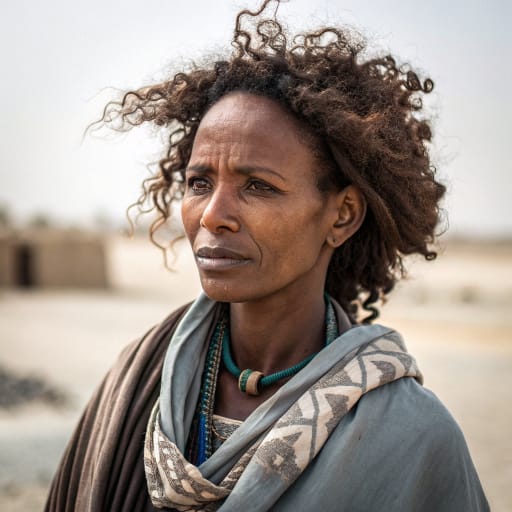
Help us get this right
Does this portrait look right for Ababda?
Nobody has judged this one yet. You would be the first.
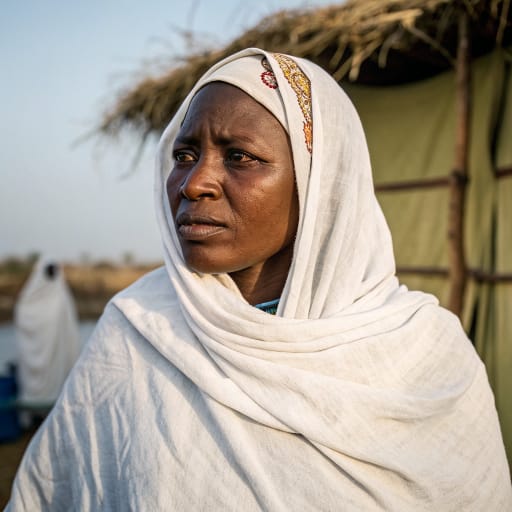
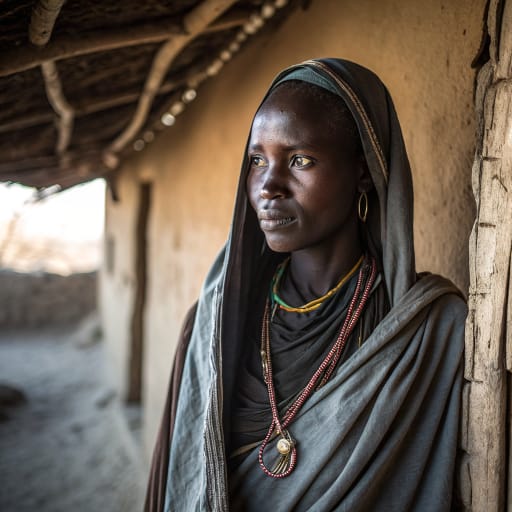
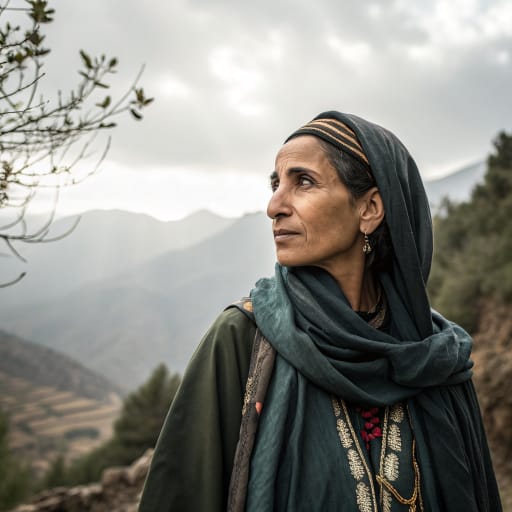
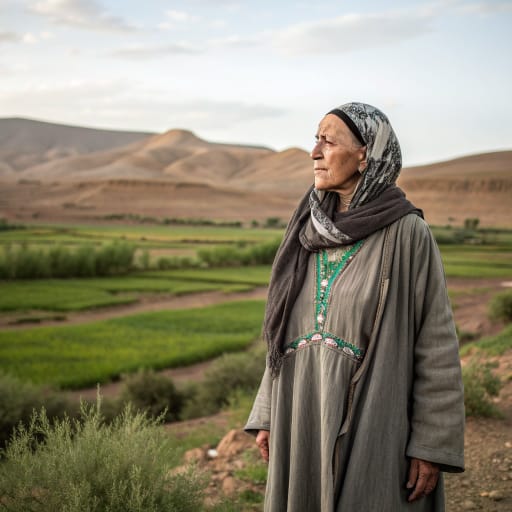
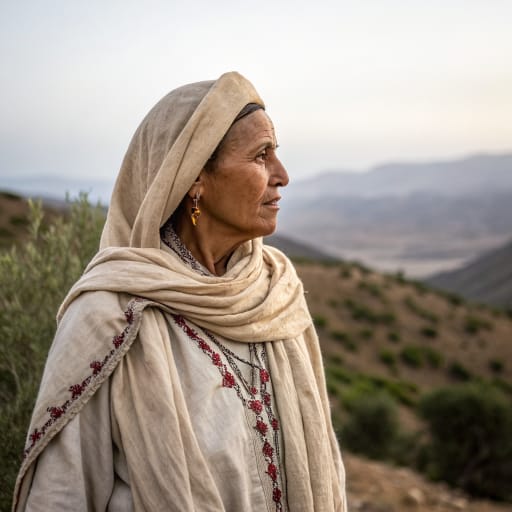
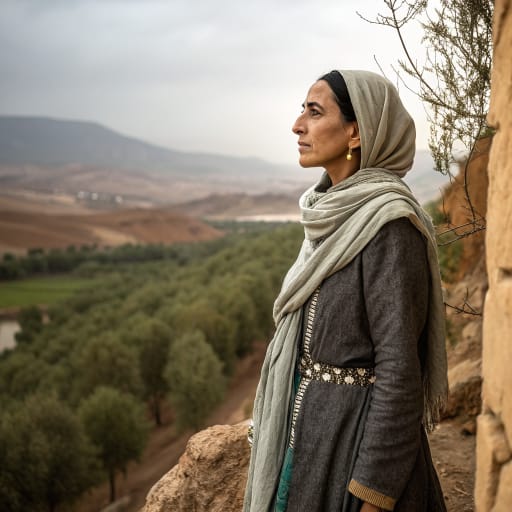
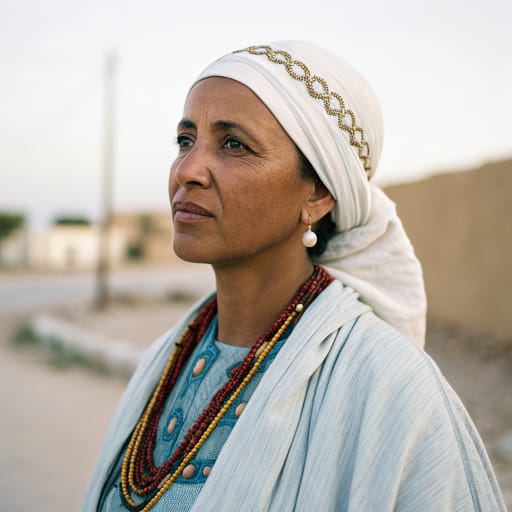
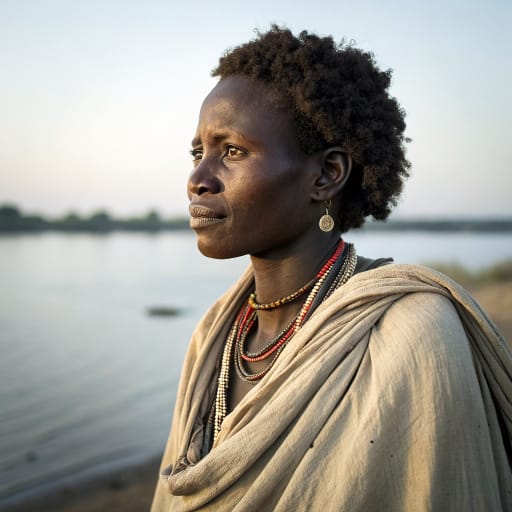
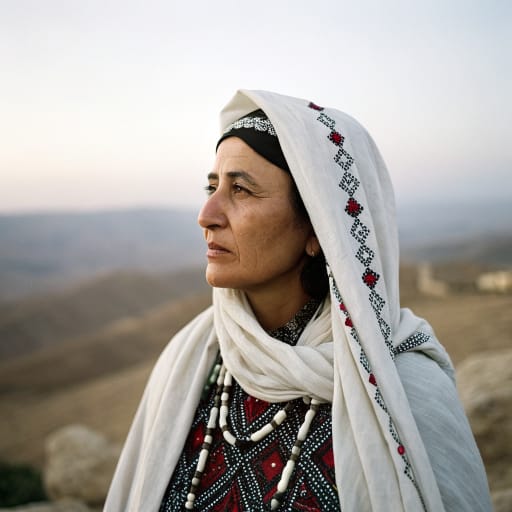
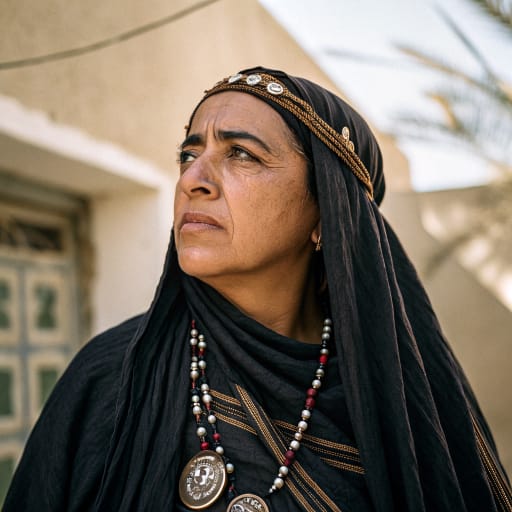
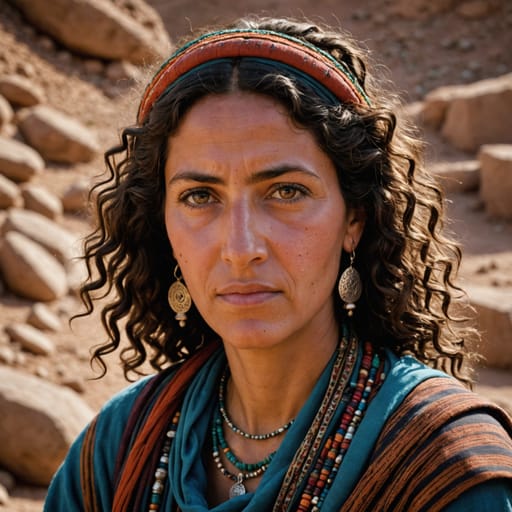
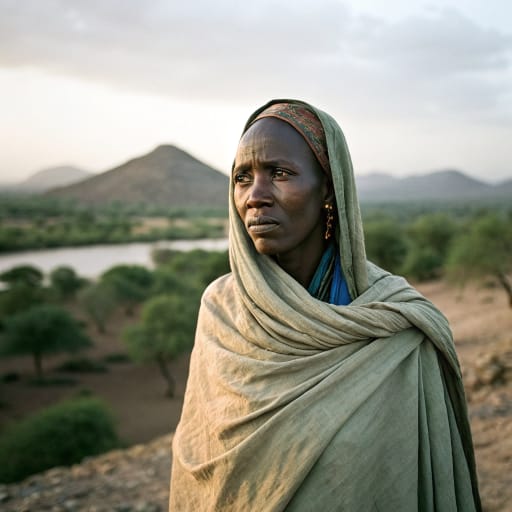
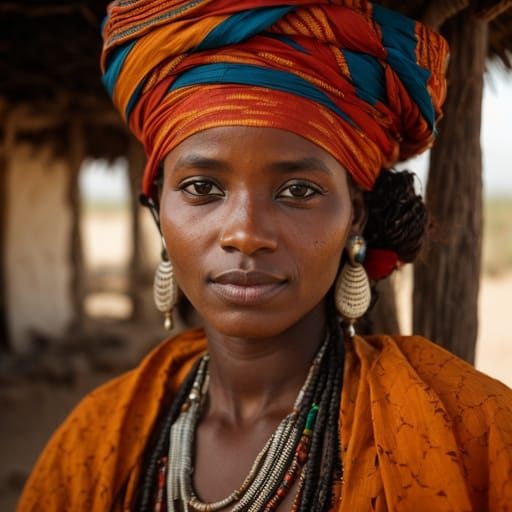
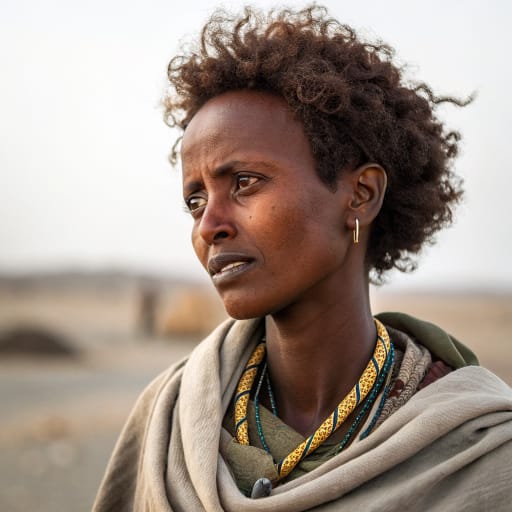
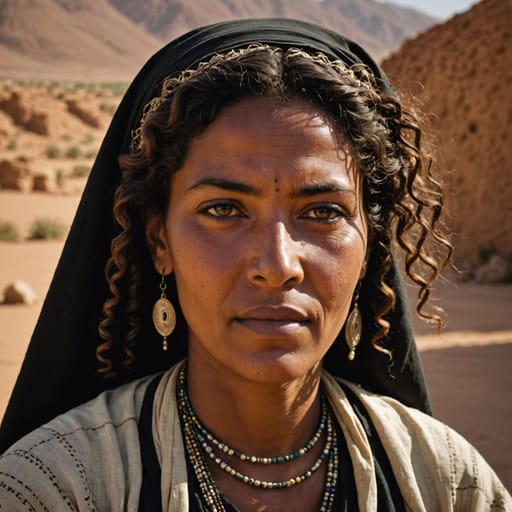
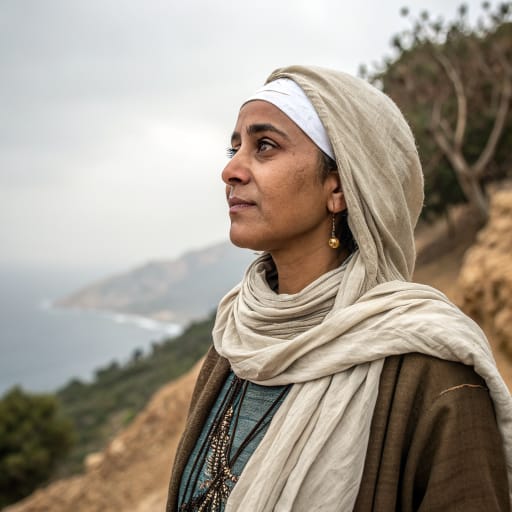
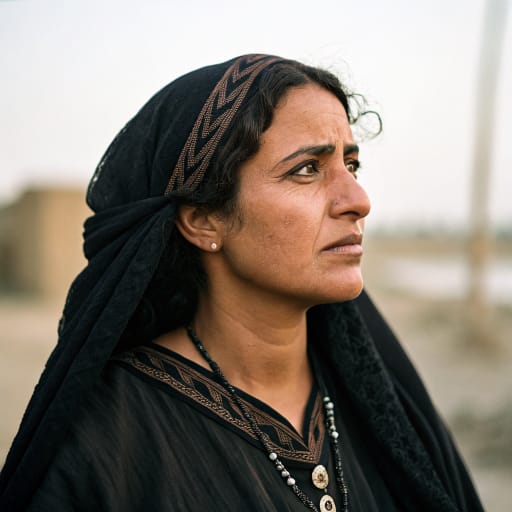
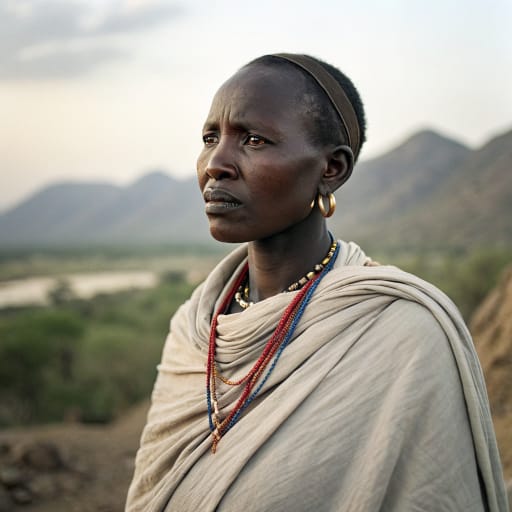
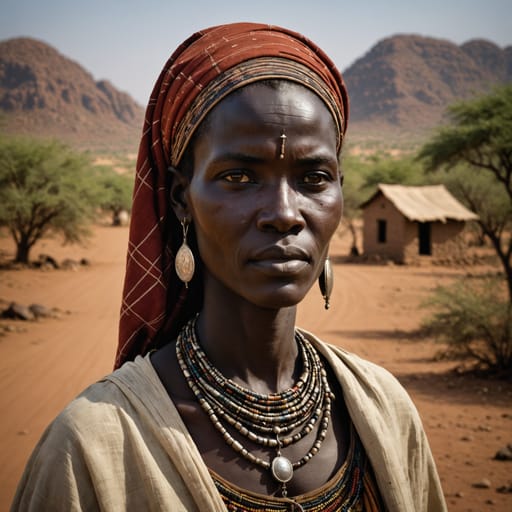
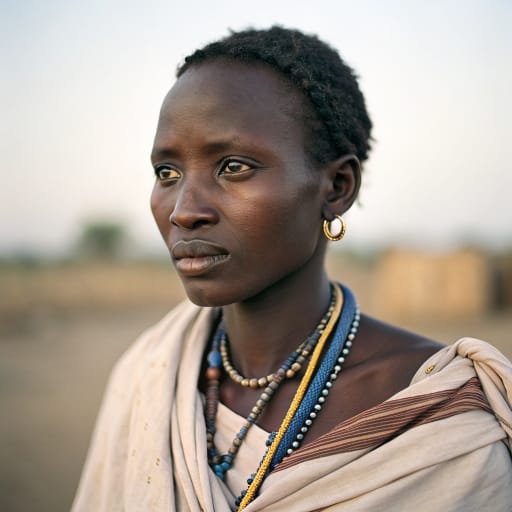
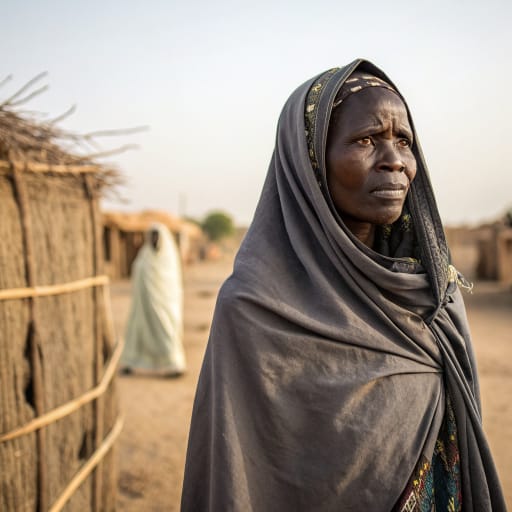
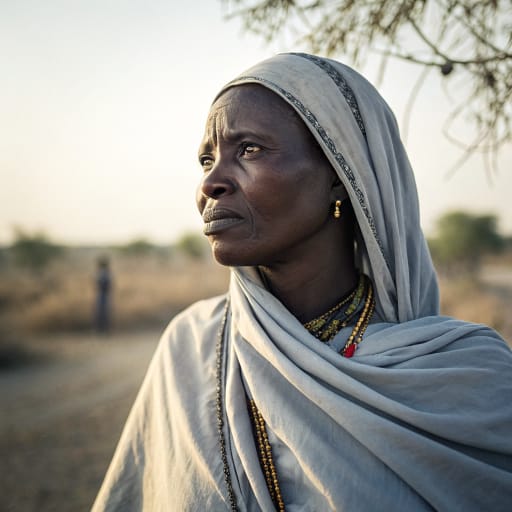
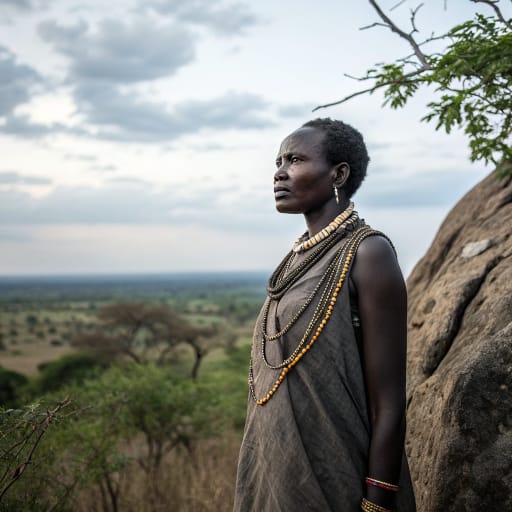
Gulud
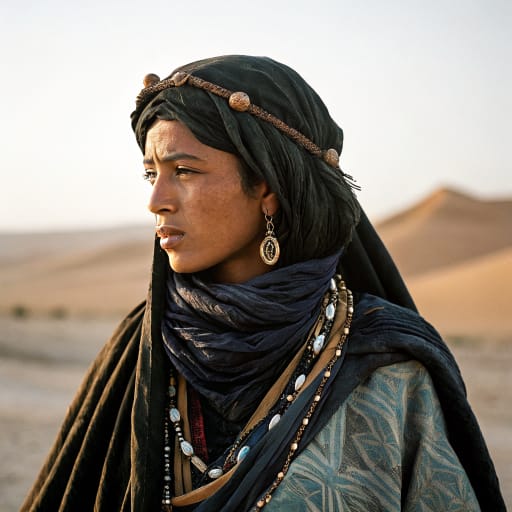
Hill settlements in the Nuba Mountains of South Kordofan, Sudan, alongside the Katla community.
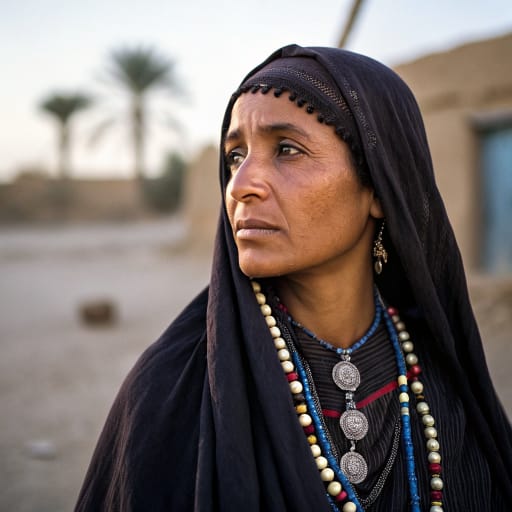
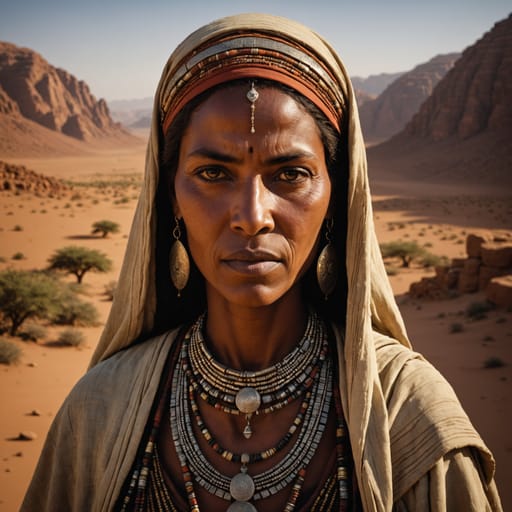
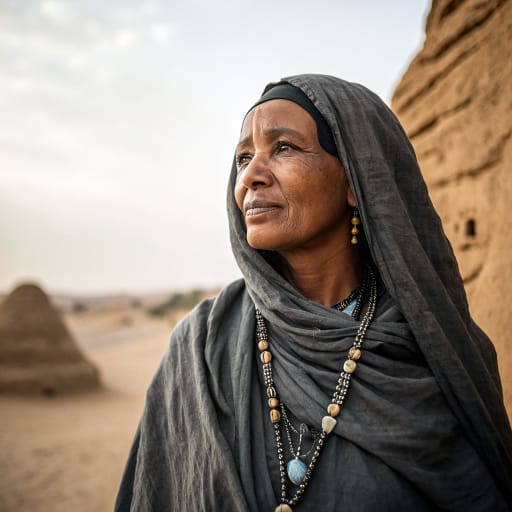
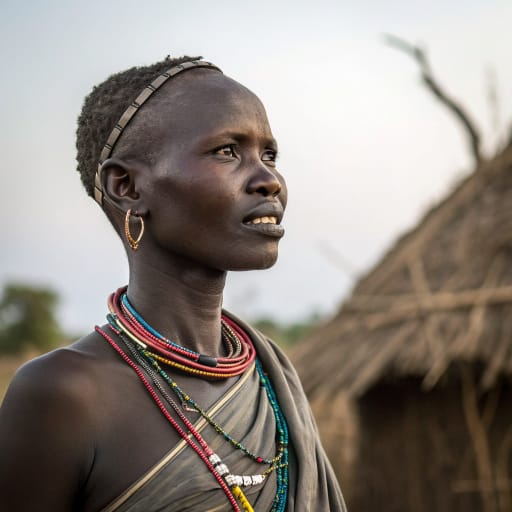
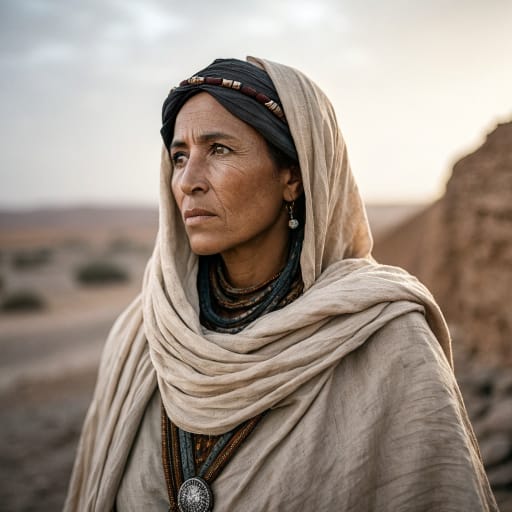
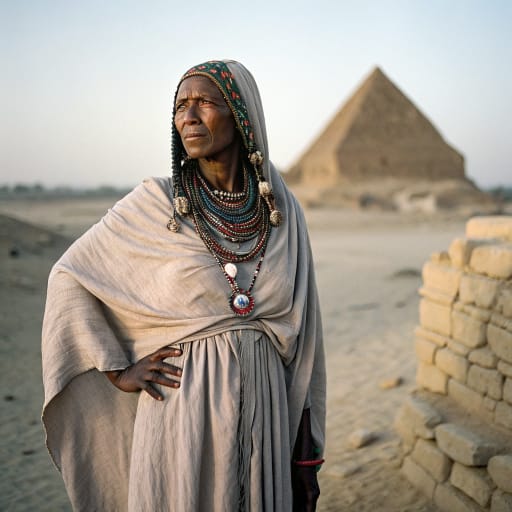
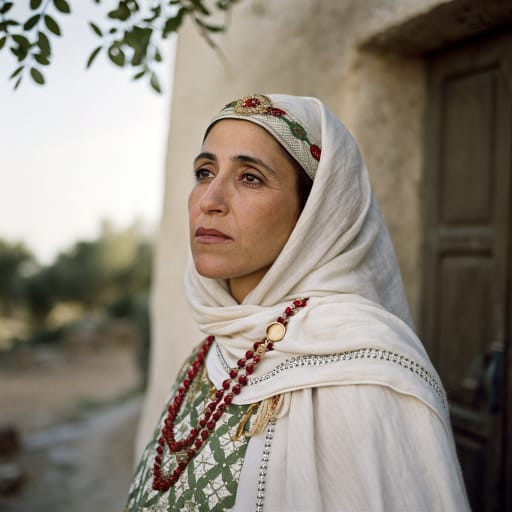
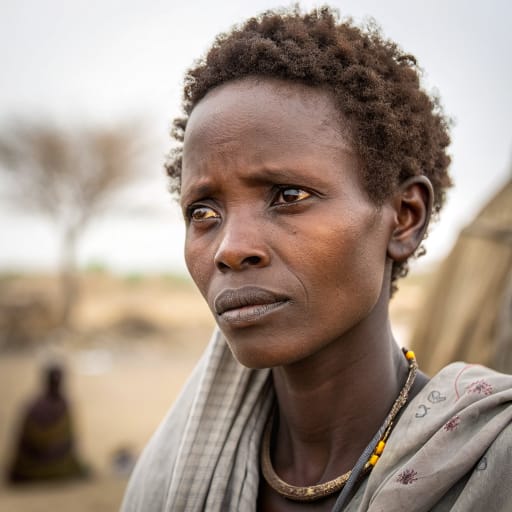
Naphtuhim
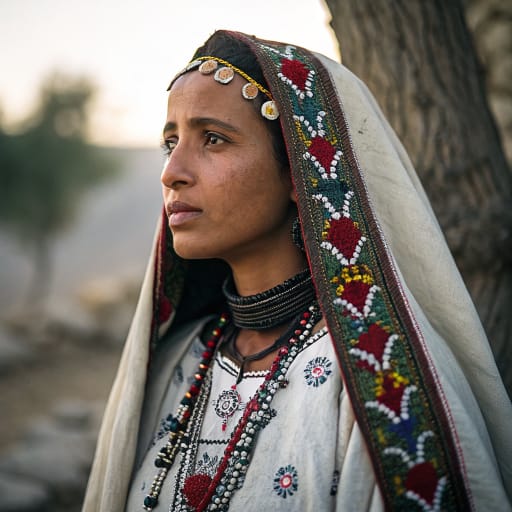
Probably the Nile Delta of Lower Egypt, in present-day Egypt; this rests on the biblical Table of Nations and is not certain.
Nobatae
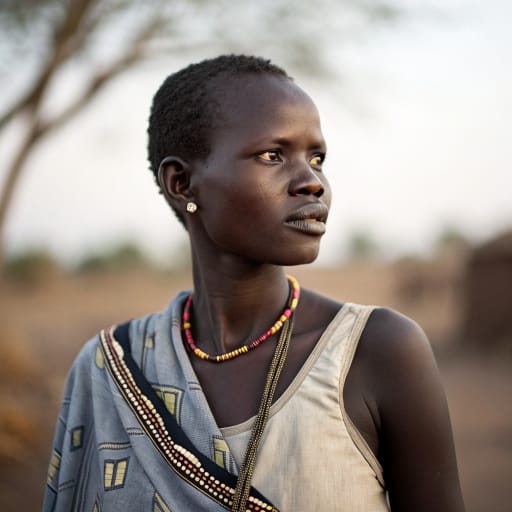
Lower Nubia, the Nile valley from the First Cataract at Aswan south toward the Third Cataract, in present-day southern Egypt and northern Sudan; much of it now lies under Lake Nasser.
Oulad Delim
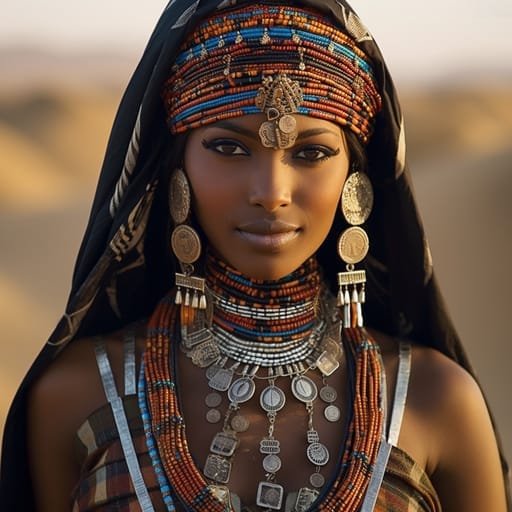
Southern Western Sahara (the former Río de Oro, around Dakhla) and northern Mauritania, with communities in southern Morocco and the Sahrawi refugee camps near Tindouf, Algeria.
Ouled Djerir
Southwestern Algeria, around Béchar and Kenadsa in the Saoura region, near the border with Morocco
Ouled Naïl
Algeria's high steppe and Saharan Atlas: the Ouled Naïl Mountains and the Djelfa plateau, extending toward Bou Saâda, M'Sila, Laghouat and Biskra.
Pieds-Noirs
Coastal and northern Algeria under French rule, 1830 to 1962, concentrated in Algiers, Oran, Constantine and Annaba; since 1962 mainly southern France.
Qadhadhfa
The Sirte region on Libya's Gulf of Sidra coast, reaching south into the Fezzan around Sabha and the Jufra oases
Quinquegentiani
Mountains of Greater Kabylia around Mons Ferratus (the Djurdjura), in Roman Mauretania Caesariensis, present-day northern Algeria
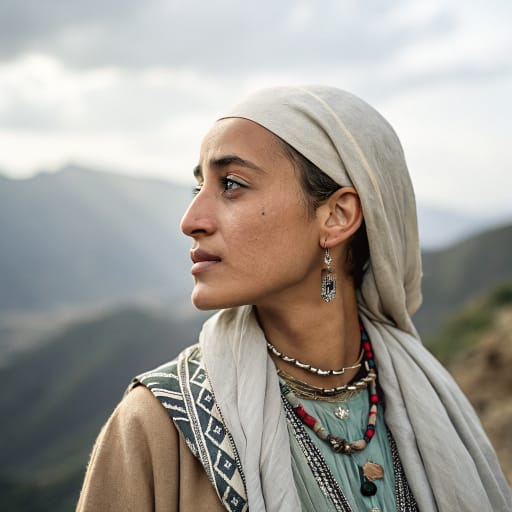
Roman Africans
Roman North Africa, in the provinces of Africa Proconsularis, Numidia, Tripolitania and the Mauretanias: modern Tunisia, northern Algeria, northwestern Libya and northern Morocco.
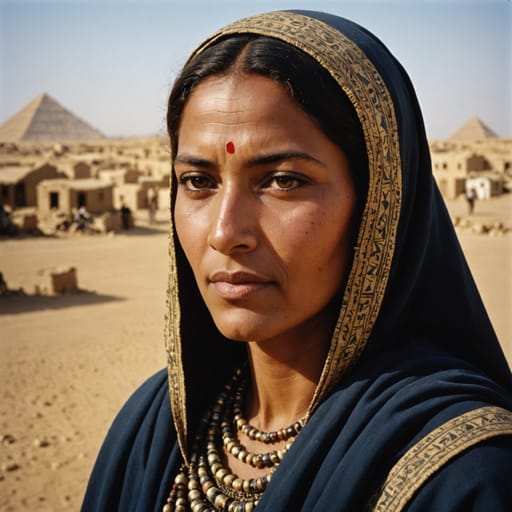
Shaigiya
Northern Sudan, along the Nile bend from around Korti past Merowe and Karima toward the Fourth Cataract, with large communities in Khartoum and Omdurman
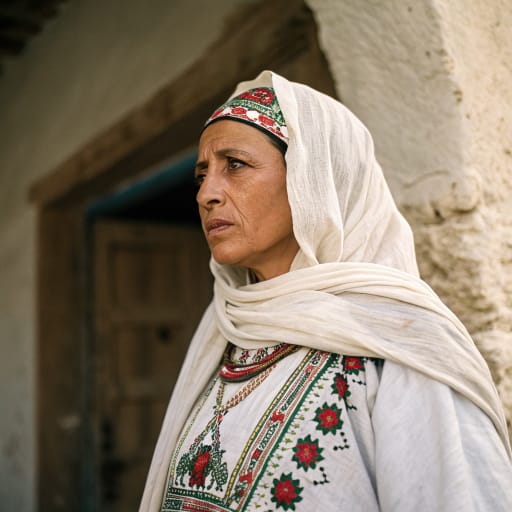
Shilha
Southwestern Morocco: the western High Atlas, the Anti-Atlas, and the Souss valley down to the Atlantic at Agadir, with large communities in Casablanca and in France and Belgium.
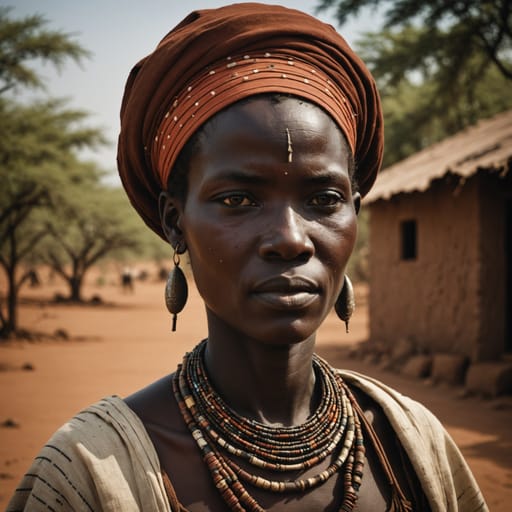
Tekna
Southern Morocco, especially the Oued Noun and lower Draa around Guelmim, Tan-Tan, Assa and Tarfaya, extending into northern Western Sahara.
Toshavim
The Maghreb, chiefly Morocco: Fez, Sijilmasa and the Jewish communities of the Atlas Mountains and southern oases.
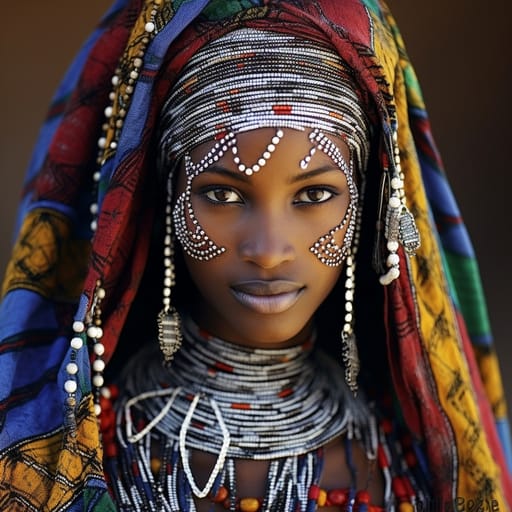
Uduk
Hill country around Chali in southern Blue Nile State, Sudan, near the Ethiopian border; since 1987 largely displaced to refugee camps in western Ethiopia and in Maban County, South Sudan.
Warfalla
Bani Walid and the surrounding wadi country southeast of Tripoli, Libya, with large communities in Tripoli, Sirte, Sabha and Benghazi.
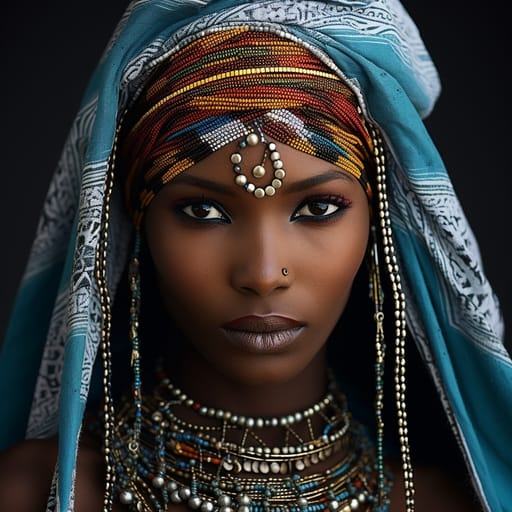
8 countries in Northern Africa
Aggregate phenotype profile per country · weighted by demographic composition
Northern Africa Body & Anatomy Reference
Berber / Mediterranean-Saharan phenotype: adult AI generation reference across Northern Africa
Northern Africa Women: Boobs & Breasts
Northern Africa women's tits and boobs run medium-to-large cup, full, moderate projection, the classic Berber / Mediterranean-Saharan bust profile across Northern Africa. Nipples and areolas show medium-brown to dark-brown areolar pigmentation against the olive-to-light-brown skin tone, with areolar diameter typically in the 30-44mm range and forward-set positioning rather than the the smaller East Asian bust profile. Northern Africa breasts trend fuller and softer than the Cushitic East African norm, a function of the mesomorph with fuller hip-and-bust deposition body habitus and mean adult female BMI 24-28. For anatomically-accurate AI-generated Northern Africa nude women the render preserves: medium-to-large cup, full, moderate projection shape, 30-44mm areolas with regional pigmentation, and the torso proportions of the Berber / Mediterranean-Saharan phenotype.
Northern Africa Women: Ass & Hips
Northern Africa women's ass and hip morphology presents as medium-to-full, moderate projection, broader hip profile, distinctly different from the slim narrow-hip Cushitic East African profile. Northern Africa pelvic profile shows medium-to-wide iliac crests, fuller gluteal-femoral fat distribution, anchored in the Berber / Mediterranean-Saharan skeletal pattern. Northern Africa butt shots in adult AI imagery should render the medium-to-full, moderate projection, broader hip profile silhouette with the mesomorph with fuller hip-and-bust deposition build and the gluteal-femoral fat distribution typical of the Berber / Mediterranean-Saharan phenotype rather than defaulting to a globally-averaged shape that generic AI generators produce.
Northern Africa Women: Vagina & Pussy
Northern Africa women's pussy and vulvar anatomy presents medium-brown to dark-brown labial pigmentation, fuller labia minora, consistent with the Berber / Mediterranean-Saharan phenotype's pigmentation pattern. Northern Africa pubic hair is typically wavy-to-coiled medium-coarse texture, dense distribution, distributed in the inverted-triangle pattern with regional-typical density. AI-generated Northern Africa nude imagery should preserve the medium-brown to dark-brown labial pigmentation and the wavy-to-coiled medium-coarse texture hair texture rather than defaulting to a Western-European pink-and-sparse template. For anatomically-accurate Northern Africa pussy renders the labial pigmentation should match the surrounding olive to medium-brown skin tone of the Berber / Mediterranean-Saharan phenotype.
Northern Africa Men: Dicks & Penis
Northern Africa men's dick and penile anatomy in adult AI generation should anchor on the regional reference data: regional mean ~13-14cm erect, moderate girth, and medium-brown shaft pigmentation. Northern Africa cock profile reflects the Berber / Mediterranean-Saharan ancestral population's anthropometric measurements rather than a globally-averaged Western-pornography default. For anatomically-accurate Northern Africa nude male imagery the shaft pigmentation should track the surrounding olive to medium-brown skin tone, with continuous glans-to-shaft pigmentation transition and the wavy-to-coiled medium-coarse texture pubic-hair texture distributed in the typical inverted-V escutcheon.
Northern Africa: Body, Curves & Build
Northern Africa body type and overall build presents as mesomorph with fuller hip-and-bust deposition, with mean adult female BMI 24-28: the characteristic Berber / Mediterranean-Saharan habitus. Northern Africa curves and proportions in adult AI imagery should preserve the regional skeletal frame (height, shoulder-to-hip ratio, limb proportions) rather than scaling to a Western-European mesomorph default. The Northern Africa nude female form, when rendered with anatomical fidelity, shows the height range, frame width, and adipose distribution pattern typical of the Berber / Mediterranean-Saharan phenotype. Generic AI image generators tend to collapse regional body types into a few default shapes; the Ethnic Erotic phenotype-anchored approach preserves the Northern Africa build as its own reference category.
Northern Africa: Skin Tone & Hair Texture
Northern Africa skin tone falls in the olive to medium-brown (Fitzpatrick III-V) band, the surface signal most often miscalibrated by generic AI nude generators trained on Western-photographic datasets. Northern Africa hair texture is typically wavy-to-curly 2B-3C, often dark-brown to black, characteristic of the Berber / Mediterranean-Saharan phenotype. For anatomically-accurate Northern Africa nude renders the skin should hold the Fitzpatrick band consistently across body surface rather than showing the lighter-than-face body shading that AI generators default to.
Northern Africa: The Historical Erotic Record
Named positions and museum-attested works from this region’s manuals, art & literature
The Perfumed Garden of Sensual Delight
Arab–Berber (Maghreb) · 15th century CE
- Belly to belly(known today as Belly to Belly)
- Driving the peg home(known today as Driving the Peg Home)
- The second manner(known today as Legs on shoulders)
- El asemeud (the Stopperage)(known today as Mating press)
- Pounding on the spot(known today as Pounding on the Spot)
- El modefeda (Frog Fashion)(known today as Spider (crab))
- Stopperage(known today as Stopperage)
- Driving the Peg Home(known today as Suspended congress (standing carry))
- The fitter-in(known today as The Fitter-In)
- The frog position(known today as The Frog)
- The tail of the ostrich(known today as The Ostrich's Tail)
- The rainbow arch(known today as The Rainbow Arch)
- The ram's thrust(known today as The Ram's Thrust)
- The seducer(known today as The Seducer)
Turin Erotic Papyrus
Egyptian (New Kingdom) · c. 1150 BCE
- Bent-over vignettes(known today as Standing rear entry (bent over))