Help us get this right
Does this portrait look right for Jebala?
Nobody has judged this one yet. You would be the first.
Jebala Erotic
The western Rif and its foothills in northwestern Morocco, chiefly Chefchaouen, Ouazzane, Tetouan, Larache and Taounate provinces and the hinterland of Tangier.
Jebli Arabic (Afroasiatic, Semitic), a pre-Hilalian Moroccan dialect with a heavy Berber substrate; Standard Arabic in schooling, with Spanish and French widely understood.
Sunni Islam of the Maliki school, with strong Sufi orders and saint veneration.
Arabized northwestern Moroccan highlanders, organized in tribal groupings such as Beni Aros, Ghzawa, Beni Zeroual, Beni Ahmed, Anjra and Beni Hassan; culturally adjacent to the Berber-speaking Ghomara and distinct from the Tarifit-speaking Rifians to the
About Jebala People
The name is plain description. Jbala means highlanders, and it is what Moroccans call the Arabic-speaking mountain people of the country's northwest corner, the western Rif: wet green hills running from the hinterland of Tangier east toward the Ghomara coast and south to the Ouergha valley. This is among the rainiest ground in North Africa, and the building answers the weather. Villages of lime-washed houses carry pitched tile roofs, a thing you will hardly see elsewhere in Morocco, above terraces of olive, fig and grain worked on slopes too steep for a tractor. The language marks them off just as sharply. Jebli Arabic belongs to the old pre-Hilalian stratum, descended from the first Arabization of the eighth to tenth centuries rather than from the Bedouin migrations that reshaped the plains, and it carries a thick Berber substrate in its vocabulary and a cadence other Moroccans can identify in a sentence. The Jbala are, for the most part, Berbers who changed language. Their Ghomara neighbors on the coast did not, and a few villages there still speak it.
Religion is Sunni and Maliki, but the map that matters locally is one of shrines and lodges. Moulay Abdeslam ben Mchich lies on Jbel Alam in the Beni Arous hills; he taught al-Shadhili, whose Sufi order later reached most of the Muslim world, and pilgrims still climb to his moussem. Ouazzane grew up around the Wazzaniyya lodge, whose sharifs carried enough weight to mediate between tribes and sultans. Two outside pressures shaped the rest. Andalusi refugees arriving after the fall of Granada rebuilt Tetouan and filled Chefchaouen, founded in 1471, bringing urban trades, courtyard houses and a musical repertoire the towns still perform. Then came the Spanish protectorate of 1912 to 1956, resisted in these hills by Ahmed al-Raisuni, sharif, kidnapper of foreigners and eventual pasha, whose long quarrel with Madrid made the Jbala briefly famous abroad for the wrong reasons. What persists day to day is quieter: the weekly souk as the spine of social life, taqtoqa jabaliya sung over the reedy lira flute and bendir drums, and market women in red and white striped wool under wide straw hats. Younger Jbala are as likely to be in Tangier, Casablanca or Spain, sending money back to villages emptied of working-age men, while the Chefchaouen hills carry a cannabis economy Morocco has only recently begun to regulate rather than simply police.
Related ethnic groups
Groups that share Jebala's homeland, region, language, or religious tradition. These are likely candidates for comparative phenotype reference.
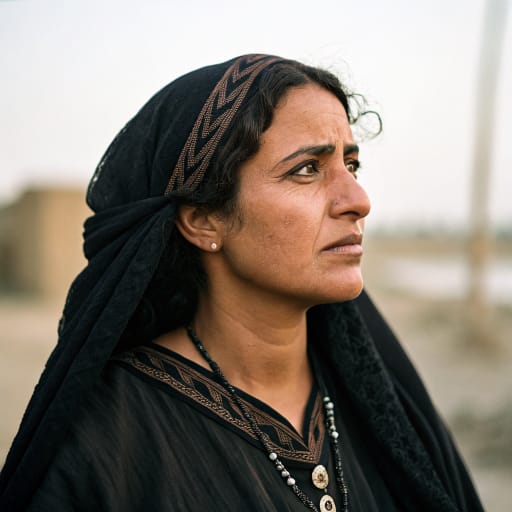
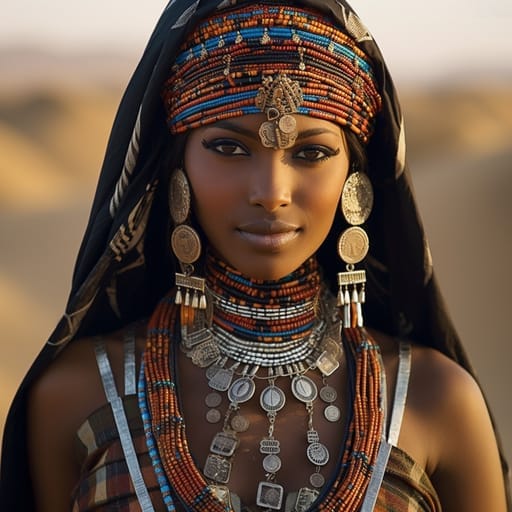
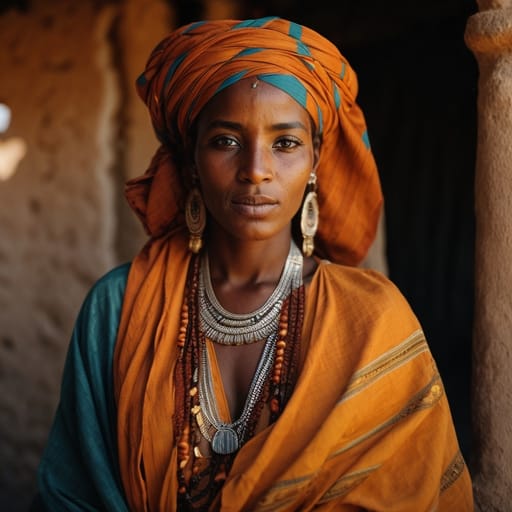
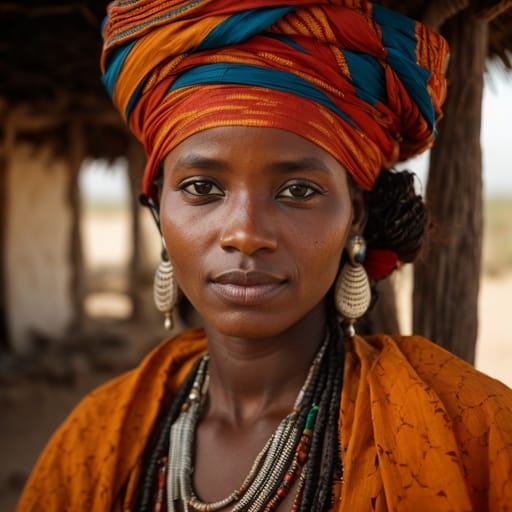
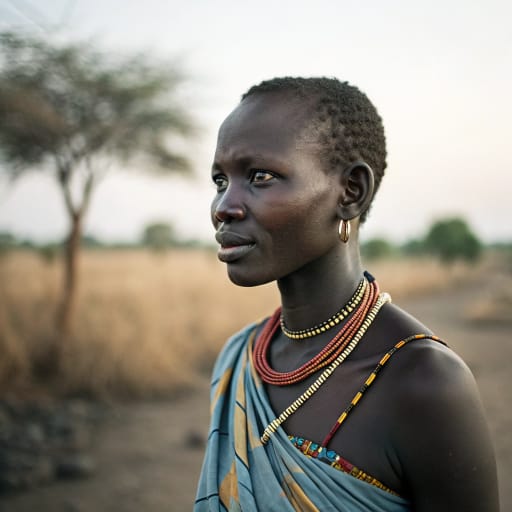
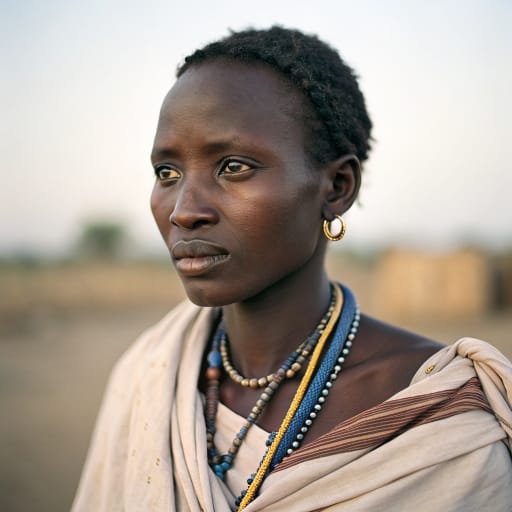
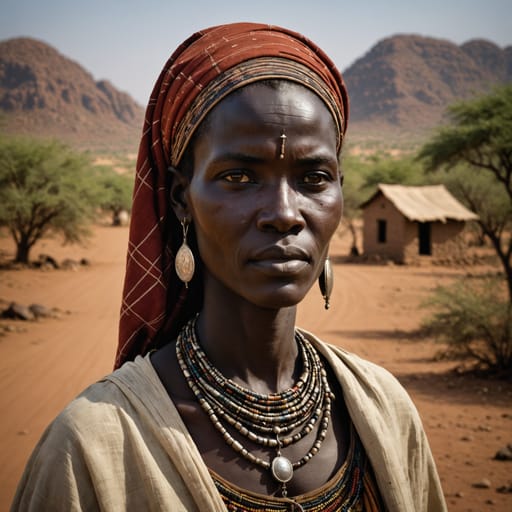
Typical Jebala Phenotypes
Reference for AI generation: hair, eyes, skin, facial structure, build
Explore phenotype categories
Structured taxonomy with peer-reviewed scales · 22 anatomical categories
Erotic Poses & Sex Positions
From the pose catalog: 219 named positions with reference skeletons
Frequently asked questions about Jebala people
Where is the Jebala homeland?
The Jebala homeland is The western Rif and its foothills in northwestern Morocco, chiefly Chefchaouen, Ouazzane, Tetouan, Larache and Taounate provinces and the hinterland of Tangier. in Northern Africa.
What language do Jebala people speak?
Jebala people primarily speak Jebli Arabic (Afroasiatic, Semitic), a pre-Hilalian Moroccan dialect with a heavy Berber substrate; Standard Arabic in schooling, with Spanish and French widely understood..
What religion do Jebala people practice?
The predominant religion among Jebala people is Sunni Islam of the Maliki school, with strong Sufi orders and saint veneration..






Make your own Jebala images
Five a day, free, no credits to buy. The studio starts from this group's phenotype data, so you can set body type, pose and style and keep the traits accurate.
Start with Jebala