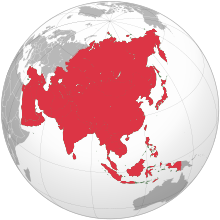
Southern Asia
396 ethnic groups
Browse the 396 ethnic groups native to Southern Asia. Each profile documents facial features, skin tone, hair texture and body type. Explore the people below, or read the full Southern Asia phenotype and anatomy reference further down.
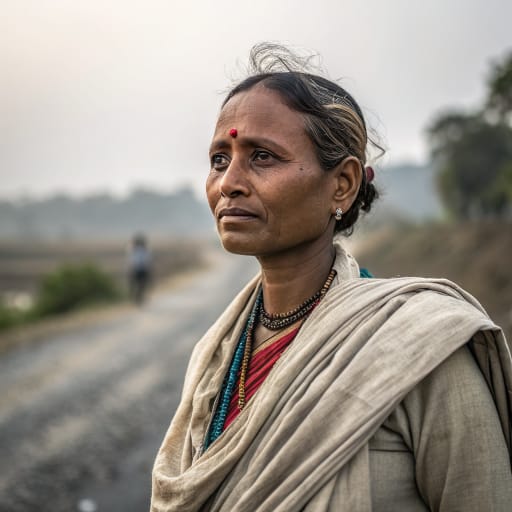
Help us get this right
Does this portrait look right for Abdal?
Nobody has judged this one yet. You would be the first.
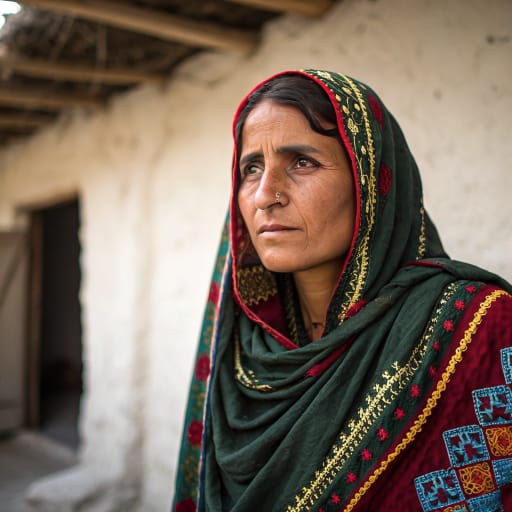
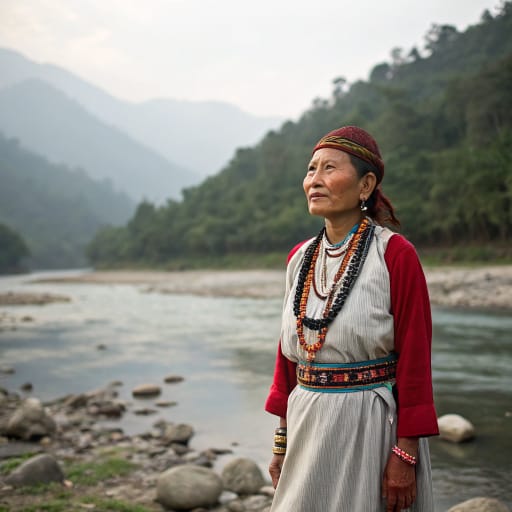
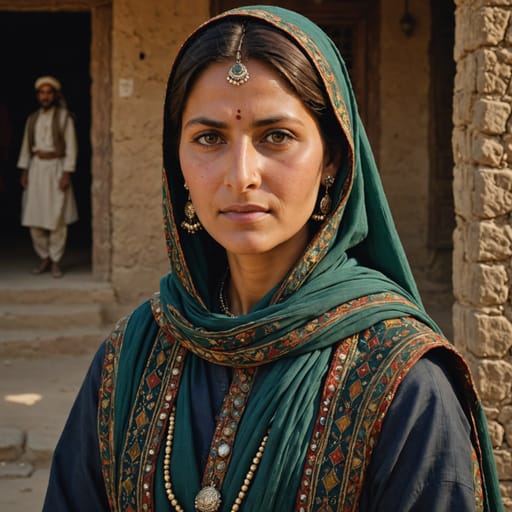
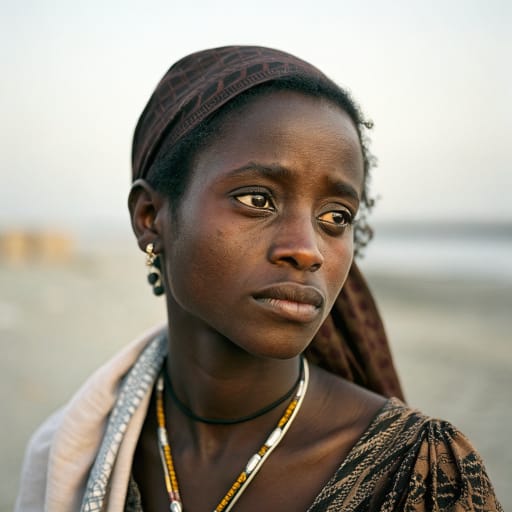
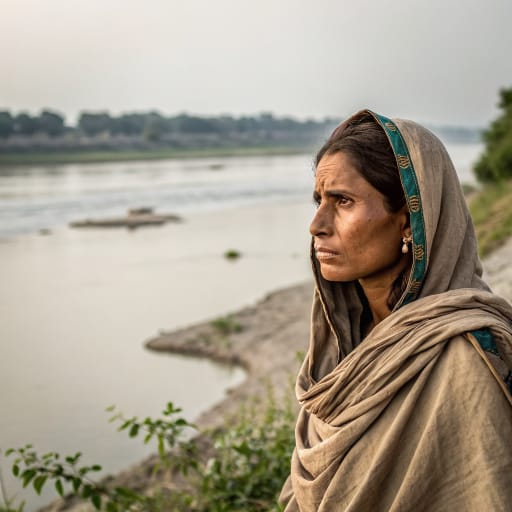
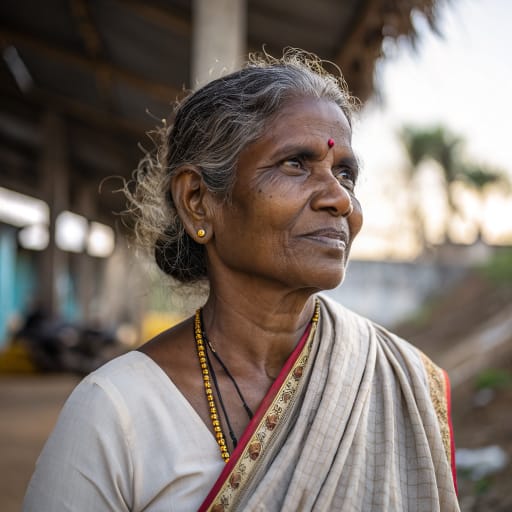
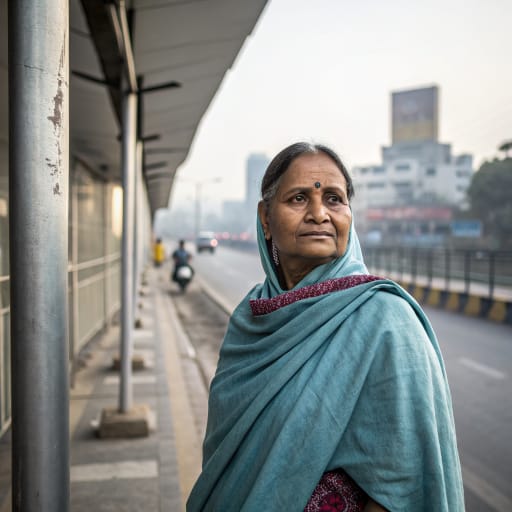
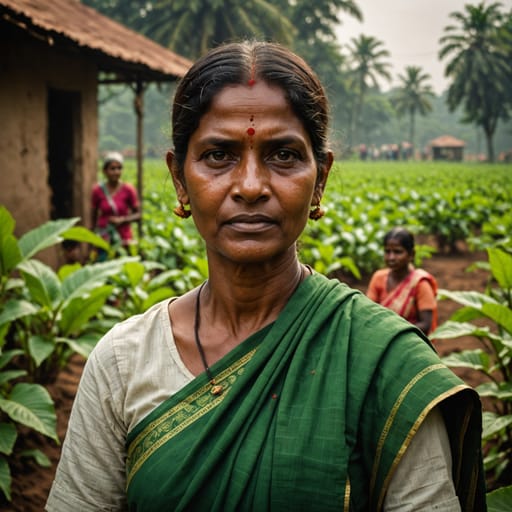
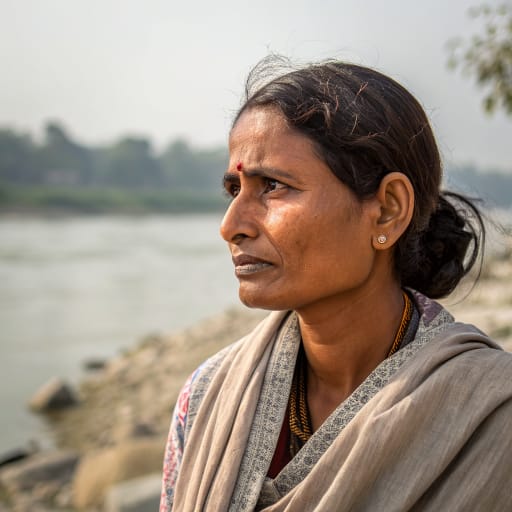
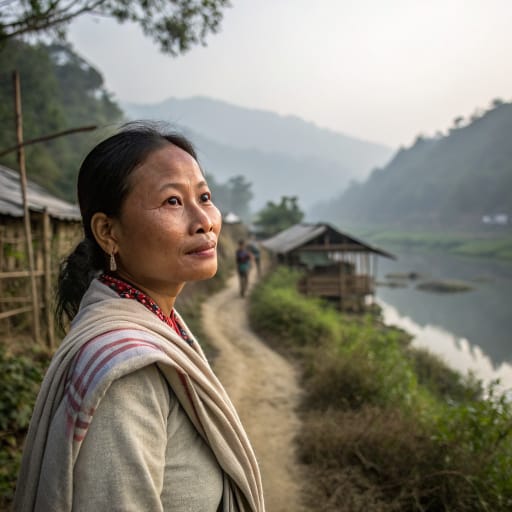
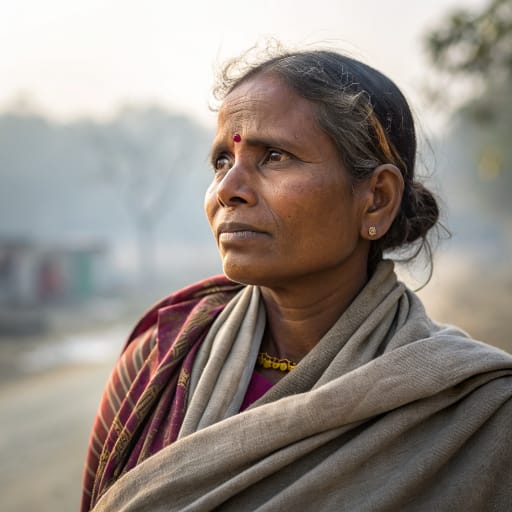
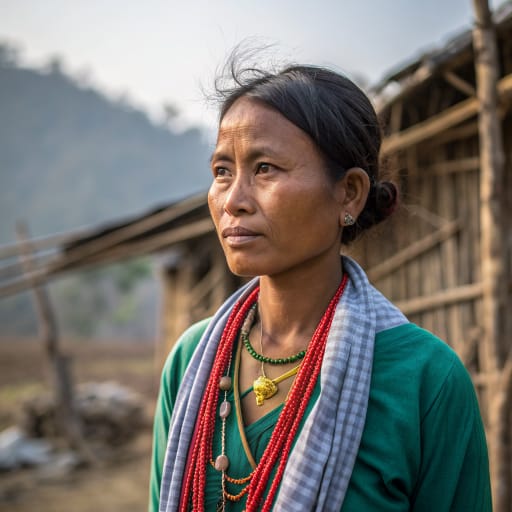
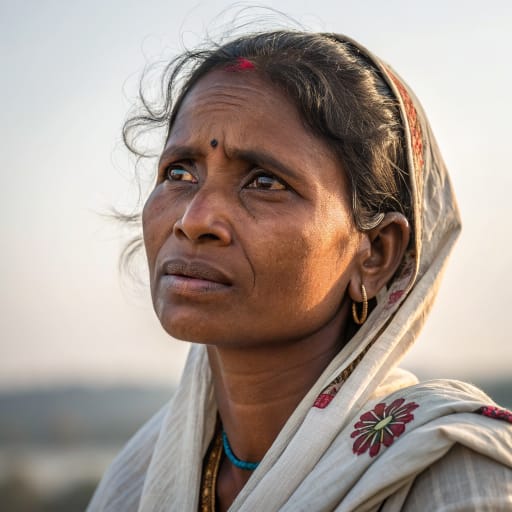
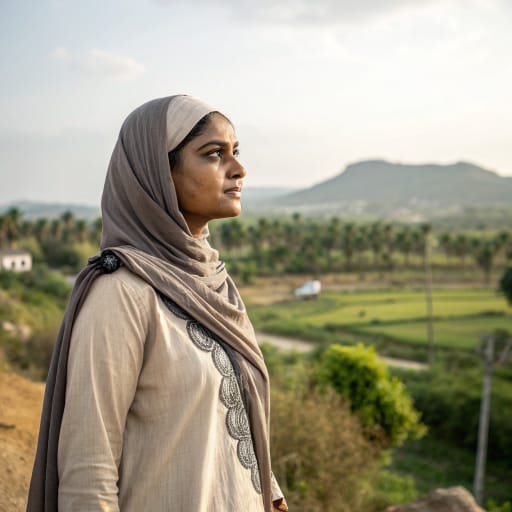
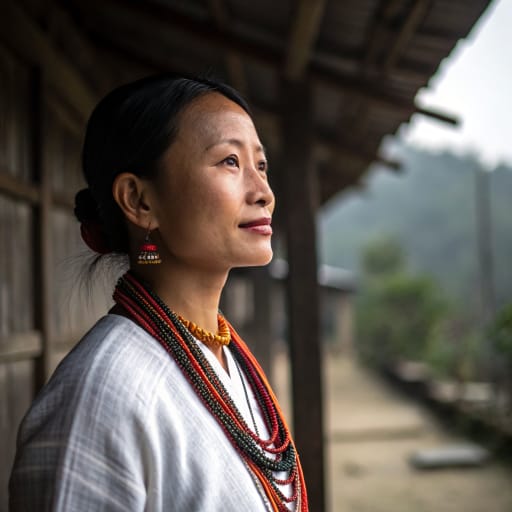
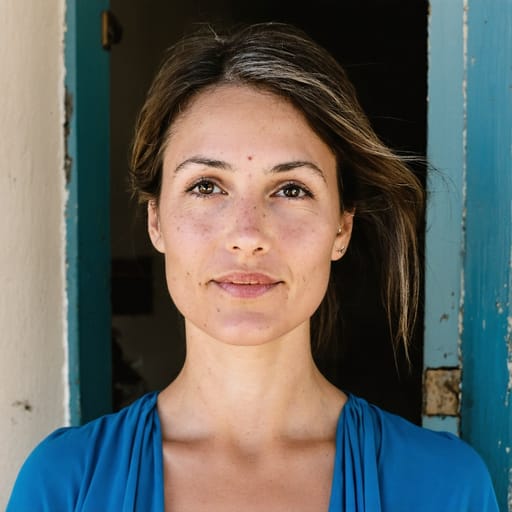
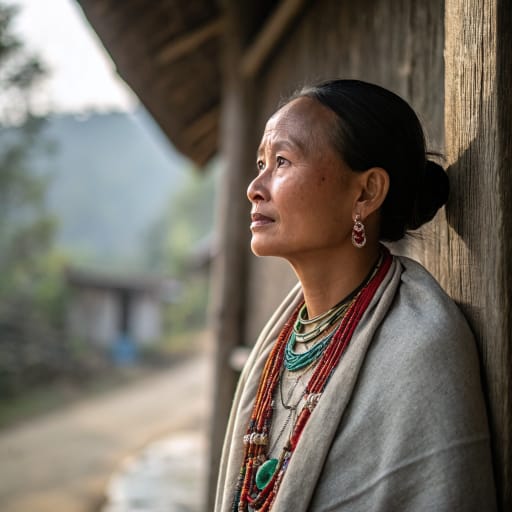
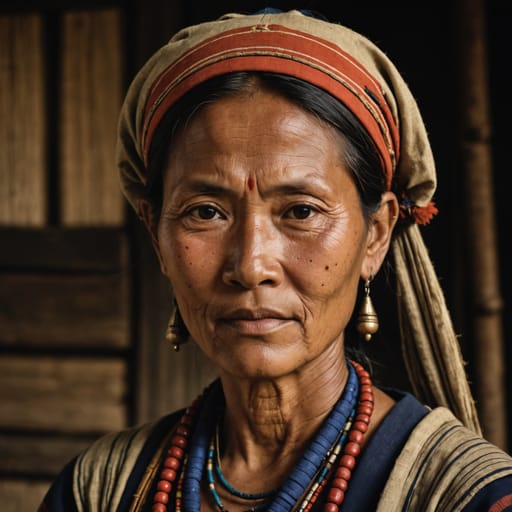
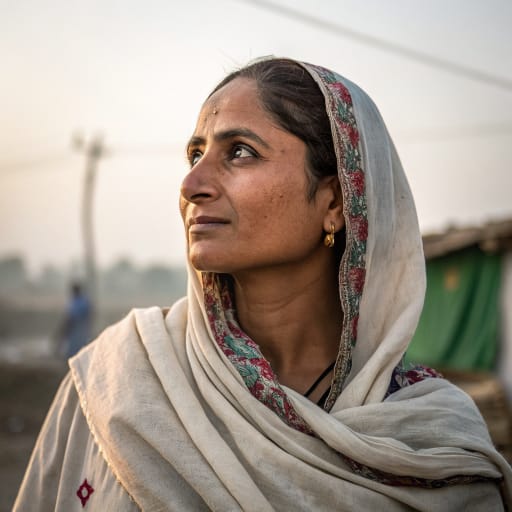
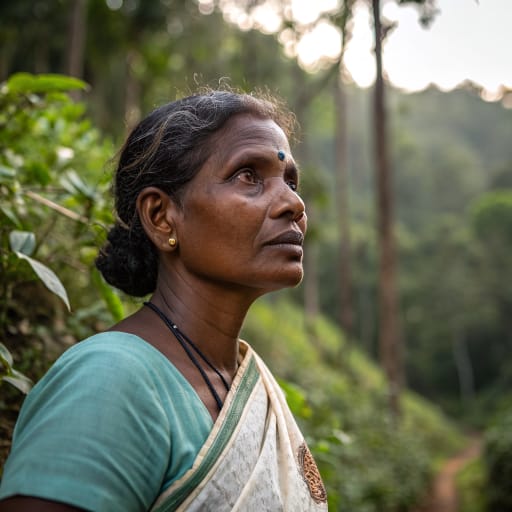
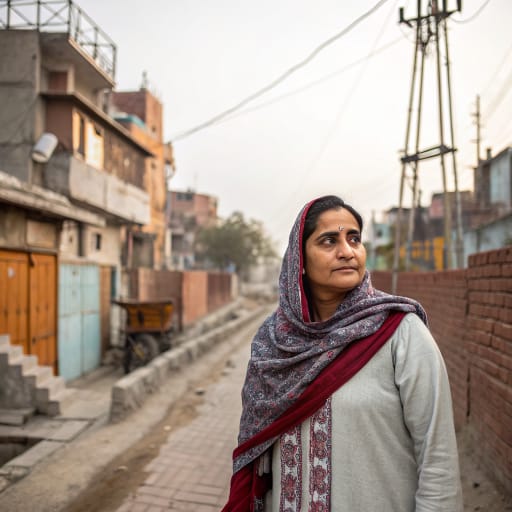
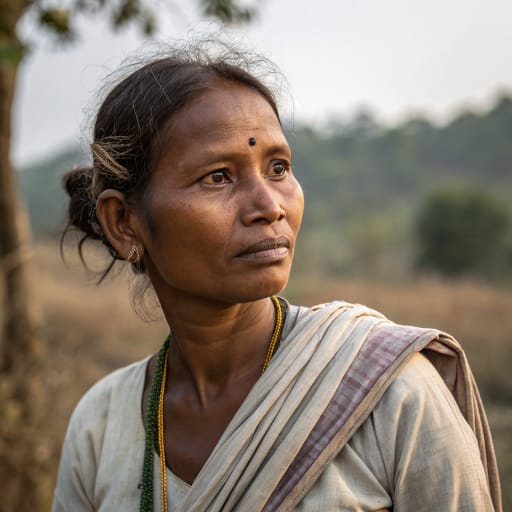
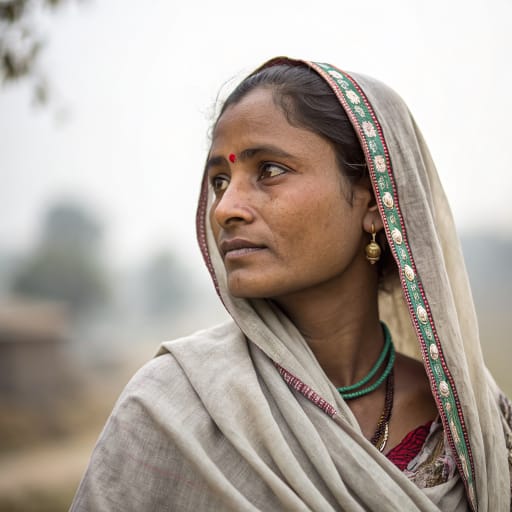
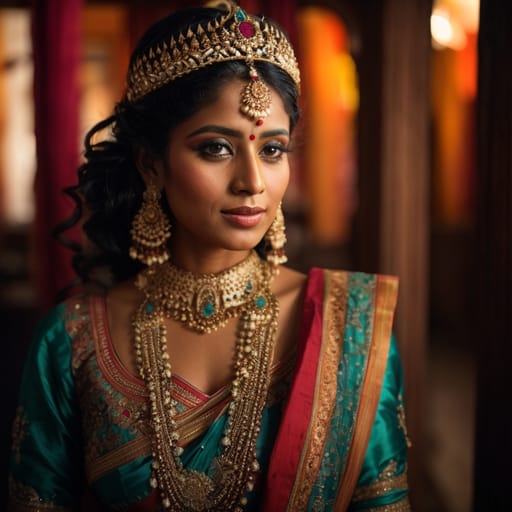
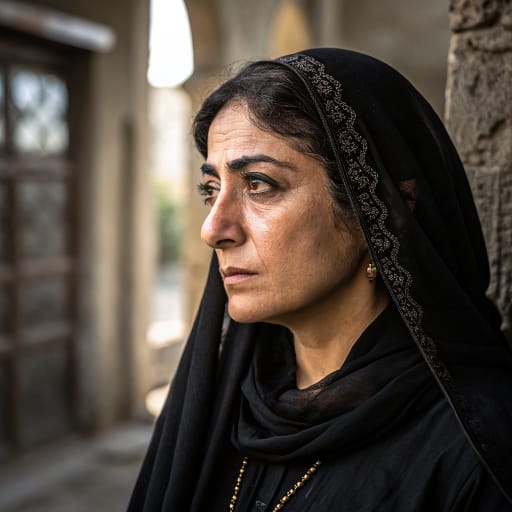
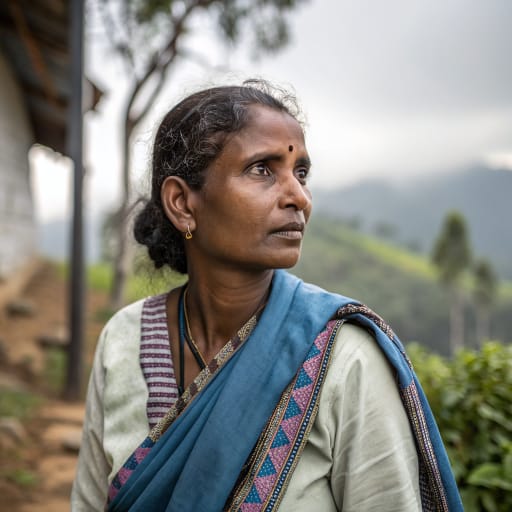
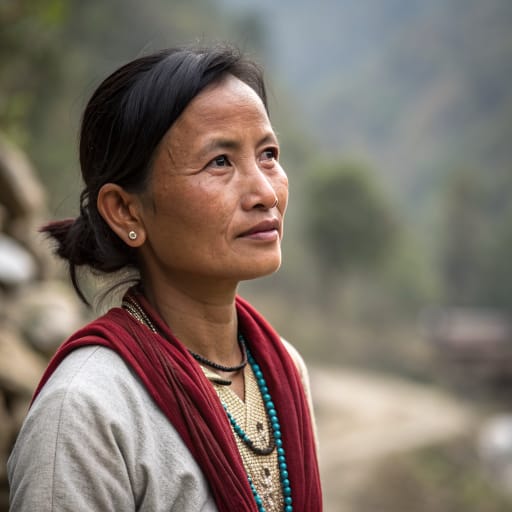
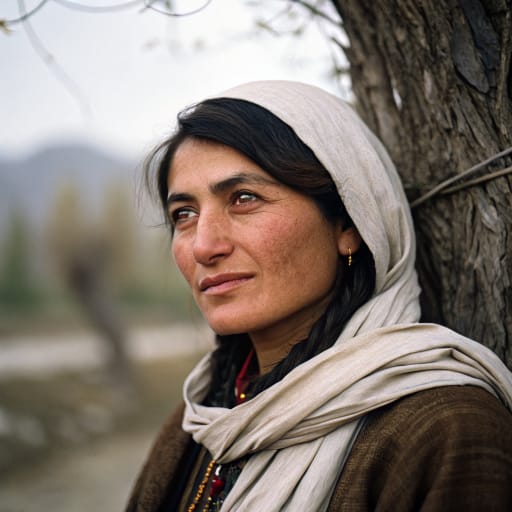
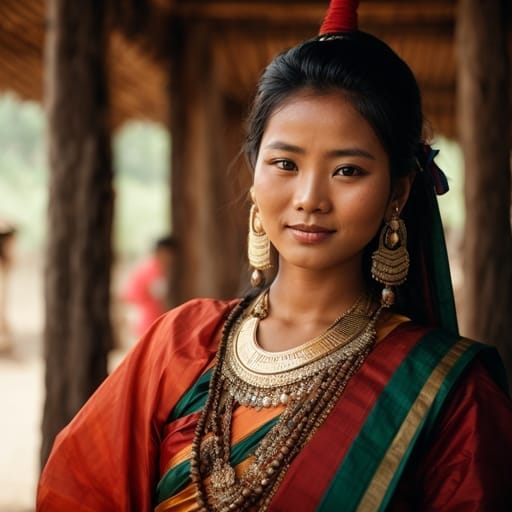
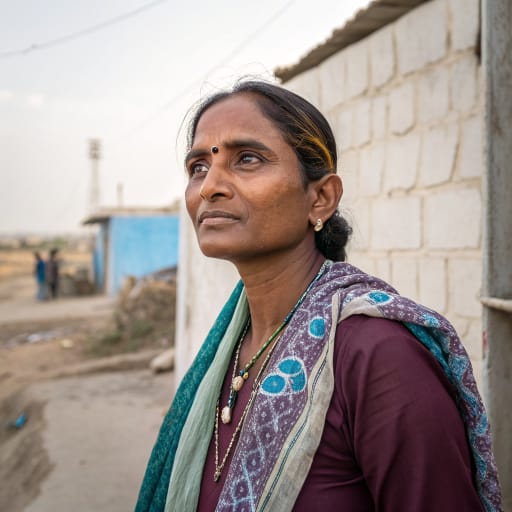
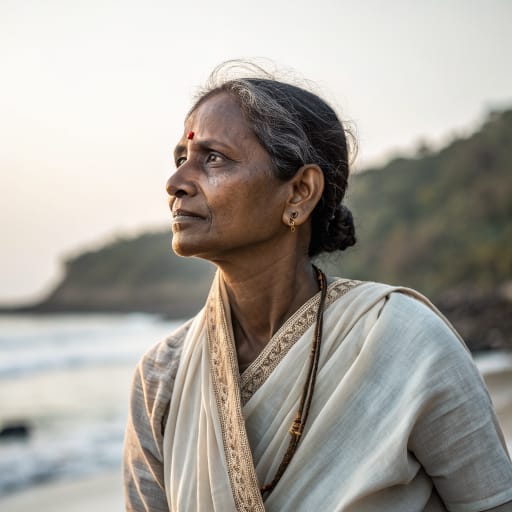
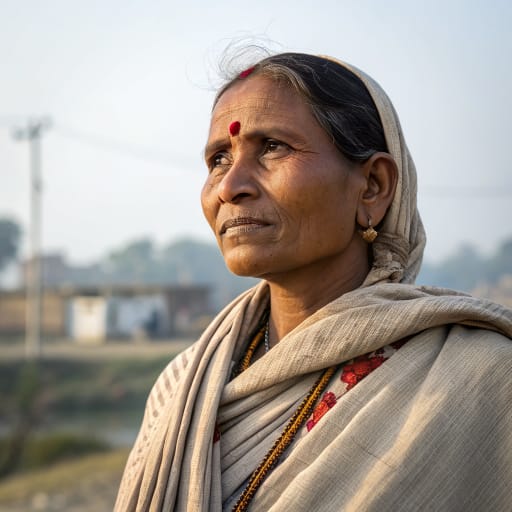
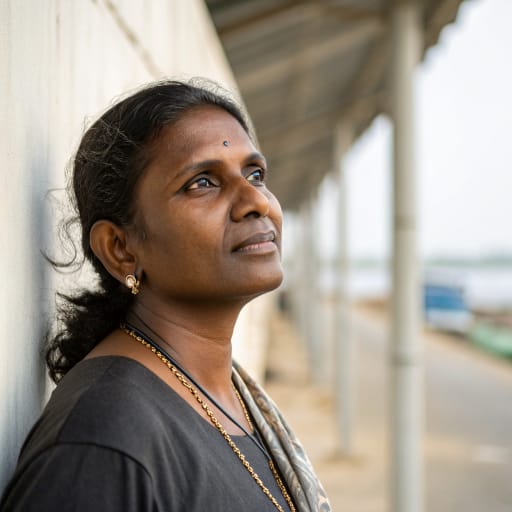
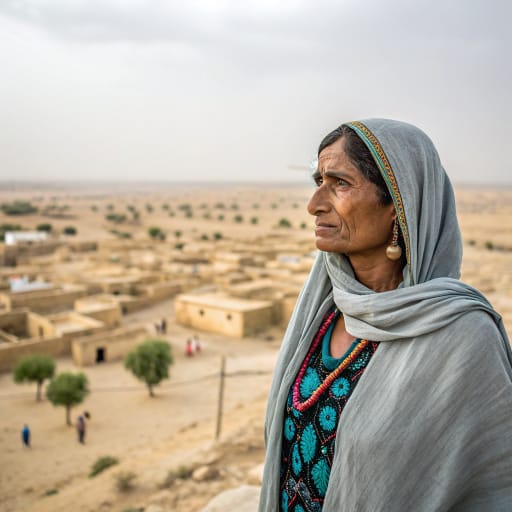
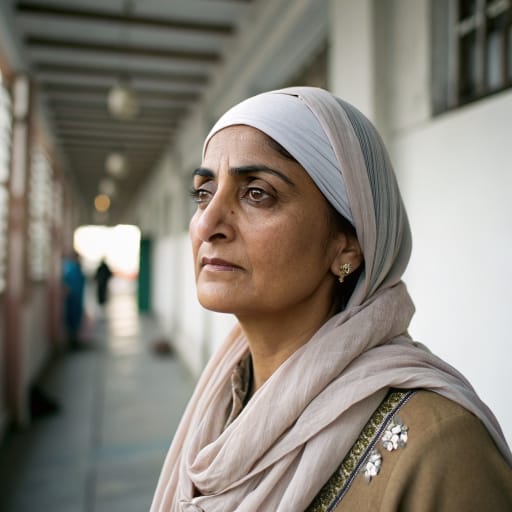
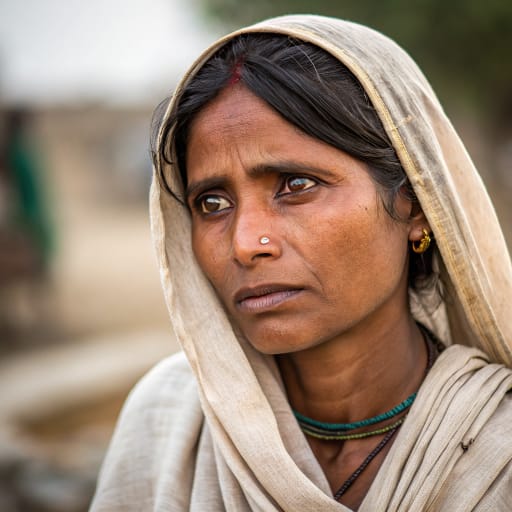
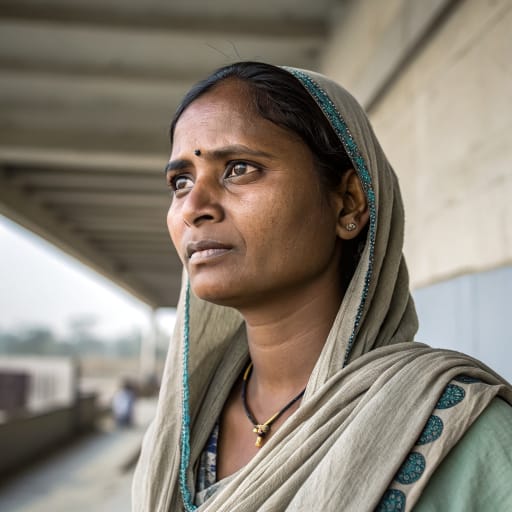
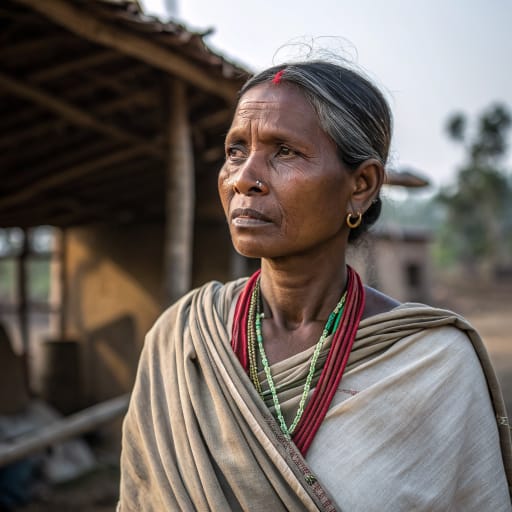
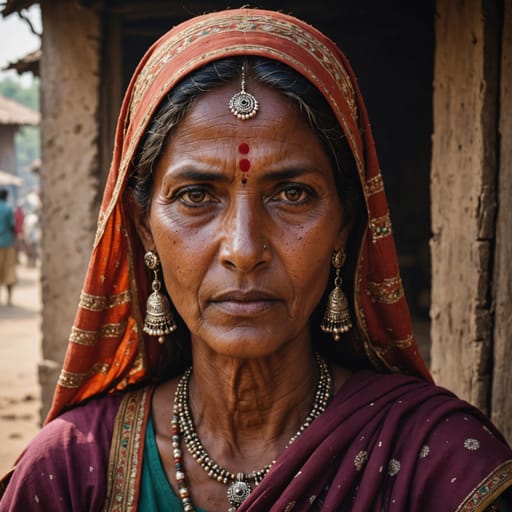
Banajiga
Karnataka, southern India, with closely related Balija communities in Andhra Pradesh, Telangana and Tamil Nadu
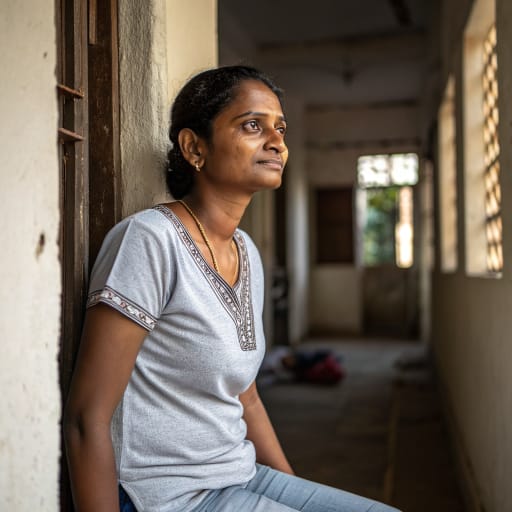
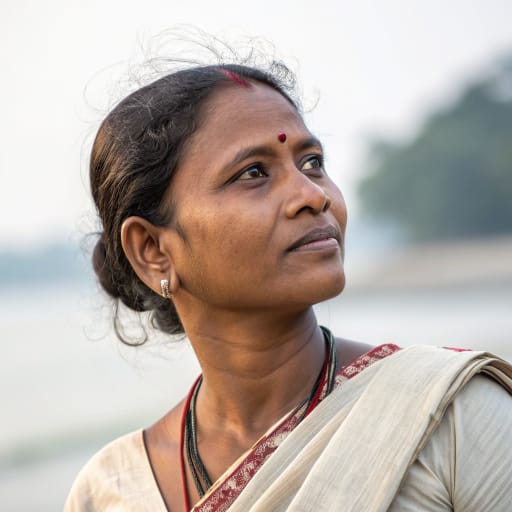
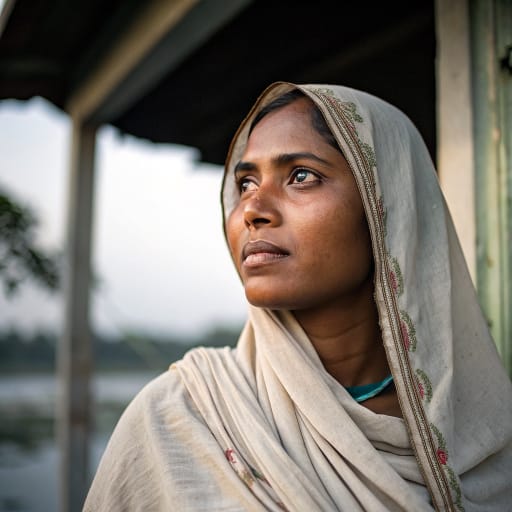
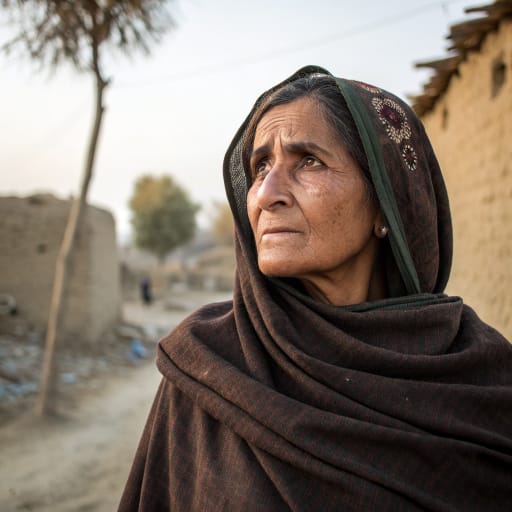
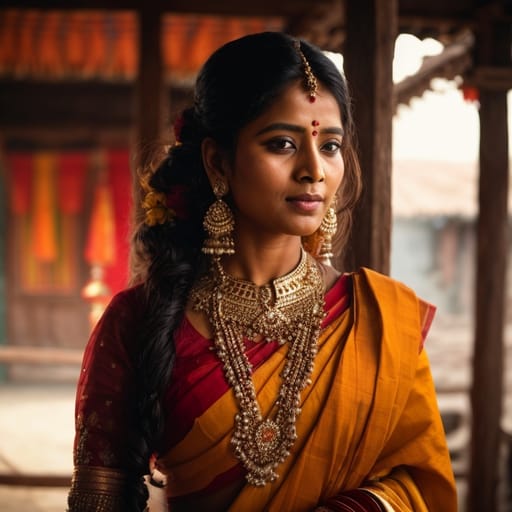
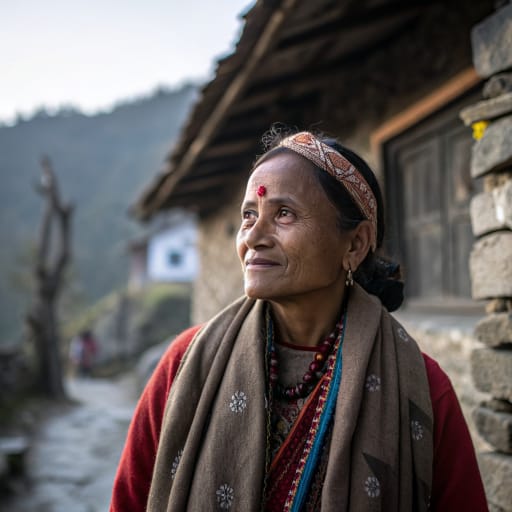
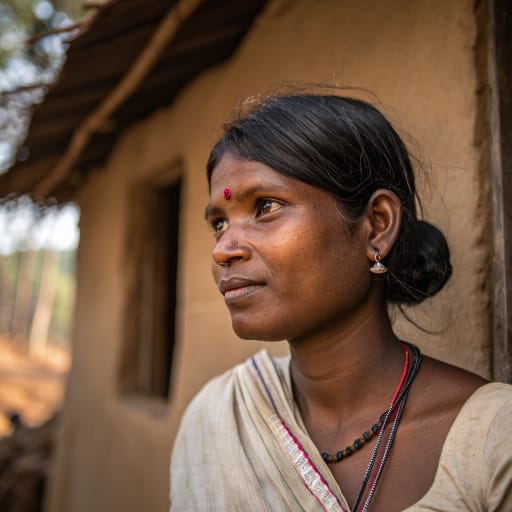
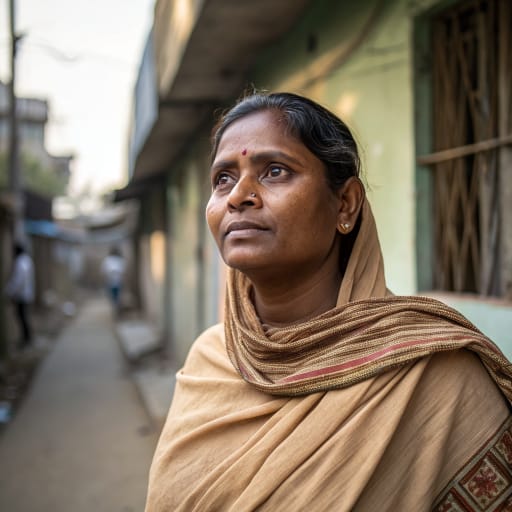
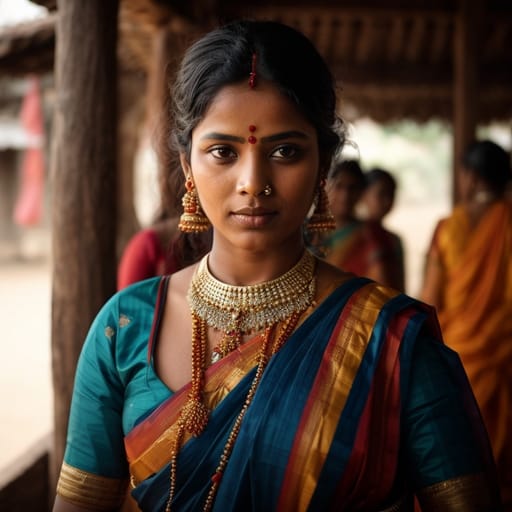
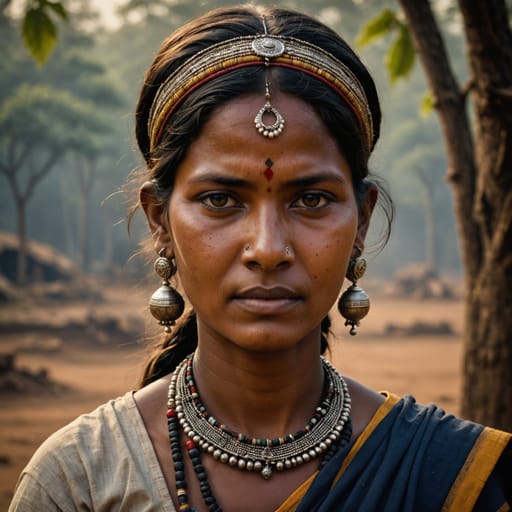
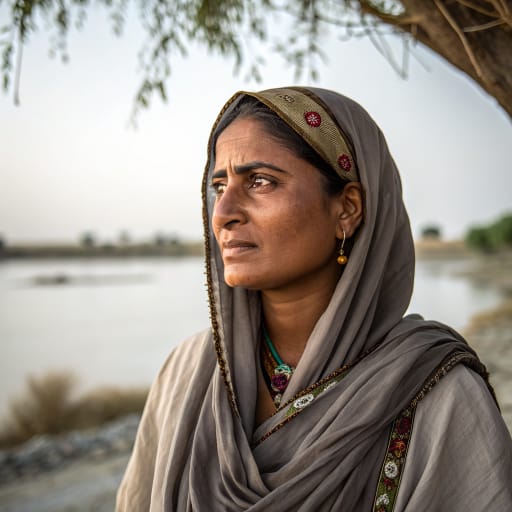
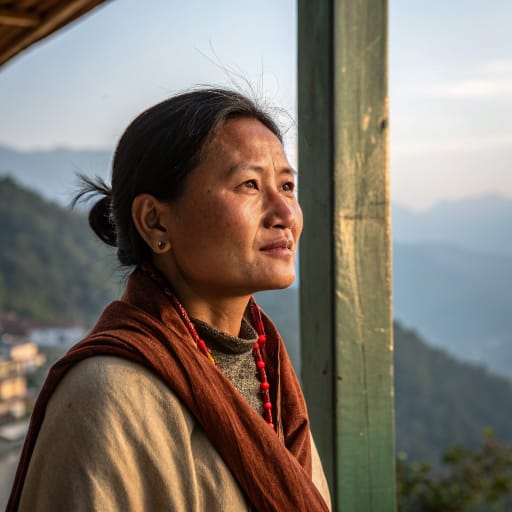
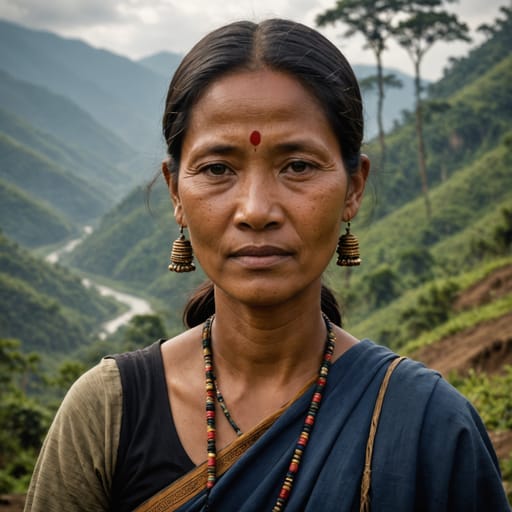
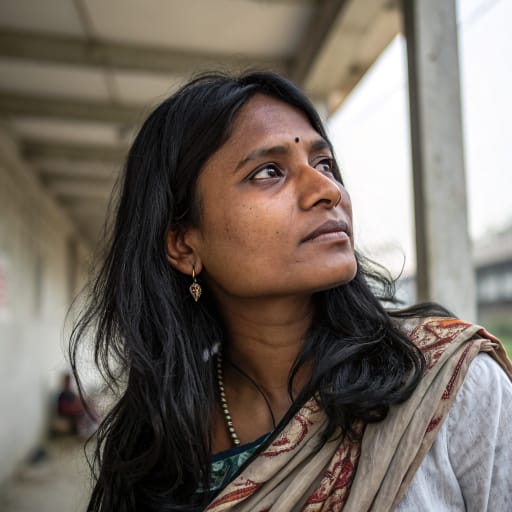
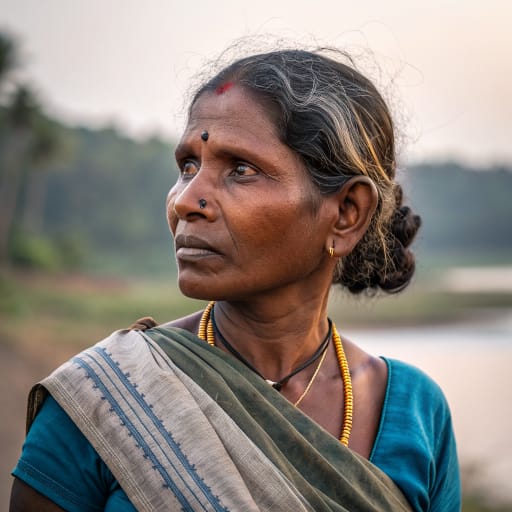
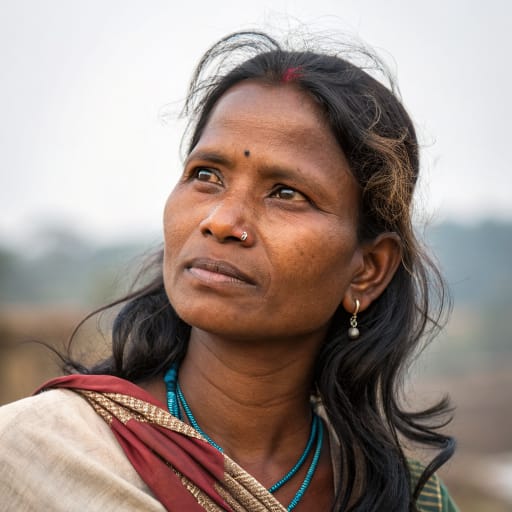
Bisati
Northern India, mainly the towns and villages of the Gangetic plain in Uttar Pradesh and Bihar
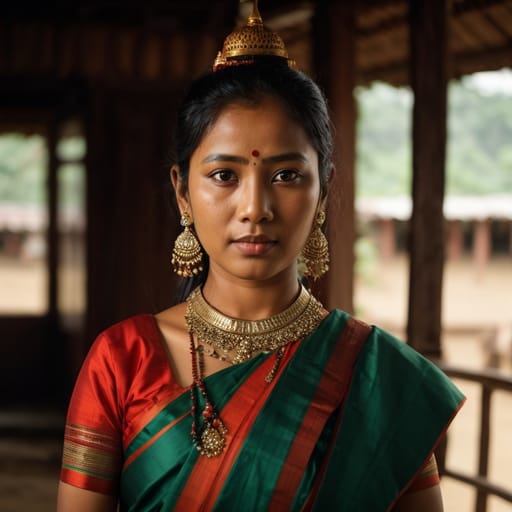
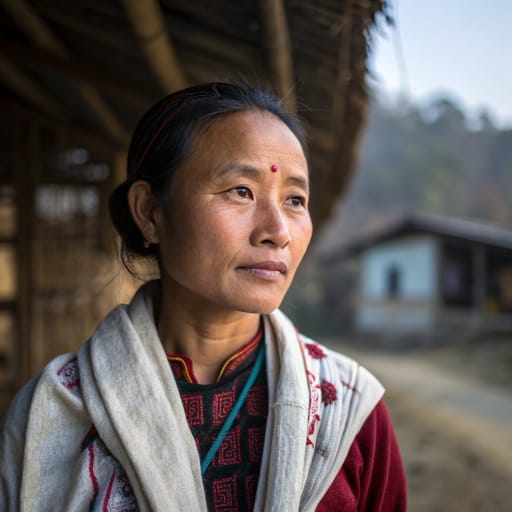
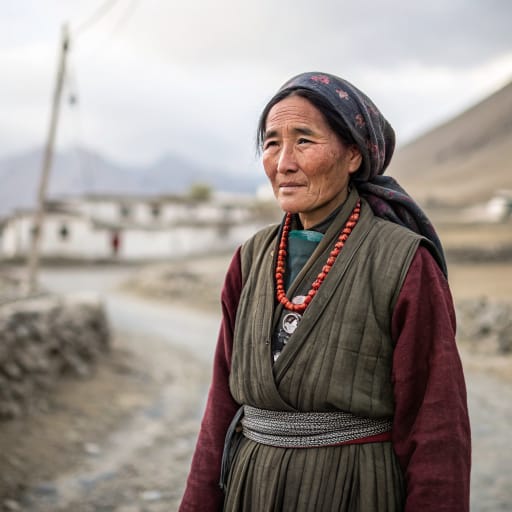
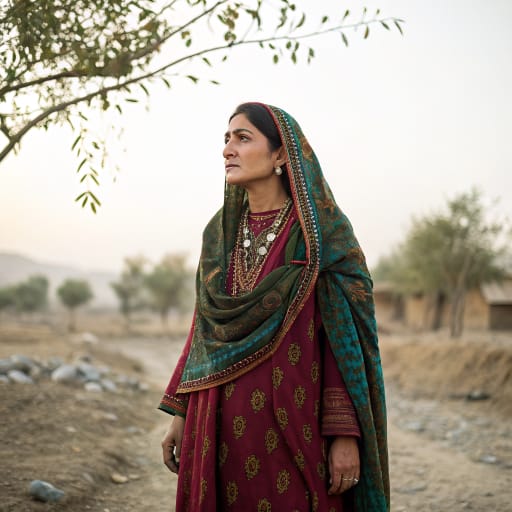
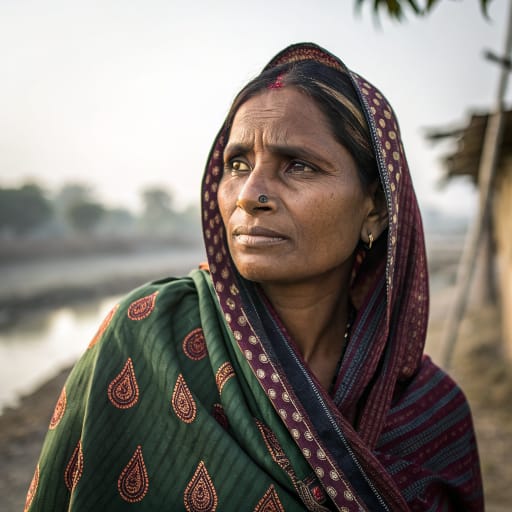
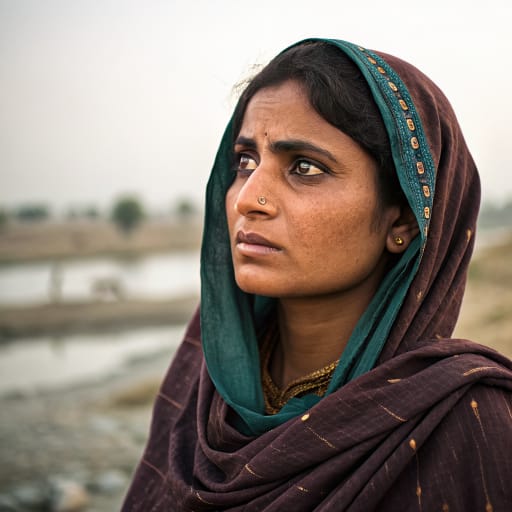
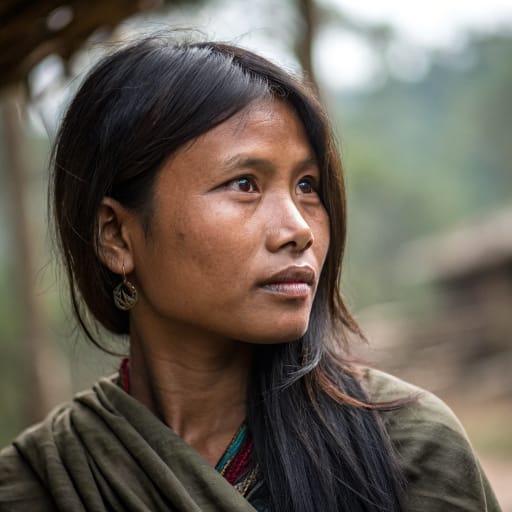
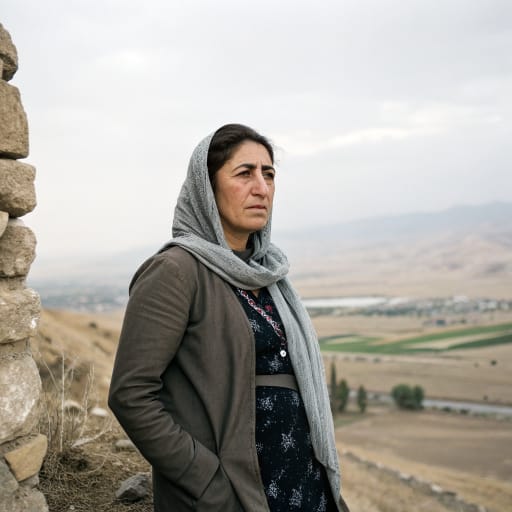
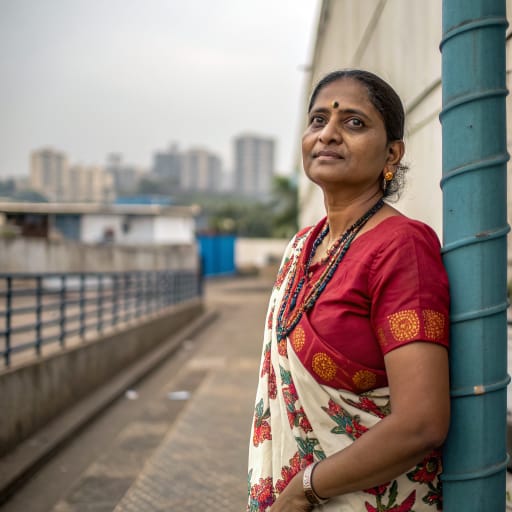
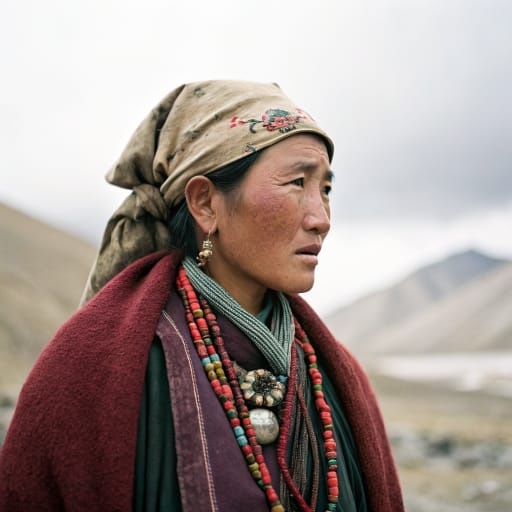
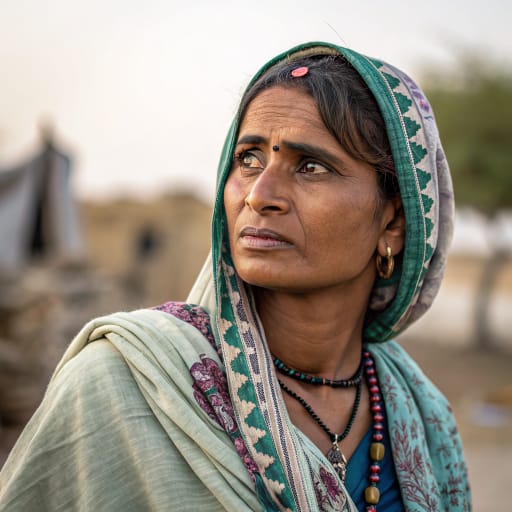
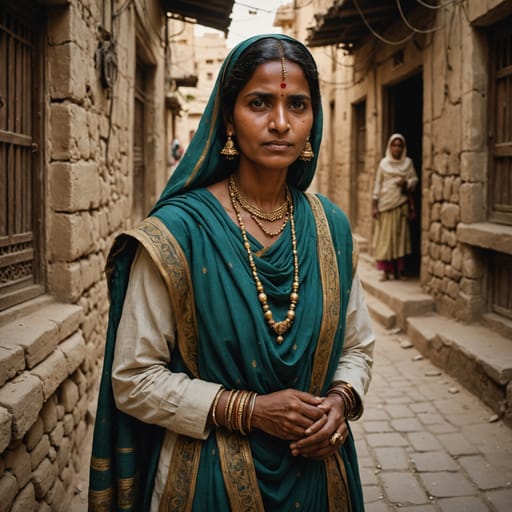
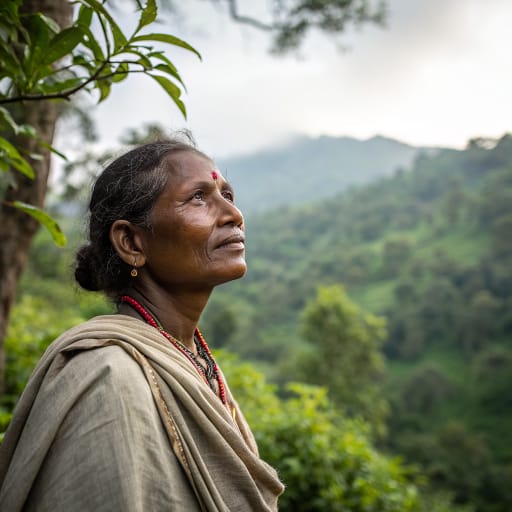
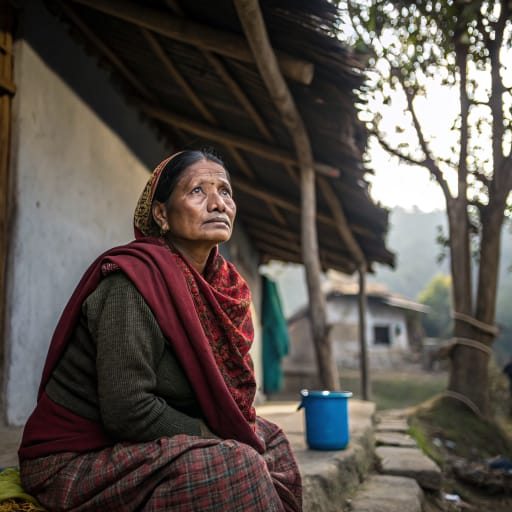
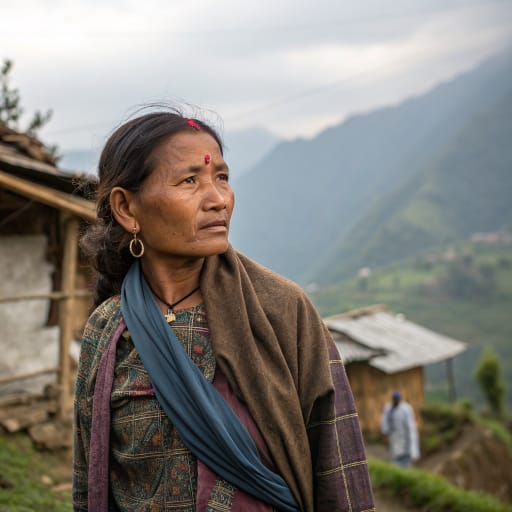
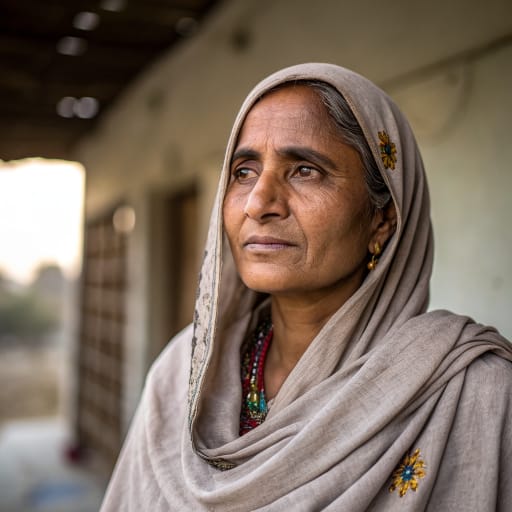
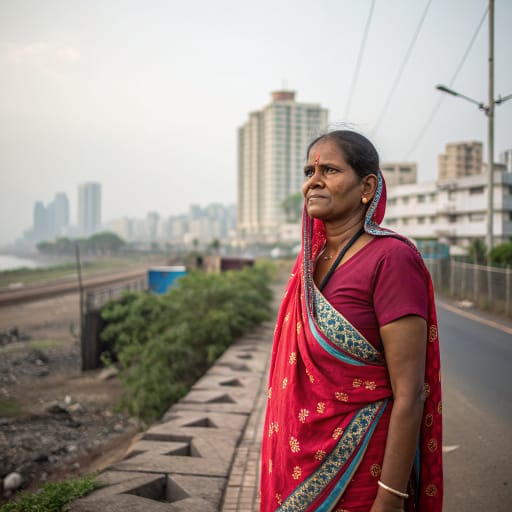
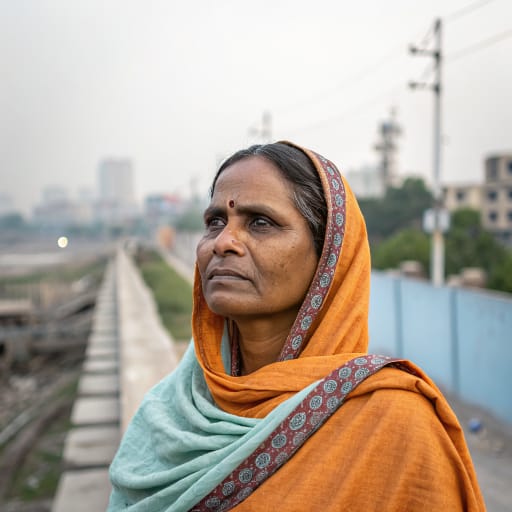
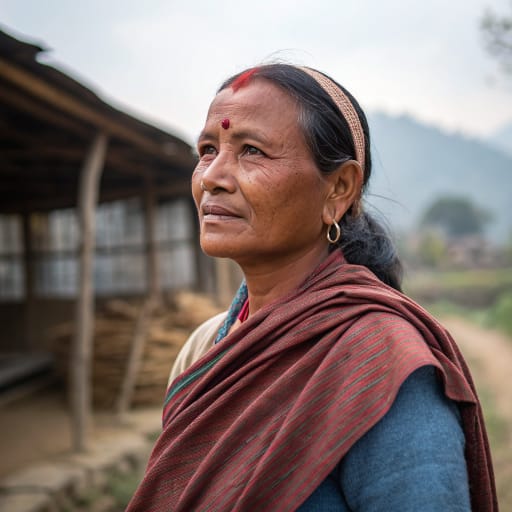
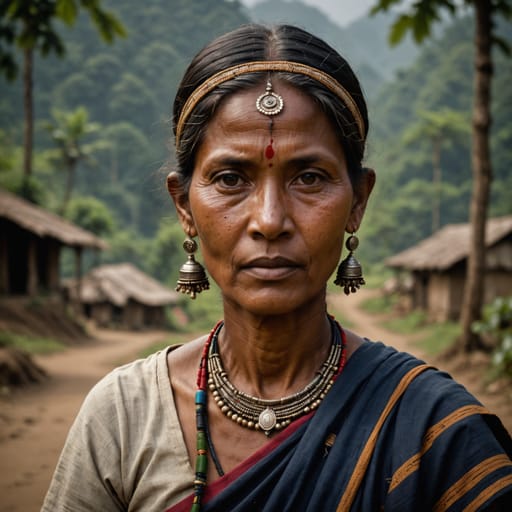
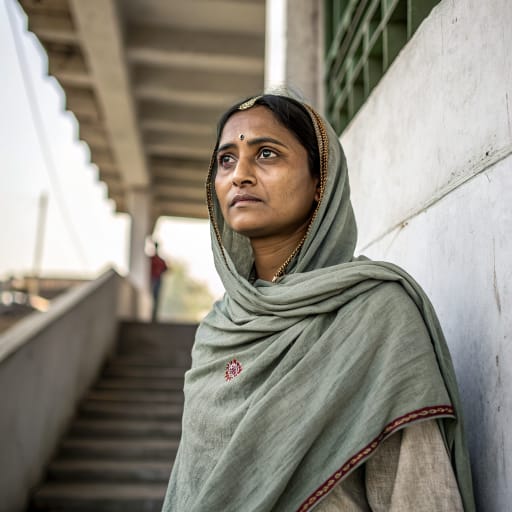
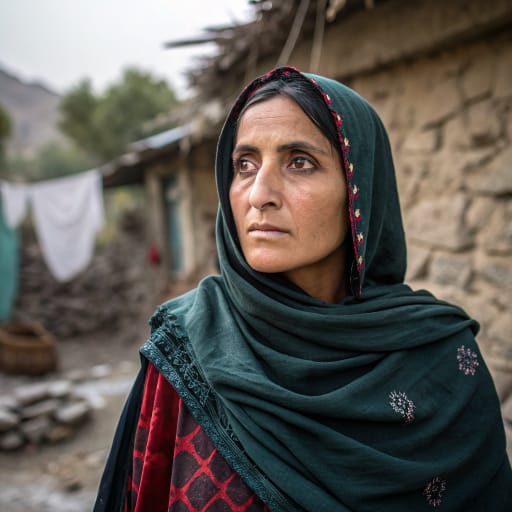
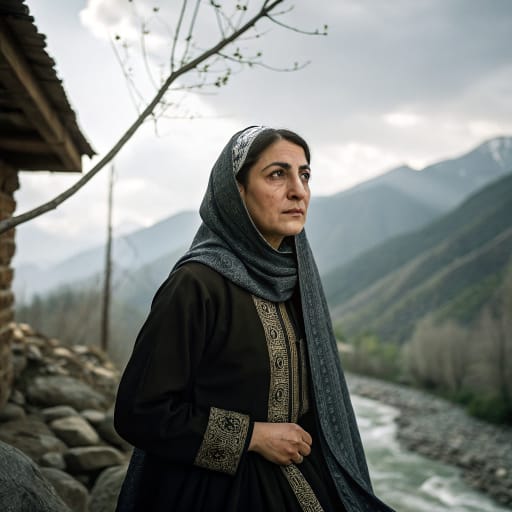
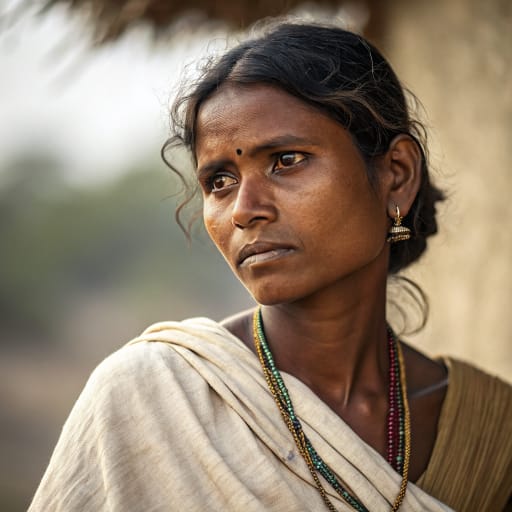
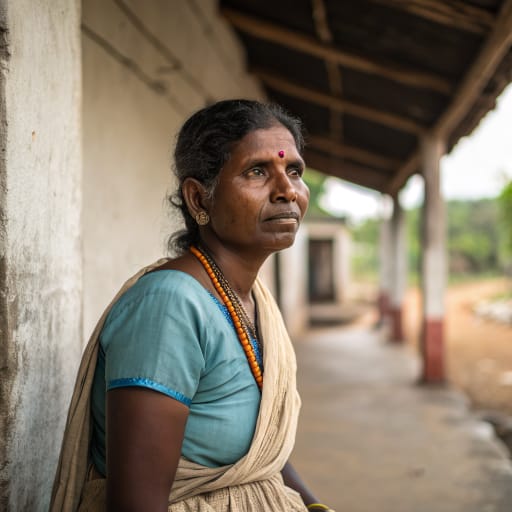
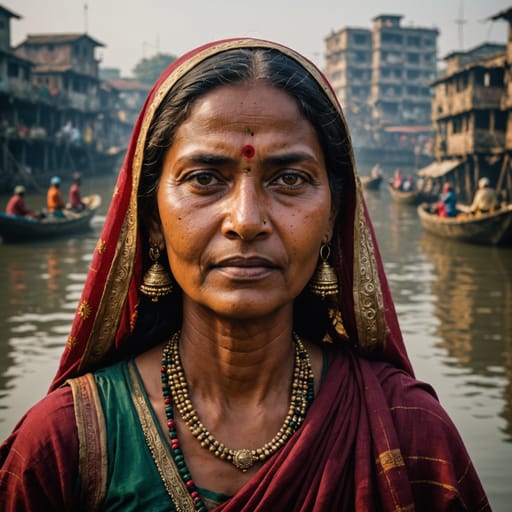
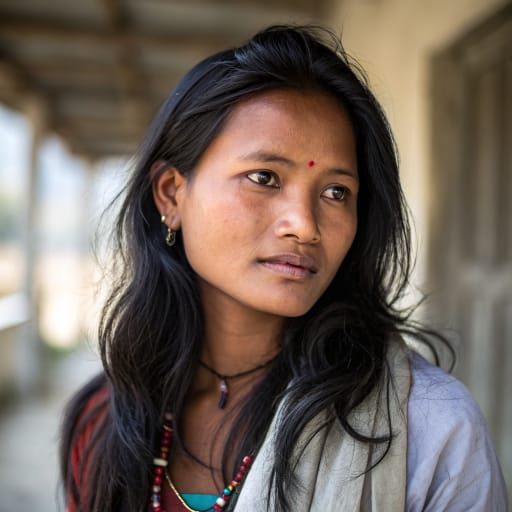
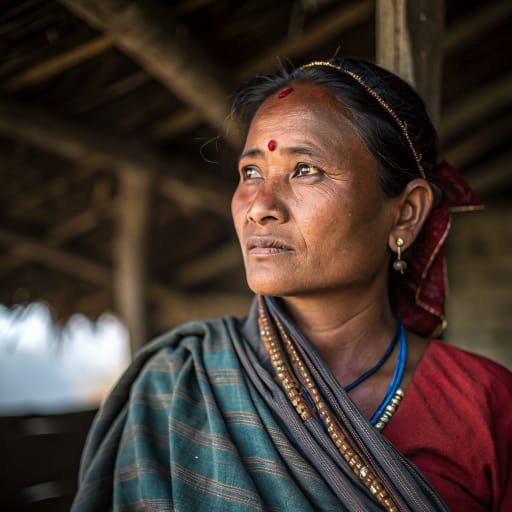
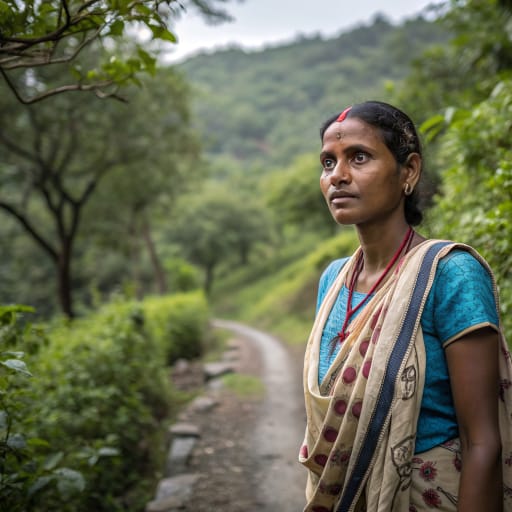
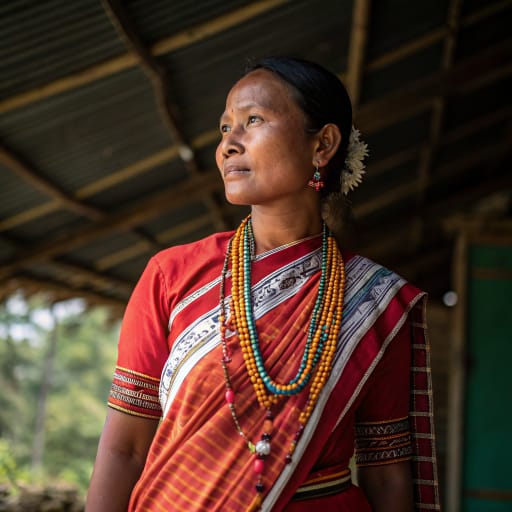
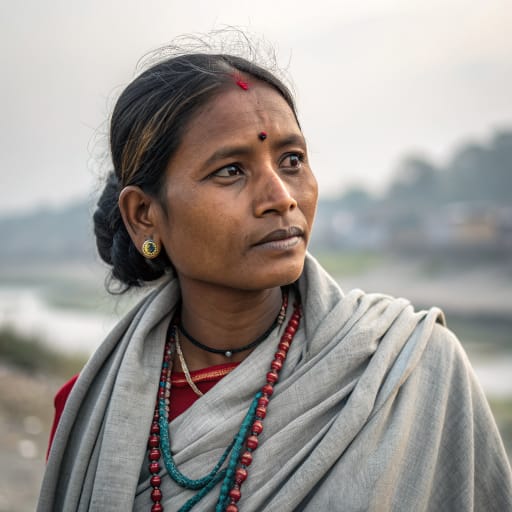
Dusadh
Bihar, eastern Uttar Pradesh and Jharkhand in India, and the Terai (Madhesh) of southern Nepal
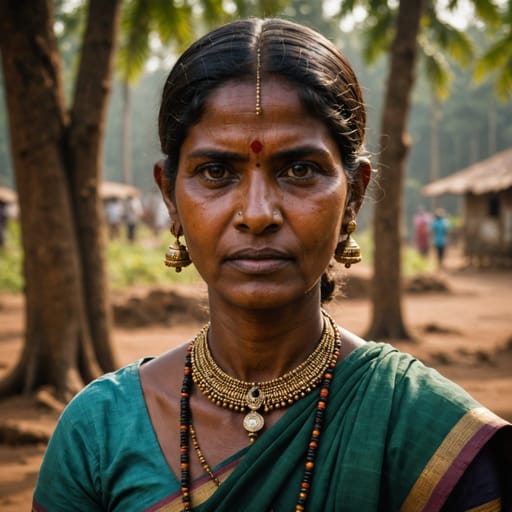
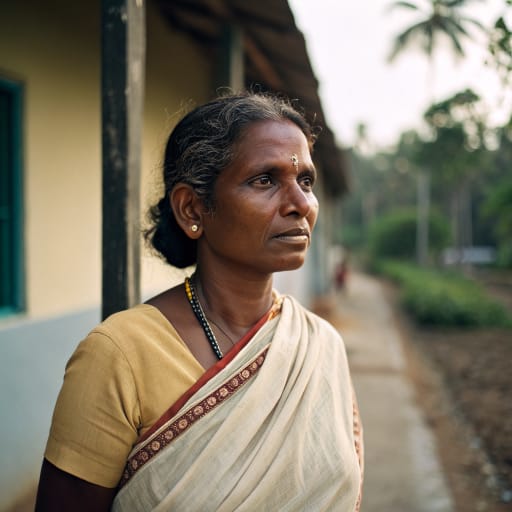
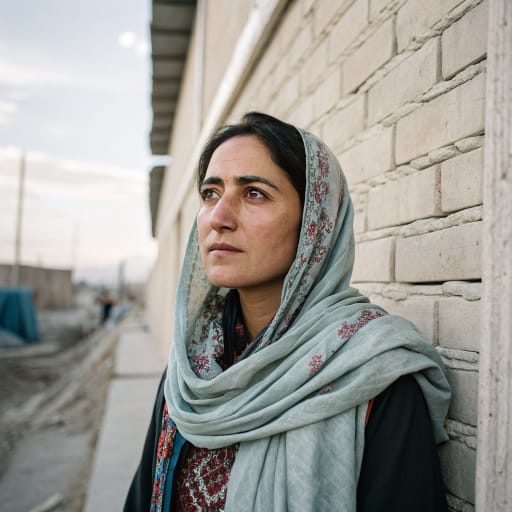
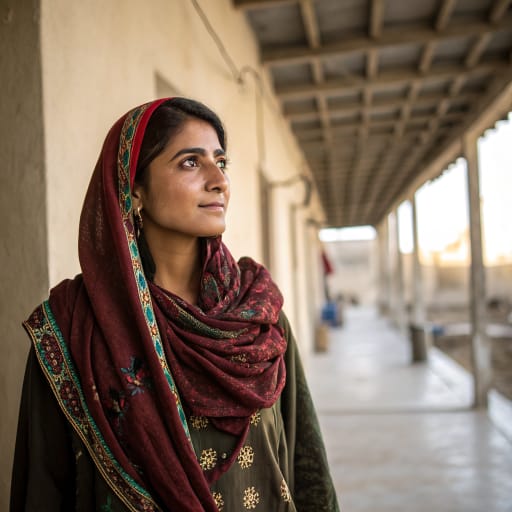
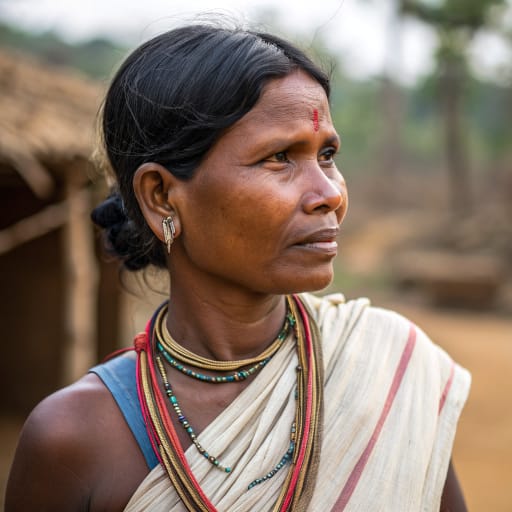
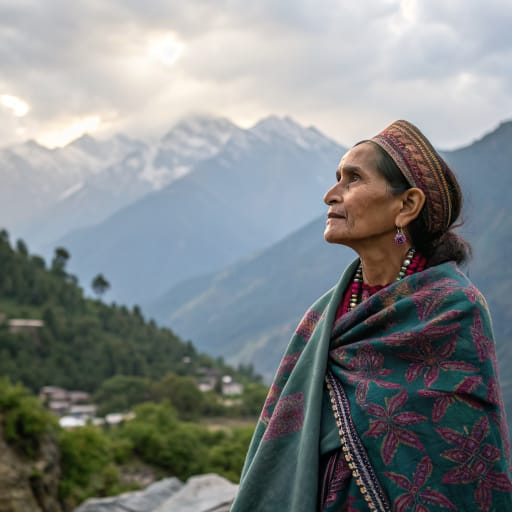
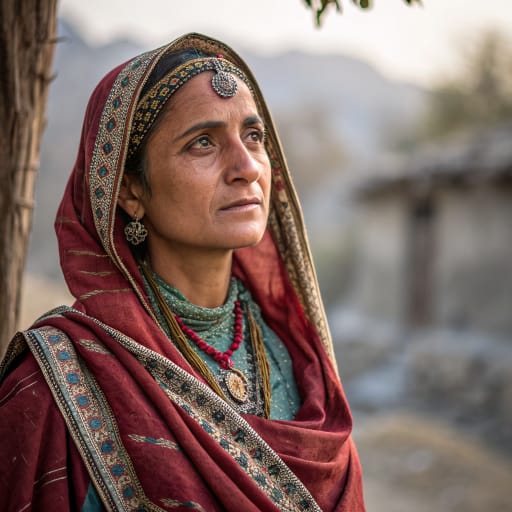
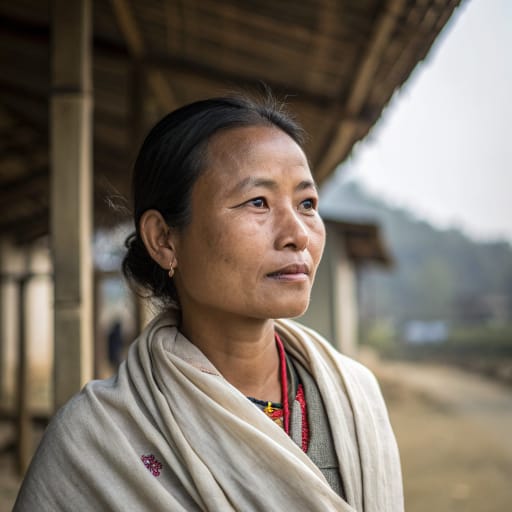
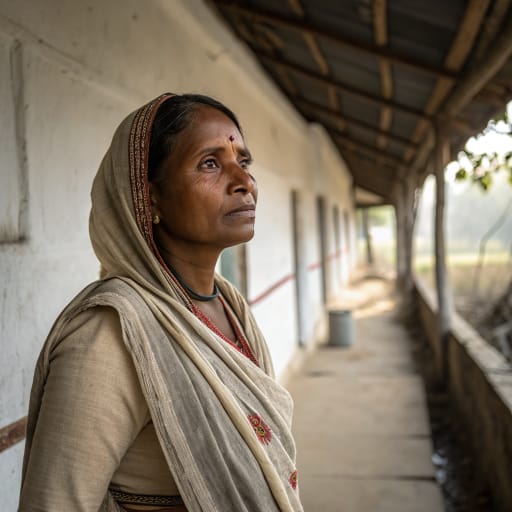
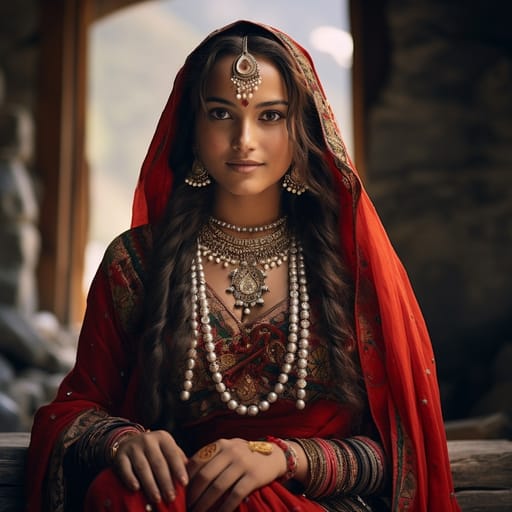
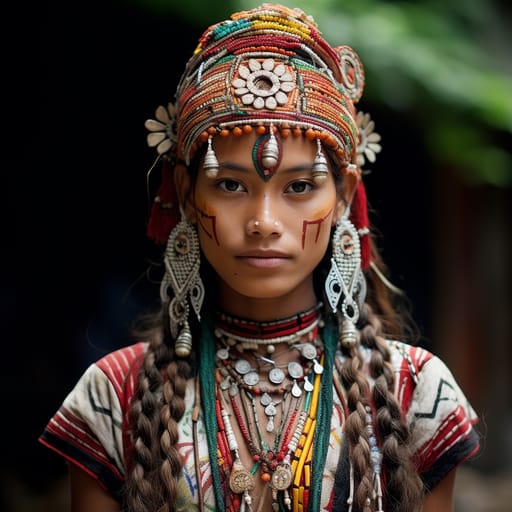
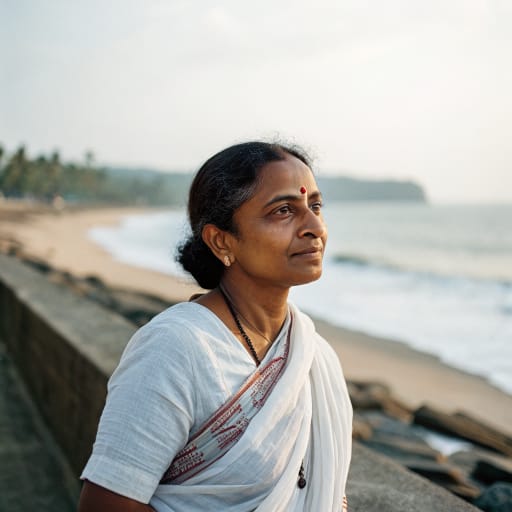
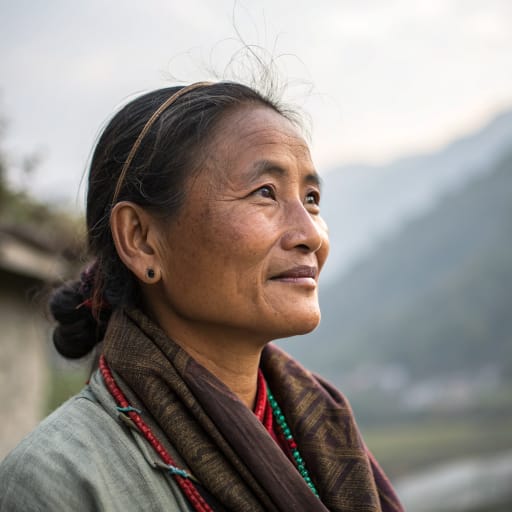
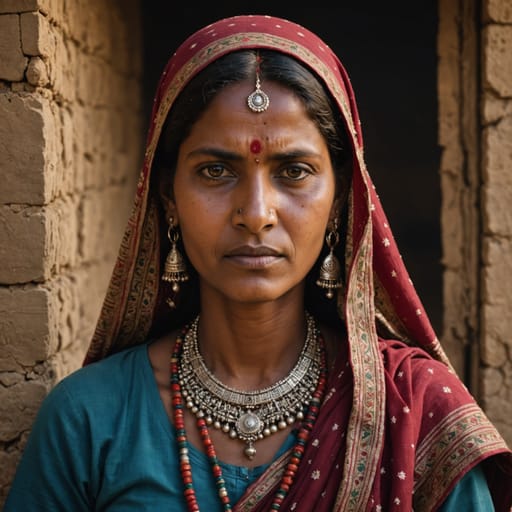
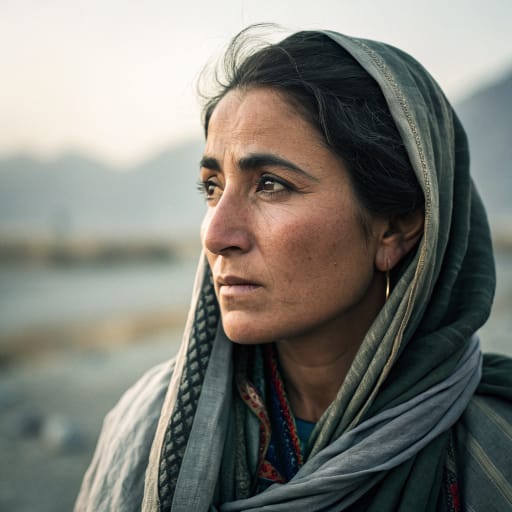
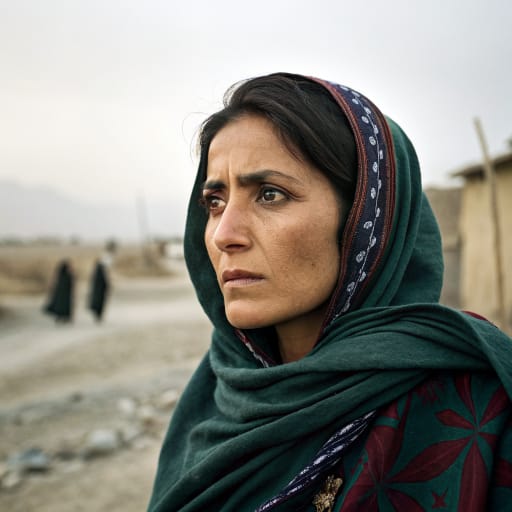
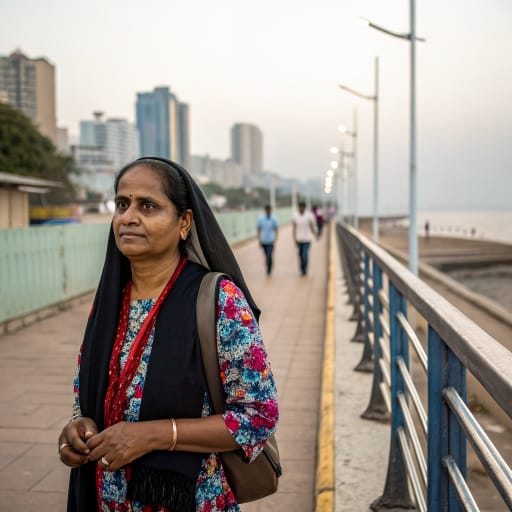
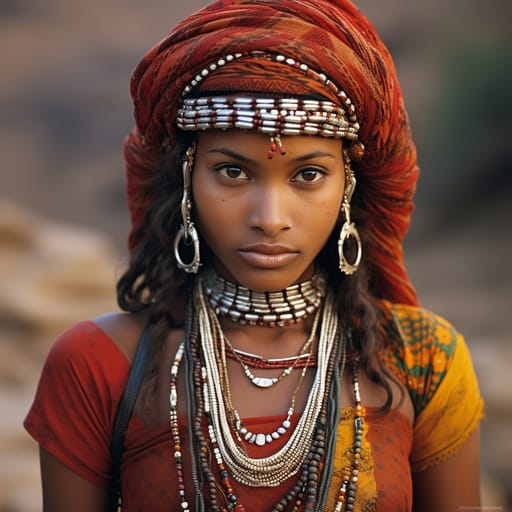
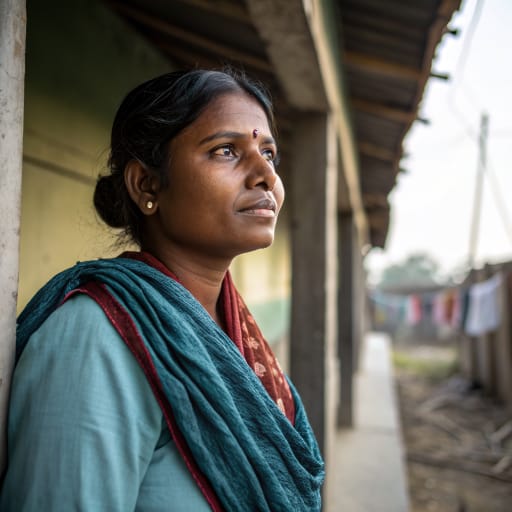
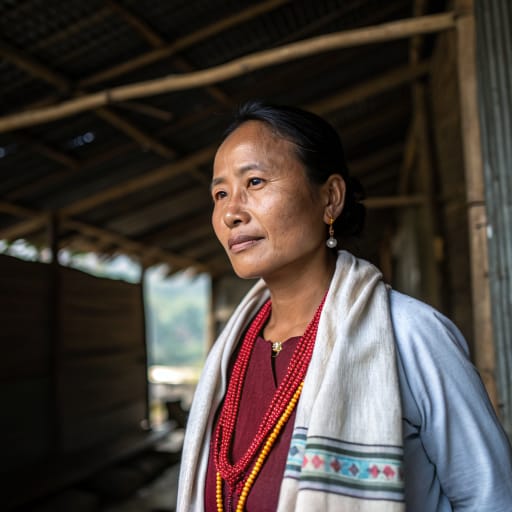
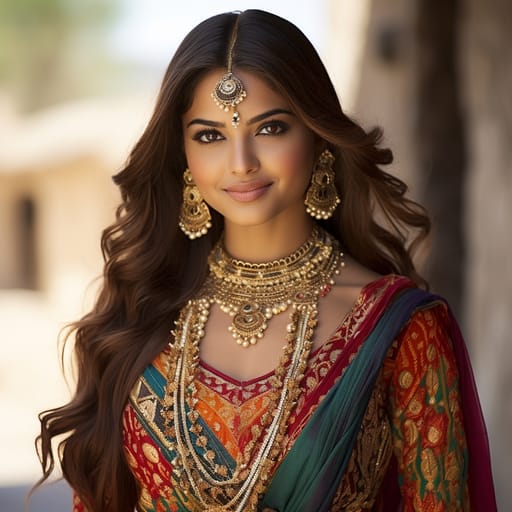
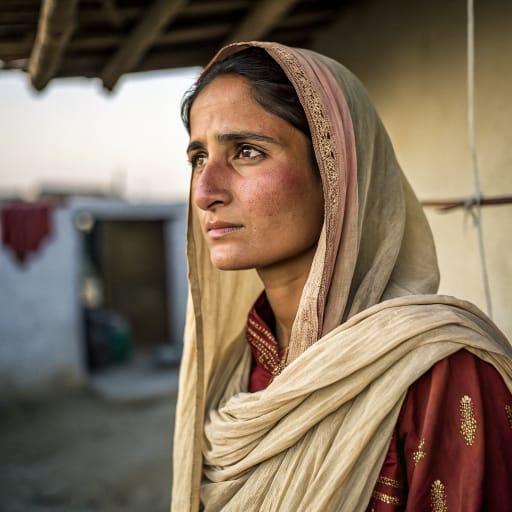
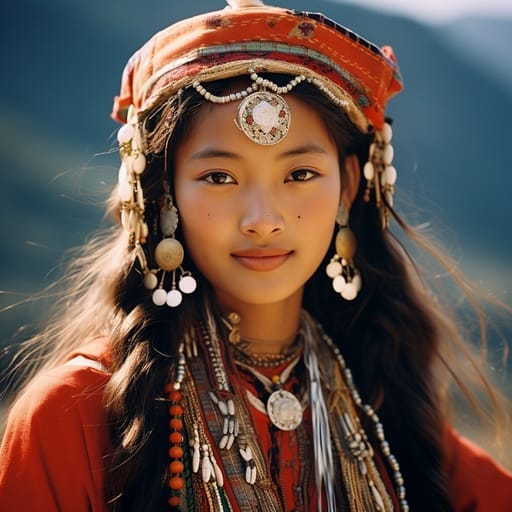
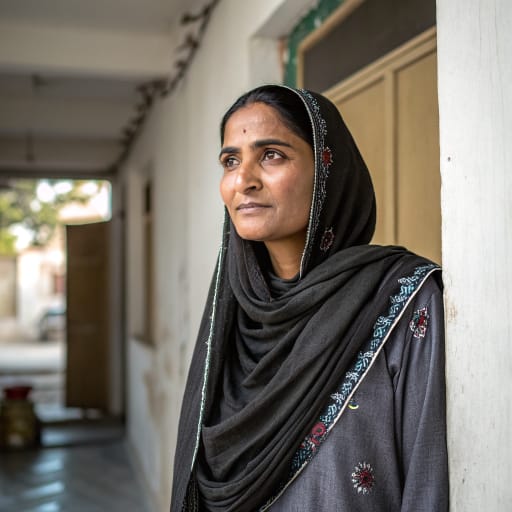
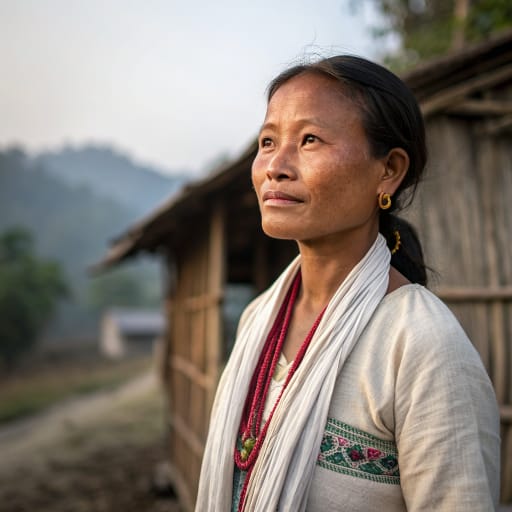
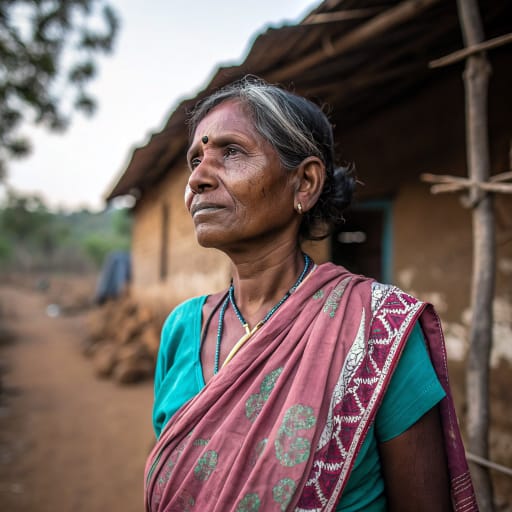
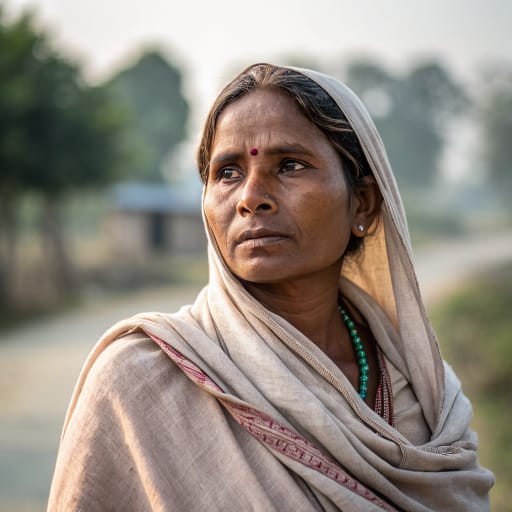
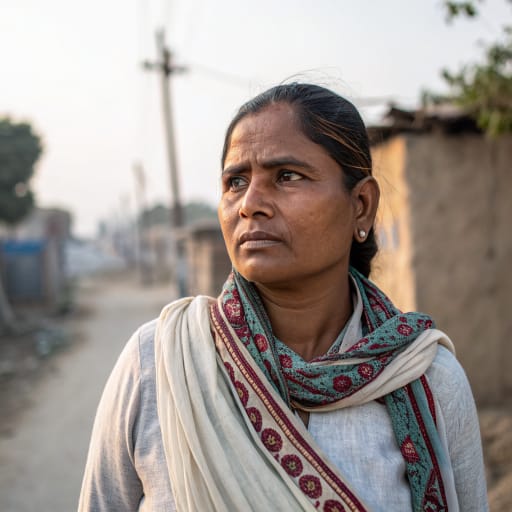
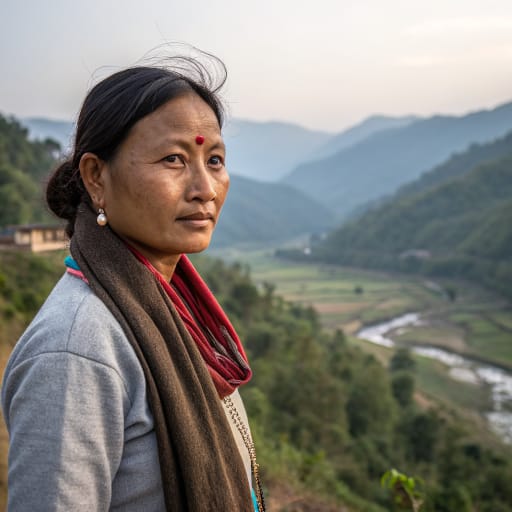
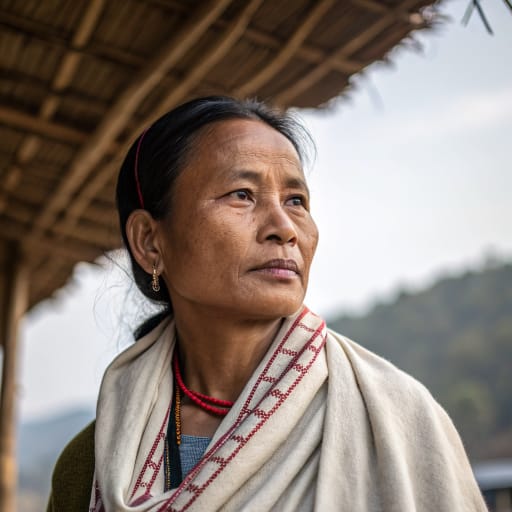
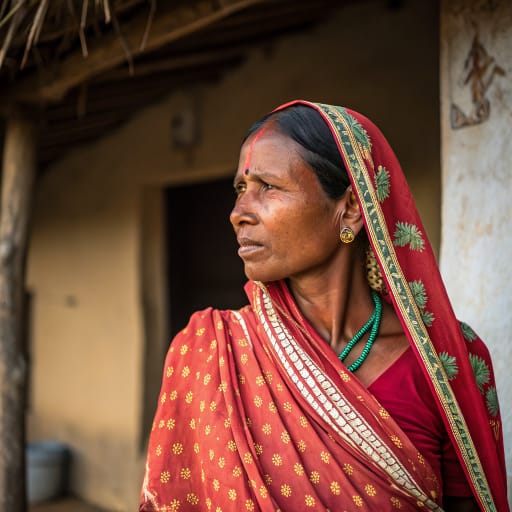
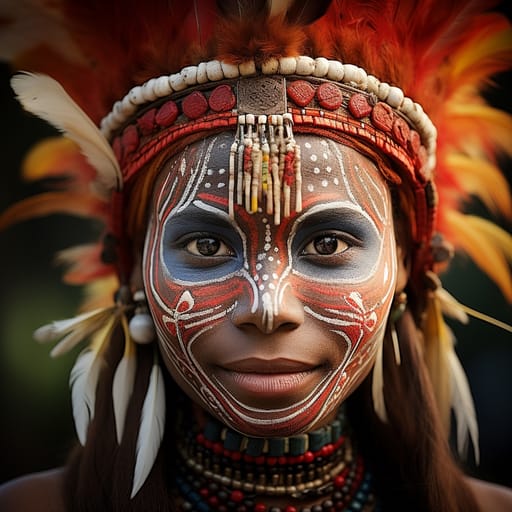
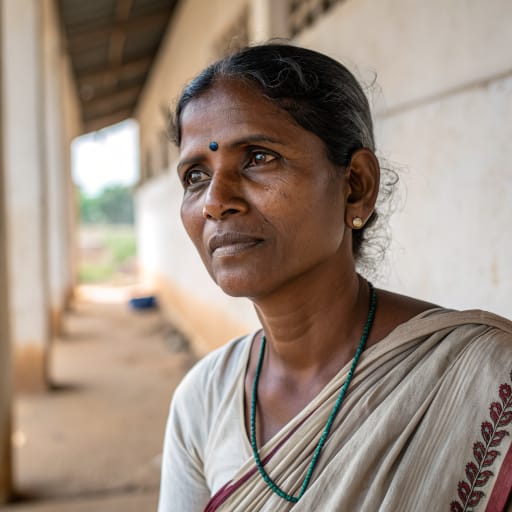
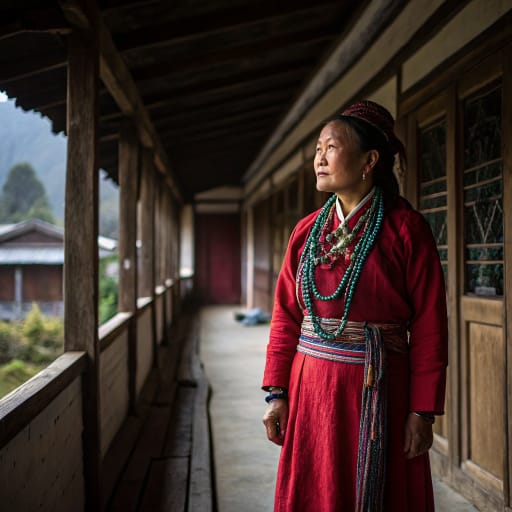
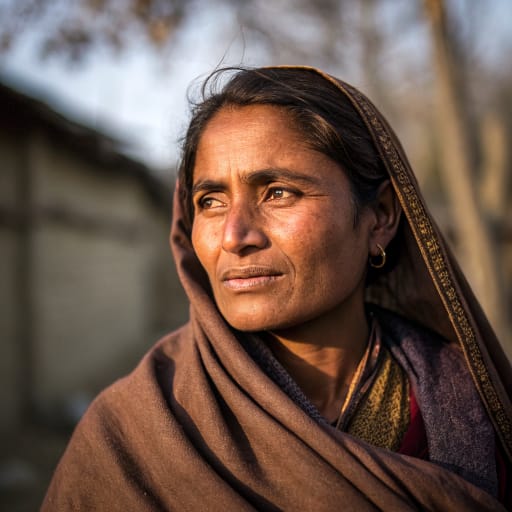
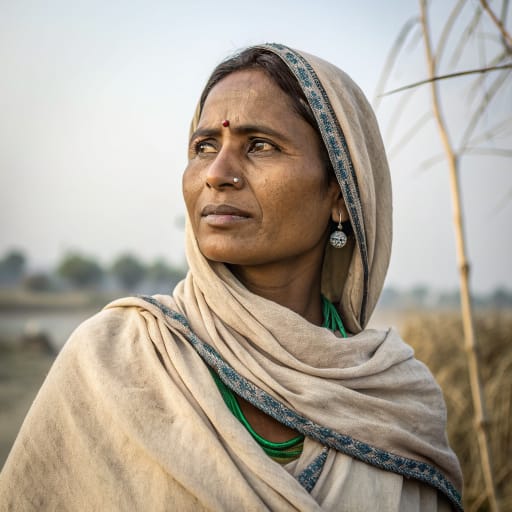
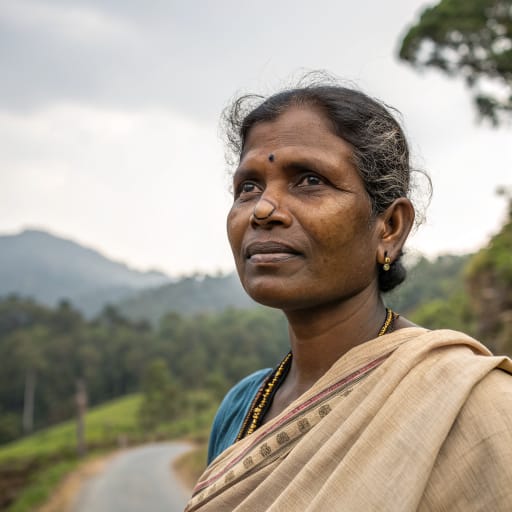
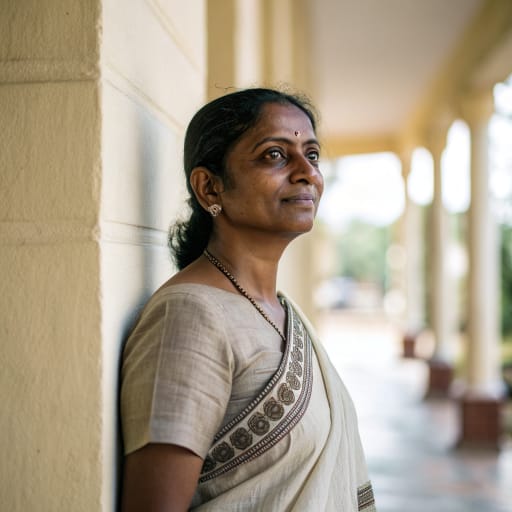
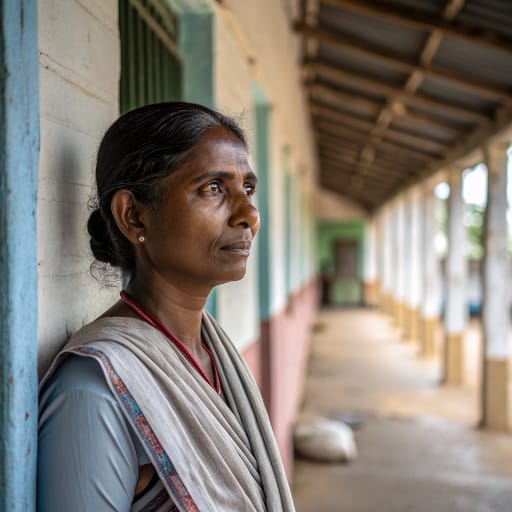
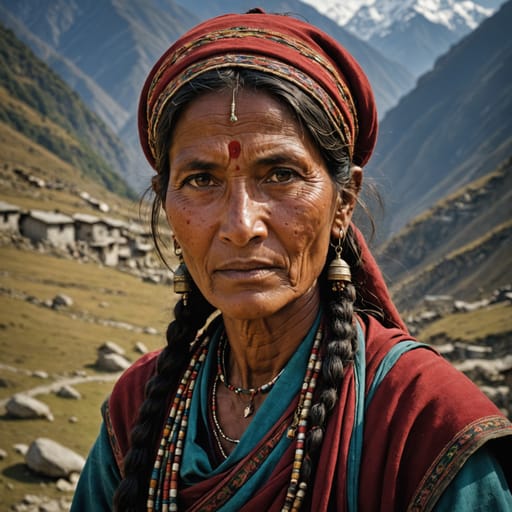
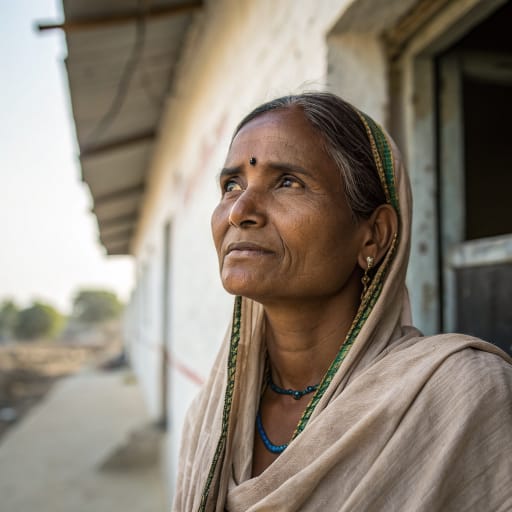
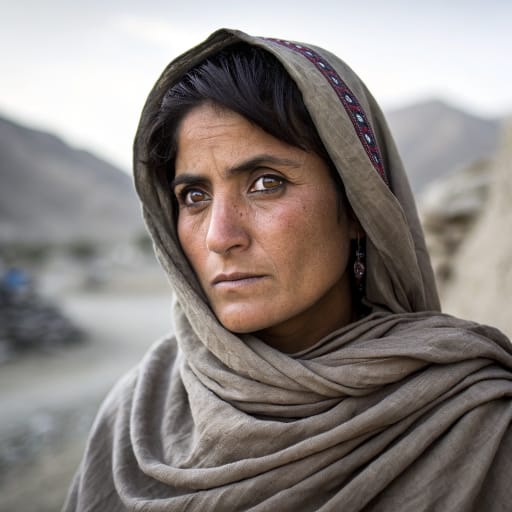
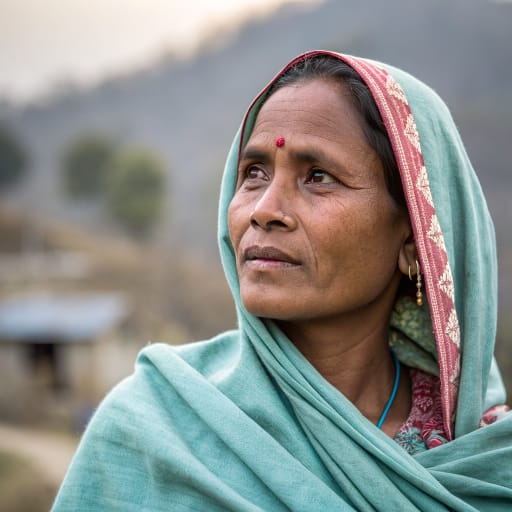
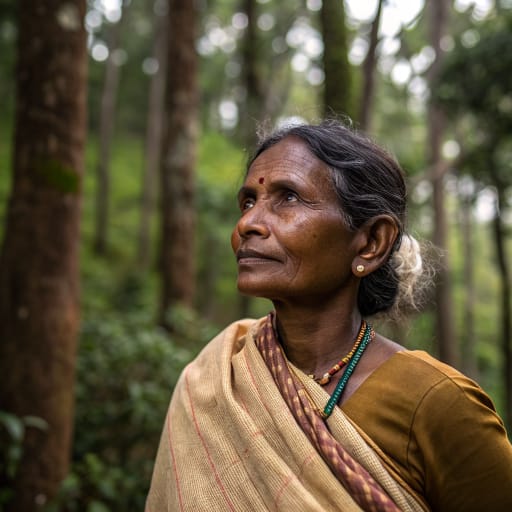
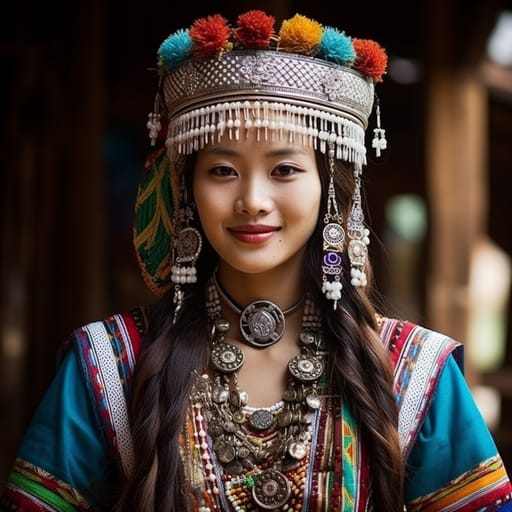
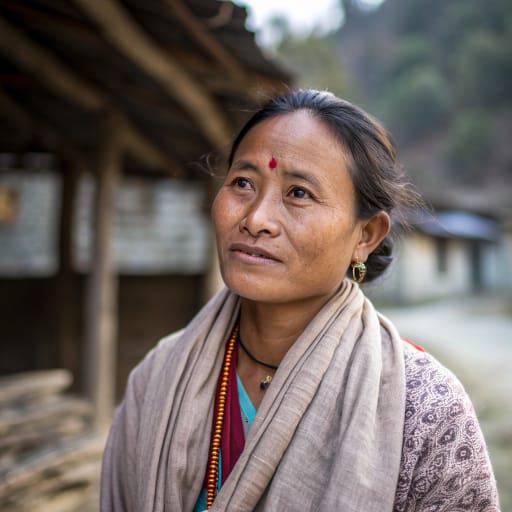
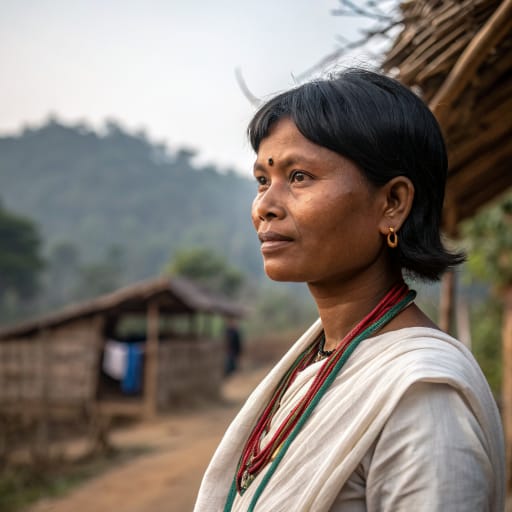
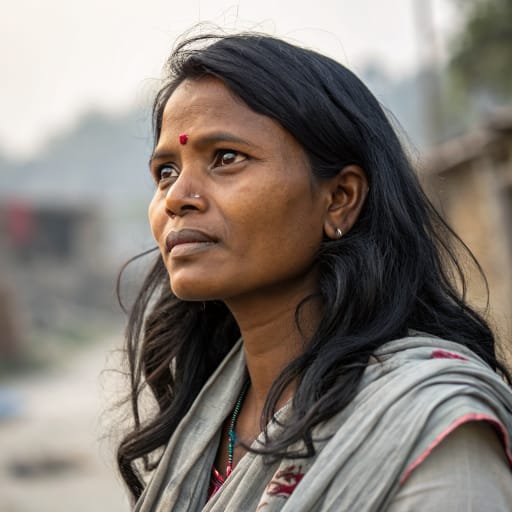
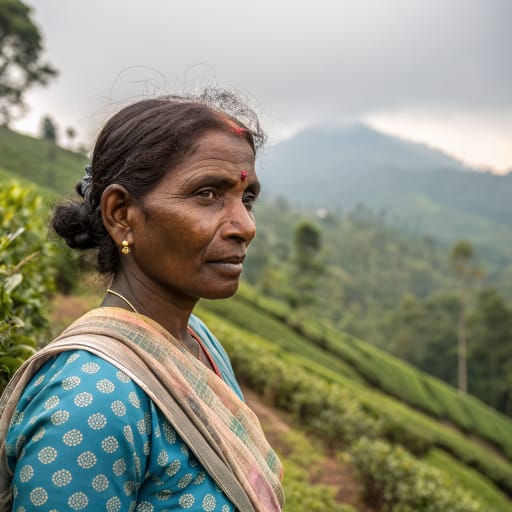
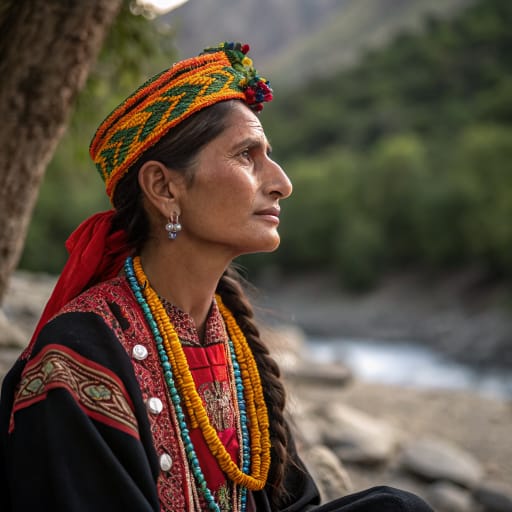
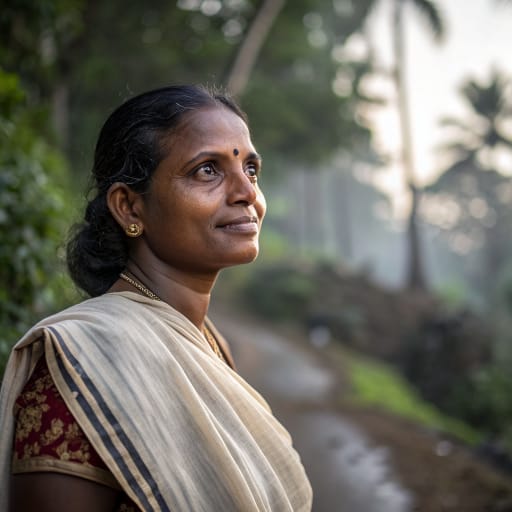
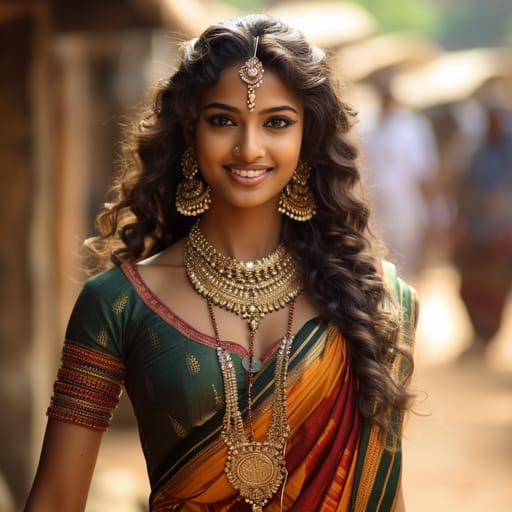
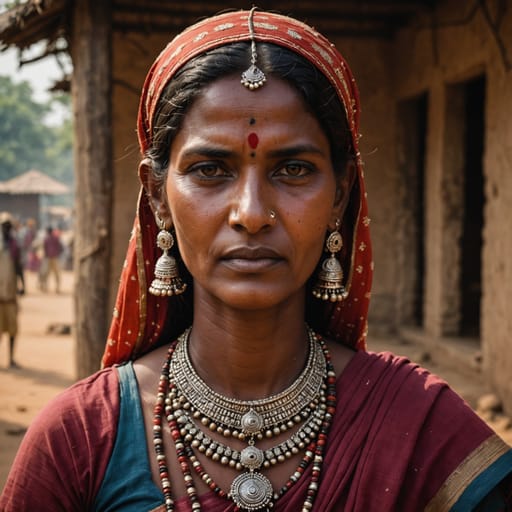
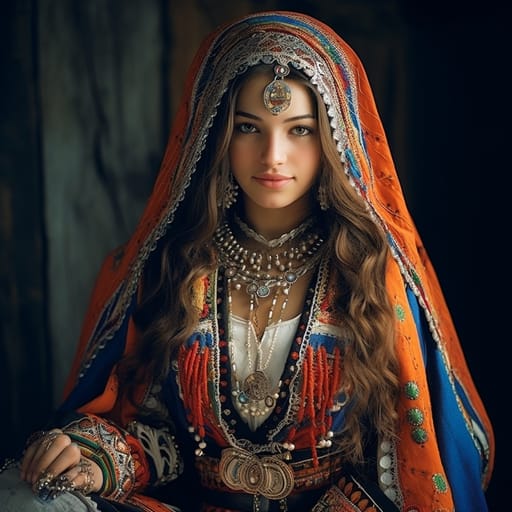
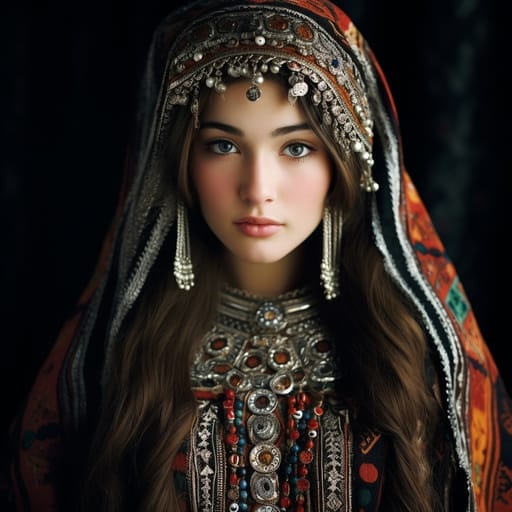
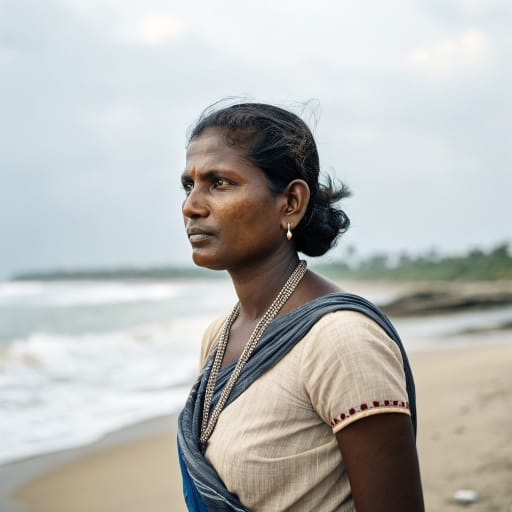
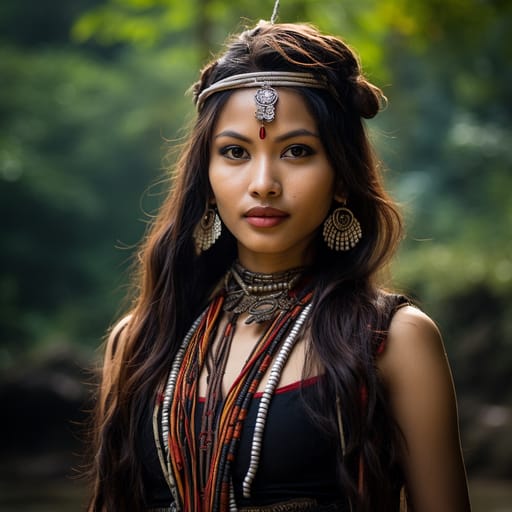
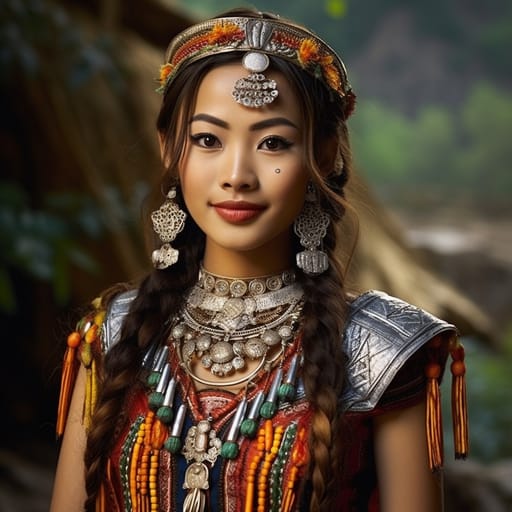
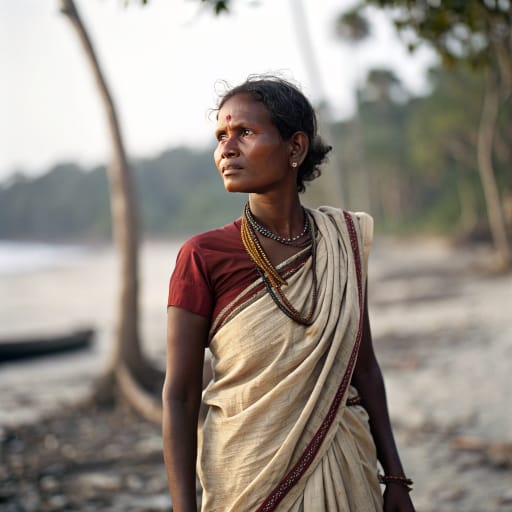
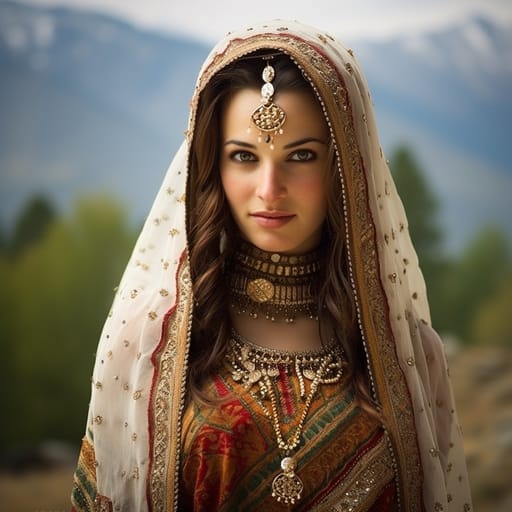
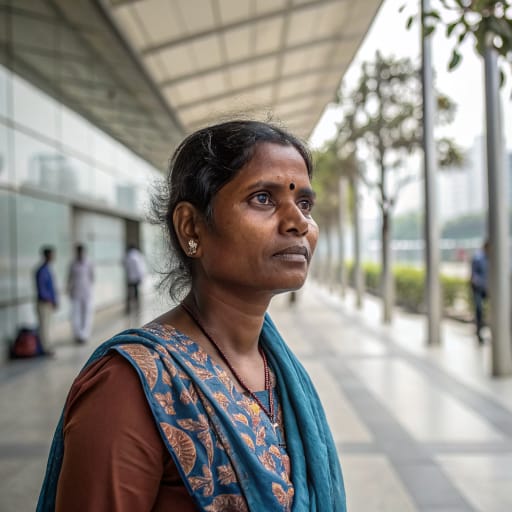
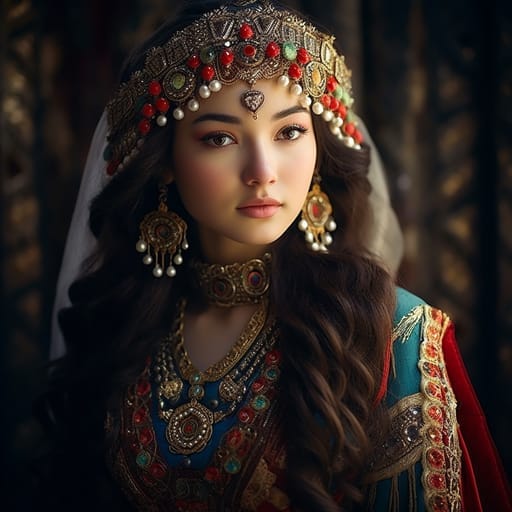
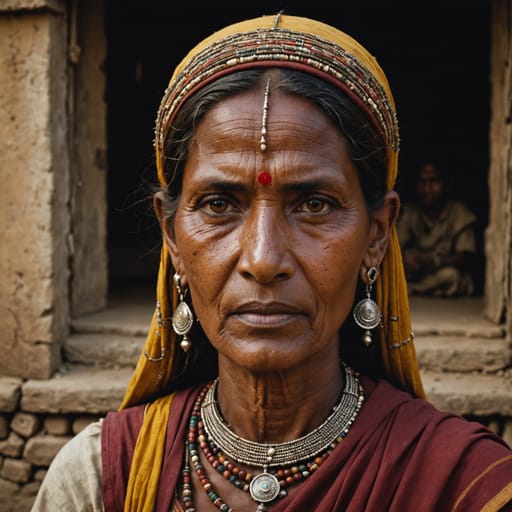
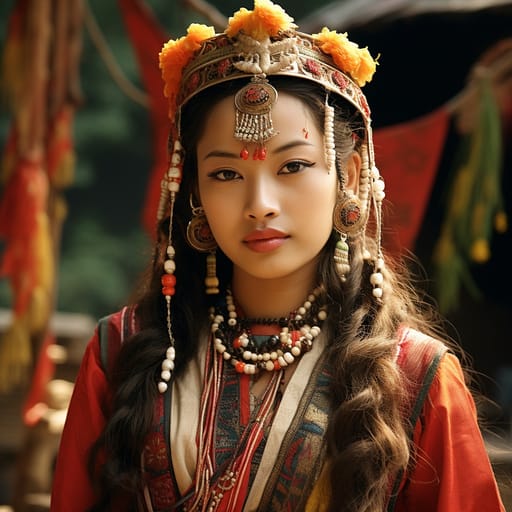
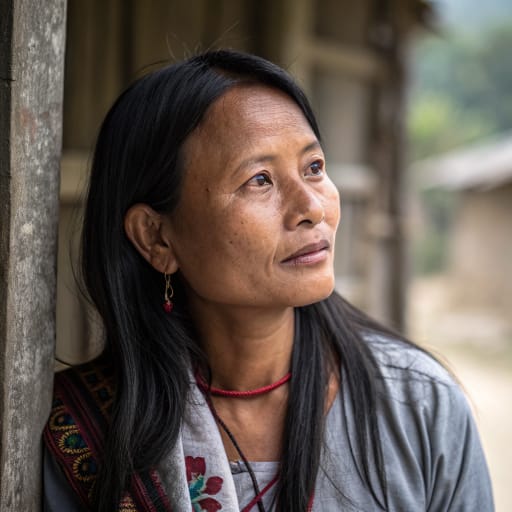
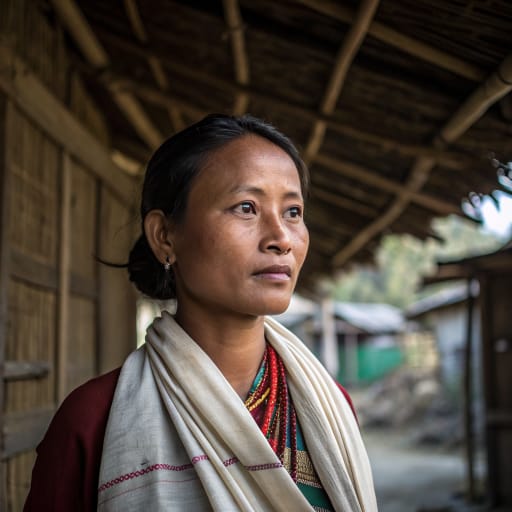
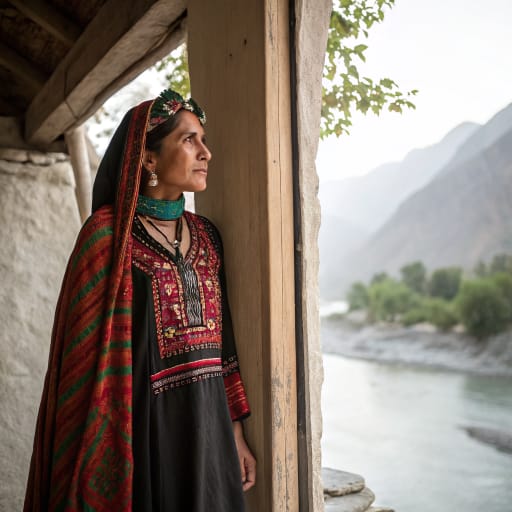
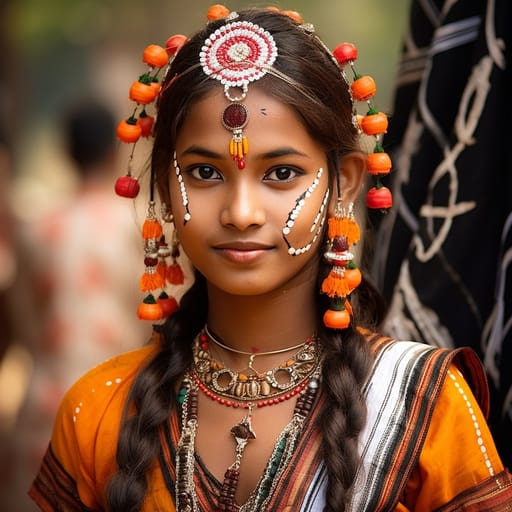
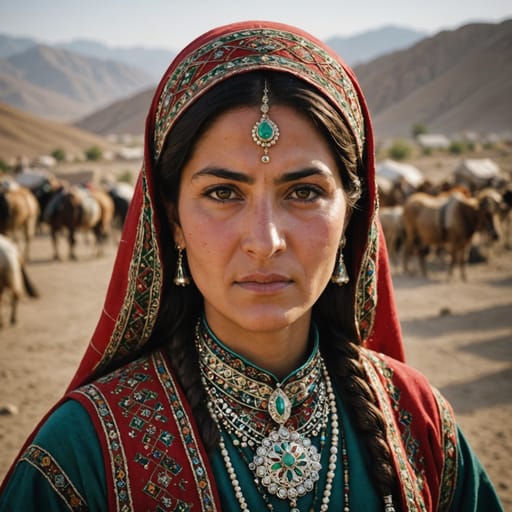
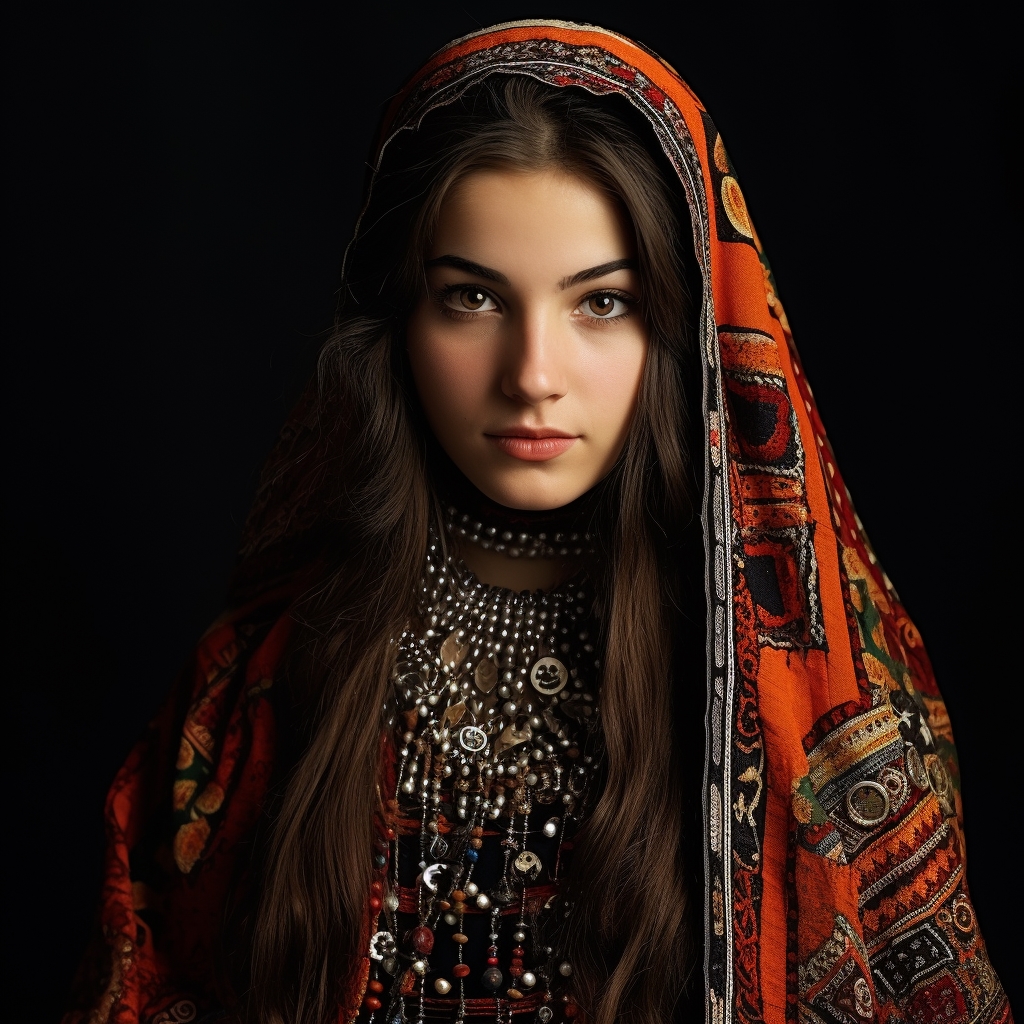
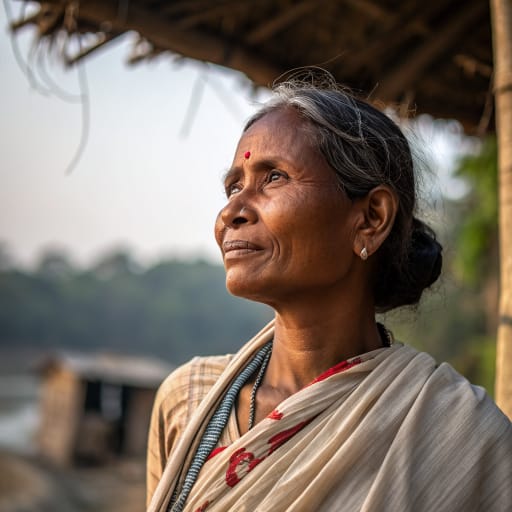
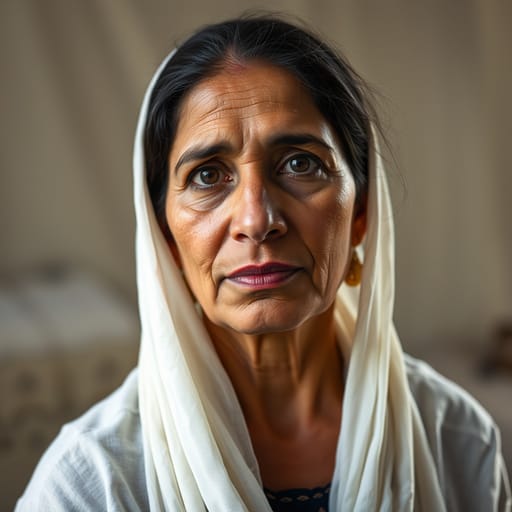
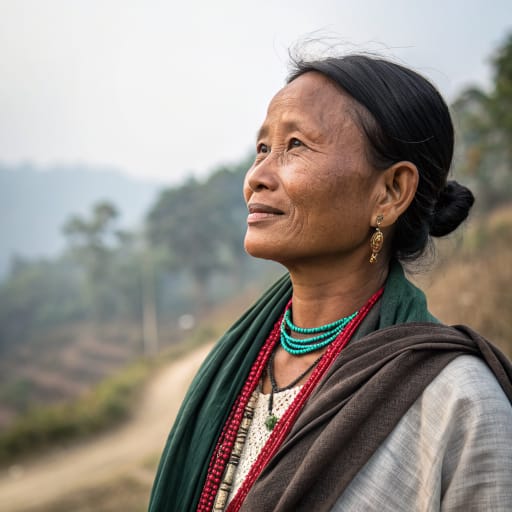
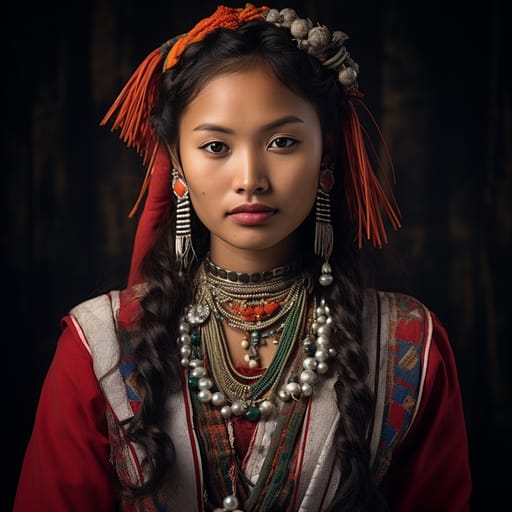
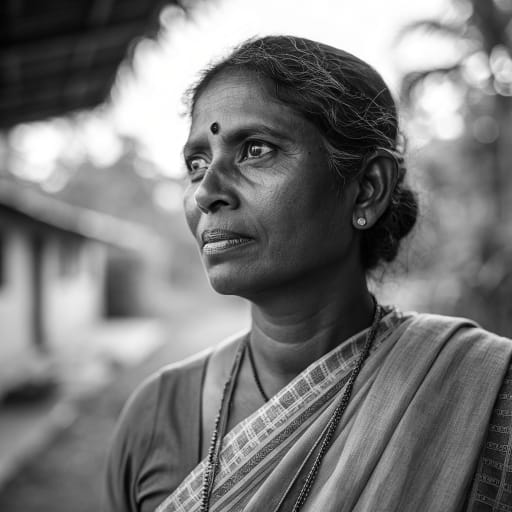
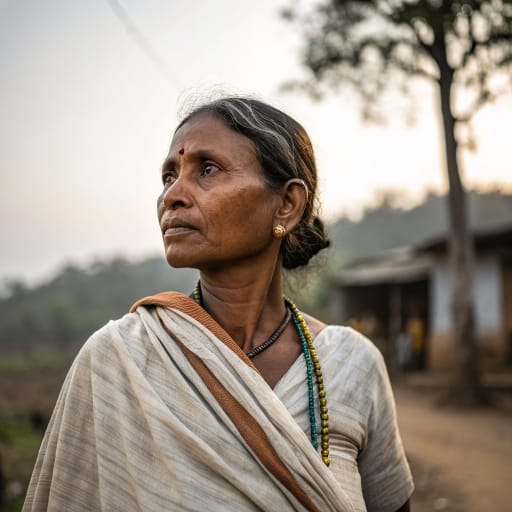
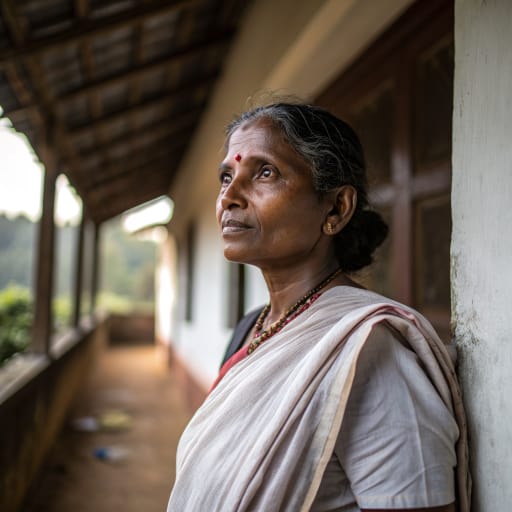
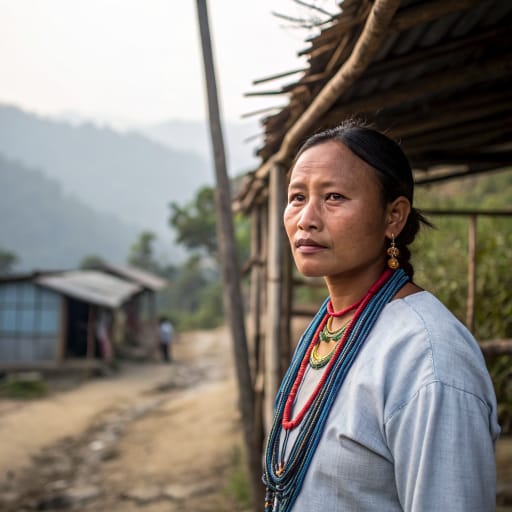
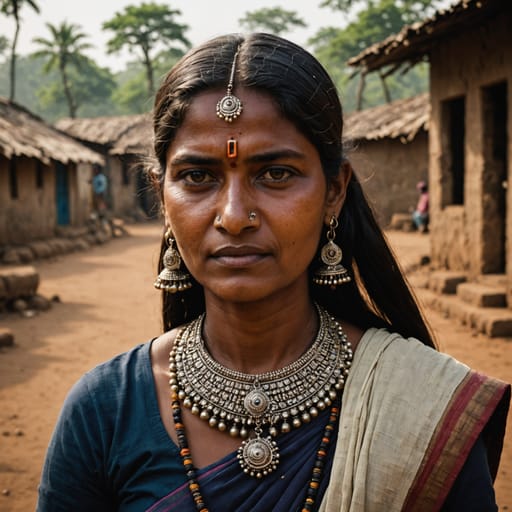
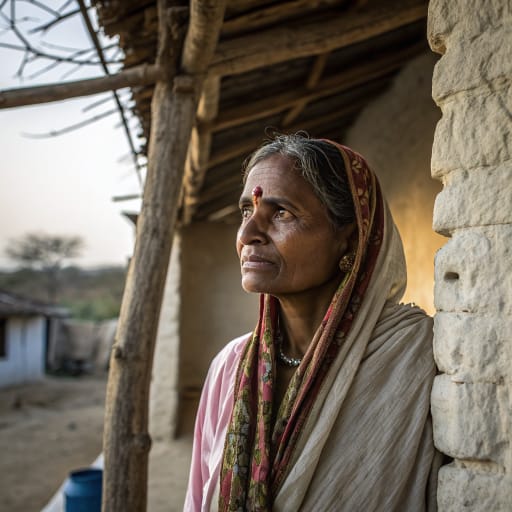
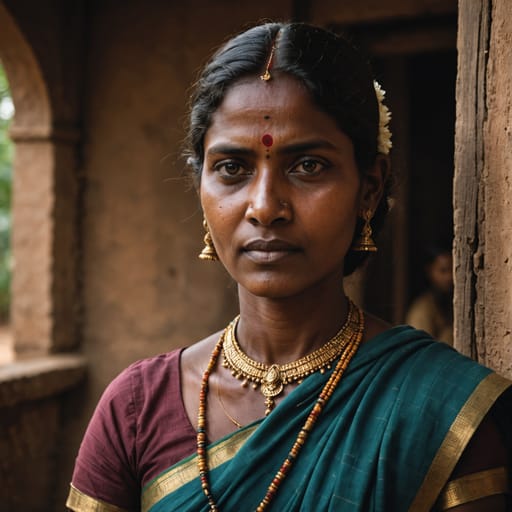
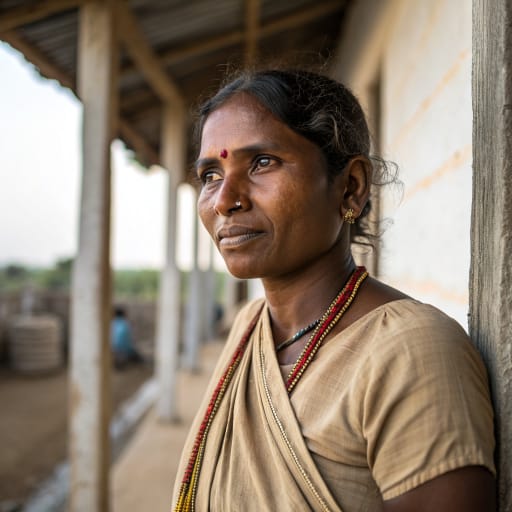
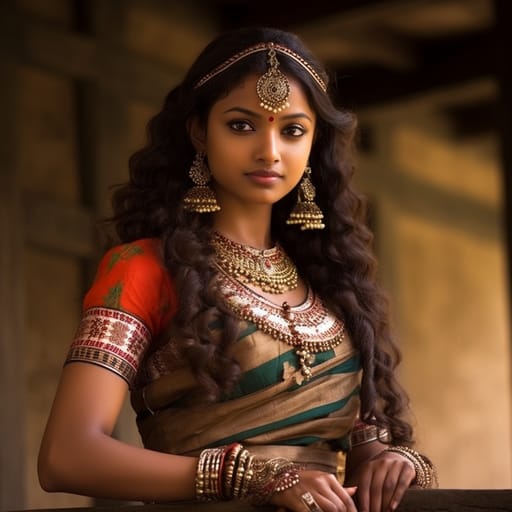
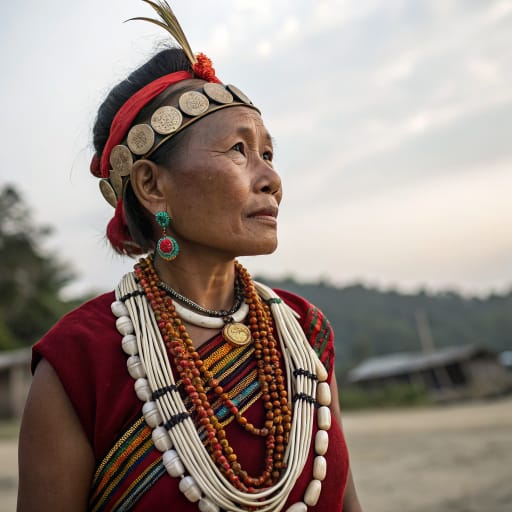
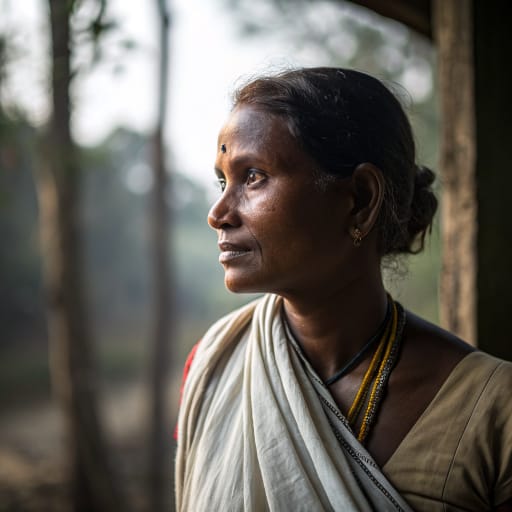
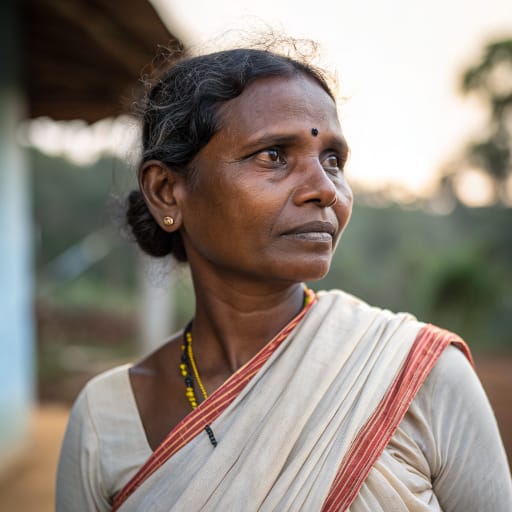
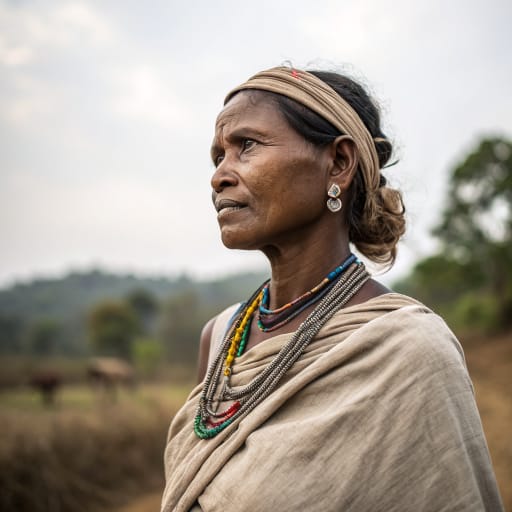
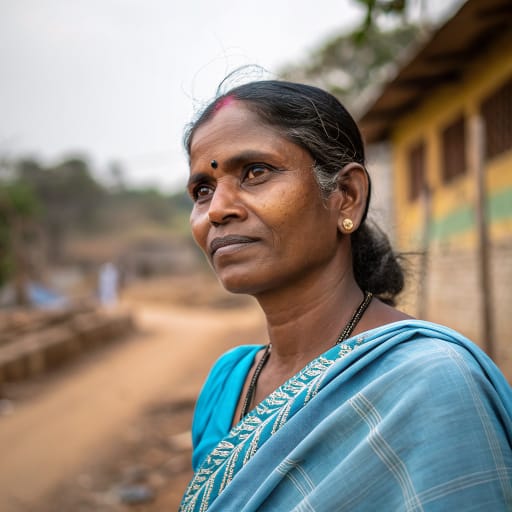
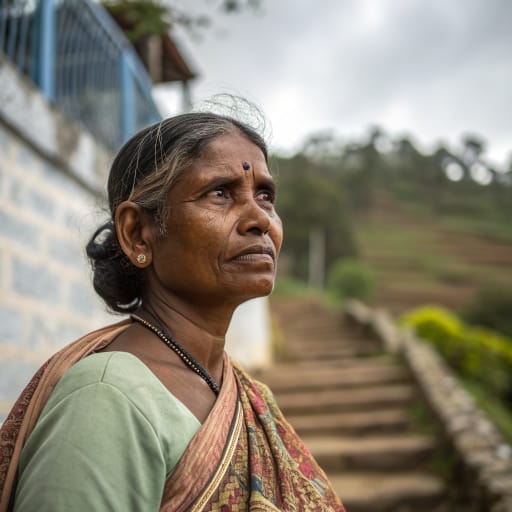
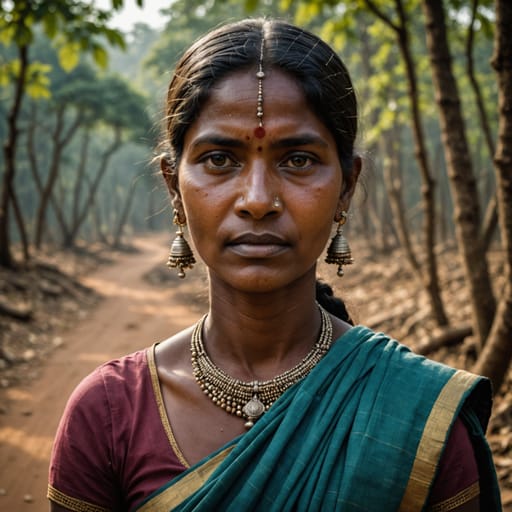
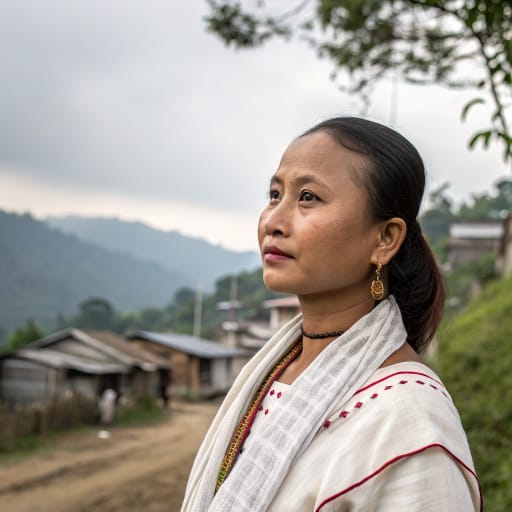
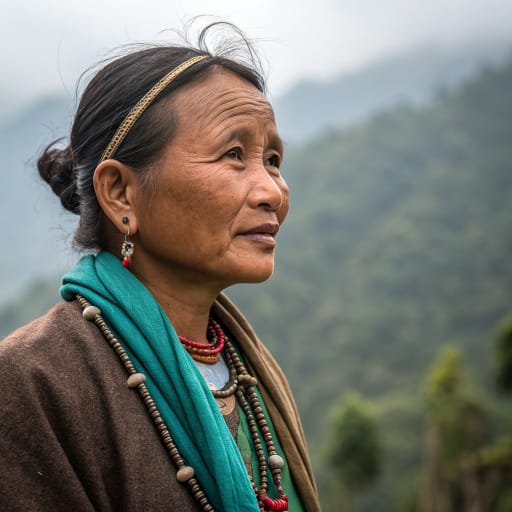
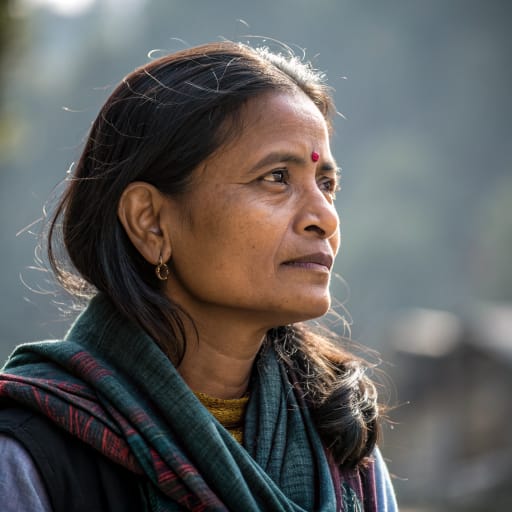
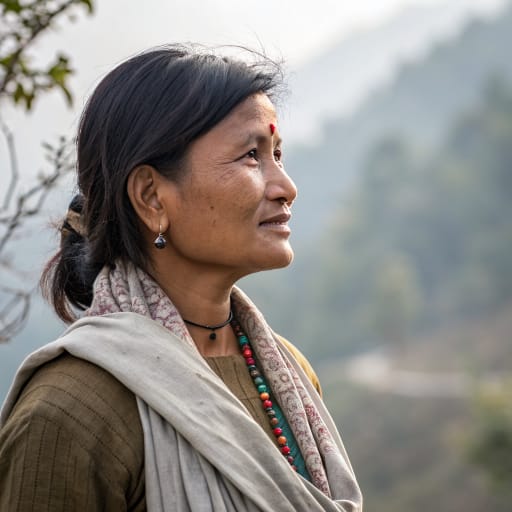
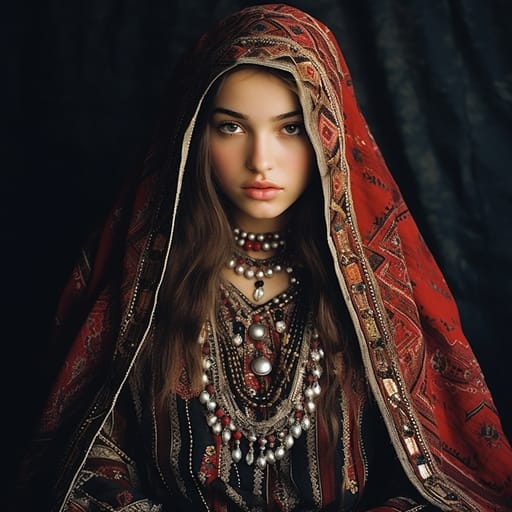
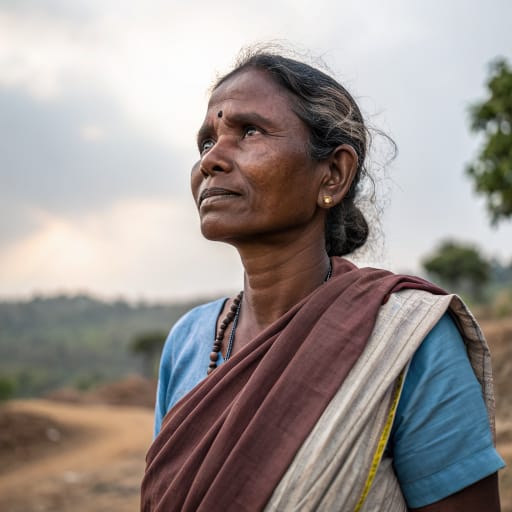
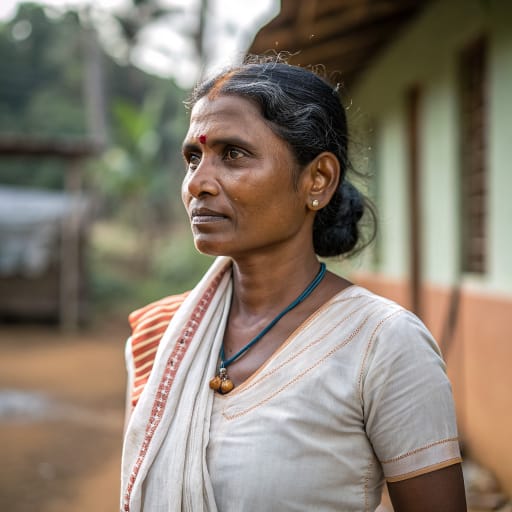
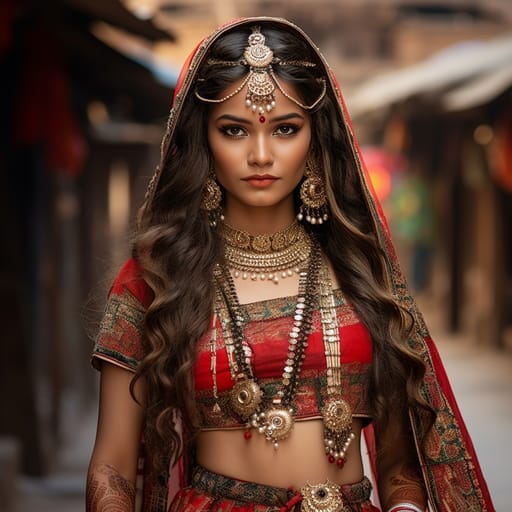
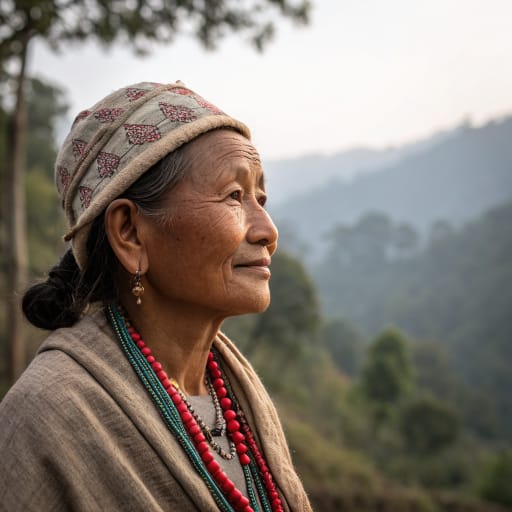
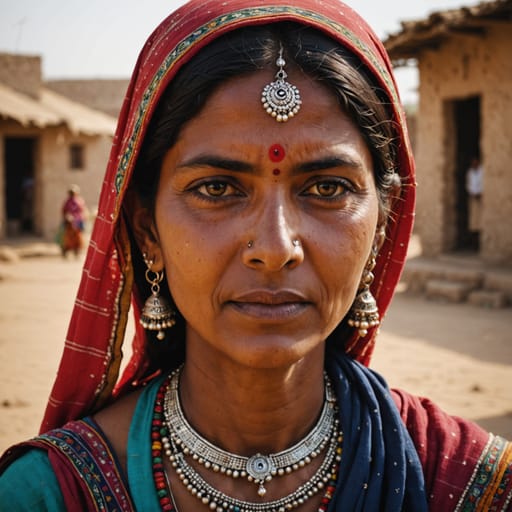
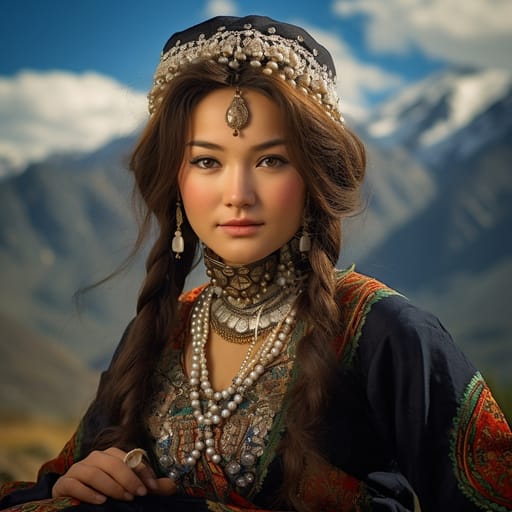
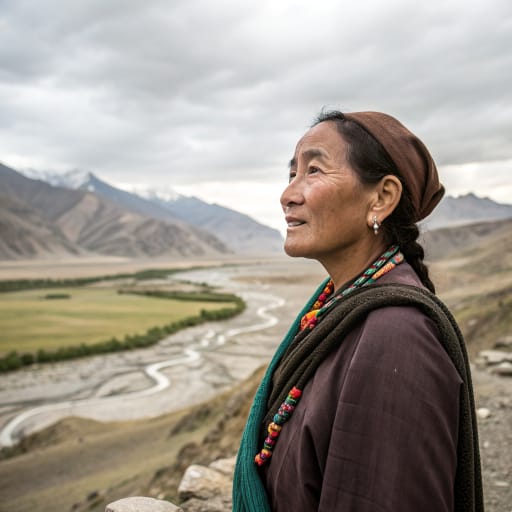
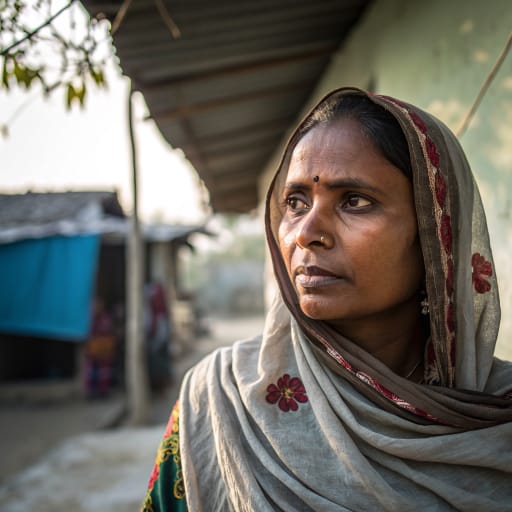
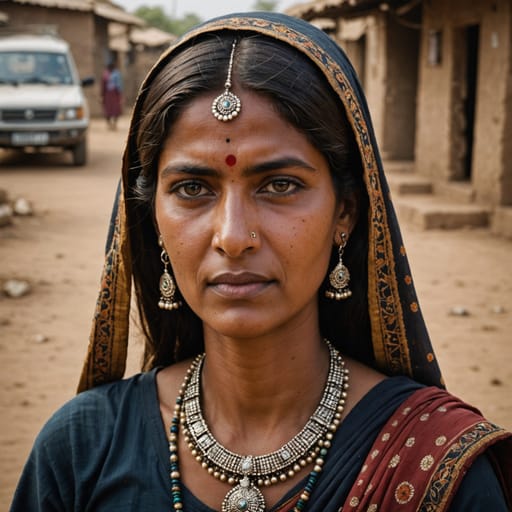
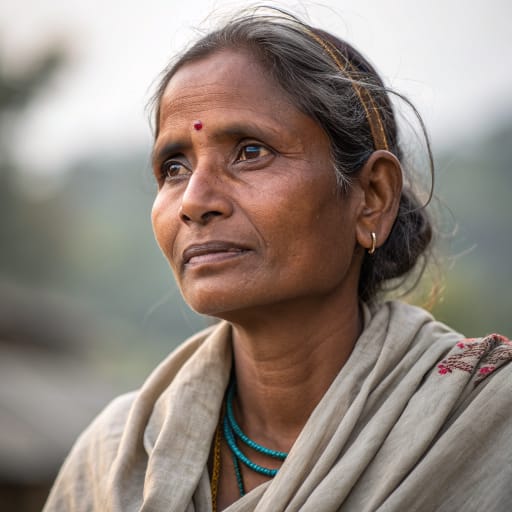
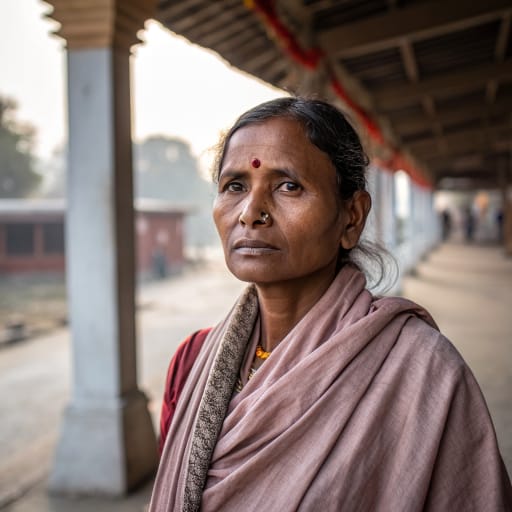
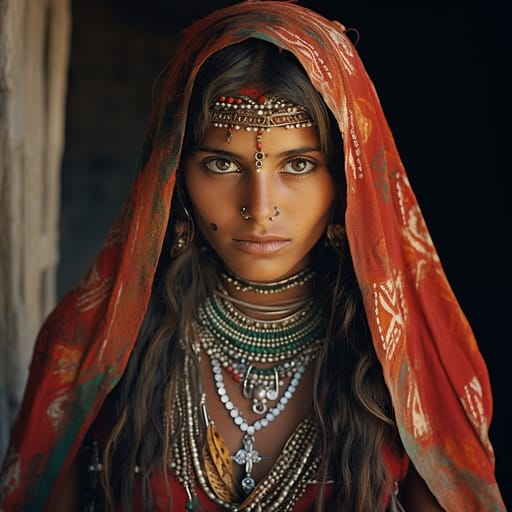
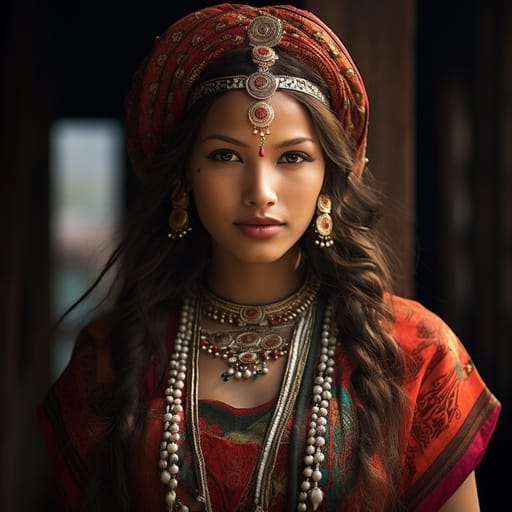
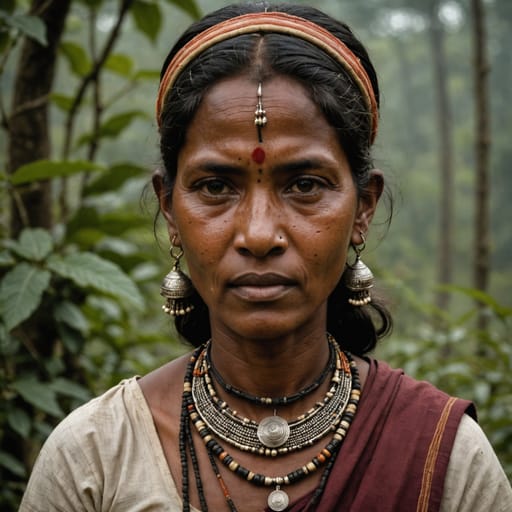
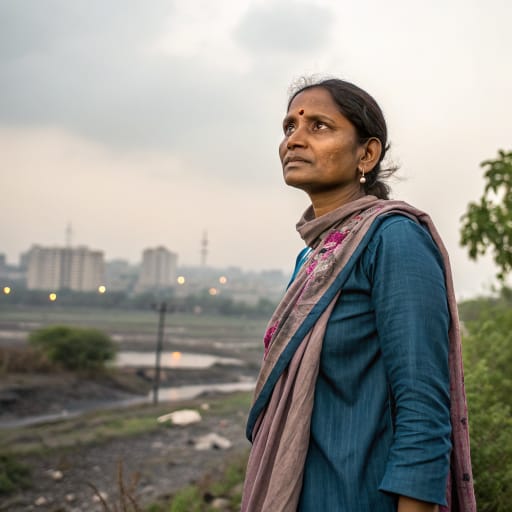
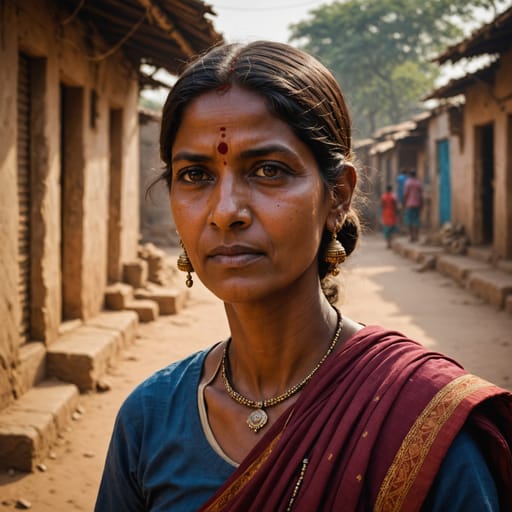
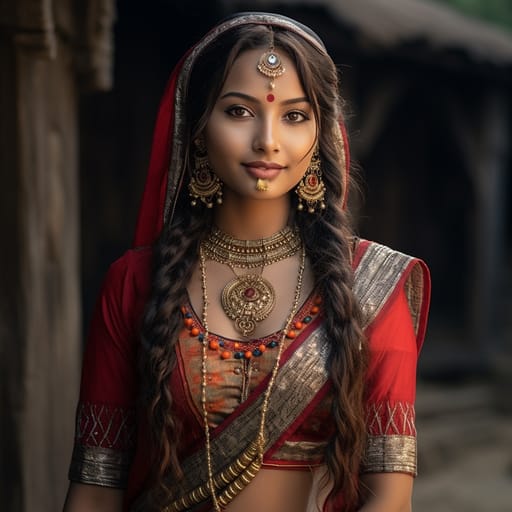
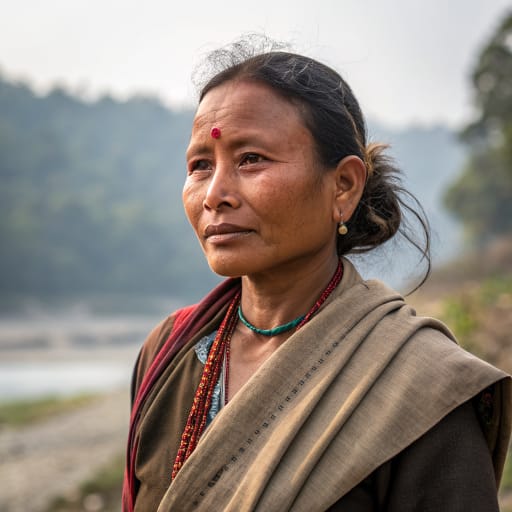
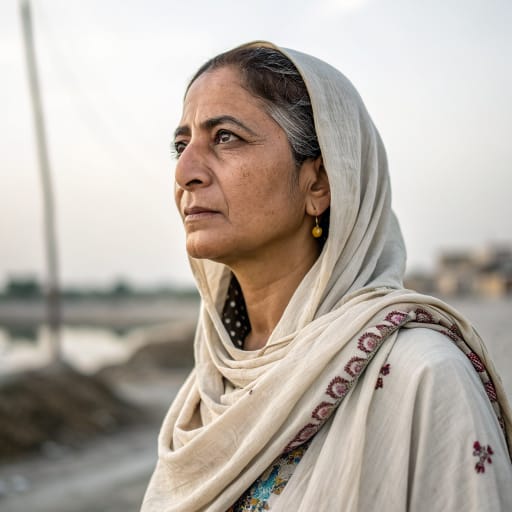
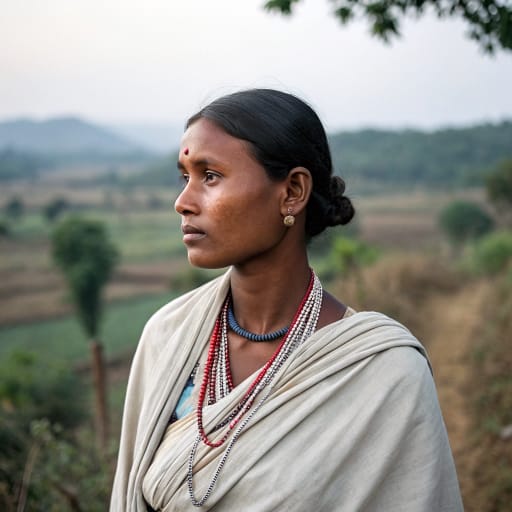
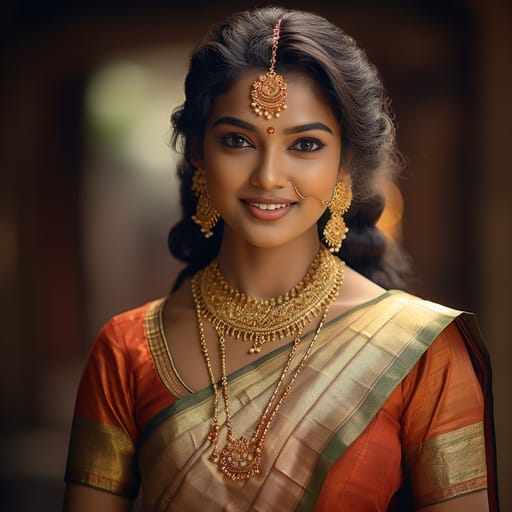
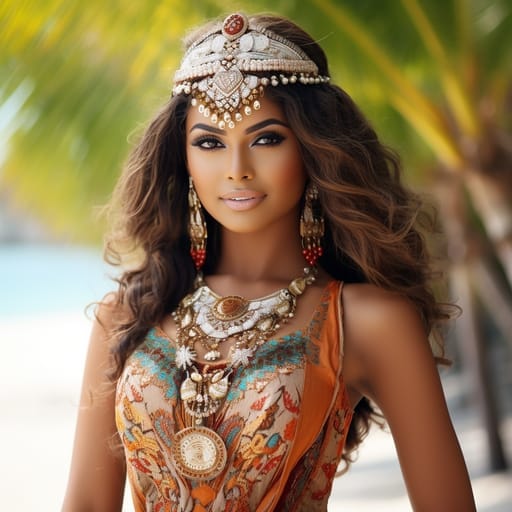
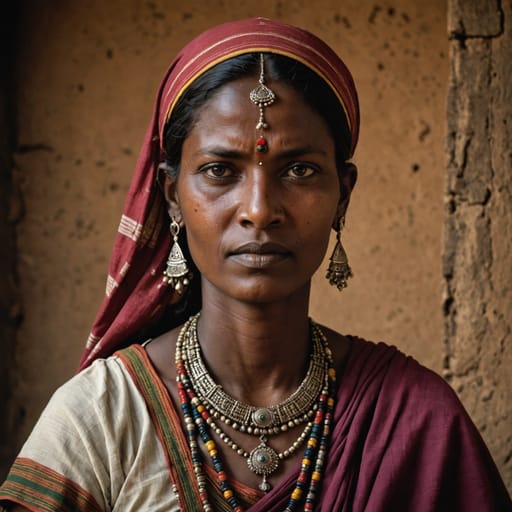
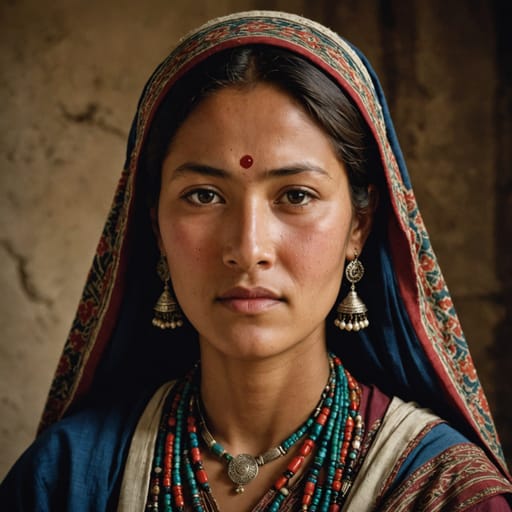
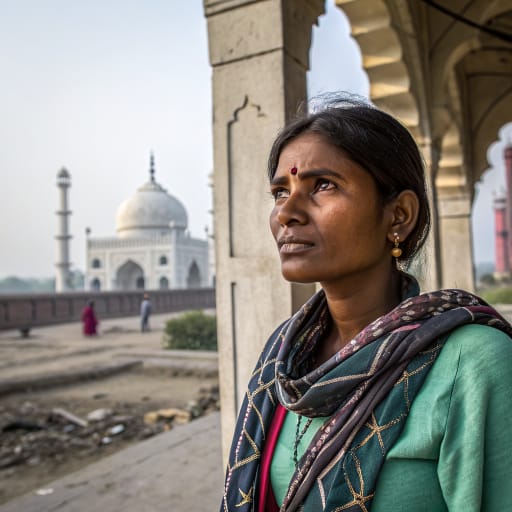
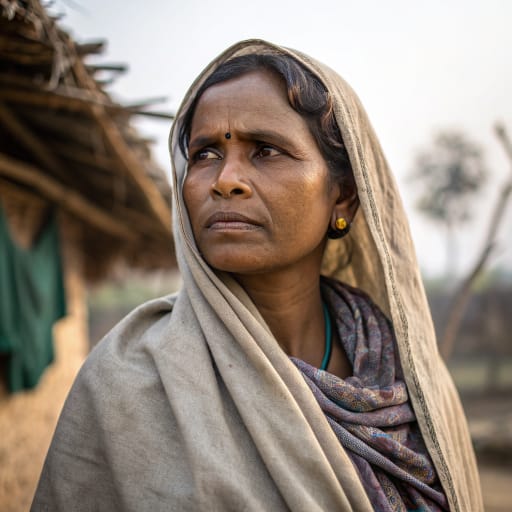
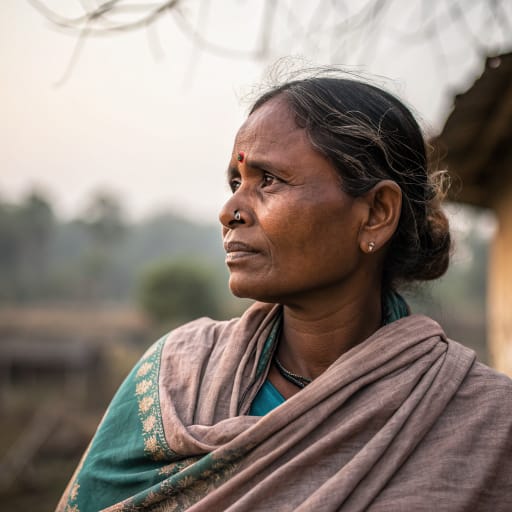
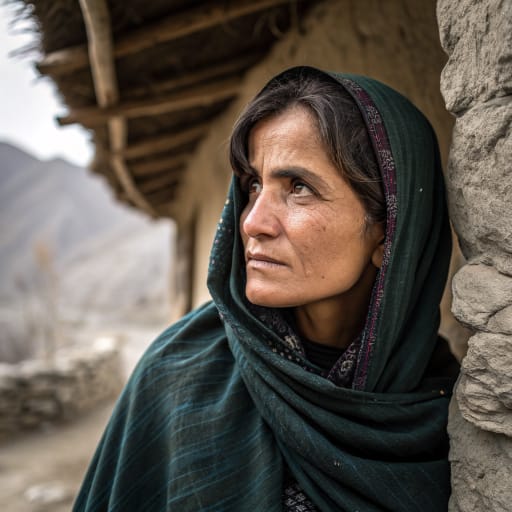
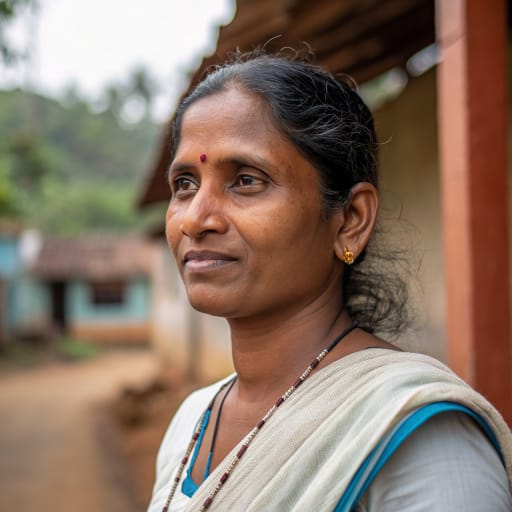
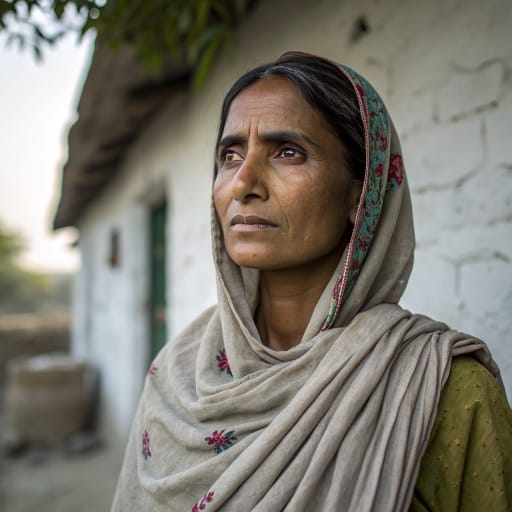
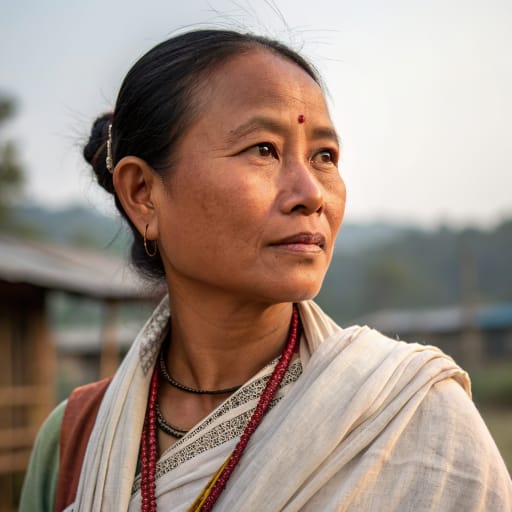
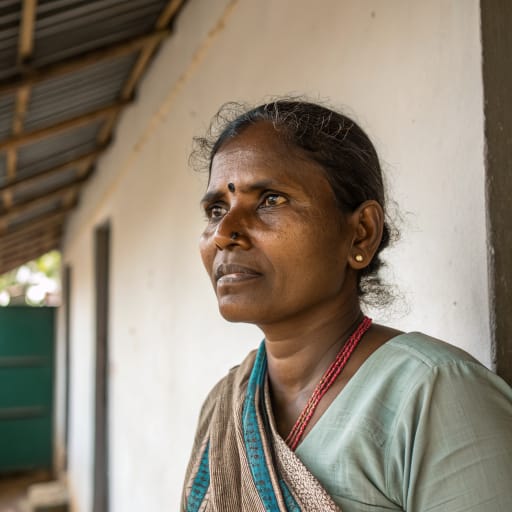
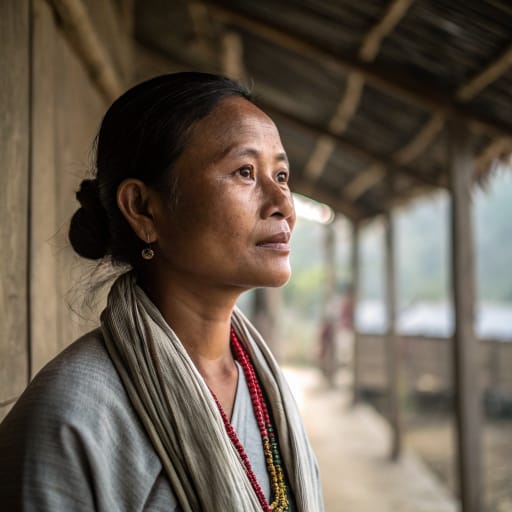
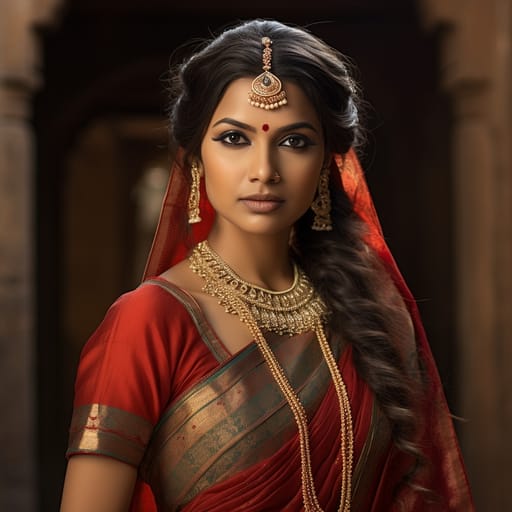
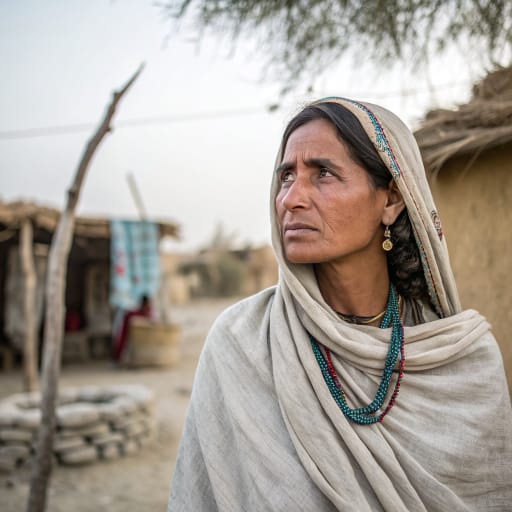
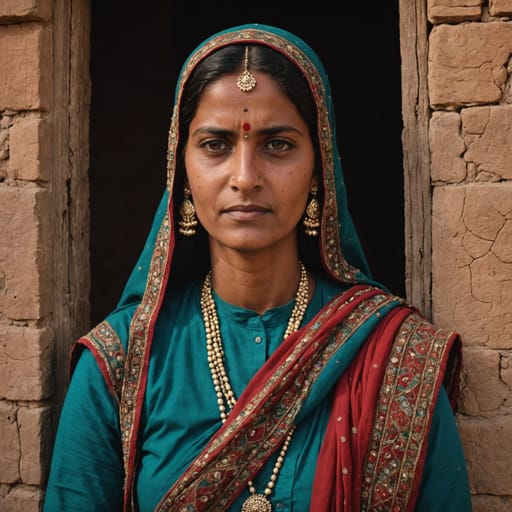
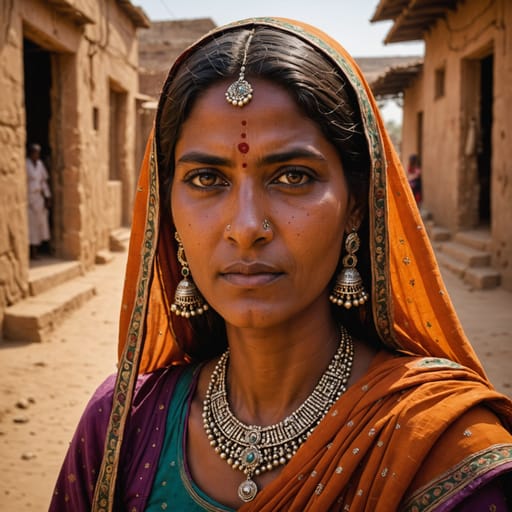
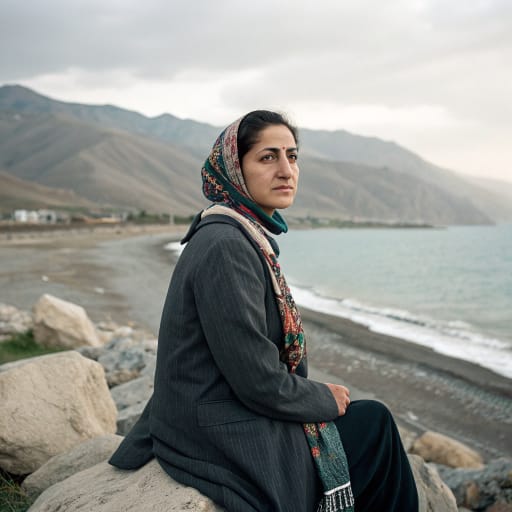
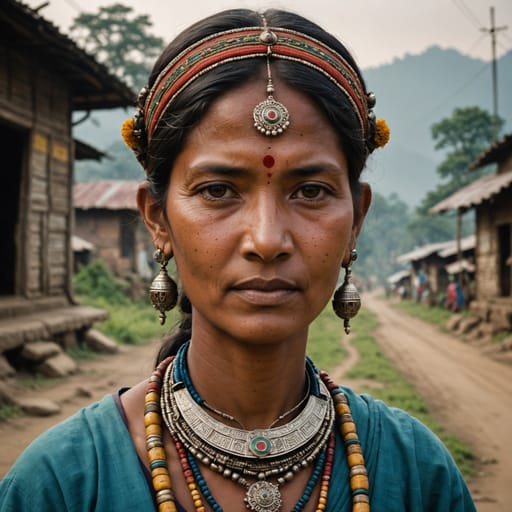
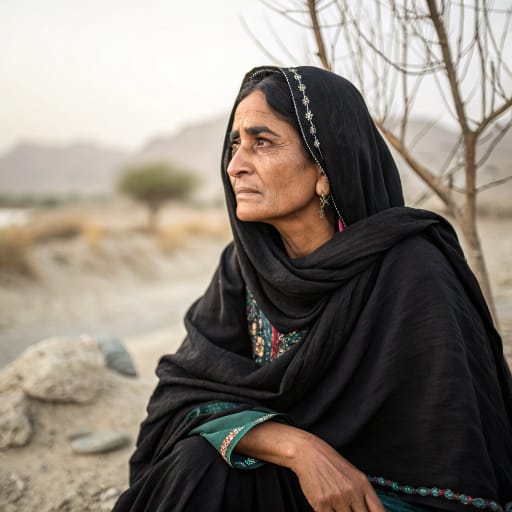
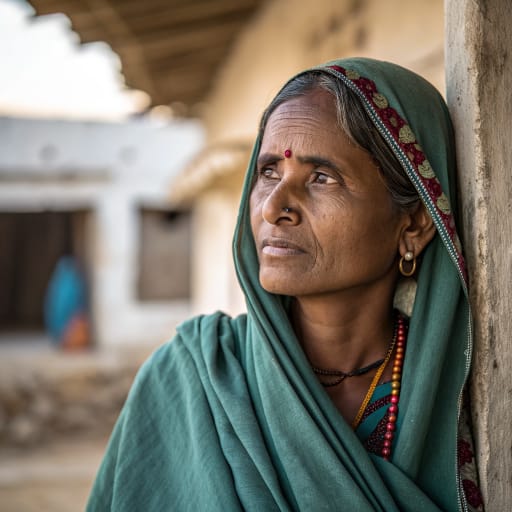
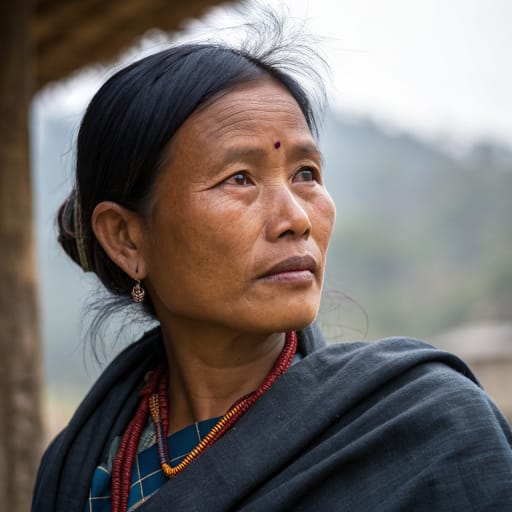
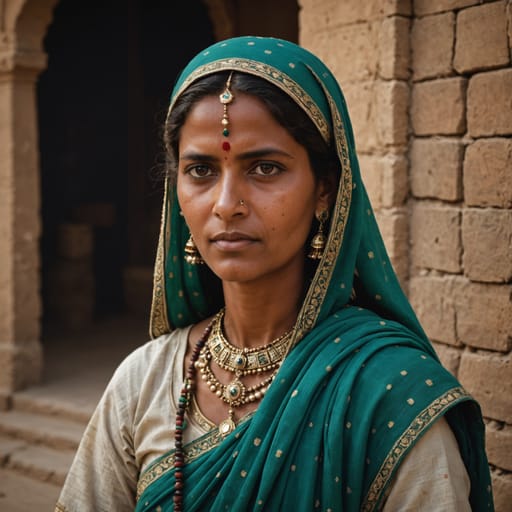
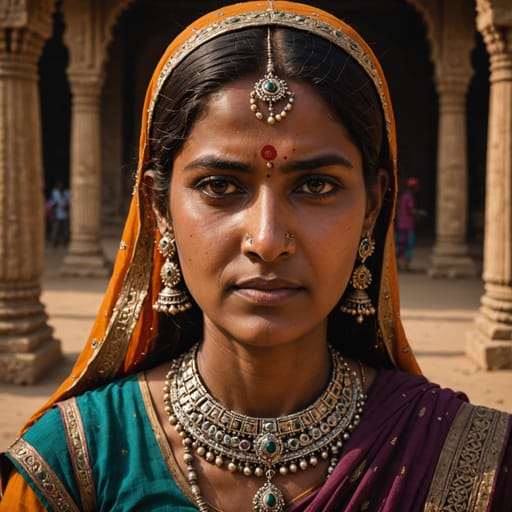
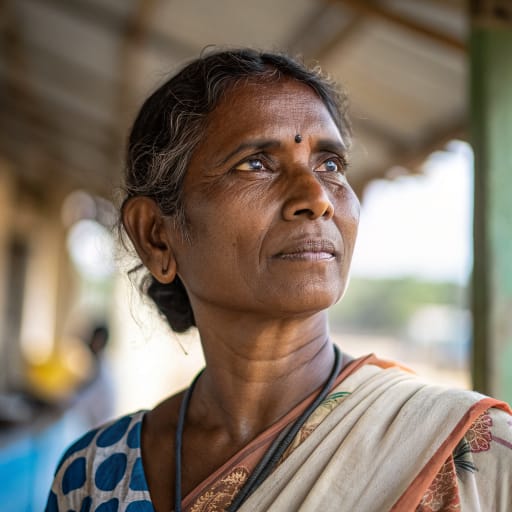
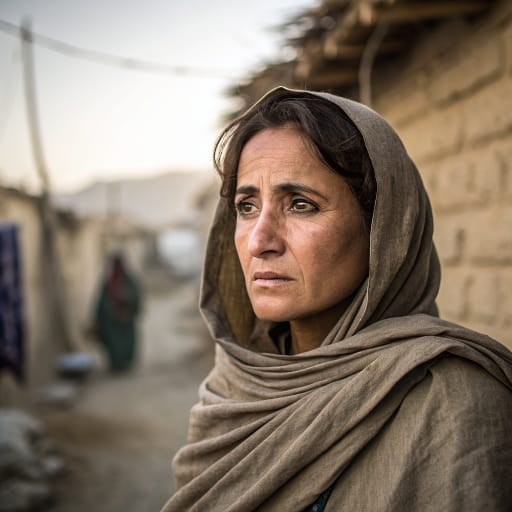
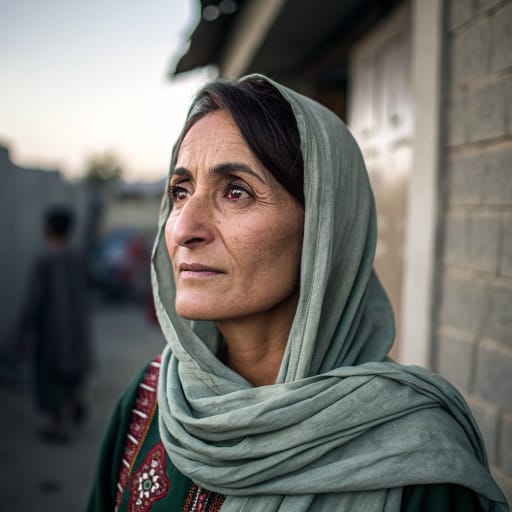
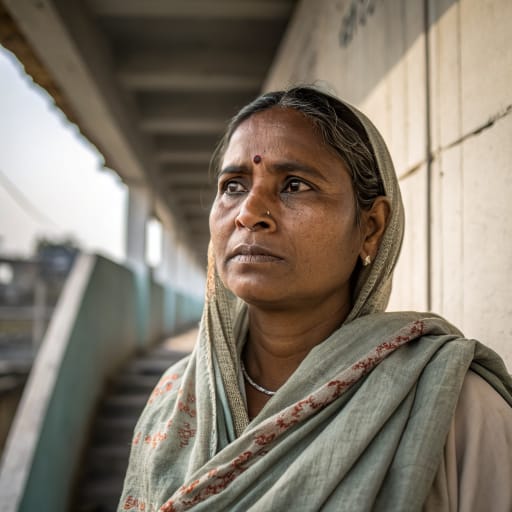
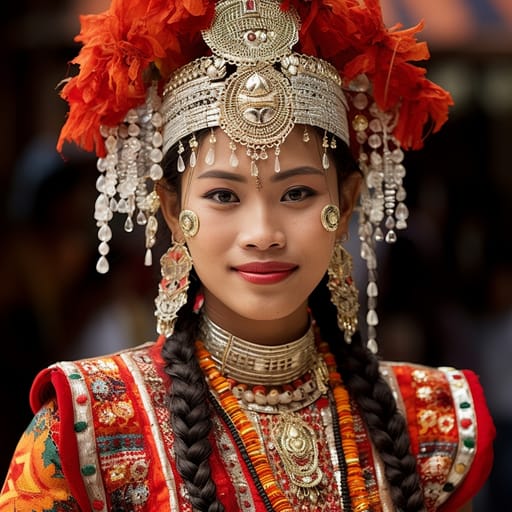
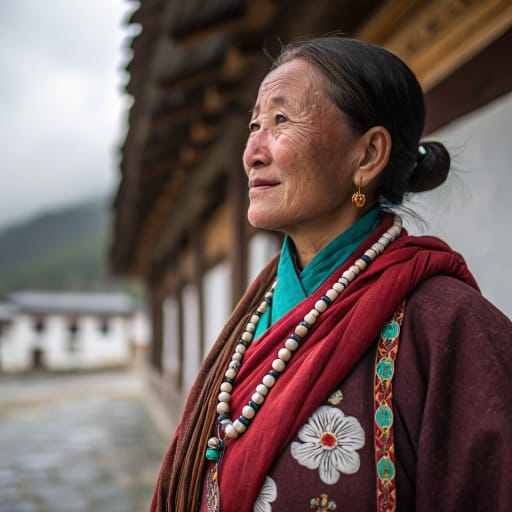
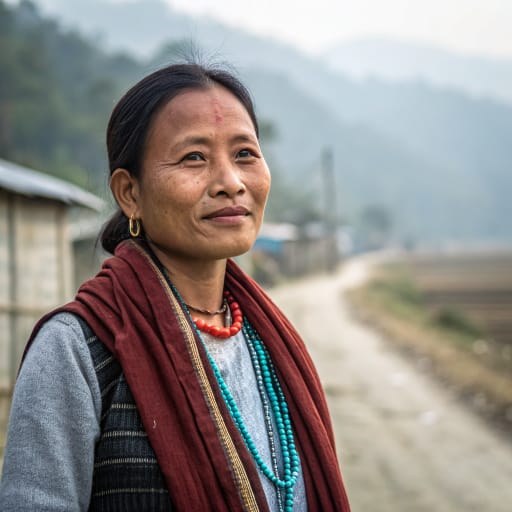
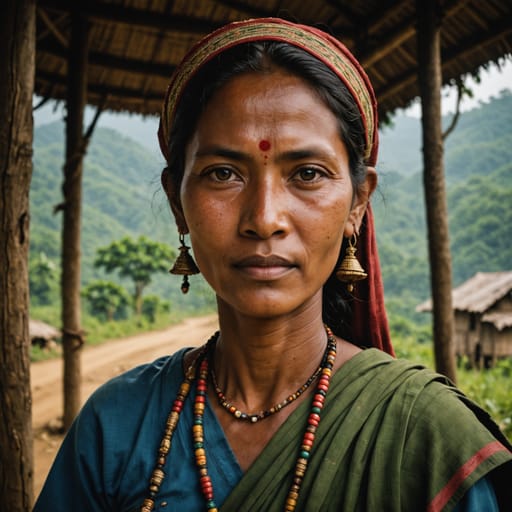
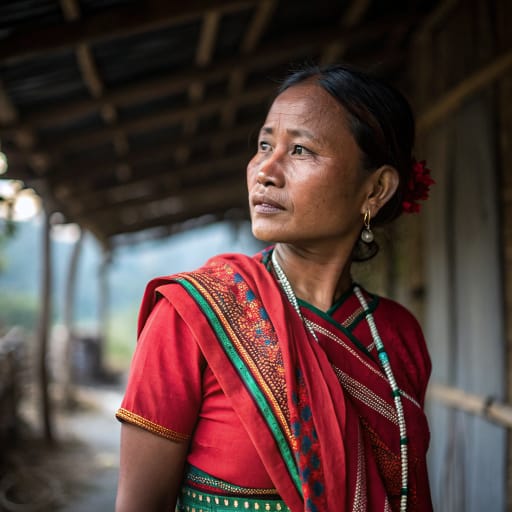
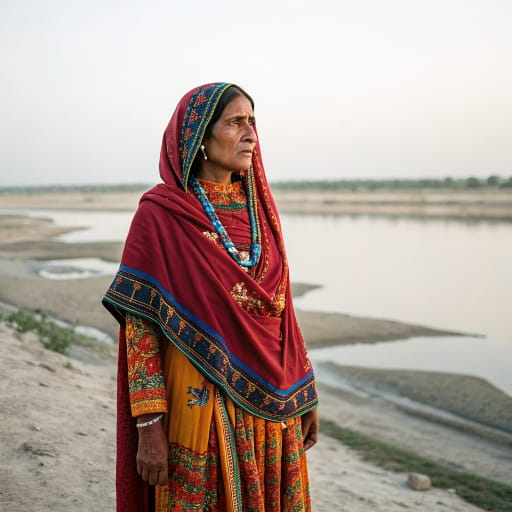
Muhajirs
Urban Sindh, Pakistan, above all Karachi, with Hyderabad, Sukkur, and Mirpurkhas; ancestral origins across northern and central India
Mulukanadu Brahmins
Mulikinadu region of southern Andhra Pradesh, India, with long-settled communities in Tamil Nadu, especially Chennai and the Thanjavur area
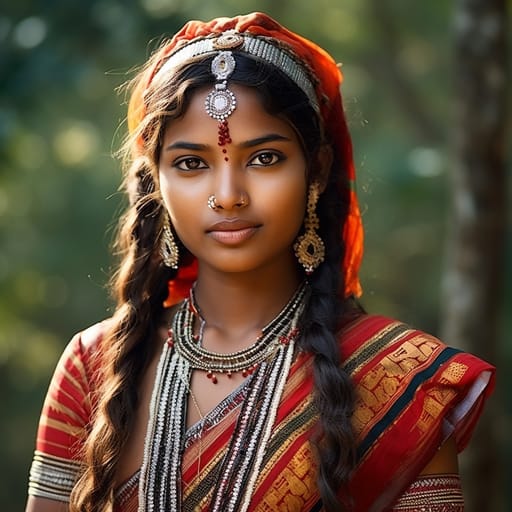
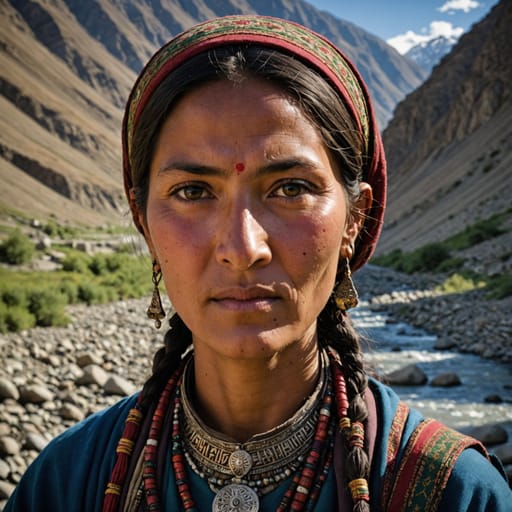
Muria
The Bastar region of southern Chhattisgarh, India, chiefly Narayanpur, Kondagaon, Bastar and Dantewada districts, with displaced populations in Telangana and Andhra Pradesh.
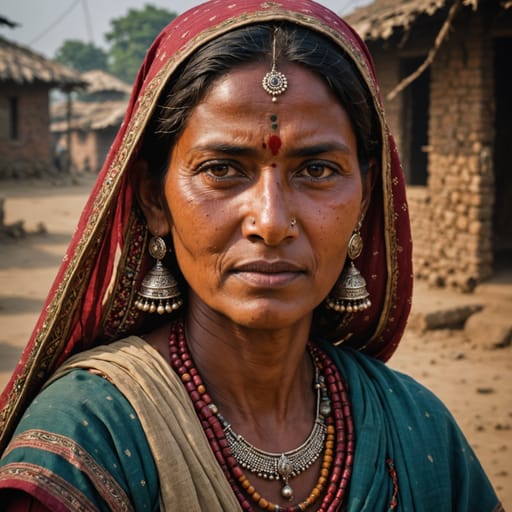
Muslim Rajputs
Punjab, Sindh, the Potohar plateau and the Jammu hills across Pakistan and India, with communities in Rajasthan, Uttar Pradesh, Bihar, Gujarat and the Nepali Terai.
Na
Upper Subansiri district, Arunachal Pradesh, India, mainly the Taksing area near the border with Tibet
Nadars
Southern Tamil Nadu, India: chiefly Kanyakumari, Tirunelveli, Thoothukudi, Virudhunagar and Ramanathapuram districts, with long established diaspora in Sri Lanka, Malaysia, Singapore and the Gulf.
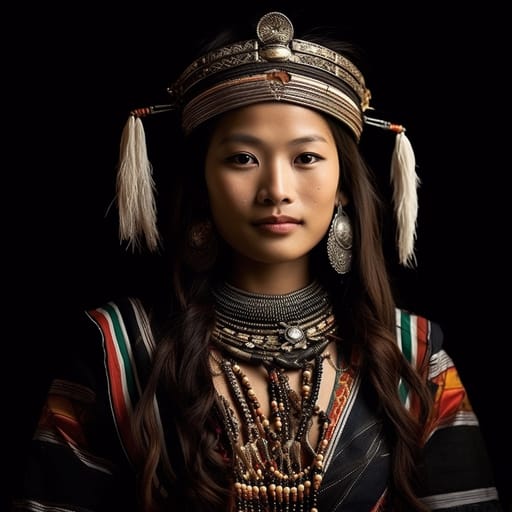
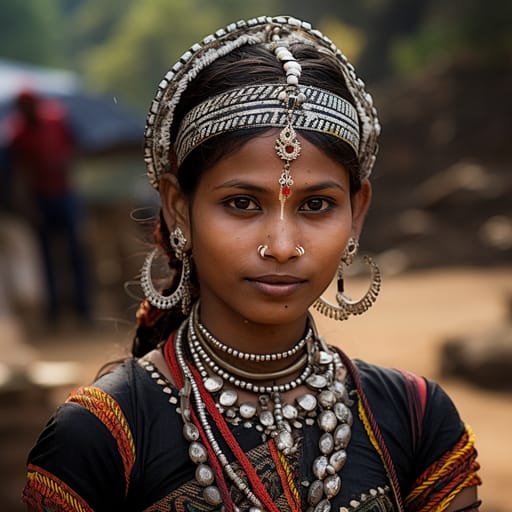
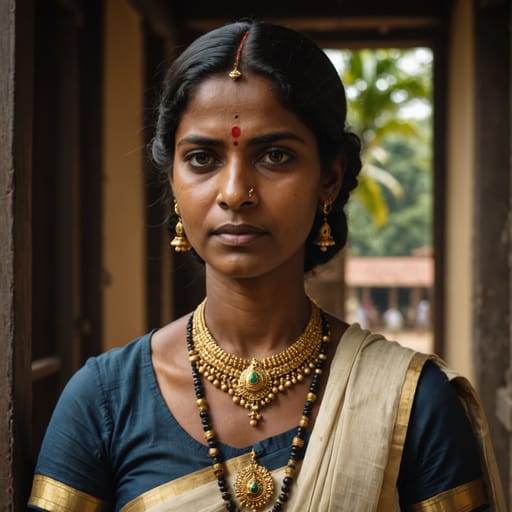
Nambiar
North Malabar in northern Kerala, India: chiefly Kannur and Kasaragod districts and the northern part of Kozhikode district, with families now spread across Indian cities and the Gulf states.
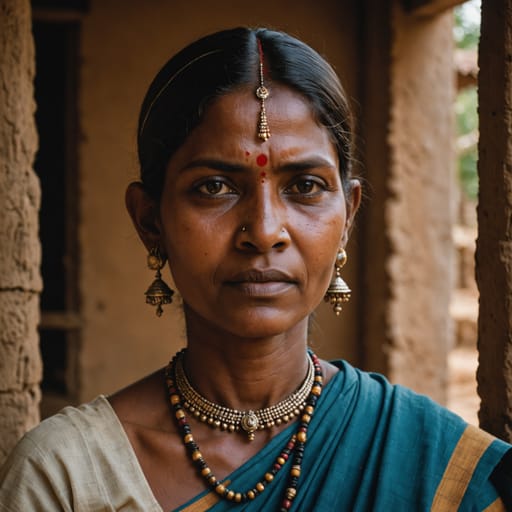
Nasar
Central and southeastern Afghanistan and western Pakistan; historically moving between Afghan highland summer pastures and winter grounds on the plains around Dera Ismail Khan
Nepali Muslims
Mainly the Terai plains of southern Nepal (Rautahat, Banke, Kapilvastu, Parsa, Bara), with hill communities in Gorkha, Tanahun and Kaski and a long established community in Kathmandu
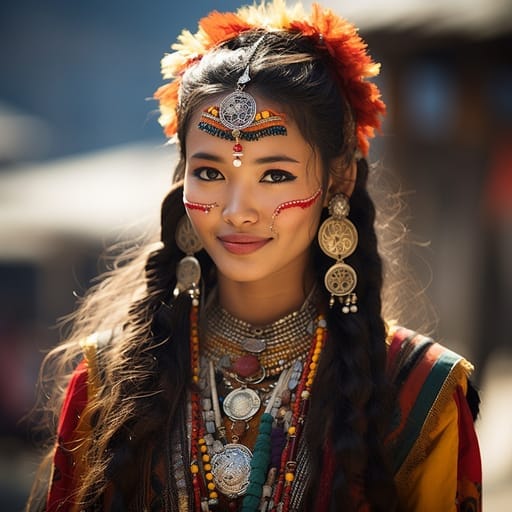
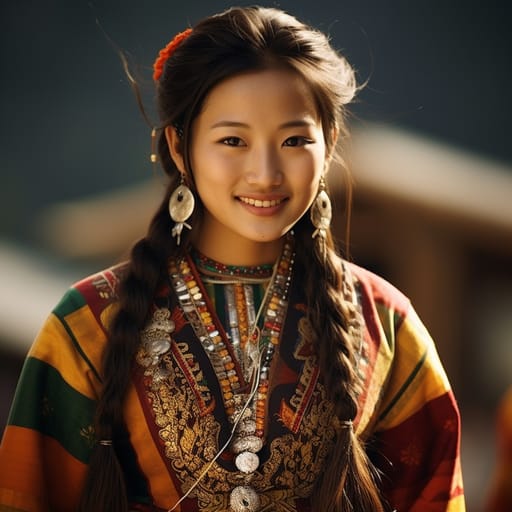
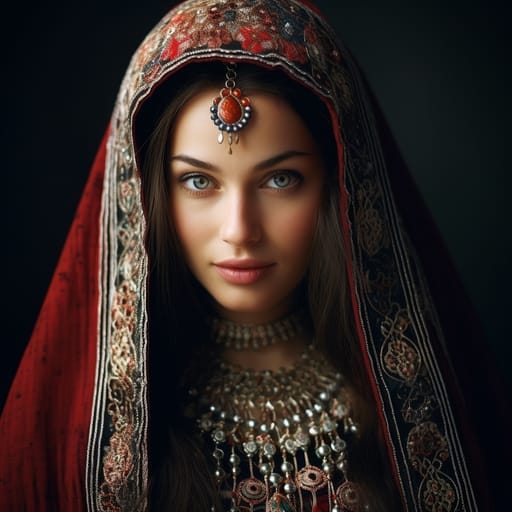
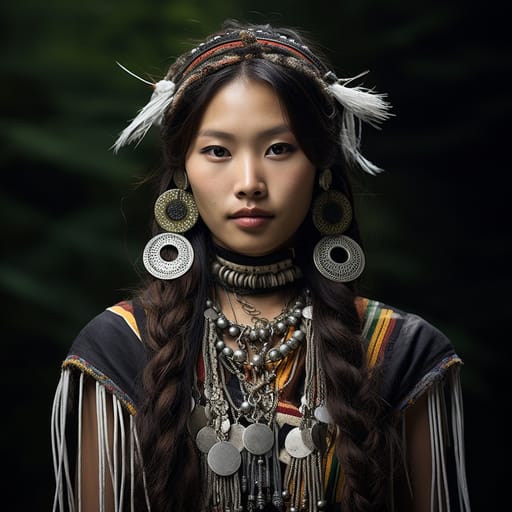
Odia
Odisha in eastern India, with communities in neighboring West Bengal, Jharkhand, Chhattisgarh and Andhra Pradesh, and large migrant populations in Surat and other Indian cities
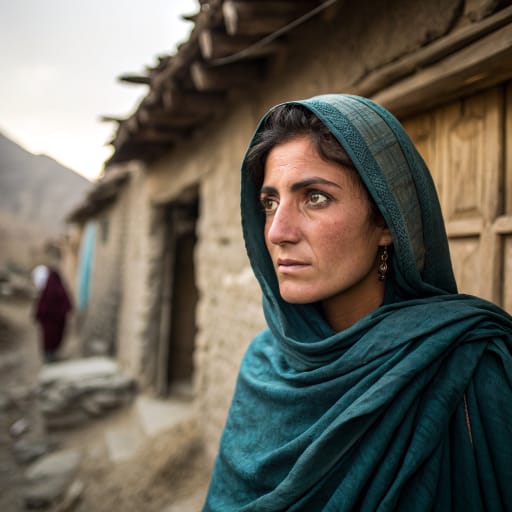
Paite
Churachandpur (Lamka) district of Manipur and parts of Mizoram, India, with ancestral roots in the Tedim area of Chin State, Myanmar
Paliyan
Southern Western Ghats of South India, mainly the forests and foothills of Tamil Nadu (Palani Hills, Dindigul, Theni, Madurai and Virudhunagar districts), with smaller communities in Kerala
Pallar
Southern Tamil Nadu, India, especially Tirunelveli, Thoothukudi, Virudhunagar, Madurai and Ramanathapuram districts; smaller communities in Kerala and in Jaffna, Sri Lanka
Pangals
Imphal Valley of Manipur, India, especially the Imphal, Thoubal and Bishnupur areas; smaller communities in Assam's Barak Valley and the Sylhet region of Bangladesh
Paniya
Wayanad district of Kerala, India, with smaller communities in Kannur, Kozhikode and Malappuram, the Nilgiris of Tamil Nadu, and adjoining Karnataka
Pankho
Chittagong Hill Tracts of southeastern Bangladesh, chiefly Rangamati district (Bilaichhari and nearby upazilas), with some in Bandarban; related communities in Mizoram, India.
Pardhi
Central and western India: Madhya Pradesh, Maharashtra and Gujarat, with smaller communities in Chhattisgarh, Karnataka, Andhra Pradesh and Uttar Pradesh
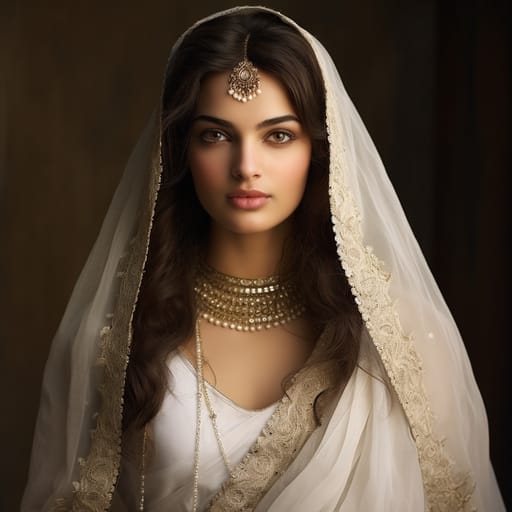
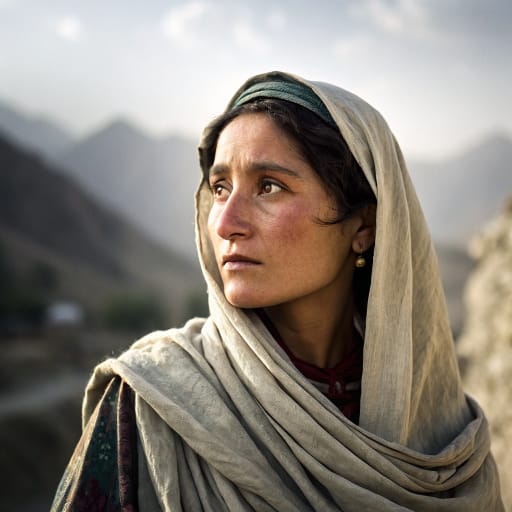
Pasi
Uttar Pradesh, especially Awadh around Lucknow, and Bihar, with smaller communities across northern India
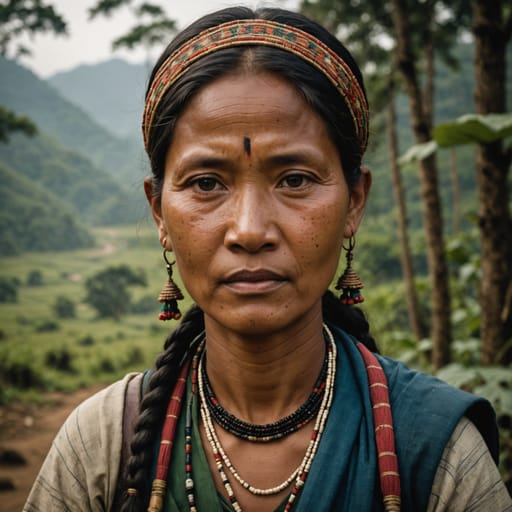
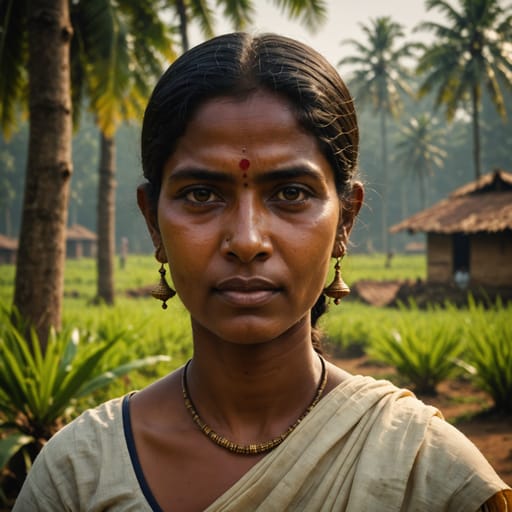
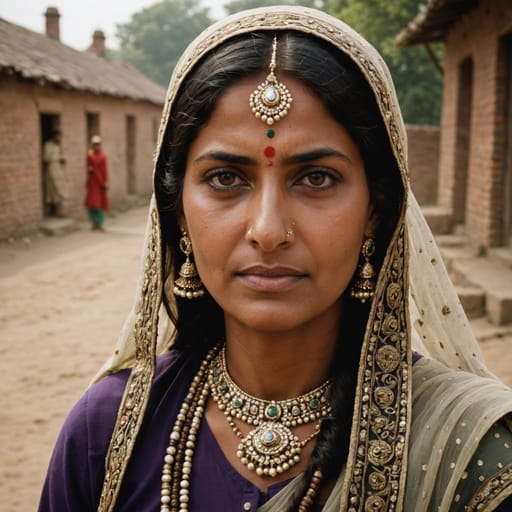
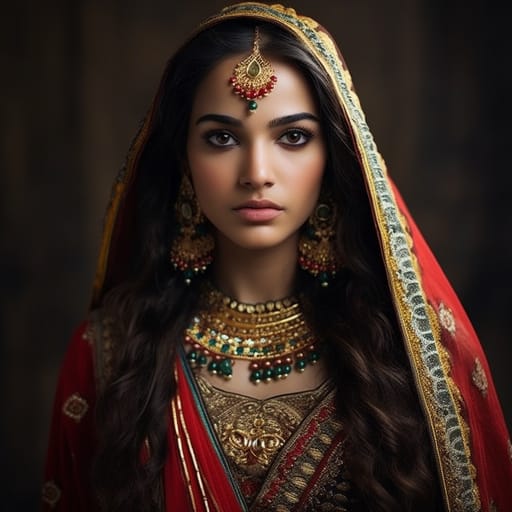
Qaradaghis
Qaradagh, officially Arasbaran: the highlands south of the Aras River in East Azerbaijan province, Iran, around Ahar, Kaleybar and Varzaqan.
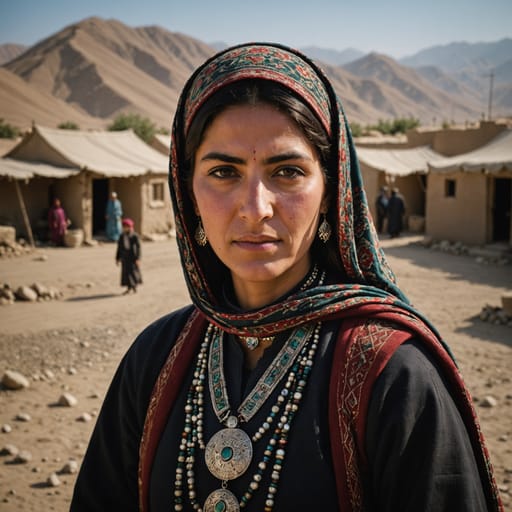
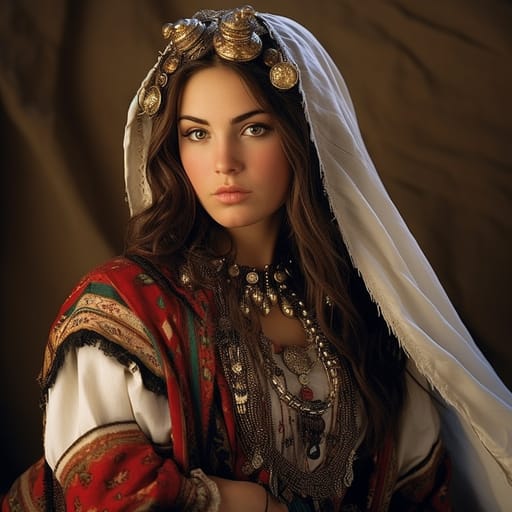
Qassab
Towns and cities of northern and western India (Delhi, Uttar Pradesh, Bihar, Rajasthan, Gujarat, Maharashtra) and Pakistan
Qizilbash
Chiefly Kabul, especially the old Chindawol quarter, with smaller communities in Herat and Kandahar, Afghanistan; diaspora in Pakistan, Iran, Europe and North America
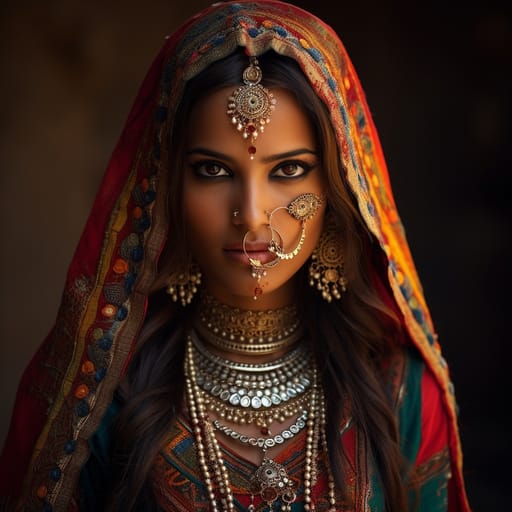
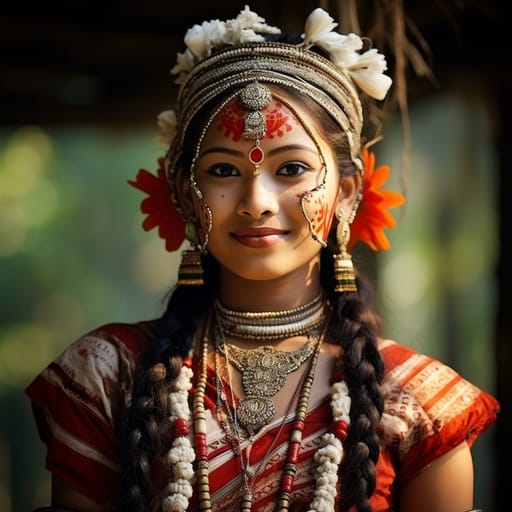
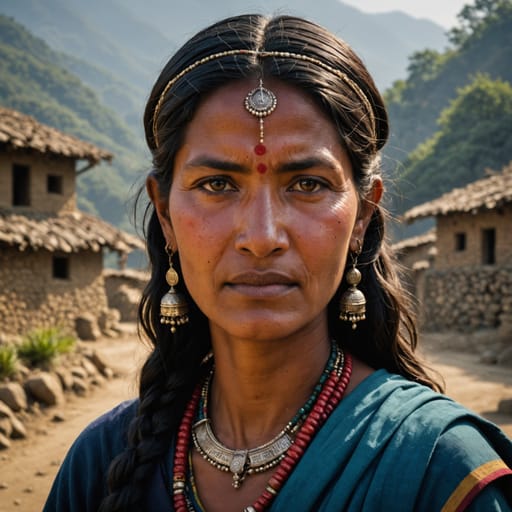
Rajputs
Rajasthan and the plains and hills of northern and western India (Uttar Pradesh, Bihar, Gujarat, Madhya Pradesh, Himachal Pradesh, Haryana, Jammu); Punjab and Sindh in Pakistan; parts of Nepal.
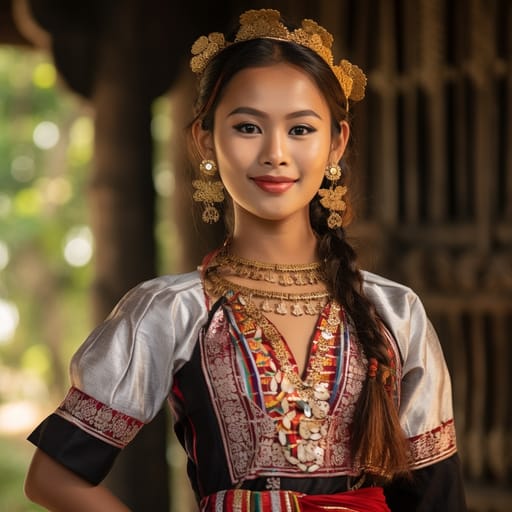
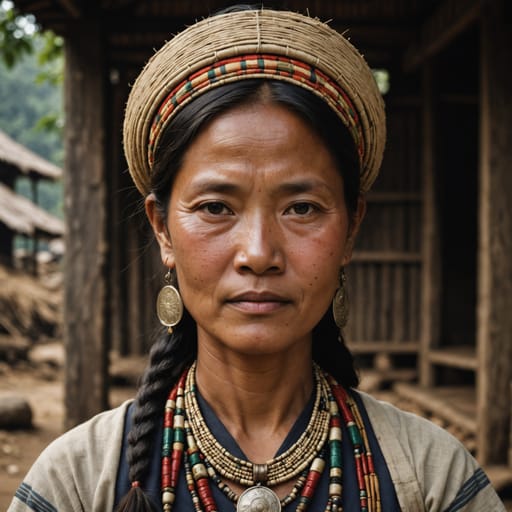
Rangrez
North India, chiefly Uttar Pradesh, Rajasthan, Bihar, Delhi, Madhya Pradesh and Gujarat; a Partition-era branch in Karachi and other towns of Sindh, Pakistan.
Raute
Forests of mid-western and far-western Nepal, especially Surkhet, Dailekh and neighboring districts; a settled community in Dadeldhura
Rayeen
The Gangetic plain of north India, mainly Uttar Pradesh and Bihar, with communities in the Terai of Nepal and, since 1947, in Karachi and other cities of Pakistan.
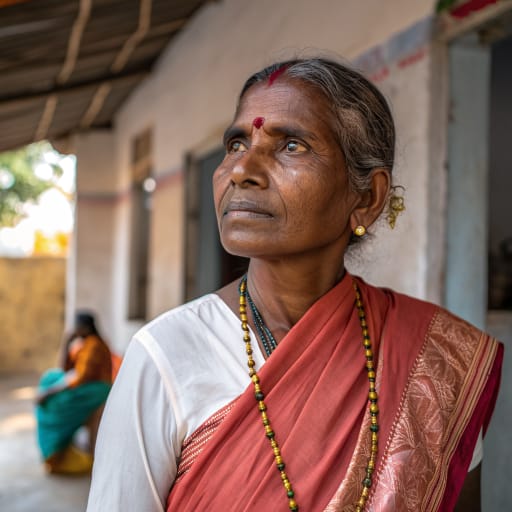
Relli
North coastal Andhra Pradesh (Srikakulam, Vizianagaram and Visakhapatnam districts), India, with smaller numbers in neighboring Odisha
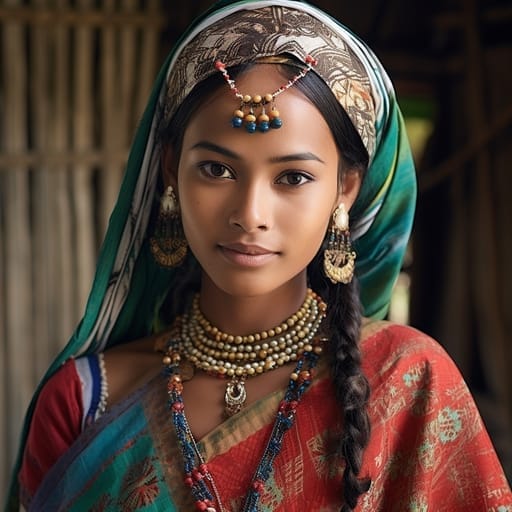
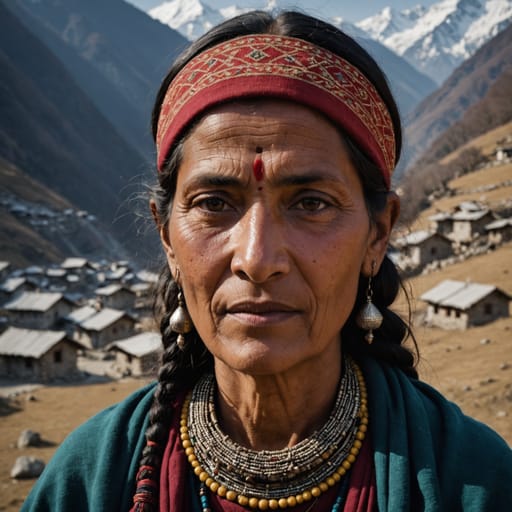
Rowther
Inland Tamil Nadu, India, with a smaller branch in Kerala, especially Palakkad and the midland towns of central Kerala
Sabar
Forest and hill districts of eastern India, chiefly Odisha, Jharkhand and western West Bengal (Purulia, Medinipur); related Saora communities live in southern Odisha and Andhra Pradesh
Sadaat-e-Bara
Muzaffarnagar district and the upper Ganges-Yamuna Doab, western Uttar Pradesh, India; since 1947 also Pakistan, chiefly Karachi.
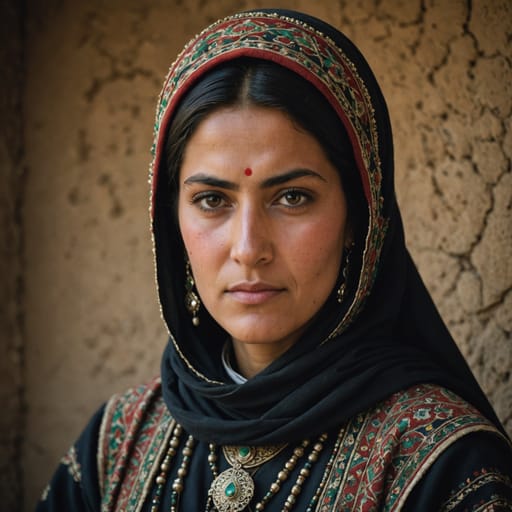
Samantan
Malabar in northern and central Kerala, India, especially the Kozhikode, Malappuram and Palakkad areas
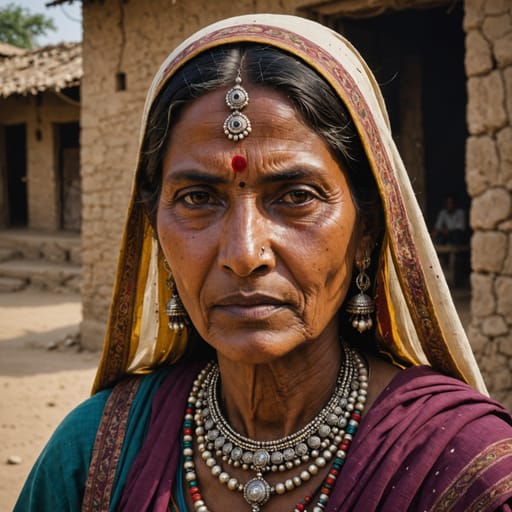
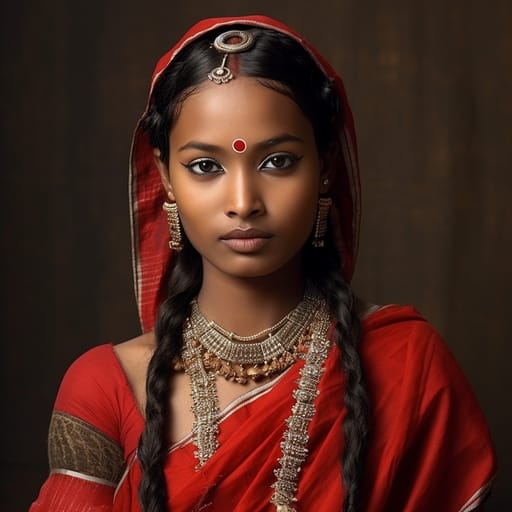
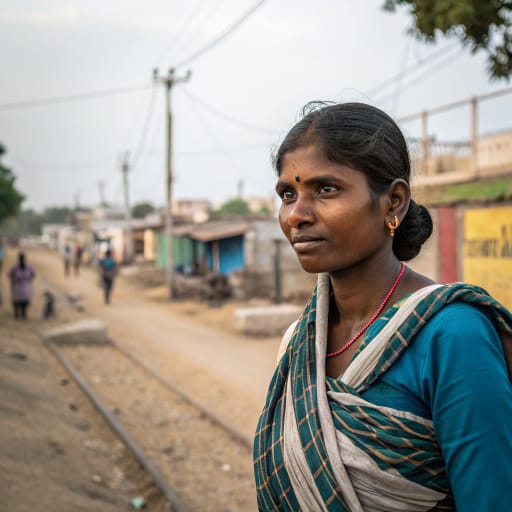
Sengunthar
Tamil Nadu, India, especially the weaving centers of Kanchipuram, Salem, Erode and Namakkal districts, with smaller communities elsewhere in South India and in the Tamil diaspora
Shakya
Historically the Terai around Kapilavastu and Lumbini, straddling southern Nepal and Uttar Pradesh, India; today concentrated in the Kathmandu Valley, Nepal, with Shakya-surnamed communities in Uttar Pradesh
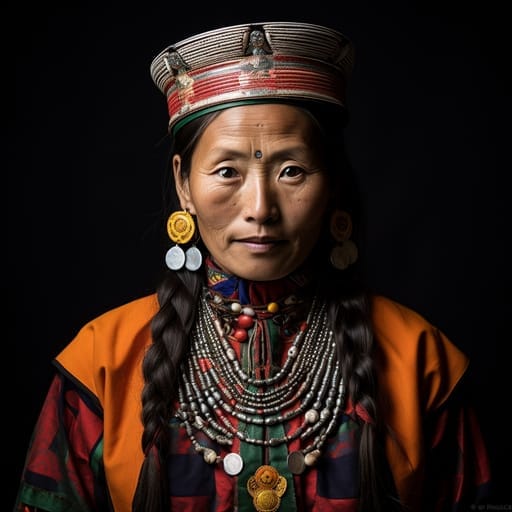
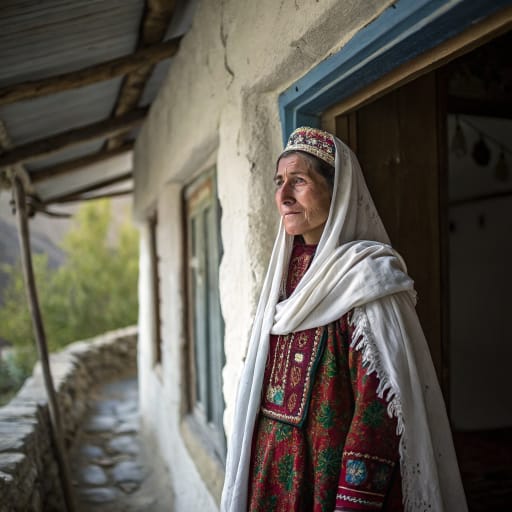
Shresthas
Kathmandu Valley, Nepal, with long-established communities in hill bazaar towns across Nepal such as Bandipur, Tansen and Dhankuta, and in Darjeeling and Sikkim, India
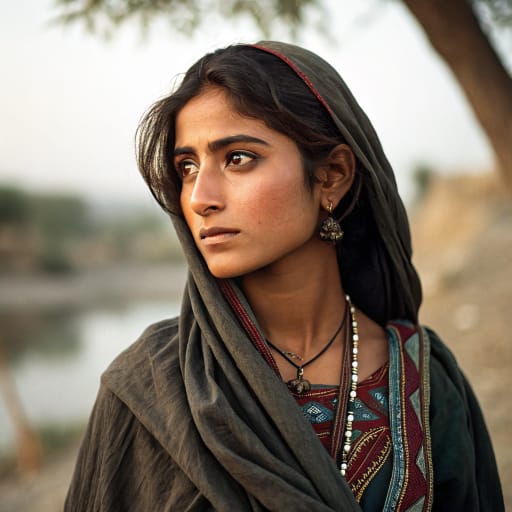
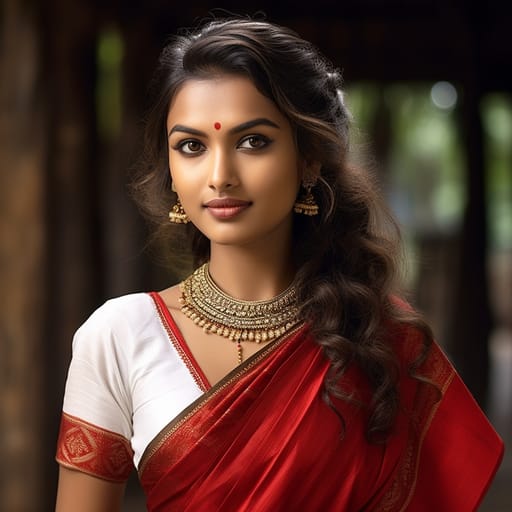
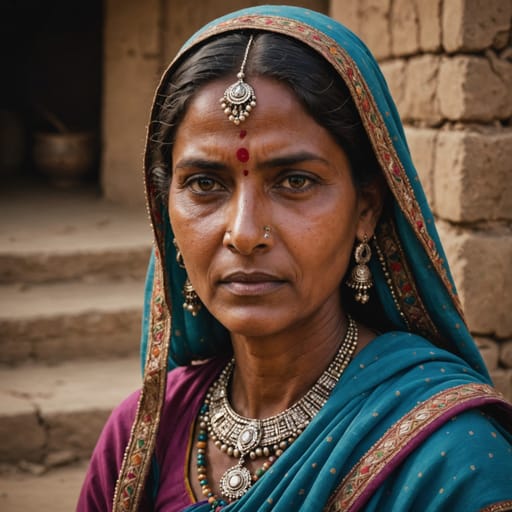
Solanki
Gujarat and Rajasthan, India, with smaller communities elsewhere in northern India and abroad
Sora
Hill country of southern Odisha, chiefly Rayagada, Gajapati, Ganjam and Koraput districts, and the adjoining Srikakulam and Vizianagaram districts of Andhra Pradesh, India
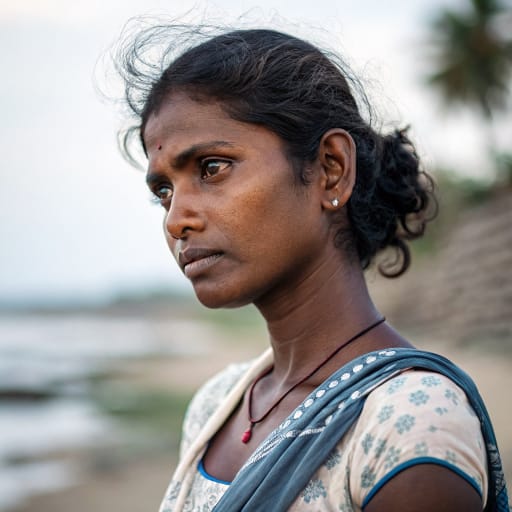
Sudhan
Azad Kashmir, Pakistan, chiefly Sudhnoti and Poonch districts in the Poonch Division, with communities in Pakistani cities and abroad
Sunni Bohra
Northern and central Gujarat, India: Patan, Mehsana, Banaskantha and the Charotar tract around Anand and Kheda; large diaspora in Britain
Sunuwar
Middle hills of eastern Nepal along the Sun Koshi, Likhu and Molung rivers, chiefly Okhaldhunga, Ramechhap, Dolakha and Solukhumbu districts, with communities in Sikkim, Darjeeling and Bhutan.
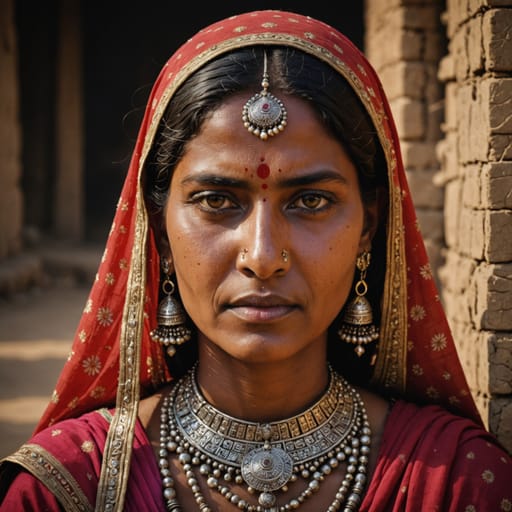
Sylhetis
Sylhet Division in northeastern Bangladesh and the Barak Valley of Assam, India, with a large diaspora in the United Kingdom and smaller communities in the United States and the Gulf states
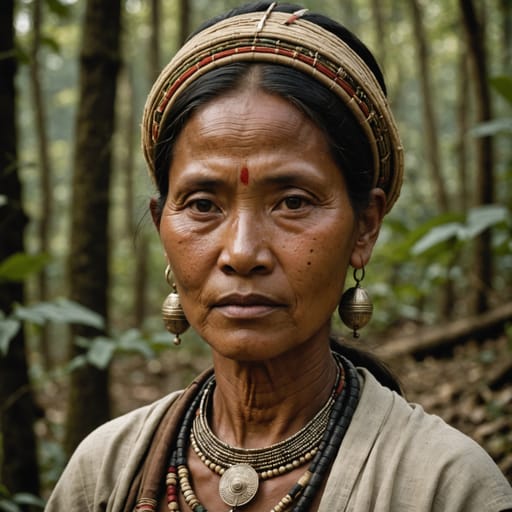
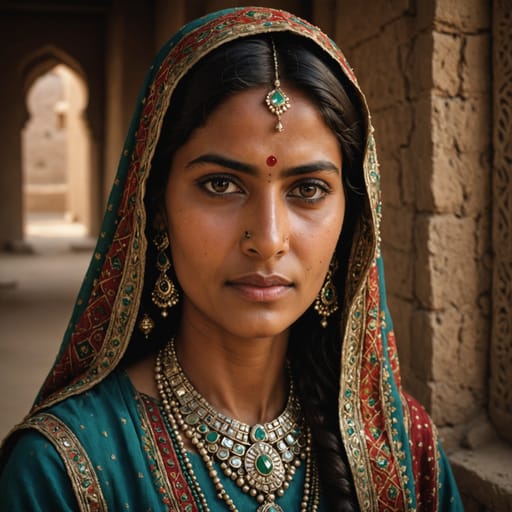
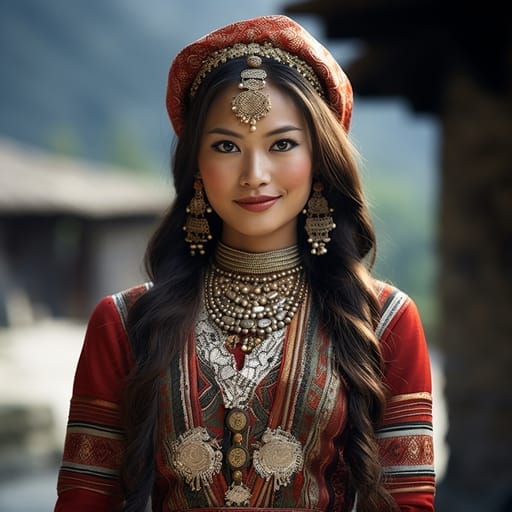
Tamil Brahmins
Tamil Nadu, India, with long-settled communities in Kerala (Palakkad) and Karnataka, and large diaspora populations in Mumbai, Delhi, Bengaluru and the United States
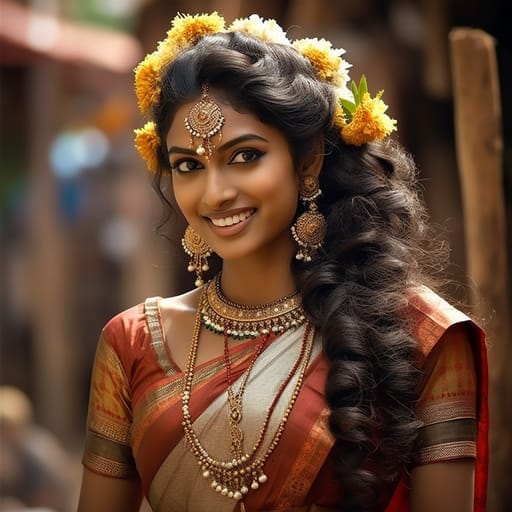
Tanchangya
Chittagong Hill Tracts of southeastern Bangladesh, chiefly Rangamati and Bandarban districts, with smaller communities in Mizoram and Tripura, India, and Rakhine State, Myanmar
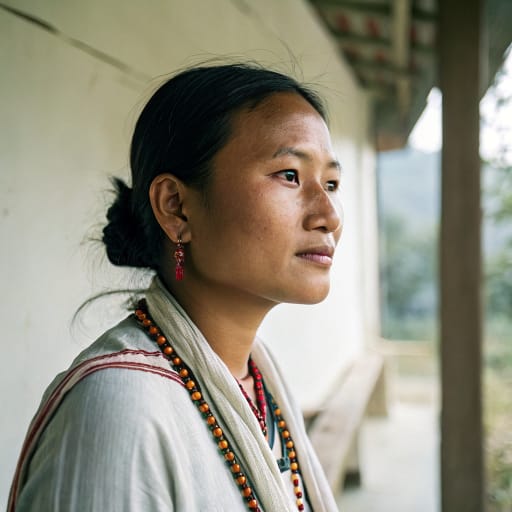
Tanoli
Tanawal, in the Hazara region of Khyber Pakhtunkhwa, Pakistan, spanning parts of Mansehra, Abbottabad and Haripur districts between the Indus River and the Siran valley
Tareen
Pishin valley and the Quetta region of northern Balochistan, Pakistan, with settled branches in the Hazara division of Khyber Pakhtunkhwa and smaller numbers in southern Afghanistan around Kandahar
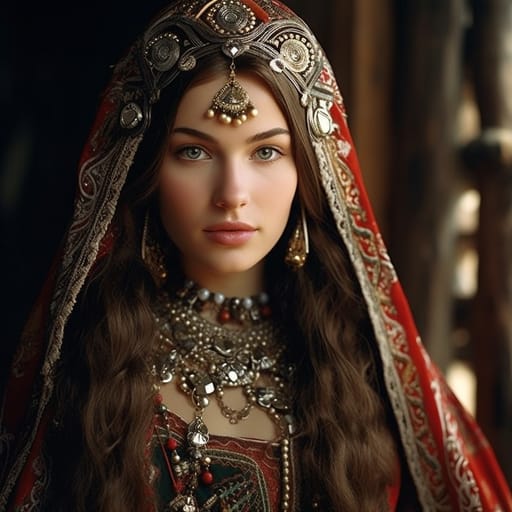
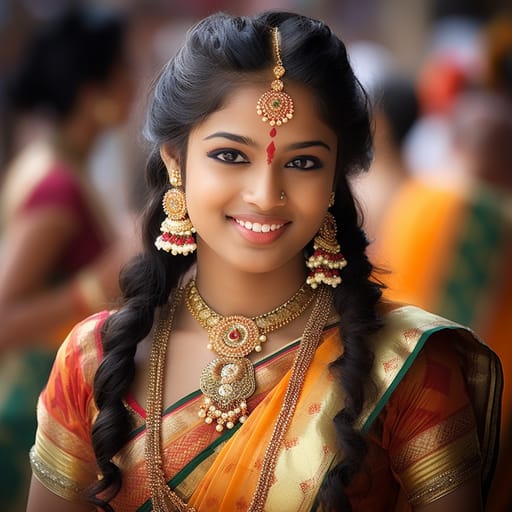
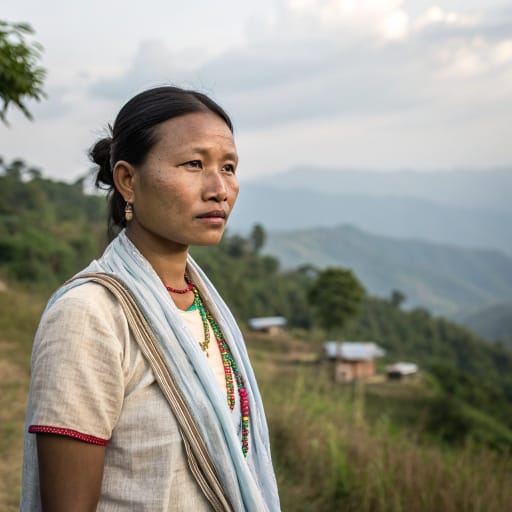
Tharis
The Thar Desert, centered on Tharparkar and Umerkot districts in Sindh, Pakistan, with related communities across the border in western Rajasthan, India
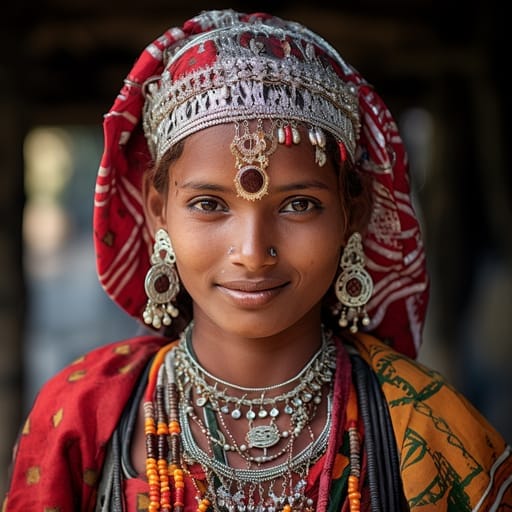
Thathera
Northern India: Punjab (craft center at Jandiala Guru near Amritsar), Haryana, Uttar Pradesh, Bihar, Rajasthan, Madhya Pradesh and Gujarat; also Punjab province, Pakistan
Thondaimandala Mudaliar
Thondaimandalam, northern Tamil Nadu, India: Chennai, Kanchipuram, Tiruvallur, Chengalpattu and Vellore districts
Thoti
Northern Telangana, India, chiefly the former Adilabad district and neighboring districts, with smaller numbers in adjoining Maharashtra
Timuri
Western Afghanistan, chiefly Herat, Badghis and Ghor provinces, with communities across the border in Iranian Khorasan and further south in Sistan and Baluchestan
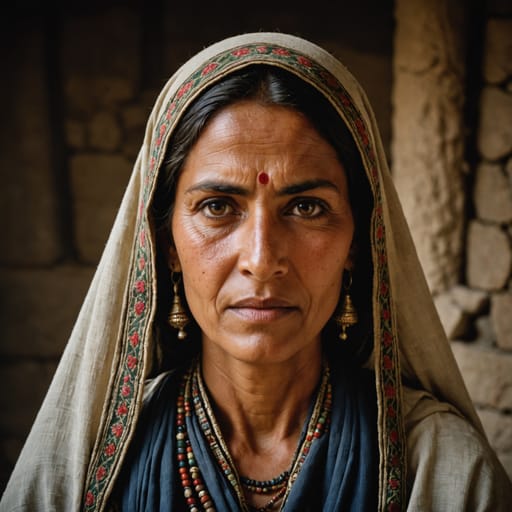
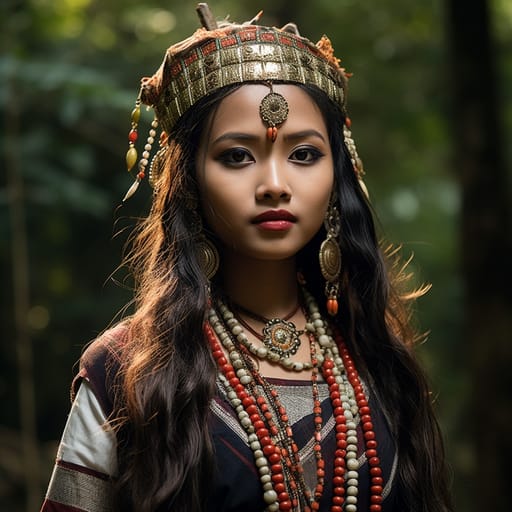
Tiyyar
Malabar, northern Kerala, India: chiefly Kasaragod, Kannur, Kozhikode, Wayanad and Malappuram districts, with a sizable migrant population in the Gulf states
Toda
The Nilgiri plateau of western Tamil Nadu, southern India, centered on the uplands around Ooty and the surrounding shola grassland.
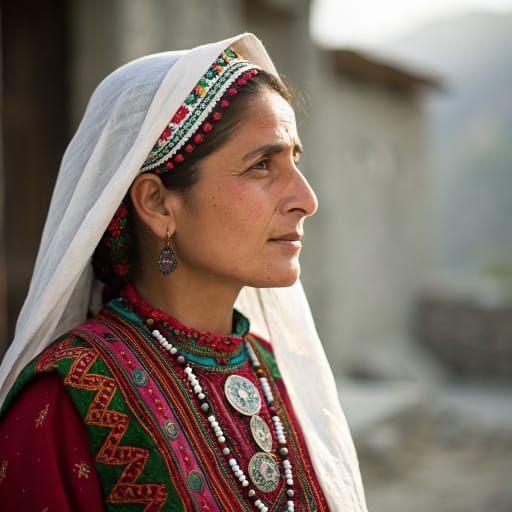
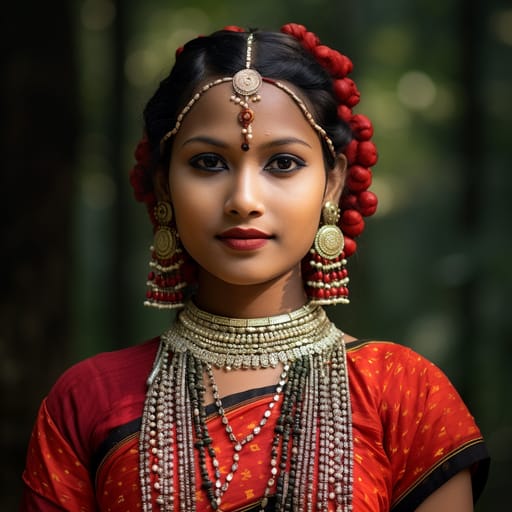
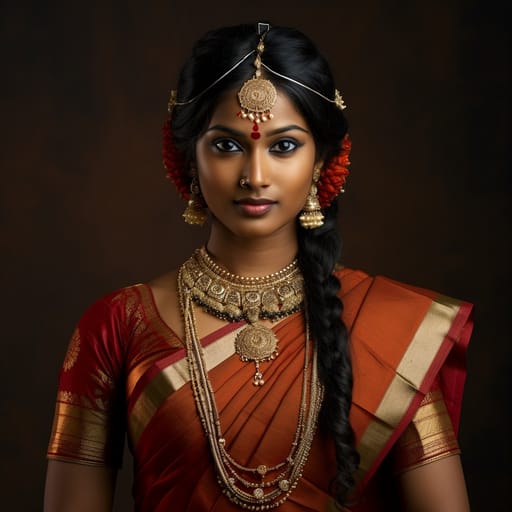
Turung
Villages in Upper Assam, India, chiefly Jorhat, Golaghat and Karbi Anglong districts; ancestral roots in upper Burma (Myanmar)
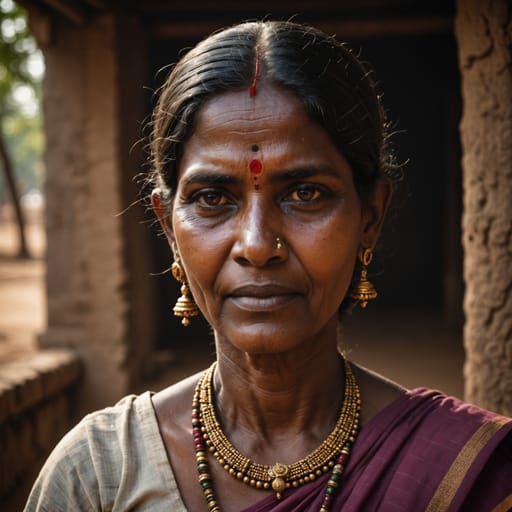
Vadama
Tamil Nadu, India, especially the Kaveri delta around Thanjavur, with communities in Palakkad, Kerala, and in cities across India and overseas
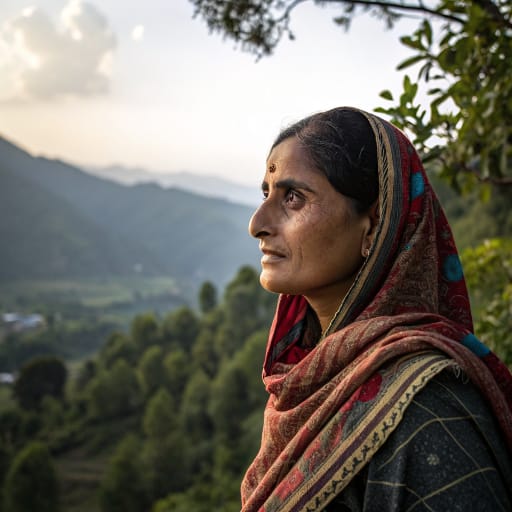
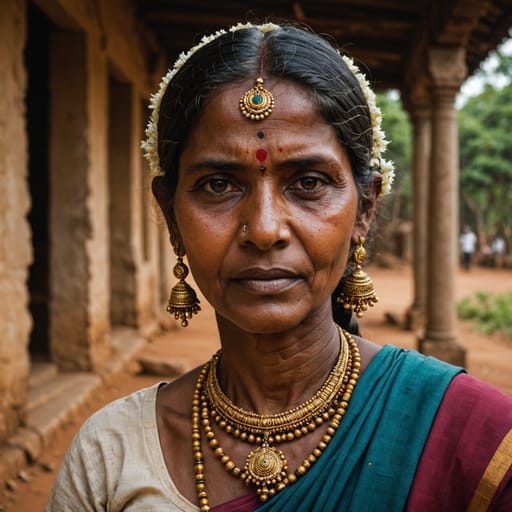
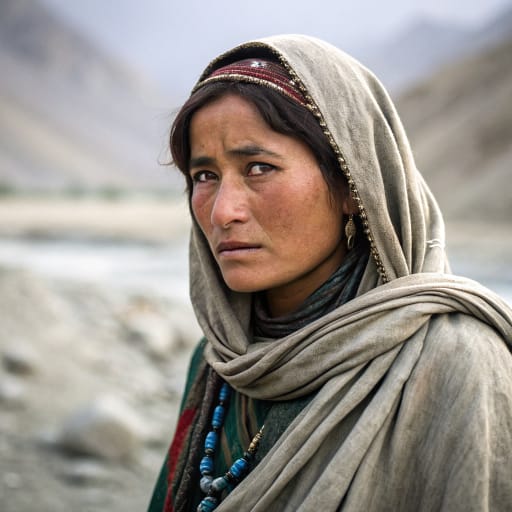
Walung
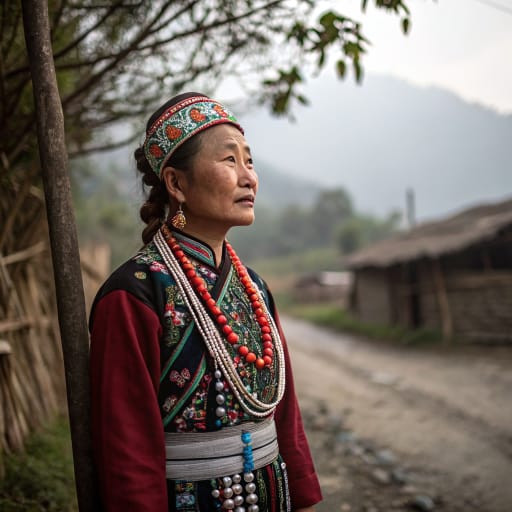
Olangchung Gola (Walungchung Gola) and nearby high valleys of Taplejung District, Koshi Province, northeastern Nepal, near the border with Tibet; many families now also live in Kathmandu
Wazir
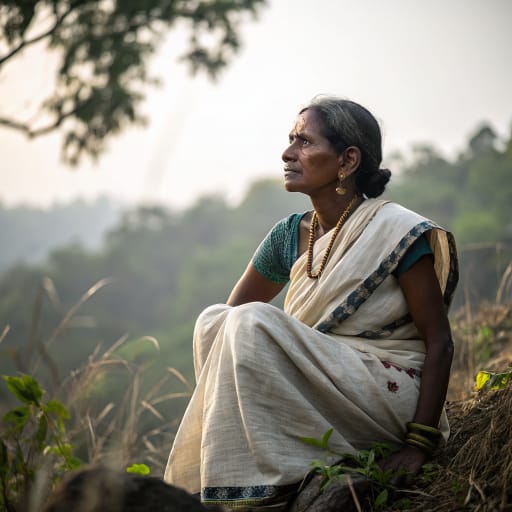
Waziristan in Khyber Pakhtunkhwa, Pakistan (North and South Waziristan and the Bannu border area), with Ahmadzai communities across the border in eastern Afghanistan
Yimchunger
Eastern Nagaland, India: Shamator, Kiphire and Tuensang districts, near the Myanmar border
Yolmo
Helambu (Yolmo) valleys of Sindhupalchok and Nuwakot districts, north of Kathmandu, Nepal; smaller communities in Ramechhap, Lamjung and Ilam, and in Darjeeling and Sikkim, India
8 countries in Southern Asia
Aggregate phenotype profile per country · weighted by demographic composition
Southern Asia Body & Anatomy Reference
Indo-Aryan / Dravidian South Asian phenotype: adult AI generation reference across Southern Asia
Southern Asia Women: Boobs & Breasts
Southern Asia women's tits and boobs run medium-to-large cup, moderate-to-full projection, the classic Indo-Aryan / Dravidian South Asian bust profile across Southern Asia. Nipples and areolas show medium-brown to dark-brown areolar pigmentation against the wheatish-to-brown skin tone, with areolar diameter typically in the 32-46mm range and forward-set positioning rather than the the smaller East Asian bust profile. Southern Asia breasts trend full and soft, generally fuller than the East Asian norm, a function of the endomorph-to-mesomorph with fuller hip deposition body habitus and mean adult female BMI 22-25. For anatomically-accurate AI-generated Southern Asia nude women the render preserves: medium-to-large cup, moderate-to-full projection shape, 32-46mm areolas with regional pigmentation, and the torso proportions of the Indo-Aryan / Dravidian South Asian phenotype.
Southern Asia Women: Ass & Hips
Southern Asia women's ass and hip morphology presents as medium-to-full, moderate-to-high projection, classic curvy hip profile, distinctly different from the slim hip profile of East Asian women. Southern Asia pelvic profile shows medium-to-wide iliac crests, full gluteal-femoral fat distribution, anchored in the Indo-Aryan / Dravidian South Asian skeletal pattern. Southern Asia butt shots in adult AI imagery should render the medium-to-full, moderate-to-high projection, classic curvy hip profile silhouette with the endomorph-to-mesomorph with fuller hip deposition build and the gluteal-femoral fat distribution typical of the Indo-Aryan / Dravidian South Asian phenotype rather than defaulting to a globally-averaged shape that generic AI generators produce.
Southern Asia Women: Vagina & Pussy
Southern Asia women's pussy and vulvar anatomy presents medium-brown to dark-brown labial pigmentation, fuller labia minora projection, consistent with the Indo-Aryan / Dravidian South Asian phenotype's pigmentation pattern. Southern Asia pubic hair is typically straight-to-wavy coarse texture, dense distribution, distributed in the inverted-triangle pattern with regional-typical density. AI-generated Southern Asia nude imagery should preserve the medium-brown to dark-brown labial pigmentation and the straight-to-wavy coarse texture hair texture rather than defaulting to a Western-European pink-and-sparse template. For anatomically-accurate Southern Asia pussy renders the labial pigmentation should match the surrounding wheatish to brown skin tone of the Indo-Aryan / Dravidian South Asian phenotype.
Southern Asia Men: Dicks & Penis
Southern Asia men's dick and penile anatomy in adult AI generation should anchor on the regional reference data: regional mean ~13cm erect, moderate girth, and medium-brown shaft pigmentation. Southern Asia cock profile reflects the Indo-Aryan / Dravidian South Asian ancestral population's anthropometric measurements rather than a globally-averaged Western-pornography default. For anatomically-accurate Southern Asia nude male imagery the shaft pigmentation should track the surrounding wheatish to brown skin tone, with continuous glans-to-shaft pigmentation transition and the straight-to-wavy coarse texture pubic-hair texture distributed in the typical inverted-V escutcheon.
Southern Asia: Body, Curves & Build
Southern Asia body type and overall build presents as endomorph-to-mesomorph with fuller hip deposition, with mean adult female BMI 22-25: the characteristic Indo-Aryan / Dravidian South Asian habitus. Southern Asia curves and proportions in adult AI imagery should preserve the regional skeletal frame (height, shoulder-to-hip ratio, limb proportions) rather than scaling to a Western-European mesomorph default. The Southern Asia nude female form, when rendered with anatomical fidelity, shows the height range, frame width, and adipose distribution pattern typical of the Indo-Aryan / Dravidian South Asian phenotype. Generic AI image generators tend to collapse regional body types into a few default shapes; the Ethnic Erotic phenotype-anchored approach preserves the Southern Asia build as its own reference category.
Southern Asia: Skin Tone & Hair Texture
Southern Asia skin tone falls in the wheatish to brown (Fitzpatrick III-V) band, the surface signal most often miscalibrated by generic AI nude generators trained on Western-photographic datasets. Southern Asia hair texture is typically straight-to-wavy 1A-2B, dense, dark-brown to black, characteristic of the Indo-Aryan / Dravidian South Asian phenotype. For anatomically-accurate Southern Asia nude renders the skin should hold the Fitzpatrick band consistently across body surface rather than showing the lighter-than-face body shading that AI generators default to.
Southern Asia: The Historical Erotic Record
Named positions and museum-attested works from this region’s manuals, art & literature
Khajuraho & Konark temple sculpture
Indian (medieval temple tradition) · c. 950–1250 CE
- Raised-leg maithuna(known today as Ballet dancer (leg on shoulder, standing))
- Standing maithuna(known today as Standing face-to-face (leg raised))
- Maithuna standing carry(known today as Suspended congress (standing carry))
Kama Sutra
Indian (Gupta era) · c. 3rd century CE
- Purushayita; Bhramara (the bee)(known today as Cowgirl (woman on top))
- Karkata (the crab's position)(known today as Crab Embrace)
- Dhenuka (the congress of the cow)(known today as Doggy style)
- Aibhika (the elephant posture)(known today as Elephant Posture)
- Auparishtaka (mouth congress)(known today as Fellatio (kneeling))
- Fixing of a nail(known today as Fixing of a Nail)
- Ardha-piditaka (the half pressed position)(known today as Half-Pressed Position)
- Parshva samputa (the side clasp)(known today as Lateral coital (side face-to-face))
- Padmasana-derived seated embrace(known today as Lotus)
- Vadavaka (the mare's position)(known today as Mare's Position)
- Indranika (Indrani's position)(known today as Mating press)
- Samputa (the clasping position)(known today as Missionary)
- Piditaka (the pressing position)(known today as Pressing Position)
- Bhugnaka (the rising position)(known today as Rising Position)
- Kakila (the congress of the crow)(known today as Sixty-nine (69))
- Venudaritaka (splitting of a bamboo)(known today as Splitting the bamboo)
- Sthita (the steadied congress)(known today as Standing face-to-face (leg raised))
- Supported congress(known today as Supported Congress)
- Avalambitaka (suspended congress)(known today as Suspended congress (standing carry))
- The swing(known today as The Swing)
- Veshtitaka (the twining position)(known today as Twining Position)
- Piditaka (the pressed position)(known today as Viennese oyster)
- Utphallaka (the widely opened position)(known today as Widely Opened)
- Jrimbhitaka (the yawning position)(known today as Yawning position)
Ananga Ranga
Indian (late medieval) · 15th–16th century CE
- Dhenuka-vyanta-bandha(known today as Doggy style)
- Tiryak-bandha (side class)(known today as Lateral coital (side face-to-face))
- Vyanta-bandha (prone class)(known today as Prone bone)
- Utthita-bandha (standing class)(known today as Standing face-to-face (leg raised))
In the museum record
Khajuraho, Konark & the Kama Sutra Manuscript Tradition
6 catalogued works
- Kandariya Mahadeva Temple, erotic frieze, Khajuraho, Madhya Pradesh (UNESCO)
- Lakshmana Temple, maithuna niches and plinth frieze, Khajuraho
- Vishvanatha Temple, erotic relief group, Khajuraho
- Konark Sun Temple, jagamohana exterior mithuna bands, Konark, Odisha (UNESCO)
- "Ragini Vilaval" ("Gazing Fondly in the Mirror"), attrib. Natthu, San Diego Museum of Art, Binney Collection (1990.783)
+ 1 more
Full entries with verification notes on the history timeline.