No portrait yet
Walung Erotic
Olangchung Gola (Walungchung Gola) and nearby high valleys of Taplejung District, Koshi Province, northeastern Nepal, near the border with Tibet; many families now also live in Kathmandu
Walungge (Sino-Tibetan, Tibetic); Nepali widely spoken as a second language
Tibetan Buddhism
One of the Tibetan-descended mountain peoples of northern Nepal, related to Tibetan communities across the border; officially listed among Nepal's indigenous nationalities
About Walung People
The Walung are a people defined by a single address. Their homeland is Olangchung Gola, also called Walungchung Gola, a high village in Taplejung District in the far northeast of Nepal, set just below the passes into Tibet. People and place share the name, and for most of their history the village existed to move goods: Tibetan salt and wool came south over crossings such as the Tipta La, and grain from lower Nepal went north. The Walung were the middlemen in that exchange. They also herded yaks and dzos, the hardy crossbreeds of yak and cattle that haul loads and give milk at altitudes where little else works.
How long they have been there is still an open question. Some accounts trace their ancestors to Tibetan settlers of the seventh century, while more cautious estimates allow only a few centuries. When the British botanist Joseph Hooker passed through in the mid nineteenth century, writing the name as Wallanchoon, he judged the community to be long established already. Nobody disputes which way the village faces, though. In culture, language and trade, Walung has long looked north.
Their language, Walungge, is Tibetic and closely related to the dialects spoken on the far side of the border. That sets them apart from the Limbu, who dominate the lower valleys of Taplejung and speak a Kiranti language from a distant branch of the same Sino-Tibetan family. Nepali is now the language of school, government and business. Religious life is Tibetan Buddhist and centers on the village monastery. It is part of the everyday routine of a herding and trading settlement, not something kept apart from it.
The turning point in modern Walung history was the Chinese takeover of Tibet in the 1950s and the hardening of the frontier that followed, which choked off the trade the village was built on. Families increasingly looked south, to Kathmandu and beyond, and a population that was never large thinned further in its home valley. Nepal lists the Walung among its officially recognized indigenous nationalities. Recurring proposals to open a road crossing into Tibet keep alive the hope that Olangchung Gola can be a gateway again, and not just the end of the road.
Related ethnic groups
Groups that share Walung's homeland, region, language, or religious tradition. These are likely candidates for comparative phenotype reference.
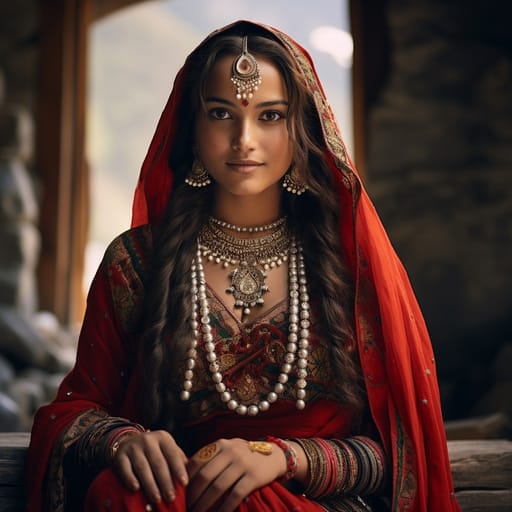
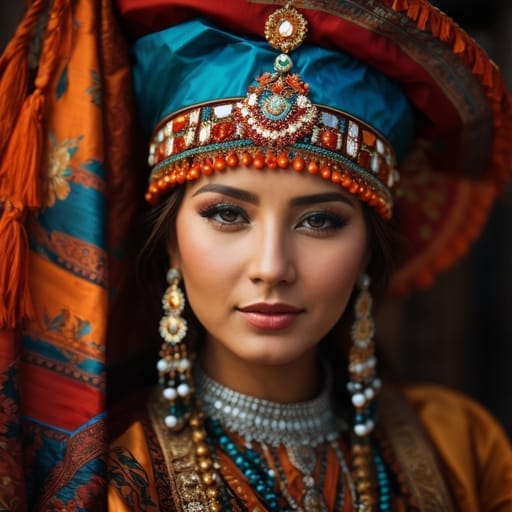
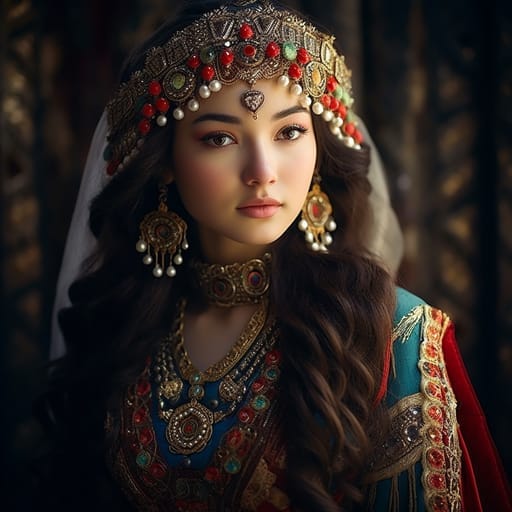

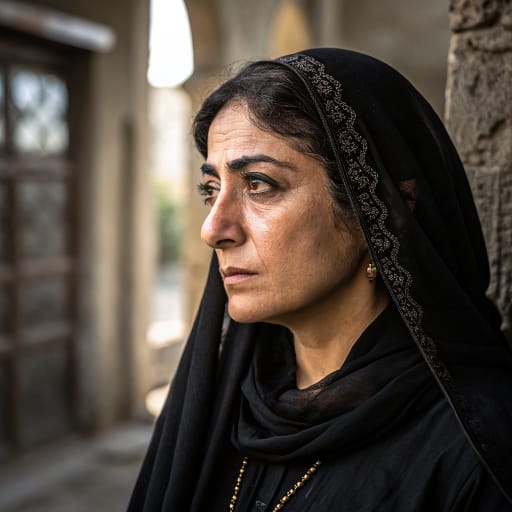
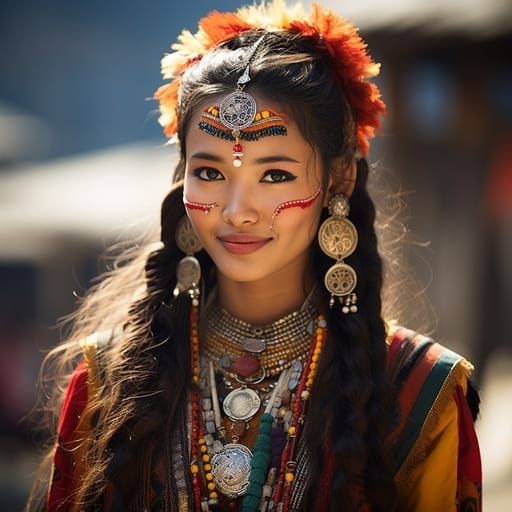
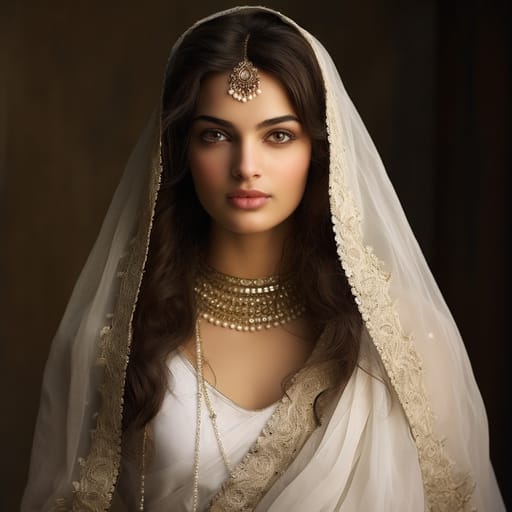
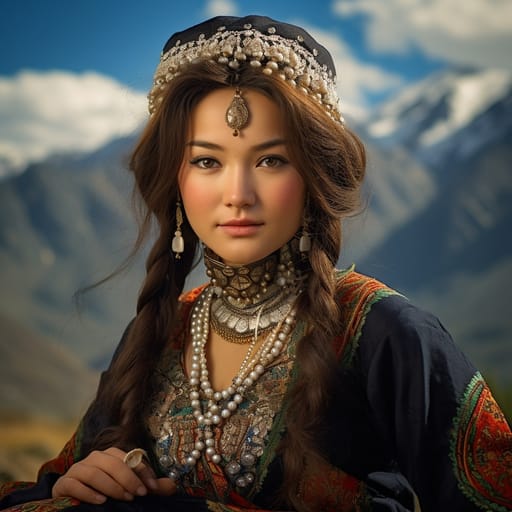
Typical Walung Phenotypes
Reference for AI generation: hair, eyes, skin, facial structure, build
Explore phenotype categories
Structured taxonomy with peer-reviewed scales · 22 anatomical categories
Erotic Poses & Sex Positions
From the pose catalog: 219 named positions with reference skeletons
Frequently asked questions about Walung people
Where is the Walung homeland?
The Walung homeland is Olangchung Gola (Walungchung Gola) and nearby high valleys of Taplejung District, Koshi Province, northeastern Nepal, near the border with Tibet; many families now also live in Kathmandu in Southern Asia.
What language do Walung people speak?
Walung people primarily speak Walungge (Sino-Tibetan, Tibetic); Nepali widely spoken as a second language.
What religion do Walung people practice?
The predominant religion among Walung people is Tibetan Buddhism.






Make your own Walung images
Five a day, free, no credits to buy. The studio starts from this group's phenotype data, so you can set body type, pose and style and keep the traits accurate.
Start with Walung