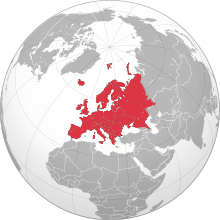
Southern Europe
177 ethnic groups
Browse the 177 ethnic groups native to Southern Europe. Each profile documents facial features, skin tone, hair texture and body type. Explore the people below, or read the full Southern Europe phenotype and anatomy reference further down.
Help us get this right
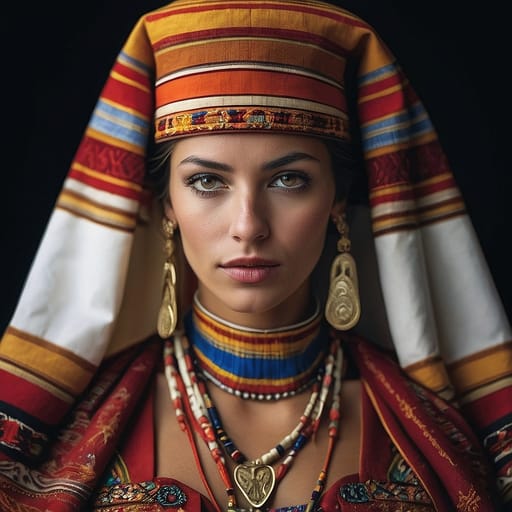
Does this portrait look right for Andorra Other?
Nobody has judged this one yet. You would be the first.
Æchilenenses
Western coast of Sardinia around the ancient city of Cornus, below the Montiferru massif, near present-day Cuglieri in the province of Oristano, Italy.
Aeolians
Thessaly and Boeotia in eastern mainland Greece; from about 1100 BC also Lesbos, Tenedos and the Aeolis coast of northwest Anatolia (modern Greece and Turkey)
Aequi
Central Apennines east of Rome: the upper Aniene, Turano and Salto valleys, across modern Lazio and Abruzzo, Italy
Æsaronenses
North-central Sardinia (Italy), between the territory of Luguido near Oschiri and that of Cornus on the west coast, as placed by Ptolemy; exact location unknown.
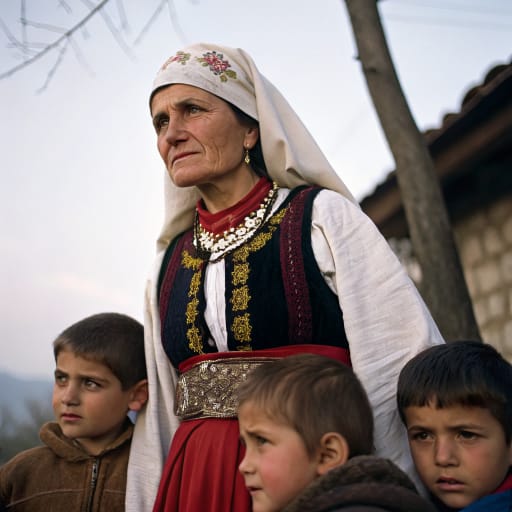
Amantes
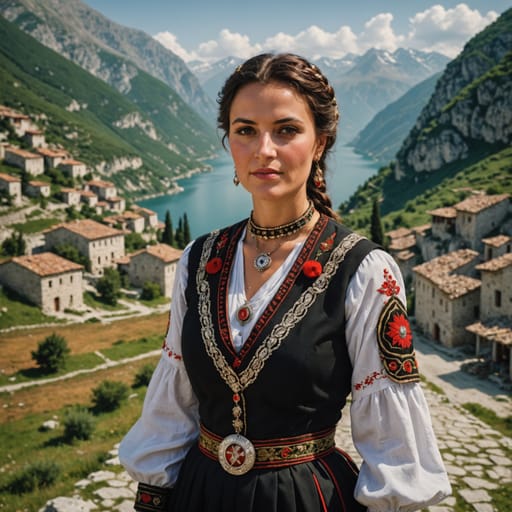
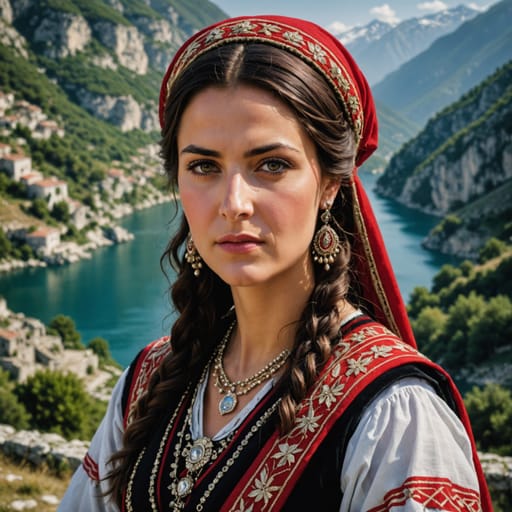
Hill country east of the Bay of Vlorë, centered on the town of Amantia near modern Ploçë, in southern Albania.
Anauni
Val di Non (ancient Anaunia), the valley of the Noce river northwest of Trento, in present-day Trentino, northern Italy.
Andalusians
Andalusia, the eight southernmost provinces of Spain, with large diaspora communities in Catalonia, Madrid and western Europe.
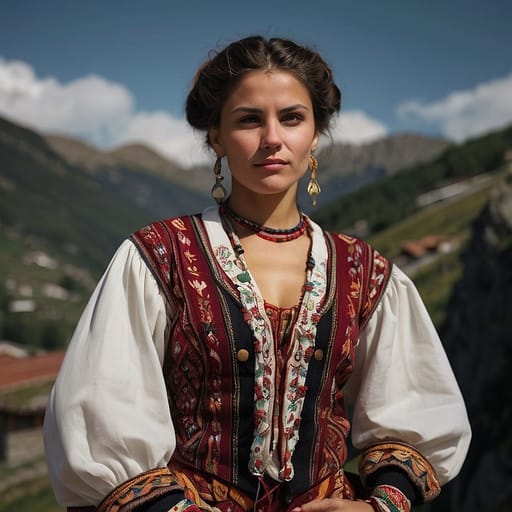
Aragonese
Aragon, in northeastern Spain: the provinces of Huesca, Zaragoza and Teruel, between the Pyrenees and the Iberian System ranges.
Arbanasi
Arbanasi and nearby parts of Zadar, northern Dalmatia, Croatia; ancestral villages around Lake Skadar in present-day Montenegro and Albania
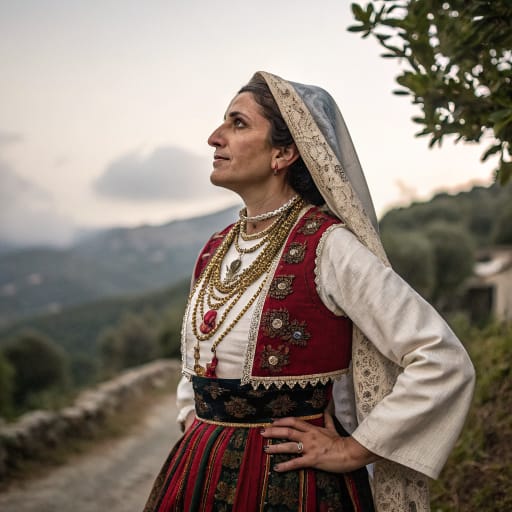
Arlije
North Macedonia, especially Skopje, and Kosovo, with communities in southern Serbia and Montenegro and a diaspora in Western Europe, notably Germany.

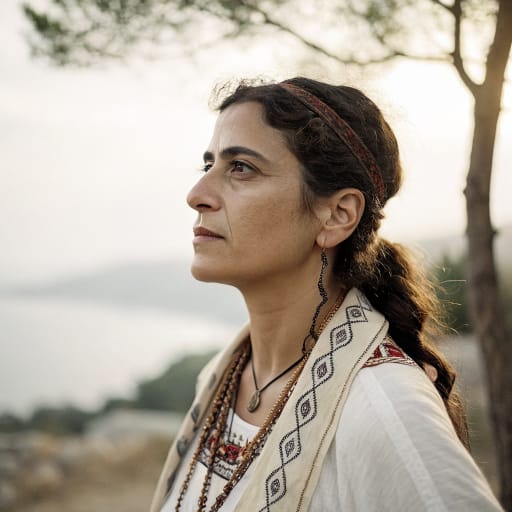
Ashkali and Balkan Egyptians
Kosovo above all (Ashkali in the center and east, Egyptians in the west), with Egyptian communities in Albania and North Macedonia and smaller numbers in Serbia and Montenegro
Aurunci
Southern Latium and northern Campania, Italy: the coast and hills between the Liri (Garigliano) and Volturno rivers, around Roccamonfina and the Monti Aurunci
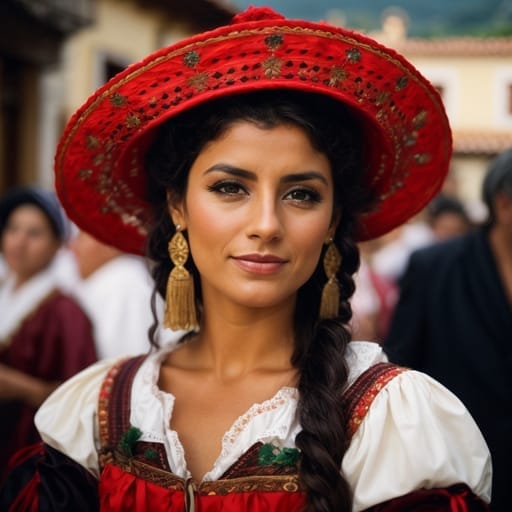
Belgites
Ancient Pannonia on the middle Danube, in lands now shared by Hungary, Croatia, Serbia, Austria, Slovenia and Bosnia and Herzegovina; their exact territory is unknown.
Belli
The middle Ebro basin and the Jalón and Jiloca valleys, in what is now Aragon, northeastern Spain.
Bokelji
The Bay of Kotor (Boka Kotorska) on the Adriatic coast of southwestern Montenegro: Kotor, Tivat, Herceg Novi, Perast, Risan and the villages between them.
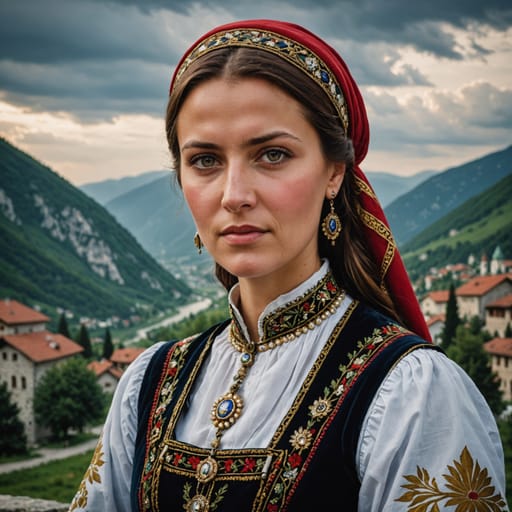
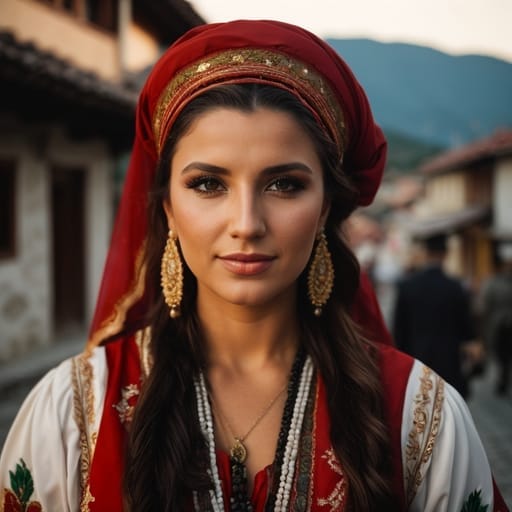
Bunjevci
Bačka, the plain between the Danube and the Tisza: chiefly Subotica and Sombor in northern Serbia and the Baja area of southern Hungary, with older communities in Lika and the Croatian Littoral around Senj.
Burmazi
Hum (medieval Herzegovina), centered on the country around Stolac in what is now southern Bosnia and Herzegovina
Camunni
Val Camonica, the upper Oglio valley in the central Alps, province of Brescia, Lombardy, northern Italy.
Cantabrians
Cantabria, on the Bay of Biscay coast of northern Spain, with emigrant communities in Madrid, Andalusia and Latin America.
Capenates
The ager Capenas on the right bank of the Tiber around ancient Capena, north of Rome in present-day Lazio, Italy.
Carenses
Northern Sardinia (modern Italy), south of the Coracenses and north of the Salcitani and Lucuidonenses according to Ptolemy; exact territory uncertain.
Carricini
Upper Sangro valley and southern slopes of the Maiella in northern Samnium, today southern Abruzzo, Italy; centers included Aufidena near Castel di Sangro and Juvanum near Montenerodomo
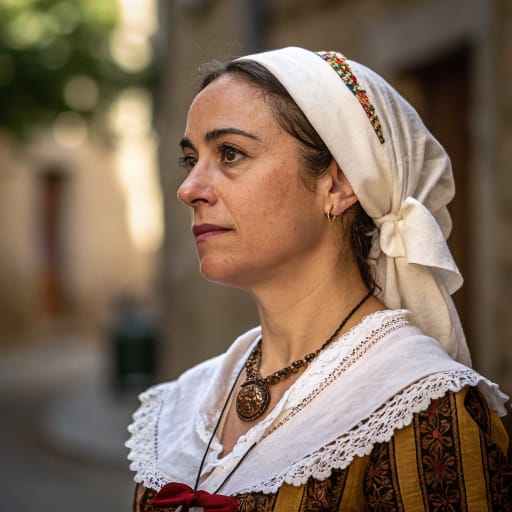
Caudini
Western Samnium around Monte Taburno and the Valle Caudina, on the Campanian border, in today's provinces of Benevento and Avellino, Italy.
Celsitani
Central or south-central Sardinia (present-day Italy), south of the Rucensi and north of the Scapitani and Siculensi, as placed by Ptolemy in the 2nd century AD.
Cham Albanians
Chameria, coastal Epirus in northwestern Greece (Thesprotia, northern Preveza) and the adjoining Konispol area of Albania; since 1944 to 1945 mainly Albania, with some descendants in Turkey
Cimbrians
Upland plateaus of northeastern Italy: the Asiago plateau (Vicenza) and Lessinia (Verona) in Veneto, and Luserna in Trentino
Coracenses
Northern Sardinia (Italy), probably the interior south of Gallura, between the Tibulati and Corsi to the north and the Carenses and Cunusitani to the south. Exact territory unknown.
Cornacates
Right bank of the Danube around Cornacum (modern Sotin, near Vukovar) in eastern Slavonia and western Syrmia, Croatia; Roman province of Pannonia, later Pannonia Inferior.
Corpicenses
Interior of central or south-central Sardinia (modern Italy), south of the Rucensi and north of the Scapitani and Siculensi in Ptolemy's list; exact territory unknown.
Cretan Muslims
The island of Crete, Greece, with descendant communities on the Aegean and Mediterranean coasts of Turkey and at al-Hamidiyah in Syria
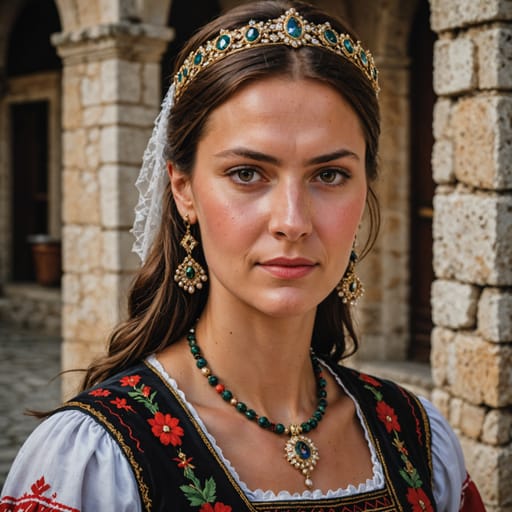
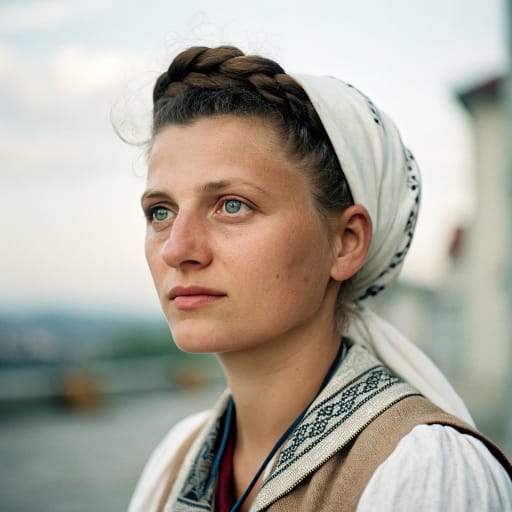
Cunusitani
Northern half of Sardinia (modern Italy); exact territory unknown. Ptolemy lists them beside the Carenses, south of the Coracenses and north of the Salcitani and Lucuidonenses.
Dassaretae
The highlands and lake basins around Lake Ohrid and the upper Devoll valley, in present-day southeastern Albania and southwestern North Macedonia.
Euganei
Northeastern Italy, between the head of the Adriatic and the southern Alps: the modern Veneto and eastern Lombardy.
Falisci
The Ager Faliscus in the middle Tiber valley of southern Etruria, north of Rome, centered on Falerii; today northern Lazio, Italy.
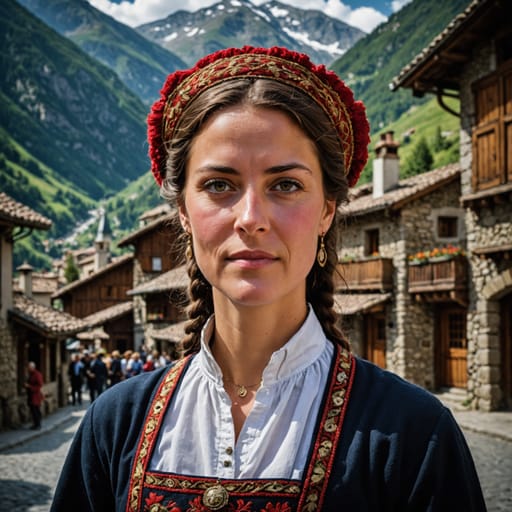
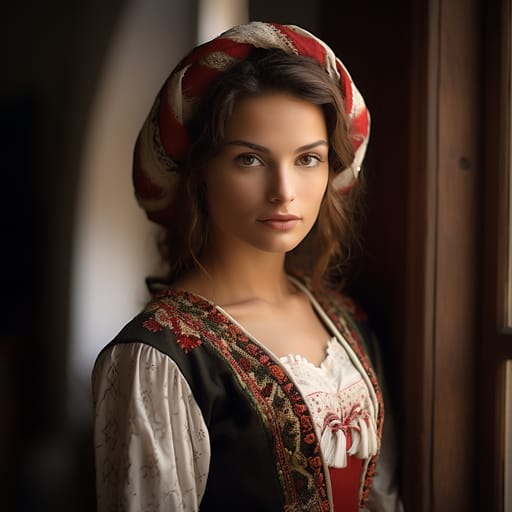
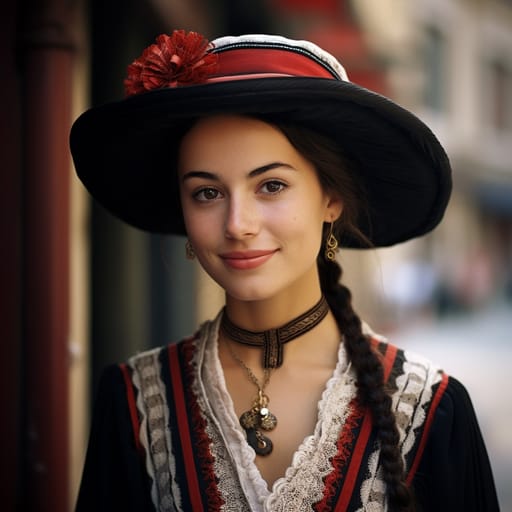
Ghegs
Northern Albania north of the Shkumbin river, Kosovo, western North Macedonia, southern Montenegro and the Preševo Valley of Serbia
Gorani
Gora region of the Šar Mountains: Dragash municipality in southern Kosovo, the Shishtavec area of Kukës County in northeastern Albania, and two villages near Tetovo in North Macedonia
Gottscheers
The Kočevje (Gottschee) region of southern Slovenia until the 1940s; today mostly Austria, the United States, Canada and Germany, with a small remaining community in Slovenia
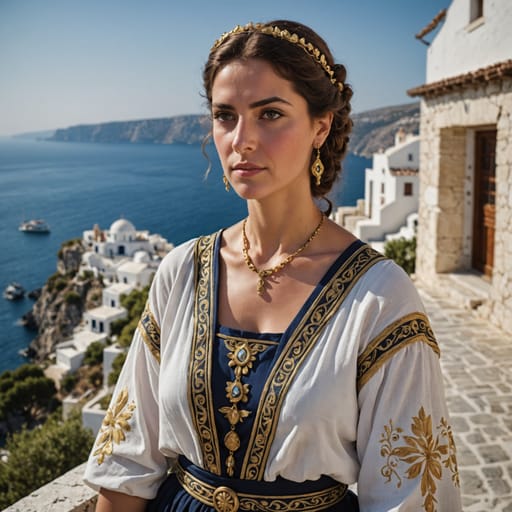
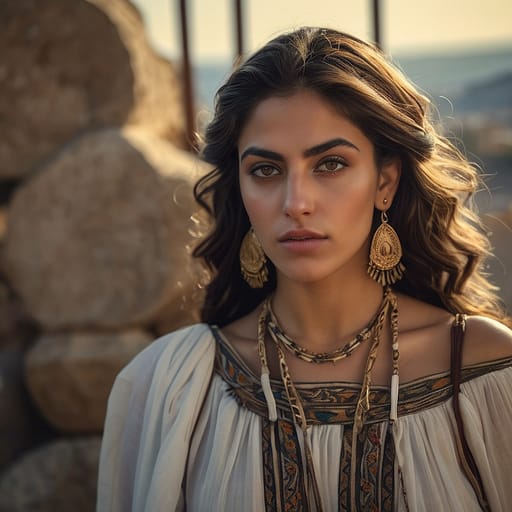
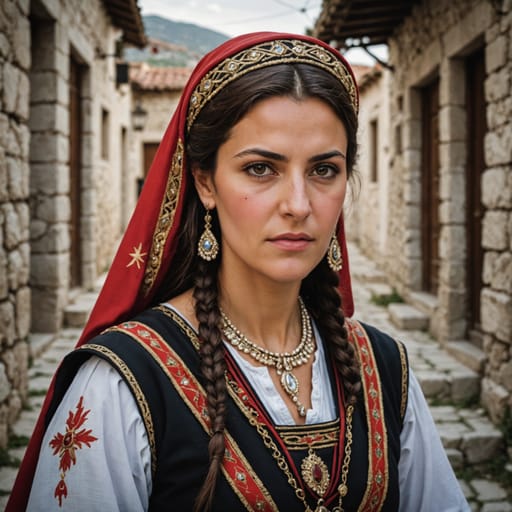
Greek Muslims
Historically Crete, western Macedonia and Epirus in Greece, and the Of and Tonya districts of Trabzon Province, Turkey; descendants now live mainly in Turkey, with communities in Syria and Lebanon
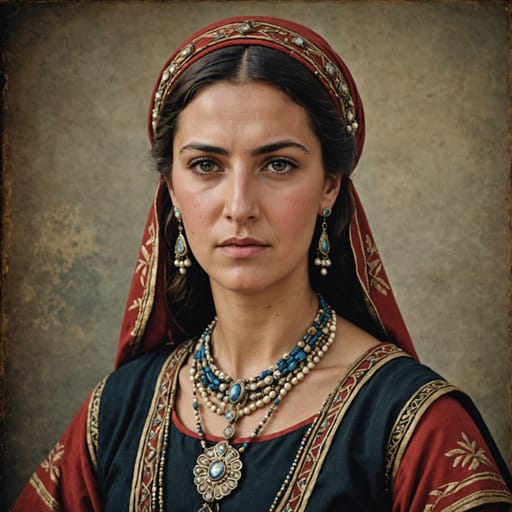
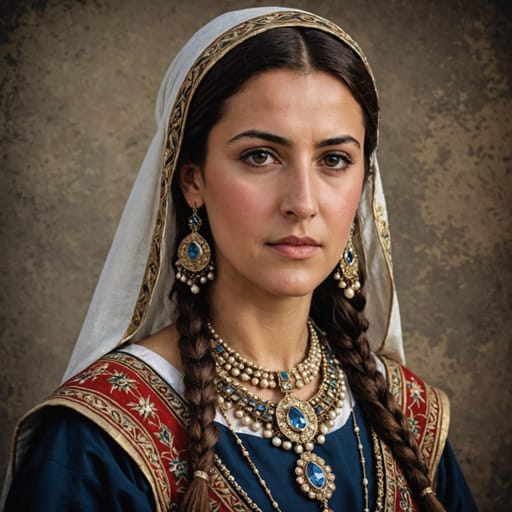
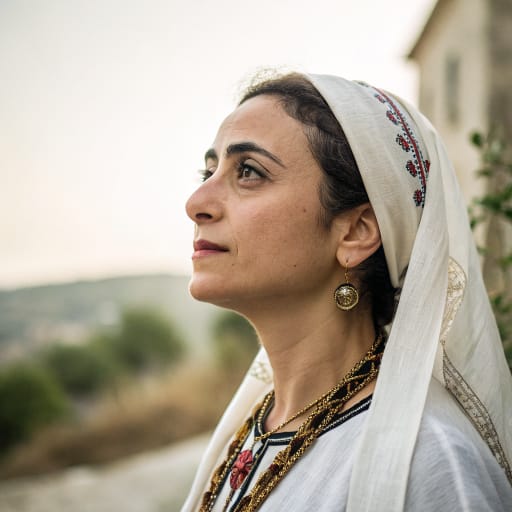
Hernici
Middle Sacco (ancient Trerus) valley in southern Lazio, Italy: the hill towns of Anagni, Ferentino, Alatri and Veroli.
Hirpini
The mountainous interior of southern Italy between Campania, Apulia and Lucania, corresponding to modern Irpinia in the province of Avellino, Italy.
Illyrians
Western Balkans: the eastern Adriatic coast and its hinterland across modern Albania, Montenegro, Bosnia and Herzegovina, Croatia, Kosovo, and parts of Serbia and North Macedonia
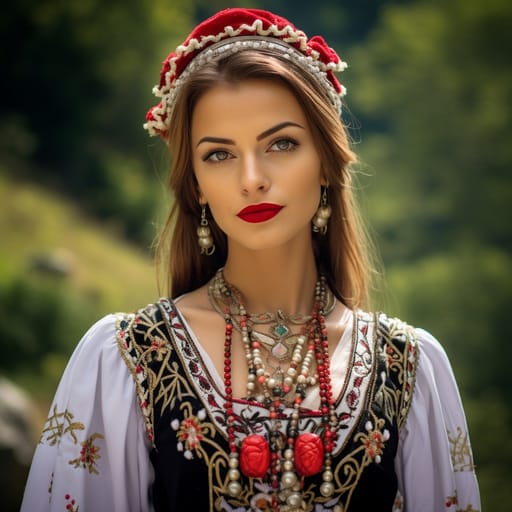
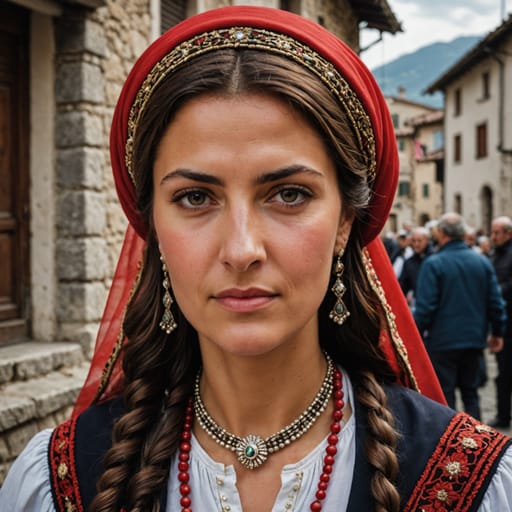
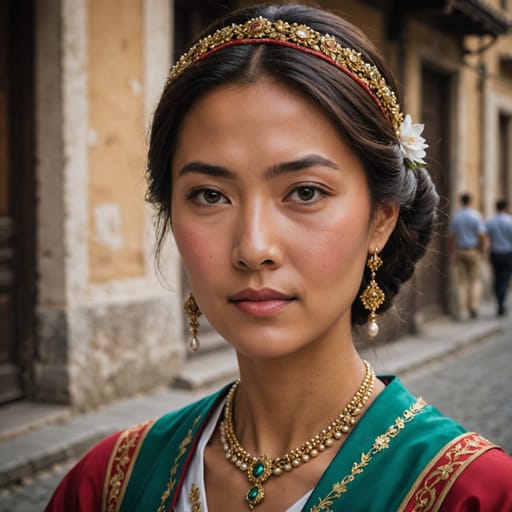
Italian Jews
Italy, mainly Rome and Milan, with historic communities in Venice, Turin, Florence, Livorno and other cities; emigrant communities in Israel and the United States
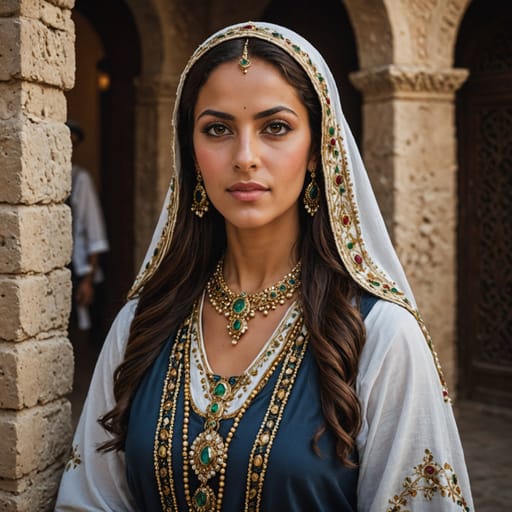
Janjevci
Janjevo and nearby villages in Kosovo, with most of the community now in Croatia, especially Kistanje and Zagreb
Kanalites
Kanali, today's Konavle, the coastal valley and hills southeast of Dubrovnik in southern Croatia, closely tied to neighboring Travunia around Trebinje in present-day Bosnia and Herzegovina
Karagounides
The Thessalian plain in central Greece, above all the western plain around Karditsa and Trikala, extending toward Larissa
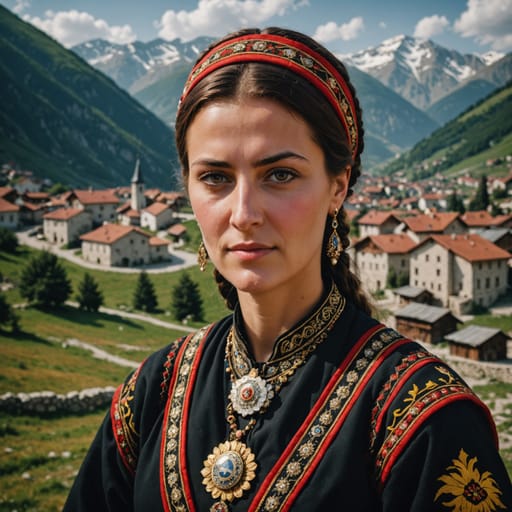
Ladins
The Dolomite valleys around the Sella massif in northern Italy: Val Gardena and Val Badia (South Tyrol), Val di Fassa (Trentino), Livinallongo and Cortina d'Ampezzo (Belluno).
Latins
Old Latium (Latium Vetus): the plain, Alban Hills and ridge towns between the Tiber and Mount Circeo in central Italy, later spreading into Latium adiectum. Modern Lazio, Italy.
Leonese
Northwestern Spain: the provinces of León, Zamora and Salamanca, the historic Leonese region, now part of the autonomous community of Castile and León.
Libicii
Western Po plain around Vercellae (Vercelli) and Laumellum (Lomello), along the Sesia river in eastern Piedmont and the Lomellina, northwestern Italy.
Liburnians
Liburnia, the northeastern Adriatic coast and Kvarner islands between the Raša and Krka rivers, in present-day Croatia
Ligures
Northwestern Italy (Liguria, southern Piedmont, the Lunigiana) and southeastern France (Provence to the Rhône), in antiquity
Lobetani
The Sierra de Albarracín and Montes Universales highlands of eastern Spain, around Albarracín in the province of Teruel
Lucanians
Lucania in southern Italy, roughly modern Basilicata plus the Cilento in southern Campania and the northern edge of Calabria (Italy)
Lucuidonenses
Interior of northern Sardinia, Italy, around ancient Luguido (Nostra Signora di Castro, near Oschiri, province of Sassari)
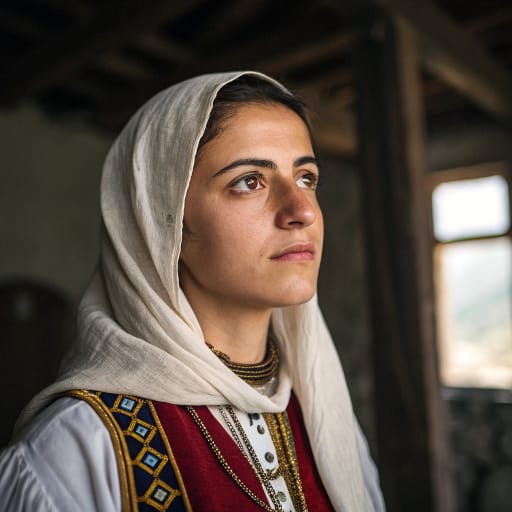
Magnetes
Magnesia in eastern Thessaly, Greece, around Mount Pelion, Mount Ossa and the Pagasetic Gulf; later cities at Magnesia on the Maeander and Magnesia ad Sipylum in western Anatolia, Turkey
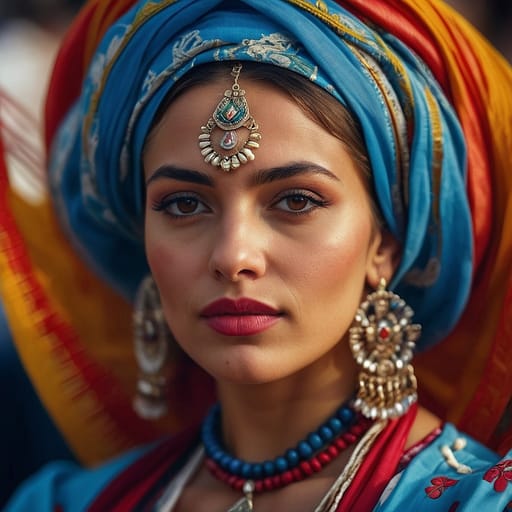
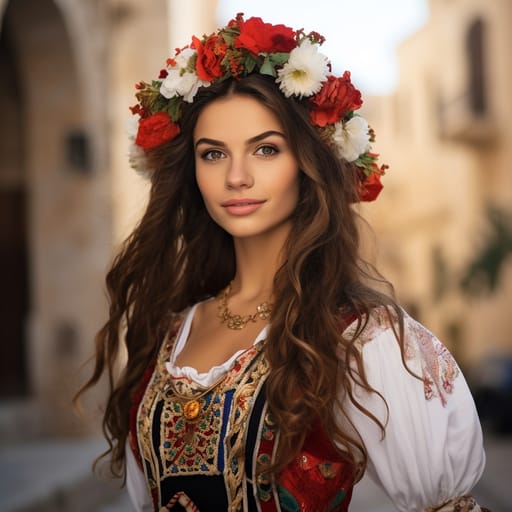
Marrucini
The Adriatic slope of Abruzzo, Italy: the coast and hills south of the river Aternus, around Teate, modern Chieti.
Megleno-Romanians
The Meglen (Moglena) region in the Pella and Kilkis regional units of northern Greece and around Gevgelija in North Macedonia; smaller communities in Romania (Cerna, Tulcea County) and Turkey.
Melingoi
The western slopes of Mount Taygetos, in Laconia and Messenia, southern Peloponnese, Greece.
Mercheros
Spain, historically traveling across the central and northern interior, especially Castile; now mostly settled around Madrid, Barcelona and other cities
Mijaks
Reka region of the upper Radika valley in western North Macedonia, around Galičnik and Lazaropole near the Albanian border; large communities in Skopje and abroad
Mirandese
Terra de Miranda plateau in northeastern Portugal (Bragança District, Trás-os-Montes): Miranda do Douro and neighboring villages in Vimioso, along the Douro border with Spain
Mòcheni
Upper Fersina Valley (Bersntol, Valle dei Mòcheni), east of Trento in Trentino, northern Italy
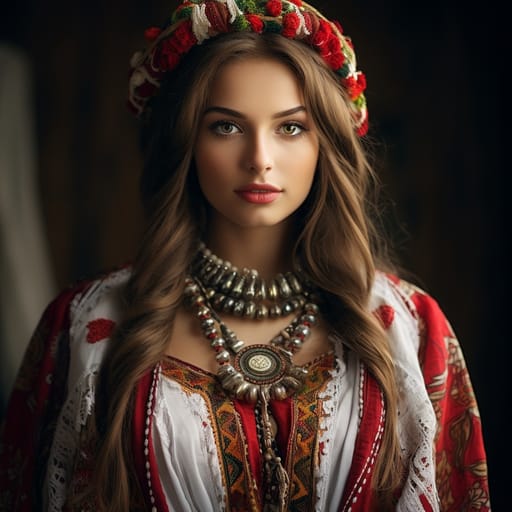
Molise Croats
Acquaviva Collecroce, Montemitro and San Felice del Molise, province of Campobasso, Molise, Italy; ancestral origin in the Dalmatian hinterland of present-day Croatia
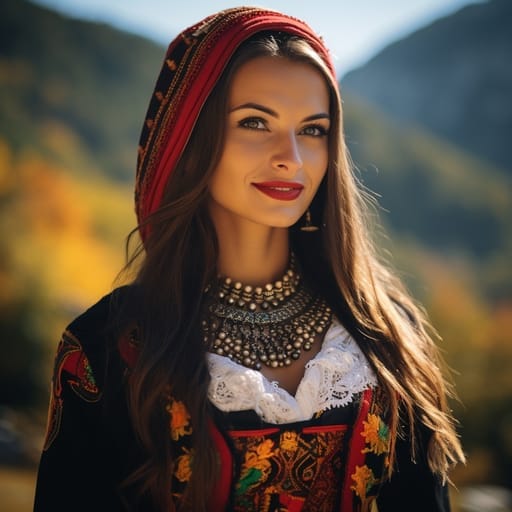
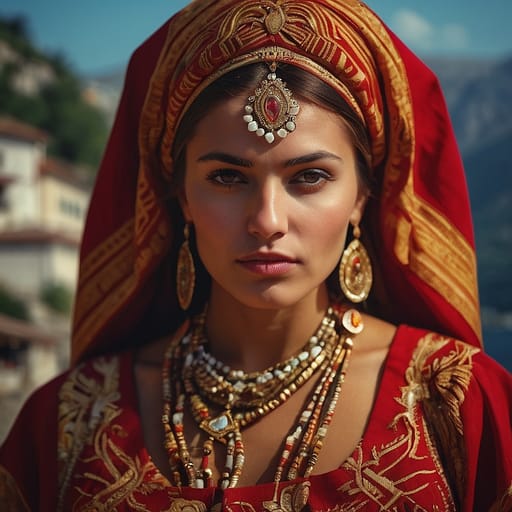
Moriscos
Spain, chiefly Granada, Valencia, Aragon, Murcia and Castile; after the expulsion of 1609 to 1614, mainly Tunisia, Morocco and Algeria
Morlachs
The Dalmatian hinterland, Lika and western Herzegovina, in present-day Croatia and Bosnia and Herzegovina.
Mozarabs
Al-Andalus, the Muslim-ruled territories of medieval Spain and Portugal, chiefly Córdoba, Seville, Toledo, Mérida, Valencia and Lisbon
Muslim Roma
The Balkans and Turkey: Bulgaria, North Macedonia, Kosovo, Albania, Serbia, Bosnia and Herzegovina, Greek Thrace, and across Turkey.
Narentines
The Adriatic coast between the Cetina and Neretva rivers, with the islands of Brač, Hvar, Korčula and Mljet, in present-day southern Croatia.
Neapolitani
Neapolis and its territory on the southern shore of the Gulf of Oristano, western Sardinia, Italy; the site is Santa Maria de Nabui near Guspini.
Neofiti
Southern Italy, chiefly Apulia (Trani, Bari and neighboring towns); the term was later also used for converted Jews in Sicily after 1492
Njeguši
The Njeguši plateau on the slopes of Mount Lovćen, between Cetinje and the Bay of Kotor, in Old Montenegro (Montenegro)
Noritani
Nora and its hinterland on the Capo di Pula headland, on the southwestern shore of the Gulf of Cagliari, southern Sardinia, Italy.
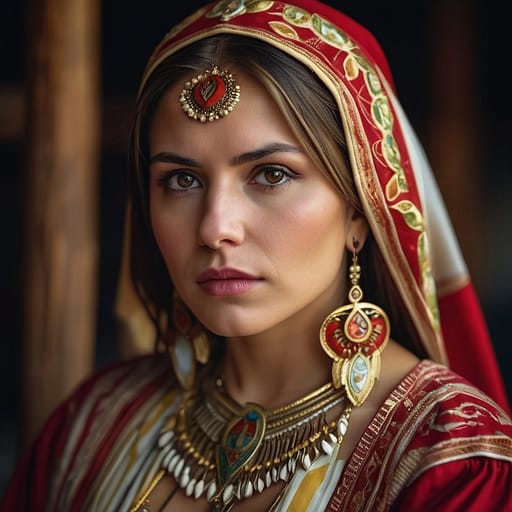
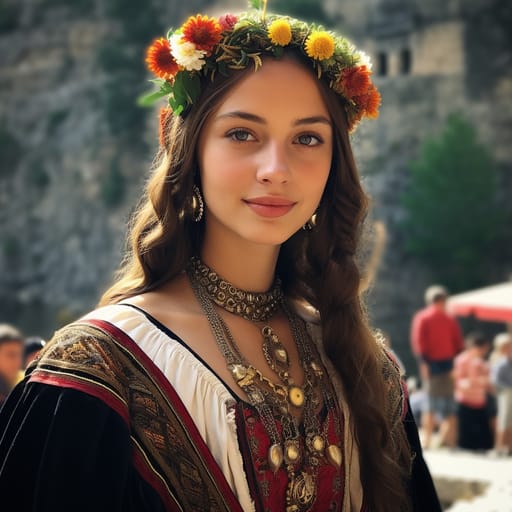
Oenotrians
Southern Italy, from the Sele plain near Paestum through Basilicata to southern Calabria (Italy)
Olcades
The uplands and river basins between the upper Guadiana and the Jucar in central Spain, roughly the modern provinces of Cuenca and Albacete
Opici
Campania in southern Italy: the plain around the Bay of Naples that the Greeks called Opicia, including the country around Cumae and Capua.
Osci
Campania in southern Italy, the plain around Capua, Nola, Atella and the Bay of Naples, including Pompeii and Herculaneum
Paeligni
The Valle Peligna and upper Aterno basin in the central Apennines, in present-day Abruzzo, Italy; chief centers Corfinium, Sulmo and Superaequum
Pannonian Rusyns
Vojvodina in northern Serbia, mainly Bačka (Ruski Krstur, Kucura, Novi Sad) and Srem, plus eastern Croatia (Petrovci, Mikluševci, Vukovar); ancestral origins in eastern Slovakia and northeastern Hungary
Pasiegos
The Pas, Pisueña and Miera valleys (Valles Pasiegos) of southern Cantabria, with Pasiego settlements across the watershed in northern Burgos, Spain
Picentes
Picenum, the central Adriatic coast of Italy between the Apennines and the sea: today's Marche region and northern Abruzzo, Italy
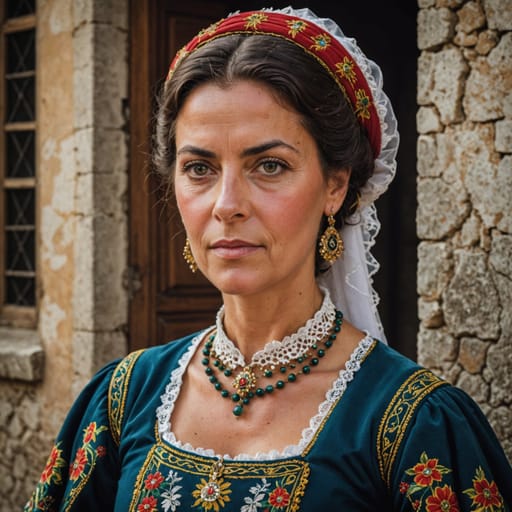
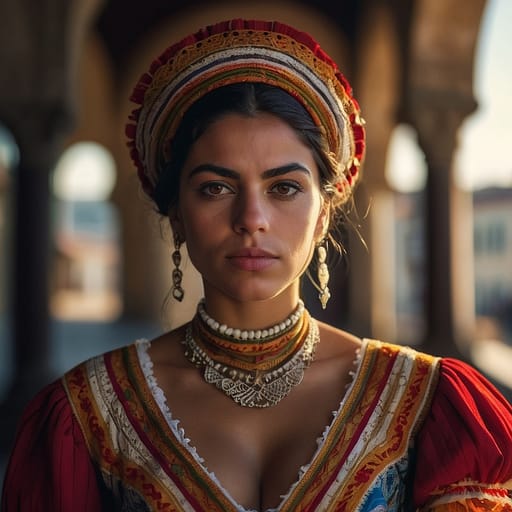
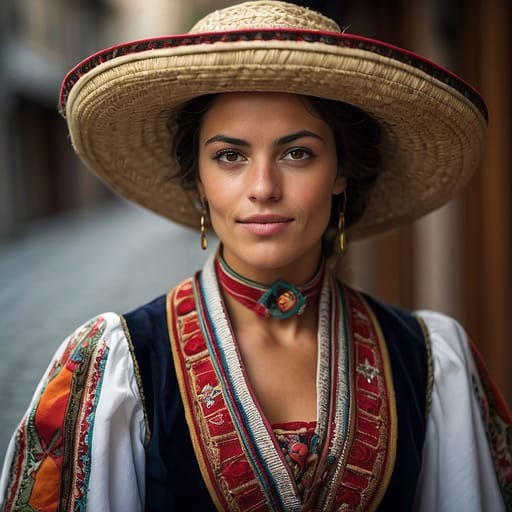
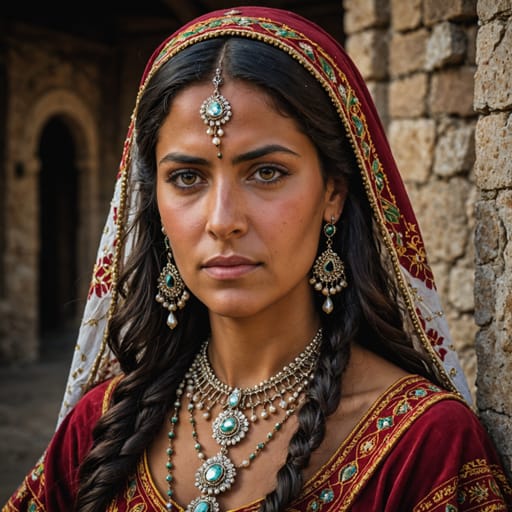
Rucensi
Central Sardinia (Italy), south of the Cornenses and north of the Celsitani and Corpicenses in Ptolemy's list; exact territory unknown.
Salcitani
Northern interior of Sardinia (modern Italy), south of the Carenses and Cunusitani and bordering the Lucuidonenses and Aesaronenses; exact territory unknown.
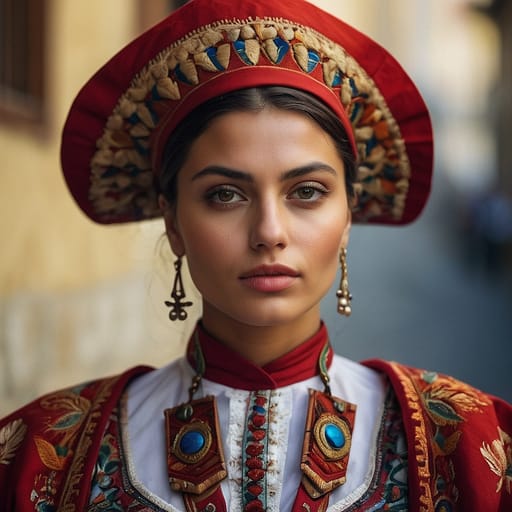
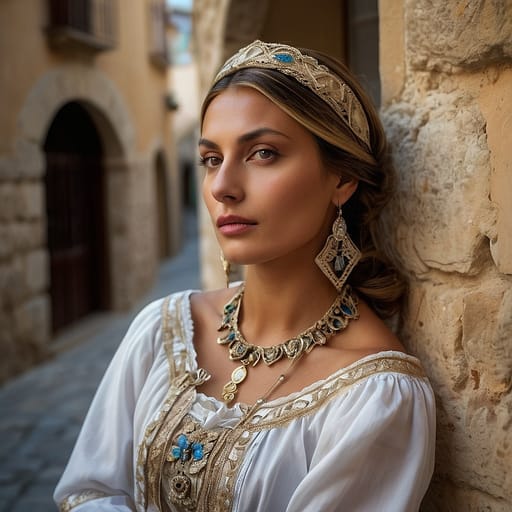
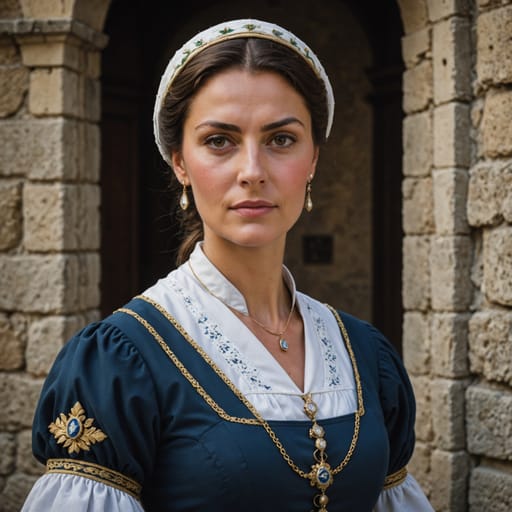
Sarakatsani
Mainland Greece, historically moving between mountain summer pastures and lowland winter grazing in Epirus, Thessaly, Macedonia, Thrace and Central Greece, with smaller communities in Bulgaria, southern Albania and North Macedonia.
Sardeates
The interior of the Roman province of Dalmatia in the western Balkans, probably within present-day Bosnia and Herzegovina; exact territory uncertain.
Sephardi Jews
Historically the Iberian Peninsula (Spain and Portugal); after 1492 the Ottoman Balkans and Anatolia, North Africa, Italy, and the Netherlands; today mainly Israel, France, Turkey, the United States, and Latin America.
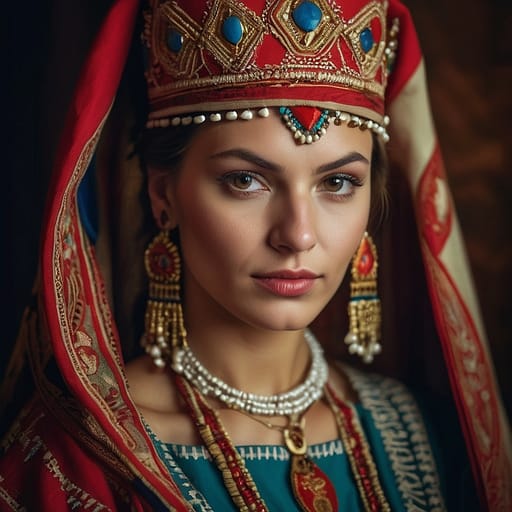
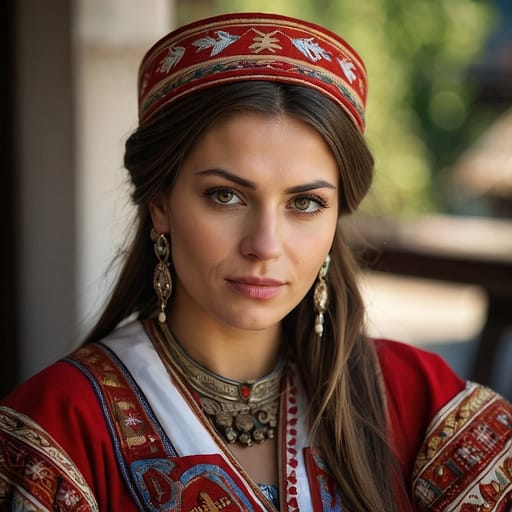
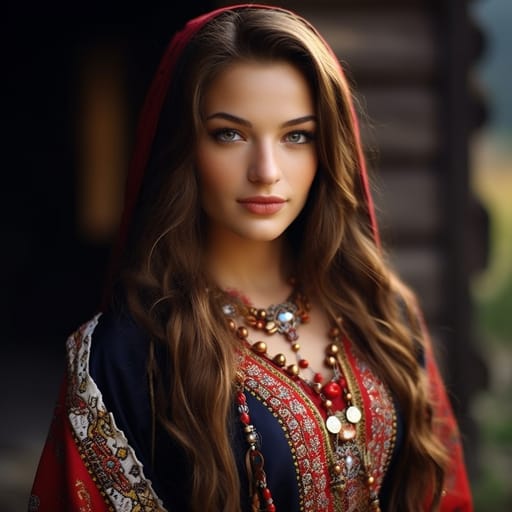
Sfakians
Sfakia, the southern slopes of the White Mountains (Lefka Ori) and the adjoining Libyan Sea coast in southwestern Crete, Chania regional unit, Greece.
Shkreli
Shkrel in Malësia e Madhe, northern Albania, north of Shkodër; branches in the Rugova gorge of Kosovo and in Sandžak (Serbia and Montenegro)
Siculensi
Southern Sardinia, Italy, most likely the southeastern Sarrabus area near the mouth of the Flumendosa river; known only from Ptolemy's second-century CE list of Sardinian peoples.
Sidicini
Northern Campania around the Roccamonfina volcano, centered on Teanum Sidicinum, modern Teano in the province of Caserta, Italy
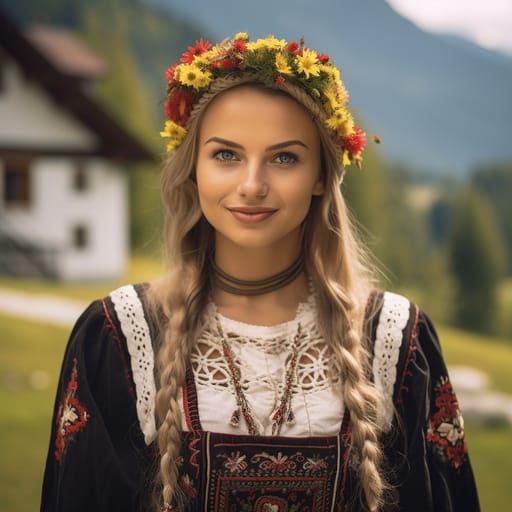
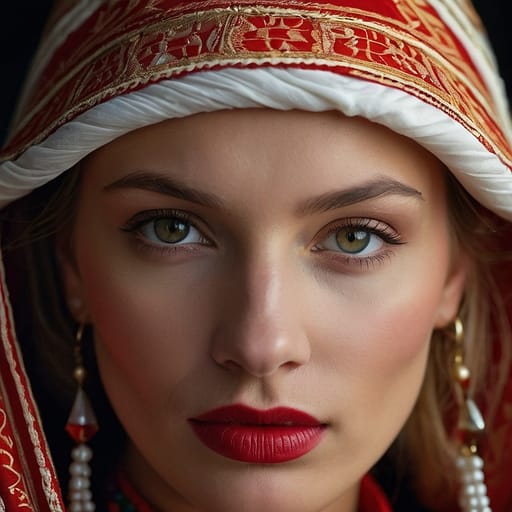
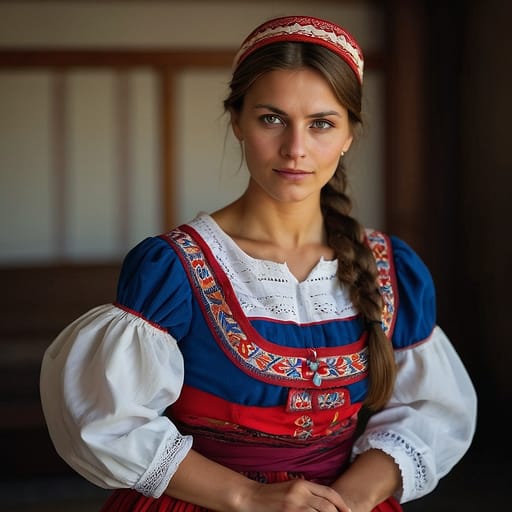
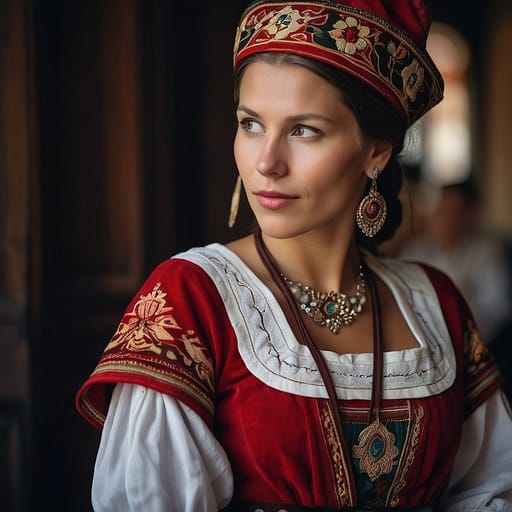
Šokci
The Pannonian plain along the Sava, Drava and Danube: eastern Croatia (Slavonia and Baranja), northern Serbia (Bačka and Syrmia), southern Hungary around Mohács and Baja, and the Bosnian Posavina.
Solcitani
Sulci and its territory in southwestern Sardinia: the island of Sant'Antioco and the adjoining Sulcis coast and hills, in present-day Italy.
Souliotes
Souli, a mountain district above the Acheron gorge in Thesprotia, Epirus, northwestern Greece; later dispersed to Parga, Corfu and the Ionian Islands
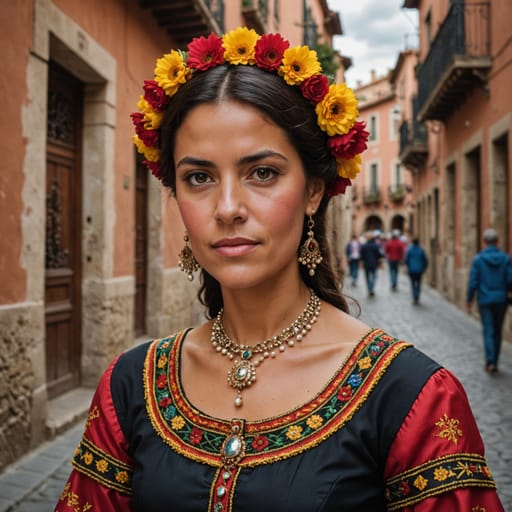
Suessetani
Middle Ebro valley in northeastern Spain, broadly the Cinco Villas district of Aragon, possibly extending into Navarre
Taurisci
The southeastern Alps and the Sava and Drava valleys: present-day Slovenia and southern Austria, reaching into northeastern Italy and northwestern Croatia.
Tibulati
Far northern Sardinia (Italy), around the ancient port of Tibula on the Strait of Bonifacio, in what is now Gallura.
Tosks
Southern Albania below the Shkumbin river, with related communities in northwestern Greece and a large emigrant population in Greece and Italy
Triballi
Central Balkans between the Morava and Iskar rivers, south of the Danube: central and eastern Serbia and northwestern Bulgaria
Turduli
The lower Guadalquivir valley and Atlantic coast of what is now western Andalusia, Spain, with recorded offshoots in central and northern Portugal
Umbri
Central Italy, east of the Tiber and across the Apennines toward the Adriatic: roughly modern Umbria with adjoining parts of Marche, Tuscany and Emilia-Romagna, Italy
Vaccaei
The central Duero valley on the Meseta Central of northern Spain, covering much of the modern provinces of Valladolid, Palencia, Zamora, Salamanca and Segovia, with parts of Leon, Burgos and Avila.
Valencians
The Valencian Community on Spain's eastern Mediterranean coast (provinces of Castellón, Valencia and Alicante), the former Kingdom of Valencia

16 countries in Southern Europe
Aggregate phenotype profile per country · weighted by demographic composition
Southern Europe Body & Anatomy Reference
Southern European / Mediterranean phenotype: adult AI generation reference across Southern Europe
Southern Europe Women: Boobs & Breasts
Southern Europe women's tits and boobs run medium-to-large cup, full, moderate-to-high projection, the classic Southern European / Mediterranean bust profile across Southern Europe. Nipples and areolas show medium-brown to dark-brown areolar pigmentation against the olive-to-light-brown skin tone, with areolar diameter typically in the 32-46mm range and forward-set positioning rather than the the lighter pigmentation of the Northern European bust. Southern Europe breasts trend full and projecting, generally the classic Mediterranean curvy bust profile, a function of the mesomorph with full hip-and-bust deposition body habitus and mean adult female BMI 24-28. For anatomically-accurate AI-generated Southern Europe nude women the render preserves: medium-to-large cup, full, moderate-to-high projection shape, 32-46mm areolas with regional pigmentation, and the torso proportions of the Southern European / Mediterranean phenotype.
Southern Europe Women: Ass & Hips
Southern Europe women's ass and hip morphology presents as medium-to-full, moderate-to-high projection, broader hip profile, distinctly different from the slim Northern European narrow-hip pattern. Southern Europe pelvic profile shows medium-to-wide iliac crests, full gluteal-femoral fat distribution, anchored in the Southern European / Mediterranean skeletal pattern. Southern Europe butt shots in adult AI imagery should render the medium-to-full, moderate-to-high projection, broader hip profile silhouette with the mesomorph with full hip-and-bust deposition build and the gluteal-femoral fat distribution typical of the Southern European / Mediterranean phenotype rather than defaulting to a globally-averaged shape that generic AI generators produce.
Southern Europe Women: Vagina & Pussy
Southern Europe women's pussy and vulvar anatomy presents medium-brown to dark-brown labial pigmentation, fuller labia minora, consistent with the Southern European / Mediterranean phenotype's pigmentation pattern. Southern Europe pubic hair is typically wavy-to-curly medium-coarse dark texture, dense distribution, distributed in the inverted-triangle pattern with regional-typical density. AI-generated Southern Europe nude imagery should preserve the medium-brown to dark-brown labial pigmentation and the wavy-to-curly medium-coarse dark texture hair texture rather than defaulting to a Western-European pink-and-sparse template. For anatomically-accurate Southern Europe pussy renders the labial pigmentation should match the surrounding olive to medium skin tone of the Southern European / Mediterranean phenotype.
Southern Europe Men: Dicks & Penis
Southern Europe men's dick and penile anatomy in adult AI generation should anchor on the regional reference data: regional mean ~13-14cm erect, moderate girth, and medium-brown shaft pigmentation. Southern Europe cock profile reflects the Southern European / Mediterranean ancestral population's anthropometric measurements rather than a globally-averaged Western-pornography default. For anatomically-accurate Southern Europe nude male imagery the shaft pigmentation should track the surrounding olive to medium skin tone, with continuous glans-to-shaft pigmentation transition and the wavy-to-curly medium-coarse dark texture pubic-hair texture distributed in the typical inverted-V escutcheon.
Southern Europe: Body, Curves & Build
Southern Europe body type and overall build presents as mesomorph with full hip-and-bust deposition, with mean adult female BMI 24-28: the characteristic Southern European / Mediterranean habitus. Southern Europe curves and proportions in adult AI imagery should preserve the regional skeletal frame (height, shoulder-to-hip ratio, limb proportions) rather than scaling to a Western-European mesomorph default. The Southern Europe nude female form, when rendered with anatomical fidelity, shows the height range, frame width, and adipose distribution pattern typical of the Southern European / Mediterranean phenotype. Generic AI image generators tend to collapse regional body types into a few default shapes; the EthnicErotic phenotype-anchored approach preserves the Southern Europe build as its own reference category.
Southern Europe: Skin Tone & Hair Texture
Southern Europe skin tone falls in the olive to medium (Fitzpatrick III-IV) band, the surface signal most often miscalibrated by generic AI nude generators trained on Western-photographic datasets. Southern Europe hair texture is typically wavy-to-curly 2B-3B, dark-brown to black, characteristic of the Southern European / Mediterranean phenotype. For anatomically-accurate Southern Europe nude renders the skin should hold the Fitzpatrick band consistently across body surface rather than showing the lighter-than-face body shading that AI generators default to.
Southern Europe: The Historical Erotic Record
Named positions and museum-attested works from this region’s manuals, art & literature
Greek symposium pottery
Greek (Archaic–Classical) · 6th–4th century BCE
- Keles (the racehorse)(known today as Cowgirl (woman on top))
- Kubda (the bent-over)(known today as Standing rear entry (bent over))
Pompeian erotic frescoes
Roman · 1st century CE
- Mulier equitans(known today as Cowgirl (woman on top))
- Venus pendula aversa(known today as Reverse cowgirl)
I Modi (The Sixteen Postures)
Italian (Renaissance) · 1524–1527 CE
- The astride posture(known today as Cowgirl (woman on top))
- The carried posture(known today as Suspended congress (standing carry))
In the museum record
Attic Vase Painting — Symposium & Erotic Scenes
6 catalogued works
- Kylix, Pedieus Painter ("Louvre G13"), Musée du Louvre (G13)
- Peithinos Cup, Antikensammlung, Berlin (F 2279)
- Kylix, Triptolemos Painter, Museo Nazionale, Tarquinia (ARV2 367.94)
- Kylix, Akestorides Painter, National Archaeological Museum, Athens, Vlastos-Serpieris Collection (ΒΣ 541)
- Eurymedon Vase, Museum für Kunst und Gewerbe, Hamburg (1981.173)
+ 1 more
Pompeii, Herculaneum & the Silver-and-Ceramic Repertoire
7 catalogued works
- The Warren Cup, British Museum (GR 1999,0426.1)
- Erotic fresco cycle, Suburban Baths apodyterium, Pompeii, in situ
- Lupanar wall paintings, Pompeii, in situ brothel
- Erotic fresco, House of the Centenary, Room 43, Pompeii, likely still in situ
- Pan and the Goat, Naples Archaeological Museum, Gabinetto Segreto (27709)
+ 2 more
Tomb Painting, Necropolis of Monterozzi, Tarquinia
4 catalogued works
- Tomba dei Tori — male-couple scene, In situ, Tarquinia
- Tomba dei Tori — heterosexual-triad scene, In situ, Tarquinia
- Tomba della Fustigazione — woman between two men, In situ, Tarquinia
- Tomba della Fustigazione — flagellation scene, In situ, Tarquinia
I Modi & Renaissance Erotic Engraving, 1524–1600
6 catalogued works
- I Modi ("The Ways"/"The Positions"), original engravings, Fragments at the British Museum, Albertina Vienna, Biblioteca Nacional de España
- I Modi, later woodcut booklet copy ("Sedici Modi"), Current holding institution unconfirmed
- The Lovers (Due Amanti), Giulio Romano, State Hermitage Museum, St. Petersburg
- Loves of the Gods, Jacopo Caraglio after Perino del Vaga and Rosso Fiorentino, Impressions across major print collections
- Lascivie, Agostino Carracci ("A Satyr Approaching a Sleeping Nymph"), British Museum, London
+ 1 more
Full entries with verification notes on the history timeline.