Help us get this right
Does this portrait look right for Slovenes?
Nobody has judged this one yet. You would be the first.
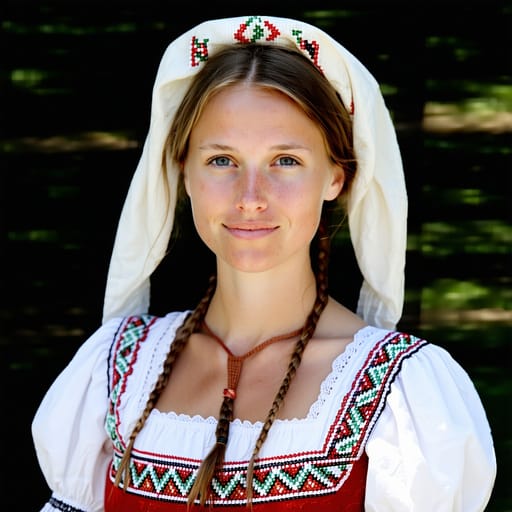
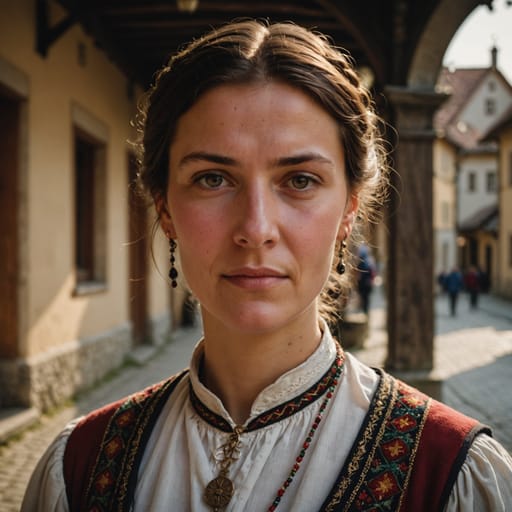
How 6 image generators render Slovenes
The same documentary prompt sent to each generator; one render each, alphabetical by generator. The comparison page has every render, the match to documented photographs and the reader pairs.
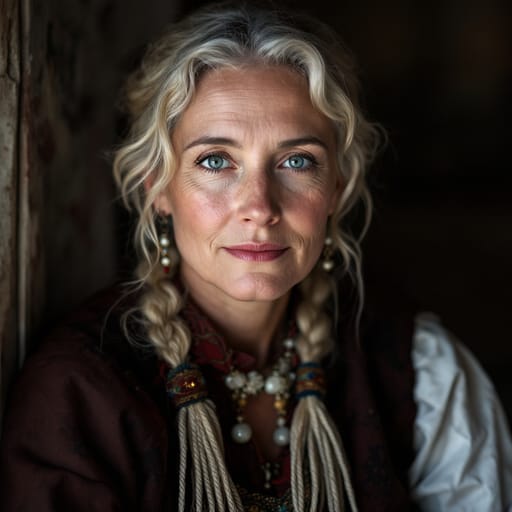
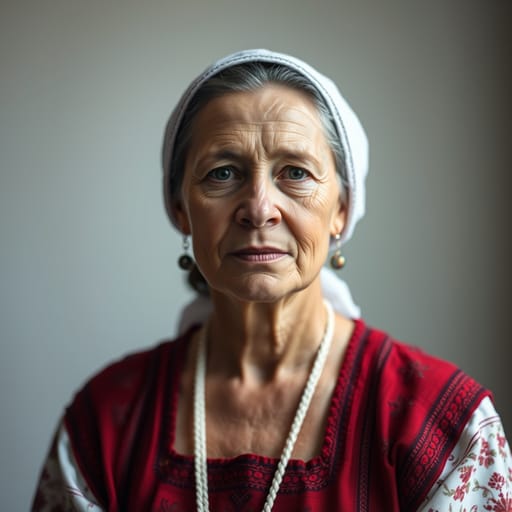
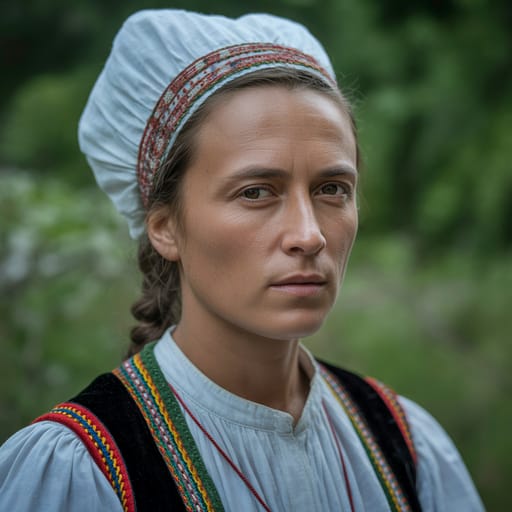
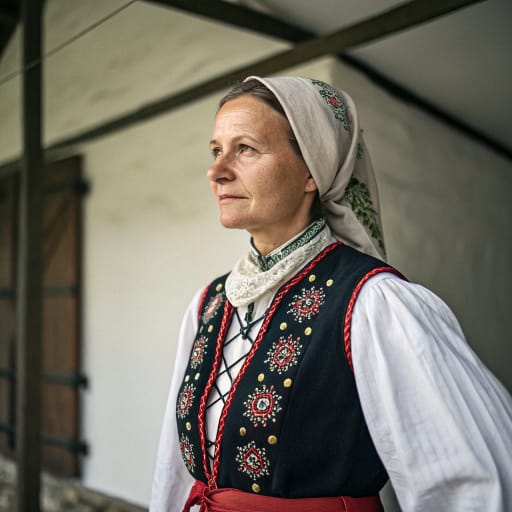
Slovenes Erotic
Christianity / Catholicism
Carinthian Slovenes, Italy Slovenes
About Slovenes People
Slovenes are the South Slavic people whose national life formed in the narrow space where the Alps come down to the Adriatic and the Pannonian plain begins. That geography is the first thing to understand about them: they sit at the junction of four worlds — Germanic to the north, Italian to the west, Hungarian to the east, the rest of the Slavic south below — and they have spent a thousand years being a small population that refused to become any of their neighbors. Slovenia itself is a country of roughly two million, but the Slovene identity extends past the border into the Carinthian valleys of southern Austria and the Slavia Friulana villages east of Trieste in Italy, where minority communities have held their language through generations of pressure to assimilate.
The Slovene language is the lever of that identity. It is South Slavic, related to Croatian and Serbian, but separated by enough centuries and enough mountain isolation that it sounds and behaves differently — most famously in its preservation of the dual number, a grammatical form for exactly two people or things that most other Indo-European languages dropped long ago. You say one thing one way, two things another way, three or more another way. Linguists also count an unusually large number of regional dialects for so small a country; a speaker from the Prekmurje plain and one from the Soča valley can struggle to follow each other in casual speech.
Catholicism is the inherited religion and shapes the calendar of village life — the patron-saint feast, the Easter blessing of food baskets, the procession — though practice has thinned in the cities the way it has across most of Europe. The deeper religious story is the Reformation: in the 1550s the Protestant preacher Primož Trubar wrote the first printed books in Slovene, and although the Counter-Reformation later returned the country to Rome, that early act of printing the vernacular is what stabilized the literary language. Slovenes still treat it as the founding moment of their cultural existence.
The political modern era is short and intense. Slovenia spent centuries inside the Habsburg empire, was folded into Yugoslavia after the First World War, and broke away in a ten-day war in 1991 — the cleanest and quickest of the Yugoslav exits. Today it is the most Alpine of the former Yugoslav republics in temperament: orderly, mountain-facing, bilingual at the edges, and quietly insistent that it belongs to Central Europe rather than the Balkans.
Related ethnic groups
Groups that share Slovenes's homeland, region, language, or religious tradition. These are likely candidates for comparative phenotype reference.
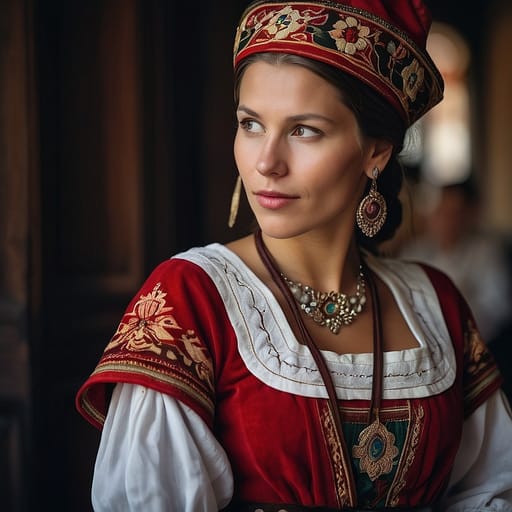
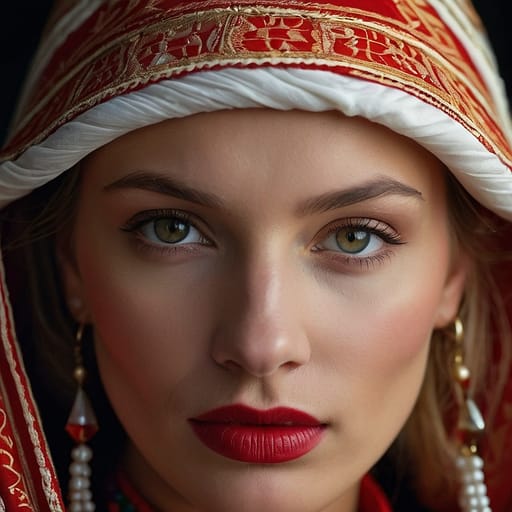
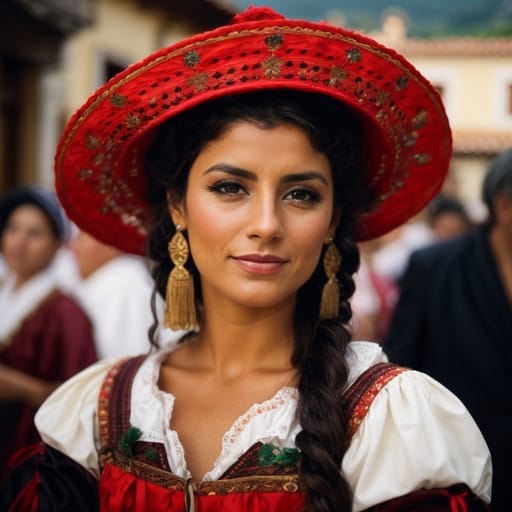
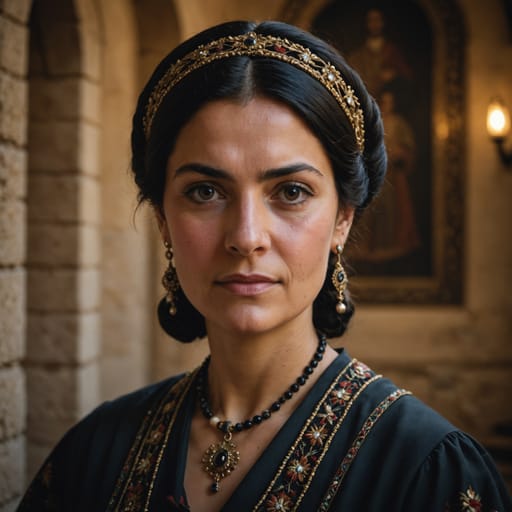
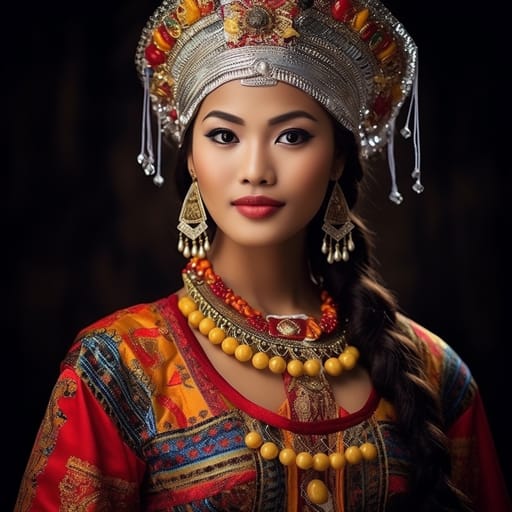
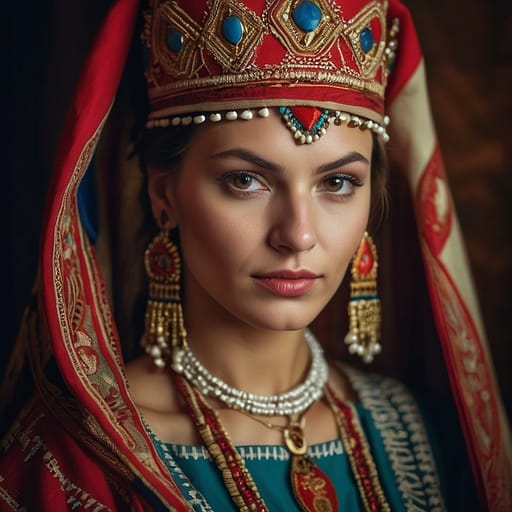
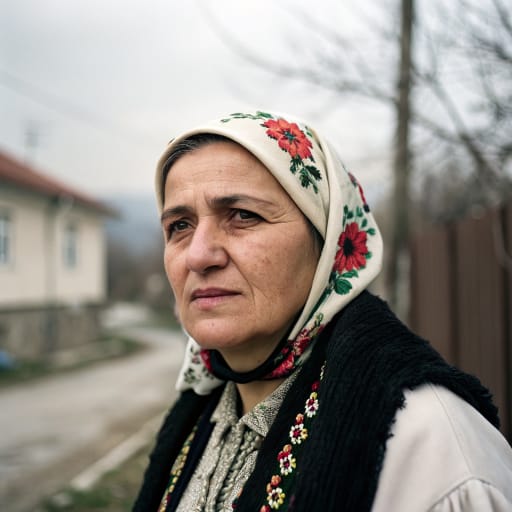
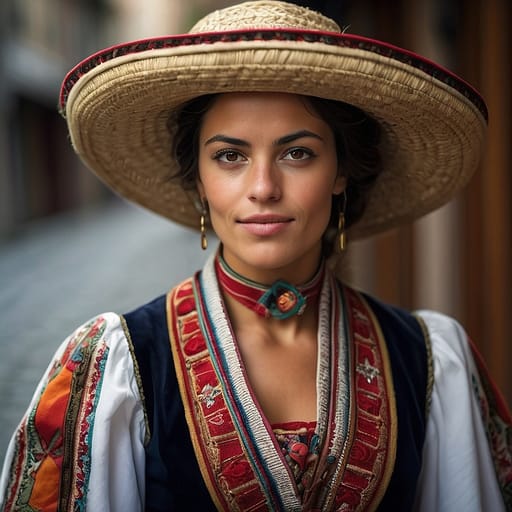
Typical Slovenes Phenotypes
Reference for AI generation: hair, eyes, skin, facial structure, build
Slovenes sit at the meeting point of Alpine, Pannonian, and Adriatic Europe, and the phenotype reflects that crossroads more than any single Slavic template. The dominant impression is Central European with a clear Alpine emphasis: medium-to-light coloring, soft facial geometry, and a build adapted to mountainous terrain rather than the steppe.
Hair runs across the brown spectrum, with light-to-medium brown and dark blond most common in the Carinthian and Upper Carniolan north, shifting toward darker brown in the Littoral and Istrian south where Italy Slovenes show measurable Mediterranean input. Texture is overwhelmingly straight to lightly wavy; tight curl is rare. Childhood blondness that darkens by adolescence is a recognized regional pattern, and natural red is uncommon but present at low single-digit rates.
Eyes lean light. Blue, blue-grey, and green together account for a clear majority — Slovenia falls inside the Alpine light-eye belt — with hazel and mid-brown more frequent toward the Adriatic. The eye is set without an epicanthic fold, with a moderately deep orbit and a relatively flat brow ridge compared to neighboring Germanic populations. Skin is Fitzpatrick II–III, neutral-to-cool undertone in the north and a warmer olive cast in Primorska and the Italy-border communities, where year-round sun exposure produces a darker baseline tan.
Facial structure tends toward a straight or faintly convex nasal bridge with a narrow-to-medium alar width; the snub or upturned nose seen in some West Slavic groups is less common. Lips are medium, jaws moderately defined, and cheekbones present but not high or laterally projecting — closer to the architect Jože Plečnik's sharply linear profile than to a broad Pannonian face.
Build is solidly Alpine: men average around 180 cm, women around 167 cm, placing Slovenes among the taller European populations. Frames read mesomorphic with strong lower-body development. Carinthian Slovenes trend slightly taller and lighter-featured; Italy Slovenes are shorter on average, darker-haired, and more olive-toned, though the overlap with mainland Slovenes is large.
Slovenes Body & Anatomy Reference
Per-feature anatomical profile for AI nude generation: Southern European / Mediterranean phenotype
Slovenes Boobs & Breasts
Bust reference for Slovenes women: medium-to-large cup, full, moderate-to-high projection, which is typical of Southern European / Mediterranean ancestry. Areolas measure about 32-46mm across, with medium-brown to dark-brown pigmentation. Body type (mesomorph with full hip-and-bust deposition) shapes the bust as well, so Slovenes tits are usually full and projecting, generally the classic Mediterranean curvy bust profile. In AI imagery, keep the forward-set shape rather than drifting toward the lighter pigmentation of the Northern European bust.
Slovenes Ass & Hips
The Slovenes ass is typically medium-to-full, moderate-to-high projection, broader hip profile, which sets it apart from the slim Northern European narrow-hip pattern. Underneath, the pelvis shows medium-to-wide iliac crests, full gluteal-femoral fat distribution, part of the Southern European / Mediterranean skeletal pattern. For Slovenes butt pics and AI renders, match that silhouette and the overall build (mesomorph with full hip-and-bust deposition).
Slovenes Vagina & Pussy
Slovenes pussy and vulvar anatomy presents medium-brown to dark-brown labial pigmentation, fuller labia minora, consistent with the Southern European / Mediterranean phenotype's pigmentation pattern. Slovenes pubic hair is typically wavy-to-curly medium-coarse dark texture, dense distribution, in the inverted-triangle pattern. For anatomically accurate Slovenes pussy renders the labial coloration should match the surrounding olive to medium skin tone with a continuous gradient, and the hair should keep its wavy-to-curly medium-coarse dark texture.
Slovenes Dicks & Penis
Slovenes dicks follow the Southern European / Mediterranean reference data: regional mean ~13-14cm erect; moderate girth; medium-brown shaft pigmentation. Shaft color should track the olive to medium skin tone with a smooth change toward the glans, and Slovenes pubic hair keeps its wavy-to-curly medium-coarse dark texture.
Slovenes Body, Curves & Build
Slovenes body type and overall build presents as mesomorph with full hip-and-bust deposition, with mean adult female BMI 24-28: the characteristic Southern European / Mediterranean habitus. Slovenes curves and proportions should keep the regional skeletal frame (height, shoulder-to-hip ratio, limb proportions) rather than a generic mesomorph default.
Slovenes Skin Tone & Hair Texture
Slovenes skin sits in the olive to medium (Fitzpatrick III-IV) band. Hair is typically wavy-to-curly 2B-3B, dark-brown to black, in keeping with the Southern European / Mediterranean phenotype. In nude renders the skin should stay one even tone from face to body, and body, pubic and head hair should match.
Data depth
60/100Coverage of image-grounded phenotype observations · drives AI generation diversity
- Sample size
- 40/40· 60 images
- Image quality
- 10/30· 20% high
- Confidence
- 10/20· mean 0.58
- Source diversity
- 0/10· wikipedia
- ·Mostly low-quality source images
- ·Wikipedia-only source, not population-representative
Observed Distribution: Image Sample
Empirical observations from analyzed photographs · supplementary signal, not population truth
Sample: 60 images analyzed (60 wikipedia). Quality: 12 high, 32 medium, 14 low, 2 very_low. Avg analyzer confidence: 0.58.
Skin tone (Fitzpatrick): II (75%), III (18%), unclear (7%)
Hair color: gray/white (43%), black (40%), light/medium brown (5%), dark brown (3%), red/auburn (2%), brown (2%), unclear (5%)
Hair texture: straight (45%), wavy (38%), curly (7%), covered (5%), unclear (5%)
Eye color: dark brown (18%), blue (18%), hazel (10%), brown (8%), unclear (45%)
Epicanthic fold: 0% present, 88% absent, 12% unclear
Caveats: Quality skews toward older or low-resolution photos; phenotype detail may be lossy. Sample is 100% Wikipedia notable people, which skews toward male, public-life, and modern figures, not population-representative.
Last aggregated: May 7, 2026
Explore phenotype categories
Structured taxonomy with peer-reviewed scales · 22 anatomical categories
- SkinFitzpatrick I to VI, undertone, pigmentation
- EyesColor, shape, eyelid, epicanthic fold
- Head hairColor, Andre Walker texture, hairline
- Body shapeHeath-Carter somatotype, WHR, frame
- NoseBridge, tip, nostril, alar width
- Lips & mouthVolume, Cupid’s bow, philtrum
Measured in Slovenes portraits
Notable Slovenes People
100 reference figures, sourced from Wikipedia
- Zvest Apollonio, 1935-2009), painter and graphic artist
- Stanislava Brezovar, 1937-2003), ballerina
- Franz Caucig, 1755-1828), Neoclassical painter
- Anton Cebej, 1722-1774), Baroque painter
- Avgust Černigoj, 1898-1985), painter
- Jože Ciuha, 1924-2015), painter, graphic artist and illustrator
- Ivan Grohar, 1867-1911), painter
- Anton Gvajc, 1865-1935), painter
- Herman Gvardjančič, born 1943), painter
- Stane Jagodič, born 1943), painter, graphic artist, montager and illustrator
- Božidar Jakac, 1899-1989), painter, graphic artist and illustrator
- Rihard Jakopič, 1869-1943), painter
- Matija Jama, 1872-1947), impressionist painter
- Laurenz Janscha, 1749-1812), landscape painter and engraver
- Anton Karinger, 1829-1870), painter and poet
- Ivana Kobilca, 1861-1926), realist painter
- Lojze Logar, 1944-2014), painter and graphic artist
- Fredy Malec Koschitz, 1914-2001) - painter and woodcarver
- Adriana Maraž, 1931-2015), painter and graphic artist
- Julie Martini, 1871-1943), photographer
- Špelca Mladič, 1894-1981), painter and designer
- Pino Mlakar, 1907-2006), ballet dancer and choreographer
- Marko Mušič, born 1941), architect
- Zoran Mušič, 1909-2005), painter
- Miki Muster, 1925-2018), illustrator
- Veno Pilon, 1896-1970), painter
- Mira Pintar, 1891-1980) - artist and art collector
- Jože Plečnik, 1872-1957), architect
- Marjetica Potrč, born 1953), artist
- Jakob Savinšek, 1922-1961), sculptor
- Zora Stančič, born 1956), graphic and visual artist
- Matej Sternen, 1870-1949), painter
- Michael Stroy, 1803-1871), painter
- Vladimir Šubic, 1894-1946), architect
- Henrika Šantel, 1874-1940), painter
- Avgusta Šantel, 1876-1968), painter, teacher, printmaker
- Jožef Tominc, 1790-1866), painter
- Joseph Urbania, 1877-1943), sculptor
- Antonija Volk Krebelj, 1908-2003), farmer and folk artist
- Ivan Vurnik, 1884-1971), architect and town planner
- Louis Adamic, 1898-1951), author and translator
- Anton Aškerc, 1856-1912), poet and Roman Catholic priest
- Frederic Baraga, 1797-1868), bishop, author
- Vladimir Bartol, 1903-1967), author
- France Bevk, 1890-1970), author
- Franjo Bučar, writer of Slovenian descent
- Ivan Cankar, 1876-1918), author, poet, storyteller, playwright, and essayist
- Matija Čop, 1797-1835), author
- Mate Dolenc, born 1945), author
- Fran Saleški Finžgar, 1871-1963), author and priest
- France Forstnerič, 1933-2007), author, poet and journalist
- Alojz Gradnik, 1882-1967), poet and translator
- Simon Gregorčič, 1844-1906), poet and Roman Catholic priest
- Peter Handke, born 1942), author (Slovenian mother; born and raised in Austria and has neve…
- Janez Jalen, 1891-1966), author
- Drago Jančar, born 1948), author and dramatist
- Simon Jenko, 1835-1869), poet, lyricist, writer
- Jože Javoršek, 1920-1990), author
- Branka Jurca, 1914-1999), author
- Josip Jurčič, 1844-1881), author
- János Kardos, 1801-1875), writer, teacher and priest
- Alma Karlin, 1889-1950), writer and poet
- Dragotin Kette, 1876-1899), poet
- Edvard Kocbek, 1904-1981), poet and writer
- Srečko Kosovel, 1904-1926), poet
- József Kossics, 1788-1867), writer, poet, historian, priest
- Tomo Križnar, born 1954), world traveller, humanitarian, author
- Lovro Kuhar, 1893-1950), author
- Miklós Küzmics, 1737-1804), writer and translator
- Feri Lainšček, born 1959), writer, poet
- Fran Levstik, 1831-1887), author
- Anton Tomaž Linhart, 1756-1795), playwright and historian
- Cvetka Lipuš, born 1959), author
- Florjan Lipuš, born 1937), author
- Franko Luin, 1941-2005), author, editor, typographer
- Rudolf Maister, 1874-1934), poet, military officer
- Mira Mihelič, 1912-1985), author
- Frane Milčinski, 1914-1988), poet, satirist, humorist
- Miha Mazzini, born 1961), author
- Boris Pahor, 1913-2022), author
- Ivan Potrč, 1913-1993), author
- Krista Povirk, 1938-2004), catechist, poet, choir director
- Sebastijan Pregelj, born 1970), author
- France Prešeren, 1800-1849), poet
- Benka Pulko, born 1967), author and Guinness World Record setting world traveler
- Miha Remec, 1928-2020), author
- Marija Rus, 1921-2019), Romance philologist, professor of French, translator, poet.
- Anton Martin Slomšek, 1800-1862), bishop, author, poet and national awakener
- Tomaž Šalamun, 1941-2014), poet
- Anka Salmič, 1902-1969) - farmer, folk healer and poet
- Damijan Šinigoj, born 1964), author and translator
- Josip Stritar, 1836-1923), poet, author, and editor
- Ivan Tavčar, 1851-1923), author, lawyer and politician
- Janez Trdina, 1830-1905), author
- Primož Trubar, 1508-1586), Protestant reformer and author
- Josipina Urbančič, 1508-1586), poet, writer
- Josip Vidmar, 1895-1992), essayist and literary critic
- Vitomil Zupan, 1914-1987), writer
- Ivo Boscarol, born 1956), light aircraft designer and manufacturer
- Joseph Fuisz, born 1970), filed thirty-five patents relating to drug delivery and computer …
Erotic Poses & Sex Positions
From the pose catalog: 219 named positions with reference skeletons
Frequently asked questions about Slovenes people
Where is the Slovenes homeland?
The Slovenes homeland is Slovenia in Southern Europe.
What language do Slovenes people speak?
Slovenes people primarily speak Indo-European / Slavic / Slovene.
What religion do Slovenes people practice?
The predominant religion among Slovenes people is Christianity / Catholicism.






Make your own Slovenes images
Five a day, free, no credits to buy. The studio starts from this group's phenotype data, so you can set body type, pose and style and keep the traits accurate.
Start with Slovenes