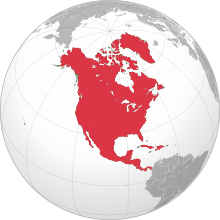
North America
398 ethnic groups
Browse the 398 ethnic groups native to North America. Each profile documents facial features, skin tone, hair texture and body type. Explore the people below, or read the full North America phenotype and anatomy reference further down.
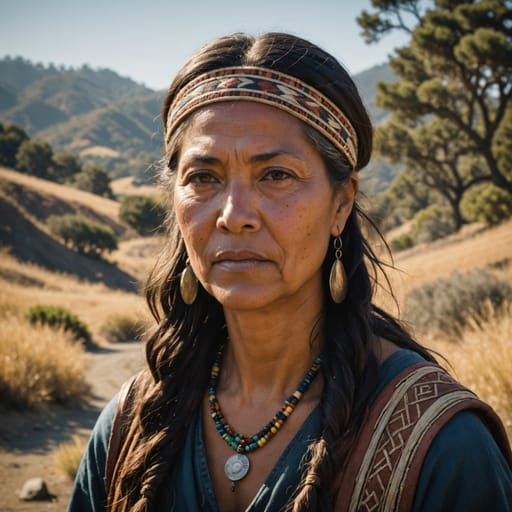
Help us get this right
Does this portrait look right for Bay Miwok?
Nobody has judged this one yet. You would be the first.
Acadians
Canada's Maritime provinces, chiefly New Brunswick, Nova Scotia and Prince Edward Island, plus Quebec's Magdalen Islands, northern Maine (US) and Louisiana (US); historic Acadia centered on the Bay of Fundy
Accohannock
Lower Eastern Shore of the Delmarva Peninsula: historically Accomack and Northampton counties, Virginia; today centered in Somerset County, Maryland, United States
Accomac
Southern tip of Virginia's Eastern Shore on the Delmarva Peninsula, in present-day Northampton County, Virginia, United States.
Acjachemen
Southern Orange County and northern San Diego County, California, United States, centered on San Juan Capistrano and the coast toward San Onofre


Agua Dulce
The middle St. Johns River valley in northeast Florida, around Lake George and the river country to its north, United States (historically Spanish Florida)
Ahantchuyuk
Pudding River drainage and French Prairie, northern Willamette Valley, Oregon, United States
Ahwahnechee
Yosemite Valley (Ahwahnee) and the surrounding upper Merced River country in the central Sierra Nevada, California, United States
Aivilingmiut
Northwestern Hudson Bay coast in Nunavut, Canada: Naujaat (Repulse Bay), Wager Bay, Roes Welcome Sound, Chesterfield Inlet and Southampton Island (Coral Harbour)
Akimel O'odham
Middle Gila and lower Salt River valleys of south-central Arizona, United States, chiefly the Gila River and Salt River reservations around Phoenix.
Akokisa
Shores of Galveston Bay and the lower Trinity and San Jacinto rivers, southeast Texas, United States
Alabama
Historically the upper Alabama River in central Alabama; today the Alabama-Coushatta reservation near Livingston, Polk County, Texas, with a related community at Wetumka, Oklahoma
Alaskan Creoles
Coastal southern Alaska, United States: the Kodiak Archipelago, Aleutian and Pribilof Islands, the Kenai Peninsula (Ninilchik, Kenai) and Sitka
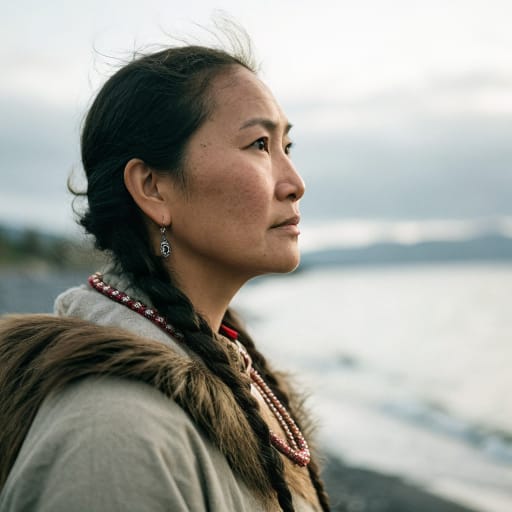
Alsea
Central Oregon coast, United States, around the Alsea River and Alsea Bay (Waldport) and south toward Yachats; since the 1870s, largely the Siletz area of Lincoln County
Androscoggin
Androscoggin River valley in present-day Maine and New Hampshire, United States; later the Saint-François mission (Odanak), Quebec, Canada

Apalachee
The Florida Panhandle between the Aucilla and Ochlockonee rivers, around present-day Tallahassee, United States; descendant community in central Louisiana.
Appomattoc
The lower Appomattox River near where it joins the James, around present-day Petersburg and Hopewell, Virginia, United States.
Arikara
Fort Berthold Reservation on the upper Missouri River, North Dakota, centered on White Shield; historically the Missouri valley of South Dakota and North Dakota, United States
Arrohattoc
North bank of the upper James River below the falls, in present Henrico County near Richmond, Virginia, United States.

Assateague
The Atlantic side of the Delmarva Peninsula: the coastal bays, barrier islands and upper Pocomoke River in present Worcester County, Maryland, reaching into southern Delaware and the Virginia border area, United States.
Assiniboine
Northern Great Plains: Fort Peck and Fort Belknap reservations in Montana, United States, and Nakoda First Nations in Saskatchewan and Alberta, Canada
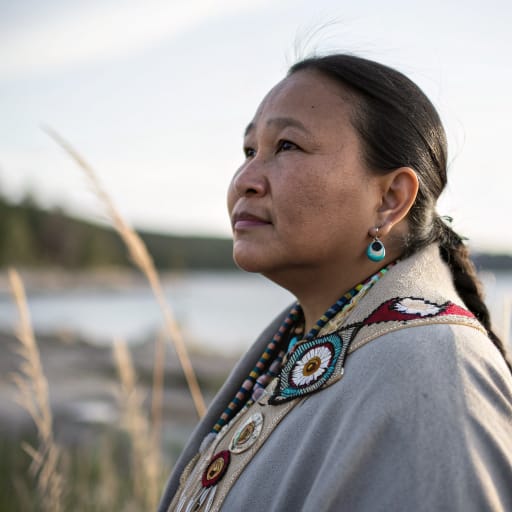
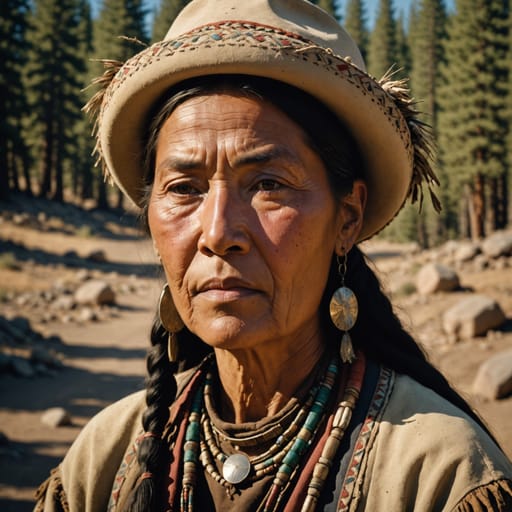
Babine
Babine Lake, the Babine River and the Takla Lake area in the central interior of British Columbia, Canada; main communities at Woyenne (Burns Lake), Tachet and Fort Babine.
Bannock
Fort Hall Reservation in southeastern Idaho, with a traditional range across southern Idaho, northern Nevada, southeastern Oregon and western Wyoming.
Beothuk
Island of Newfoundland, Canada, especially the northeast coast, the Exploits River and Red Indian Lake
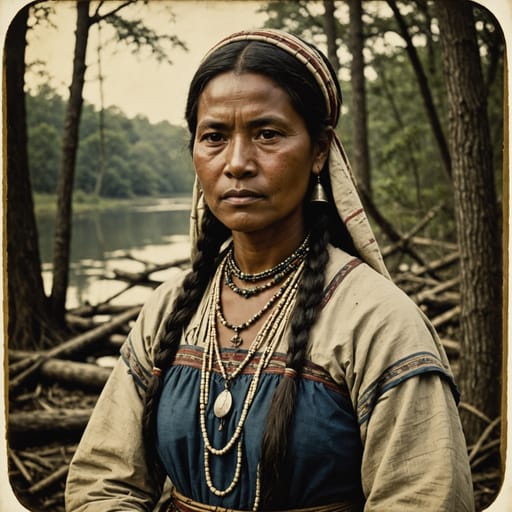
Biloxi
Originally the Gulf Coast of present-day Mississippi, around Biloxi Bay and the lower Pascagoula River; today central and southern Louisiana, chiefly Avoyelles Parish near Marksville, United States.
Bitterroot Salish
The Bitterroot Valley and much of western Montana, United States; today mainly the Flathead Indian Reservation in northwestern Montana.
Black Seminoles
Originally Spanish Florida; today Nacimiento de los Negros in Coahuila, Mexico, Brackettville in west Texas, Seminole County in Oklahoma, and Red Bays on Andros Island, Bahamas.
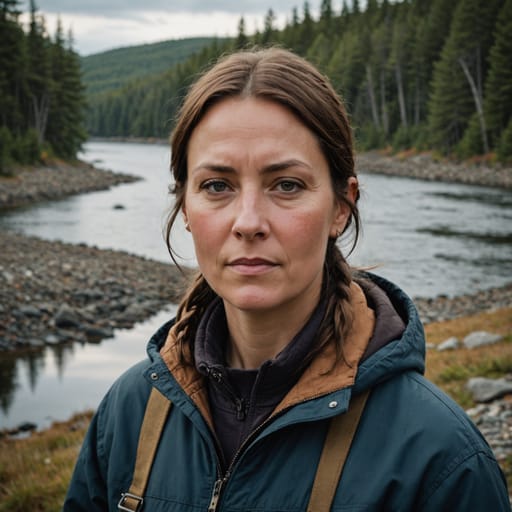
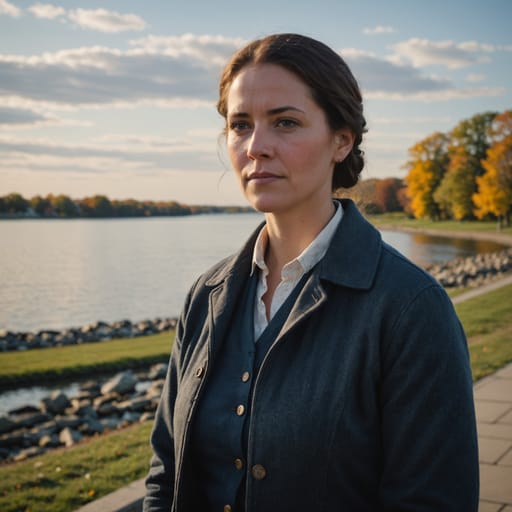
Cahokia
The American Bottom on the east bank of the Mississippi River, near present-day Cahokia and East St. Louis, Illinois, United States; later removed to Missouri, Kansas and Oklahoma.
Cahto
Cahto Valley and Long Valley near Laytonville, Mendocino County, northern California, United States
Cahuilla
Coachella Valley, San Gorgonio Pass, and the San Jacinto and Santa Rosa mountains of inland Southern California, United States
Cajuns
South Louisiana, United States, chiefly the 22 parishes of Acadiana, with communities in southeast Texas
Calusa
The southwest Florida coast, from Charlotte Harbor and Pine Island Sound south to the Ten Thousand Islands, with tributary reach across the southern peninsula (United States)
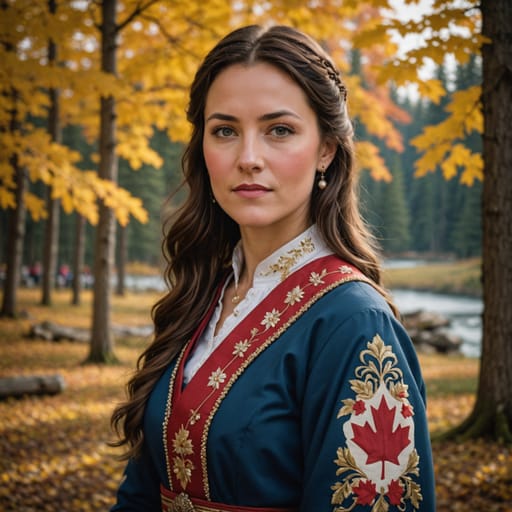
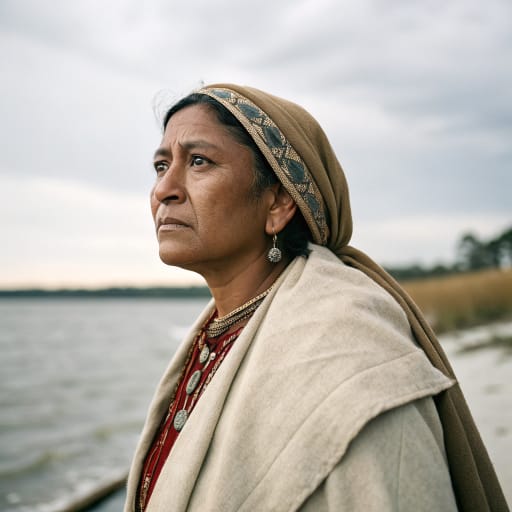
Capinan
Lower Pascagoula River near the Gulf Coast, in present-day southeastern Mississippi, United States
Catawba
Catawba River valley in the Carolina Piedmont; today a reservation in York County, South Carolina, near Rock Hill, with trust land at Kings Mountain, North Carolina.
Cathlacomatup
South side of Sauvie Island (Wapato Island) along the Multnomah Channel, near the mouth of the Willamette River, northwestern Oregon, United States.
Cayuga
Finger Lakes region of central New York around Cayuga Lake, United States; today mainly Six Nations of the Grand River in Ontario, Canada, with communities in New York and northeastern Oklahoma
Cayuse
Northeastern Oregon and southeastern Washington, United States, between the Columbia River and the Blue Mountains; today centered on the Umatilla Indian Reservation near Pendleton, Oregon.
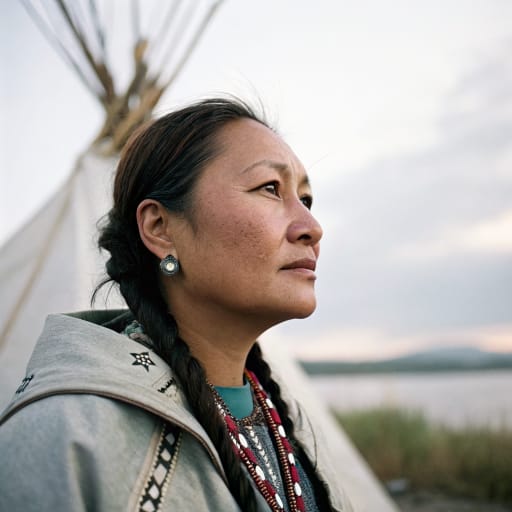
Chatot
Chipola River and upper Apalachicola River valleys in the Florida Panhandle, United States; later near Mobile, Alabama, and in central Louisiana
Chehalis
Chehalis River basin and Grays Harbor, southwestern Washington, United States; today centered on the Chehalis Reservation near Oakville
Chelamela
The Long Tom River drainage on the west side of the Willamette Valley, in present-day Lane and Benton counties, Oregon, United States
Chelan
Lake Chelan and the lower Chelan River where it meets the Columbia, north-central Washington, United States; today mostly the Colville Reservation, Washington
Chepenafa
Marys River drainage and its confluence with the Willamette River, around present-day Corvallis, Benton County, Oregon, United States.
Cheraw
Piedmont of North Carolina, South Carolina and southern Virginia, United States: the Dan River valley, later the Pee Dee River
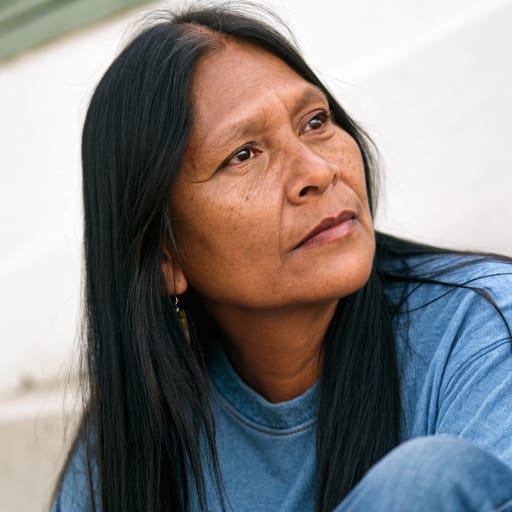
Chesapeake
South Hampton Roads, Virginia, United States: the Elizabeth and Lynnhaven river country of present-day Norfolk, Virginia Beach, Chesapeake and Portsmouth
Chetco
Southwestern Oregon coast along the Chetco and Winchuck rivers, around present-day Brookings, United States; descendants live mainly around Siletz, Oregon
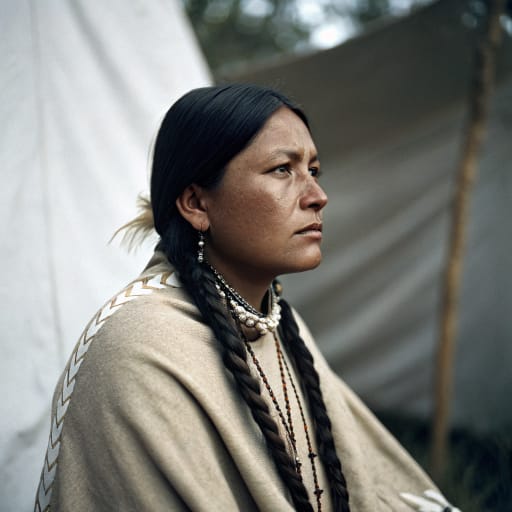
Chiaha
Zimmerman's Island on the French Broad River near Dandridge, Tennessee, United States; later Chiaha towns in Georgia, South Carolina and Florida.
Chickahominy
Tidewater Virginia, United States: historically the Chickahominy River valley, today mainly Charles City County and New Kent County
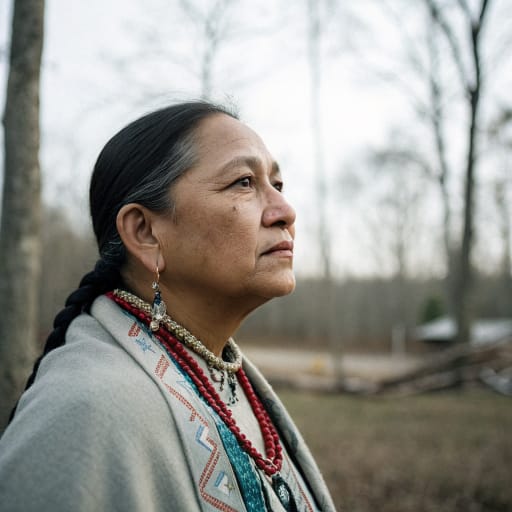
Chilula
Lower Redwood Creek and the Bald Hills, Humboldt County, northwestern California, United States
Chimakum
Quimper Peninsula and nearby shores between Discovery Bay and Hood Canal, northeastern Olympic Peninsula, Washington, United States

Chipewyan
Subarctic forest and barrenlands from Great Slave Lake to Hudson Bay: northern Saskatchewan, northern Manitoba, northeastern Alberta and the southern Northwest Territories, Canada
Chisca
Mountains of southwestern Virginia and eastern Tennessee in the 16th century; later the Florida Panhandle and neighboring parts of Alabama and Georgia (United States).
Chitimacha
Atchafalaya Basin and lower Mississippi delta of south Louisiana, United States; today centered on the reservation at Charenton, St. Mary Parish
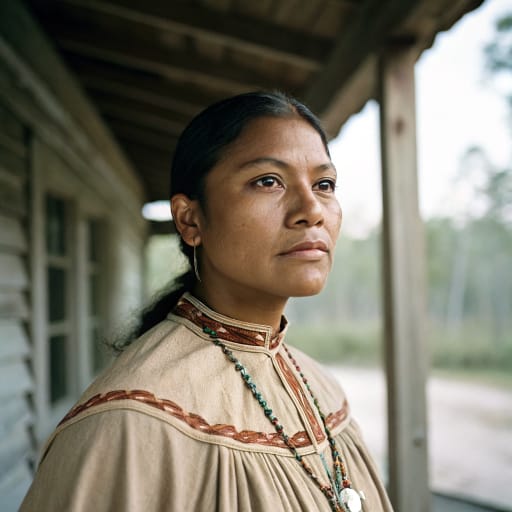
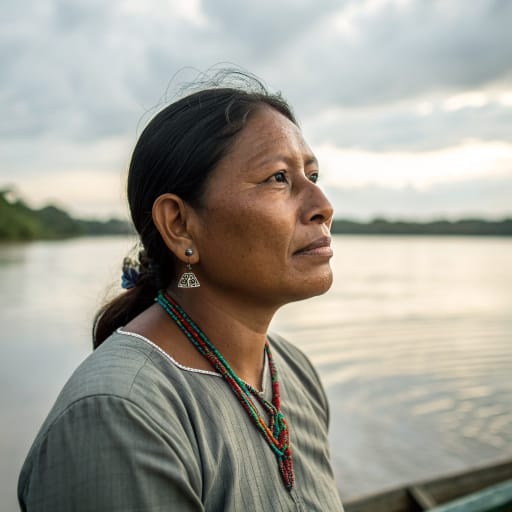
Chowanoke
The Chowan River valley and Albemarle Sound country of northeastern North Carolina, United States, centered on present Gates, Hertford and Chowan counties.
Christian Munsee
Moravian mission towns in eastern Pennsylvania and the Tuscarawas valley of Ohio (United States), later Fairfield and Moraviantown on the Thames River, Ontario (Canada), and Franklin County, Kansas.
Chugach
Prince William Sound and the outer Kenai Peninsula coast, southcentral Alaska, United States; villages include Tatitlek, Chenega Bay, Nanwalek and Port Graham
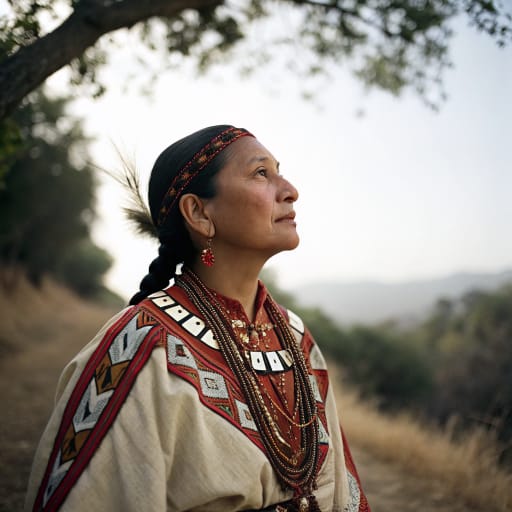
Clackamas
Lower Willamette Valley along the Clackamas River near Willamette Falls, northwestern Oregon, United States; descendants now centered on the Grand Ronde community, Oregon
Clatsop
South bank of the Columbia River mouth and the northern Oregon coast from Point Adams and Youngs Bay to Tillamook Head, in present-day Clatsop County, Oregon, United States
Coast Miwok
Marin County and southern Sonoma County, California, United States, from the Golden Gate north to Bodega Bay and east to Sonoma Creek
Cocopah
The lower Colorado River delta: Yuma County, Arizona, in the United States, and Baja California and Sonora in Mexico.
Coeur d'Alene
The Coeur d'Alene Reservation in Benewah and Kootenai counties, northern Idaho, United States, centered on Lake Coeur d'Alene, with historic territory reaching into eastern Washington and western Montana.
Coharie
Sampson and Harnett counties on the coastal plain of North Carolina, United States, centered near Clinton and Great Coharie Creek
Congaree
Middle Congaree and upper Santee river valleys in central South Carolina, around present-day Columbia, United States
Copalis
Copalis River and the Pacific beaches between Joe Creek and Grays Harbor, in what is now Grays Harbor County, Washington, United States.
Coquille
The Coquille River watershed and nearby coast of southwestern Oregon, United States, around Bandon, Coquille, Myrtle Point and Coos Bay
Coree
Coast of present-day North Carolina, United States, around Core Sound, Core Banks and the lower Neuse River (modern Carteret and Craven counties)
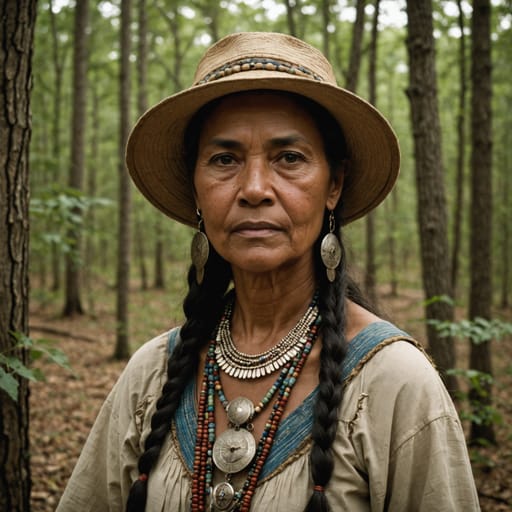
Cowasuck
Upper Connecticut River valley around the Coos meadows of Newbury, Vermont and Haverhill, New Hampshire, United States; many later moved to Odanak, Quebec, Canada
Cowlitz
The Cowlitz River valley of southwestern Washington, United States, from the Columbia River up toward Mount Rainier and Mount Adams
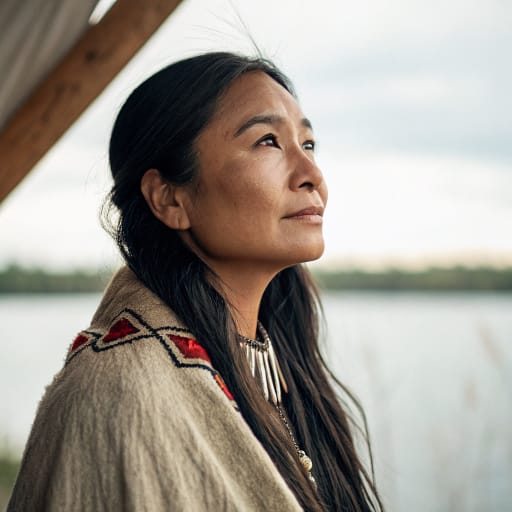
Cupeño
Originally the hot springs of Kupa (Warner Springs) and the nearby village of Wilakal in the San José Valley, northeastern San Diego County, California, United States; since 1903 mainly the Pala Reservation
Dakelh
Central interior British Columbia, Canada: the Nechako Plateau and the upper Fraser, Stuart and Babine lake systems.
Dakota
Minnesota and the eastern Dakotas, with communities in Nebraska, Montana, Manitoba and Saskatchewan (United States and Canada)
Dane-zaa
Upper Peace River country of northeastern British Columbia and northwestern Alberta, Canada, in boreal forest and parkland east of the Rocky Mountains
Deg Hit'an
Villages on the lower-middle Yukon and Innoko rivers in western interior Alaska, chiefly Anvik, Shageluk and Holy Cross, United States.
Dena'ina
South-central Alaska, United States: the Cook Inlet basin, Kenai Peninsula, Susitna and Matanuska valleys, and the Lake Clark, Iliamna Lake and Stony River country west of the Alaska Range.
Duwamish
The Seattle area of western Washington, United States: Elliott Bay, the Duwamish, Black and Cedar rivers, Lake Washington and Lake Union
English Americans
Throughout the United States, with long-standing concentrations in New England, the South, Appalachia and Utah; ancestral homeland in England
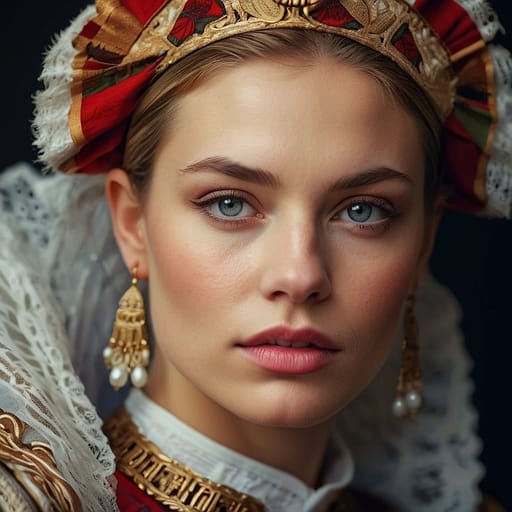
Erie
South and east of Lake Erie: northwestern Pennsylvania, northeastern Ohio and western New York, United States.
Ervipiame
Northeastern Coahuila (Mexico) and the Rio Grande country in the 1670s; from the early 1700s the Brazos and San Gabriel river area of east central Texas (United States).
Esselen
Santa Lucia Mountains and Big Sur coast south of the Big Sur River, inland to the upper Carmel River and Arroyo Seco, Monterey County, California, United States
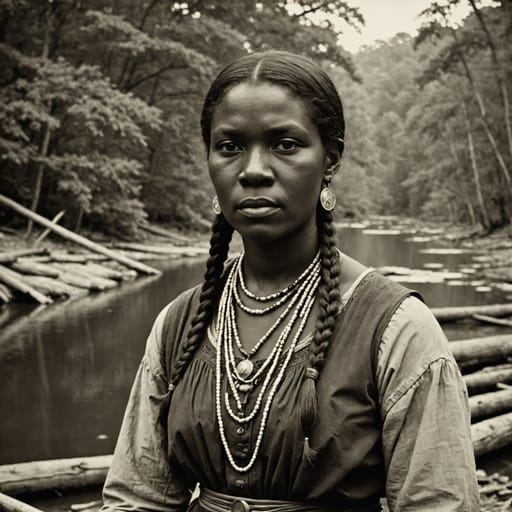
Eyak
The Copper River Delta and the Gulf of Alaska coast around Cordova, with communities at Yakutat and elsewhere in Alaska, United States.
Eyeish
Between the Neches and Sabine rivers in East Texas, United States, centered on Ayish Bayou near present-day San Augustine.

Franco-Ténois
Northwest Territories, Canada, chiefly Yellowknife, with smaller communities in Hay River, Fort Smith and Inuvik.
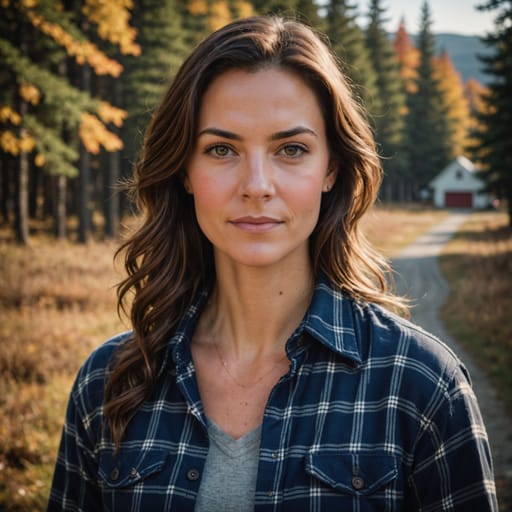
Genízaros
Northern New Mexico and southern Colorado, United States, especially Abiquiú, Belén, Tomé and the Chama and Río Grande valleys; historically Spanish and Mexican New Mexico
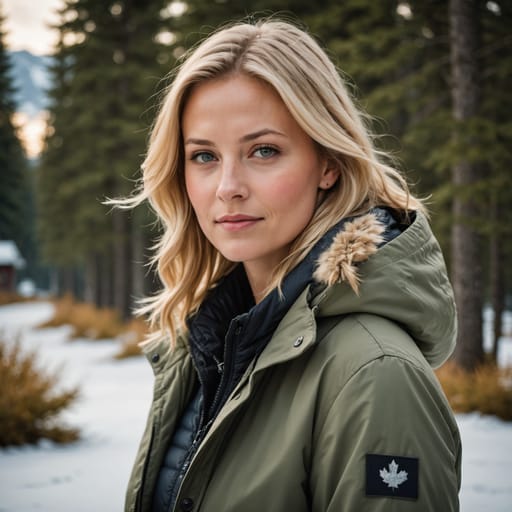
Gitxsan
Upper Skeena River watershed around Hazelton, Kispiox, Gitsegukla and Gitwangak, northwestern British Columbia, Canada
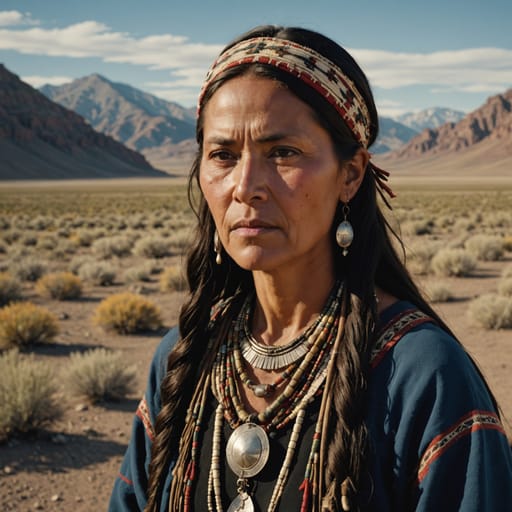
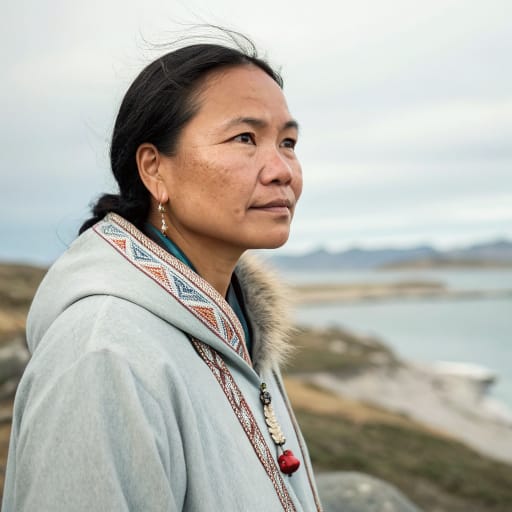
Gros Ventre
North central Montana, chiefly the Fort Belknap Indian Reservation between the Milk River and the Little Rocky Mountains; earlier the plains north into Saskatchewan
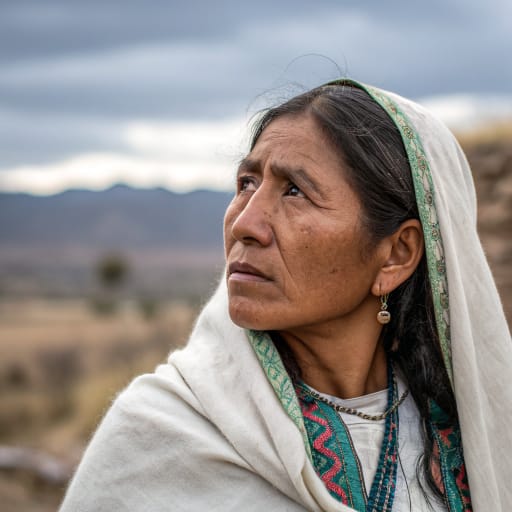
Guale
Coast and Sea Islands of present-day Georgia, United States, centered on St. Catherines and Sapelo islands; later refugee missions on Amelia Island, Florida
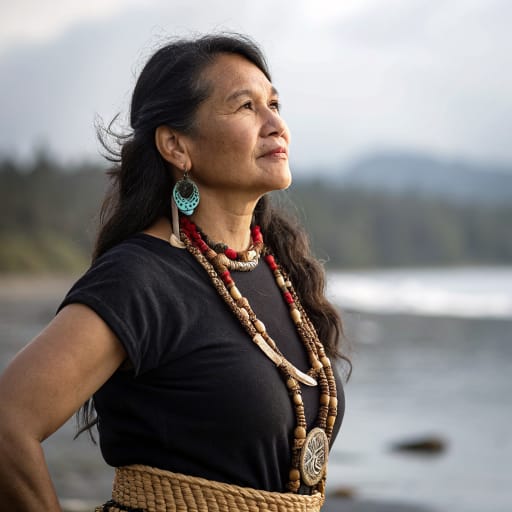
Haisla
Kitamaat Village and surrounding territory at the head of Douglas Channel, including Gardner Canal and the Kitlope valley, on the north coast of British Columbia, Canada
Haliwa-Saponi
Halifax and Warren counties in northeastern North Carolina, United States, with members also in Nash and Franklin counties; tribal seat at Hollister
Hän
Upper Yukon River valley across the Canada and United States border, centered on Dawson City and Moosehide in Yukon, Canada, and Eagle Village in Alaska, United States
Hasinai
Neches and Angelina river valleys of East Texas, United States; removed to the Washita River area of present-day Oklahoma in 1859
Heiltsuk
The central coast of British Columbia, Canada, centered on Bella Bella (Waglisla) on Campbell Island, with territory spanning Milbanke Sound, Seaforth Channel and the surrounding islands, inlets and mainland fjords.
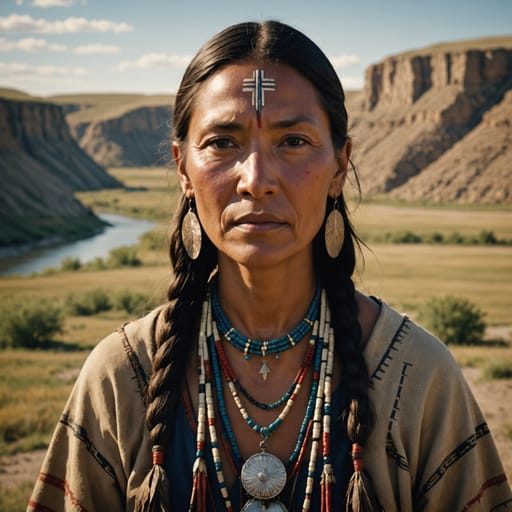

Hispanos of New Mexico
Northern and central New Mexico along the upper Rio Grande, extending into the San Luis Valley of southern Colorado, United States
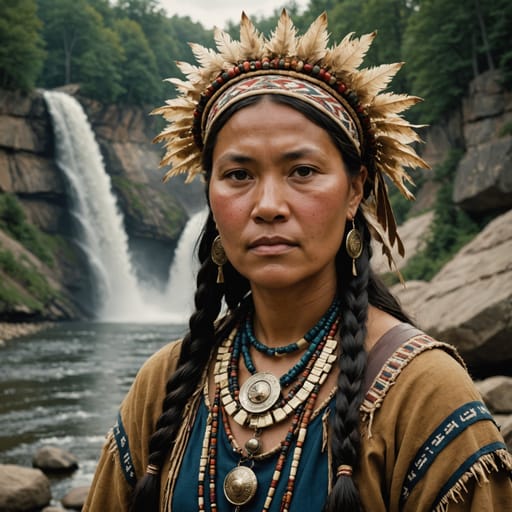
Holikachuk
Middle Innoko River and the middle Yukon at Grayling, western interior Alaska, United States.
Hopi
Hopi Reservation on First, Second and Third Mesa in northeastern Arizona, United States, surrounded by the Navajo Nation; a smaller enrolled community at the Colorado River Indian Reservation on the Arizona-California border
Houma
Coastal southeastern Louisiana, United States, chiefly Terrebonne, Lafourche, Jefferson, St. Mary, St. Bernard and Plaquemines parishes. Historically the east bank of the Mississippi near the Red River, in present-day Mississippi and northern Louisiana.
Huastec
La Huasteca region of northeastern Mexico: eastern San Luis Potosí and northern Veracruz, with communities in Tamaulipas and Hidalgo
Huave
Sandbars and lagoon shores of the Pacific side of the Isthmus of Tehuantepec, Oaxaca, Mexico, centered on San Mateo del Mar.
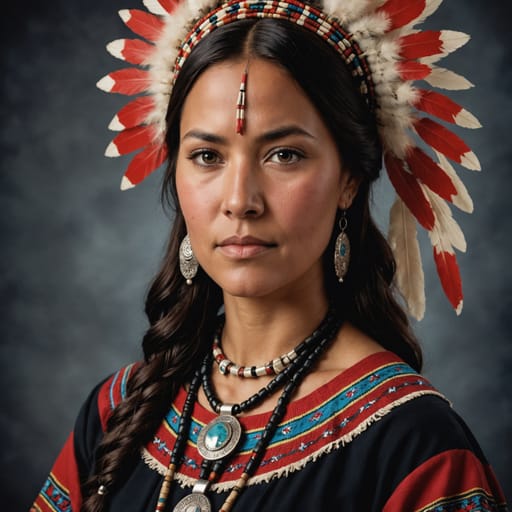
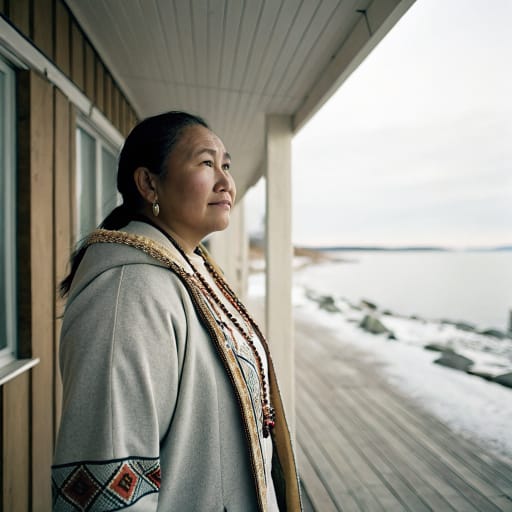
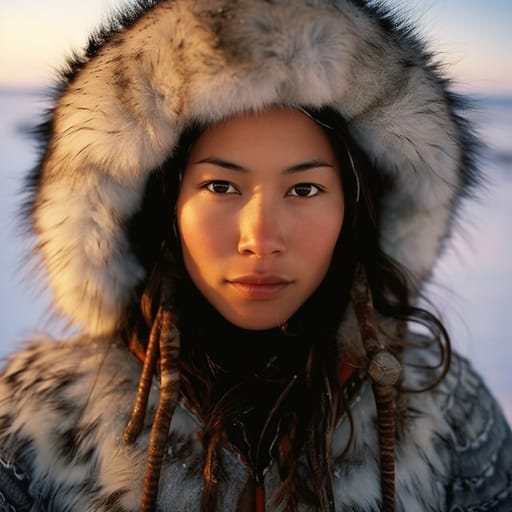
Iñupiat
Northern and northwestern Alaska, United States: the Seward Peninsula and Bering Strait islands, Kotzebue Sound and the Kobuk and Noatak rivers, the Arctic coast from Point Hope to the Canadian border, and the inland Brooks Range.

Jemez
Walatowa (Jemez Pueblo) on the Jemez River in Sandoval County, New Mexico, United States, northwest of Albuquerque
Jicarilla Apache
Jicarilla Apache Nation reservation around Dulce, northern New Mexico, United States; historically northeastern New Mexico and southern Colorado, reaching east onto the southern Plains
Kalaallit
Greenland (Kalaallit Nunaat), an autonomous territory of the Kingdom of Denmark, with a large community in Denmark itself.
Kalapuya
The Willamette Valley of western Oregon, United States, from the Columbia divide south to the Calapooya Mountains.
Kalispel
Pend Oreille River valley and Lake Pend Oreille in northeastern Washington and northern Idaho, with the upriver Pend d'Oreille in western Montana, United States
Kangiryuarmiut
Prince Albert Sound and the surrounding country on western Victoria Island; today centered on Ulukhaktok (formerly Holman), Northwest Territories, Canada
Karankawa
The Texas Gulf Coast from Galveston Bay south to Corpus Christi Bay, including the barrier islands and the lower Colorado and Brazos river valleys, United States.
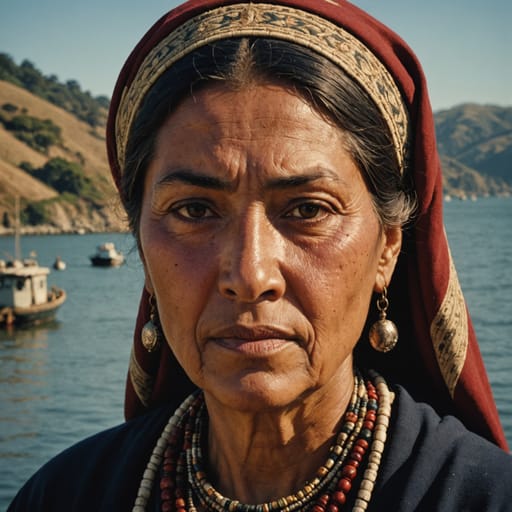
Karkin
Shores of the Carquinez Strait, northeastern San Francisco Bay Area, California, United States
Karuk
The middle Klamath River canyon, Siskiyou and Humboldt counties, far northern California, United States
K'asho Got'ine
Mackenzie River valley and the lake country west and northwest of Great Bear Lake, Sahtu Region, Northwest Territories, Canada; centered on Fort Good Hope and Colville Lake
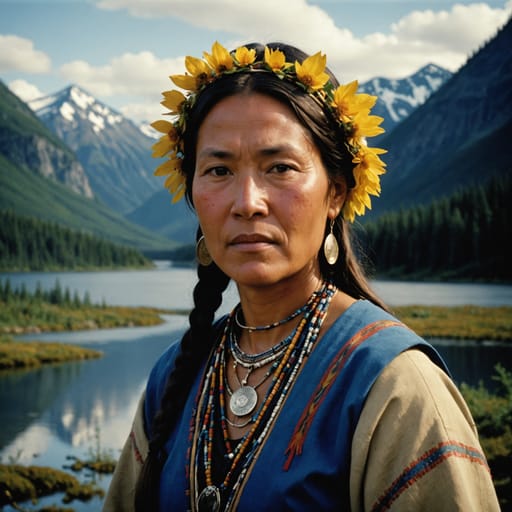
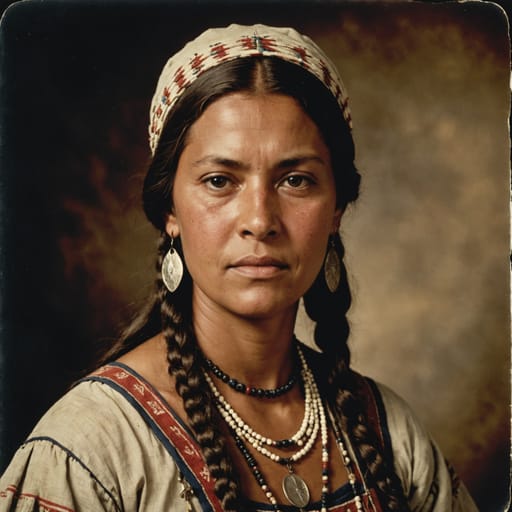
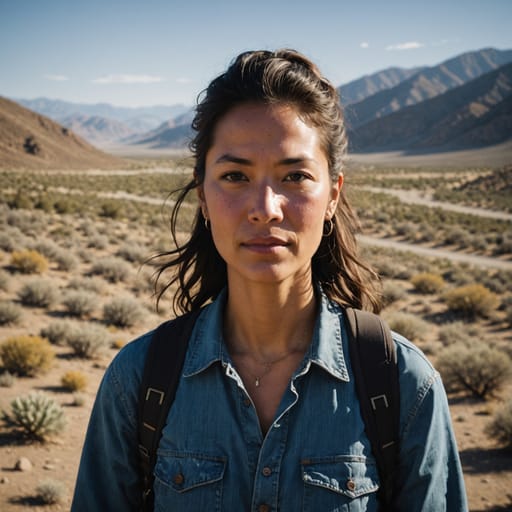
Keres
Seven pueblos in central and western New Mexico, United States: Acoma, Laguna, Cochiti, San Felipe, Santo Domingo (Kewa), Santa Ana (Tamaya) and Zia
Keyauwee
North Carolina Piedmont near present-day High Point, United States; later the Pee Dee River region of South Carolina
Kickapoo
Originally the western Great Lakes (Wisconsin, then Illinois and Indiana); today Kansas, Oklahoma and Texas in the United States, and El Nacimiento in Coahuila, Mexico
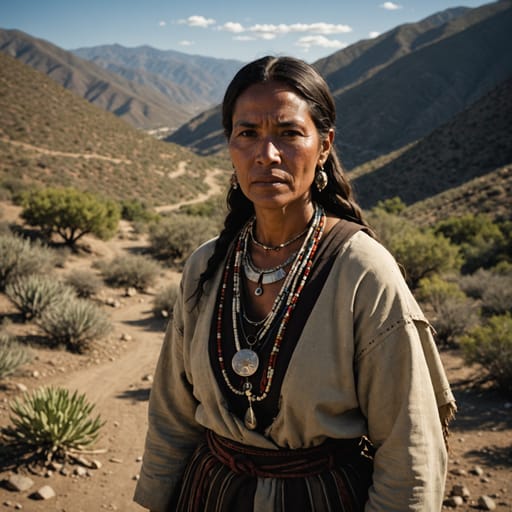
Kiowa
Southwestern Oklahoma, United States, around Carnegie, Anadarko and the Caddo, Kiowa and Comanche county area; historically the Southern Plains of Oklahoma, Kansas and the Texas Panhandle
Kiskiack
South bank of the York River on the Virginia Peninsula, present-day York County, Virginia, United States; after about 1630 the Piankatank River on Virginia's Middle Peninsula.
Klallam
Southern shore of the Strait of Juan de Fuca on the northern Olympic Peninsula, Washington State, USA, with a related community at Beecher Bay on Vancouver Island, British Columbia, Canada.
Klamath
Upper Klamath Basin of south-central Oregon around Upper Klamath Lake, Klamath Marsh and the Williamson and Sprague rivers, United States; a smaller community in Siskiyou County, northern California
Klickitat
The Klickitat and White Salmon river drainages north of the Columbia River, the Simcoe Mountains and the southern slopes of Mount Adams, in south-central Washington, United States.
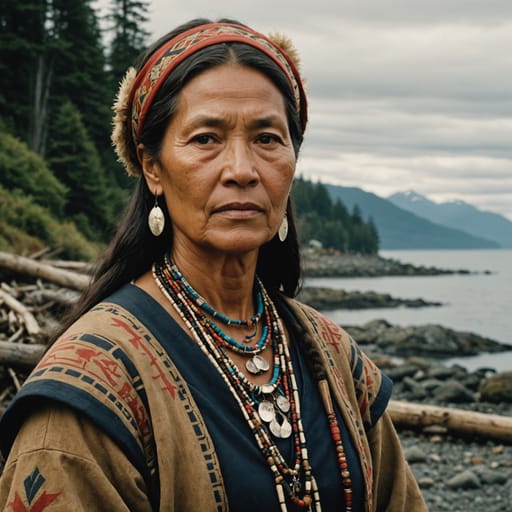
Koyukon
The Koyukuk and middle Yukon river drainages of interior Alaska, United States, in villages including Huslia, Hughes, Allakaket, Nulato, Kaltag, Galena, and Ruby.
Kumeyaay
San Diego County and the surrounding mountains and desert of southern California, United States, and northern Baja California, Mexico
Kutenai
The Kootenay and upper Columbia river valleys of southeastern British Columbia, northern Idaho, and northwestern Montana.
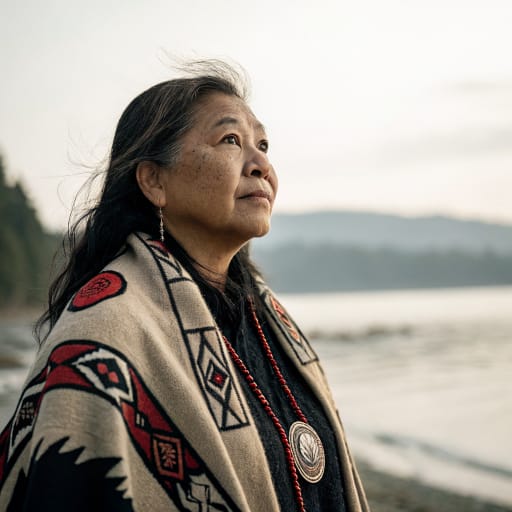
Laich-kwil-tach
Discovery Passage and the Discovery Islands, around Campbell River and Quadra Island on Vancouver Island and the facing mainland inlets, British Columbia, Canada
Lakota
Northern Great Plains, United States: reservations in South and North Dakota (Pine Ridge, Rosebud, Cheyenne River, Standing Rock, Lower Brule); Wood Mountain, Saskatchewan, Canada; historically also Nebraska, Wyoming and Montana
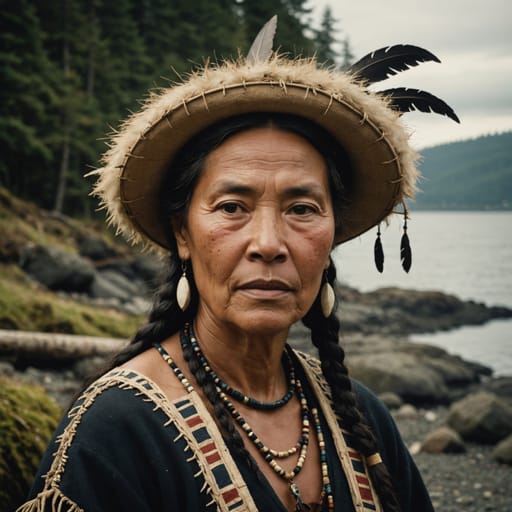
Lenape
Historically Lenapehoking, the Delaware River valley and lower Hudson: New Jersey, eastern Pennsylvania, southeastern New York, and northern Delaware, United States. Today mainly in Oklahoma and Wisconsin, United States, and southwestern Ontario, Canada.
Lipan Apache
Southern Plains and South Texas, from the Edwards Plateau to the Rio Grande, and northern Mexico (Coahuila and neighboring states); descendants in Texas and on the Mescalero Reservation, New Mexico, United States

Luiseño
Coastal and inland Southern California, chiefly northern San Diego County and southwestern Riverside County, from the coast near Oceanside inland through Temecula and Pala to Palomar Mountain, United States.
Lumbee
Robeson County and the Lumber River basin of southeastern North Carolina, United States, with a long-standing urban community in East Baltimore, Maryland.
Lummi
Bellingham Bay, the Lummi Peninsula and the lower Nooksack River in Whatcom County, northwest Washington State, United States; historically also the San Juan Islands.
Machapunga
Coastal northeastern North Carolina around Lake Mattamuskeet and the lower Pamlico, in present-day Hyde County and neighboring counties, United States
Mahican
Upper Hudson River valley and the Housatonic valley of New York, Massachusetts and Connecticut, United States; today the Stockbridge-Munsee reservation in Shawano County, Wisconsin
Maidu
The northern Sierra Nevada and the eastern edge of the Sacramento Valley in northern California, United States: the Feather, Yuba, Bear, and American River watersheds, plus Humbug Valley in Plumas County.
Makah
Neah Bay and Cape Flattery, northwestern Olympic Peninsula, Washington, United States (Makah Indian Reservation)
Manahoac
Upper Rappahannock and Rapidan river valleys in the Virginia Piedmont, between the fall line near Fredericksburg and the Blue Ridge, United States
Mandan
Upper Missouri River valley around the Heart and Knife rivers, now the Fort Berthold Reservation, North Dakota, United States.
Mascouten
Prairie and river country of what is now southern Michigan, northern Indiana, Illinois and southeastern Wisconsin, United States
Massachusett
Eastern Massachusetts, United States: Massachusetts Bay, the harbor islands, and the Neponset and Charles river valleys around present-day Boston.
Mattawoman
Mattawoman Creek and the nearby Potomac shore in present-day Charles County, southern Maryland, United States.
Mattole
Mattole River and Bear River valleys and the coast around Cape Mendocino, Humboldt County, northwestern California, United States
Mayo
The lower Mayo and Fuerte river valleys and the adjacent Gulf of California coast, in southern Sonora and northern Sinaloa, Mexico, centered on Navojoa, Etchojoa, Huatabampo and El Fuerte.
Meherrin
The lower Meherrin and Chowan river basin of northeastern North Carolina, chiefly Hertford, Bertie, Northampton and Gates counties, with earlier towns in southeastern Virginia.
Melungeons
The Cumberland Gap country where Tennessee, Virginia and Kentucky meet, centered on Newman's Ridge and the Vardy and Blackwater valleys of Hancock County, Tennessee, with related families in Lee, Scott and Wise counties, Virginia, and southeastern Kentuck
Menominee
Menominee Reservation and Menominee County, northeastern Wisconsin, United States; historically much of Wisconsin and the Upper Peninsula of Michigan
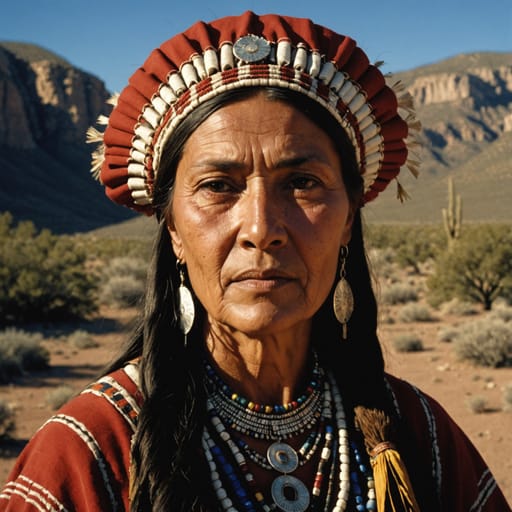
Methow
Methow River valley and the nearby Columbia River around Pateros in north-central Washington, United States; today mainly the Colville Reservation, Washington
Métis
Canadian Prairies centered on the Red River (Manitoba, Saskatchewan, Alberta), extending into Ontario, British Columbia, the Northwest Territories and the northern plains of the United States (North Dakota, Montana, Minnesota)
Mexican Kickapoo
El Nacimiento de los Kikapú, Múzquiz, Coahuila, Mexico, plus a smaller settlement in Sonora; closely tied to the Kickapoo reservation near Eagle Pass, Texas, United States; originally from the western Great Lakes
Miami
Upper Wabash and Maumee river valleys in present-day Indiana, western Ohio and southwest Michigan, US; removed to Kansas in 1846 and later to Oklahoma, with a community remaining in Indiana.
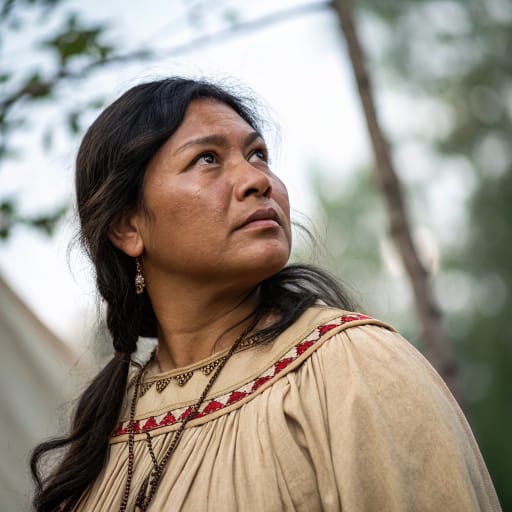
Miniconjou
Western South Dakota, from the Black Hills toward the Platte River; today mainly the Cheyenne River Reservation in west-central South Dakota, United States.
Missisquoi
The Missisquoi River and Missisquoi Bay at the north end of Lake Champlain, around Swanton, Vermont (United States), with kin at Odanak, Quebec (Canada).
Mississaugas
Southern Ontario, Canada: the north shore of Lake Ontario from the Credit River east through Rice Lake and the Kawarthas, with an older homeland on the north shore of Lake Huron
Missouria
Historically the lower Missouri River valley near the mouth of the Grand River, in present-day Missouri; today concentrated in Noble and Kay counties, north-central Oklahoma, United States.
Miwok
Northern California, United States: the Marin and Sonoma coast, the Clear Lake basin, the Sacramento and San Joaquin delta, and the western Sierra Nevada foothills.
Mocama
Atlantic sea islands and coastal marshes from St. Simons Island, Georgia, south to the mouth of the St. Johns River near present-day Jacksonville, Florida (United States).
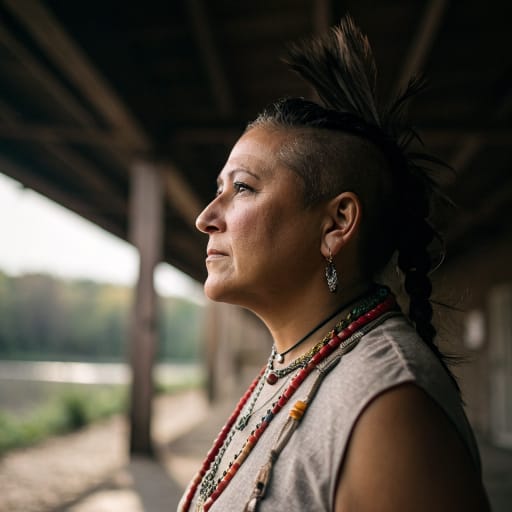
Mohegan
The lower Thames River valley of southeastern Connecticut, United States, centered on Uncasville and Montville.
Mojave
The lower Colorado River valley where Arizona, California and Nevada meet, chiefly the Mohave Valley and the Parker area, United States.
Monacan
Virginia Piedmont along the upper James River, United States; today centered at Bear Mountain in Amherst County, Virginia
Mono
Central and southern Sierra Nevada, California, United States: western foothills in Fresno, Madera and Tulare counties, and east of the crest the Mono Basin and Owens Valley
Mosopelea
The middle Ohio Valley in present-day southern Ohio, then the lower Mississippi and the Yazoo River country in Mississippi and Louisiana.

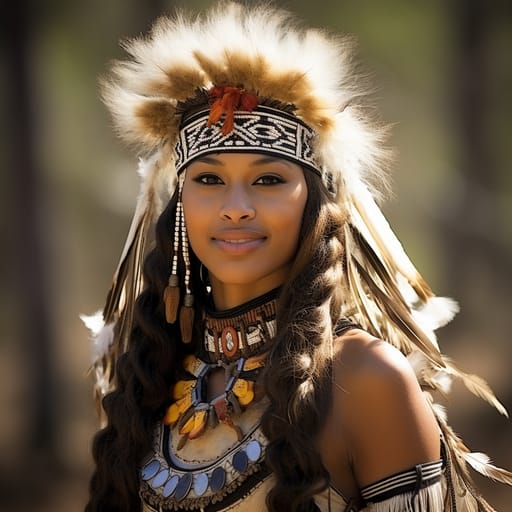
Nacogdoche
East Texas, around present-day Nacogdoches in the Angelina River drainage, United States; descendants live mainly in Oklahoma.
Nacotchtank
Lower Anacostia River near its meeting with the Potomac, in and around present-day Washington, D.C., United States
Nakoda
Northern Great Plains and the Rocky Mountain foothills: Saskatchewan, Alberta and Manitoba in Canada, Montana and North Dakota in the United States.
Nanticoke
The Delmarva Peninsula: the lower Eastern Shore of Maryland along the Nanticoke River and Sussex County, Delaware, with descendant communities in southern New Jersey, Ontario and Oklahoma.
Narragansett
Narragansett Bay and western Rhode Island, United States, centered today on Charlestown, Rhode Island.
Nashaway
Upper Nashua River valley of north-central Massachusetts, around present-day Lancaster, Sterling and Mount Wachusett, United States.
Naskapi
Northeastern Quebec, Canada, principally Kawawachikamach near Schefferville, with related Innu communities in interior Labrador
Natchez
The loess bluffs of the lower Mississippi River around present-day Natchez, Mississippi, United States; descendants now mainly in eastern Oklahoma.
Nauset
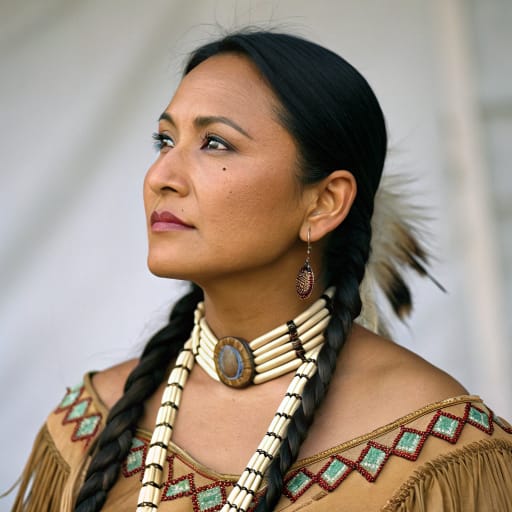
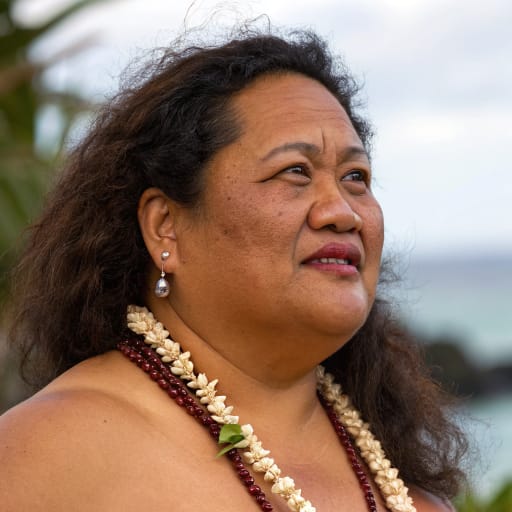
The outer arm of Cape Cod, from Chatham and Brewster north to Truro, in Massachusetts, United States.
Neusiok
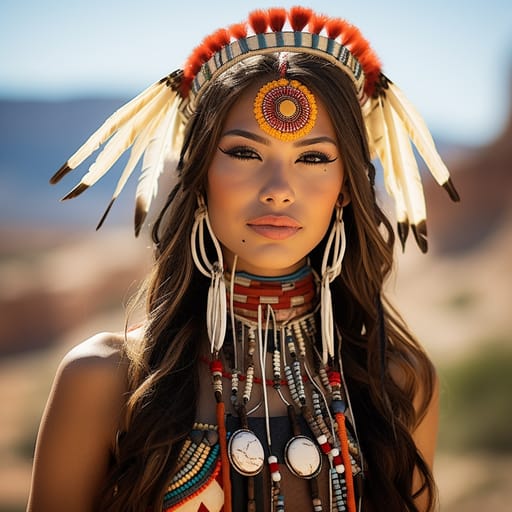
South bank of the lower Neuse River in coastal North Carolina, United States, in present Craven and Carteret counties
Niantic
Southern New England coast, United States: the Western Niantic between the lower Connecticut River and the Niantic River in Connecticut, the Eastern Niantic on the southwestern Rhode Island shore
Nicoleño
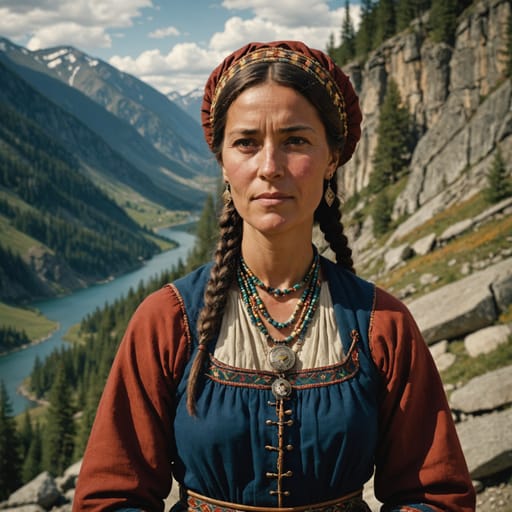
San Nicolas Island, the outermost of the southern Channel Islands off Southern California, United States
Nipmuc
Central Massachusetts, extending into northeastern Connecticut and northwestern Rhode Island, United States.
Nisga’a
The Nass River valley in northwestern British Columbia, Canada, with large urban communities in Terrace, Prince Rupert and Vancouver.
Nisqually
The Nisqually River watershed, from Mount Rainier down to the delta on southern Puget Sound; reservation near Yelm, Thurston County, Washington, United States
Nooksack
The Nooksack River valley in Whatcom County, in the northwest corner of Washington state, United States, centered on Deming and running up toward Mount Baker, roughly 12 miles south of the British Columbia border.
Northern Paiute
Western Great Basin: northern and western Nevada, southeastern Oregon, northeastern California and southwestern Idaho, United States.
Northern Shoshone
The Snake River Plain and surrounding mountains of southern Idaho, extending into western Wyoming, northern Utah and northeastern Nevada; today centered on the Fort Hall Reservation, Idaho.
Nottoway
The Nottoway River basin in southeastern Virginia, chiefly Southampton and Sussex counties, United States.
NunatuKavummiut
South and central Labrador, from the Lake Melville area to the Strait of Belle Isle, Newfoundland and Labrador, Canada
Nunivak Cup'ig
Nunivak Island in the Bering Sea, off the Yukon-Kuskokwim Delta of southwest Alaska, United States; the one permanent village today is Mekoryuk.
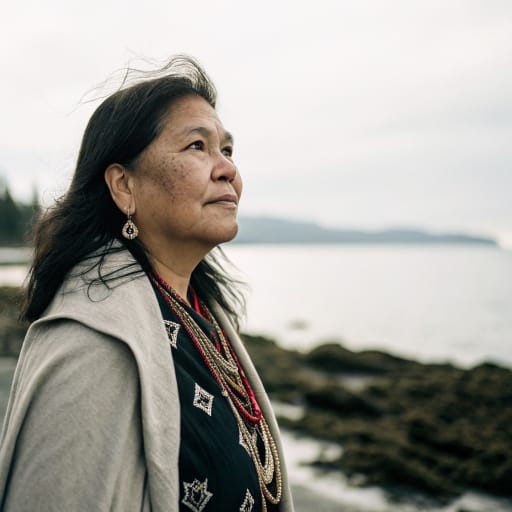
Nuxalk
The Bella Coola Valley and the surrounding inlets of the central coast of British Columbia, Canada, including North and South Bentinck Arm, Kwatna, and the Dean River at Kimsquit.
Occaneechi
Originally an island in the Roanoke River near present-day Clarksville, Virginia; later the Eno River valley; today Alamance and Orange counties, North Carolina, United States
Odawa
Northern Lower Peninsula of Michigan, United States, and Manitoulin Island and the Georgian Bay shore of Ontario, Canada, with a removed branch in northeastern Oklahoma
Oglala
Pine Ridge Reservation in southwestern South Dakota, United States; historically the Black Hills and the Platte and Powder River country of South Dakota, Nebraska, Wyoming and Montana
Okchai
Upper Creek country on the Coosa and Tallapoosa rivers in central Alabama, United States; forcibly moved in the 1830s to Indian Territory, now Oklahoma
Oneida
Central New York around Oneida Lake, United States; today also near Green Bay, Wisconsin, near Verona, New York, and on the Thames River near London, Ontario, Canada.
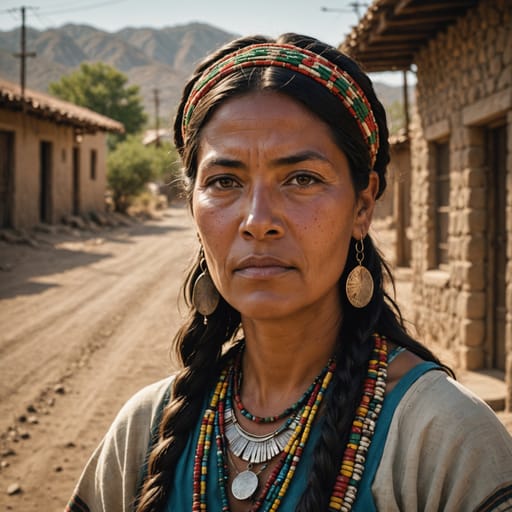
Oswegatchie
Mouth of the Oswegatchie River on the St. Lawrence, at present-day Ogdensburg, New York, United States; later Indian Point near Lisbon, New York.
Paiute
Great Basin of the western United States: Nevada, eastern Oregon, eastern California, southern Utah, northern Arizona and southern Idaho
Palus
The lower Snake, Palouse and Columbia river country of southeastern Washington, with adjacent parts of northern Idaho and northeastern Oregon, United States.
Pamlico
The lower Tar-Pamlico River and the north shore of Pamlico Sound, in present-day eastern North Carolina, United States.
Pamunkey
The Pamunkey Indian Reservation and the Pamunkey River watershed, King William County, Virginia, United States
Paspahegh
North bank of the James River around the mouth of the Chickahominy River, including Jamestown Island, in present-day James City and Charles City counties, Virginia, United States
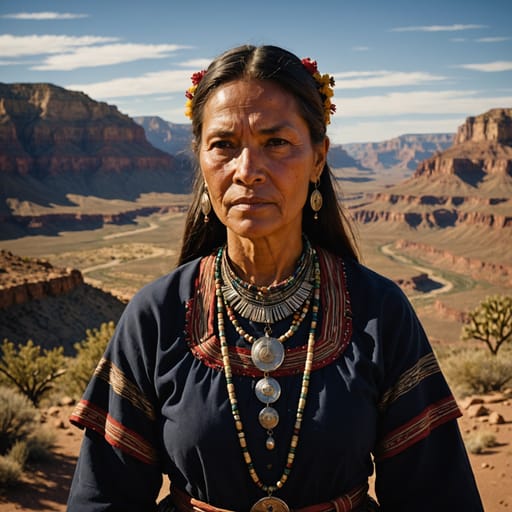
Patuxent
Lower Patuxent River valley on the western shore of Chesapeake Bay, in present-day Calvert, St. Mary's and neighboring counties of southern Maryland, United States.
Patwin
Western Sacramento Valley and the lower Sacramento River delta, from roughly Princeton south to Suisun Bay, in Colusa, Yolo, Napa, Solano and Lake counties, California, United States
Pensacola
Pensacola Bay and the nearby Gulf Coast of the western Florida Panhandle and southern Alabama, United States
Petun
The Blue Mountain and Niagara Escarpment country south of Nottawasaga Bay, in present-day Gray and Simcoe counties, Ontario, Canada
Piankeshaw
The Wabash River valley and tributaries such as the Vermilion, in present-day western Indiana and eastern Illinois, United States; later Missouri, eastern Kansas and northeastern Oklahoma
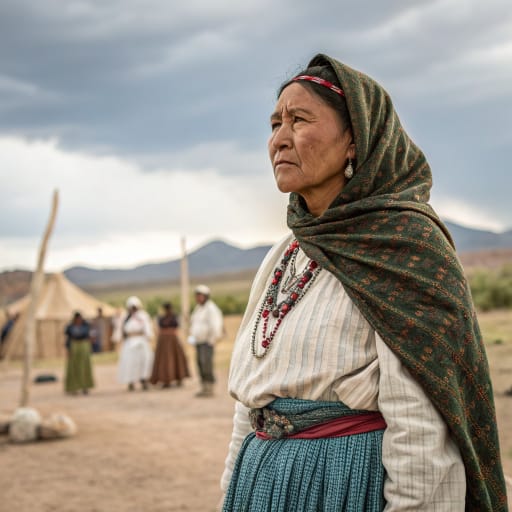
Plains Apache
Southern Great Plains of the United States; today mainly Caddo County in southwestern Oklahoma, around Anadarko and Apache
Pocomtuc
The middle Connecticut River valley of western Massachusetts, centered on present-day Deerfield, with reach into northern Connecticut and the southern edges of Vermont and New Hampshire.
Podunk
East bank of the Connecticut River in present Hartford County, Connecticut, United States: East Hartford, South Windsor, East Windsor and the nearby uplands.
Ponca
The lower Niobrara River valley where it meets the Missouri, in northern Nebraska and southern South Dakota, and Kay County in north central Oklahoma after the 1877 removal.
Potano
North-central Florida, United States, in and around present-day Alachua County, Gainesville and Paynes Prairie
Potapoco
Along the Port Tobacco River, a tidal tributary of the Potomac, in present Charles County, southern Maryland, United States.
Potawatomi
Western Great Lakes: southern Michigan, northern Indiana and Illinois, Wisconsin; today also Kansas, Oklahoma, and southern Ontario (United States, Canada)
Powhatan
Tidewater Virginia, United States: the coastal plain along the James, York, Pamunkey and Mattaponi rivers between the fall line and Chesapeake Bay
Puyallup
The Puyallup River watershed and Commencement Bay in southern Puget Sound, Pierce County, Washington State, United States.
Quapaw
Historically the confluence of the Arkansas and Mississippi rivers in present-day Arkansas; today Ottawa County in far northeastern Oklahoma, United States.
Quems
Both banks of the Rio Grande around present-day Eagle Pass, Texas (United States) and Piedras Negras and Guerrero, Coahuila (Mexico).
Quileute
La Push and the lower Quillayute River, Pacific coast of the Olympic Peninsula, Washington State, United States.
Quinault
Pacific coast of the Olympic Peninsula along the Quinault and Queets rivers, on the Quinault Indian Reservation in Grays Harbor and Jefferson counties, Washington, United States
Quinnipiac
The Quinnipiac River valley and New Haven harbor, south central Connecticut, United States
Rockaway
South shore of western Long Island around Jamaica Bay and the Rockaway peninsula, in present-day Queens and Nassau County, New York, United States.
Saanich
Saanich Peninsula and southern Gulf Islands of British Columbia, Canada, with historic territory reaching into the San Juan Islands of Washington, United States
Sadlermiut
Southampton Island (Salliq), Coats Island and Walrus Island, northern Hudson Bay, Nunavut, Canada.
Sahtu
Great Bear Lake and the central Mackenzie Valley, Sahtu Settlement Area, Northwest Territories, Canada; the communities of Délı̨nę, Tulita, Norman Wells, Fort Good Hope and Colville Lake
Salinan
Central Coast of California, United States: the upper Salinas River valley, the Santa Lucia Range and nearby coast in Monterey and San Luis Obispo counties
Sans Arc
Northern Great Plains between the Missouri River and the Black Hills; today mainly the Cheyenne River Indian Reservation, South Dakota, United States
Saponi
Virginia and North Carolina Piedmont, United States; descendant communities today in Halifax, Warren, Person and Alamance counties, North Carolina, and Halifax County, Virginia
Sauk
Historically the western Great Lakes, the Rock River valley of Illinois and eastern Iowa; today central Oklahoma and the Kansas-Nebraska border, United States.
Saulteaux
Manitoba, Saskatchewan and western Ontario, with communities in Alberta; historically from Sault Ste. Marie westward to the northern plains, Canada
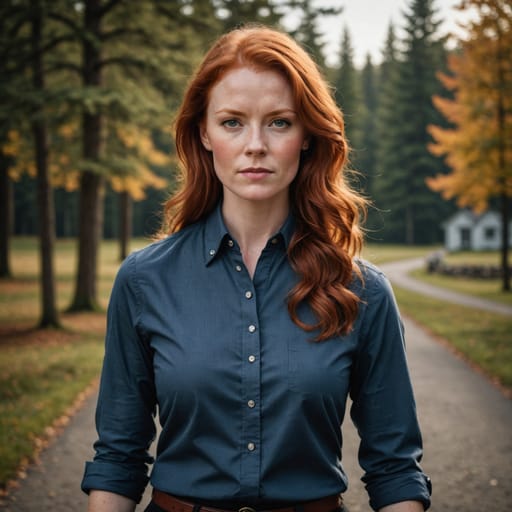
Sechelt
Sunshine Coast of British Columbia, Canada: the Sechelt Peninsula, Sechelt, Salmon and Narrows inlets, Jervis Inlet and Pender Harbour
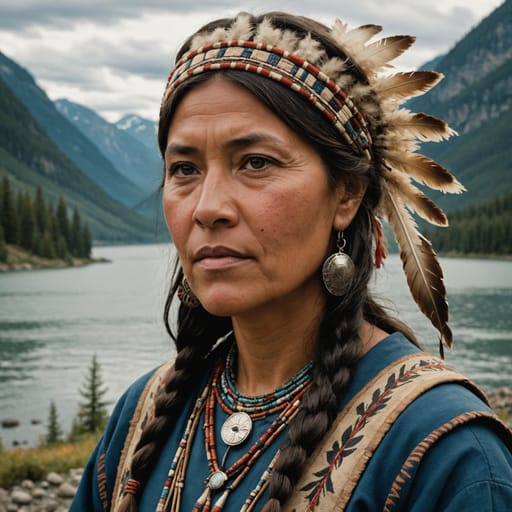
Sekani
The northern Rocky Mountain Trench and the Finlay, Parsnip and upper Peace drainages of north-central British Columbia, Canada.
Seminole
Southern Florida (the Everglades, Big Cypress, and reservations at Hollywood, Brighton, Big Cypress, Immokalee, Fort Pierce and Tampa) and central Oklahoma around Wewoka, United States
Seneca
Western New York, USA, south of Lake Ontario around the Finger Lakes and the Genesee valley; today the Allegany, Cattaraugus, Oil Spring and Tonawanda territories, with a related nation in Oklahoma
Serrano
San Bernardino Mountains and Valley, San Gorgonio Pass, and the western Mojave Desert, southern California, United States; reservations at San Manuel (Highland) and Morongo (Banning)
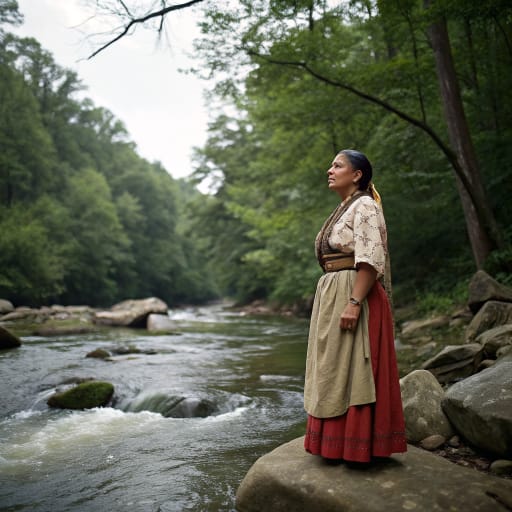
Shasta
Middle Klamath River, Shasta Valley and Scott Valley in Siskiyou County, northern California, extending into the Rogue and Applegate river drainages of southern Oregon, United States.
Sihasapa
Northern Great Plains west of the Missouri River, along the Grand and Moreau rivers in North and South Dakota, United States; today chiefly the Standing Rock and Cheyenne River reservations.
Siletz
Siletz River valley on the central Oregon Coast, United States; today the Siletz Reservation in Lincoln County, Oregon, and communities across western Oregon
Sinixt
Upper Columbia River basin: the Arrow Lakes, Slocan Valley and lower Kootenay River in southeastern British Columbia, Canada, south to Kettle Falls in northeastern Washington, United States
Sinkaietk
The lower Okanogan River valley in north-central Washington, United States, from the Canadian border south to the Columbia River; today largely the Colville Reservation.
Sinkiuse-Columbia
Columbia Plateau of central Washington, USA, east of the Columbia River around the Big Bend, Moses Coulee and Crab Creek; now largely the Colville Reservation, Washington
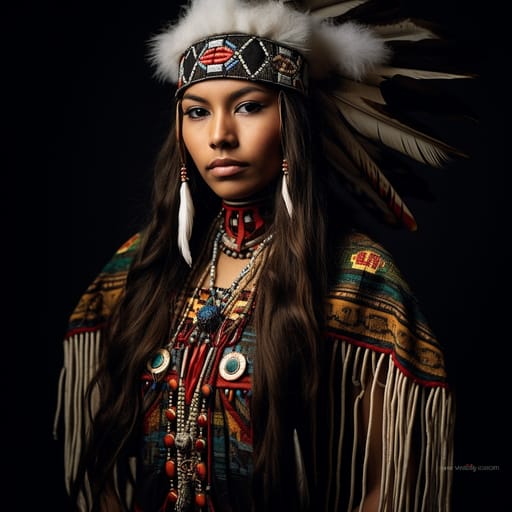
Sissipahaw
Haw River valley in the North Carolina Piedmont, around present-day Alamance and Chatham counties, United States.
Skagit
Skagit River valley, Skagit delta and northern Whidbey Island in northwest Washington State, United States

Southern Paiute
Southern Utah, southern Nevada, northern Arizona and southeastern California, around the Virgin, Santa Clara and Colorado rivers and the Las Vegas Valley (United States)
Spokane
The Spokane River basin of eastern Washington state, United States, centered on the Spokane Indian Reservation at Wellpinit; members are also enrolled at Colville and Coeur d'Alene.
Squamish
Howe Sound, the Squamish River valley and Burrard Inlet in southwestern British Columbia, Canada, including North Vancouver, West Vancouver and parts of Vancouver
St'át'imc
Fraser Canyon around Lillooet and the Lillooet River valley through Mount Currie toward Harrison Lake, southwestern British Columbia, Canada.
Stó:lō
The lower Fraser River valley and lower Fraser Canyon in southwestern British Columbia, Canada, from around Yale down past Hope, Chilliwack, Abbotsford and Mission.
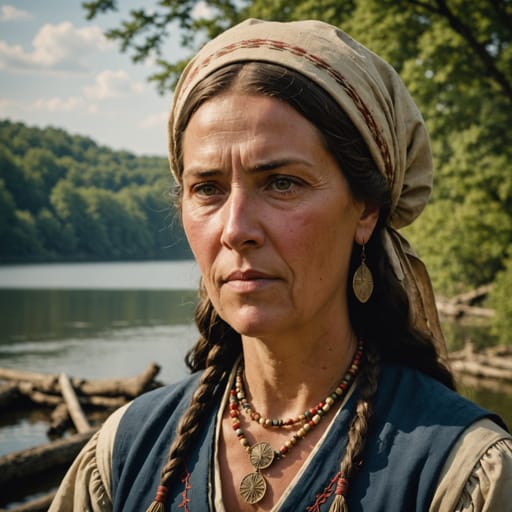
Sutaio
Historically the northern Great Plains, from the Missouri River country of the Dakotas west toward Montana and Wyoming; descendants live mainly in southeastern Montana and western Oklahoma, United States.
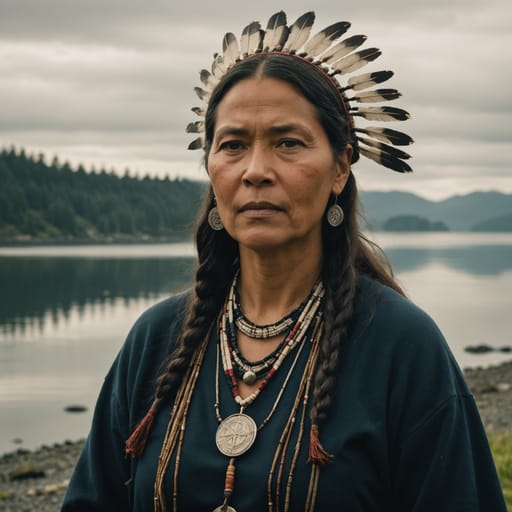
Tacatacuru
Cumberland Island and the adjacent mainland near the mouth of the St. Marys River, southeastern Georgia, United States
Taensa
West bank of the Mississippi River around Lake St. Joseph, in present-day Tensas Parish, northeastern Louisiana, United States; later Mobile Bay in Alabama and the Red River and Bayou Boeuf country of central Louisiana.
Tahltan
Upper Stikine River watershed of northwestern British Columbia, Canada, centered on Telegraph Creek, Iskut, and Dease Lake.
Taku
Taku River valley and Taku Inlet near Juneau, southeastern Alaska (USA), upriver to Atlin and the surrounding lake plateau in northwestern British Columbia (Canada).
Tallapoosas
Towns along the Tallapoosa River in east central Alabama, United States, until forced removal to Indian Territory (now Oklahoma) in the 1830s.
Tamien
Santa Clara Valley at the south end of San Francisco Bay, around present-day San Jose and Santa Clara, California, United States
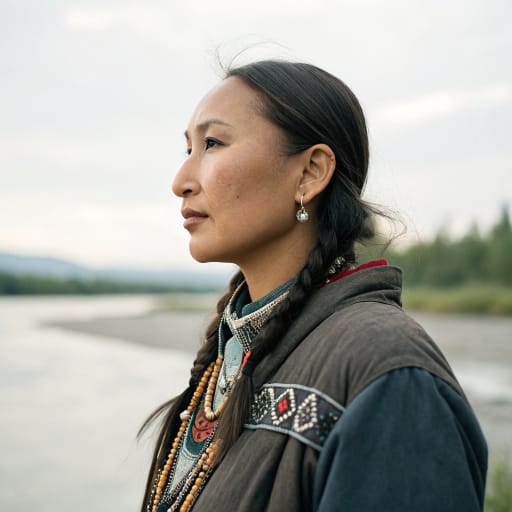
Tataviam
Upper Santa Clara River valley and surrounding mountains in northern Los Angeles County and eastern Ventura County, California, United States, including the Santa Clarita Valley, Castaic, Agua Dulce and Piru
Tawasa
Upper Alabama River near present Montgomery, Alabama, and for a time the Apalachicola country of the Florida panhandle, United States; refugees also lived near French Mobile in the early 1700s.
Tejanos
Texas, United States, concentrated in San Antonio, the Rio Grande Valley, Laredo, Corpus Christi and the South Texas brush country
Tequesta
Southeastern Florida around Biscayne Bay, the lower Miami River and the upper Florida Keys, United States
Tewa
Northern New Mexico along the Rio Grande between Santa Fe and Española, with one Tewa village on the Hopi First Mesa in Arizona, United States
Tillamook
The northern Oregon coast, from the Nehalem River south to the Siletz, centered on Tillamook Bay, United States
Timucua
Northeast and north central Florida and southeastern Georgia, United States (historical, to the 1760s)
Tłı̨chǫ
The boreal forest and barrenlands between Great Slave Lake and Great Bear Lake, Northwest Territories, Canada, centered on Behchokǫ̀, Whatì, Gamètì and Wekweètì.
Tlingit
Southeast Alaska panhandle from Yakutat Bay through the Alexander Archipelago, United States; Inland Tlingit communities around Teslin, Atlin and Carcross in Yukon and northern British Columbia, Canada
Tolowa
Del Norte County on the far northwest coast of California and the adjacent Chetco and Winchuck river country of southwestern Oregon, United States
Tongva
The Los Angeles Basin and adjacent valleys of southern California, including parts of Los Angeles, Orange and San Bernardino counties, plus Santa Catalina, San Clemente and San Nicolas islands, United States.
Tsetsaut
Portland Canal area and the surrounding coastal mountains on the border of northwestern British Columbia, Canada, and southeastern Alaska, United States
Tsilhqotʼin
The Chilcotin Plateau and the Chilcotin, Chilko and Taseko river drainages of west-central British Columbia, Canada
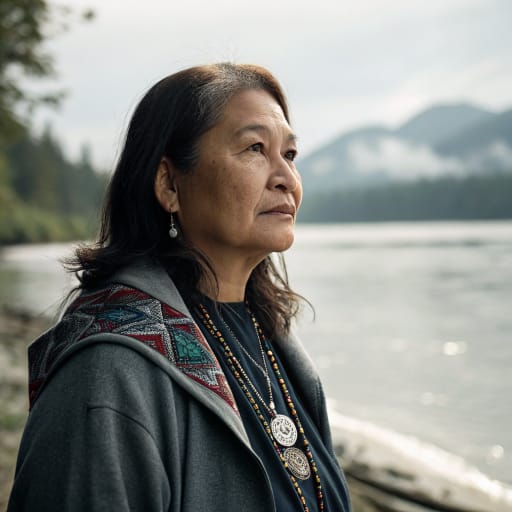
Tübatulabal
Upper Kern River valley in the southern Sierra Nevada, around the North and South Forks of the Kern and present-day Lake Isabella, Kern County, California, United States
Tukudeka
Mountains of the northern Rockies, United States: Yellowstone and the Absaroka and Wind River ranges in Wyoming, the Salmon River Mountains of central Idaho, and southwestern Montana
Tunumiit
East Greenland, mainly the Ammassalik district around Tasiilaq and the Ittoqqortoormiit area on Scoresby Sound, Greenland (Kingdom of Denmark)
Tunxis
The Farmington River valley in central Connecticut, United States, around present-day Farmington and neighboring towns
Tutelo
River valleys of the Virginia piedmont below the Blue Ridge, near present-day Roanoke; later the Carolina piedmont, then Cayuga country in New York and the Grand River in Ontario, Canada
Tututni
Lower Rogue River and the southern Oregon coast from around the Sixes River south to Pistol River, United States; descendants now live mainly in the Siletz and Grand Ronde communities of Oregon
Two Kettles
Cheyenne River Reservation, north-central South Dakota, United States; historically the plains west of the Missouri River
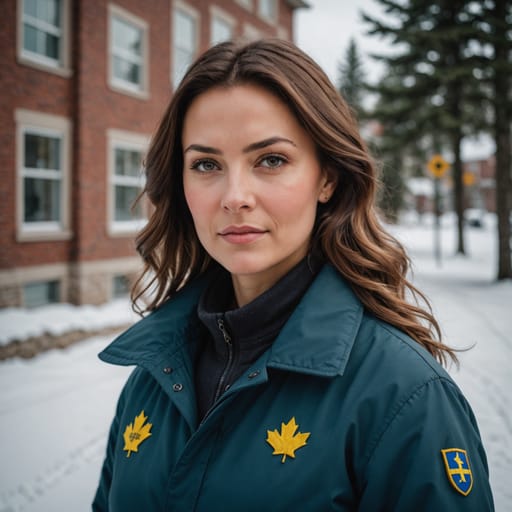
Umatilla
Northeastern Oregon and southeastern Washington, along the Umatilla and Columbia rivers; today centered on the Umatilla Indian Reservation near Pendleton, Oregon.
Unalachtigo
Lower Delaware River valley and Delaware Bay shore, in present-day southern New Jersey and northern Delaware, United States; the exact extent is disputed.
Unquachog
South shore of central Long Island, New York, United States; centered on the Poospatuck Reservation in Mastic, Suffolk County
Upper Kuskokwim
Headwaters of the Kuskokwim River in interior Alaska, United States, centered on Nikolai, Telida and McGrath.

Ute
The Colorado Plateau and Southern Rockies of Utah, western Colorado and northern New Mexico, historically reaching into Wyoming, Nevada and Arizona; reservations today in northeastern Utah and southwestern Colorado
Vanyume
Along the Mojave River in the Mojave Desert, from around present-day Victorville downstream past Barstow toward Soda Lake, San Bernardino County, California, United States.
Waccamaw Siouan
Southeastern North Carolina, United States, around Lake Waccamaw and the Green Swamp in Columbus and Bladen counties; historically also the Waccamaw River valley into South Carolina
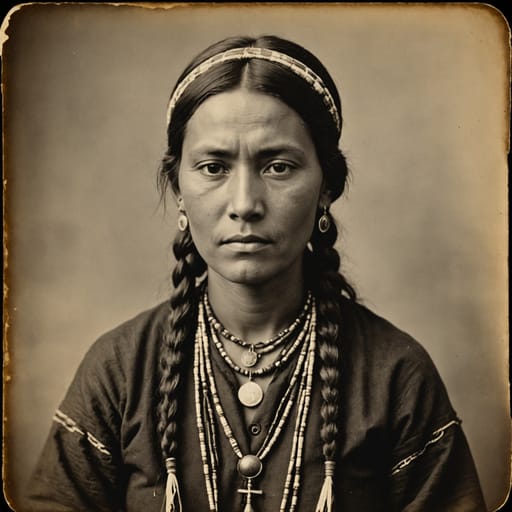
Wahpeton
Historically the Minnesota River valley, Minnesota, US; today Lake Traverse and Spirit Lake reservations in South and North Dakota, the Upper Sioux Community in Minnesota, and Dakota reserves in Manitoba and Saskatchewan, Canada
Walla Walla
The lower Walla Walla and Columbia river confluence in southeastern Washington and northeastern Oregon, United States; most enrolled members now live on or near the Umatilla Indian Reservation outside Pendleton, Oregon.
Wampanoag
Southeastern Massachusetts and eastern Rhode Island, United States: Cape Cod, Martha's Vineyard, Nantucket and the Narragansett Bay shore
Wangunk
Connecticut River valley in central Connecticut, United States, around Middletown, Portland, Wethersfield and neighboring towns
Wappo
Napa Valley, Alexander Valley and the middle Russian River in Napa, Sonoma and Lake counties, Northern California, United States
Wateree
Carolina Piedmont, United States: the Yadkin River area of North Carolina in the 1500s, later the Wateree River valley of South Carolina
Wea
Middle Wabash River valley in present-day west-central Indiana, United States; later removed to Missouri, eastern Kansas and northeastern Oklahoma
Weantinock
Housatonic River valley around present-day New Milford, western Connecticut, with hunting lands reaching into Dutchess County, New York, United States
Weapemeoc
North shore of Albemarle Sound in northeastern North Carolina, United States, roughly today's Currituck, Camden, Pasquotank and Perquimans counties
Wenatchi
Wenatchee River valley and the nearby Columbia River, north-central Washington, United States; today mostly the Colville Reservation, Washington
Western Apache
East-central Arizona, United States: the White Mountains, the Mogollon Rim and the Salt, Gila and Verde river country, centered on the Fort Apache and San Carlos reservations
Westo
Near the falls of the James River in Virginia, then the middle Savannah River near present-day Augusta, Georgia, United States; probably from the Lake Erie region originally.
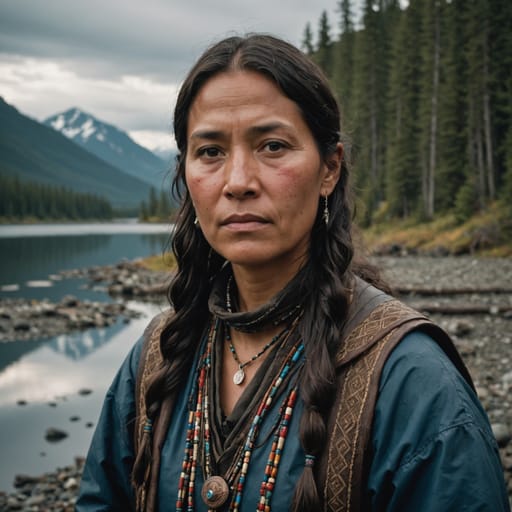
Whilkut
Upper Redwood Creek and the Mad River drainage in Humboldt County, northwestern California, United States

Wichita
Southern Plains of Kansas, Oklahoma and Texas, United States; today centered near Anadarko in Caddo County, Oklahoma
Wicocomico
Great Wicomico River and the lower Northern Neck, Northumberland County, Virginia, United States
Wintu
The upper Sacramento, McCloud, Pit, and Trinity river drainages of Shasta and Trinity counties, northern California, United States
Wintun
The Sacramento Valley and the upper Sacramento, McCloud and Trinity river drainages of Northern California, United States, from Shasta County south to Solano County
Winyah
South Carolina Lowcountry around Winyah Bay, the Black River and the lower Pee Dee River, in present-day Georgetown, Williamsburg and Clarendon counties, United States.
Wiyot
Humboldt Bay and the lower Mad and Eel rivers, Humboldt County, northwestern California, United States
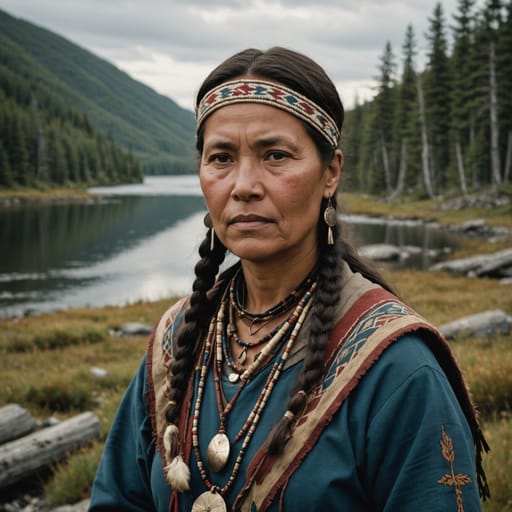
Wuikinuxv
Rivers Inlet, the Wannock River and Owikeno Lake on the central coast of British Columbia, Canada; main village Katit
Wunnashowatuckoog
Interior uplands of present-day central Massachusetts, United States, in Nipmuc country north of Narragansett territory
Wyandot
Originally the Georgian Bay shore of southern Ontario, Canada; today northeastern Oklahoma, the Kansas City area of Kansas, the Detroit River in Michigan, and Wendake near Quebec City, Canada
Yahuskin
The lake basins of south-central Oregon around Summer, Abert, Silver and Goose lakes, reaching into northeastern California; now centered on the former Klamath Reservation area near Chiloquin, Oregon, USA.
Yakama
South-central Washington State, USA: the Yakima River valley and mid-Columbia basin, with the reservation and tribal seat at Toppenish.
Yamasee
Coastal plain and sea islands of present-day South Carolina and Georgia, centered on Port Royal Sound, and later the area around St. Augustine, Florida, United States
Yana
Foothills east of the upper Sacramento Valley, between the Pit and Feather rivers, in present-day Tehama and Shasta counties, California, United States
Yazoo
The lower Yazoo River and the bluffs near its confluence with the Mississippi, in what is now Warren and Yazoo counties, Mississippi, United States.
Yellowknives
The north and east arms of Great Slave Lake and the barrenlands toward the Coppermine River, Northwest Territories, Canada; communities today at Dettah and Ndilǫ.
Yokuts
The San Joaquin Valley floor and the western foothills of the Sierra Nevada, central California, United States.
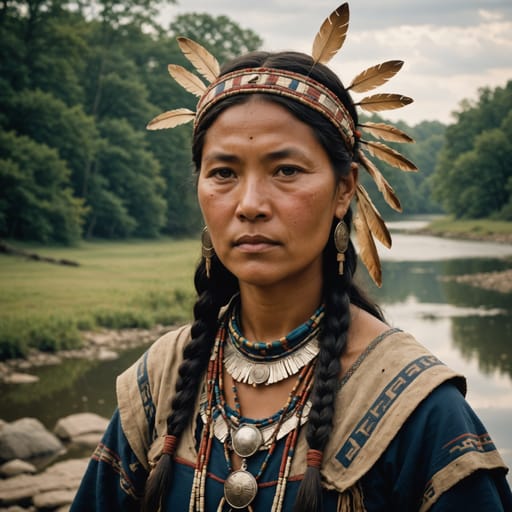
Yuki
Round Valley and the upper Eel River country of Mendocino County, northern California, United States, with a coastal branch on the Mendocino shore
Yustaga
Northern Florida, United States, between the Aucilla and Suwannee rivers, centered on present-day Madison County
2 countries in North America
Aggregate phenotype profile per country · weighted by demographic composition
North America Body & Anatomy Reference
Indigenous Northern American / Algonquian-Iroquoian phenotype: adult AI generation reference across North America
North America Women: Boobs & Breasts
North America women's tits and boobs run medium cup, moderate projection, the classic Indigenous Northern American / Algonquian-Iroquoian bust profile across North America. Nipples and areolas show medium-brown areolar pigmentation against the copper-to-medium-brown skin tone, with areolar diameter typically in the 30-44mm range and forward-set positioning rather than the the smaller East Asian bust. North America breasts trend full and moderate projection, a function of the mesomorph, broader frame in northern Indigenous populations body habitus and mean adult female BMI 25-28. For anatomically-accurate AI-generated North America nude women the render preserves: medium cup, moderate projection shape, 30-44mm areolas with regional pigmentation, and the torso proportions of the Indigenous Northern American / Algonquian-Iroquoian phenotype.
North America Women: Ass & Hips
North America women's ass and hip morphology presents as medium, moderate-to-full projection, distinctly different from the slim East Asian narrow-hip profile. North America pelvic profile shows medium iliac crests, anchored in the Indigenous Northern American / Algonquian-Iroquoian skeletal pattern. North America butt shots in adult AI imagery should render the medium, moderate-to-full projection silhouette with the mesomorph, broader frame in northern Indigenous populations build and the gluteal-femoral fat distribution typical of the Indigenous Northern American / Algonquian-Iroquoian phenotype rather than defaulting to a globally-averaged shape that generic AI generators produce.
North America Women: Vagina & Pussy
North America women's pussy and vulvar anatomy presents medium-brown labial pigmentation, consistent with the Indigenous Northern American / Algonquian-Iroquoian phenotype's pigmentation pattern. North America pubic hair is typically straight medium-coarse texture, distributed in the inverted-triangle pattern with regional-typical density. AI-generated North America nude imagery should preserve the medium-brown labial pigmentation and the straight medium-coarse texture hair texture rather than defaulting to a Western-European pink-and-sparse template. For anatomically-accurate North America pussy renders the labial pigmentation should match the surrounding copper to medium-brown skin tone of the Indigenous Northern American / Algonquian-Iroquoian phenotype.
North America Men: Dicks & Penis
North America men's dick and penile anatomy in adult AI generation should anchor on the regional reference data: regional mean ~13cm erect, moderate girth, and medium-brown shaft pigmentation. North America cock profile reflects the Indigenous Northern American / Algonquian-Iroquoian ancestral population's anthropometric measurements rather than a globally-averaged Western-pornography default. For anatomically-accurate North America nude male imagery the shaft pigmentation should track the surrounding copper to medium-brown skin tone, with continuous glans-to-shaft pigmentation transition and the straight medium-coarse texture pubic-hair texture distributed in the typical inverted-V escutcheon.
North America: Body, Curves & Build
North America body type and overall build presents as mesomorph, broader frame in northern Indigenous populations, with mean adult female BMI 25-28: the characteristic Indigenous Northern American / Algonquian-Iroquoian habitus. North America curves and proportions in adult AI imagery should preserve the regional skeletal frame (height, shoulder-to-hip ratio, limb proportions) rather than scaling to a Western-European mesomorph default. The North America nude female form, when rendered with anatomical fidelity, shows the height range, frame width, and adipose distribution pattern typical of the Indigenous Northern American / Algonquian-Iroquoian phenotype. Generic AI image generators tend to collapse regional body types into a few default shapes; the Ethnic Erotic phenotype-anchored approach preserves the North America build as its own reference category.
North America: Skin Tone & Hair Texture
North America skin tone falls in the copper to medium-brown (Fitzpatrick III-V) band, the surface signal most often miscalibrated by generic AI nude generators trained on Western-photographic datasets. North America hair texture is typically straight 1A, dark-brown to black, often thick and dense, characteristic of the Indigenous Northern American / Algonquian-Iroquoian phenotype. For anatomically-accurate North America nude renders the skin should hold the Fitzpatrick band consistently across body surface rather than showing the lighter-than-face body shading that AI generators default to.