No portrait yet
Seneca Erotic
Western New York, USA, south of Lake Ontario around the Finger Lakes and the Genesee valley; today the Allegany, Cattaraugus, Oil Spring and Tonawanda territories, with a related nation in Oklahoma
Seneca (Iroquoian, Northern Iroquoian branch), critically endangered; English
Longhouse religion (Gaihwi:io, the Code of Handsome Lake) and Christianity
Haudenosaunee (Iroquois Six Nations); Seneca Nation of Indians, Tonawanda Seneca Nation, Seneca-Cayuga Nation of Oklahoma
About Seneca People
The Seneca call themselves Onöndowa'ga:', the People of the Great Hill, and they are the westernmost of the Haudenosaunee, the confederacy outsiders named the Iroquois. The Haudenosaunee picture their union as one longhouse laid across upstate New York, and the Seneca keep its western door: the nation that met whoever came in from the Ohio country and the Great Lakes, and the one that fought them first. Their old towns sat around the Finger Lakes and down the Genesee valley. Today the two main Seneca governments sit at the western end of the state, on the Allegany, Cattaraugus and Oil Spring territories of the Seneca Nation of Indians and on the Tonawanda reservation of the Tonawanda Seneca Nation, while the Seneca-Cayuga Nation in Oklahoma descends from Haudenosaunee people removed from Ohio in the 1830s.
The Seneca language is Northern Iroquoian, close to Cayuga and Onondaga. It is critically endangered, with very few first-language speakers left and an immersion program working to raise new ones. Society is matrilineal and organized by eight clans: Turtle, Bear, Wolf, Beaver, Deer, Heron, Hawk and Snipe. A child belongs to the mother's clan, fields and longhouses belonged to women, and clan mothers still name and can remove the chiefs at Tonawanda, which never adopted the elected government the Seneca Nation wrote for itself in 1848. Religion divides along a similar line. Many Seneca are Christian, but the Longhouse religion, Gaihwi:io, is a Seneca creation: the prophet Handsome Lake, Cornplanter's half-brother, received his visions in 1799 in a community wrecked by land loss and alcohol, and his code still sets the ceremonial year of Midwinter, Strawberry and Green Corn.
The last two and a half centuries have been one long argument with New York State and Washington over land. The Sullivan expedition burned the Seneca towns and orchards in 1779. The Treaty of Canandaigua guaranteed what remained in 1794, and a run of later deals, some plainly fraudulent, stripped most of it away. In the 1960s the Army Corps of Engineers built the Kinzua Dam and drowned a third of the Allegany territory, including the Cornplanter grant, over the nation's objections and the treaty itself. The Seneca have also produced people the wider country knows: the orator Red Jacket, and Ely S. Parker, who wrote out the surrender terms at Appomattox as Grant's military secretary and became the first Native Commissioner of Indian Affairs. Less known is the Seneca hand in Haudenosaunee raised beadwork, the padded, sculptural style sold to Niagara Falls tourists for a century, and the single upright eagle feather on the Seneca gustoweh, the cap that tells other Haudenosaunee which door you keep.
Related ethnic groups
Groups that share Seneca's homeland, region, language, or religious tradition. These are likely candidates for comparative phenotype reference.
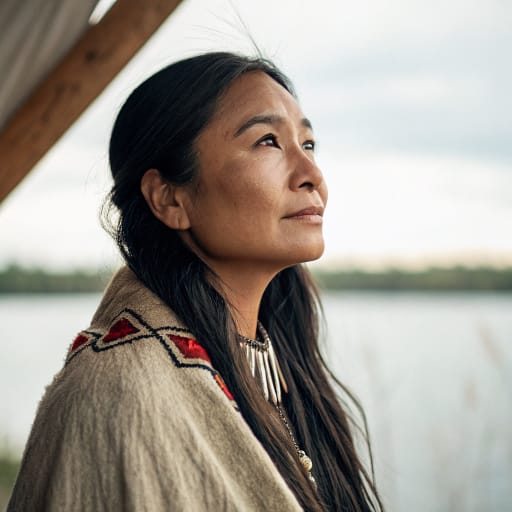
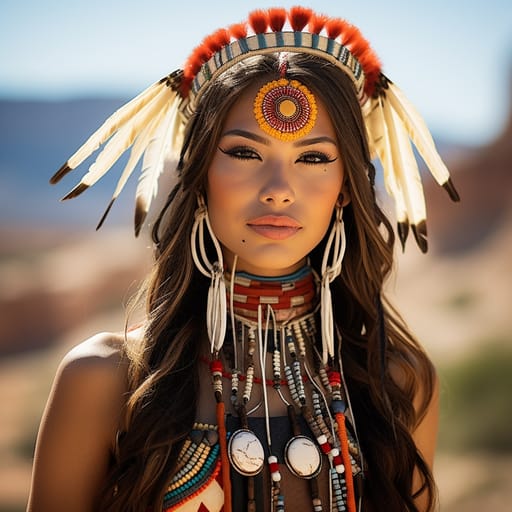
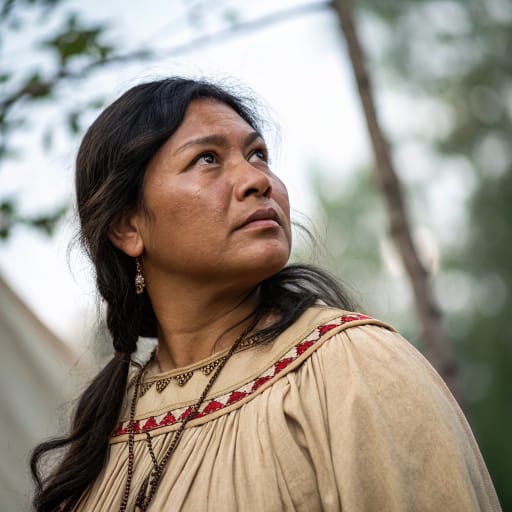
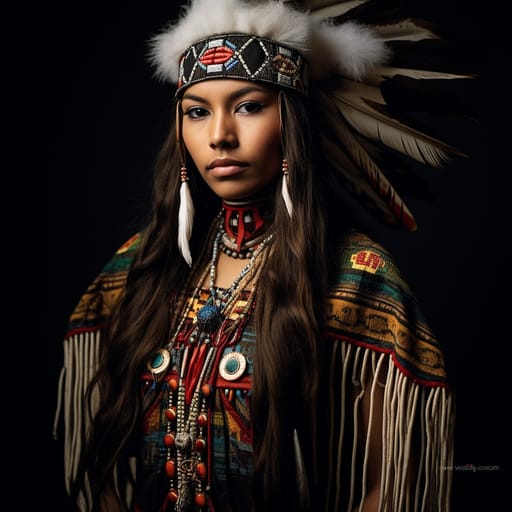
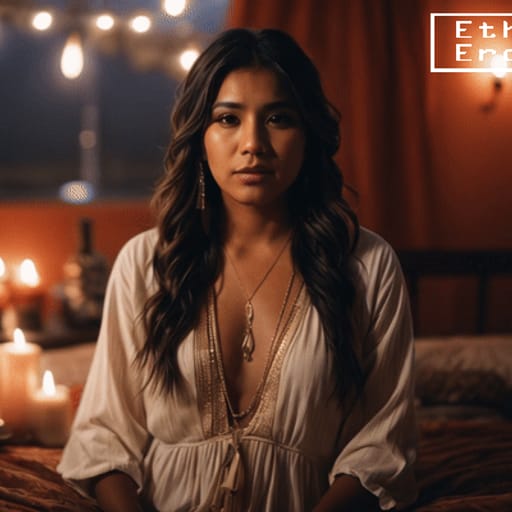
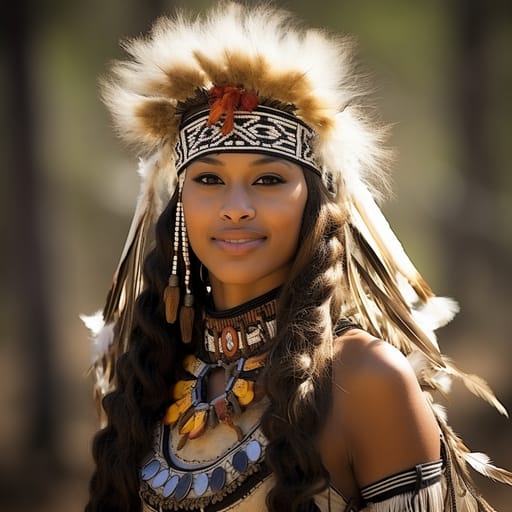
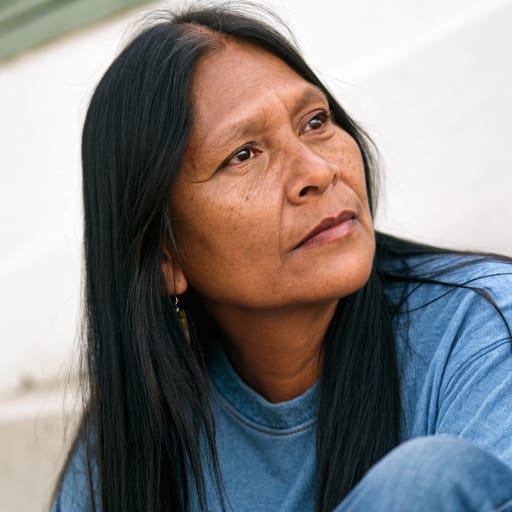
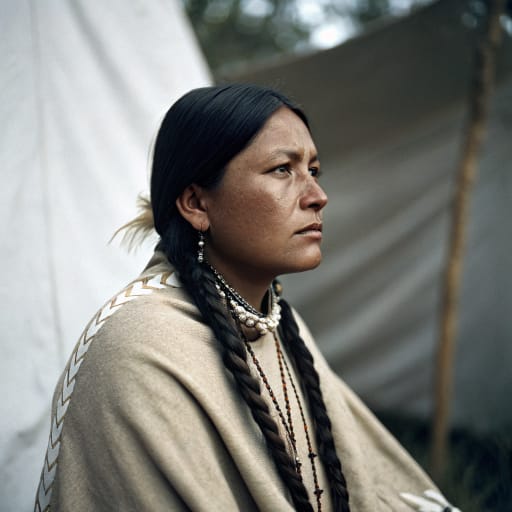
Typical Seneca Phenotypes
Reference for AI generation: hair, eyes, skin, facial structure, build
Seneca Body & Anatomy Reference
Indigenous Northern American / Algonquian-Iroquoian phenotype: anatomy reference for AI nude generation
Seneca Boobs & Breasts
Bust reference for Seneca women: medium cup, moderate projection, which is typical of Indigenous Northern American / Algonquian-Iroquoian ancestry. Areolas measure about 30-44mm across, with medium-brown pigmentation. Body type (mesomorph, broader frame in northern Indigenous populations) shapes the bust as well, so Seneca tits are usually full and moderate projection. In AI imagery, keep the forward-set shape rather than drifting toward the smaller East Asian bust.
Seneca Ass & Hips
The Seneca ass is typically medium, moderate-to-full projection, which sets it apart from the slim East Asian narrow-hip profile. Underneath, the pelvis shows medium iliac crests, part of the Indigenous Northern American / Algonquian-Iroquoian skeletal pattern. For Seneca butt pics and AI renders, match that silhouette and the overall build (mesomorph, broader frame in northern Indigenous populations).
Seneca Vagina & Pussy
Seneca pussy and vulvar anatomy presents medium-brown labial pigmentation, consistent with the Indigenous Northern American / Algonquian-Iroquoian phenotype's pigmentation pattern. Seneca pubic hair is typically straight medium-coarse texture, in the inverted-triangle pattern. For anatomically accurate Seneca pussy renders the labial coloration should match the surrounding copper to medium-brown skin tone with a continuous gradient, and the hair should keep its straight medium-coarse texture.
Seneca Dicks & Penis
Seneca dicks follow the Indigenous Northern American / Algonquian-Iroquoian reference data: regional mean ~13cm erect; moderate girth; medium-brown shaft pigmentation. Shaft color should track the copper to medium-brown skin tone with a smooth change toward the glans, and Seneca pubic hair keeps its straight medium-coarse texture.
Seneca Body, Curves & Build
Seneca body type and overall build presents as mesomorph, broader frame in northern Indigenous populations, with mean adult female BMI 25-28: the characteristic Indigenous Northern American / Algonquian-Iroquoian habitus. Seneca curves and proportions should keep the regional skeletal frame (height, shoulder-to-hip ratio, limb proportions) rather than a generic mesomorph default.
Seneca Skin Tone & Hair Texture
Seneca skin sits in the copper to medium-brown (Fitzpatrick III-V) band. Hair is typically straight 1A, dark-brown to black, often thick and dense, in keeping with the Indigenous Northern American / Algonquian-Iroquoian phenotype. In nude renders the skin should stay one even tone from face to body, and body, pubic and head hair should match.
Explore phenotype categories
Structured taxonomy with peer-reviewed scales · 22 anatomical categories
Erotic Poses & Sex Positions
From the pose catalog: 219 named positions with reference skeletons
Frequently asked questions about Seneca people
Where is the Seneca homeland?
The Seneca homeland is Western New York, USA, south of Lake Ontario around the Finger Lakes and the Genesee valley; today the Allegany, Cattaraugus, Oil Spring and Tonawanda territories, with a related nation in Oklahoma in North America.
What language do Seneca people speak?
Seneca people primarily speak Seneca (Iroquoian, Northern Iroquoian branch), critically endangered; English.
What religion do Seneca people practice?
The predominant religion among Seneca people is Longhouse religion (Gaihwi:io, the Code of Handsome Lake) and Christianity.






Make your own Seneca images
Five a day, free, no credits to buy. The studio starts from this group's phenotype data, so you can set body type, pose and style and keep the traits accurate.
Start with Seneca