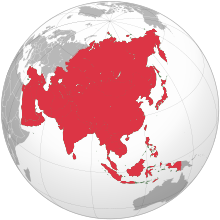
Central Asia
101 ethnic groups
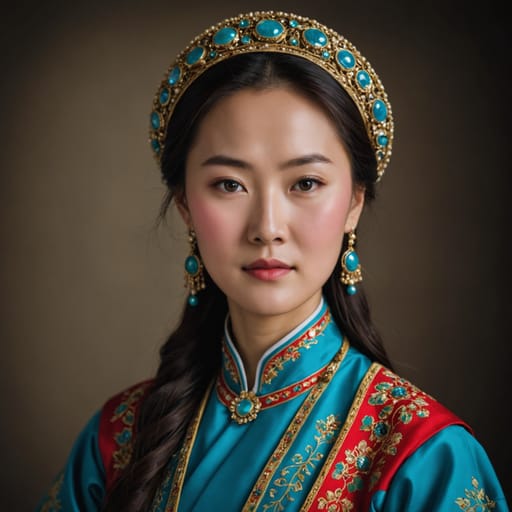
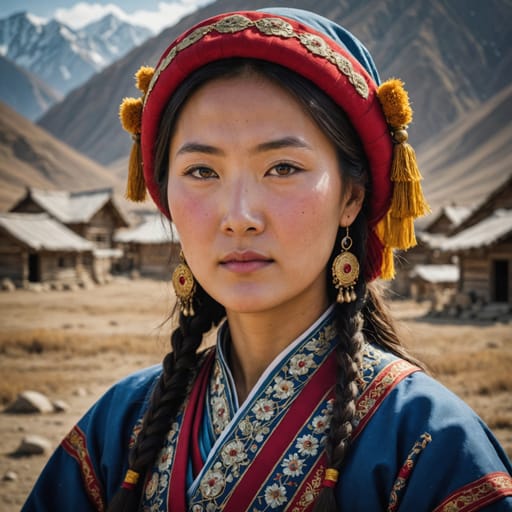
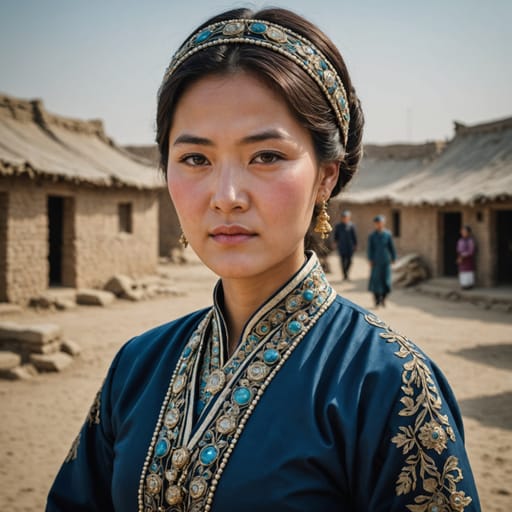
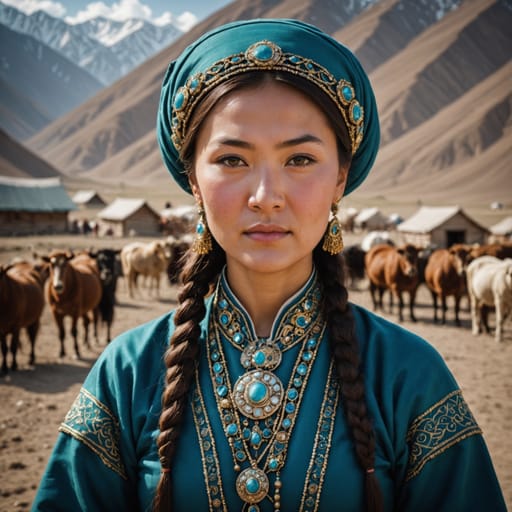
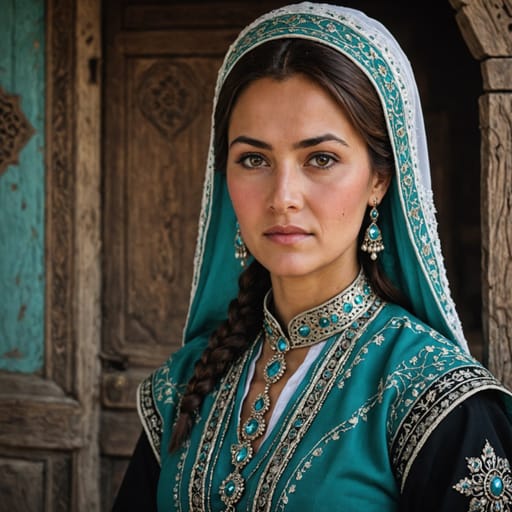
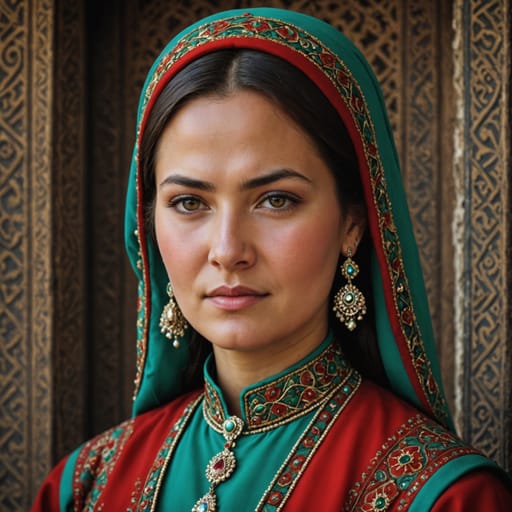
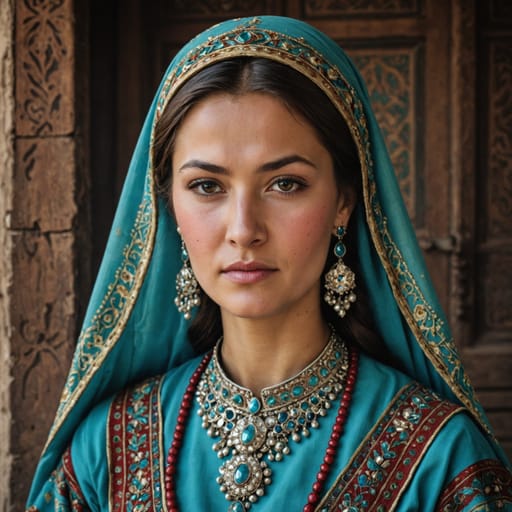
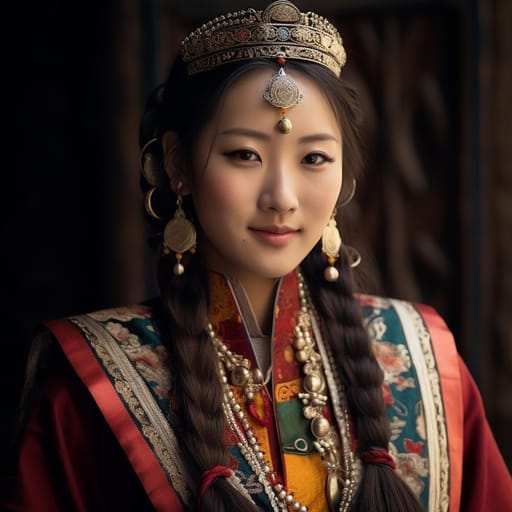
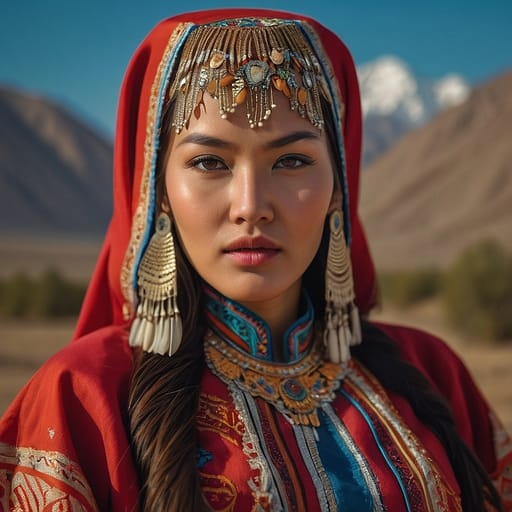
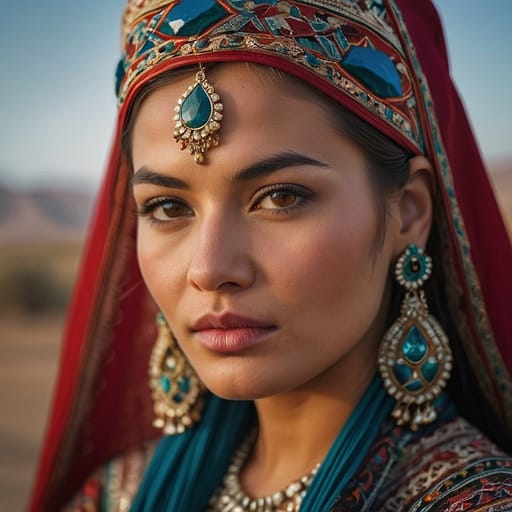
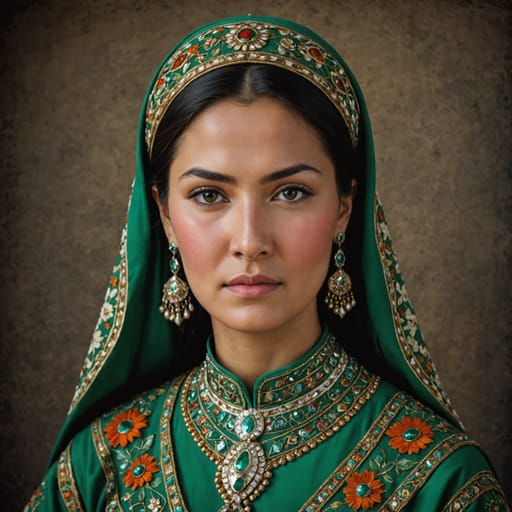
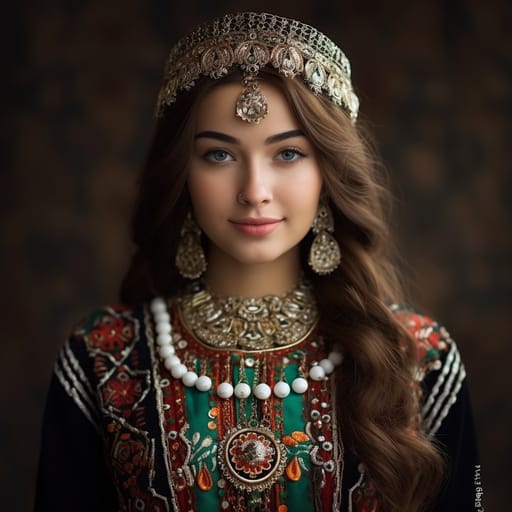
Browse the 101 ethnic groups native to Central Asia. Each profile documents facial features, skin tone, hair texture and body type. Explore the people below, or read the full Central Asia phenotype and anatomy reference further down.
Help us get this right
Does this portrait look right for Aimaq?
Nobody has judged this one yet. You would be the first.
Argyn
Central and northeastern Kazakhstan: the Saryarqa uplands and Irtysh basin around Karaganda, Pavlodar, Semey and Akmola, with smaller numbers in Russia and Uzbekistan.
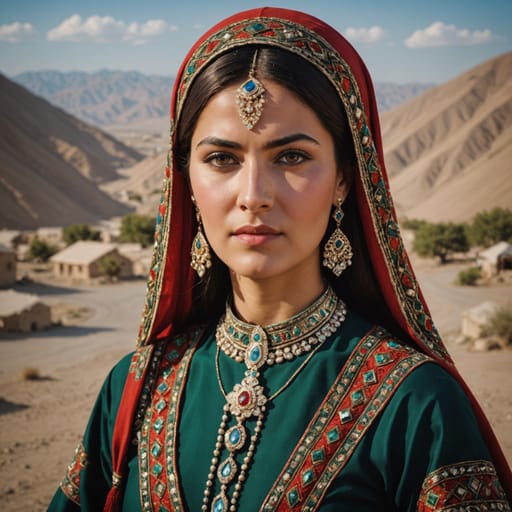
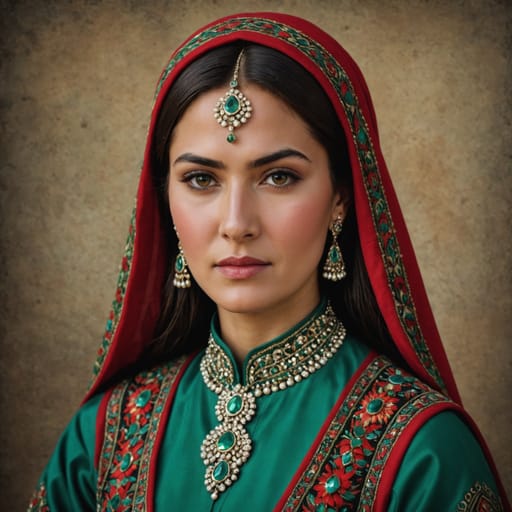
Bactrians
Bactria, between the Hindu Kush and the Amu Darya: present-day northern Afghanistan, southern Uzbekistan and southern Tajikistan, with its capital at Bactra (Balkh)
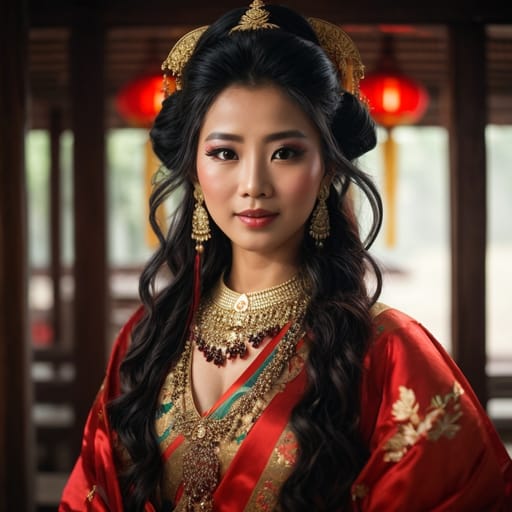
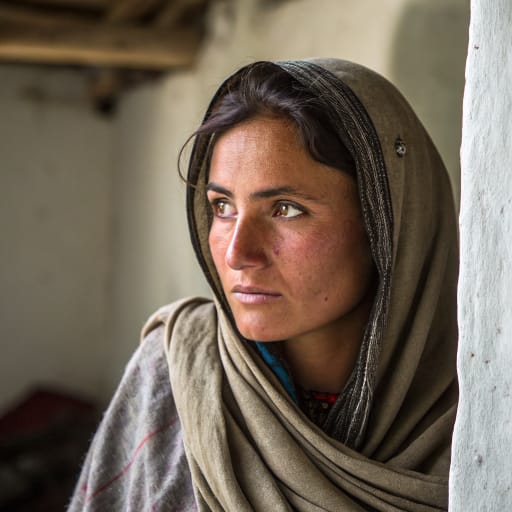
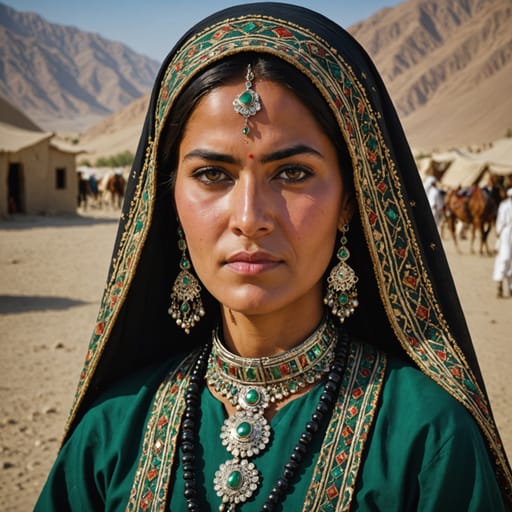
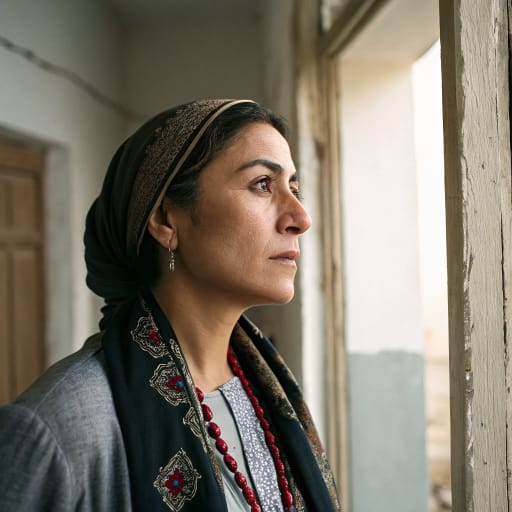
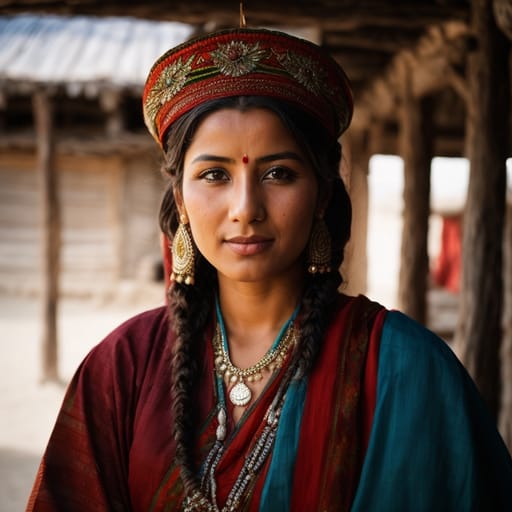
Central Asian Arabs
Scattered villages in Uzbekistan (Bukhara and Kashkadarya regions), southern Tajikistan and northern Afghanistan (Balkh, Jowzjan and Kunduz)
Chigils
Around Lake Issyk-Kul and the Talas valley in the Tian Shan and Semirechye, in present-day Kyrgyzstan and southern Kazakhstan.
Derbices
The lower Oxus (Amu Darya) and the lands toward the southeastern Caspian, including Margiana, in present-day Turkmenistan and Uzbekistan
Dolan
Northwestern Tarim Basin in Xinjiang, China, especially along the Yarkand River in Merket (Makit), Maralbeshi (Bachu) and Awat counties
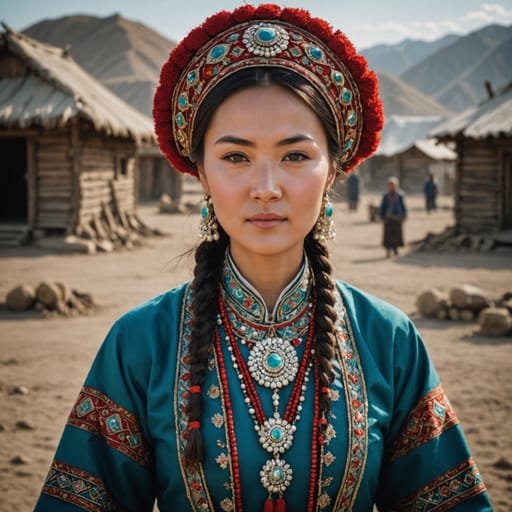
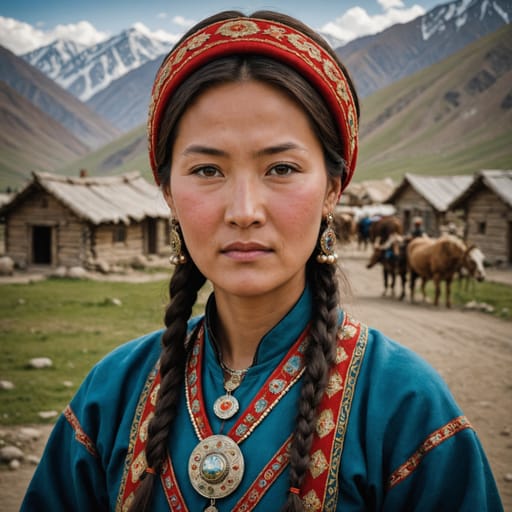
Dzungars
Dzungaria, between the Altai and the Tian Shan: northern Xinjiang (China), eastern Kazakhstan and western Mongolia, centered on the Ili valley.
Kamenschiks
Upper Bukhtarma River valley in the southern Altai, East Kazakhstan Region, Kazakhstan; ancestral origins along the Kerzhenets River, Nizhny Novgorod region, Russia
Kangju
Middle Syr Darya valley and the Tashkent oasis, extending into Sogdiana; present-day Uzbekistan and southern Kazakhstan
Karluks
Originally the Black Irtysh and Tarbagatai country west of the Altai (eastern Kazakhstan and northern Xinjiang, China); from the 8th century Zhetysu, the Chu and Talas valleys, and the western Tian Shan (southeastern Kazakhstan, Kyrgyzstan), later reachin
Kashgaris
Kashgar oasis and prefecture at the western edge of the Tarim Basin, Xinjiang, China; descendant communities of 19th-century migrants in the Fergana Valley (Uzbekistan, Kyrgyzstan).
Katagans
Northern Afghanistan, mainly Kunduz, Baghlan and Takhar provinces; related clans among Uzbeks and Kazakhs in Central Asia and a Khatagin clan in Mongolia; origins on the Mongolian steppe
Khotanese
Oasis kingdom of Khotan on the southern edge of the Tarim Basin, between the Kunlun Mountains and the Taklamakan Desert; today Hotan Prefecture, Xinjiang, China
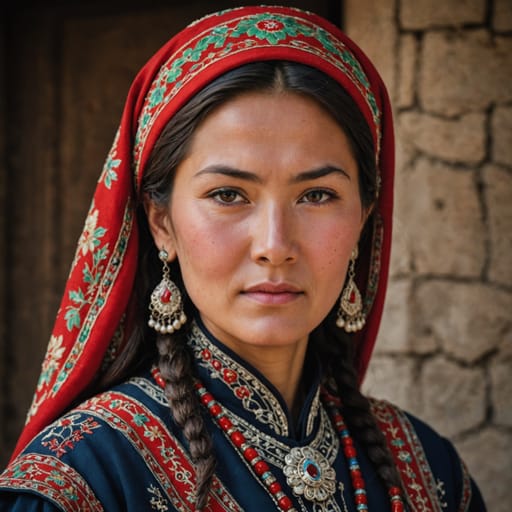
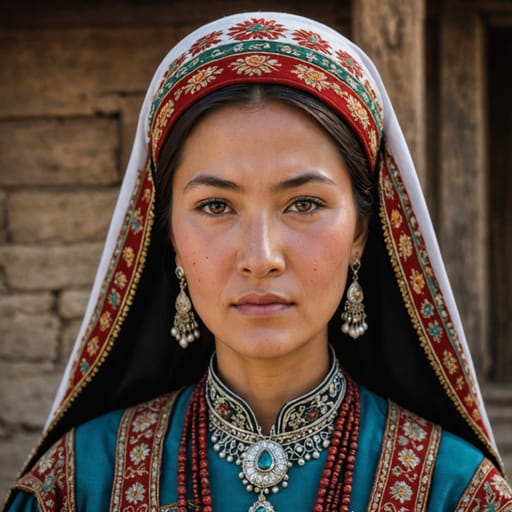
Lakai
Southern Tajikistan: the Hisor valley and the hills of Khatlon south and east of Dushanbe; smaller communities in Surxondaryo, Uzbekistan, and in northern Afghanistan
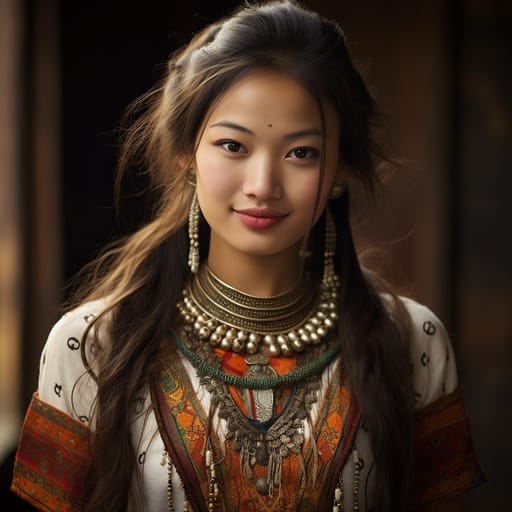
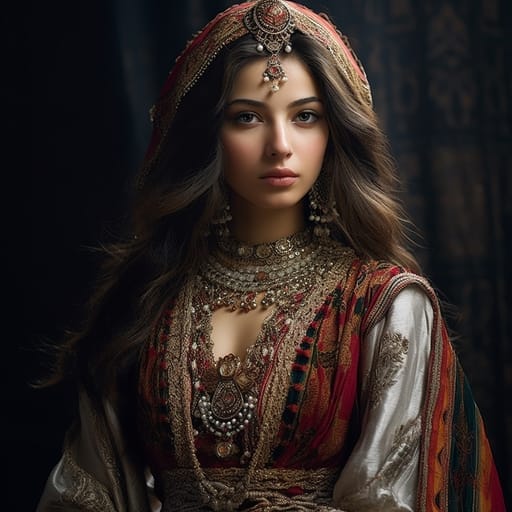
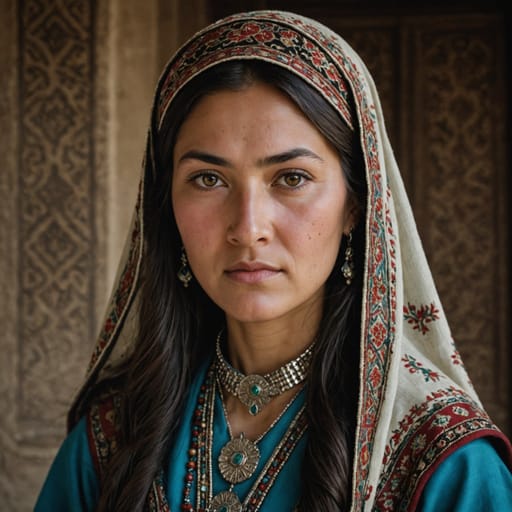
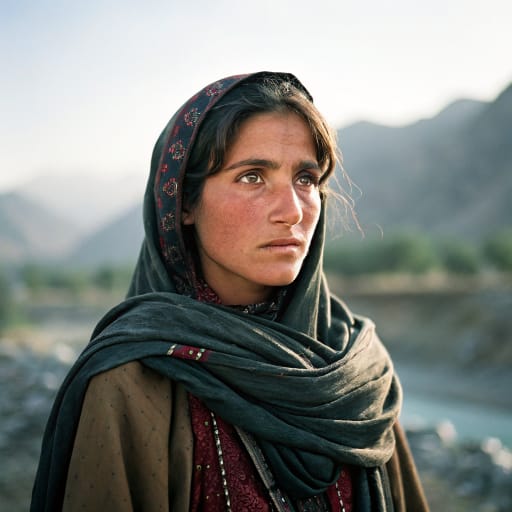
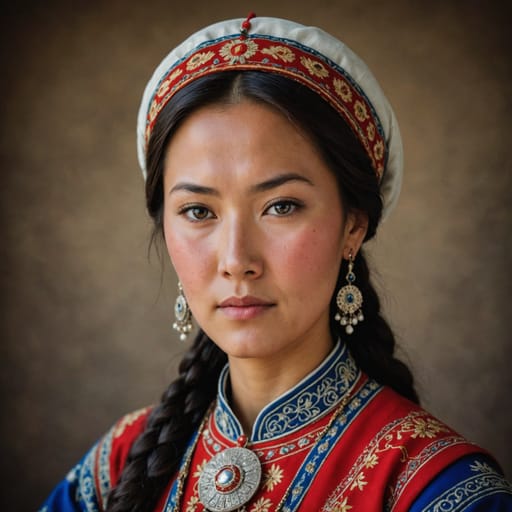
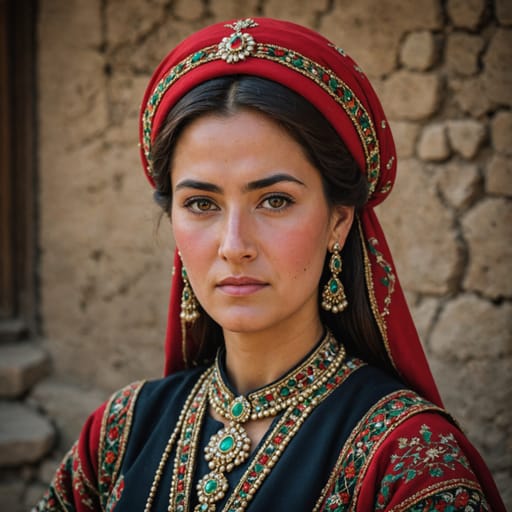
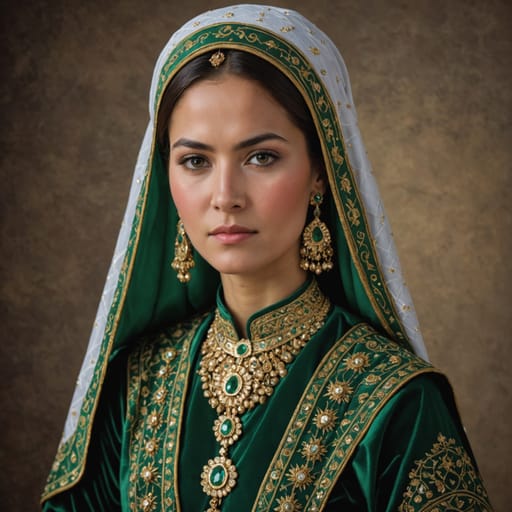
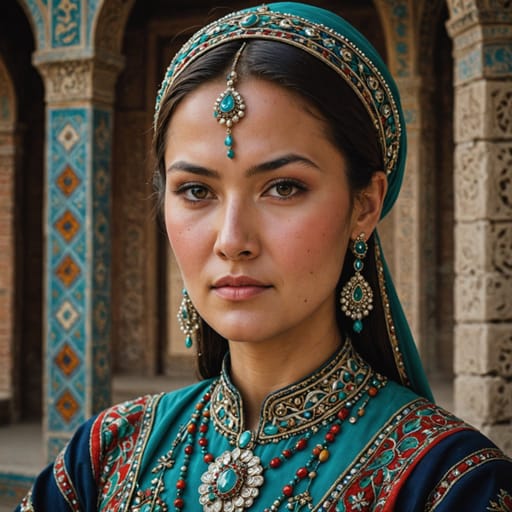
Oghuz Turks
Steppe between the Aral Sea and the lower Syr Darya, in present-day Kazakhstan, Uzbekistan and Turkmenistan, later spreading into Iran, the Caucasus and Anatolia (Turkey)
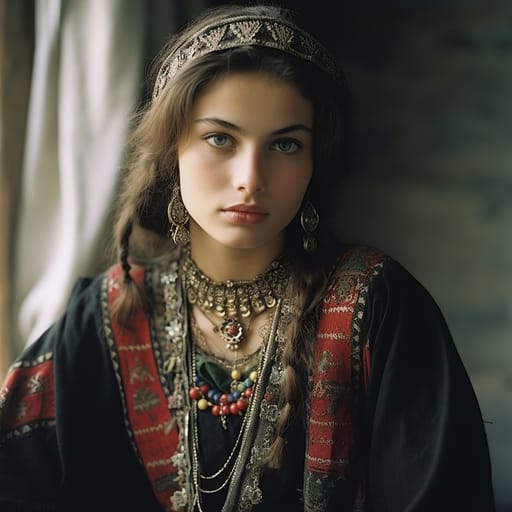
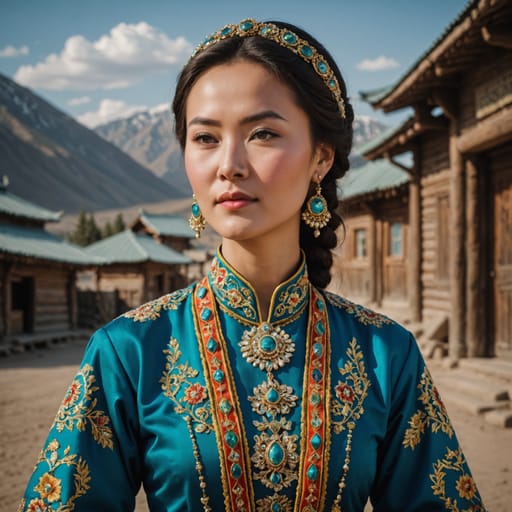
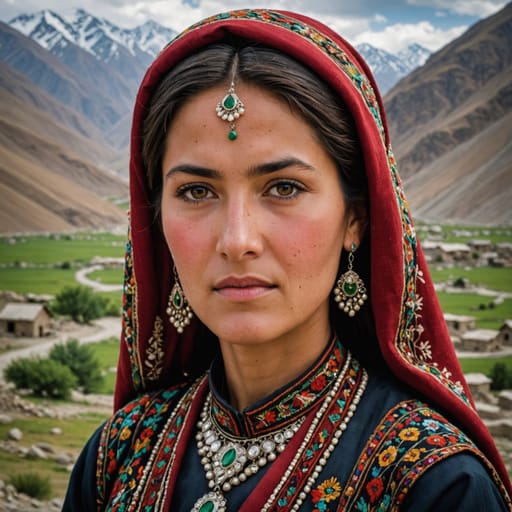
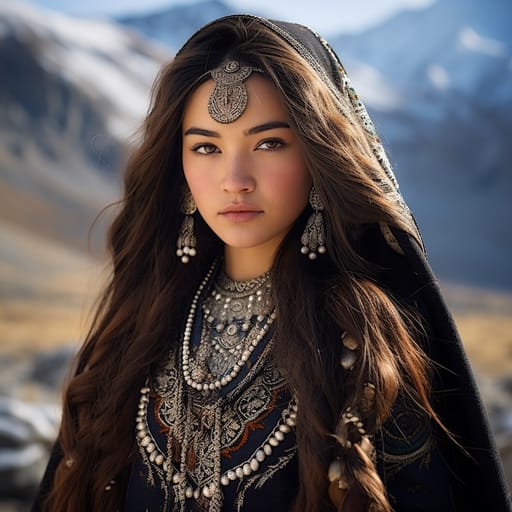
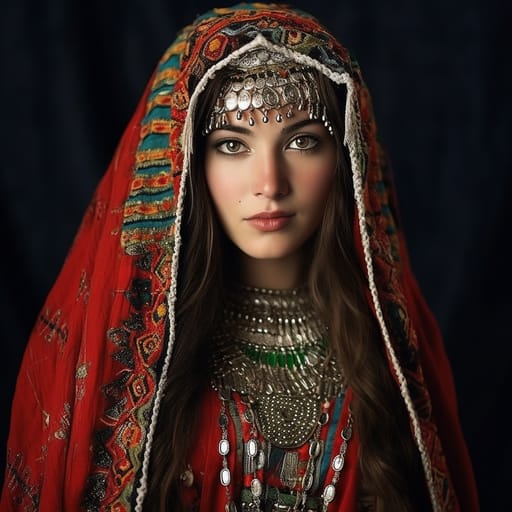
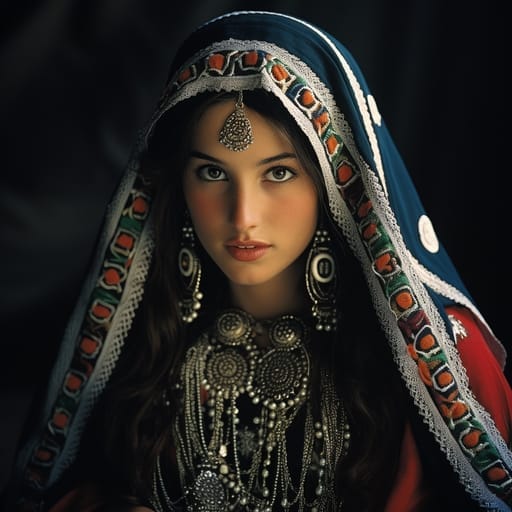
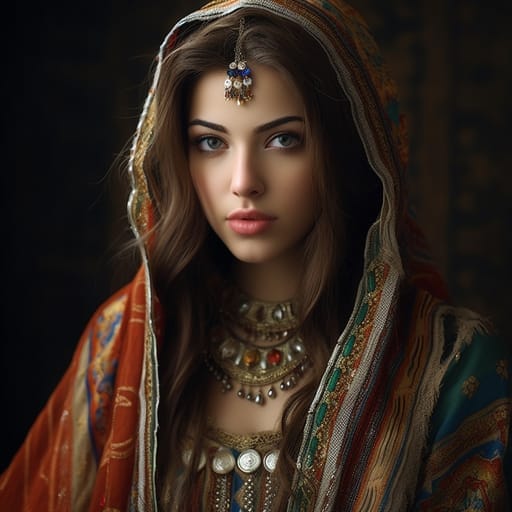
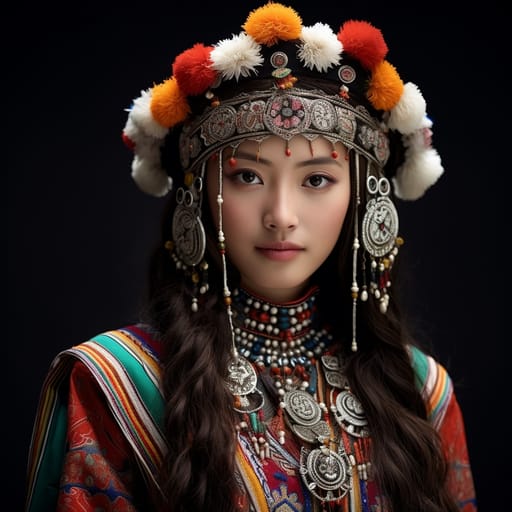
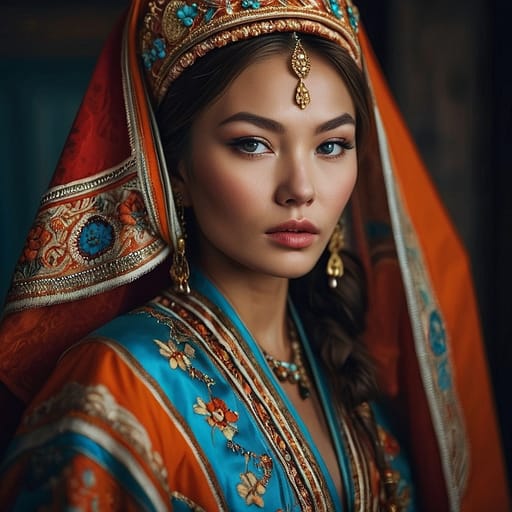
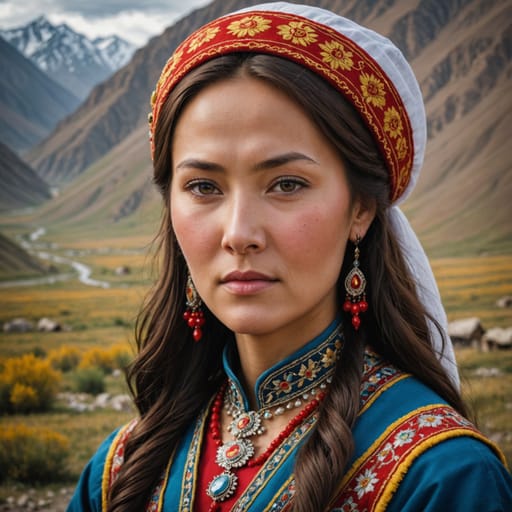
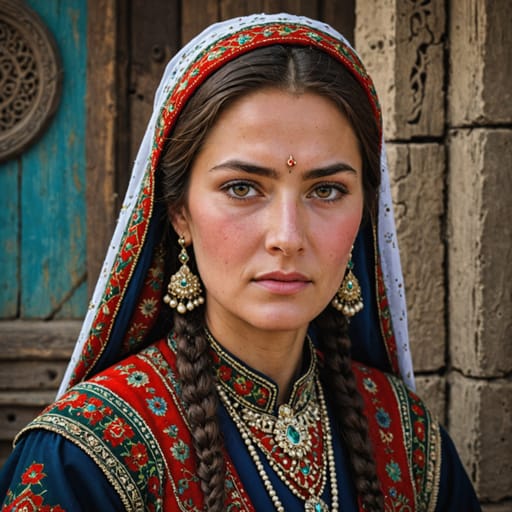
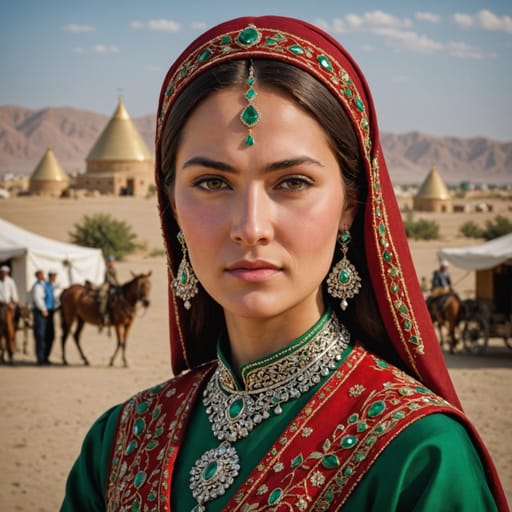
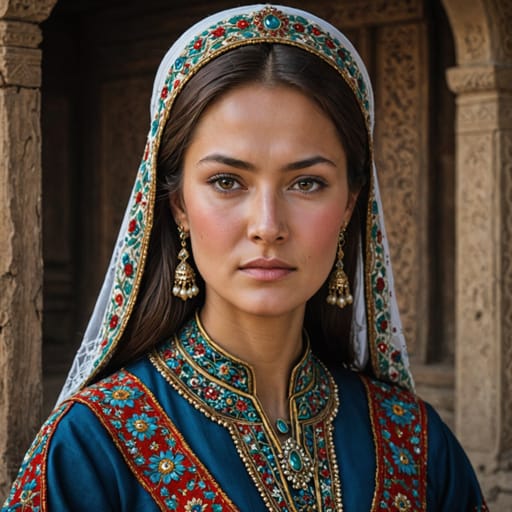
Sacaraucae
Steppe between the Syr Darya (Jaxartes) and Amu Darya (Oxus), in present-day Kazakhstan, Uzbekistan and Turkmenistan; later Bactria and the Parthian frontier in Afghanistan and Iran.
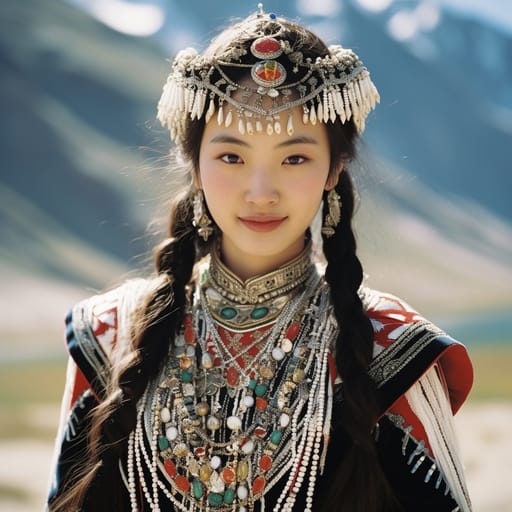
Sart Kalmyks
Villages around Karakol near the eastern end of Lake Issyk-Kul, Issyk-Kul Region, Kyrgyzstan; ancestral roots in Dzungaria (Xinjiang, China)
Saryk
The Murghab River valley in Mary Province, Turkmenistan, around Yolöten and Tagtabazar (historic Panjdeh), formerly the Merv oasis; smaller numbers in northern Afghanistan.
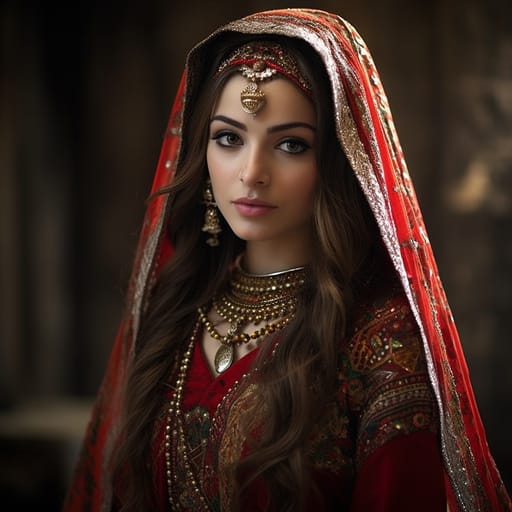
Shughni
The Panj River valleys of the western Pamirs: Shughnan and Roshtqala districts and the town of Khorog in Gorno-Badakhshan, Tajikistan, and Shighnan District in Badakhshan Province, Afghanistan.
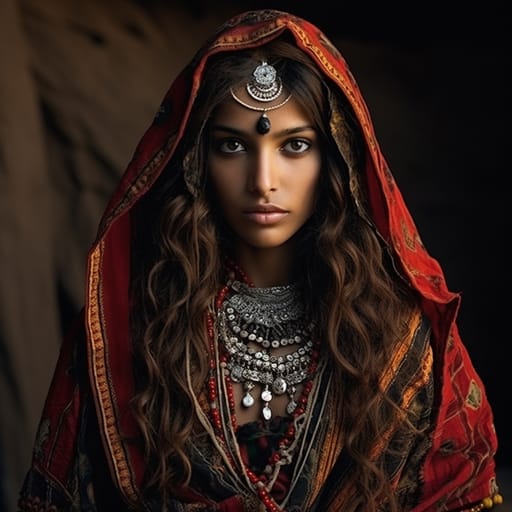
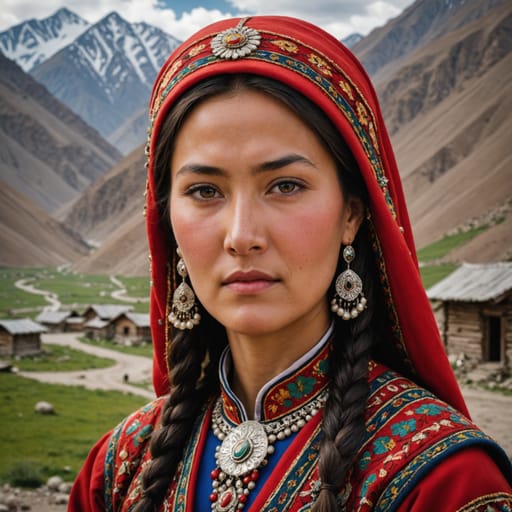
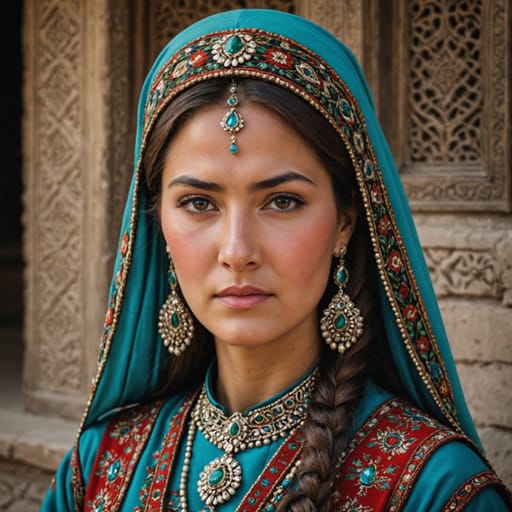
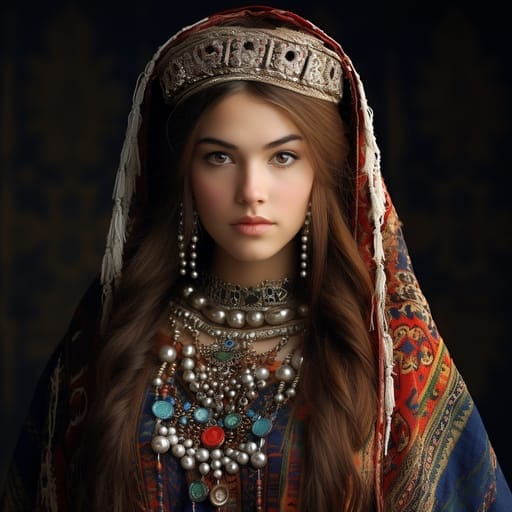
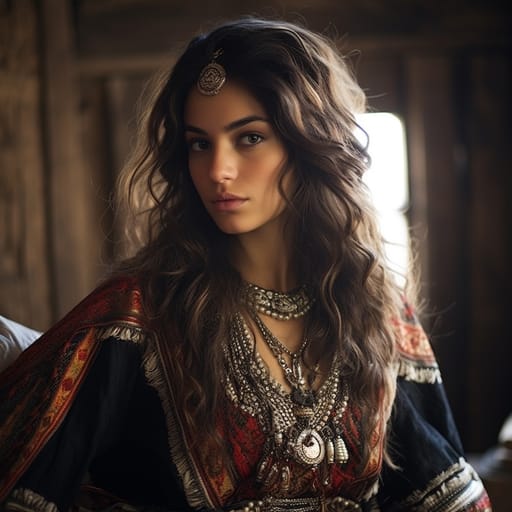
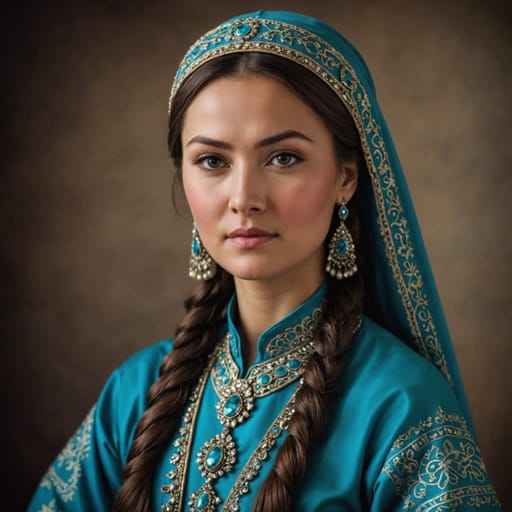
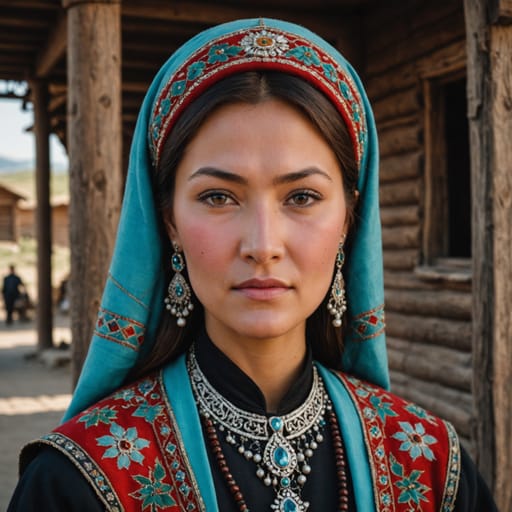
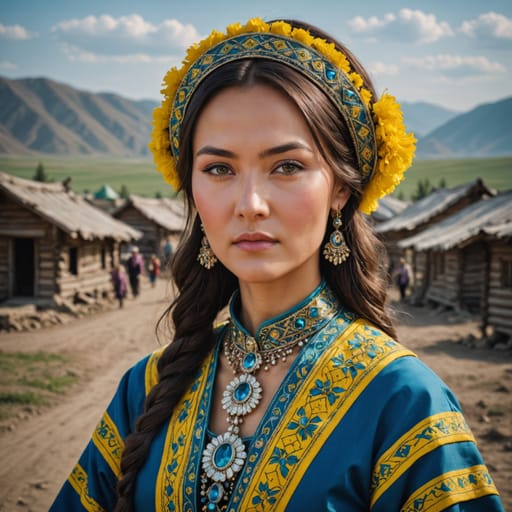
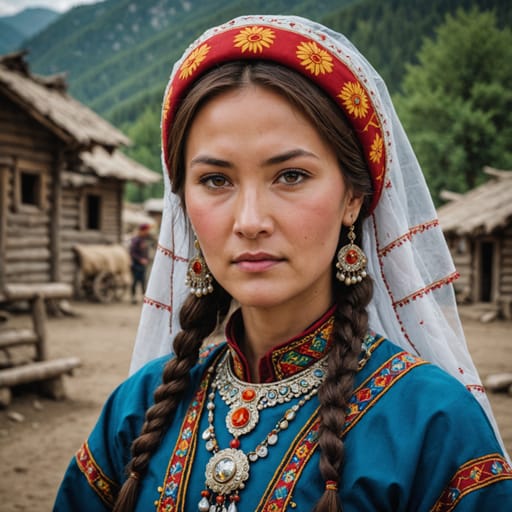
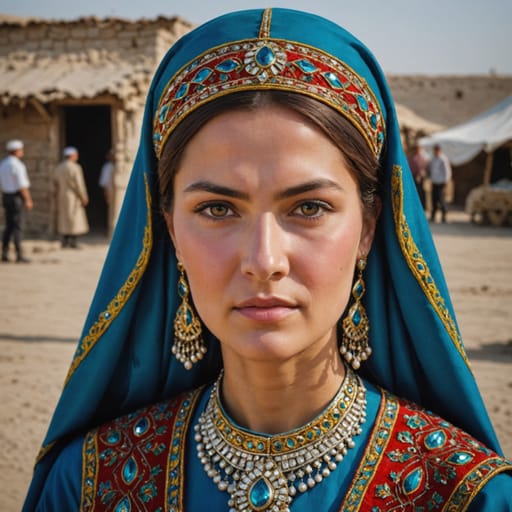
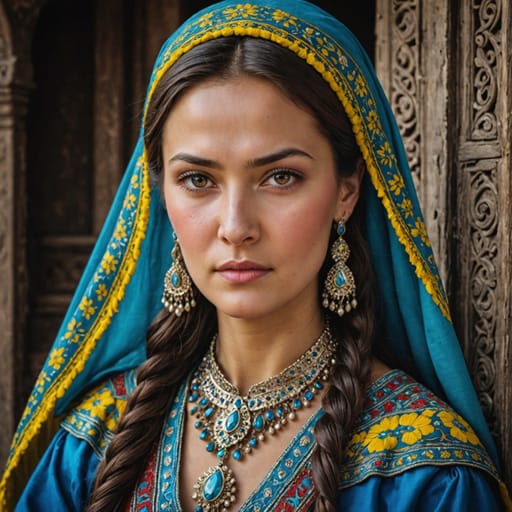
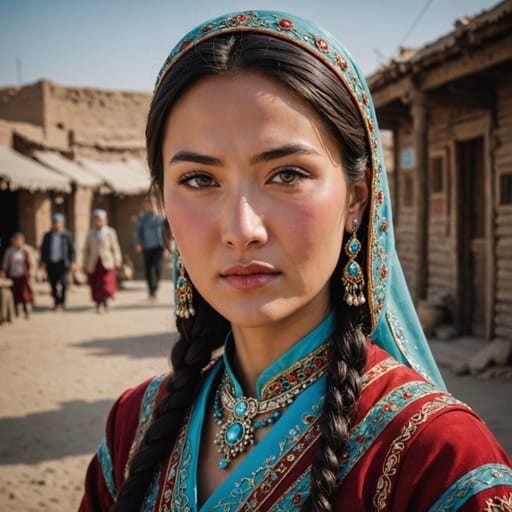
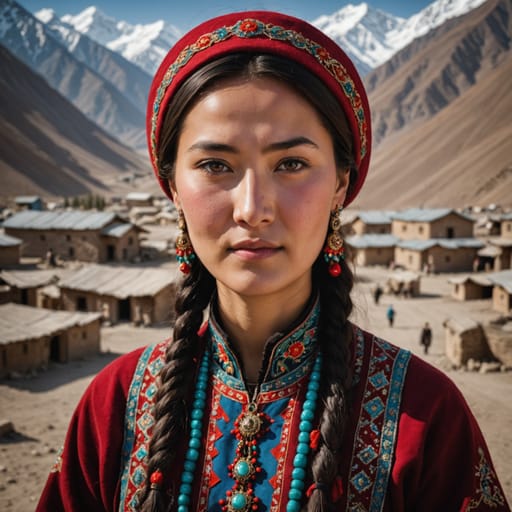
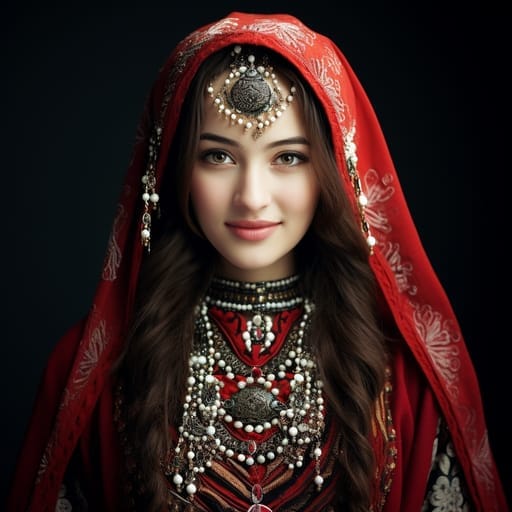
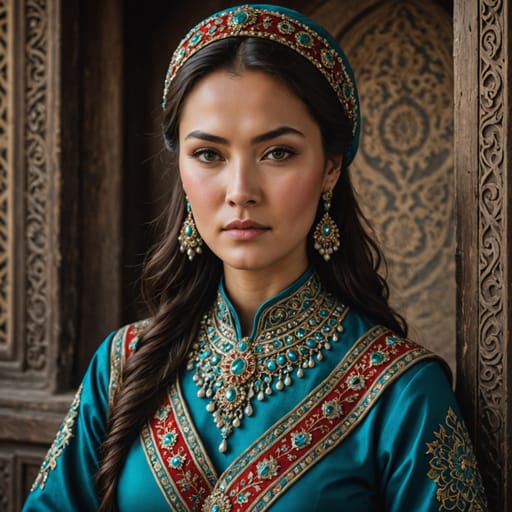
Xionites
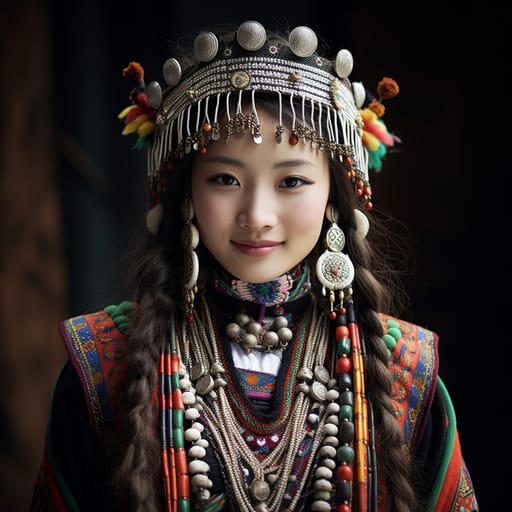
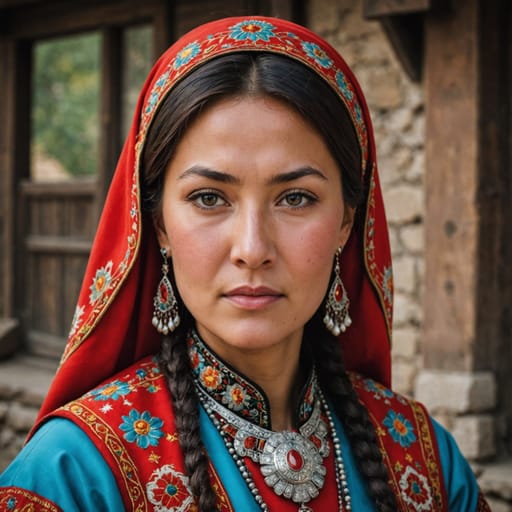
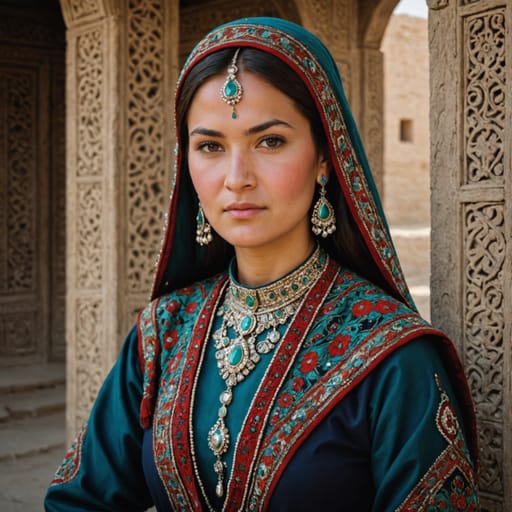
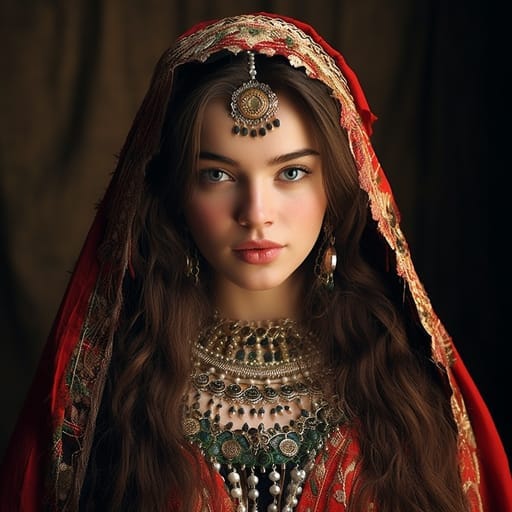
Transoxiana and Bactria, 4th to 6th centuries CE: modern Uzbekistan, Tajikistan, Turkmenistan and northern Afghanistan
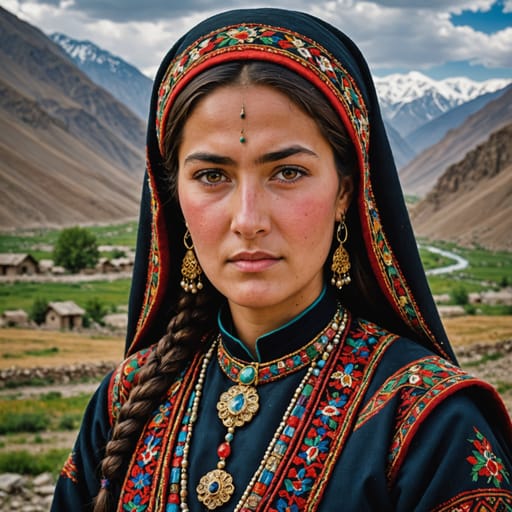
Yancai
Steppes northwest of Kangju, near the Aral Sea and the northern Caspian, in present-day Kazakhstan, Uzbekistan and southern Russia
Yıva
Syr Darya and Aral Sea steppe (today Kazakhstan and Uzbekistan); later dispersed through Khorasan, Iran, Iraq, Azerbaijan and Anatolia (Turkey)
5 countries in Central Asia
Aggregate phenotype profile per country · weighted by demographic composition
Central Asia Body & Anatomy Reference
Central Asian Turkic-Mongolic phenotype: adult AI generation reference across Central Asia
Central Asia Women: Boobs & Breasts
Central Asia women's tits and boobs run medium cup, moderate projection, the classic Central Asian Turkic-Mongolic bust profile across Central Asia. Nipples and areolas show medium-brown areolar pigmentation against the tan-to-light-brown skin tone, with areolar diameter typically in the 30-42mm range and forward-set positioning rather than the the smaller East Asian bust. Central Asia breasts trend full and modestly projecting, a function of the mesomorph, broader frame than the East Asian norm body habitus and mean adult female BMI 23-26. For anatomically-accurate AI-generated Central Asia nude women the render preserves: medium cup, moderate projection shape, 30-42mm areolas with regional pigmentation, and the torso proportions of the Central Asian Turkic-Mongolic phenotype.
Central Asia Women: Ass & Hips
Central Asia women's ass and hip morphology presents as medium, moderate projection, broader hip profile than the East Asian norm, distinctly different from the slim East Asian narrow-hip profile. Central Asia pelvic profile shows medium iliac crests, moderate gluteal-femoral fat deposition, anchored in the Central Asian Turkic-Mongolic skeletal pattern. Central Asia butt shots in adult AI imagery should render the medium, moderate projection, broader hip profile than the East Asian norm silhouette with the mesomorph, broader frame than the East Asian norm build and the gluteal-femoral fat distribution typical of the Central Asian Turkic-Mongolic phenotype rather than defaulting to a globally-averaged shape that generic AI generators produce.
Central Asia Women: Vagina & Pussy
Central Asia women's pussy and vulvar anatomy presents medium-brown labial pigmentation, consistent with the Central Asian Turkic-Mongolic phenotype's pigmentation pattern. Central Asia pubic hair is typically straight-to-wavy medium-coarse texture, distributed in the inverted-triangle pattern with regional-typical density. AI-generated Central Asia nude imagery should preserve the medium-brown labial pigmentation and the straight-to-wavy medium-coarse texture hair texture rather than defaulting to a Western-European pink-and-sparse template. For anatomically-accurate Central Asia pussy renders the labial pigmentation should match the surrounding tan to light-brown skin tone of the Central Asian Turkic-Mongolic phenotype.
Central Asia Men: Dicks & Penis
Central Asia men's dick and penile anatomy in adult AI generation should anchor on the regional reference data: regional mean ~13cm erect, moderate girth, and medium-brown shaft pigmentation. Central Asia cock profile reflects the Central Asian Turkic-Mongolic ancestral population's anthropometric measurements rather than a globally-averaged Western-pornography default. For anatomically-accurate Central Asia nude male imagery the shaft pigmentation should track the surrounding tan to light-brown skin tone, with continuous glans-to-shaft pigmentation transition and the straight-to-wavy medium-coarse texture pubic-hair texture distributed in the typical inverted-V escutcheon.
Central Asia: Body, Curves & Build
Central Asia body type and overall build presents as mesomorph, broader frame than the East Asian norm, with mean adult female BMI 23-26: the characteristic Central Asian Turkic-Mongolic habitus. Central Asia curves and proportions in adult AI imagery should preserve the regional skeletal frame (height, shoulder-to-hip ratio, limb proportions) rather than scaling to a Western-European mesomorph default. The Central Asia nude female form, when rendered with anatomical fidelity, shows the height range, frame width, and adipose distribution pattern typical of the Central Asian Turkic-Mongolic phenotype. Generic AI image generators tend to collapse regional body types into a few default shapes; the Ethnic Erotic phenotype-anchored approach preserves the Central Asia build as its own reference category.
Central Asia: Skin Tone & Hair Texture
Central Asia skin tone falls in the tan to light-brown (Fitzpatrick III-IV) band, the surface signal most often miscalibrated by generic AI nude generators trained on Western-photographic datasets. Central Asia hair texture is typically straight 1A-1B, dark-brown to black, characteristic of the Central Asian Turkic-Mongolic phenotype. For anatomically-accurate Central Asia nude renders the skin should hold the Fitzpatrick band consistently across body surface rather than showing the lighter-than-face body shading that AI generators default to.