Help us get this right
Does this portrait look right for Central Asian Arabs?
Nobody has judged this one yet. You would be the first.
Central Asian Arabs Erotic
Scattered villages in Uzbekistan (Bukhara and Kashkadarya regions), southern Tajikistan and northern Afghanistan (Balkh, Jowzjan and Kunduz)
Mostly Uzbek (Turkic) and Tajik or Dari (Persian, Indo-Iranian); Central Asian Arabic (Semitic, Afro-Asiatic) survives among a small number of older speakers
Sunni Islam, Hanafi school
Arabs by descent; local communities include the Bukhara and Kashkadarya Arabs of Uzbekistan, the Arabs of southern Tajikistan and the Arabs of northern Afghanistan
About Central Asian Arabs People
Central Asian Arabs are a people who kept the name long after most of them lost the language that went with it. They live in scattered villages across Uzbekistan, southern Tajikistan and northern Afghanistan, and they farm, dress and pray much like the Uzbeks and Tajiks around them. Yet many still answer Arab when asked who they are, and they trace their families to soldiers and settlers who crossed the Amu Darya more than a thousand years ago.
Their origin story runs through the Umayyad conquest of Transoxiana in the early 8th century. Campaigns under Qutayba ibn Muslim took Bukhara and Samarkand and left Arab garrisons behind. Scholars still debate how much of today's community descends from that first wave and how much from later arrivals, possibly by way of northern Afghanistan. For most of their history these were pastoral people. They were semi-nomadic herders working the steppe edges of the Bukhara and Kashkadarya oases, living in close-knit settlements where lineage was remembered long after other differences wore away.
Their language is where the story gets unusual. A few villages, best known among them Jogari near Bukhara and Jeinau in Kashkadarya, kept a spoken Arabic that developed for centuries largely cut off from the Arab heartland. Soviet linguists who recorded it in the mid 20th century found a dialect with ties to Mesopotamian Arabic. Tajik and Uzbek had reshaped its vocabulary and even its word order. It was a village vernacular, not a written language, and it has been fading ever since. Most Central Asian Arabs now speak Uzbek or Tajik at home, or Dari and Uzbek in Afghanistan, and the old dialect survives mainly among older speakers.
Their religion is Sunni Islam of the Hanafi school, the same as their neighbors'. It is lived through the village mosque, the rites that mark births, weddings and deaths, and the yearly round of fasts and feasts. Soviet nationality policy pushed assimilation further. A people with an Arab name and a Turkic or Persian mother tongue fit poorly into census categories, and over the decades many were counted simply as Uzbek or Tajik. Claims to Arab ancestry are even more widespread in the region, among sayyid and khoja families. Those are religious prestige lineages, though, and separate from the herding communities who plainly called themselves Arabs.
Related ethnic groups
Groups that share Central Asian Arabs's homeland, region, language, or religious tradition. These are likely candidates for comparative phenotype reference.
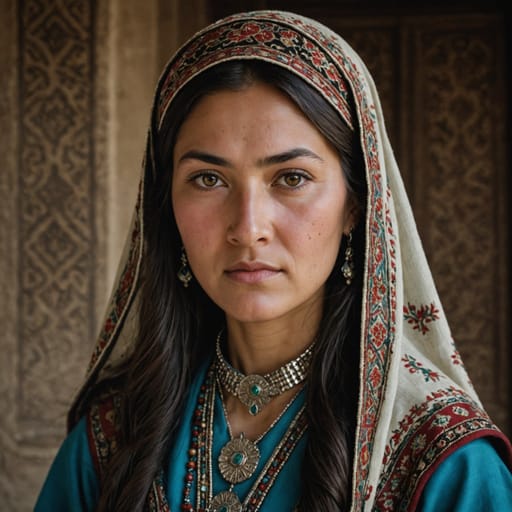
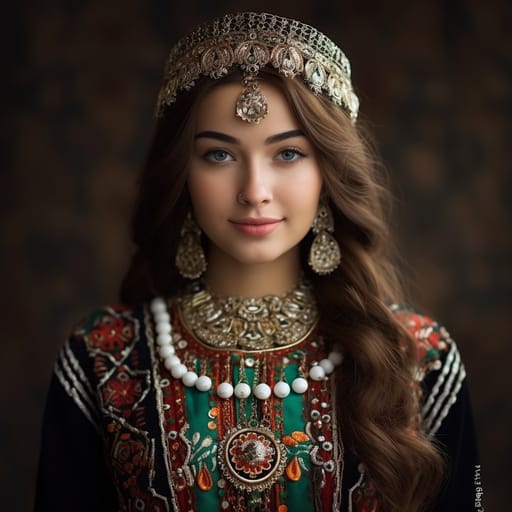
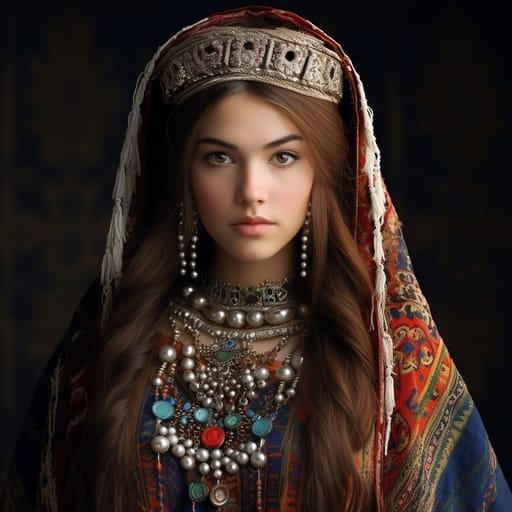
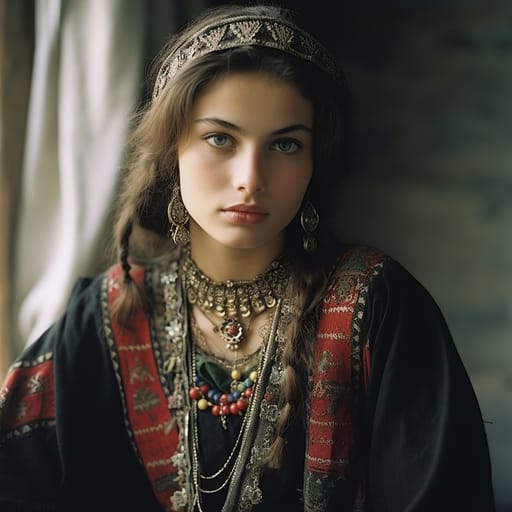
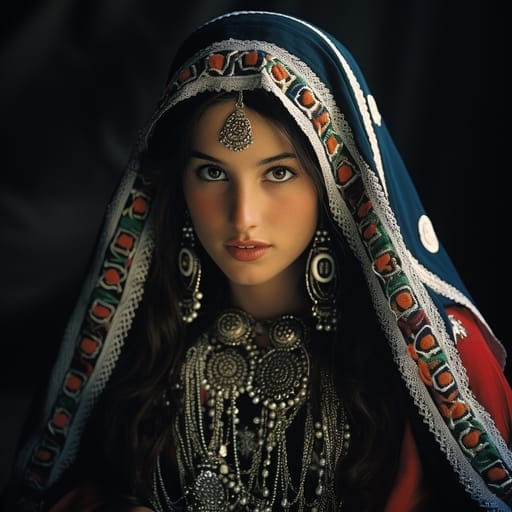
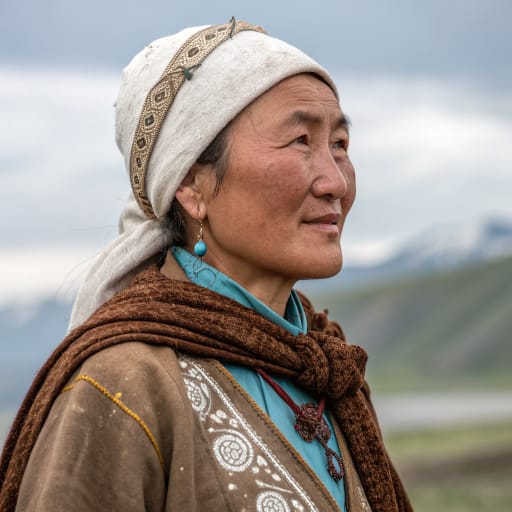
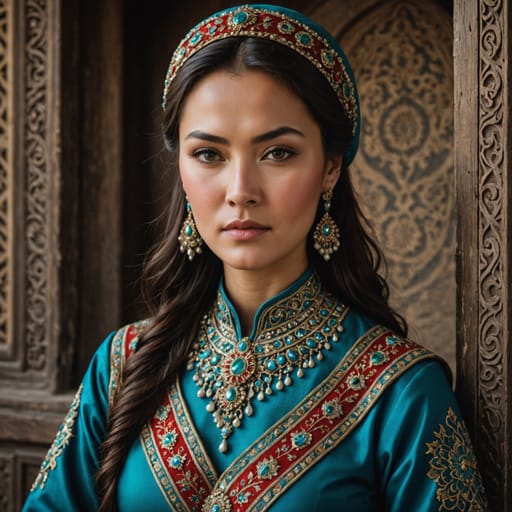
Typical Central Asian Arabs Phenotypes
Reference for AI generation: hair, eyes, skin, facial structure, build
Explore phenotype categories
Structured taxonomy with peer-reviewed scales · 22 anatomical categories
Erotic Poses & Sex Positions
From the pose catalog: 219 named positions with reference skeletons
Frequently asked questions about Central Asian Arabs people
Where is the Central Asian Arabs homeland?
The Central Asian Arabs homeland is Scattered villages in Uzbekistan (Bukhara and Kashkadarya regions), southern Tajikistan and northern Afghanistan (Balkh, Jowzjan and Kunduz) in Central Asia.
What language do Central Asian Arabs people speak?
Central Asian Arabs people primarily speak Mostly Uzbek (Turkic) and Tajik or Dari (Persian, Indo-Iranian); Central Asian Arabic (Semitic, Afro-Asiatic) survives among a small number of older speakers.
What religion do Central Asian Arabs people practice?
The predominant religion among Central Asian Arabs people is Sunni Islam, Hanafi school.






Make your own Central Asian Arabs images
Five a day, free, no credits to buy. The studio starts from this group's phenotype data, so you can set body type, pose and style and keep the traits accurate.
Start with Central Asian Arabs