Help us get this right
Does this portrait look right for Chigils?
Nobody has judged this one yet. You would be the first.
Chigils Erotic
Around Lake Issyk-Kul and the Talas valley in the Tian Shan and Semirechye, in present-day Kyrgyzstan and southern Kazakhstan.
Chigil dialect, recorded by Mahmud al-Kashgari; later Kara-Khanid Turkic (Turkic, generally placed in the Karluk branch)
Old Turkic worship of Tengri, later Sunni Islam under the Kara-Khanids from the 10th century.
Descended from the Chuyue (mixed Yueban and Western Turkic); part of the Karluk confederation; with the Yagma and Tukhsi, a core tribe of the Kara-Khanid Khanate.
About Chigils People
The Chigils were a Turkic tribe first recorded in the 7th century around Lake Issyk-Kul, in the Tian Shan highlands of present-day Kyrgyzstan. By the Mongol era they had merged into the wider Turkic population of the region, and they count among the ancestors of today's Turkic speakers in Kyrgyzstan, southern Kazakhstan and Xinjiang. What held them together as a group was a shared line of descent and a name that kept turning up across five centuries of steppe politics. That line ran back to the Chuyue, a people formed when Western Turkic clans mixed with the Yueban, the last of the northern Xiongnu, who had stayed behind in the western steppe. The Shatuo came from the same Chuyue stock. They moved east and founded short-lived dynasties in northern China. The Chigils stayed west, in the valleys around Issyk-Kul and toward the Talas River. They lived first under the Western Turkic Khaganate and later inside the loose Karluk confederation that took over Semirechye in the 8th century.
Their high point came with the Kara-Khanid Khanate. Together with the Yagma and Tukhsi, the Chigils were among the core tribes behind this dynasty. It adopted Islam in the 10th century, ruled from Kashgar and Balasagun, and took Bukhara from the Samanids in 999. Historians still argue over whether the ruling family itself was Chigil, Yagma or Karluk. Like their neighbors, the Chigils moved from the old steppe worship of Tengri to Sunni Islam when the dynasty converted. In the 1070s the scholar Mahmud al-Kashgari recorded features of Chigil speech in his dictionary of the Turkic dialects and noted that more than one place bore the name. The Qara Khitai conquered the region in the 12th century and the Mongols followed in the 13th, and after that the Chigils disappear from the record as a distinct people. The name outlived them in classical Persian poetry, where Chigil, like Yagma, became a stock term for Turkic good looks. That habit says more about Persian literary taste than about the tribe itself.
Related ethnic groups
Groups that share Chigils's homeland, region, language, or religious tradition. These are likely candidates for comparative phenotype reference.
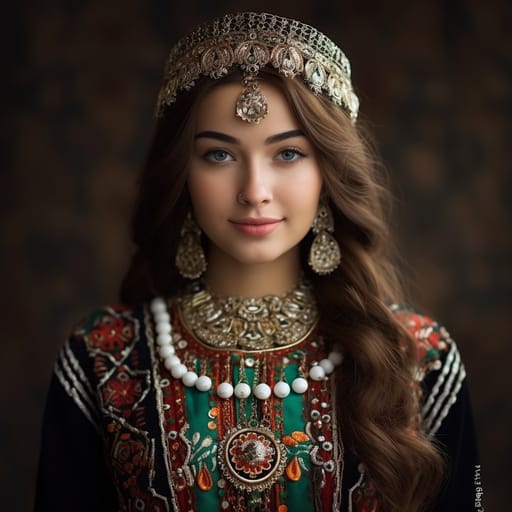
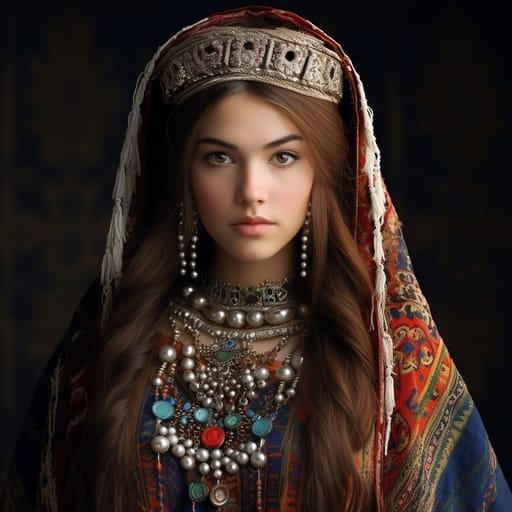
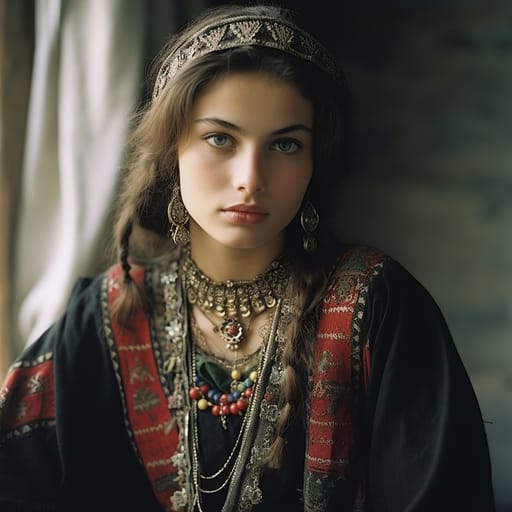
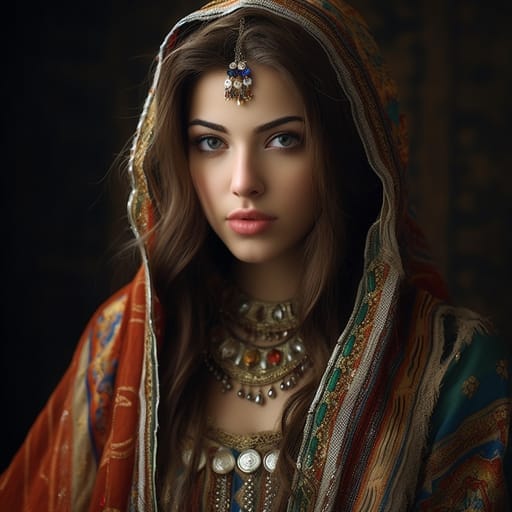
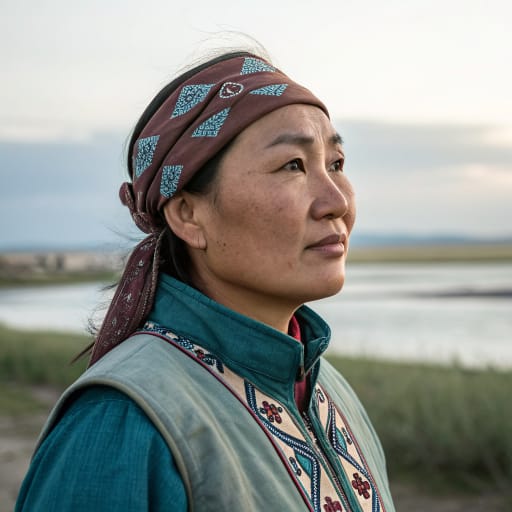
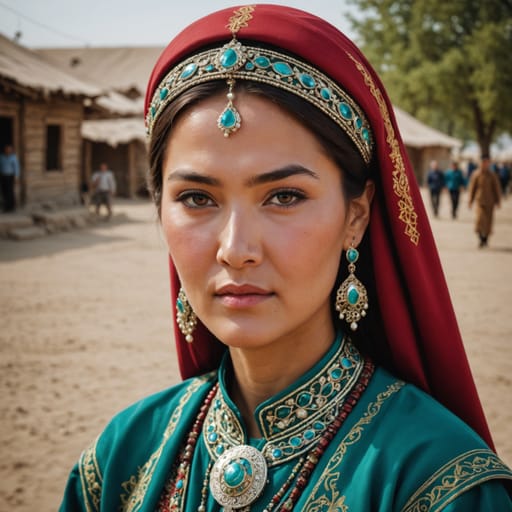
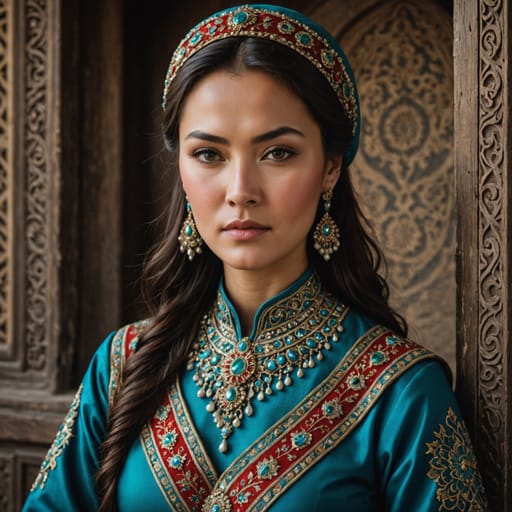
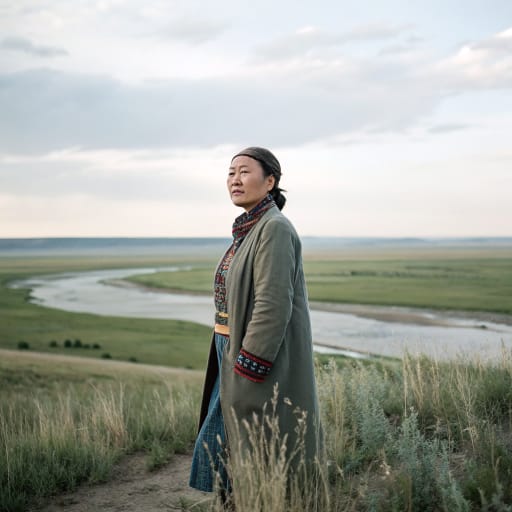
Typical Chigils Phenotypes
Reference for AI generation: hair, eyes, skin, facial structure, build
Explore phenotype categories
Structured taxonomy with peer-reviewed scales · 22 anatomical categories
Erotic Poses & Sex Positions
From the pose catalog: 219 named positions with reference skeletons
Frequently asked questions about Chigils people
Where is the Chigils homeland?
The Chigils homeland is Around Lake Issyk-Kul and the Talas valley in the Tian Shan and Semirechye, in present-day Kyrgyzstan and southern Kazakhstan. in Central Asia.
What language do Chigils people speak?
Chigils people primarily speak Chigil dialect, recorded by Mahmud al-Kashgari; later Kara-Khanid Turkic (Turkic, generally placed in the Karluk branch).
What religion do Chigils people practice?
The predominant religion among Chigils people is Old Turkic worship of Tengri, later Sunni Islam under the Kara-Khanids from the 10th century..






Make your own Chigils images
Five a day, free, no credits to buy. The studio starts from this group's phenotype data, so you can set body type, pose and style and keep the traits accurate.
Start with Chigils