No portrait yet
Bactrians Erotic
Bactria, between the Hindu Kush and the Amu Darya: present-day northern Afghanistan, southern Uzbekistan and southern Tajikistan, with its capital at Bactra (Balkh)
Bactrian (Eastern Iranian, Indo-European), written in Greek script from the Kushan era; Aramaic and Greek were also used in government
Iranian religion with Zoroastrian elements and worship of the Oxus river god and the goddess Nana; later Buddhism alongside Greek cults; Islam after the Arab conquest
Eastern Iranian peoples, closely linked to the Sogdians; later mixed with Greek settlers and with the Yuezhi, whose Kushan dynasty ruled Bactria
About Bactrians People
The Bactrians were an Eastern Iranian people who lived in Bactria, the irrigated plain between the Hindu Kush and the Amu Darya, from at least the first millennium BC until they were slowly absorbed into the Persian-speaking population of early Islamic Khorasan. Their descendants are now part of the Tajiks and neighboring peoples of northern Afghanistan, southern Uzbekistan and Tajikistan. A place and a language held them together: the river the Greeks called the Oxus, the old capital of Bactra (today's Balkh), and a language that outlasted almost every empire that claimed them. There were many such empires. Bactria was a prized province of the Achaemenid Persians, and Herodotus describes Bactrian troops in Xerxes' army carrying bows of cane and short spears. When Persia fell, Bessus, the Persian governor of Bactria, crowned himself king and kept fighting. Alexander spent some of his hardest years conquering the region and married the local noblewoman Roxana along the way. Greek settlers stayed and built the Greco-Bactrian kingdom. Its city at Ai-Khanoum had a theater, a gymnasium and moral sayings copied from Delphi. Around 130 BC the nomadic Yuezhi arrived from the east, and their Kushan dynasty ended up making Bactrian a language of state, writing it in Greek letters. The Rabatak inscription of the emperor Kanishka announces the change directly. Later sources call the region Tokharistan.
New religions were added on top of old ones rather than replacing them. People worshipped the Oxus itself, and a temple to the river god stood at Takht-i Sangin. The goddess Nana kept a lasting following, and Zoroastrian tradition links Balkh to the prophet Zoroaster. Buddhism thrived under the Kushans, and the great monastery at Balkh produced the Barmakid family. They converted to Islam after the Arab conquest and became powerful ministers to the Abbasid caliphs. The closest view of ordinary Bactrian life comes from a cache of documents written between the fourth and eighth centuries AD in the small mountain kingdom of Rob, in northern Afghanistan. It holds legal deeds, letters and a marriage contract in which one woman weds two brothers. Bactrian stopped being written not long after, though related Eastern Iranian languages such as Pashto and Munji are still spoken in the region. The two-humped camel still carries the Bactrian name around the world.
Related ethnic groups
Groups that share Bactrians's homeland, region, language, or religious tradition. These are likely candidates for comparative phenotype reference.
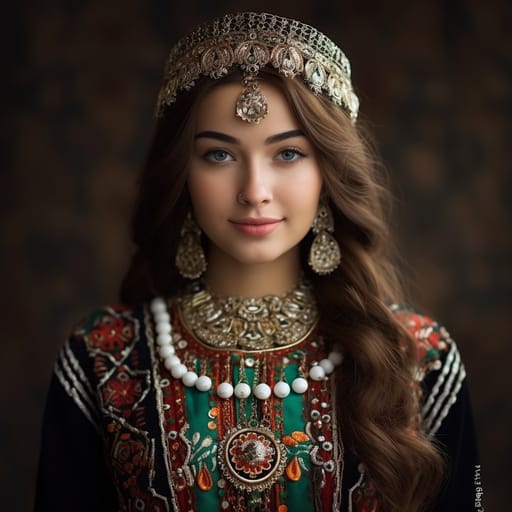
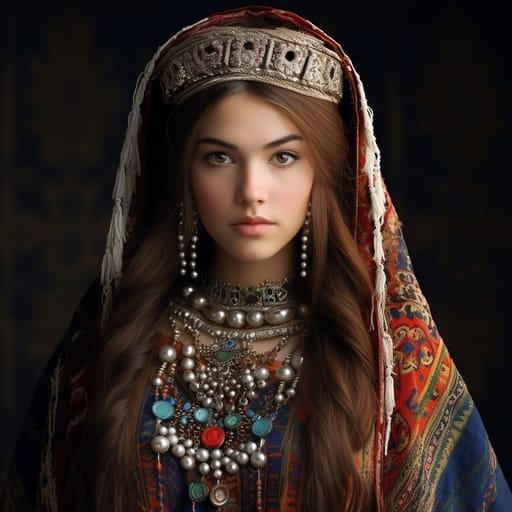
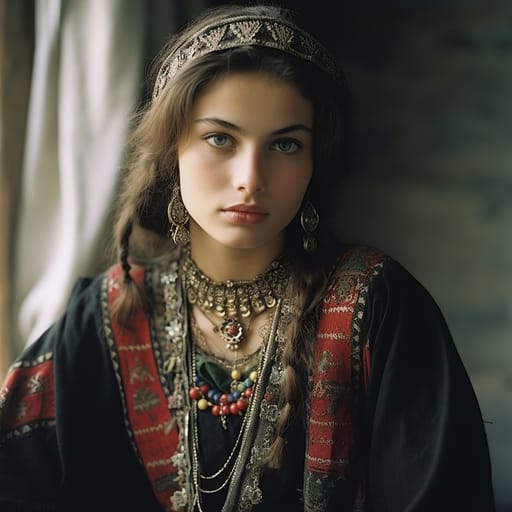
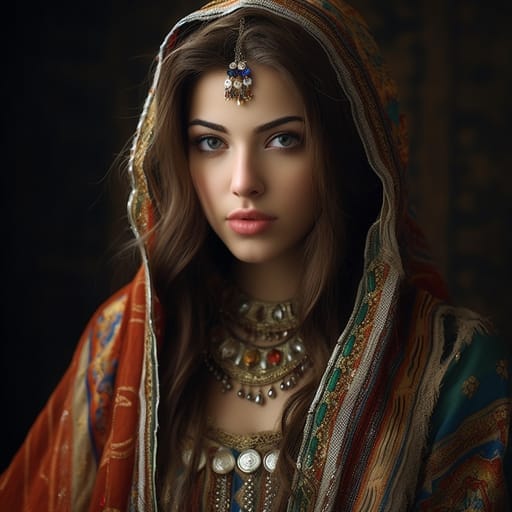
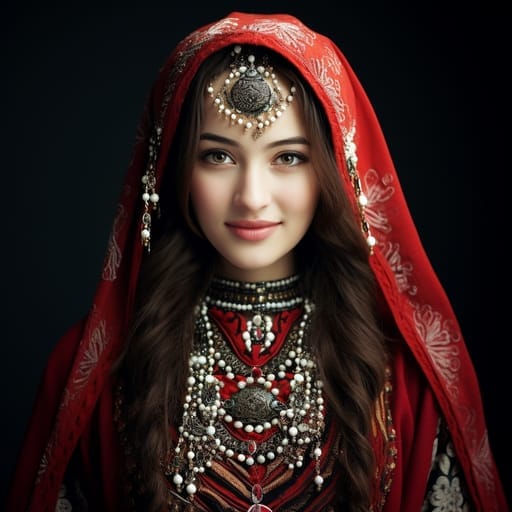
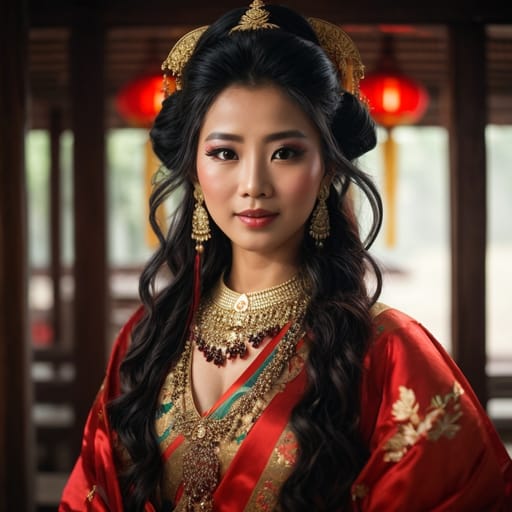
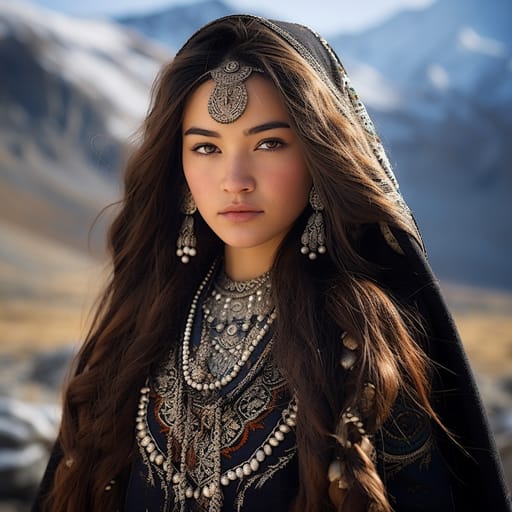
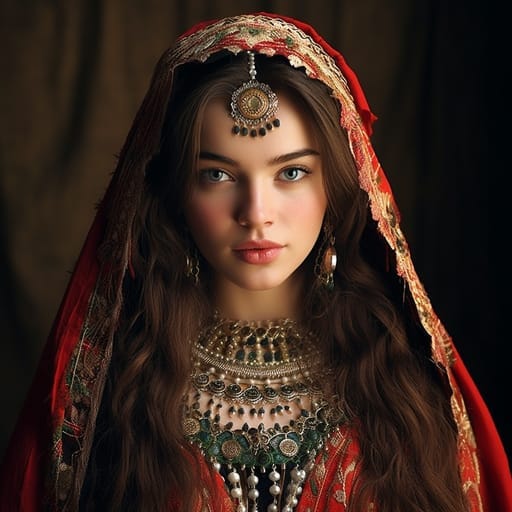
Typical Bactrians Phenotypes
Reference for AI generation: hair, eyes, skin, facial structure, build
Explore phenotype categories
Structured taxonomy with peer-reviewed scales · 22 anatomical categories
Erotic Poses & Sex Positions
From the pose catalog: 219 named positions with reference skeletons
Frequently asked questions about Bactrians people
Where is the Bactrians homeland?
The Bactrians homeland is Bactria, between the Hindu Kush and the Amu Darya: present-day northern Afghanistan, southern Uzbekistan and southern Tajikistan, with its capital at Bactra (Balkh) in Central Asia.
What language do Bactrians people speak?
Bactrians people primarily speak Bactrian (Eastern Iranian, Indo-European), written in Greek script from the Kushan era; Aramaic and Greek were also used in government.
What religion do Bactrians people practice?
The predominant religion among Bactrians people is Iranian religion with Zoroastrian elements and worship of the Oxus river god and the goddess Nana; later Buddhism alongside Greek cults; Islam after the Arab conquest.






Make your own Bactrians images
Five a day, free, no credits to buy. The studio starts from this group's phenotype data, so you can set body type, pose and style and keep the traits accurate.
Start with Bactrians