Help us get this right
Does this portrait look right for Kamenschiks?
Nobody has judged this one yet. You would be the first.
Kamenschiks Erotic
Upper Bukhtarma River valley in the southern Altai, East Kazakhstan Region, Kazakhstan; ancestral origins along the Kerzhenets River, Nizhny Novgorod region, Russia
Russian (East Slavic, Indo-European); Church Slavonic in worship
Old Believers (Old Rite Russian Orthodox Christianity)
A subgroup of Russians; Siberian Old Believers of Kerzhak origin, also called Bukhtarmans
About Kamenschiks People
The Kamenschiks are Russians with a very particular address. They descend from Old Believers, runaway peasants and fugitives from the state who, over the course of the 18th century, slipped into the upper valley of the Bukhtarma River in the southern Altai. It is a country of gorges and high ridges that no government then controlled in practice. Their name comes from kamen, "stone," the old Siberian Russian word for mountains. To live "in the stone" meant living beyond the reach of tax collectors, recruiting officers and the priests of the official church. After the river, they are also called Bukhtarmans.
Their roots run back to the forests along the Kerzhenets River in the Nizhny Novgorod region. Hidden Old Believer hermitages there held out until the state broke them up under Peter the Great. The refugees carried east both their faith and a name: across Siberia, Old Believers of this stock are still called Kerzhaks. In the Altai they were joined by deserters and by workers who fled the imperial mines and smelters. Many were also drawn by the legend of Belovodye, a hidden land of free people and uncorrupted faith said to lie somewhere beyond the mountains. For decades the settlements lived off hunting, fishing, small fields and trade, and kept their existence as quiet as they could. In 1791 Catherine the Great pardoned them and brought them into the empire on unusual terms. They became tribute payers, the status normally given to Siberia's indigenous peoples, not to Russian peasants.
Faith organizes daily life. Old Believers reject the 17th-century church reforms of Patriarch Nikon. They cross themselves with two fingers and pray from pre-reform books in Church Slavonic. Traditionally they keep beards, avoid tobacco and set aside separate dishes for outsiders. They speak Russian, an East Slavic outpost in a region where the neighboring languages, Kazakh and Altai, are Turkic. The valley also gave them a distinctive living. Bukhtarma farmers became known for beekeeping and for raising maral deer, whose velvet antlers were sold into the Chinese medicine trade.
Soviet atheism and collectivization pressed hard on communities built around religious separateness. After 1991 the Bukhtarma valley ended up in independent Kazakhstan, and like much of the region's Russian population, many families have since moved to Russia. The name lives on as an identity that families carry on both sides of the border. Among the devout, the old rite is still practiced.
Related ethnic groups
Groups that share Kamenschiks's homeland, region, language, or religious tradition. These are likely candidates for comparative phenotype reference.
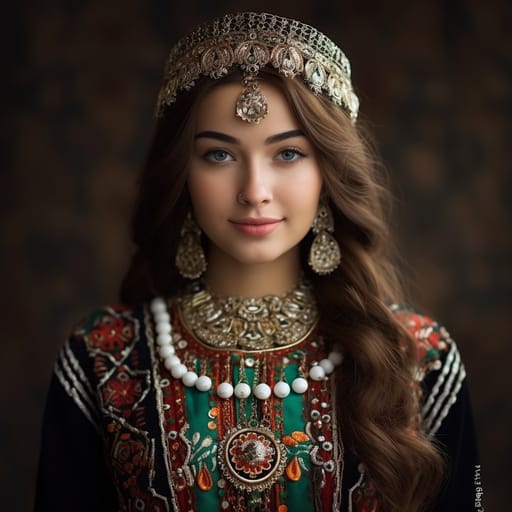
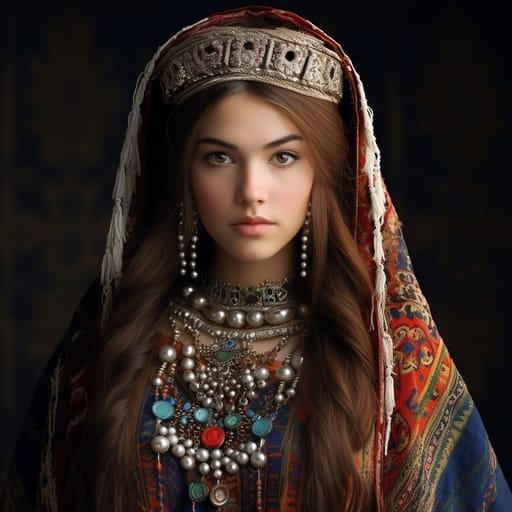
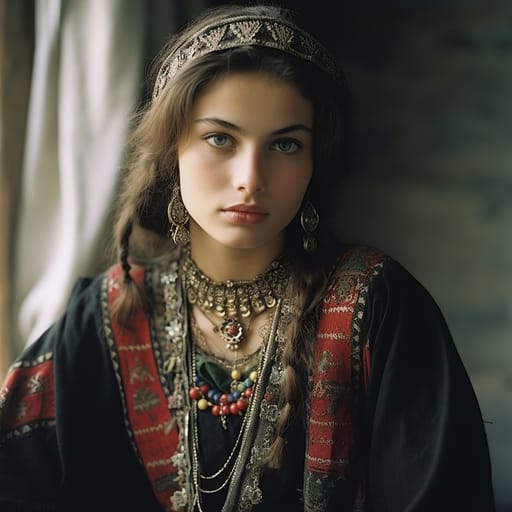
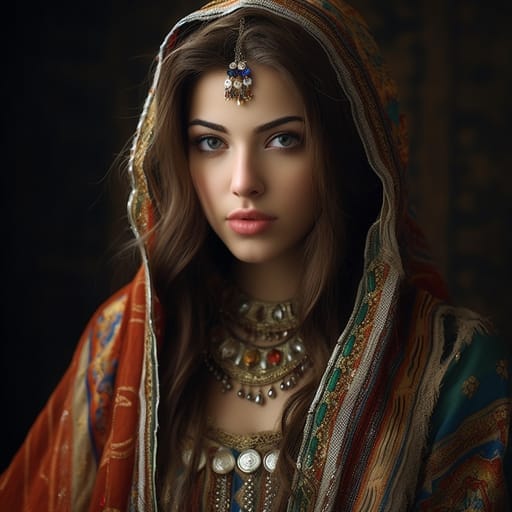
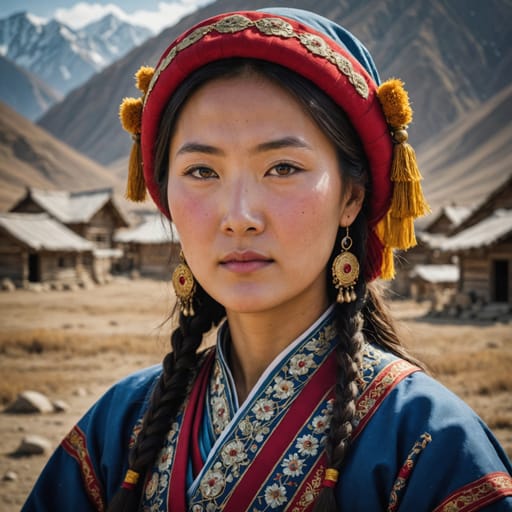
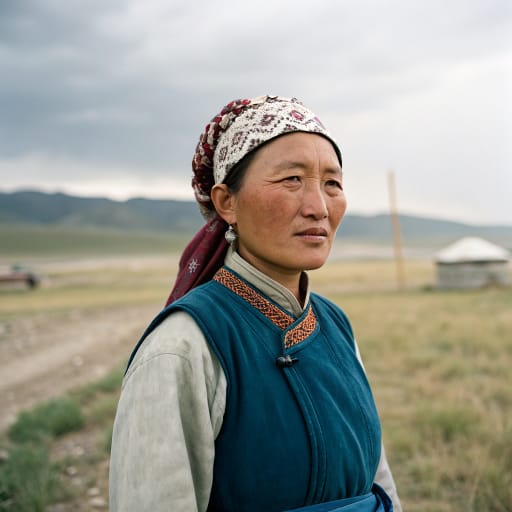
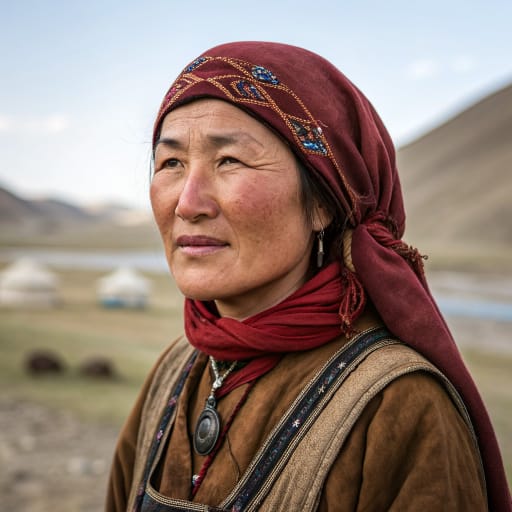
Typical Kamenschiks Phenotypes
Reference for AI generation: hair, eyes, skin, facial structure, build
Explore phenotype categories
Structured taxonomy with peer-reviewed scales · 22 anatomical categories
Erotic Poses & Sex Positions
From the pose catalog: 219 named positions with reference skeletons
Frequently asked questions about Kamenschiks people
Where is the Kamenschiks homeland?
The Kamenschiks homeland is Upper Bukhtarma River valley in the southern Altai, East Kazakhstan Region, Kazakhstan; ancestral origins along the Kerzhenets River, Nizhny Novgorod region, Russia in Central Asia.
What language do Kamenschiks people speak?
Kamenschiks people primarily speak Russian (East Slavic, Indo-European); Church Slavonic in worship.
What religion do Kamenschiks people practice?
The predominant religion among Kamenschiks people is Old Believers (Old Rite Russian Orthodox Christianity).






Make your own Kamenschiks images
Five a day, free, no credits to buy. The studio starts from this group's phenotype data, so you can set body type, pose and style and keep the traits accurate.
Start with Kamenschiks