Help us get this right
Does this portrait look right for Acjachemen?
One tap. It takes a second and it is recorded.
0 say it looks right, 1 says it looks off.
Acjachemen Erotic
Southern Orange County and northern San Diego County, California, United States, centered on San Juan Capistrano and the coast toward San Onofre
Juaneño, often classed as a dialect of Luiseño and now the focus of revival work (Uto-Aztecan: Takic, Cupan); English in daily life
Largely Catholic from the mission era, alongside traditional ceremonial practice rooted in the Chinigchinich religion
Historically village-based lineages; today represented by several bands, including the Juaneño Band of Mission Indians, Acjachemen Nation; counted among Southern California's Mission Indians and closely related to the Luiseño
About Acjachemen People
The Acjachemen are the people Spanish missionaries renamed after their own church. Once Franciscans founded Mission San Juan Capistrano in 1776, the villagers around it went into the records as Juaneños, and the label held for two centuries. Many descendants answer to both names today, but Acjachemen reaches further back, to a country of villages spread between the Santa Ana Mountains and the Pacific, across what is now southern Orange County and into the northern edge of San Diego County.
Village life ran on acorns, seeds, small game and shellfish, and was organized around lineages with hereditary leaders. The religious core was Chinigchinich, a lawgiver figure whose followers lived under strict codes, enforced in the telling by avenging creatures such as rattlesnakes and bears. Boys were initiated with toloache, a drink made from datura, and major rites took place inside a sacred brush enclosure. Much of what outsiders know comes from an odd witness: Father Gerónimo Boscana, a missionary at San Juan Capistrano, who wrote down elders' accounts in the 1820s even as the mission worked to replace the faith he described. The mission years brought disease, forced labor and sudden loss. When the great stone church collapsed in the earthquake of 1812, it killed about forty Native worshippers at Mass.
The language belongs to the Cupan group of the Takic branch of Uto-Aztecan. It sits so close to Luiseño, spoken just to the south, that linguists often treat the two as dialects of one tongue. The Tongva language to the north is a more distant Takic relative. Juaneño fell out of everyday use by the twentieth century, and revival work now leans on mission records and the notes of early linguists.
The land still anchors who they are. Panhe, an old village and burial site near San Onofre, remains a place for ceremony, and in 2008 Acjachemen families joined surfers and environmentalists in defeating a toll road planned to run past it. Most Acjachemen are Catholic by heritage, with generations buried at the mission, and many also keep traditional songs and ceremonies going. Several organizations claim to speak for the people. That split complicated their long bid for federal acknowledgment, which the Bureau of Indian Affairs declined in 2011. Recognized or not, many families still live in and around San Juan Capistrano, within sight of the mission that renamed them.
Related ethnic groups
Groups that share Acjachemen's homeland, region, language, or religious tradition. These are likely candidates for comparative phenotype reference.


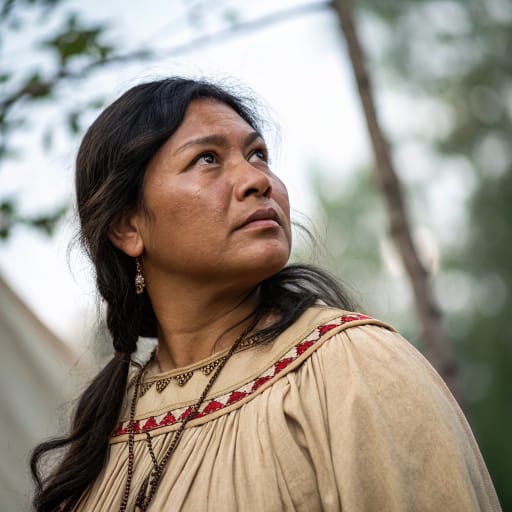
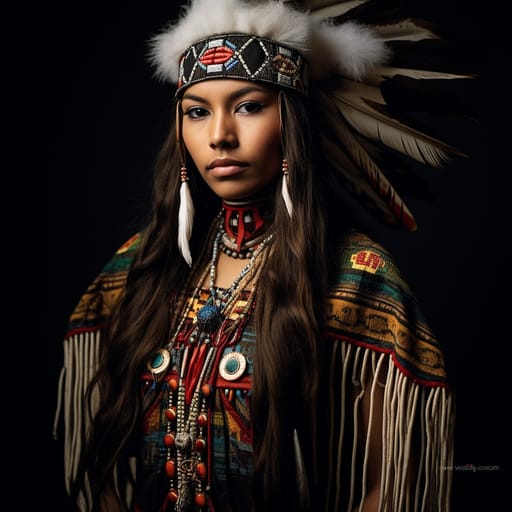
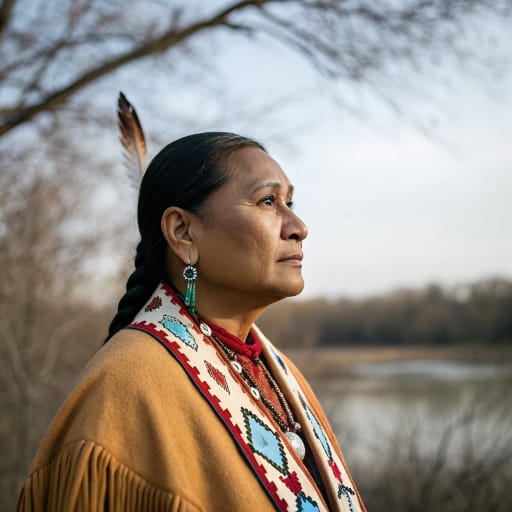
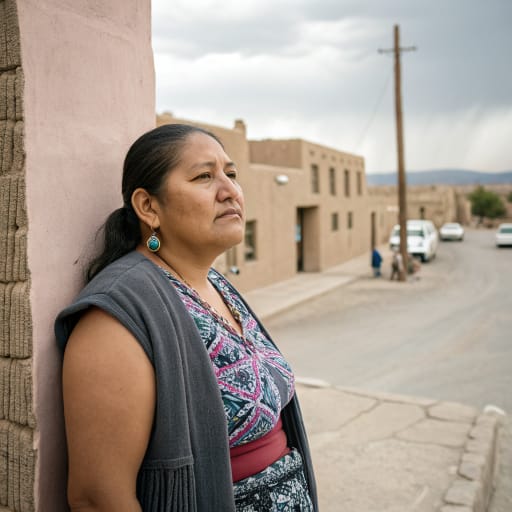
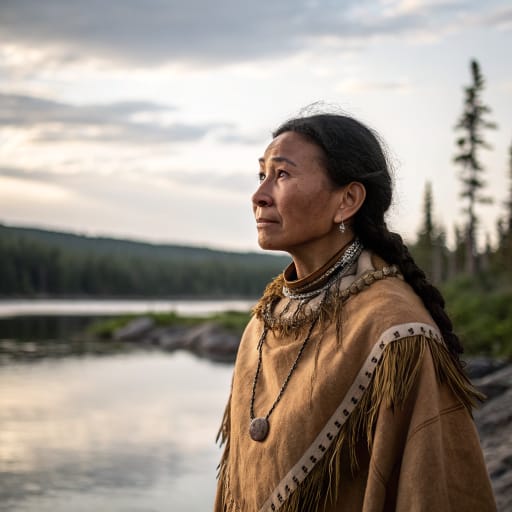
Typical Acjachemen Phenotypes
Reference for AI generation: hair, eyes, skin, facial structure, build
Acjachemen Body & Anatomy Reference
Anatomy by feature, Indigenous Northern American / Algonquian-Iroquoian phenotype
Acjachemen Boobs & Breasts
The typical Acjachemen bust is medium cup, moderate projection, in line with the wider Indigenous Northern American / Algonquian-Iroquoian pattern. Areolas usually fall in the 30-44mm range, with medium-brown areolar pigmentation against the copper-to-medium-brown skin tone. Compared with the smaller East Asian bust, Acjachemen breasts sit forward and are generally full and moderate projection. A faithful AI render of Acjachemen tits keeps that shape and areola size.
Acjachemen Ass & Hips
Butt shape among Acjachemen women: medium, moderate-to-full projection, over medium iliac crests. This follows Indigenous Northern American / Algonquian-Iroquoian ancestry and looks quite unlike the slim East Asian narrow-hip profile. An accurate Acjachemen ass in adult AI imagery keeps both the silhouette and the overall build (mesomorph, broader frame in northern Indigenous populations) instead of a generic average.
Acjachemen Vagina & Pussy
Vulvar anatomy among Acjachemen women: medium-brown labial pigmentation. Pubic hair tends to be straight medium-coarse texture, in the usual inverted-triangle pattern. Both follow Indigenous Northern American / Algonquian-Iroquoian pigmentation, which is why Acjachemen pussy renders should not fall back on a pale, sparse Western template.
Acjachemen Dicks & Penis
The Acjachemen cock profile, from Indigenous Northern American / Algonquian-Iroquoian anthropometric data: regional mean ~13cm erect; moderate girth; medium-brown shaft pigmentation. Pubic hair has a straight medium-coarse texture and forms the usual inverted-V pattern. Whether Acjachemen men are circumcised follows religious and cultural practice rather than phenotype.
Acjachemen Body, Curves & Build
Build and curves among Acjachemen women follow the Indigenous Northern American / Algonquian-Iroquoian pattern: mesomorph, broader frame in northern Indigenous populations, mean adult female BMI 25-28. Proportions matter as much as skin tone, so Acjachemen figures should keep their regional height and limb ratios.
Acjachemen Skin Tone & Hair Texture
The Acjachemen skin range is copper to medium-brown (Fitzpatrick III-V), and hair tends to be straight 1A, dark-brown to black, often thick and dense. That combination marks the Indigenous Northern American / Algonquian-Iroquoian phenotype, and skin tone is the trait AI generators most often get wrong for Acjachemen women.
Explore phenotype categories
Structured taxonomy with peer-reviewed scales · 22 anatomical categories
Erotic Poses & Sex Positions
From the pose catalog: 219 named positions with reference skeletons
Frequently asked questions about Acjachemen people
Where is the Acjachemen homeland?
The Acjachemen homeland is Southern Orange County and northern San Diego County, California, United States, centered on San Juan Capistrano and the coast toward San Onofre in North America.
What language do Acjachemen people speak?
Acjachemen people primarily speak Juaneño, often classed as a dialect of Luiseño and now the focus of revival work (Uto-Aztecan: Takic, Cupan); English in daily life.
What religion do Acjachemen people practice?
The predominant religion among Acjachemen people is Largely Catholic from the mission era, alongside traditional ceremonial practice rooted in the Chinigchinich religion.






Make your own Acjachemen images
Five a day, free, no credits to buy. The studio starts from this group's phenotype data, so you can set body type, pose and style and keep the traits accurate.
Start with Acjachemen