No portrait yet
Saanich Erotic
Saanich Peninsula and southern Gulf Islands of British Columbia, Canada, with historic territory reaching into the San Juan Islands of Washington, United States
SENĆOŦEN, a dialect of Northern Straits Salish (Salishan); English (Indo-European)
Christianity, a legacy of 19th-century missions, alongside Coast Salish longhouse spirituality and winter spirit dancing
Tsartlip, Tsawout, Tseycum and Pauquachin First Nations, often with Malahat. Part of the Northern Straits Salish division of the Coast Salish.
About Saanich People
The Saanich call themselves W̱SÁNEĆ, usually rendered as "the emerging people," and the name carries a story. During a great flood, the people tied their canoes with cedar rope to the top of ȽÁU,WELṈEW̱, the hill settlers renamed Mount Newton. When the water fell, someone saw land rising and called out that W̱SÁNEĆ was emerging. That hill still overlooks the Saanich Peninsula north of Victoria, on southern Vancouver Island, where the Tsartlip, Tsawout, Tseycum and Pauquachin First Nations hold their reserves. Malahat, across Saanich Inlet, is often counted with them.
They are Coast Salish. Their language, SENĆOŦEN, is a dialect of Northern Straits Salish, which they share with the Lekwungen around Victoria and the Lummi and Samish in Washington. The way it is written was worked out locally: in the 1970s the Saanich elder Dave Elliott Sr. built an alphabet that could be typed on an ordinary typewriter. It uses mostly capital letters and a comma for the glottal stop. Residential and day schools left few first-language speakers, and the W̱SÁNEĆ School Board now runs immersion classes to raise new ones.
The old economy followed the seasons across a territory of islands. Families traveled by canoe to the Gulf Islands and the San Juans for camas, clams and, above all, summer sockeye. They caught the salmon with the reef net, a Straits Salish technology: a net slung between two canoes over lines rigged to mimic a reef, steering salmon up into the mesh. The best reef net sites belonged to particular families. The year ran in thirteen moons, each named for what the land and water were doing.
Two outside events reshaped that world. In 1852 Saanich leaders signed two of the Douglas Treaties with James Douglas of the Hudson's Bay Company. The English text describes a land surrender. Saanich accounts say the chiefs understood it as a peace agreement, and that the wording was added later to pages already bearing their marks. Then in 1872 the international boundary was fixed through the islands, leaving many reef net sites on the American side. Still, the treaty's promise that the Saanich could hunt and fish "as formerly" has held up. The Tsawout used it to stop a marina at Saanichton Bay in the late 1980s. In 2006, in R. v. Morris, the Supreme Court of Canada sided with two Tsartlip men charged with hunting at night.
Today the reserves sit right against the suburbs of Greater Victoria. Many Saanich are Christian, a legacy of nineteenth-century missions, while the winter longhouse season and its spirit dancing carry on beside the church. In recent years Saanich fishers have rebuilt a reef net and fished with it again, the first in generations, which says a good deal about where the community is looking.
Related ethnic groups
Groups that share Saanich's homeland, region, language, or religious tradition. These are likely candidates for comparative phenotype reference.
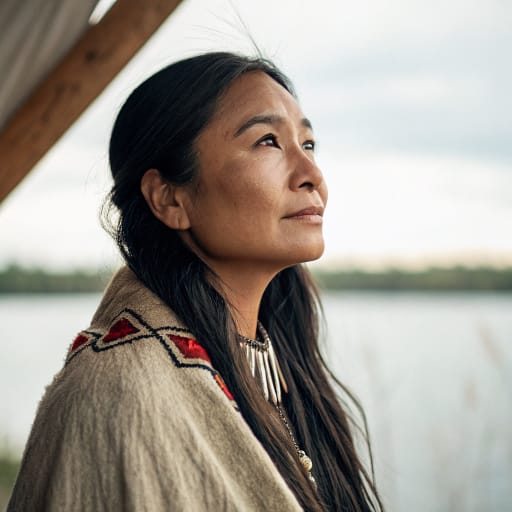
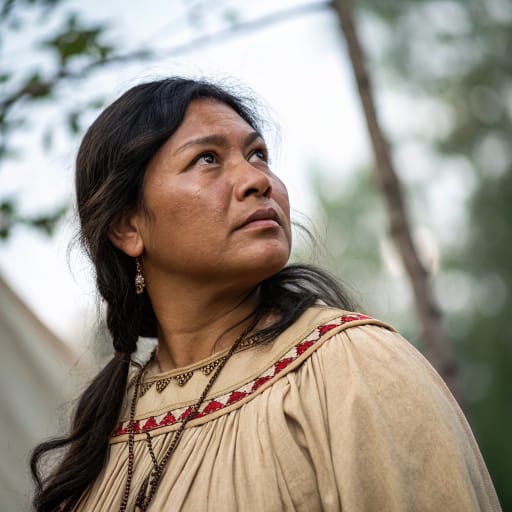
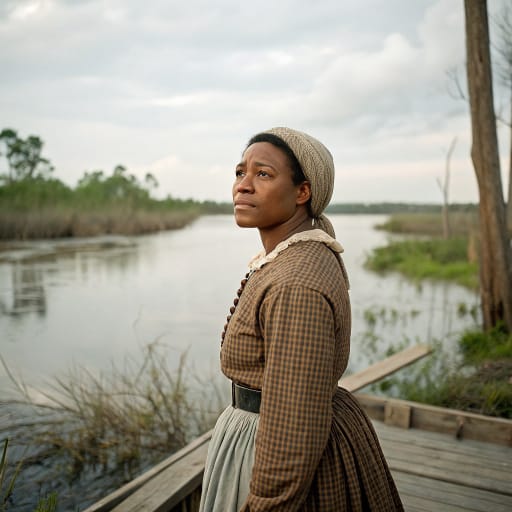
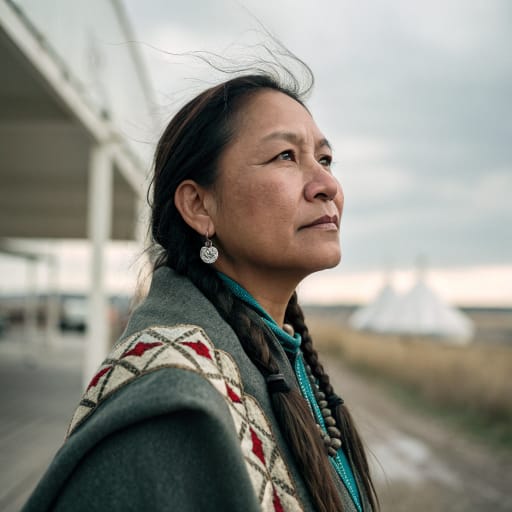
Typical Saanich Phenotypes
Reference for AI generation: hair, eyes, skin, facial structure, build
Saanich Body & Anatomy Reference
Anatomy by feature, Indigenous Northern American / Algonquian-Iroquoian phenotype
Saanich Boobs & Breasts
The typical Saanich bust is medium cup, moderate projection, in line with the wider Indigenous Northern American / Algonquian-Iroquoian pattern. Areolas usually fall in the 30-44mm range, with medium-brown areolar pigmentation against the copper-to-medium-brown skin tone. Compared with the smaller East Asian bust, Saanich breasts sit forward and are generally full and moderate projection. A faithful AI render of Saanich tits keeps that shape and areola size.
Saanich Ass & Hips
Butt shape among Saanich women: medium, moderate-to-full projection, over medium iliac crests. This follows Indigenous Northern American / Algonquian-Iroquoian ancestry and looks quite unlike the slim East Asian narrow-hip profile. An accurate Saanich ass in adult AI imagery keeps both the silhouette and the overall build (mesomorph, broader frame in northern Indigenous populations) instead of a generic average.
Saanich Vagina & Pussy
Vulvar anatomy among Saanich women: medium-brown labial pigmentation. Pubic hair tends to be straight medium-coarse texture, in the usual inverted-triangle pattern. Both follow Indigenous Northern American / Algonquian-Iroquoian pigmentation, which is why Saanich pussy renders should not fall back on a pale, sparse Western template.
Saanich Dicks & Penis
The Saanich cock profile, from Indigenous Northern American / Algonquian-Iroquoian anthropometric data: regional mean ~13cm erect; moderate girth; medium-brown shaft pigmentation. Pubic hair has a straight medium-coarse texture and forms the usual inverted-V pattern. Whether Saanich men are circumcised follows religious and cultural practice rather than phenotype.
Saanich Body, Curves & Build
Build and curves among Saanich women follow the Indigenous Northern American / Algonquian-Iroquoian pattern: mesomorph, broader frame in northern Indigenous populations, mean adult female BMI 25-28. Proportions matter as much as skin tone, so Saanich figures should keep their regional height and limb ratios.
Saanich Skin Tone & Hair Texture
The Saanich skin range is copper to medium-brown (Fitzpatrick III-V), and hair tends to be straight 1A, dark-brown to black, often thick and dense. That combination marks the Indigenous Northern American / Algonquian-Iroquoian phenotype, and skin tone is the trait AI generators most often get wrong for Saanich women.
Explore phenotype categories
Structured taxonomy with peer-reviewed scales · 22 anatomical categories
Erotic Poses & Sex Positions
From the pose catalog: 219 named positions with reference skeletons
Frequently asked questions about Saanich people
Where is the Saanich homeland?
The Saanich homeland is Saanich Peninsula and southern Gulf Islands of British Columbia, Canada, with historic territory reaching into the San Juan Islands of Washington, United States in North America.
What language do Saanich people speak?
Saanich people primarily speak SENĆOŦEN, a dialect of Northern Straits Salish (Salishan); English (Indo-European).
What religion do Saanich people practice?
The predominant religion among Saanich people is Christianity, a legacy of 19th-century missions, alongside Coast Salish longhouse spirituality and winter spirit dancing.






Make your own Saanich images
Five a day, free, no credits to buy. The studio starts from this group's phenotype data, so you can set body type, pose and style and keep the traits accurate.
Start with Saanich