Help us get this right
Does this portrait look right for Nicola Athapaskans?
One tap. It takes a second and it is recorded.
1 says it looks right, 0 say it looks off.
Nicola Athapaskans Erotic
Nicola Valley and upper Similkameen Valley in the southern interior of British Columbia, Canada, around Nicola Lake and present-day Merritt.
Nicola (Athabaskan, Na-Dene), extinct around 1900 and closely related to Tsilhqot'in. Descendants speak Nlaka'pamuctsin and Nsyilxcen (both Interior Salish) and English.
Traditional Plateau Indigenous beliefs, little documented for this group specifically.
Northern Athabaskan (Dene) speakers, closest to the Tsilhqot'in; absorbed into the Scw'exmx (Nlaka'pamux) and Spaxomin (Syilx) of the Nicola Valley.
About Nicola Athapaskans People
The Nicola Athapaskans, known to their neighbors as the Stuwix, were a small Athabaskan speaking people who lived in the Nicola and upper Similkameen valleys of what is now south-central British Columbia until the nineteenth century, when they were absorbed into the Nlaka'pamux and Syilx (Okanagan) communities around them. Their language went silent around 1900. Their descendants are still there, counted among the First Nations of the Nicola Valley.
What made them a people apart was speech. Every neighbor they had spoke an Interior Salish language. The Stuwix spoke a Dene language whose closest relatives sat far to the north, among the Tsilhqot'in and Dakelh. The name that stuck to them makes the point: Stuwix is a Nlaka'pamux word usually translated as "strangers." How they came to be there is unsettled. A tradition recorded in the 1890s says they descended from a Tsilhqot'in war party that came south, stayed, and married locally. Other accounts from the same period held that they had been in the valley much longer. The surviving evidence cannot referee. It amounts to a few short word lists, many of them gathered by James Teit, the Shetland-born ethnographer living at Spences Bridge, from elderly people who remembered fragments. What those lists show is a language close to Tsilhqot'in, close enough that some linguists suspect a dialect rather than a separate tongue.
Their country is dry grassland and open pine forest in the rain shadow of the coastal mountains, centered on Nicola Lake and the site of present-day Merritt. They lived as Plateau peoples did, hunting deer and other game, fishing, digging roots and picking berries on a seasonal round. Never numerous, they were pressed from two sides as Nlaka'pamux families moved up from the Thompson River and Syilx families moved in from the Okanagan. Intermarriage did the rest. Within a few generations the children spoke Salish, and the Athabaskan language survived only in the memories of grandparents.
The legacy is a matter of ancestry and a slightly confusing name. Today "Nicola people" refers to the alliance of the Scw'exmx, the Nlaka'pamux of the valley, and the Spaxomin, the Syilx of the Upper Nicola around Douglas Lake. Stuwix ancestry runs through both. The valley's name does not come from them at all: it honors Nkwala, a Syilx chief of the early nineteenth century whom fur traders called Nicolas.
Related ethnic groups
Groups that share Nicola Athapaskans's homeland, region, language, or religious tradition. These are likely candidates for comparative phenotype reference.
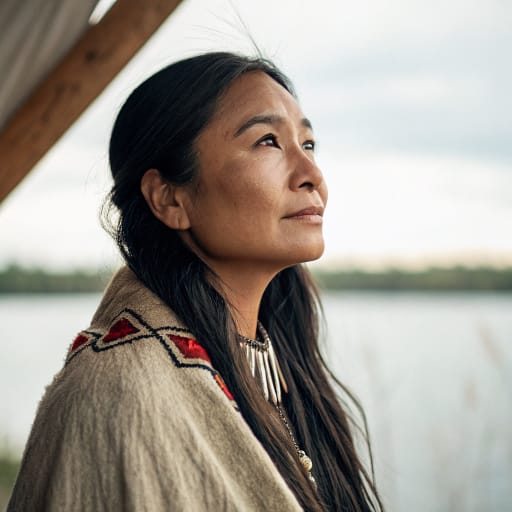
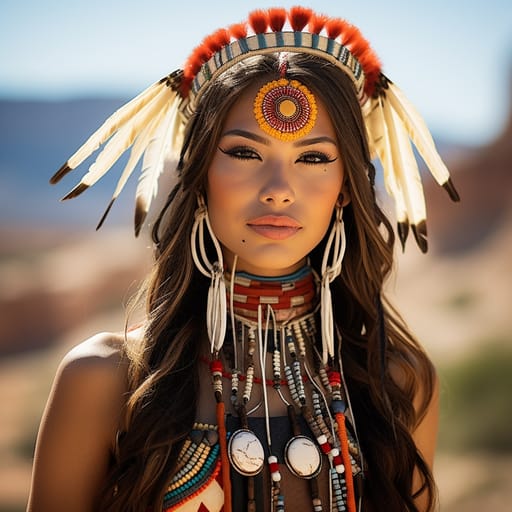
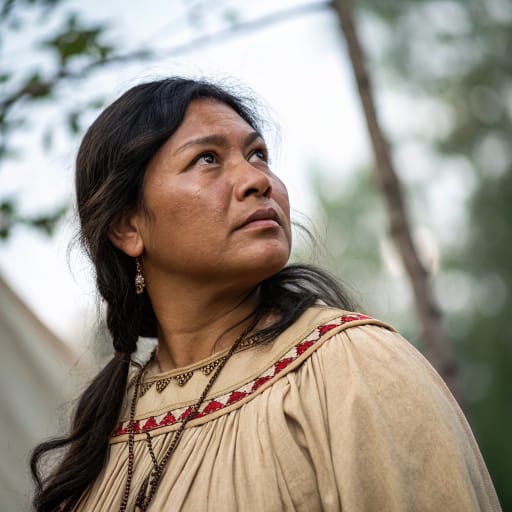
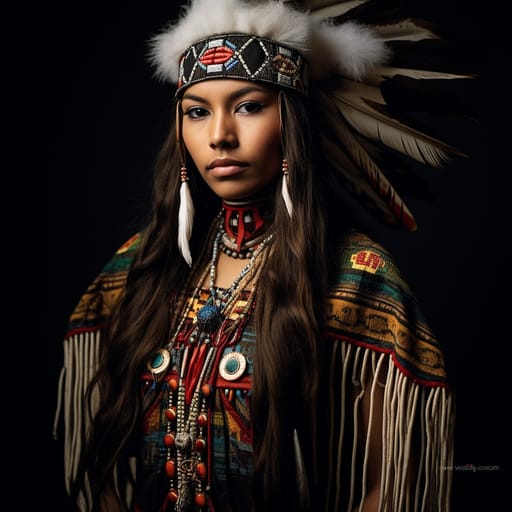
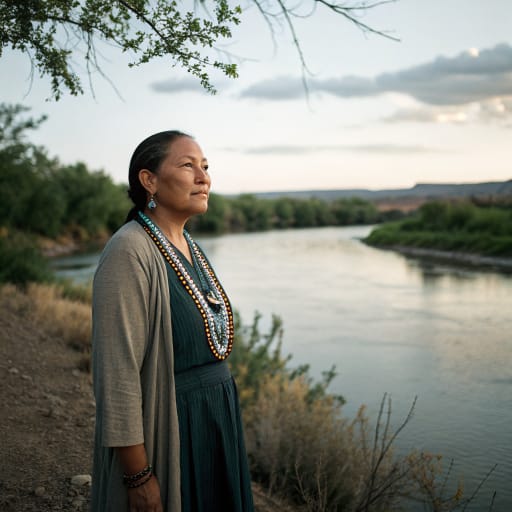
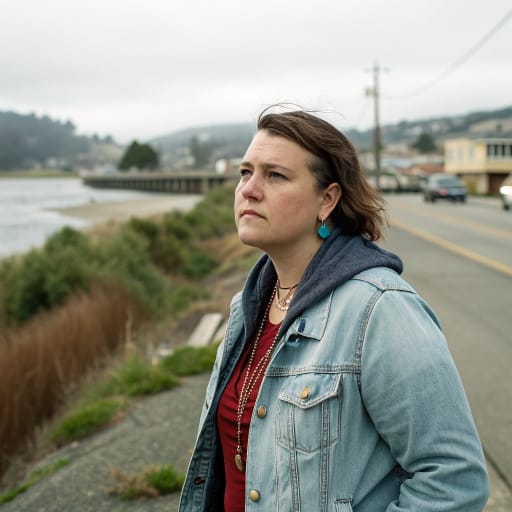
Typical Nicola Athapaskans Phenotypes
Reference for AI generation: hair, eyes, skin, facial structure, build
Nicola Athapaskans Body & Anatomy Reference
Anatomy by feature, Indigenous Northern American / Algonquian-Iroquoian phenotype
Nicola Athapaskans Boobs & Breasts
Bust reference for Nicola Athapaskans women: medium cup, moderate projection, which is typical of Indigenous Northern American / Algonquian-Iroquoian ancestry. Areolas measure about 30-44mm across, with medium-brown pigmentation. Body type (mesomorph, broader frame in northern Indigenous populations) shapes the bust as well, so Nicola Athapaskans tits are usually full and moderate projection. In AI imagery, keep the forward-set shape rather than drifting toward the smaller East Asian bust.
Nicola Athapaskans Ass & Hips
The Nicola Athapaskans ass is typically medium, moderate-to-full projection, which sets it apart from the slim East Asian narrow-hip profile. Underneath, the pelvis shows medium iliac crests, part of the Indigenous Northern American / Algonquian-Iroquoian skeletal pattern. For Nicola Athapaskans butt pics and AI renders, match that silhouette and the overall build (mesomorph, broader frame in northern Indigenous populations).
Nicola Athapaskans Vagina & Pussy
Nicola Athapaskans pussy and vulvar anatomy presents medium-brown labial pigmentation, consistent with the Indigenous Northern American / Algonquian-Iroquoian phenotype's pigmentation pattern. Nicola Athapaskans pubic hair is typically straight medium-coarse texture, in the inverted-triangle pattern. For anatomically accurate Nicola Athapaskans pussy renders the labial coloration should match the surrounding copper to medium-brown skin tone with a continuous gradient, and the hair should keep its straight medium-coarse texture.
Nicola Athapaskans Dicks & Penis
Nicola Athapaskans dicks follow the Indigenous Northern American / Algonquian-Iroquoian reference data: regional mean ~13cm erect; moderate girth; medium-brown shaft pigmentation. Shaft color should track the copper to medium-brown skin tone with a smooth change toward the glans, and Nicola Athapaskans pubic hair keeps its straight medium-coarse texture.
Nicola Athapaskans Body, Curves & Build
Nicola Athapaskans body type and overall build presents as mesomorph, broader frame in northern Indigenous populations, with mean adult female BMI 25-28: the characteristic Indigenous Northern American / Algonquian-Iroquoian habitus. Nicola Athapaskans curves and proportions should keep the regional skeletal frame (height, shoulder-to-hip ratio, limb proportions) rather than a generic mesomorph default.
Nicola Athapaskans Skin Tone & Hair Texture
Nicola Athapaskans skin sits in the copper to medium-brown (Fitzpatrick III-V) band. Hair is typically straight 1A, dark-brown to black, often thick and dense, in keeping with the Indigenous Northern American / Algonquian-Iroquoian phenotype. In nude renders the skin should stay one even tone from face to body, and body, pubic and head hair should match.
Explore phenotype categories
Structured taxonomy with peer-reviewed scales · 22 anatomical categories
Erotic Poses & Sex Positions
From the pose catalog: 219 named positions with reference skeletons
Frequently asked questions about Nicola Athapaskans people
Where is the Nicola Athapaskans homeland?
The Nicola Athapaskans homeland is Nicola Valley and upper Similkameen Valley in the southern interior of British Columbia, Canada, around Nicola Lake and present-day Merritt. in North America.
What language do Nicola Athapaskans people speak?
Nicola Athapaskans people primarily speak Nicola (Athabaskan, Na-Dene), extinct around 1900 and closely related to Tsilhqot'in. Descendants speak Nlaka'pamuctsin and Nsyilxcen (both Interior Salish) and English..
What religion do Nicola Athapaskans people practice?
The predominant religion among Nicola Athapaskans people is Traditional Plateau Indigenous beliefs, little documented for this group specifically..






Make your own Nicola Athapaskans images
Five a day, free, no credits to buy. The studio starts from this group's phenotype data, so you can set body type, pose and style and keep the traits accurate.
Start with Nicola Athapaskans