No portrait yet
Algonquin Erotic
Ottawa River valley and its tributaries, western Quebec and eastern Ontario, Canada
Algonquin, Anicinàbemowin (Algonquian, closely related to Ojibwe); English and French
Roman Catholic majority alongside traditional Anishinaabe spirituality
Anishinaabe (Anicinàpe) family with the Ojibwe, Odawa, Potawatomi, Nipissing and Mississaugas; ten First Nations including Kitigan Zibi, Pikwakanagan, Timiskaming, Kebaowek, Barriere Lake, Lac Simon, Kitcisakik, Abitibiwinni, Long Point and Wolf Lake
About Algonquin People
Ask an Algonquin where home is and the answer is a river. The Kichi Sibi, the Ottawa River, drains a watershed that straddles the Quebec and Ontario border, and the Algonquin, who call themselves Omàmiwinini or more broadly Anicinàpe, have lived along it and its tributaries for as long as there have been people in that valley. The nation today is organized into ten federally recognized communities, nine in Quebec and one in Ontario, from Pikwakanagan near Golden Lake to Kitigan Zibi outside Maniwaki and the more remote settlements of Lac Simon, Kitcisakik and Barriere Lake. Canada's Parliament Buildings stand on land the Algonquin never signed away, which is why the Algonquins of Ontario land claim, covering most of the Ontario side of the watershed including the capital itself, remains one of the largest unresolved claims in the country.
The name causes constant confusion. Algonquian is a language family stretching from the Atlantic to the Rockies, Cree and Blackfoot and Mi'kmaq included, and it was named after this one people because French traders met them early. Their own language, Anicinàbemowin, is close enough to Ojibwe that linguists still argue over whether it is a dialect or a separate tongue. It is spoken most strongly in the Quebec communities and has thinned badly in Ontario, where English has taken over. Religion is layered rather than divided: Catholic missions arrived with the French in the seventeenth century and most Algonquins are at least nominally Catholic, but sweat lodges, drum ceremonies and traditional Anishinaabe teachings coexist with the church in the same families, often in the same person.
Two historical moments shaped everything since. In the early 1600s the Kichesipirini, the people of the great river based on Allumette Island, controlled the Ottawa route and charged tolls to canoes headed for the interior, which put them squarely in the fur trade wars with the Haudenosaunee and scattered them upriver. Then in the nineteenth century the square timber trade stripped the valley of its white pine and pushed the communities onto reserves. What survived is specific and unshowy: moose hunting on a seasonal round, birchbark canoe building that never fully died out, maple sugaring in spring, and a relationship with the bush that Barriere Lake's 1991 Trilateral Agreement tried to translate into law with only partial success. The Algonquin watched a national capital rise on their hunting grounds, and they are still, patiently and stubbornly, holding the government to account for it.
Related ethnic groups
Groups that share Algonquin's homeland, region, language, or religious tradition. These are likely candidates for comparative phenotype reference.
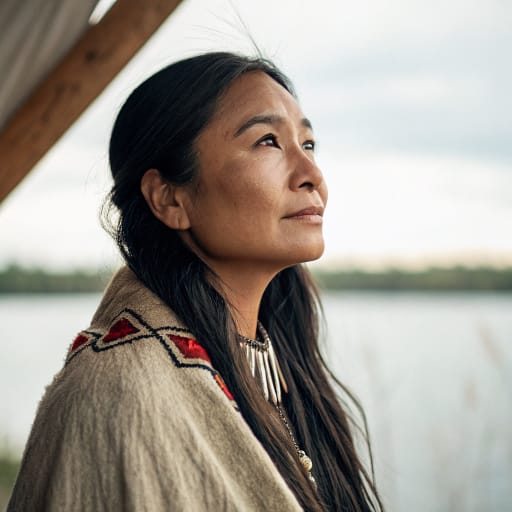
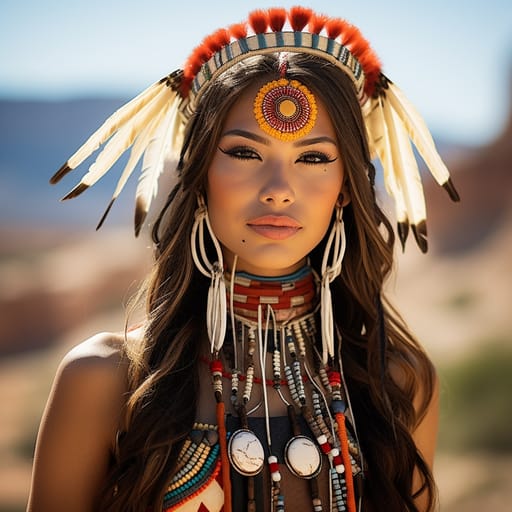
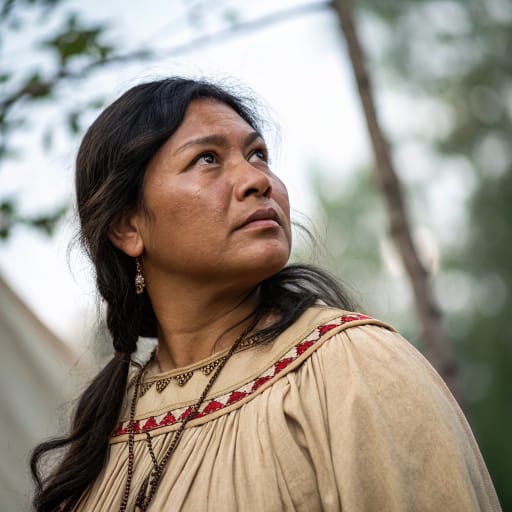
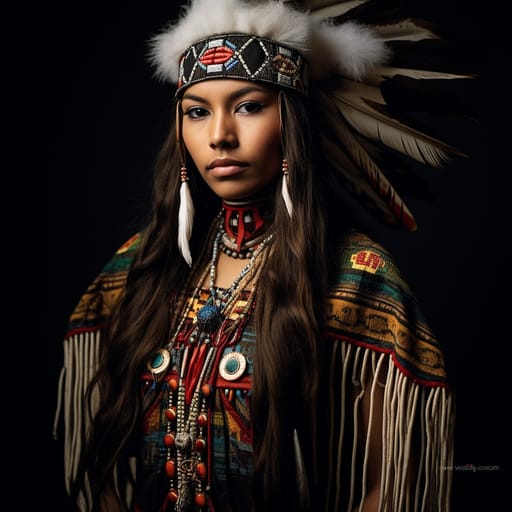
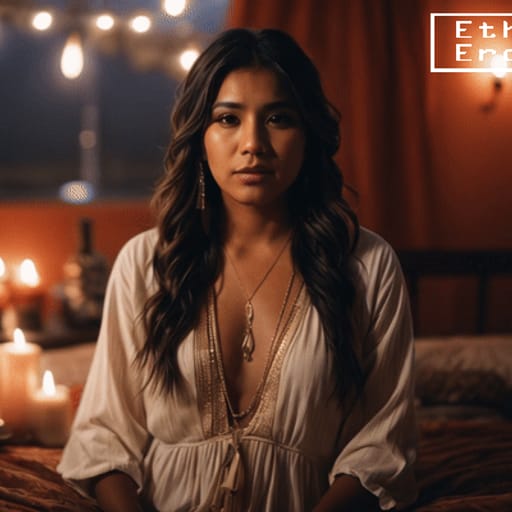
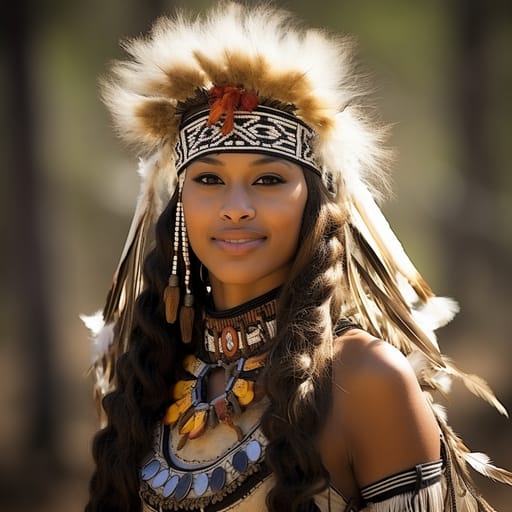
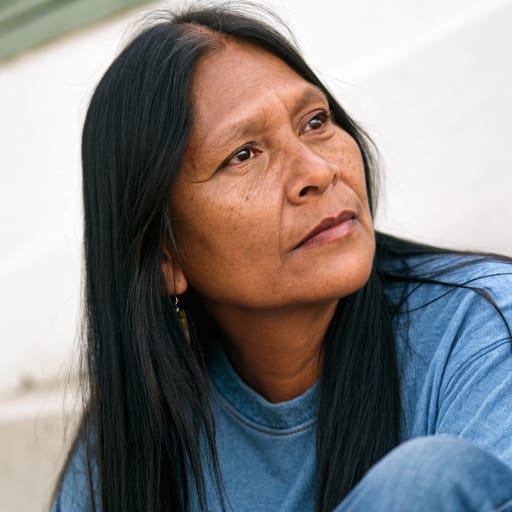
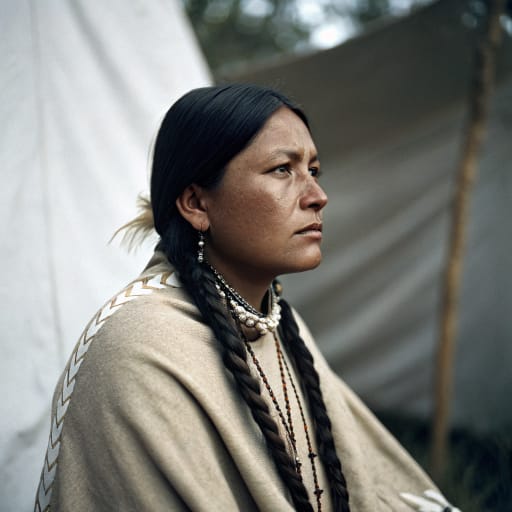
Typical Algonquin Phenotypes
Reference for AI generation: hair, eyes, skin, facial structure, build
Algonquin Body & Anatomy Reference
Per-feature anatomical profile for AI nude generation: Indigenous Northern American / Algonquian-Iroquoian phenotype
Algonquin Boobs & Breasts
Algonquin boobs follow the Indigenous Northern American / Algonquian-Iroquoian profile: medium cup, moderate projection. Areolar diameter is usually 30-44mm, and the coloring is medium-brown areolar pigmentation against the copper-to-medium-brown skin tone. Breast shape tracks body composition (mesomorph, broader frame in northern Indigenous populations, mean adult female BMI 25-28), so Algonquin breasts tend to be full and moderate projection. Expect a forward-set shape, not the smaller East Asian bust.
Algonquin Ass & Hips
Algonquin ass and hip morphology presents as medium, moderate-to-full projection, distinctly different from the slim East Asian narrow-hip profile. The Algonquin pelvic profile shows medium iliac crests, anchored in the Indigenous Northern American / Algonquian-Iroquoian skeletal pattern. Algonquin butt shots in adult AI imagery should render the medium, moderate-to-full projection silhouette with the overall build (mesomorph, broader frame in northern Indigenous populations) and the fat distribution typical of the Indigenous Northern American / Algonquian-Iroquoian phenotype.
Algonquin Vagina & Pussy
Algonquin pussy anatomy typically shows medium-brown labial pigmentation. Pubic hair is usually straight medium-coarse texture. In AI-generated Algonquin nudes, labial color should blend into the copper to medium-brown skin with a gradual transition, and the hair should keep its straight medium-coarse texture.
Algonquin Dicks & Penis
Penis reference for Algonquin men: regional mean ~13cm erect, moderate girth. Coloring: medium-brown shaft pigmentation. An accurate Algonquin cock in AI imagery matches the surrounding copper to medium-brown skin rather than a generic porn default. Circumcision depends on religion and custom, not ancestry.
Algonquin Body, Curves & Build
The Algonquin figure is generally mesomorph, broader frame in northern Indigenous populations, with mean adult female BMI 25-28, characteristic of Indigenous Northern American / Algonquian-Iroquoian ancestry. AI image tools tend to flatten regional body types into a few stock shapes; here the Algonquin build is kept as its own reference.
Algonquin Skin Tone & Hair Texture
Skin: copper to medium-brown (Fitzpatrick III-V). Hair: straight 1A, dark-brown to black, often thick and dense. Both are typical of Indigenous Northern American / Algonquian-Iroquoian ancestry. The most common mistake in AI nudes of Algonquin women is a body rendered lighter than the face.
Explore phenotype categories
Structured taxonomy with peer-reviewed scales · 22 anatomical categories
Erotic Poses & Sex Positions
From the pose catalog: 219 named positions with reference skeletons
Frequently asked questions about Algonquin people
Where is the Algonquin homeland?
The Algonquin homeland is Ottawa River valley and its tributaries, western Quebec and eastern Ontario, Canada in North America.
What language do Algonquin people speak?
Algonquin people primarily speak Algonquin, Anicinàbemowin (Algonquian, closely related to Ojibwe); English and French.
What religion do Algonquin people practice?
The predominant religion among Algonquin people is Roman Catholic majority alongside traditional Anishinaabe spirituality.






Make your own Algonquin images
Five a day, free, no credits to buy. The studio starts from this group's phenotype data, so you can set body type, pose and style and keep the traits accurate.
Start with Algonquin