No portrait yet
Northern Shoshone Erotic
The Snake River Plain and surrounding mountains of southern Idaho, extending into western Wyoming, northern Utah and northeastern Nevada; today centered on the Fort Hall Reservation, Idaho.
Shoshoni (Central Numic, Uto-Aztecan), alongside the Bannock dialect of Northern Paiute (Western Numic) at Fort Hall; English is dominant today.
Traditional ceremonial practice, including the Sun Dance and Round Dance; the Native American Church; Christianity, with a notable Latter-day Saint presence among the northwestern bands.
One of the three main Shoshone divisions, with the Eastern and Western Shoshone. Bands include the Agaidika (Lemhi), Tukudeka (Sheepeaters), Kammitika, Pohogwe of Fort Hall, and the Boise, Bruneau and Weiser groups; long joined with the Bannock as the Sho
About Northern Shoshone People
The Northern Shoshone are the people of the Snake River country: lava plain, sagebrush flat and mountain drainage across southern Idaho, reaching into western Wyoming, northern Utah and the Nevada line. What held them together was never a chief or a border but a language and a seasonal round, and the band names say it outright, since most are built on the word for eaters. The Agaidika took salmon on the Lemhi. The Tukudeka hunted bighorn in high country other people left alone in winter. The Kammitika ran jackrabbits into long nets in communal drives. Their language, Shoshoni, sits in the Central Numic branch of Uto-Aztecan and is a close relative of Comanche; the two were one people until sometime around 1700, when a portion went south and east and became something else on the Plains. Horses reached the Snake River from the Spanish southwest in that same era and split the Northern Shoshone from the inside: mounted bands crossed the divide to hunt bison and took on Plains dress and Plains war, while the Sheepeaters stayed afoot in the mountains and kept the older economy. At Fort Hall, Shoshone families have lived beside and married into the Bannock, whose speech is a Western Numic dialect of Northern Paiute, long enough that the two are now a single federally recognized tribe.
The nineteenth century arrived hard. On a January morning in 1863, US soldiers attacked a winter camp on the Bear River and killed several hundred Northwestern Shoshone, most of them women, children and the old; it ranks among the deadliest single attacks on Native people in American history and went largely unmentioned in the standard histories for a century. In 1878, settlers' hogs rooting through the camas grounds on Camas Prairie helped touch off the Bannock War, a war fought over a root crop. The Lemhi were removed from their valley to Fort Hall in 1907 and have been working to return ever since. None of this is past tense in the way outsiders tend to assume. Camas is still dug. The Sun Dance is held. Hunting and fishing rights reserved under the 1868 Fort Bridger Treaty are still argued over and still exercised. Every August, Fort Hall fills up for the Shoshone-Bannock Festival, and Shoshoni is taught in classrooms to children whose grandparents were punished for speaking it.
Related ethnic groups
Groups that share Northern Shoshone's homeland, region, language, or religious tradition. These are likely candidates for comparative phenotype reference.
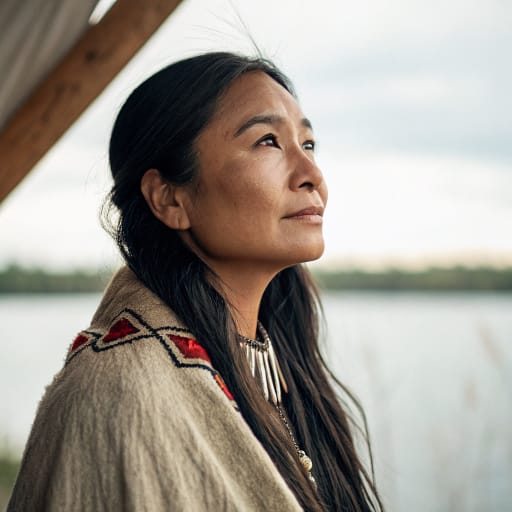
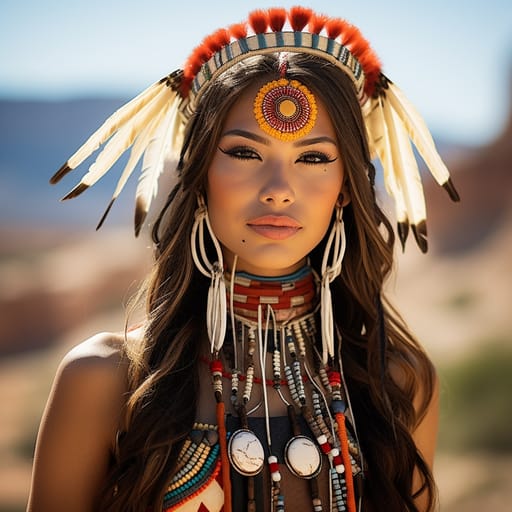
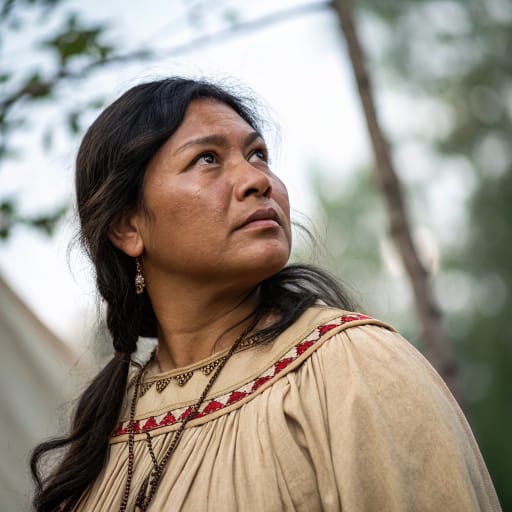
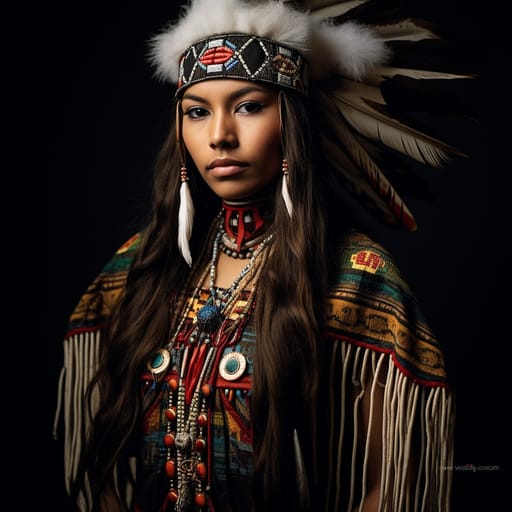
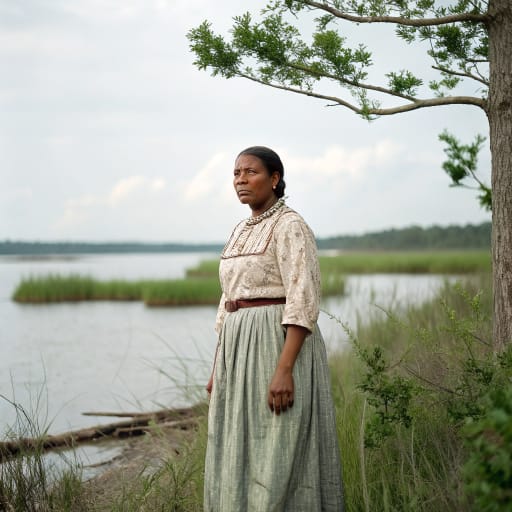
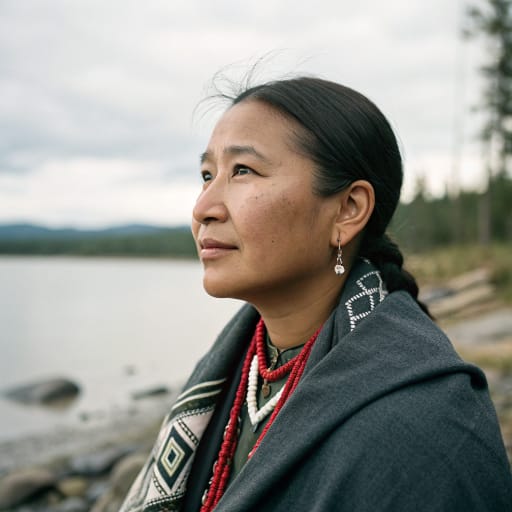
Typical Northern Shoshone Phenotypes
Reference for AI generation: hair, eyes, skin, facial structure, build
Northern Shoshone Body & Anatomy Reference
Per-feature anatomical profile for AI nude generation: Indigenous Northern American / Algonquian-Iroquoian phenotype
Northern Shoshone Boobs & Breasts
Bust reference for Northern Shoshone women: medium cup, moderate projection, which is typical of Indigenous Northern American / Algonquian-Iroquoian ancestry. Areolas measure about 30-44mm across, with medium-brown pigmentation. Body type (mesomorph, broader frame in northern Indigenous populations) shapes the bust as well, so Northern Shoshone tits are usually full and moderate projection. In AI imagery, keep the forward-set shape rather than drifting toward the smaller East Asian bust.
Northern Shoshone Ass & Hips
The Northern Shoshone ass is typically medium, moderate-to-full projection, which sets it apart from the slim East Asian narrow-hip profile. Underneath, the pelvis shows medium iliac crests, part of the Indigenous Northern American / Algonquian-Iroquoian skeletal pattern. For Northern Shoshone butt pics and AI renders, match that silhouette and the overall build (mesomorph, broader frame in northern Indigenous populations).
Northern Shoshone Vagina & Pussy
Northern Shoshone pussy and vulvar anatomy presents medium-brown labial pigmentation, consistent with the Indigenous Northern American / Algonquian-Iroquoian phenotype's pigmentation pattern. Northern Shoshone pubic hair is typically straight medium-coarse texture, in the inverted-triangle pattern. For anatomically accurate Northern Shoshone pussy renders the labial coloration should match the surrounding copper to medium-brown skin tone with a continuous gradient, and the hair should keep its straight medium-coarse texture.
Northern Shoshone Dicks & Penis
Northern Shoshone dicks follow the Indigenous Northern American / Algonquian-Iroquoian reference data: regional mean ~13cm erect; moderate girth; medium-brown shaft pigmentation. Shaft color should track the copper to medium-brown skin tone with a smooth change toward the glans, and Northern Shoshone pubic hair keeps its straight medium-coarse texture.
Northern Shoshone Body, Curves & Build
Northern Shoshone body type and overall build presents as mesomorph, broader frame in northern Indigenous populations, with mean adult female BMI 25-28: the characteristic Indigenous Northern American / Algonquian-Iroquoian habitus. Northern Shoshone curves and proportions should keep the regional skeletal frame (height, shoulder-to-hip ratio, limb proportions) rather than a generic mesomorph default.
Northern Shoshone Skin Tone & Hair Texture
Northern Shoshone skin sits in the copper to medium-brown (Fitzpatrick III-V) band. Hair is typically straight 1A, dark-brown to black, often thick and dense, in keeping with the Indigenous Northern American / Algonquian-Iroquoian phenotype. In nude renders the skin should stay one even tone from face to body, and body, pubic and head hair should match.
Explore phenotype categories
Structured taxonomy with peer-reviewed scales · 22 anatomical categories
Erotic Poses & Sex Positions
From the pose catalog: 219 named positions with reference skeletons
Frequently asked questions about Northern Shoshone people
Where is the Northern Shoshone homeland?
The Northern Shoshone homeland is The Snake River Plain and surrounding mountains of southern Idaho, extending into western Wyoming, northern Utah and northeastern Nevada; today centered on the Fort Hall Reservation, Idaho. in North America.
What language do Northern Shoshone people speak?
Northern Shoshone people primarily speak Shoshoni (Central Numic, Uto-Aztecan), alongside the Bannock dialect of Northern Paiute (Western Numic) at Fort Hall; English is dominant today..
What religion do Northern Shoshone people practice?
The predominant religion among Northern Shoshone people is Traditional ceremonial practice, including the Sun Dance and Round Dance; the Native American Church; Christianity, with a notable Latter-day Saint presence among the northwestern bands..






Make your own Northern Shoshone images
Five a day, free, no credits to buy. The studio starts from this group's phenotype data, so you can set body type, pose and style and keep the traits accurate.
Start with Northern Shoshone