Help us get this right
Does this portrait look right for Indigenous Canadian?
One tap. It takes a second and it is recorded.
3 say it looks right, 1 says it looks off.
Indigenous Canadian Erotic
About Indigenous Canadian People
Related ethnic groups
Groups that share Indigenous Canadian's homeland, region, language, or religious tradition. These are likely candidates for comparative phenotype reference.
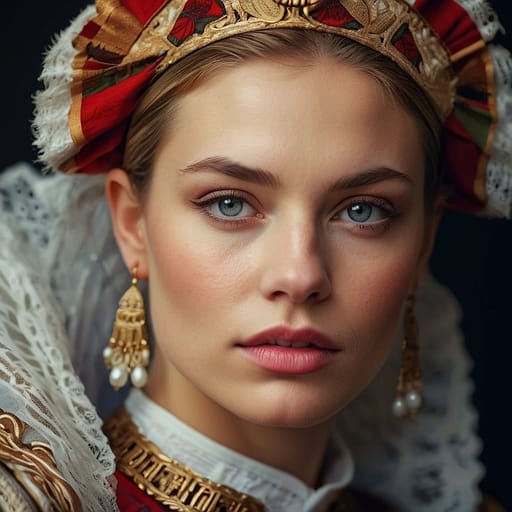
English Canadian
same homeland (Canada)
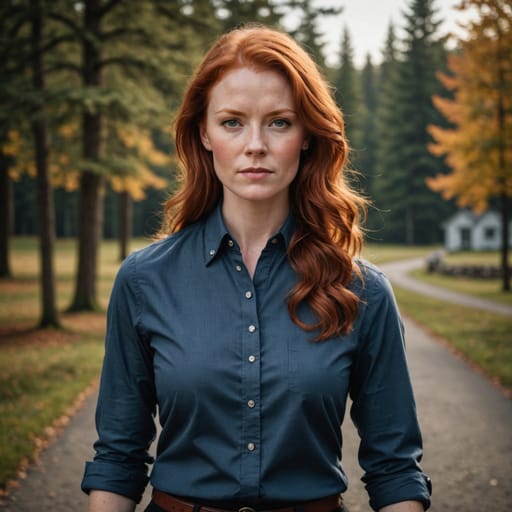
Scottish Canadian
same homeland (Canada)
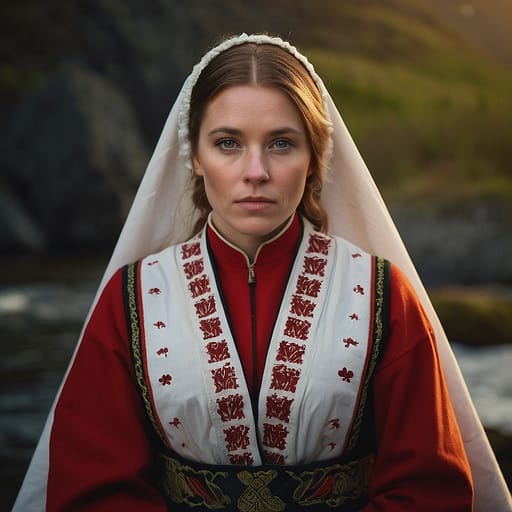
Irish Canadian
same homeland (Canada)
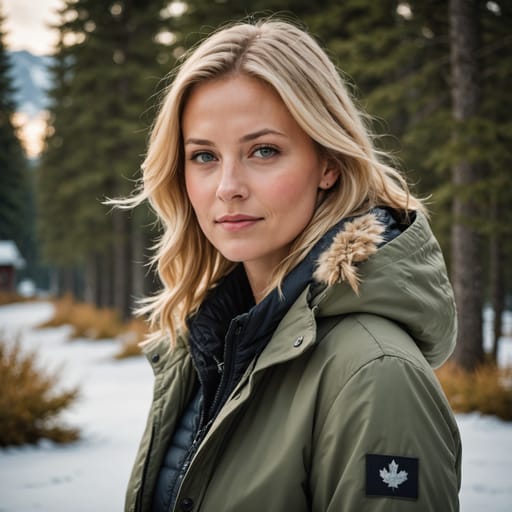
German Canadian
same homeland (Canada)
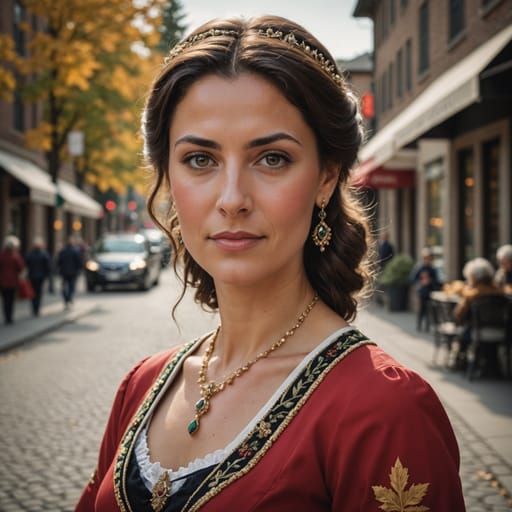
Italian Canadian
same homeland (Canada)
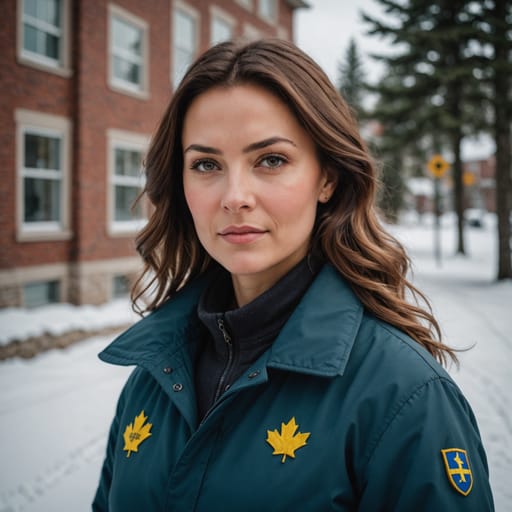
Ukrainian Canadian
same homeland (Canada)
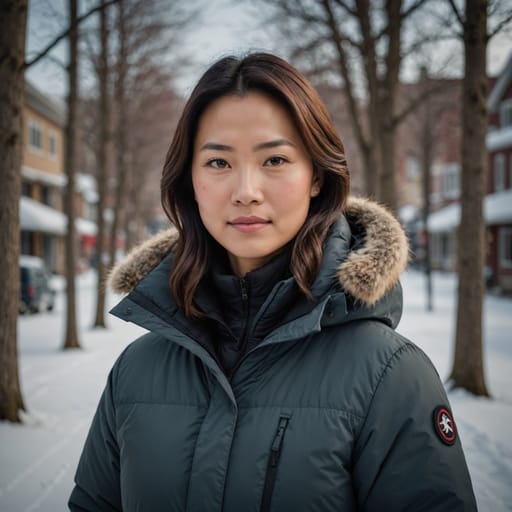
Chinese Canadian
same homeland (Canada)
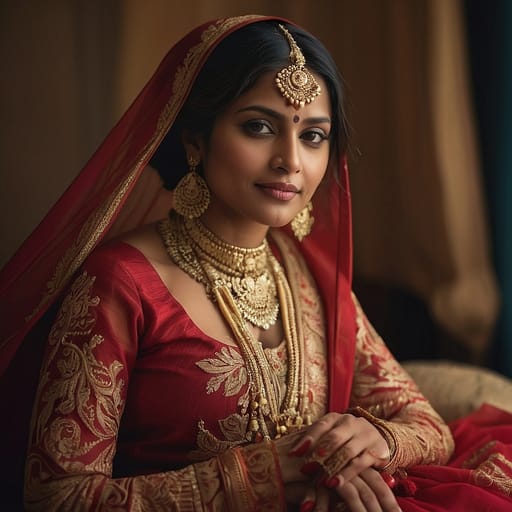
South Asian Canadian
same homeland (Canada)
Geographic Distribution: Indigenous Canadian populations across 1 country
Each row is ranked by the group's share of that country's population, with the source citation drawn from published census and demographic surveys. Click through for the full per-country phenotype profile.
| Country | Share | Source |
|---|---|---|
| Canada | 5.0% | Canada 2021 Census; Indigenous (First Nations + Métis + Inuit) (~5%, ~1.8M+); the Indigenous populations of Canada including ~600+ recognized First Nations bands, plus the Métis (descendants of First Nations / European admixed populations historically associated with the Red River Settlement / Manitoba), plus the Inuit (the historic Indigenous populations of the Canadian Arctic — Nunavut, Northwest Territories, Yukon, northern Quebec, northern Labrador) |
Typical Indigenous Canadian Phenotypes
Reference for AI generation: hair, eyes, skin, facial structure, build
Indigenous Canadian Body & Anatomy Reference
Indigenous Northern American / Algonquian-Iroquoian phenotype: anatomy reference for AI nude generation
Indigenous Canadian Boobs & Breasts
Indigenous Canadian tits and boobs run medium cup, moderate projection, the classic Indigenous Northern American / Algonquian-Iroquoian bust profile. Indigenous Canadian nipples and areolas show medium-brown areolar pigmentation against the copper-to-medium-brown skin tone, with areolar diameter typically in the 30-44mm range and forward-set positioning rather than the smaller East Asian bust. Indigenous Canadian breasts trend full and moderate projection, a function of the mesomorph, broader frame in northern Indigenous populations body habitus and the mean adult female BMI 25-28. For anatomically accurate AI-generated Indigenous Canadian nudes the render preserves the medium cup, moderate projection shape, 30-44mm areolas with medium-brown pigmentation, and the torso proportions of the Indigenous Northern American / Algonquian-Iroquoian phenotype.
Indigenous Canadian Ass & Hips
Indigenous Canadian hips and butt usually read as medium, moderate-to-full projection. The skeletal base is medium iliac crests, the Indigenous Northern American / Algonquian-Iroquoian pattern. Set against the slim East Asian narrow-hip profile, the difference is easy to see, and the hip-to-waist ratio is often what identifies Indigenous Canadian women in photos.
Indigenous Canadian Vagina & Pussy
Expect medium-brown labial pigmentation on Indigenous Canadian women, in keeping with Indigenous Northern American / Algonquian-Iroquoian ancestry. The pubic hair is straight medium-coarse texture. Coloring should run evenly from the copper to medium-brown skin of the thighs to the labia, and Indigenous Canadian nude imagery should keep the hair's straight medium-coarse texture.
Indigenous Canadian Dicks & Penis
Indigenous Canadian dick and penile anatomy in adult AI generation should anchor on the regional reference data: regional mean ~13cm erect, moderate girth, and medium-brown shaft pigmentation. The Indigenous Canadian cock profile reflects the Indigenous Northern American / Algonquian-Iroquoian population's anthropometric measurements. The shaft pigmentation should track the surrounding copper to medium-brown skin tone, and the pubic hair should keep its straight medium-coarse texture in the typical inverted-V escutcheon.
Indigenous Canadian Body, Curves & Build
Indigenous Canadian body type: mesomorph, broader frame in northern Indigenous populations, with mean adult female BMI 25-28. This is the typical Indigenous Northern American / Algonquian-Iroquoian build. Height range, shoulder-to-hip ratio and fat distribution all follow from it, which is what an accurate Indigenous Canadian nude body should show.
Indigenous Canadian Skin Tone & Hair Texture
Indigenous Canadian skin tone falls in the copper to medium-brown (Fitzpatrick III-V) band, the surface signal most often miscalibrated by generic AI nude generators. Indigenous Canadian hair texture is typically straight 1A, dark-brown to black, often thick and dense, characteristic of the Indigenous Northern American / Algonquian-Iroquoian phenotype. In Indigenous Canadian nude renders the skin should hold that band consistently across the body.
Explore phenotype categories
Structured taxonomy with peer-reviewed scales · 22 anatomical categories
Erotic Poses & Sex Positions
From the pose catalog: 219 named positions with reference skeletons
Frequently asked questions about Indigenous Canadian people
Where is the Indigenous Canadian homeland?
The Indigenous Canadian homeland is Canada in North America.
What countries do Indigenous Canadian people live in?
Indigenous Canadian populations are documented across 1 country: Canada.
What does a typical Indigenous Canadian woman look like?
Indigenous Canadian women generally resemble the wider Native American population, with skin in the Fitzpatrick III to V range, mostly straight black hair and characteristic Native American facial features.






Make your own Indigenous Canadian images
Five a day, free, no credits to buy. The studio starts from this group's phenotype data, so you can set body type, pose and style and keep the traits accurate.
Start with Indigenous Canadian