No portrait yet
Erie Erotic
South and east of Lake Erie: northwestern Pennsylvania, northeastern Ohio and western New York, United States.
Erie (Northern Iroquoian, Iroquoian family), extinct and essentially unrecorded beyond a few names in French sources.
Not documented. No missionary reached them and no account of their ceremonies survives; presumed to have followed Northern Iroquoian practice.
Northern Iroquoian, closest to Wendat and Seneca. French sources name individual Erie towns, among them Rique, rather than clear internal divisions.
About Erie People
The Erie were an Iroquoian people of the lower Great Lakes, living south and east of the lake that now carries their name, across what is today northwestern Pennsylvania, northeastern Ohio and the western edge of New York, and they ceased to exist as an independent nation between 1654 and 1656, when the Haudenosaunee broke them in war and took in the survivors. Most of those survivors went into the Seneca, and Seneca families carry Erie descent still. What sets the Erie apart in the record is that almost nothing about them is first-hand. No French trader or missionary is known to have reached their towns. Everything written down came through Wendat and Neutral intermediaries and arrived in the Jesuit Relations at second hand, which is why the Erie enter history already named by other people. The French called them the Nation du Chat, the Cat Nation, after the panthers or raccoons whose pelts they wore and traded, and the name Erie is usually traced to an Iroquoian word for long tail. What they called themselves is not securely known. Their language went with them: Northern Iroquoian, close kin to Wendat and Seneca, surviving now in a scatter of town and band names run through French spelling.
They farmed maize, beans and squash on the lake plain, lived in palisaded towns, and were numerous enough that the Jesuits rated them a serious military power. What they did not have was guns. The Haudenosaunee were buying Dutch firearms at Fort Orange; the Erie fought with bows, and Jesuit informants insisted the arrows were poisoned and that an archer could loose eight or ten of them in the time it took to load a musket. It was not enough. The decisive assault, against a fortified town the French recorded as Rique, ended with attackers setting their canoes against the palisade as ladders and going over the top. The country was emptied afterward and held as Seneca hunting ground, and archaeologists still argue over which sites were theirs, with the Whittlesey villages of northeastern Ohio the usual candidate. A second long-running argument concerns the Westo, the gun-armed raiders who appeared in the Carolinas within a few years and sold captives to English colonists: some historians read them as Erie refugees who moved south and rearmed, and the case is plausible rather than settled. What is certain is the lake. It is the only Great Lake named for a nation that no longer exists, and the name now sits on counties, a canal, a city and a railroad, none of which are theirs.
Related ethnic groups
Groups that share Erie's homeland, region, language, or religious tradition. These are likely candidates for comparative phenotype reference.
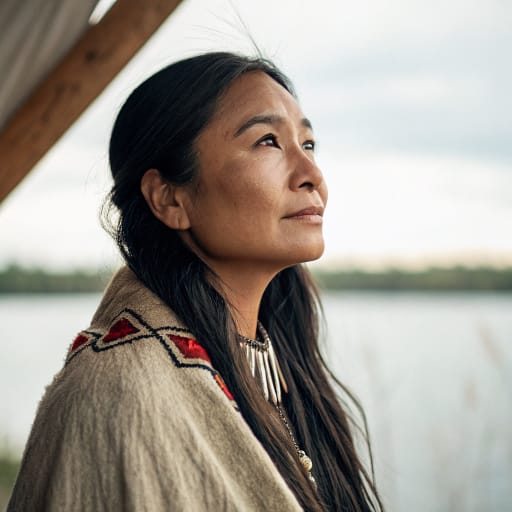
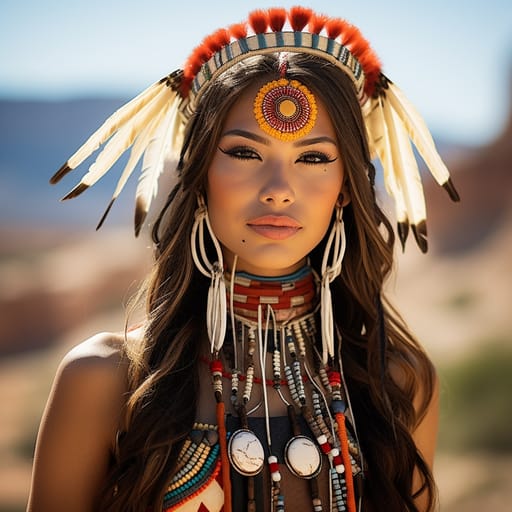
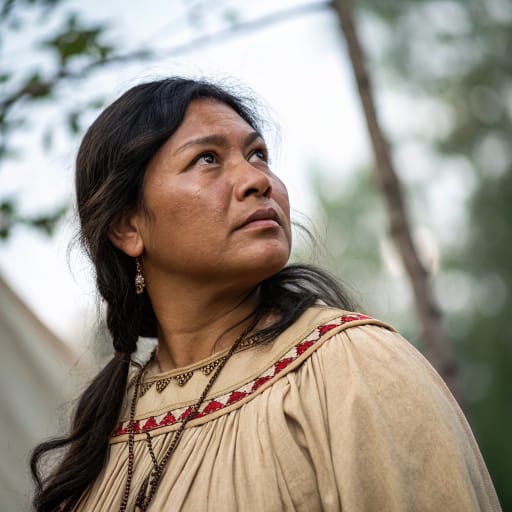
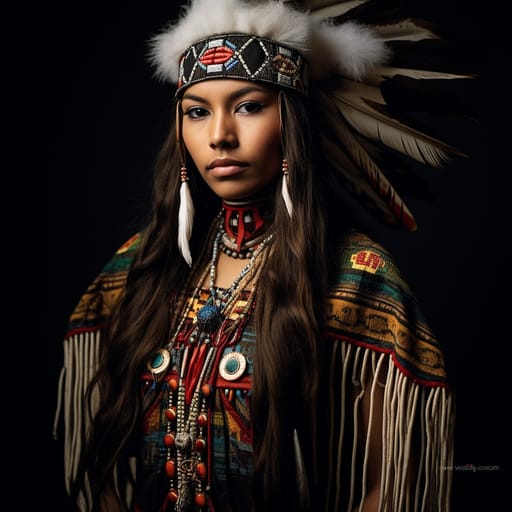

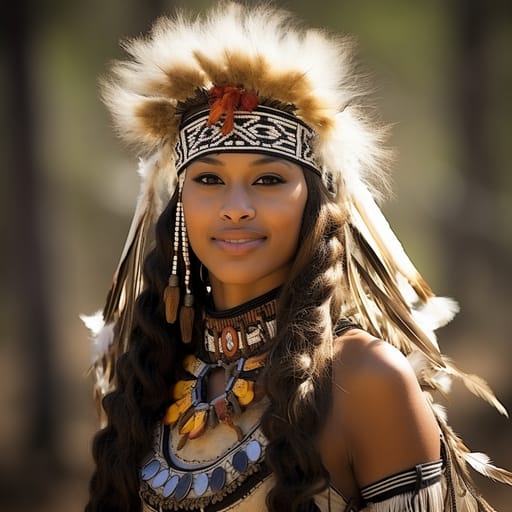
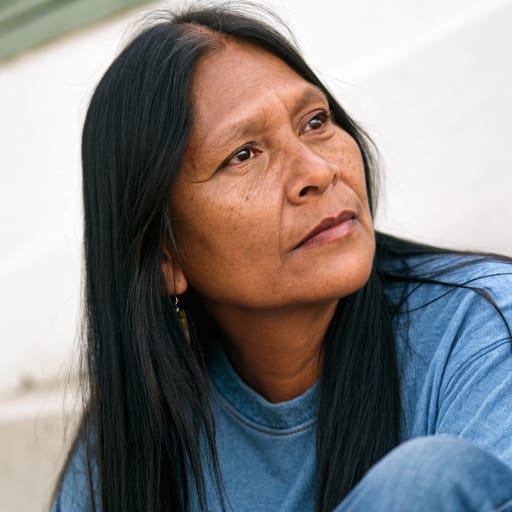
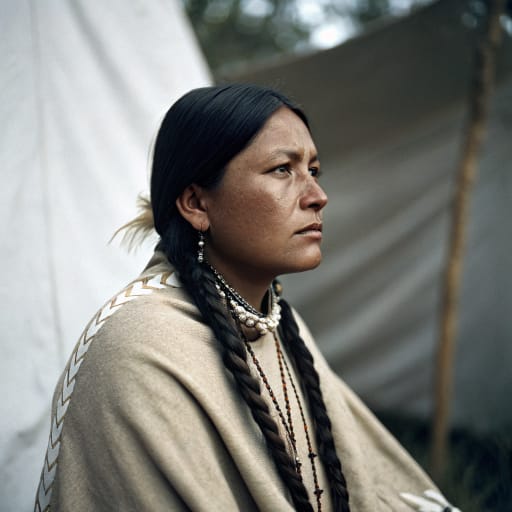
Typical Erie Phenotypes
Reference for AI generation: hair, eyes, skin, facial structure, build
Erie Body & Anatomy Reference
Per-feature anatomical profile for AI nude generation: Indigenous Northern American / Algonquian-Iroquoian phenotype
Erie Boobs & Breasts
Bust reference for Erie women: medium cup, moderate projection, which is typical of Indigenous Northern American / Algonquian-Iroquoian ancestry. Areolas measure about 30-44mm across, with medium-brown pigmentation. Body type (mesomorph, broader frame in northern Indigenous populations) shapes the bust as well, so Erie tits are usually full and moderate projection. In AI imagery, keep the forward-set shape rather than drifting toward the smaller East Asian bust.
Erie Ass & Hips
The Erie ass is typically medium, moderate-to-full projection, which sets it apart from the slim East Asian narrow-hip profile. Underneath, the pelvis shows medium iliac crests, part of the Indigenous Northern American / Algonquian-Iroquoian skeletal pattern. For Erie butt pics and AI renders, match that silhouette and the overall build (mesomorph, broader frame in northern Indigenous populations).
Erie Vagina & Pussy
Erie pussy and vulvar anatomy presents medium-brown labial pigmentation, consistent with the Indigenous Northern American / Algonquian-Iroquoian phenotype's pigmentation pattern. Erie pubic hair is typically straight medium-coarse texture, in the inverted-triangle pattern. For anatomically accurate Erie pussy renders the labial coloration should match the surrounding copper to medium-brown skin tone with a continuous gradient, and the hair should keep its straight medium-coarse texture.
Erie Dicks & Penis
Erie dicks follow the Indigenous Northern American / Algonquian-Iroquoian reference data: regional mean ~13cm erect; moderate girth; medium-brown shaft pigmentation. Shaft color should track the copper to medium-brown skin tone with a smooth change toward the glans, and Erie pubic hair keeps its straight medium-coarse texture.
Erie Body, Curves & Build
Erie body type and overall build presents as mesomorph, broader frame in northern Indigenous populations, with mean adult female BMI 25-28: the characteristic Indigenous Northern American / Algonquian-Iroquoian habitus. Erie curves and proportions should keep the regional skeletal frame (height, shoulder-to-hip ratio, limb proportions) rather than a generic mesomorph default.
Erie Skin Tone & Hair Texture
Erie skin sits in the copper to medium-brown (Fitzpatrick III-V) band. Hair is typically straight 1A, dark-brown to black, often thick and dense, in keeping with the Indigenous Northern American / Algonquian-Iroquoian phenotype. In nude renders the skin should stay one even tone from face to body, and body, pubic and head hair should match.
Explore phenotype categories
Structured taxonomy with peer-reviewed scales · 22 anatomical categories
Erotic Poses & Sex Positions
From the pose catalog: 219 named positions with reference skeletons
Frequently asked questions about Erie people
Where is the Erie homeland?
The Erie homeland is South and east of Lake Erie: northwestern Pennsylvania, northeastern Ohio and western New York, United States. in North America.
What language do Erie people speak?
Erie people primarily speak Erie (Northern Iroquoian, Iroquoian family), extinct and essentially unrecorded beyond a few names in French sources..
What religion do Erie people practice?
The predominant religion among Erie people is Not documented. No missionary reached them and no account of their ceremonies survives; presumed to have followed Northern Iroquoian practice..






Make your own Erie images
Five a day, free, no credits to buy. The studio starts from this group's phenotype data, so you can set body type, pose and style and keep the traits accurate.
Start with Erie