No portrait yet
Palus Erotic
The lower Snake, Palouse and Columbia river country of southeastern Washington, with adjacent parts of northern Idaho and northeastern Oregon, United States.
Palus, a dialect of Sahaptin (Sahaptian branch of Plateau Penutian), closely related to Nez Perce; English in daily use today.
Washat, the Seven Drums longhouse religion, with Presbyterian and Catholic affiliation in some families.
A Sahaptin speaking Plateau people in three riverine bands, upper, middle and lower; descendants enrolled with the Yakama Nation, the Nez Perce Tribe, the Colville confederation and the Umatilla confederation.
About Palus People
The Palus are named for a place, not the other way around: a village at the mouth of the Palouse River, where it empties into the Snake in what is now southeastern Washington. The rolling wheat country that borrowed the name is far better known today than the people who were living on it. They were a river people first. Villages sat along the Snake, the lower Palouse and the Columbia, sited for salmon, and the year turned on the fish runs and on the root harvest up on the plateau: camas, bitterroot and cous, dug in spring and dried for winter. Three bands are usually distinguished, upper, middle and lower, which describes position on the river rather than rank.
Their language was a dialect of Sahaptin, close to Yakama and Walla Walla speech and a cousin to Nez Perce, with whom Palus families intermarried constantly. Horses reached the plateau in the early 1700s and the Palus became formidable breeders and traders; the spotted horse called the Appaloosa carries a worn down version of their country's name. Most Palus headmen declined to sign at the Walla Walla Council in 1855, and their land was assigned away regardless under treaties signed by others. Kamiakin, the Yakama war leader whose father was Palus, is the name that survived from that period. In 1858 Colonel George Wright's campaign through the region ended in summary hangings and in the shooting of some eight hundred captured horses on the Spokane River, aimed squarely at the mobility that made resistance possible. In 1877 the Palus leader Husishusis Kute went out with the Nez Perce on the long flight toward Canada and into exile in Indian Territory.
Less often told is the refusal that followed. Palus families stayed on at the old villages for decades, declining enrollment and declining to move. Many kept Washat, the Seven Drums faith taught by the Wanapum prophet Smohalla, which held that the earth was not to be plowed, sold or broken: a religion of refusal as much as of observance, and still kept in longhouses on the plateau. The four lower Snake River dams finished in the 1960s and 1970s took the rest, drowning village sites, fishing stations and the ground around Marmes Rockshelter, one of the oldest excavated human sites on the continent. Descendants are enrolled today with the Yakama, the Nez Perce, the Colville tribes and the Umatilla. There is no separate federally recognized Palus tribe, which is an administrative fact and not a statement about who is still here.
Related ethnic groups
Groups that share Palus's homeland, region, language, or religious tradition. These are likely candidates for comparative phenotype reference.
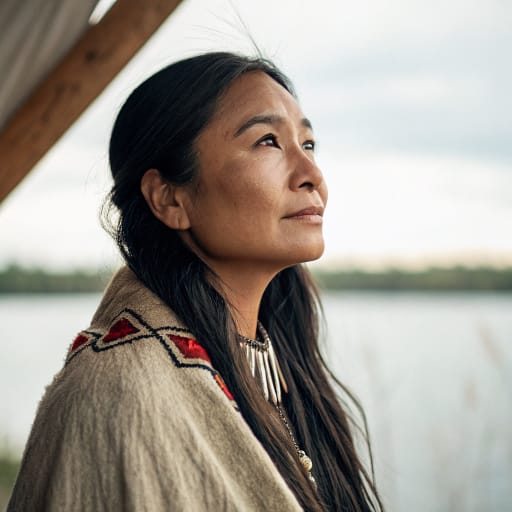
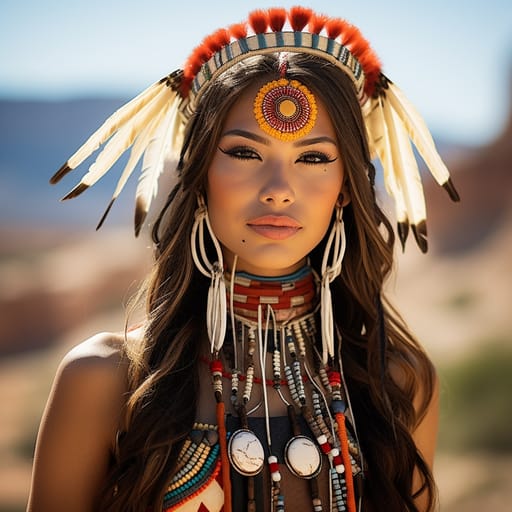
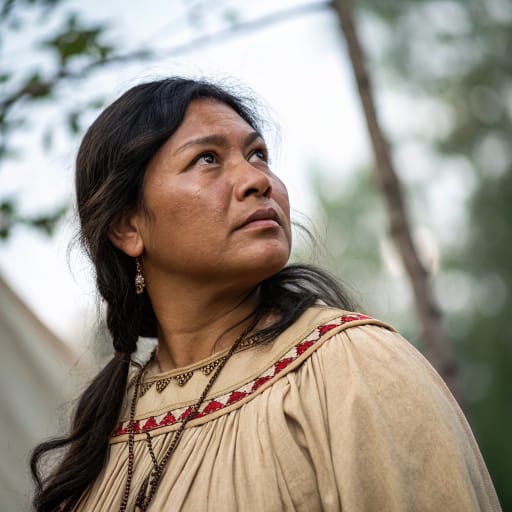
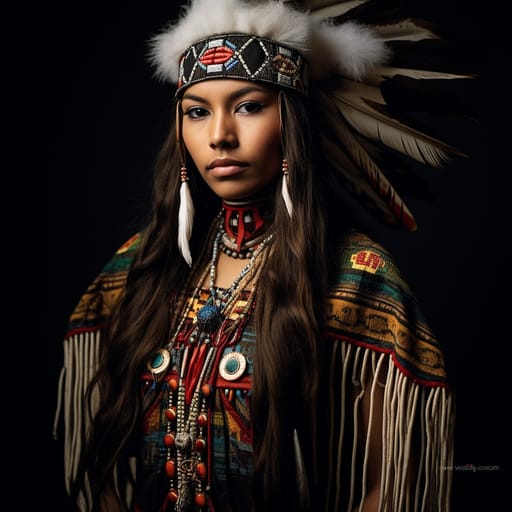
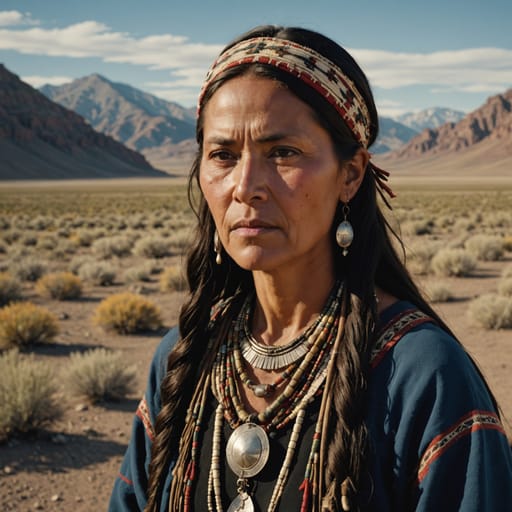
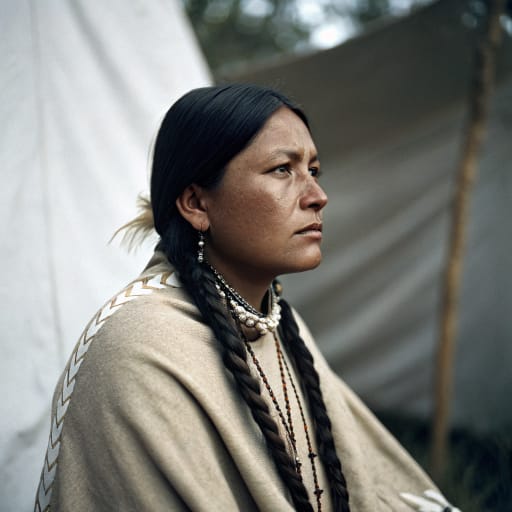
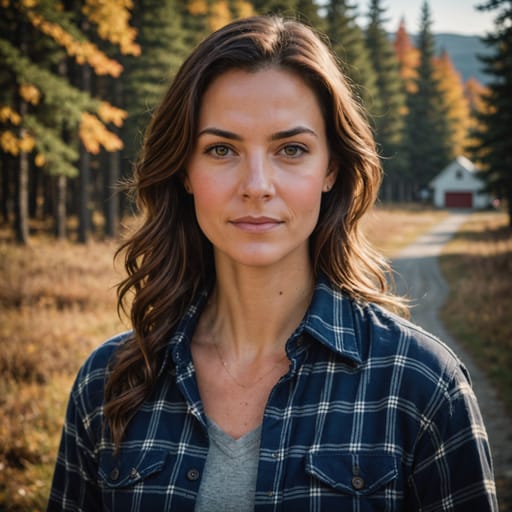
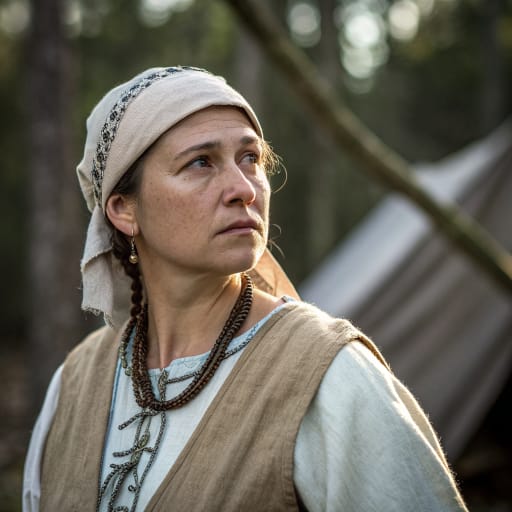
Typical Palus Phenotypes
Reference for AI generation: hair, eyes, skin, facial structure, build
Palus Body & Anatomy Reference
Indigenous Northern American / Algonquian-Iroquoian phenotype: anatomy reference for AI nude generation
Palus Boobs & Breasts
The typical Palus bust is medium cup, moderate projection, in line with the wider Indigenous Northern American / Algonquian-Iroquoian pattern. Areolas usually fall in the 30-44mm range, with medium-brown areolar pigmentation against the copper-to-medium-brown skin tone. Compared with the smaller East Asian bust, Palus breasts sit forward and are generally full and moderate projection. A faithful AI render of Palus tits keeps that shape and areola size.
Palus Ass & Hips
Butt shape among Palus women: medium, moderate-to-full projection, over medium iliac crests. This follows Indigenous Northern American / Algonquian-Iroquoian ancestry and looks quite unlike the slim East Asian narrow-hip profile. An accurate Palus ass in adult AI imagery keeps both the silhouette and the overall build (mesomorph, broader frame in northern Indigenous populations) instead of a generic average.
Palus Vagina & Pussy
Vulvar anatomy among Palus women: medium-brown labial pigmentation. Pubic hair tends to be straight medium-coarse texture, in the usual inverted-triangle pattern. Both follow Indigenous Northern American / Algonquian-Iroquoian pigmentation, which is why Palus pussy renders should not fall back on a pale, sparse Western template.
Palus Dicks & Penis
The Palus cock profile, from Indigenous Northern American / Algonquian-Iroquoian anthropometric data: regional mean ~13cm erect; moderate girth; medium-brown shaft pigmentation. Pubic hair has a straight medium-coarse texture and forms the usual inverted-V pattern. Whether Palus men are circumcised follows religious and cultural practice rather than phenotype.
Palus Body, Curves & Build
Build and curves among Palus women follow the Indigenous Northern American / Algonquian-Iroquoian pattern: mesomorph, broader frame in northern Indigenous populations, mean adult female BMI 25-28. Proportions matter as much as skin tone, so Palus figures should keep their regional height and limb ratios.
Palus Skin Tone & Hair Texture
The Palus skin range is copper to medium-brown (Fitzpatrick III-V), and hair tends to be straight 1A, dark-brown to black, often thick and dense. That combination marks the Indigenous Northern American / Algonquian-Iroquoian phenotype, and skin tone is the trait AI generators most often get wrong for Palus women.
Explore phenotype categories
Structured taxonomy with peer-reviewed scales · 22 anatomical categories
Erotic Poses & Sex Positions
From the pose catalog: 219 named positions with reference skeletons
Frequently asked questions about Palus people
Where is the Palus homeland?
The Palus homeland is The lower Snake, Palouse and Columbia river country of southeastern Washington, with adjacent parts of northern Idaho and northeastern Oregon, United States. in North America.
What language do Palus people speak?
Palus people primarily speak Palus, a dialect of Sahaptin (Sahaptian branch of Plateau Penutian), closely related to Nez Perce; English in daily use today..
What religion do Palus people practice?
The predominant religion among Palus people is Washat, the Seven Drums longhouse religion, with Presbyterian and Catholic affiliation in some families..






Make your own Palus images
Five a day, free, no credits to buy. The studio starts from this group's phenotype data, so you can set body type, pose and style and keep the traits accurate.
Start with Palus