Help us get this right
Does this portrait look right for Makah?
Nobody has judged this one yet. You would be the first.
Makah Erotic
Neah Bay and Cape Flattery, northwestern Olympic Peninsula, Washington, United States (Makah Indian Reservation)
Makah (Wakashan, Southern branch); English
Christianity (Presbyterian, Indian Shaker Church) alongside traditional spiritual practice tied to whaling and lineage rights
Southern Wakashan (Nootkan) peoples, related to the Nuu-chah-nulth and Ditidaht of Vancouver Island; five historic villages: Neah Bay, Biheda, Waatch, Tsoo-yess, Ozette
About Makah People
The Makah are the whaling people of the far northwest corner of the continental United States, and the only tribe whose treaty with the federal government explicitly guarantees the right to hunt whales. Their home is Neah Bay and the headlands around Cape Flattery on Washington's Olympic Peninsula, where the Strait of Juan de Fuca meets the open Pacific. The reservation is small, rain-soaked and hemmed in by temperate rainforest, and for most of Makah history the practical direction was not inland but out to sea. Crews went after gray and humpback whales, fur seals and halibut in cedar canoes, and village rank, wealth and much of religious life were organized around that work. A whaler's household prepared for months, with ritual bathing, fasting and prayer, before a single hunt.
In language and custom the Makah look north across the strait rather than south to their Salish neighbors. Makah is a Southern Wakashan language, closely related to Nuu-chah-nulth and Ditidaht on Vancouver Island, and the only member of that family spoken on the American side of the border. The name Makah was given by Klallam neighbors and is usually glossed as generous with food. The people's own name, qʷidiččaʔa·tx̌, means those who live by the rocks and seagulls. The last speaker who grew up in the language died in 2002, and the tribe now teaches it in its own school and community programs. Five historic villages once shared the cape. One of them, Ozette, was buried by a mudslide roughly three centuries ago, and its excavation between 1970 and 1981 recovered tens of thousands of wooden and fiber objects that would normally have rotted, giving the Makah an unusually complete record of their own past. Those objects stayed home, in a museum the tribe built at Neah Bay to hold them.
The 1855 Treaty of Neah Bay ceded most Makah land but reserved the right to whale, seal and fish at customary grounds. Commercial whaling wiped out the stocks, and the Makah stopped hunting in the 1920s. They took one gray whale in 1999, after the species came off the endangered list, then spent a quarter century in court and federal permitting before a 2024 waiver allowed a limited hunt to resume. Many Makah today are Christian, and Presbyterian and Indian Shaker churches stand in Neah Bay alongside families who still hold whaling songs and ceremonial rights passed down through lineages. Every August the community holds Makah Days, with canoe races, bone games and dancing in cedar regalia. The identity is not a reconstruction. It has stayed put on the same cape.
Related ethnic groups
Groups that share Makah's homeland, region, language, or religious tradition. These are likely candidates for comparative phenotype reference.
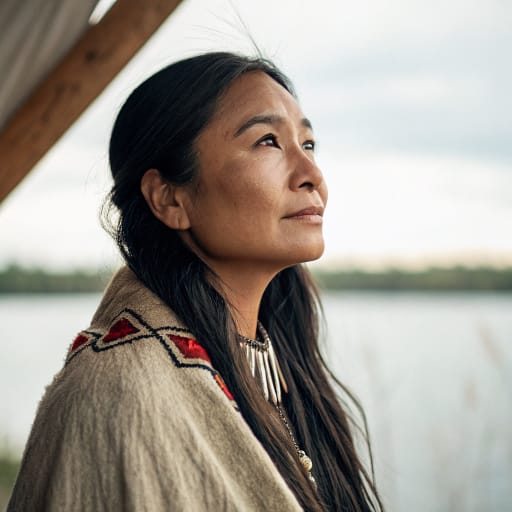
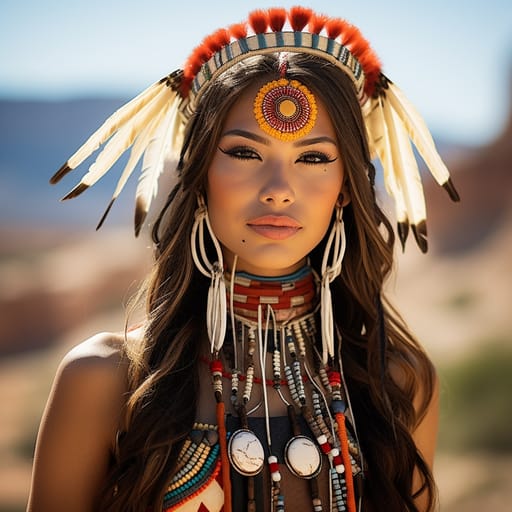
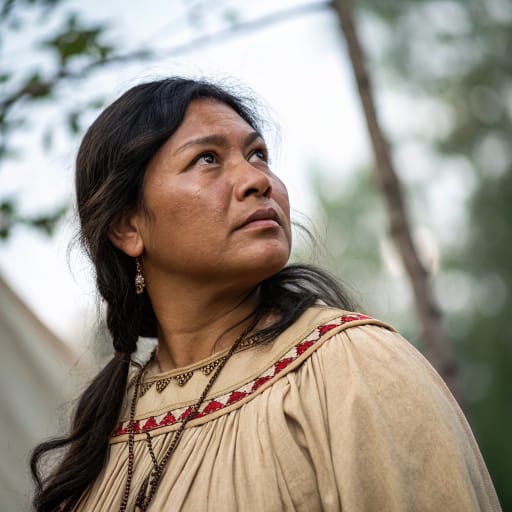
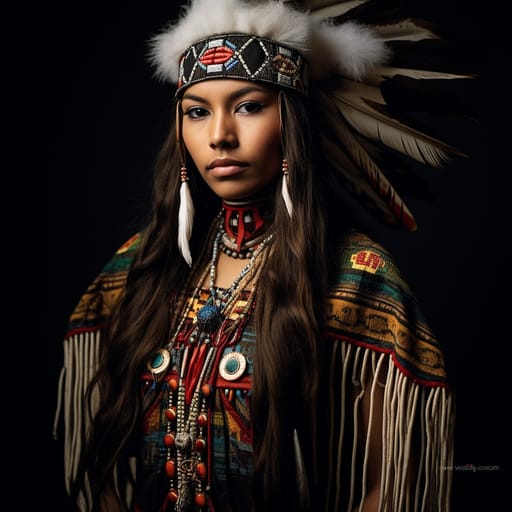
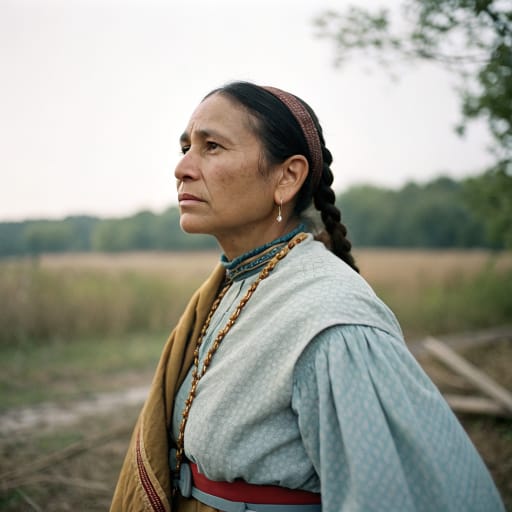
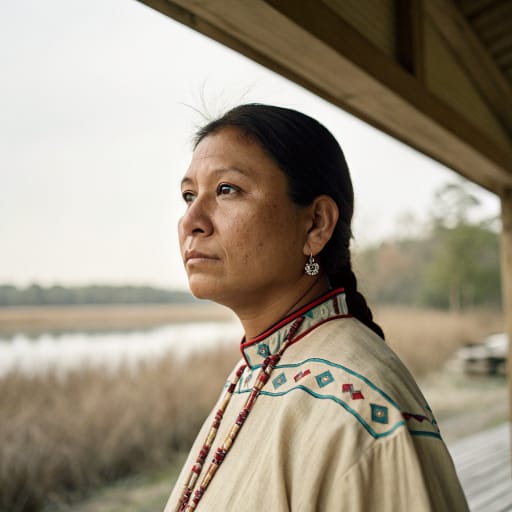
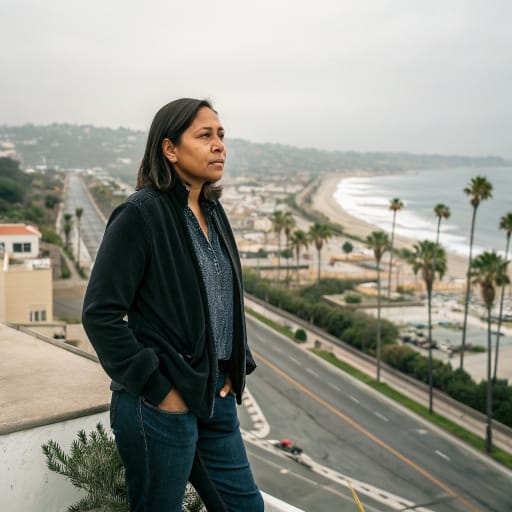
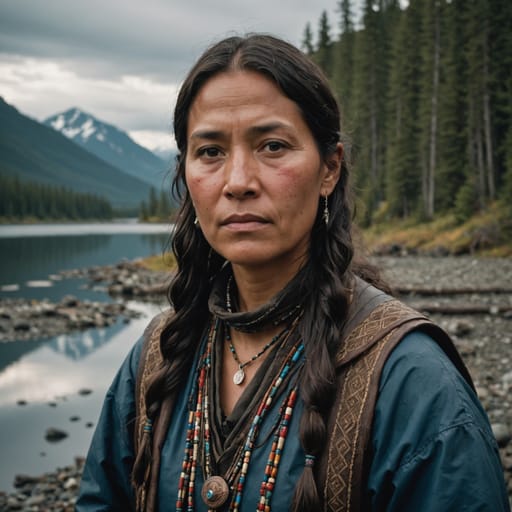
Typical Makah Phenotypes
Reference for AI generation: hair, eyes, skin, facial structure, build
Makah Body & Anatomy Reference
Anatomy by feature, Indigenous Northern American / Algonquian-Iroquoian phenotype
Makah Boobs & Breasts
Makah boobs follow the Indigenous Northern American / Algonquian-Iroquoian profile: medium cup, moderate projection. Areolar diameter is usually 30-44mm, and the coloring is medium-brown areolar pigmentation against the copper-to-medium-brown skin tone. Breast shape tracks body composition (mesomorph, broader frame in northern Indigenous populations, mean adult female BMI 25-28), so Makah breasts tend to be full and moderate projection. Expect a forward-set shape, not the smaller East Asian bust.
Makah Ass & Hips
Makah ass and hip morphology presents as medium, moderate-to-full projection, distinctly different from the slim East Asian narrow-hip profile. The Makah pelvic profile shows medium iliac crests, anchored in the Indigenous Northern American / Algonquian-Iroquoian skeletal pattern. Makah butt shots in adult AI imagery should render the medium, moderate-to-full projection silhouette with the overall build (mesomorph, broader frame in northern Indigenous populations) and the fat distribution typical of the Indigenous Northern American / Algonquian-Iroquoian phenotype.
Makah Vagina & Pussy
Makah pussy anatomy typically shows medium-brown labial pigmentation. Pubic hair is usually straight medium-coarse texture. In AI-generated Makah nudes, labial color should blend into the copper to medium-brown skin with a gradual transition, and the hair should keep its straight medium-coarse texture.
Makah Dicks & Penis
Penis reference for Makah men: regional mean ~13cm erect, moderate girth. Coloring: medium-brown shaft pigmentation. An accurate Makah cock in AI imagery matches the surrounding copper to medium-brown skin rather than a generic porn default. Circumcision depends on religion and custom, not ancestry.
Makah Body, Curves & Build
The Makah figure is generally mesomorph, broader frame in northern Indigenous populations, with mean adult female BMI 25-28, characteristic of Indigenous Northern American / Algonquian-Iroquoian ancestry. AI image tools tend to flatten regional body types into a few stock shapes; here the Makah build is kept as its own reference.
Makah Skin Tone & Hair Texture
Skin: copper to medium-brown (Fitzpatrick III-V). Hair: straight 1A, dark-brown to black, often thick and dense. Both are typical of Indigenous Northern American / Algonquian-Iroquoian ancestry. The most common mistake in AI nudes of Makah women is a body rendered lighter than the face.
Explore phenotype categories
Structured taxonomy with peer-reviewed scales · 22 anatomical categories
Erotic Poses & Sex Positions
From the pose catalog: 219 named positions with reference skeletons
Frequently asked questions about Makah people
Where is the Makah homeland?
The Makah homeland is Neah Bay and Cape Flattery, northwestern Olympic Peninsula, Washington, United States (Makah Indian Reservation) in North America.
What language do Makah people speak?
Makah people primarily speak Makah (Wakashan, Southern branch); English.
What religion do Makah people practice?
The predominant religion among Makah people is Christianity (Presbyterian, Indian Shaker Church) alongside traditional spiritual practice tied to whaling and lineage rights.






Make your own Makah images
Five a day, free, no credits to buy. The studio starts from this group's phenotype data, so you can set body type, pose and style and keep the traits accurate.
Start with Makah