No portrait yet
Quinault Erotic
Pacific coast of the Olympic Peninsula along the Quinault and Queets rivers, on the Quinault Indian Reservation in Grays Harbor and Jefferson counties, Washington, United States
English; Quinault (Salishan, Tsamosan branch), no longer spoken fluently and the focus of revitalization
Christianity, including the Indian Shaker Church, alongside traditional Coast Salish spiritual practice
Southwestern Coast Salish (Tsamosan); closely tied to the Queets. The Quinault Indian Nation also enrolls descendants of Quileute, Hoh, Chehalis, Chinook and Cowlitz families
About Quinault People
The Quinault are a river-mouth people of the outer Pacific coast, and their name shows it: it comes from the village at the mouth of the Quinault River, where Taholah stands today. Life here was organized along the Quinault and Queets rivers. Cedar plank houses stood near the surf, salmon moved upstream by season, and one of the wettest rain forests in North America rose behind them. The river's sockeye, known locally as blueback, are still a signature of the place, and fishing, clamming and crabbing still anchor both the table and the tribal economy. Western red cedar supplied most of the rest: dugout canoes built for ocean swell, bark shredded into capes and skirts, and roots and grasses twined into baskets. The Quinault language belongs to the Tsamosan branch of the Salishan family, which links it to Chehalis and Cowlitz to the south. The Quileute and Makah just up the coast speak languages from entirely unrelated families. The last fluent speaker died in 1996, and revival work now leans on earlier documentation.
Contact came early and went badly. In 1775 a Spanish shore party was killed near Point Grenville, one of the first recorded encounters on this coast, and epidemics over the following decades cut the population sharply. The Treaty of Olympia, signed in 1855 and 1856, gave up most of the land but kept the right to fish at usual and accustomed places. That clause put the Quinault among the tribes whose rights were upheld in the 1974 Boldt decision. In the early twentieth century the reservation was divided into allotments for members of several coastal tribes. That is why the Quinault Indian Nation today includes Queets people and descendants of Quileute, Hoh, Chehalis, Chinook and Cowlitz families. Federal mismanagement of timber on those allotments led to United States v. Mitchell, the Supreme Court case establishing that the government could owe damages for breaching its trust duties. The Nation has not been shy about its sovereignty since. In 1969 it closed its beaches to outsiders over litter and vandalism, and it is now planning to move the lower village of Taholah uphill, away from rising seas and tsunami risk. Religious life combines Christianity, including the Indian Shaker Church, with older spiritual practice. Canoe culture came roaring back after 1989, when Quinault educator Emmett Oliver organized the Paddle to Seattle, the event that grew into the annual Tribal Canoe Journeys.
Related ethnic groups
Groups that share Quinault's homeland, region, language, or religious tradition. These are likely candidates for comparative phenotype reference.
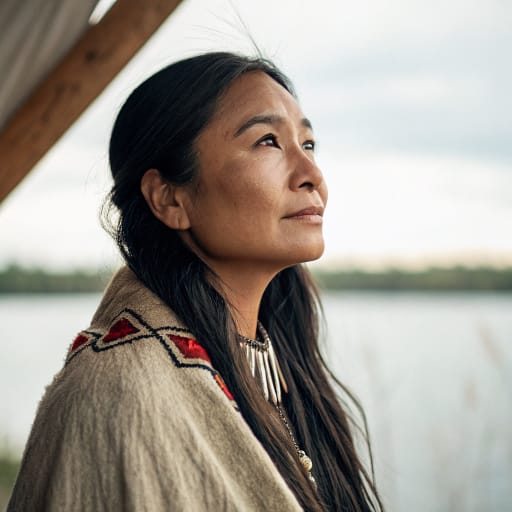
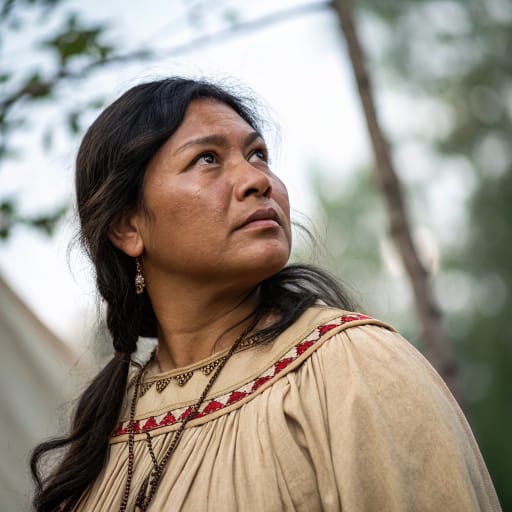
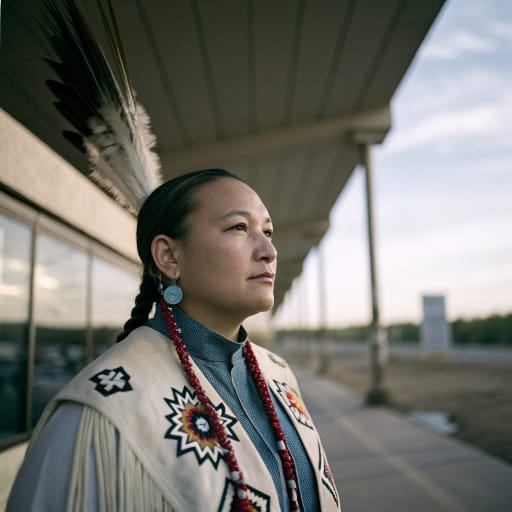
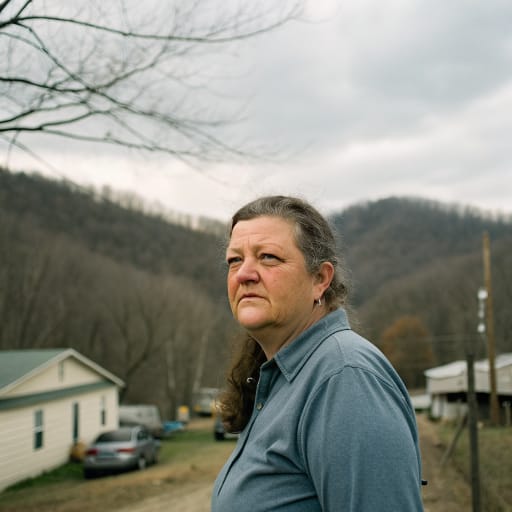
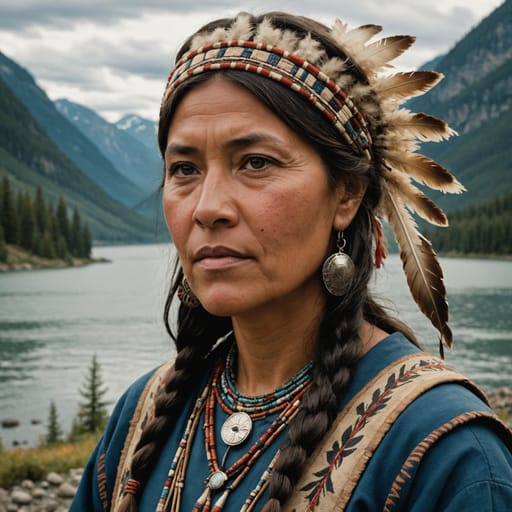
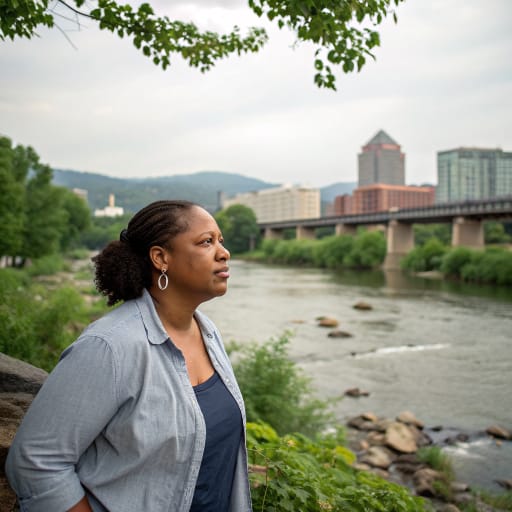
Typical Quinault Phenotypes
Reference for AI generation: hair, eyes, skin, facial structure, build
Quinault Body & Anatomy Reference
Anatomy by feature, Indigenous Northern American / Algonquian-Iroquoian phenotype
Quinault Boobs & Breasts
The typical Quinault bust is medium cup, moderate projection, in line with the wider Indigenous Northern American / Algonquian-Iroquoian pattern. Areolas usually fall in the 30-44mm range, with medium-brown areolar pigmentation against the copper-to-medium-brown skin tone. Compared with the smaller East Asian bust, Quinault breasts sit forward and are generally full and moderate projection. A faithful AI render of Quinault tits keeps that shape and areola size.
Quinault Ass & Hips
Butt shape among Quinault women: medium, moderate-to-full projection, over medium iliac crests. This follows Indigenous Northern American / Algonquian-Iroquoian ancestry and looks quite unlike the slim East Asian narrow-hip profile. An accurate Quinault ass in adult AI imagery keeps both the silhouette and the overall build (mesomorph, broader frame in northern Indigenous populations) instead of a generic average.
Quinault Vagina & Pussy
Vulvar anatomy among Quinault women: medium-brown labial pigmentation. Pubic hair tends to be straight medium-coarse texture, in the usual inverted-triangle pattern. Both follow Indigenous Northern American / Algonquian-Iroquoian pigmentation, which is why Quinault pussy renders should not fall back on a pale, sparse Western template.
Quinault Dicks & Penis
The Quinault cock profile, from Indigenous Northern American / Algonquian-Iroquoian anthropometric data: regional mean ~13cm erect; moderate girth; medium-brown shaft pigmentation. Pubic hair has a straight medium-coarse texture and forms the usual inverted-V pattern. Whether Quinault men are circumcised follows religious and cultural practice rather than phenotype.
Quinault Body, Curves & Build
Build and curves among Quinault women follow the Indigenous Northern American / Algonquian-Iroquoian pattern: mesomorph, broader frame in northern Indigenous populations, mean adult female BMI 25-28. Proportions matter as much as skin tone, so Quinault figures should keep their regional height and limb ratios.
Quinault Skin Tone & Hair Texture
The Quinault skin range is copper to medium-brown (Fitzpatrick III-V), and hair tends to be straight 1A, dark-brown to black, often thick and dense. That combination marks the Indigenous Northern American / Algonquian-Iroquoian phenotype, and skin tone is the trait AI generators most often get wrong for Quinault women.
Explore phenotype categories
Structured taxonomy with peer-reviewed scales · 22 anatomical categories
Erotic Poses & Sex Positions
From the pose catalog: 219 named positions with reference skeletons
Frequently asked questions about Quinault people
Where is the Quinault homeland?
The Quinault homeland is Pacific coast of the Olympic Peninsula along the Quinault and Queets rivers, on the Quinault Indian Reservation in Grays Harbor and Jefferson counties, Washington, United States in North America.
What language do Quinault people speak?
Quinault people primarily speak English; Quinault (Salishan, Tsamosan branch), no longer spoken fluently and the focus of revitalization.
What religion do Quinault people practice?
The predominant religion among Quinault people is Christianity, including the Indian Shaker Church, alongside traditional Coast Salish spiritual practice.






Make your own Quinault images
Five a day, free, no credits to buy. The studio starts from this group's phenotype data, so you can set body type, pose and style and keep the traits accurate.
Start with Quinault