Help us get this right
Does this portrait look right for Okanagan?
One tap. It takes a second and it is recorded.
0 say it looks right, 1 says it looks off.
Okanagan Erotic
Okanagan and Similkameen valleys and the upper Columbia River, in southern interior British Columbia, Canada, and north-central Washington, United States
nsyilxcən, also called Okanagan or Colville-Okanagan (Salishan, Interior Salish); English
Syilx spiritual traditions centered on first foods ceremonies and the sweat lodge, often practiced alongside Roman Catholic Christianity
Interior Salish Plateau people. Okanagan Nation Alliance: Okanagan, Westbank, Penticton, Osoyoos, Lower Similkameen, Upper Similkameen and Upper Nicola bands (BC), Colville Confederated Tribes (WA)
About Okanagan People
The Syilx, called the Okanagan in English, take their name from a word for twisting many strands into one rope. The image fits. The nation is made up of separate communities strung along a single river system, held together by a shared language, a shared territory and a body of law carried in story. Their country runs from the Columbia River in north-central Washington up the Okanagan and Similkameen valleys and past the long lakes of British Columbia's southern interior: dry benchland, ponderosa pine, sagebrush and cold water.
Their language, nsyilxcən, belongs to the southern branch of Interior Salish. It is closest to the Salish spoken by the Spokane, Kalispel and Flathead to the southeast, and only a more distant cousin of Secwepemc to the north. Most fluent first-language speakers are now elders, and immersion programs on both sides of the border are working to change that. The stories known as captikʷł, many of them featuring Coyote, carry Syilx law, not just entertainment. The best known tells of the Four Food Chiefs, Black Bear, Chinook Salmon, Bitterroot and Saskatoon Berry, who decided among themselves how the people still to come would be fed. The same tradition gives en'owkin, a way of reaching decisions by drawing out every voice before anyone commits. That idea lent its name to the En'owkin Centre, a Syilx-founded school of Indigenous language and writing in Penticton.
Spiritual practice still follows the food year. Ceremonies welcome the first salmon, roots and berries, and the sweat lodge remains central for many people. Catholic missions arrived in the nineteenth century, and plenty of families practice both. Winters were once spent in pit houses dug partly into the ground, and their round depressions still mark riverside benches across the valley.
The 1846 treaty that set the border at the 49th parallel cut the nation in two. Southern communities ended up on the Colville Reservation in Washington. Northern ones were held to small reserves in British Columbia while settlers turned the valley into orchards and, later, wine country. Dams on the Okanagan River cut sockeye off from the upper lakes, and a Syilx-led restoration effort has since brought the fish back to waters they had not reached in generations. The border also reached the Supreme Court of Canada. In 2021, in R v Desautel, the court ruled that a hunter enrolled with the Colville tribes could hold Aboriginal hunting rights in British Columbia even though he lived in the United States. Today the Okanagan Nation Alliance links seven British Columbia bands with the Colville Confederated Tribes. One of those bands, Osoyoos, runs Nk'Mip Cellars, widely described as the first Indigenous-owned winery in North America.
Related ethnic groups
Groups that share Okanagan's homeland, region, language, or religious tradition. These are likely candidates for comparative phenotype reference.
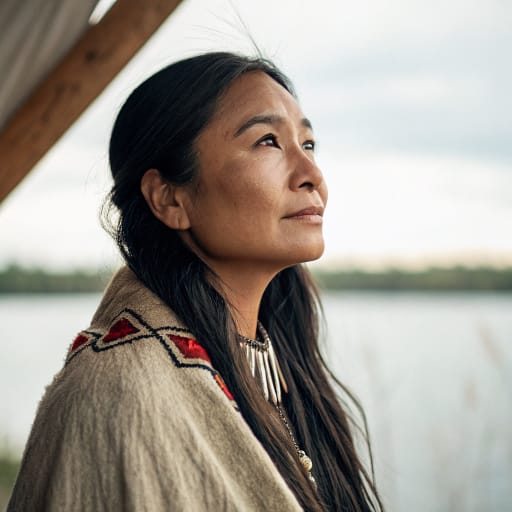
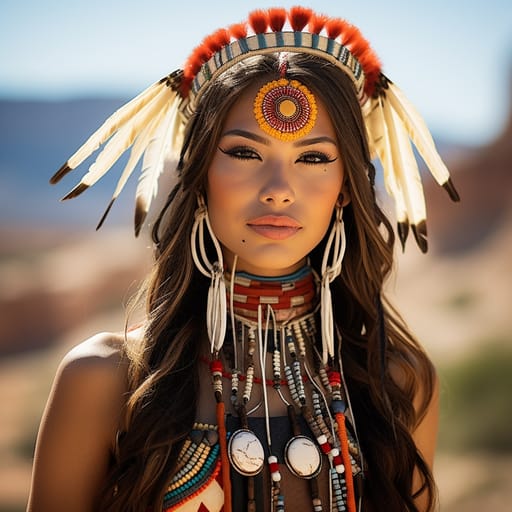
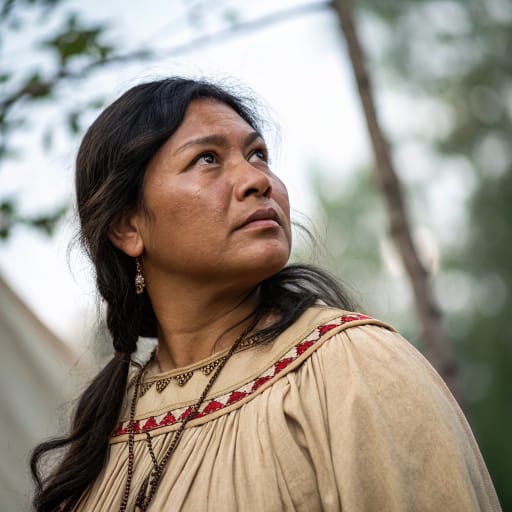
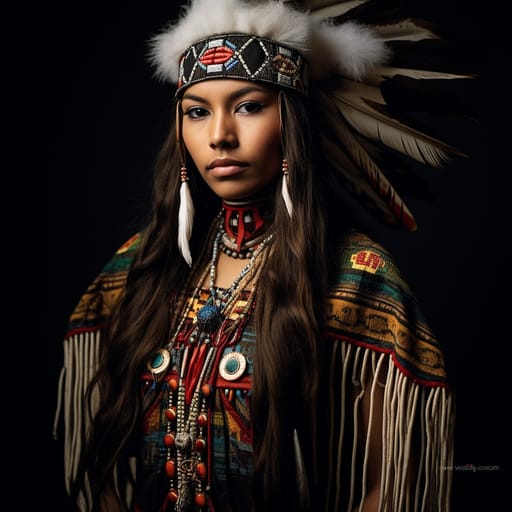
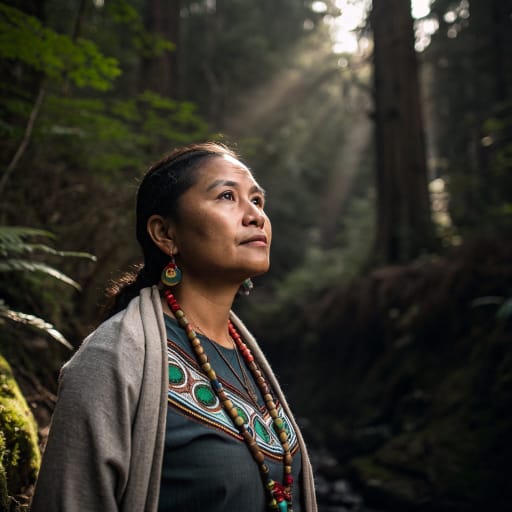
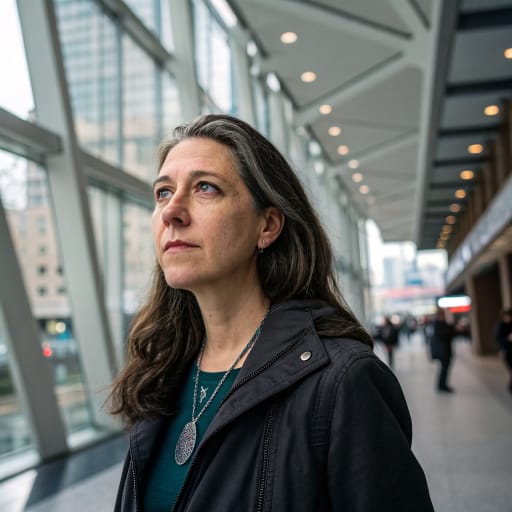
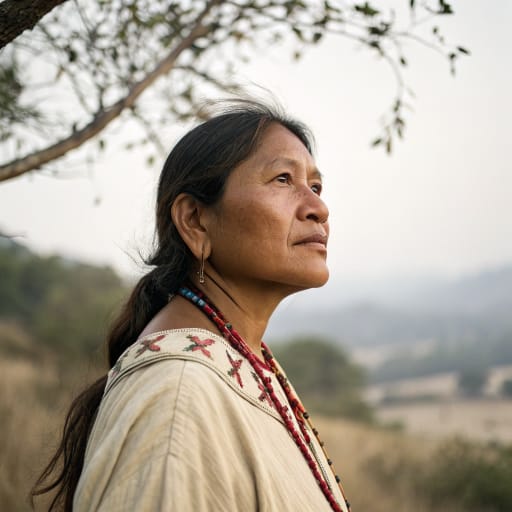
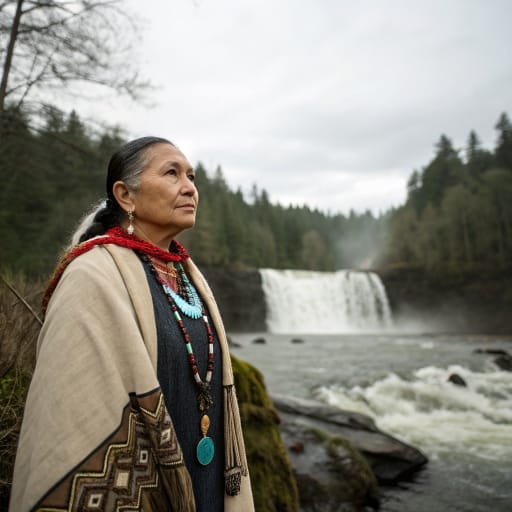
Typical Okanagan Phenotypes
Reference for AI generation: hair, eyes, skin, facial structure, build
Okanagan Body & Anatomy Reference
Indigenous Northern American / Algonquian-Iroquoian phenotype: anatomy reference for AI nude generation
Okanagan Boobs & Breasts
Okanagan tits and boobs run medium cup, moderate projection, the classic Indigenous Northern American / Algonquian-Iroquoian bust profile. Okanagan nipples and areolas show medium-brown areolar pigmentation against the copper-to-medium-brown skin tone, with areolar diameter typically in the 30-44mm range and forward-set positioning rather than the smaller East Asian bust. Okanagan breasts trend full and moderate projection, a function of the mesomorph, broader frame in northern Indigenous populations body habitus and the mean adult female BMI 25-28. For anatomically accurate AI-generated Okanagan nudes the render preserves the medium cup, moderate projection shape, 30-44mm areolas with medium-brown pigmentation, and the torso proportions of the Indigenous Northern American / Algonquian-Iroquoian phenotype.
Okanagan Ass & Hips
Okanagan hips and butt usually read as medium, moderate-to-full projection. The skeletal base is medium iliac crests, the Indigenous Northern American / Algonquian-Iroquoian pattern. Set against the slim East Asian narrow-hip profile, the difference is easy to see, and the hip-to-waist ratio is often what identifies Okanagan women in photos.
Okanagan Vagina & Pussy
Expect medium-brown labial pigmentation on Okanagan women, in keeping with Indigenous Northern American / Algonquian-Iroquoian ancestry. The pubic hair is straight medium-coarse texture. Coloring should run evenly from the copper to medium-brown skin of the thighs to the labia, and Okanagan nude imagery should keep the hair's straight medium-coarse texture.
Okanagan Dicks & Penis
Okanagan dick and penile anatomy in adult AI generation should anchor on the regional reference data: regional mean ~13cm erect, moderate girth, and medium-brown shaft pigmentation. The Okanagan cock profile reflects the Indigenous Northern American / Algonquian-Iroquoian population's anthropometric measurements. The shaft pigmentation should track the surrounding copper to medium-brown skin tone, and the pubic hair should keep its straight medium-coarse texture in the typical inverted-V escutcheon.
Okanagan Body, Curves & Build
Okanagan body type: mesomorph, broader frame in northern Indigenous populations, with mean adult female BMI 25-28. This is the typical Indigenous Northern American / Algonquian-Iroquoian build. Height range, shoulder-to-hip ratio and fat distribution all follow from it, which is what an accurate Okanagan nude body should show.
Okanagan Skin Tone & Hair Texture
Okanagan skin tone falls in the copper to medium-brown (Fitzpatrick III-V) band, the surface signal most often miscalibrated by generic AI nude generators. Okanagan hair texture is typically straight 1A, dark-brown to black, often thick and dense, characteristic of the Indigenous Northern American / Algonquian-Iroquoian phenotype. In Okanagan nude renders the skin should hold that band consistently across the body.
Explore phenotype categories
Structured taxonomy with peer-reviewed scales · 22 anatomical categories
Erotic Poses & Sex Positions
From the pose catalog: 219 named positions with reference skeletons
Frequently asked questions about Okanagan people
Where is the Okanagan homeland?
The Okanagan homeland is Okanagan and Similkameen valleys and the upper Columbia River, in southern interior British Columbia, Canada, and north-central Washington, United States in North America.
What language do Okanagan people speak?
Okanagan people primarily speak nsyilxcən, also called Okanagan or Colville-Okanagan (Salishan, Interior Salish); English.
What religion do Okanagan people practice?
The predominant religion among Okanagan people is Syilx spiritual traditions centered on first foods ceremonies and the sweat lodge, often practiced alongside Roman Catholic Christianity.






Make your own Okanagan images
Five a day, free, no credits to buy. The studio starts from this group's phenotype data, so you can set body type, pose and style and keep the traits accurate.
Start with Okanagan