No portrait yet
Solcitani Erotic
Sulci and its territory in southwestern Sardinia: the island of Sant'Antioco and the adjoining Sulcis coast and hills, in present-day Italy.
Punic (Semitic, Afroasiatic) over an older Paleo-Sardinian substrate, giving way to Latin (Italic, Indo-European) under Rome; the district now speaks Campidanese Sardinian (Romance).
Punic cults of Baal Hammon and Tanit centered on the tophet, then Roman civic religion, then Christianity from late antiquity, with the cult of Saint Antiochus.
One of the peoples of Roman Sardinia listed by Ptolemy, alongside the Noritani, Neapolitani and Valentini; a civic community of mixed Nuragic Sardinian and Phoenician-Punic descent.
About Solcitani People
The Solcitani were the people of Sulci and its hinterland in the far southwest of Sardinia, listed by the geographer Ptolemy in the second century CE among the southernmost peoples of the island, and their descendants are the Sardinians of the district still called Sulcis. The name is less a tribal label than a civic one. Like their neighbors the Noritani of Nora and the Neapolitani of Neapolis, they were defined by a city: Sulci, on the small island now called Sant'Antioco, joined to the Sardinian mainland by a narrow isthmus.
That city was old long before Ptolemy wrote. Phoenician settlers founded it in the eighth century BCE, making it one of the earliest towns in Sardinia, and they did not arrive in an empty country. The hills around were studded with the stone towers of the Nuragic Sardinians, and the early settlement shows the two populations trading and living side by side. Carthage took control in the sixth century BCE, and the people of Sulci became thoroughly Punic in speech and worship. Their tophet, an open sanctuary holding thousands of urns with the cremated remains of infants, marked by carved stones and sacred to Baal Hammon and Tanit, is one of the major sites of its kind in the western Mediterranean. What those urns mean is still argued over.
In 258 BCE a Roman fleet beat the Carthaginians off Sulci, and the losing admiral, Hannibal Gisco, was put to death by his own men. Sardinia passed to Rome twenty years later. The Solcitani kept their wealth, which came from a good harbor and from the lead and silver of the nearby hills: Ptolemy calls their island Molibodes, the lead island. They also kept their language a surprisingly long time. Punic was still being cut into stone at Sulci under Roman rule, in one known case alongside Latin. The town backed Pompey's side in the civil war, and Caesar made it pay with a heavy fine in 46 BCE. Under the emperors it recovered and became a municipium.
Christianity came with a story the district still tells. Antiochus, by tradition a physician exiled to the island under Hadrian, died there as a martyr, and his tomb lies in catacombs cut out of older Punic burial chambers beneath the church that bears his name. Sulci became a bishop's seat, then emptied in the early Middle Ages as raids from the sea made the coast unlivable. The name outlasted the town. Sulcitano is still the ordinary Italian word for anyone from the district, and the Sardinian spoken there belongs to the Campidanese group.
Related ethnic groups
Groups that share Solcitani's homeland, region, language, or religious tradition. These are likely candidates for comparative phenotype reference.
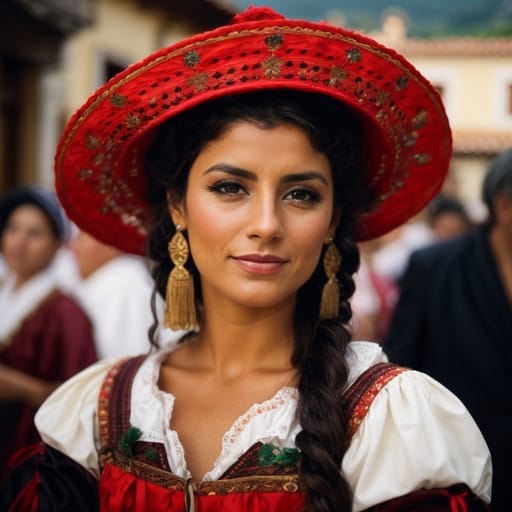
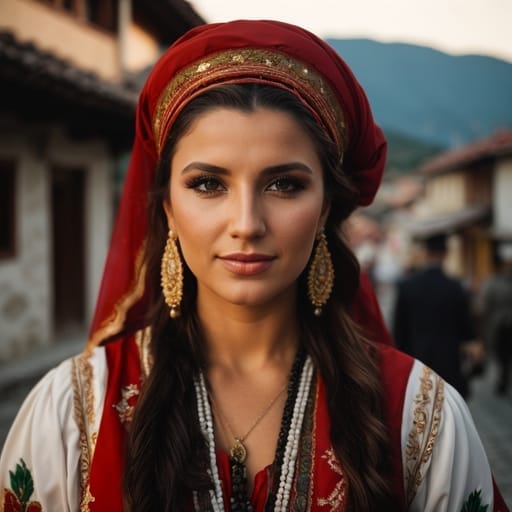
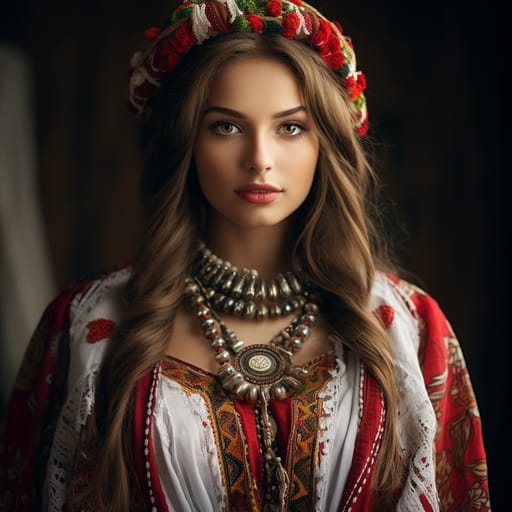
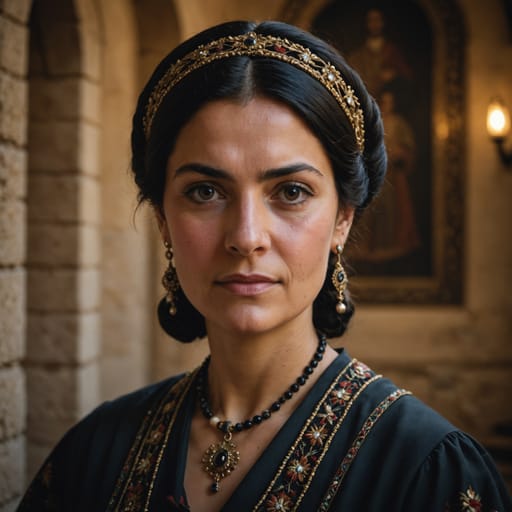
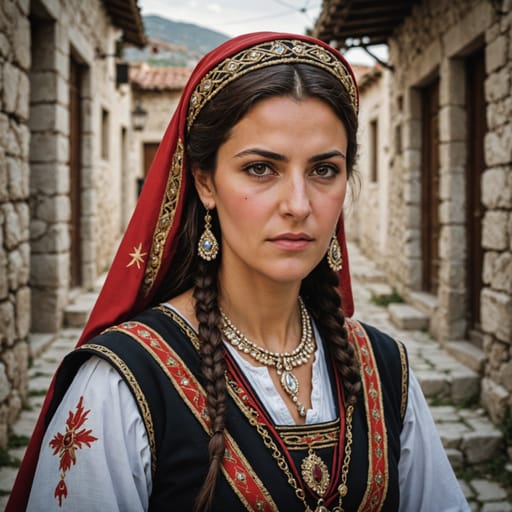
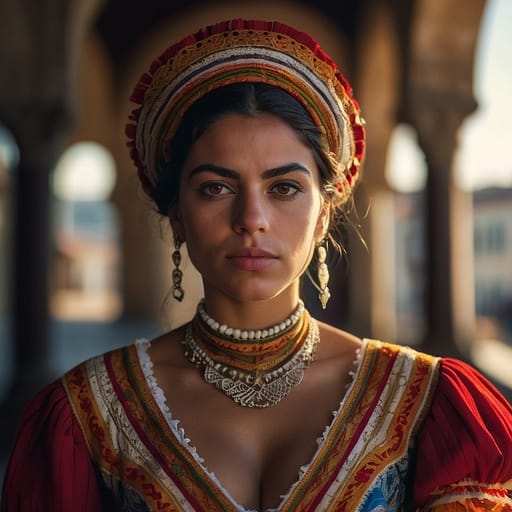
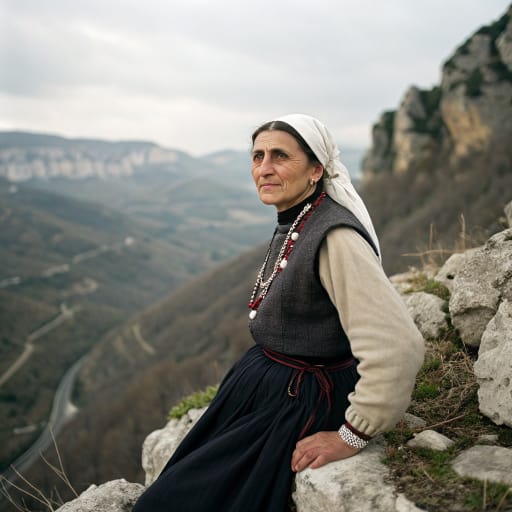
Typical Solcitani Phenotypes
Reference for AI generation: hair, eyes, skin, facial structure, build
Explore phenotype categories
Structured taxonomy with peer-reviewed scales · 22 anatomical categories
Erotic Poses & Sex Positions
From the pose catalog: 219 named positions with reference skeletons
Frequently asked questions about Solcitani people
Where is the Solcitani homeland?
The Solcitani homeland is Sulci and its territory in southwestern Sardinia: the island of Sant'Antioco and the adjoining Sulcis coast and hills, in present-day Italy. in Southern Europe.
What language do Solcitani people speak?
Solcitani people primarily speak Punic (Semitic, Afroasiatic) over an older Paleo-Sardinian substrate, giving way to Latin (Italic, Indo-European) under Rome; the district now speaks Campidanese Sardinian (Romance)..
What religion do Solcitani people practice?
The predominant religion among Solcitani people is Punic cults of Baal Hammon and Tanit centered on the tophet, then Roman civic religion, then Christianity from late antiquity, with the cult of Saint Antiochus..






Make your own Solcitani images
Five a day, free, no credits to buy. The studio starts from this group's phenotype data, so you can set body type, pose and style and keep the traits accurate.
Start with Solcitani