No portrait yet
Valencians Erotic
The Valencian Community on Spain's eastern Mediterranean coast (provinces of Castellón, Valencia and Alicante), the former Kingdom of Valencia
Valencian, the regional name for Catalan (Romance, Indo-European), and Spanish (Romance, Indo-European); most are bilingual, with Spanish dominant in the inland west and far south
Roman Catholic by tradition, increasingly secular; strong devotion to the Virgin of the Forsaken (Mare de Déu dels Desemparats)
Valencian-speaking coastal majority and Spanish-speaking inland and southern districts (including the xurros); provincial identities in Castellón, Valencia and Alicante; part of the wider Catalan-speaking and Spanish populations
About Valencians People
Valencians are the people of Spain's eastern coast. What holds them together is less ancestry than a civic identity built on a medieval kingdom, an irrigated plain and a language they still argue about. The Valencian Community covers the provinces of Castellón, Valencia and Alicante: orange groves, rice paddies around the Albufera lagoon and a heavily built resort coast, backed by dry limestone uplands. Most Valencians call themselves Spanish without any trouble. The regional attachment is still real, and it shows up in the kitchen, the festival calendar and the question of what to call their speech.
That speech is Valencian. Linguists classify it as a form of Catalan, the language settlers brought south after James I of Aragon took the city from its Muslim rulers in 1238. The official Acadèmia Valenciana de la Llengua accepts that it is the same language spoken in Catalonia and the Balearic Islands. A movement called blaverisme, named for the blue band on the regional flag, rejects that view, and the fight over names and symbols turned violent during the transition to democracy. Nearly everyone also speaks Spanish, and a band of inland and far southern districts has been Spanish-speaking for centuries.
The Kingdom of Valencia kept its own laws, the Furs, inside the Crown of Aragon for more than four centuries. Its fifteenth century was a golden age that produced the poet Ausiàs March, the chivalric novel Tirant lo Blanc and the Borja family of Xàtiva. Better known as the Borgias, they gave the Church two popes. Then came two blows. The expulsion of the Moriscos in 1609 took roughly a third of the kingdom's people, and after the defeat at Almansa in 1707 the Bourbon crown abolished the Furs. Valencians still quote the saying that evil coming from Almansa reaches everyone.
Water and fire run through ordinary life. For centuries the Tribunal de les Aigües has settled irrigation disputes on the Valencia plain. It meets every Thursday at noon outside a door of the cathedral and gives its rulings aloud, in Valencian. Each March the capital puts up satirical sculptures for the Fallas and burns nearly all of them on the night of Saint Joseph. The daily mascletà, a burst of firecrackers, is judged by the crowd on rhythm and sheer force. Alcoi stages battles between Moors and Christians, Algemesí builds human towers, and most towns keep an amateur wind band. Catholic devotion runs through the festivals, even for Valencians who skip Mass. During the Fallas, crowds carry armloads of flowers to cover a towering image of the Virgin of the Forsaken, the city's patron saint. Paella began as a farmworkers' meal cooked over a wood fire, and arguing about what belongs in it is a tradition of its own.
Related ethnic groups
Groups that share Valencians's homeland, region, language, or religious tradition. These are likely candidates for comparative phenotype reference.
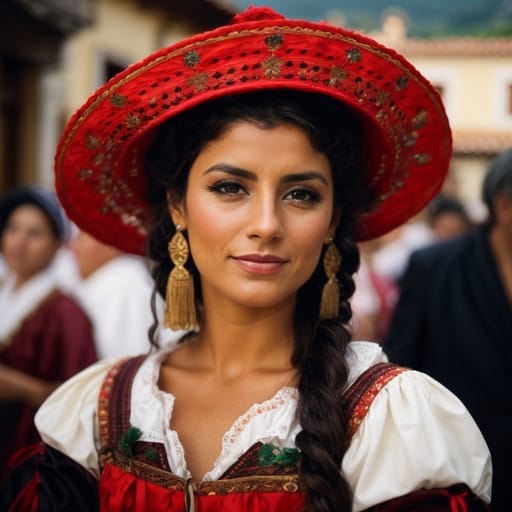
Basques
same region (Southern Europe)
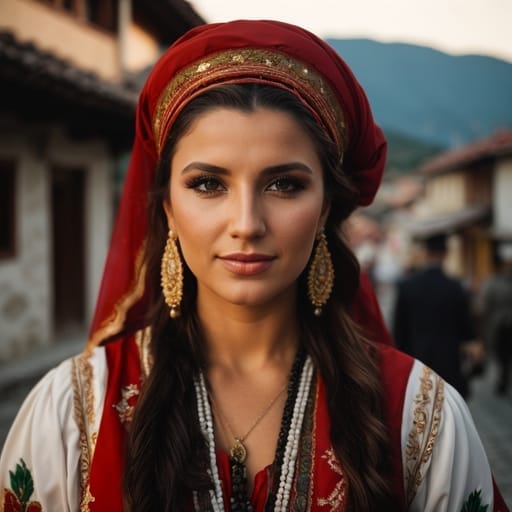
Bosniaks
same region (Southern Europe)
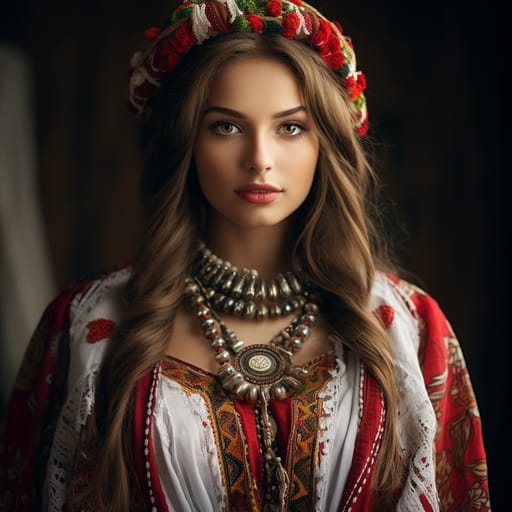
Moldovans
same region (Southern Europe)
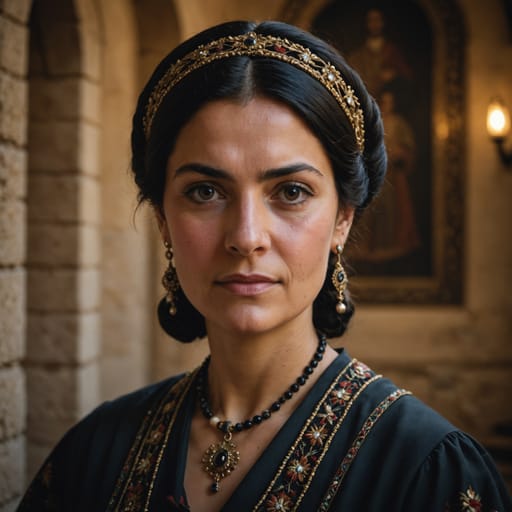
Maltese
same region (Southern Europe)
Picentes
same region (Southern Europe)
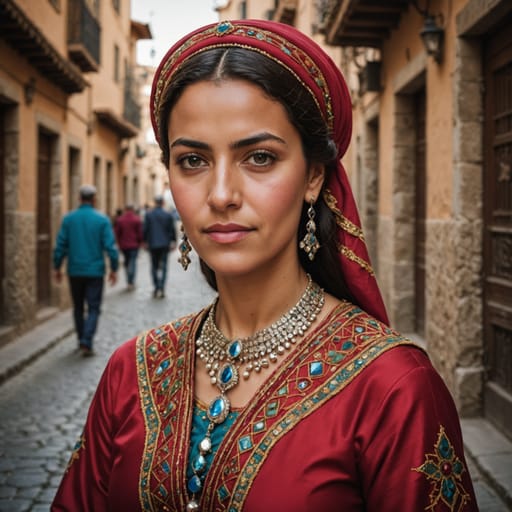
Spain Immigrant Moroccan
same region (Southern Europe)
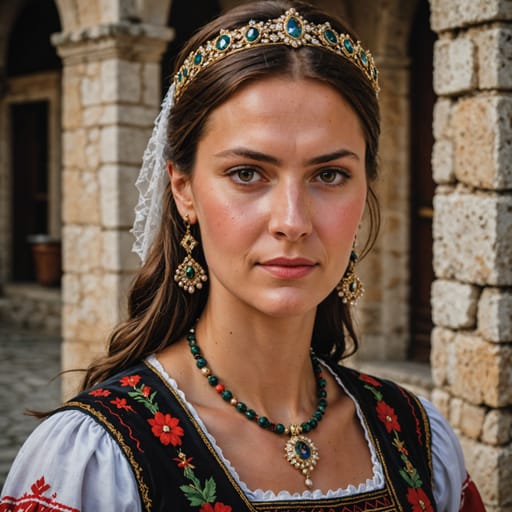
Croatia Other
same region (Southern Europe)
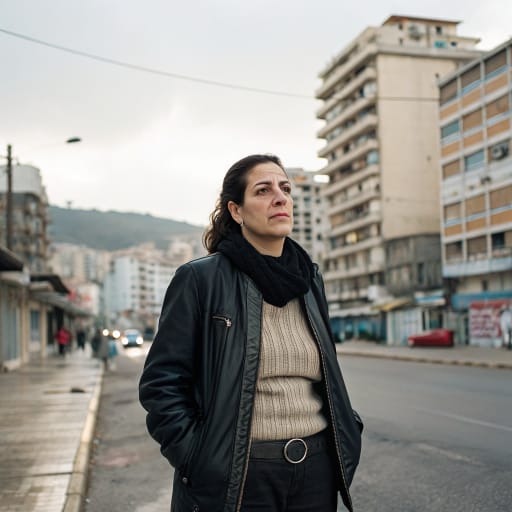
Maniots
same region (Southern Europe)
Typical Valencians Phenotypes
Reference for AI generation: hair, eyes, skin, facial structure, build
Valencians Body & Anatomy Reference
Anatomy by feature, Southern European / Mediterranean phenotype
Valencians Boobs & Breasts
Valencians boobs follow the Southern European / Mediterranean profile: medium-to-large cup, full, moderate-to-high projection. Areolar diameter is usually 32-46mm, and the coloring is medium-brown to dark-brown areolar pigmentation against the olive-to-light-brown skin tone. Breast shape tracks body composition (mesomorph with full hip-and-bust deposition, mean adult female BMI 24-28), so Valencians breasts tend to be full and projecting, generally the classic Mediterranean curvy bust profile. Expect a forward-set shape, not the lighter pigmentation of the Northern European bust.
Valencians Ass & Hips
Valencians ass and hip morphology presents as medium-to-full, moderate-to-high projection, broader hip profile, distinctly different from the slim Northern European narrow-hip pattern. The Valencians pelvic profile shows medium-to-wide iliac crests, full gluteal-femoral fat distribution, anchored in the Southern European / Mediterranean skeletal pattern. Valencians butt shots in adult AI imagery should render the medium-to-full, moderate-to-high projection, broader hip profile silhouette with the overall build (mesomorph with full hip-and-bust deposition) and the fat distribution typical of the Southern European / Mediterranean phenotype.
Valencians Vagina & Pussy
Valencians pussy anatomy typically shows medium-brown to dark-brown labial pigmentation, fuller labia minora. Pubic hair is usually wavy-to-curly medium-coarse dark texture, dense distribution. In AI-generated Valencians nudes, labial color should blend into the olive to medium skin with a gradual transition, and the hair should keep its wavy-to-curly medium-coarse dark texture.
Valencians Dicks & Penis
Penis reference for Valencians men: regional mean ~13-14cm erect, moderate girth. Coloring: medium-brown shaft pigmentation. An accurate Valencians cock in AI imagery matches the surrounding olive to medium skin rather than a generic porn default. Circumcision depends on religion and custom, not ancestry.
Valencians Body, Curves & Build
The Valencians figure is generally mesomorph with full hip-and-bust deposition, with mean adult female BMI 24-28, characteristic of Southern European / Mediterranean ancestry. AI image tools tend to flatten regional body types into a few stock shapes; here the Valencians build is kept as its own reference.
Valencians Skin Tone & Hair Texture
Skin: olive to medium (Fitzpatrick III-IV). Hair: wavy-to-curly 2B-3B, dark-brown to black. Both are typical of Southern European / Mediterranean ancestry. The most common mistake in AI nudes of Valencians women is a body rendered lighter than the face.
Explore phenotype categories
Structured taxonomy with peer-reviewed scales · 22 anatomical categories
Erotic Poses & Sex Positions
From the pose catalog: 219 named positions with reference skeletons
Frequently asked questions about Valencians people
Where is the Valencians homeland?
The Valencians homeland is The Valencian Community on Spain's eastern Mediterranean coast (provinces of Castellón, Valencia and Alicante), the former Kingdom of Valencia in Southern Europe.
What language do Valencians people speak?
Valencians people primarily speak Valencian, the regional name for Catalan (Romance, Indo-European), and Spanish (Romance, Indo-European); most are bilingual, with Spanish dominant in the inland west and far south.
What religion do Valencians people practice?
The predominant religion among Valencians people is Roman Catholic by tradition, increasingly secular; strong devotion to the Virgin of the Forsaken (Mare de Déu dels Desemparats).






Make your own Valencians images
Five a day, free, no credits to buy. The studio starts from this group's phenotype data, so you can set body type, pose and style and keep the traits accurate.
Start with Valencians