Help us get this right
Does this portrait look right for Greek Muslims?
Nobody has judged this one yet. You would be the first.
Greek Muslims Erotic
Historically Crete, western Macedonia and Epirus in Greece, and the Of and Tonya districts of Trabzon Province, Turkey; descendants now live mainly in Turkey, with communities in Syria and Lebanon
Greek (Indo-European, Hellenic), in Cretan, Pontic and northern Greek dialects; Turkish (Turkic) and Arabic (Semitic) among descendants in Turkey and the Levant
Sunni Islam, Hanafi school
Cretan Muslims, Vallahades of western Macedonia, Greek-speaking Muslims of Epirus, Romeyka-speaking Muslims of Trabzon; part of the wider Greek-speaking world and of Turkey's population exchange communities
About Greek Muslims People
Greek Muslims are a people the modern map struggles to file. They are Muslims whose mother tongue was Greek, and in a few places still is. Most descend from Orthodox Christians who adopted Islam under Ottoman rule. For centuries that pairing was unremarkable: a Cretan Muslim could pray at the mosque, sing mantinades in the island dialect and trade with Christian neighbors in the same market town. The problem arrived with nation states that sorted people by faith and called it nationality.
The largest community formed on Crete, which the Ottomans took piece by piece before Candia, today's Heraklion, fell in 1669. Conversion ran high over the following generations. By the nineteenth century Muslims made up a substantial share of the island's people, increasingly concentrated in the fortified towns. Smaller clusters grew in western Greek Macedonia, where the Muslim villagers known as Vallahades lived along the Aliakmonas river, and in Epirus around Ioannina. Far to the east, in the valleys behind Trabzon, the districts of Of and Tonya embraced Islam while keeping their Pontic Greek speech.
The break came in stages. Many Cretan Muslims left after the revolts of the 1890s and again once the island joined Greece in 1913. Some went to Anatolia and others to the Levant: al-Hamidiyah on the Syrian coast was built for them under Sultan Abdulhamid II, and Greek could still be heard there more than a century later. Then the 1923 population exchange defined Greeks and Turks by religion, not language. Greek-speaking Muslims were sent to Turkey and Turkish-speaking Orthodox Christians went the other way. The remaining Cretan families were resettled in places such as Ayvalık and the island of Cunda, moving into homes their Greek Orthodox residents had just left.
Their faith is Sunni Islam of the Hanafi school, the Ottoman standard, and among Cretan families it long lived alongside Greek spoken at home. Most descendants now speak Turkish and identify as Turks, yet many still call themselves Giritli, meaning Cretan, and keep the island's cooking of wild greens and olive oil alive. The Pontic villages are the case linguists travel for. Their Romeyka is spoken mostly by older people and is fading fast, but it keeps features that other forms of Greek lost long ago, including a working infinitive. The Of valley was also known across the empire for its religious schools and the scholars they turned out, so Greek speech and Islamic learning shared the same hillsides without any sense of contradiction.
Related ethnic groups
Groups that share Greek Muslims's homeland, region, language, or religious tradition. These are likely candidates for comparative phenotype reference.
Basques
same region (Southern Europe)
Bosniaks
same region (Southern Europe)
Moldovans
same region (Southern Europe)
Maltese
same region (Southern Europe)
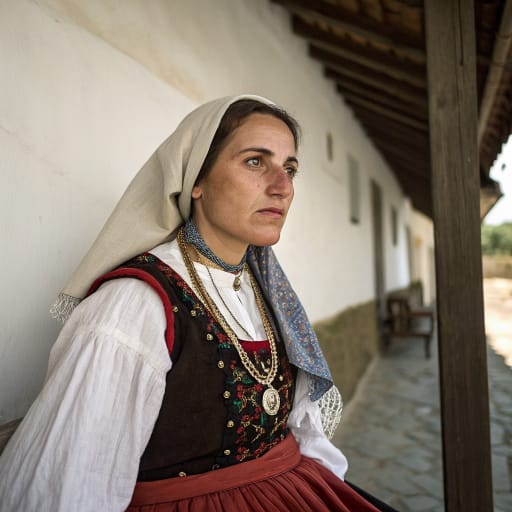
Carenses
same region (Southern Europe)
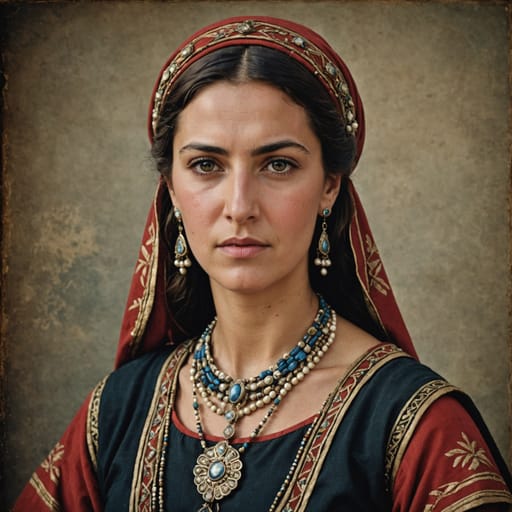
Greek Pomak
same region (Southern Europe)
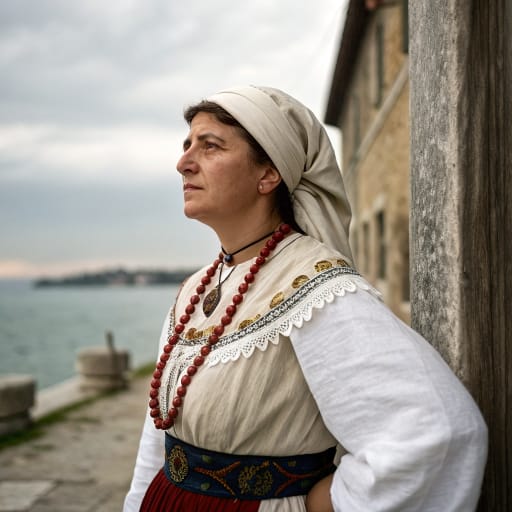
Euganei
same region (Southern Europe)
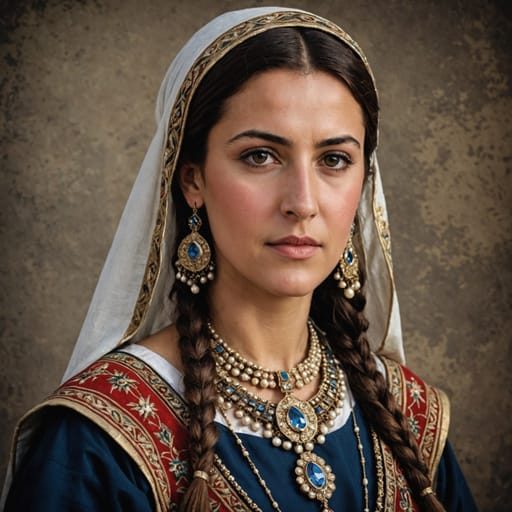
Greek Turkish
same region (Southern Europe)
Typical Greek Muslims Phenotypes
Reference for AI generation: hair, eyes, skin, facial structure, build
Explore phenotype categories
Structured taxonomy with peer-reviewed scales · 22 anatomical categories
Erotic Poses & Sex Positions
From the pose catalog: 219 named positions with reference skeletons
Frequently asked questions about Greek Muslims people
Where is the Greek Muslims homeland?
The Greek Muslims homeland is Historically Crete, western Macedonia and Epirus in Greece, and the Of and Tonya districts of Trabzon Province, Turkey; descendants now live mainly in Turkey, with communities in Syria and Lebanon in Southern Europe.
What language do Greek Muslims people speak?
Greek Muslims people primarily speak Greek (Indo-European, Hellenic), in Cretan, Pontic and northern Greek dialects; Turkish (Turkic) and Arabic (Semitic) among descendants in Turkey and the Levant.
What religion do Greek Muslims people practice?
The predominant religion among Greek Muslims people is Sunni Islam, Hanafi school.






Make your own Greek Muslims images
Five a day, free, no credits to buy. The studio starts from this group's phenotype data, so you can set body type, pose and style and keep the traits accurate.
Start with Greek Muslims