No portrait yet
Mòcheni Erotic
Upper Fersina Valley (Bersntol, Valle dei Mòcheni), east of Trento in Trentino, northern Italy
Mòcheno or Bersntolerisch (Indo-European, Germanic, Upper German, Bavarian); Italian and Trentino dialect also widely spoken
Roman Catholic
Communities of Palù del Fersina, Fierozzo and Frassilongo with Roveda; one of the German-speaking language islands of northern Italy, alongside the Cimbrians
About Mòcheni People
Drive east from Trento, past Pergine, and up the Fersina Valley, and the place names on the signs begin to appear in two languages. The Mòcheni, who call their valley Bersntol, speak a German tongue that has held on in these Italian mountains for some seven centuries. It is not standard German, and it is not quite the Tyrolean spoken over the passes to the north. It is a Bavarian dialect that kept old forms, took in Italian words and went its own way. The usual explanation for the name is that Italian-speaking neighbors named them after the verb mochen, to make or to do, which came up constantly in their speech. Their ancestors came south in the late Middle Ages as colonists, brought in by local lords to clear steep forest and farm high ground. Miners followed when the valley's ore was worked. You can still see that history in how people settled: instead of tight villages, the Mòcheni built farmsteads spread out across the slopes. Farming at that altitude rarely paid enough, so for generations men left every year as Krumer, traveling peddlers who carried goods through the Habsburg lands and beyond before coming home. Leaving and coming back every year shaped the community as much as the mountains did.
The heartland today is three small municipalities: Palù del Fersina, Fierozzo, and Frassilongo with its hamlet of Roveda. Other villages in the same valley speak Trentino Italian. The Mòcheni are Roman Catholic, and feast days, processions and carnival still set much of the village calendar. The twentieth century hit hard. Trentino passed from Austria to Italy after the First World War, Fascist Italianization pushed the language out of public life, and under the 1939 option agreement between Hitler and Mussolini many families chose to leave for the Reich. Most of those who left were resettled in Bohemia, and many came back after the war. Recognition came late. Mòcheno is now protected under Italian and provincial law as one of Trentino's three recognized minority languages, alongside Ladin and Cimbrian, and a cultural institute in Palù works on its grammar, place names and teaching. Speakers number in the low thousands. The community is small but still alive: people speak the language at home, write it and teach it, and it is still what sets the Mòcheni apart from everyone around them.
Related ethnic groups
Groups that share Mòcheni's homeland, region, language, or religious tradition. These are likely candidates for comparative phenotype reference.
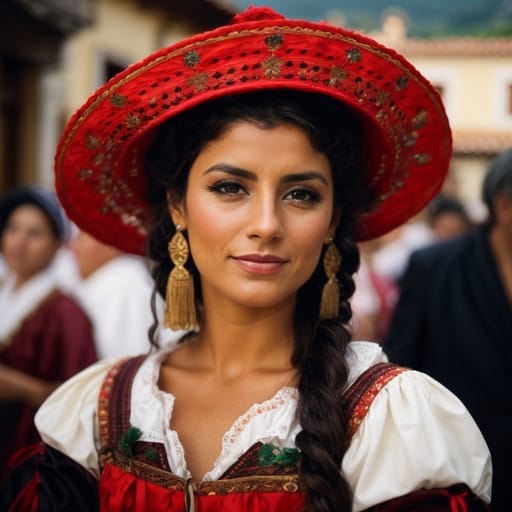
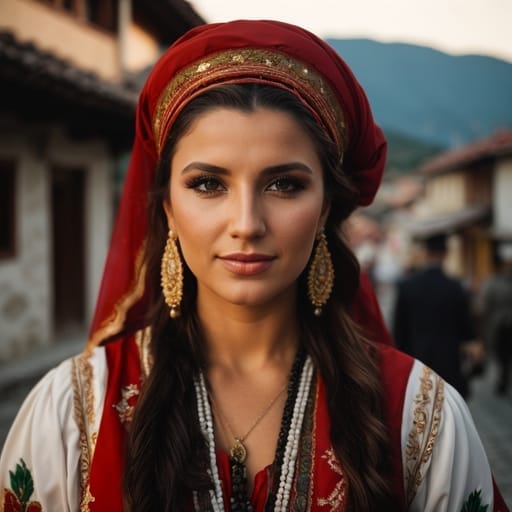
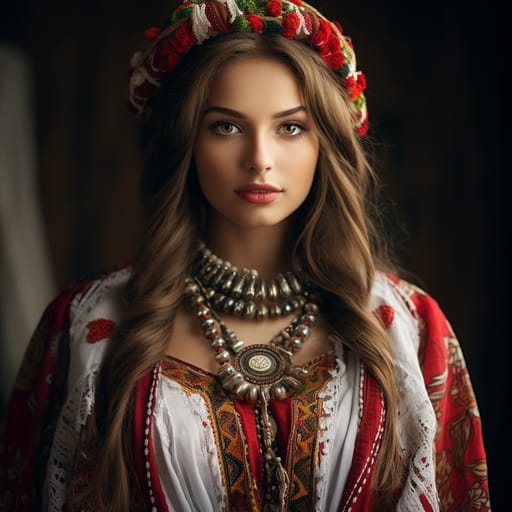
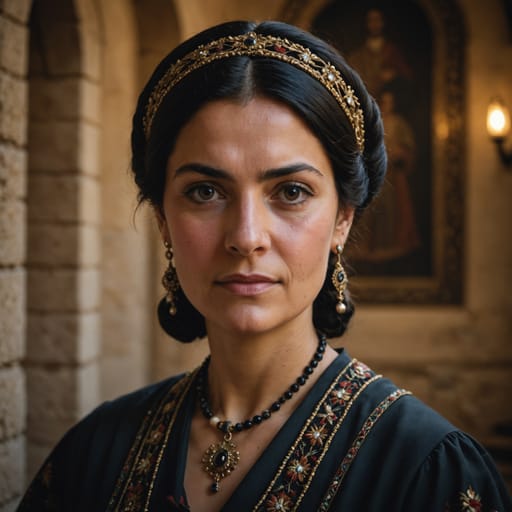
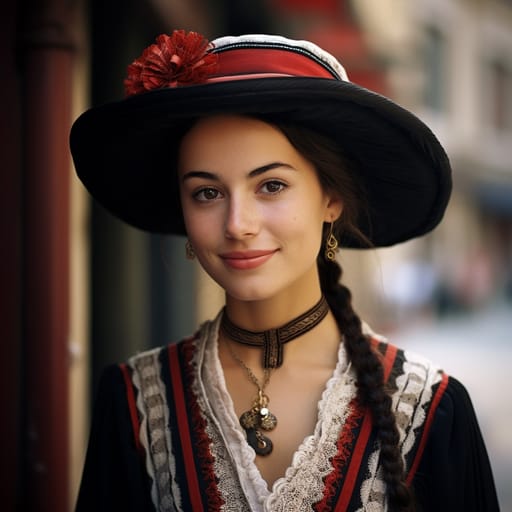
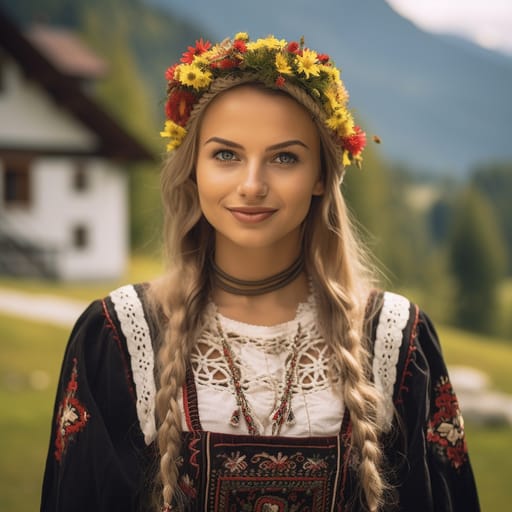
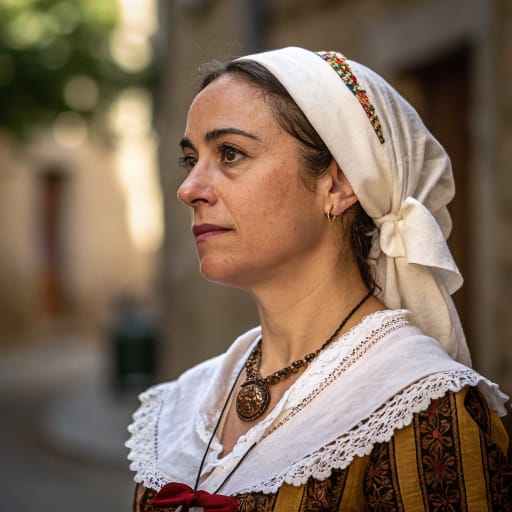
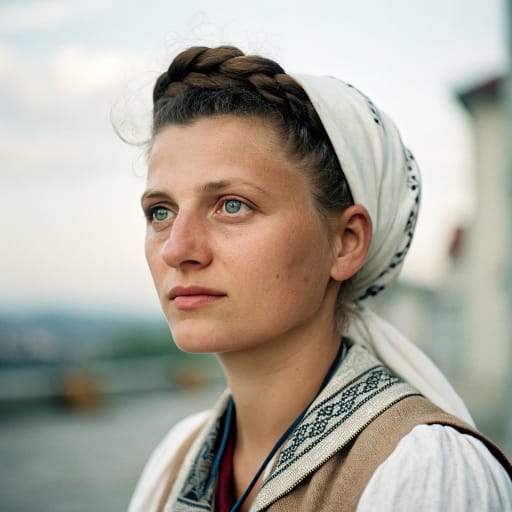
Typical Mòcheni Phenotypes
Reference for AI generation: hair, eyes, skin, facial structure, build
Mòcheni Body & Anatomy Reference
Per-feature anatomical profile for AI nude generation: Southern European / Mediterranean phenotype
Mòcheni Boobs & Breasts
Mòcheni boobs follow the Southern European / Mediterranean profile: medium-to-large cup, full, moderate-to-high projection. Areolar diameter is usually 32-46mm, and the coloring is medium-brown to dark-brown areolar pigmentation against the olive-to-light-brown skin tone. Breast shape tracks body composition (mesomorph with full hip-and-bust deposition, mean adult female BMI 24-28), so Mòcheni breasts tend to be full and projecting, generally the classic Mediterranean curvy bust profile. Expect a forward-set shape, not the lighter pigmentation of the Northern European bust.
Mòcheni Ass & Hips
Mòcheni ass and hip morphology presents as medium-to-full, moderate-to-high projection, broader hip profile, distinctly different from the slim Northern European narrow-hip pattern. The Mòcheni pelvic profile shows medium-to-wide iliac crests, full gluteal-femoral fat distribution, anchored in the Southern European / Mediterranean skeletal pattern. Mòcheni butt shots in adult AI imagery should render the medium-to-full, moderate-to-high projection, broader hip profile silhouette with the overall build (mesomorph with full hip-and-bust deposition) and the fat distribution typical of the Southern European / Mediterranean phenotype.
Mòcheni Vagina & Pussy
Mòcheni pussy anatomy typically shows medium-brown to dark-brown labial pigmentation, fuller labia minora. Pubic hair is usually wavy-to-curly medium-coarse dark texture, dense distribution. In AI-generated Mòcheni nudes, labial color should blend into the olive to medium skin with a gradual transition, and the hair should keep its wavy-to-curly medium-coarse dark texture.
Mòcheni Dicks & Penis
Penis reference for Mòcheni men: regional mean ~13-14cm erect, moderate girth. Coloring: medium-brown shaft pigmentation. An accurate Mòcheni cock in AI imagery matches the surrounding olive to medium skin rather than a generic porn default. Circumcision depends on religion and custom, not ancestry.
Mòcheni Body, Curves & Build
The Mòcheni figure is generally mesomorph with full hip-and-bust deposition, with mean adult female BMI 24-28, characteristic of Southern European / Mediterranean ancestry. AI image tools tend to flatten regional body types into a few stock shapes; here the Mòcheni build is kept as its own reference.
Mòcheni Skin Tone & Hair Texture
Skin: olive to medium (Fitzpatrick III-IV). Hair: wavy-to-curly 2B-3B, dark-brown to black. Both are typical of Southern European / Mediterranean ancestry. The most common mistake in AI nudes of Mòcheni women is a body rendered lighter than the face.
Explore phenotype categories
Structured taxonomy with peer-reviewed scales · 22 anatomical categories
Erotic Poses & Sex Positions
From the pose catalog: 219 named positions with reference skeletons
Frequently asked questions about Mòcheni people
Where is the Mòcheni homeland?
The Mòcheni homeland is Upper Fersina Valley (Bersntol, Valle dei Mòcheni), east of Trento in Trentino, northern Italy in Southern Europe.
What language do Mòcheni people speak?
Mòcheni people primarily speak Mòcheno or Bersntolerisch (Indo-European, Germanic, Upper German, Bavarian); Italian and Trentino dialect also widely spoken.
What religion do Mòcheni people practice?
The predominant religion among Mòcheni people is Roman Catholic.






Make your own Mòcheni images
Five a day, free, no credits to buy. The studio starts from this group's phenotype data, so you can set body type, pose and style and keep the traits accurate.
Start with Mòcheni