No portrait yet
Ligures Erotic
Northwestern Italy (Liguria, southern Piedmont, the Lunigiana) and southeastern France (Provence to the Rhône), in antiquity
Ancient Ligurian (unclassified, known only from names; possibly Indo-European, heavily Celticized in the west), replaced by Latin
Pre-Roman polytheism, poorly documented; Celto-Ligurian sanctuaries in Provence kept a severed-head cult; later Romanized
Tribes including the Ingauni, Intemelii, Genuates, Apuani, Statielli, Vagienni, Salluvii, Oxybii and Deciates; the western tribes are often called Celto-Ligurian
About Ligures People
The Ligures were a historical people of the northwestern Mediterranean who held the mountains and coast of what is now Liguria, Piedmont and Provence from at least the seventh century BC until Rome absorbed them in the last two centuries BC. Their name lives on in the Italian region of Liguria and in the ancestry of the Genoese and Provençal populations that followed them. What made them a recognizable people to the Greeks who traded with them and the Romans who fought them was the country itself: a thin strip of sea backed almost at once by the Apennines and the Maritime Alps, where life ran on the hilltop village, the terraced slope and the flock. Diodorus called their land stony and wretched, said they slept in caves and rough huts, and noted that the women worked as hard as the men. Strabo had them living on their herds and a barley brew, sending timber, hides, cattle and honey down to the port at Genoa in exchange for oil and wine. Cato dismissed them as unlettered liars. The picture is of hard upland people who fought well and exported their surplus sons: Ligurian mercenaries stood in Carthaginian ranks from Himera in 480 BC through the Punic Wars.
They were never one state. The sources name dozens of tribes: the Ingauni around Albenga, the Intemelii at Ventimiglia, the Genuates at Genoa, the Apuani in the Lunigiana, the Statielli and Vagienni in the Piedmont hills, and west of the Var the Salluvii, Oxybii and Deciates, whose oppida at Entremont and Roquepertuse show heavy Celtic influence and a habit of mounting severed heads in stone niches. Whether their language was Indo-European at all is still argued, since it survives only in personal and place names. The -asco and -asca endings scattered across northern Italy are its most visible trace. Rome needed roughly eighty years, from the 230s BC to the mid second century, and was often brutal about it. In 180 BC the consuls marched some forty thousand Apuani to Samnium and resettled them as the Ligures Baebiani and Corniculani, an early Roman experiment in ethnic removal. The last Alpine tribes were listed as beaten on the trophy Augustus raised at La Turbie in 6 BC. After that the Ligures faded into Roman provincials and then into the medieval populations of Genoa and Provence. What remains is the region's name, the prehistoric statue-stelae of the Lunigiana and the Bronze Age rock carvings of Monte Bego that may or may not be their ancestors' work, and a reputation for flinty stubbornness that Liguria has never quite shed.
Related ethnic groups
Groups that share Ligures's homeland, region, language, or religious tradition. These are likely candidates for comparative phenotype reference.
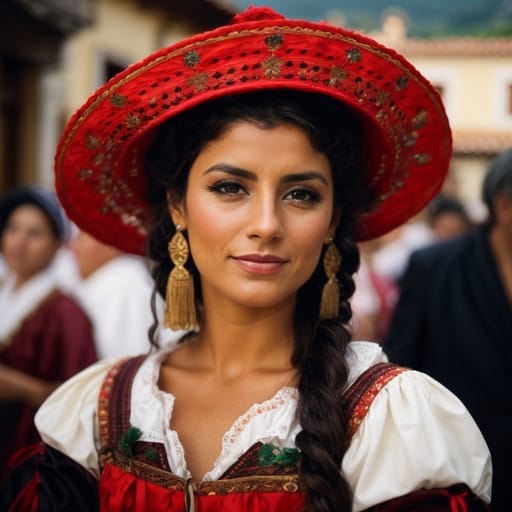
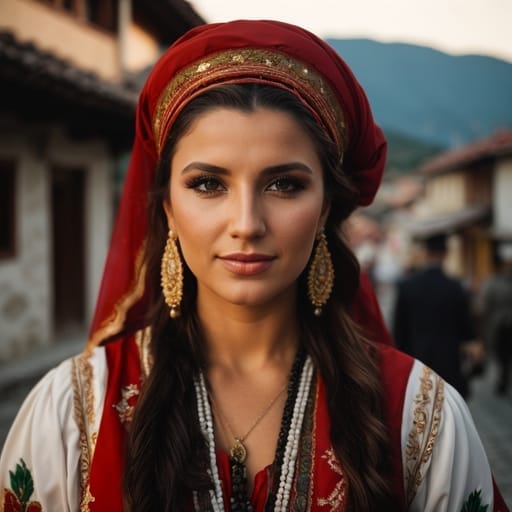
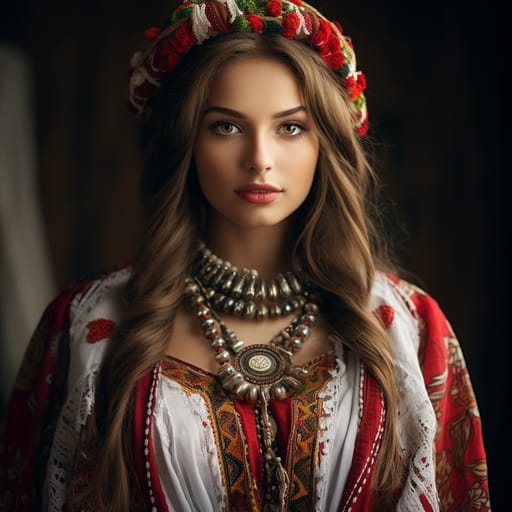
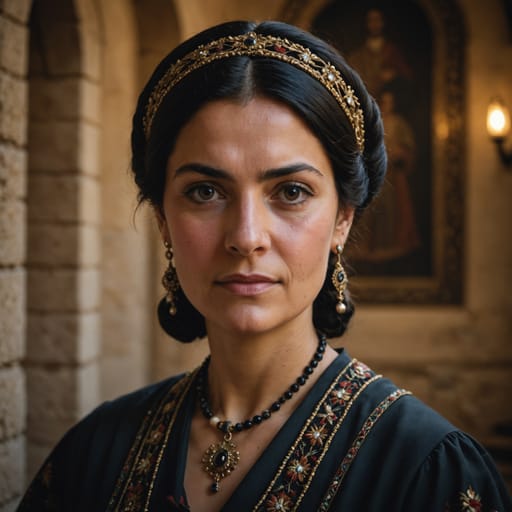
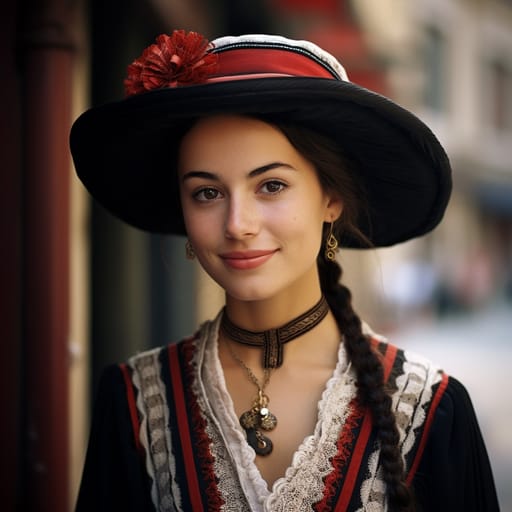

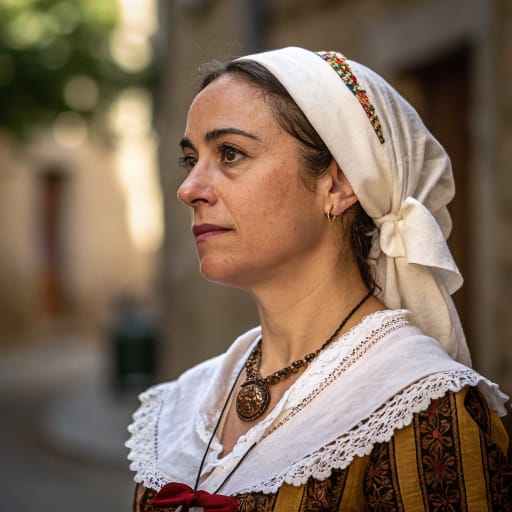
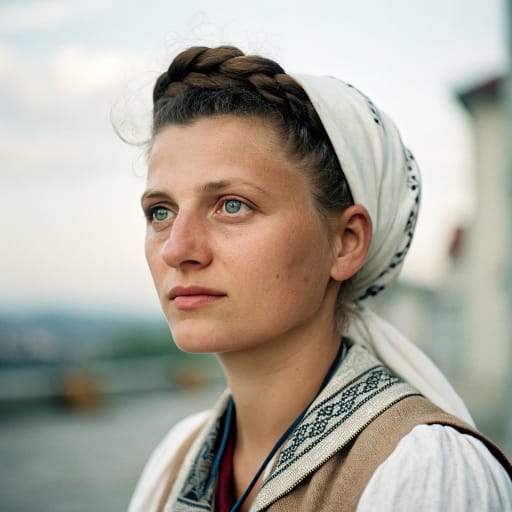
Typical Ligures Phenotypes
Reference for AI generation: hair, eyes, skin, facial structure, build
Ligures Body & Anatomy Reference
Per-feature anatomical profile for AI nude generation: Southern European / Mediterranean phenotype
Ligures Boobs & Breasts
Bust reference for Ligures women: medium-to-large cup, full, moderate-to-high projection, which is typical of Southern European / Mediterranean ancestry. Areolas measure about 32-46mm across, with medium-brown to dark-brown pigmentation. Body type (mesomorph with full hip-and-bust deposition) shapes the bust as well, so Ligures tits are usually full and projecting, generally the classic Mediterranean curvy bust profile. In AI imagery, keep the forward-set shape rather than drifting toward the lighter pigmentation of the Northern European bust.
Ligures Ass & Hips
The Ligures ass is typically medium-to-full, moderate-to-high projection, broader hip profile, which sets it apart from the slim Northern European narrow-hip pattern. Underneath, the pelvis shows medium-to-wide iliac crests, full gluteal-femoral fat distribution, part of the Southern European / Mediterranean skeletal pattern. For Ligures butt pics and AI renders, match that silhouette and the overall build (mesomorph with full hip-and-bust deposition).
Ligures Vagina & Pussy
Ligures pussy and vulvar anatomy presents medium-brown to dark-brown labial pigmentation, fuller labia minora, consistent with the Southern European / Mediterranean phenotype's pigmentation pattern. Ligures pubic hair is typically wavy-to-curly medium-coarse dark texture, dense distribution, in the inverted-triangle pattern. For anatomically accurate Ligures pussy renders the labial coloration should match the surrounding olive to medium skin tone with a continuous gradient, and the hair should keep its wavy-to-curly medium-coarse dark texture.
Ligures Dicks & Penis
Ligures dicks follow the Southern European / Mediterranean reference data: regional mean ~13-14cm erect; moderate girth; medium-brown shaft pigmentation. Shaft color should track the olive to medium skin tone with a smooth change toward the glans, and Ligures pubic hair keeps its wavy-to-curly medium-coarse dark texture.
Ligures Body, Curves & Build
Ligures body type and overall build presents as mesomorph with full hip-and-bust deposition, with mean adult female BMI 24-28: the characteristic Southern European / Mediterranean habitus. Ligures curves and proportions should keep the regional skeletal frame (height, shoulder-to-hip ratio, limb proportions) rather than a generic mesomorph default.
Ligures Skin Tone & Hair Texture
Ligures skin sits in the olive to medium (Fitzpatrick III-IV) band. Hair is typically wavy-to-curly 2B-3B, dark-brown to black, in keeping with the Southern European / Mediterranean phenotype. In nude renders the skin should stay one even tone from face to body, and body, pubic and head hair should match.
Explore phenotype categories
Structured taxonomy with peer-reviewed scales · 22 anatomical categories
Erotic Poses & Sex Positions
From the pose catalog: 219 named positions with reference skeletons
Frequently asked questions about Ligures people
Where is the Ligures homeland?
The Ligures homeland is Northwestern Italy (Liguria, southern Piedmont, the Lunigiana) and southeastern France (Provence to the Rhône), in antiquity in Southern Europe.
What language do Ligures people speak?
Ligures people primarily speak Ancient Ligurian (unclassified, known only from names; possibly Indo-European, heavily Celticized in the west), replaced by Latin.
What religion do Ligures people practice?
The predominant religion among Ligures people is Pre-Roman polytheism, poorly documented; Celto-Ligurian sanctuaries in Provence kept a severed-head cult; later Romanized.






Make your own Ligures images
Five a day, free, no credits to buy. The studio starts from this group's phenotype data, so you can set body type, pose and style and keep the traits accurate.
Start with Ligures