- Home/
- World/
- Southern Asia/
- Adi

Help us get this right
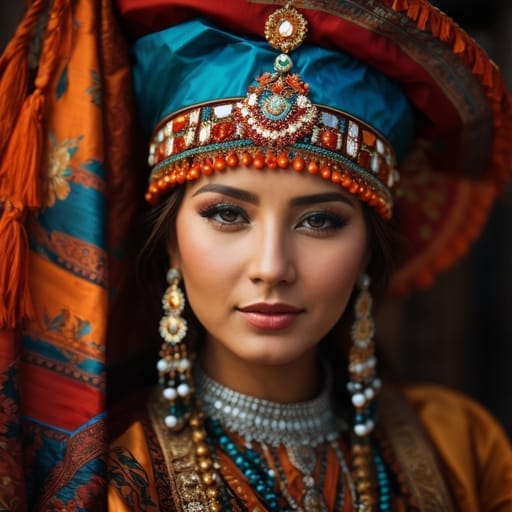
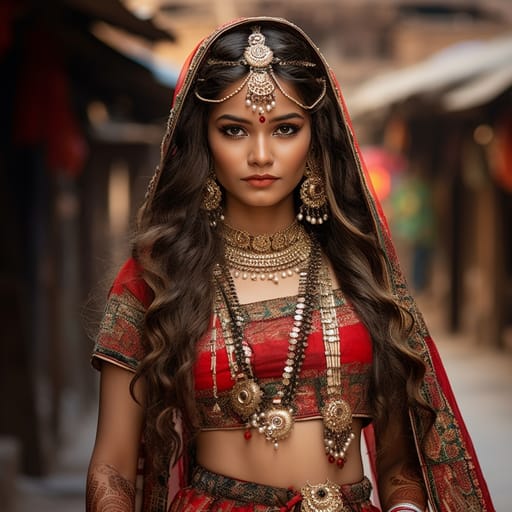
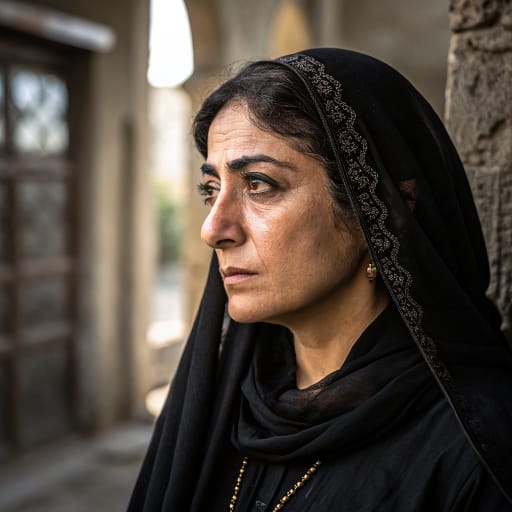
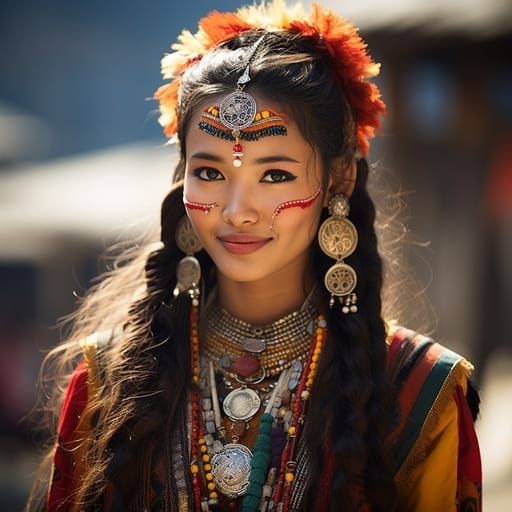
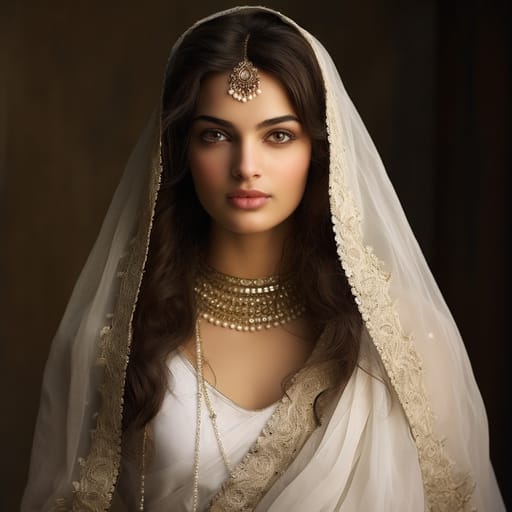
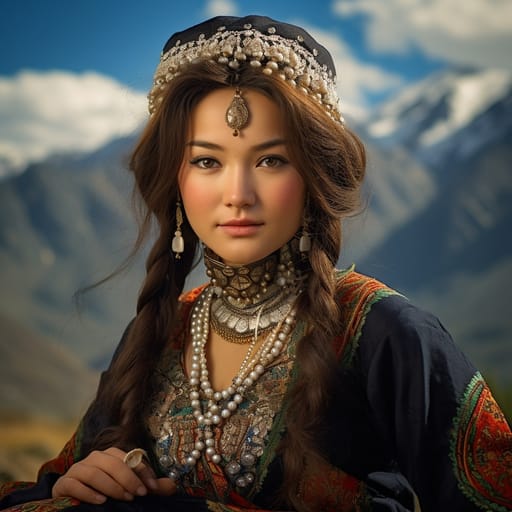
Does this portrait look Adi?
Nobody has judged this one yet. You would be the first.
Adi Erotic
Siang river valleys, Arunachal Pradesh, India
Donyi-Polo (Sun-Moon veneration); Christianity
Minyong, Padam, Pasi, Bori, Milang and other subgroups
About Adi People
The Adi are a Tani people of the central and eastern hills of Arunachal Pradesh in northeast India, living mainly in the Siang river valleys. They speak Adi, a Tani language of the Sino-Tibetan family with several dialects, and number in the low hundreds of thousands. The name Adi means hill or people of the hills.
Society and subsistence
The Adi comprise many subgroups, including the Minyong, Padam, Pasi and Bori, organised into clans with village councils known as the kebang that settle disputes by consensus. Subsistence rests on shifting cultivation of rice and millet, terraced fields, fishing, and expert work in cane and bamboo, from which they build houses, suspension bridges and fine baskets. Their cane and bamboo suspension bridges, slung high across fast rivers, are a celebrated feat of indigenous engineering, and every village has a communal house where the kebang meets. The dominant indigenous faith is Donyi-Polo, the veneration of the Sun (Donyi) and Moon (Polo) as supreme cosmic principles, expressed in the Solung and Aran festivals; Christianity has also spread. Communal dance and oral epic (the abang) are central to cultural life.
Appearance and adornment
Adi traditional dress is made largely of cane, bamboo and handwoven cotton. Men wear cane helmets, sleeveless coats and cane belts, and carry the dao in a woven basket-sheath. Women wear striped woven skirts with many tightly wound cane rings around the waist, the beyop, together with sleeveless jackets and strings of blue and white beads and brass ornaments. For festivals such as Solung both sexes add feather plumes, boar-tusk pieces and fur trim. Rice beer, known as apong, and hearty smoked and boiled dishes feature at festivals such as Solung, Aran and Mopin, which mark the farming year with dance, feasting and the recitation of oral epics. Modern clothing is now usual for everyday wear.
Typical Adi Phenotypes
Reference for AI generation — hair, eyes, skin, facial structure, build
Adi Body & Anatomy Reference
Per-feature anatomical profile for AI nude generation — Indo-Aryan / Dravidian South Asian phenotype
Adi Boobs & Breasts
Adi tits and boobs run medium-to-large cup, moderate-to-full projection — the classic Indo-Aryan / Dravidian South Asian bust profile. Adi nipples and areolas show medium-brown to dark-brown areolar pigmentation against the wheatish-to-brown skin tone, with areolar diameter typically in the 32-46mm range and forward-set positioning rather than the the smaller East Asian bust profile. Adi breasts trend full and soft, generally fuller than the East Asian norm, a function of the endomorph-to-mesomorph with fuller hip deposition body habitus and the mean adult female BMI 22-25. For anatomically-accurate AI-generated Adi nudes the render preserves: medium-to-large cup, moderate-to-full projection shape, 32-46mm areolas with medium-brown to dark-brown pigmentation, and the torso proportions of the Indo-Aryan / Dravidian South Asian phenotype.
Adi Ass & Hips
Adi ass and hip morphology presents as medium-to-full, moderate-to-high projection, classic curvy hip profile — distinctly different from the slim hip profile of East Asian women. The Adi pelvic profile shows medium-to-wide iliac crests, full gluteal-femoral fat distribution, anchored in the Indo-Aryan / Dravidian South Asian skeletal pattern. Adi butt shots in adult AI imagery should render the medium-to-full, moderate-to-high projection, classic curvy hip profile silhouette with the endomorph-to-mesomorph with fuller hip deposition build and the gluteal-femoral fat distribution typical of the Indo-Aryan / Dravidian South Asian phenotype rather than defaulting to a globally-averaged "ethnic" butt that generic AI generators produce. The hip-to-waist ratio characteristic of Adi women is one of the identifying features of the Indo-Aryan / Dravidian South Asian regional phenotype.
Adi Vagina & Pussy
Adi pussy and vulvar anatomy presents medium-brown to dark-brown labial pigmentation, fuller labia minora projection — consistent with the Indo-Aryan / Dravidian South Asian phenotype's pigmentation pattern. Adi pubic hair is typically straight-to-wavy coarse texture, dense distribution, distributed in the inverted-triangle pattern with regional-typical density. AI-generated Adi nude imagery should preserve the medium-brown to dark-brown labial pigmentation and the straight-to-wavy coarse texture hair texture rather than defaulting to a Western-European pink-and-sparse template. For anatomically-accurate Adi pussy renders the labial pigmentation and coloration should match the surrounding wheatish to brown skin tone of the Indo-Aryan / Dravidian South Asian phenotype, with continuous gradient rather than an abrupt color transition.
Adi Dicks & Penis
Adi dick and penile anatomy in adult AI generation should anchor on the regional reference data: regional mean ~13cm erect, moderate girth, and medium-brown shaft pigmentation. The Adi cock profile reflects the Indo-Aryan / Dravidian South Asian ancestral population's anthropometric measurements rather than a globally-averaged Western-pornography default. For anatomically-accurate Adi nude male imagery the shaft pigmentation should track the surrounding wheatish to brown skin tone, the glans-to-shaft pigmentation transition should be continuous, and the pubic hair pattern should match straight-to-wavy coarse texture texture distributed in the typical inverted-V escutcheon. Circumcision status in Adi populations varies by religious-cultural tradition rather than ancestral phenotype.
Adi Body, Curves & Build
Adi body type and overall build presents as endomorph-to-mesomorph with fuller hip deposition, with mean adult female BMI 22-25 — the characteristic Indo-Aryan / Dravidian South Asian habitus. Adi curves and proportions in adult AI imagery should preserve the regional skeletal frame (height, shoulder-to-hip ratio, limb proportions) rather than scaling to a Western-European mesomorph default. The Adi nude female form, when rendered with anatomical fidelity, shows the height range, frame width, and adipose distribution pattern typical of the Indo-Aryan / Dravidian South Asian phenotype. Generic AI image generators tend to collapse regional body types into a few default shapes; the EthnicErotic phenotype-anchored approach preserves the Adi build as its own reference category.
Adi Skin Tone & Hair Texture
Adi skin tone falls in the wheatish to brown (Fitzpatrick III-V) band — the surface signal most often miscalibrated by generic AI nude generators trained on Western-photographic datasets. Adi hair texture is typically straight-to-wavy 1A-2B, dense, dark-brown to black, characteristic of the Indo-Aryan / Dravidian South Asian phenotype. For anatomically-accurate Adi nude renders the skin should hold the Fitzpatrick band consistently across body surface rather than showing the lighter-than-face body shading that AI generators default to. Adi hair pigmentation and texture on body, pubic, and head should match across the figure rather than mixing textures (a common AI artefact).
Related ethnic groups
Groups that share Adi's homeland, region, language, or religious tradition — likely candidates for comparative phenotype reference.
Explore phenotype categories
Structured taxonomy with peer-reviewed scales · 22 anatomical categories
Notable Adi People
11 reference figures — sourced from Wikipedia
- Gegong Apang — politician
- Jomin Tayeng — IAS officer
- Mamang Dai — poet and novelist
- Ninong Ering — politician
- Oken Tayeng — politician
- Omak Apang — politician
- Tapir Gao — politician
- Takeng Taggu — Pentecostal Pastor
- Tati Lego — Administrator and Soldier
- Talom Rukbo — Spiritualist
- Tarung Pabin — politician
Erotic Poses & Sex Positions
From the pose catalog — 104 named positions with reference skeletons
Frequently asked questions about Adi people
Where is the Adi homeland?
The Adi homeland is Siang river valleys, Arunachal Pradesh, India in Southern Asia.
What language do Adi people speak?
Adi people primarily speak Adi (Sino-Tibetan, Tani).
What religion do Adi people practice?
The predominant religion among Adi people is Donyi-Polo (Sun-Moon veneration); Christianity.

What does a typical Adi woman look like?
East Asian Sino-Tibetan features: light to medium brown skin, straight black hair, epicanthic folds, compact sturdy build. Traditional dress includes cane and bamboo helmets, sleeveless jackets, and for women striped woven skirts with many tight cane waist rings (beyop) and strings of blue and white beads.
Generate Adi AI Content
Use this ethnicity's phenotype data to create AI-generated content with accurate physical traits and cultural context.
Open Creator Studio