Help us get this right
Does this portrait look right for Bhutia?
Nobody has judged this one yet. You would be the first.
Bhutia Erotic
Sikkim in northeastern India, with communities in the Darjeeling and Kalimpong districts of West Bengal and across the borders in Nepal and Bhutan.
Drenjongke, also called Sikkimese or Bhutia (Tibetic, Sino-Tibetan); Nepali, Hindi and English in wider public use
Tibetan Buddhism, predominantly the Nyingma school, with Karma Kagyu institutions and older mountain deity worship folded into the calendar
Lachenpa, Lachungpa, Dokpa, Chumbipa and Tromopa; part of the wider Tibetic-speaking world alongside Sherpas, Yolmo and Tibetan settlers in Sikkim
About Bhutia People
The Bhutias call their homeland Drenjong, the valley of rice, and themselves Drenjongpa, the people who live in it. That name does most of the work: it separates them from the Tibetans they descend from and ties them to a specific stretch of the eastern Himalaya. Their ancestors came south out of Kham in eastern Tibet from around the thirteenth century, crossing into what is now the Indian state of Sikkim and, later, into the Darjeeling and Kalimpong hills of West Bengal. The founding story of the place is a treaty rather than a conquest: Khye Bumsa, the Tibetan chief, and Thekong Tek, leader of the Lepchas already living there, swore blood brotherhood at Kabi Lungchok and made Khangchendzonga the guardian of both peoples. Sikkim still marks it every year at Pang Lhabsol, when masked dancers take the mountain's part and monks perform a warrior dance in armor.
Their language, Drenjongke or Sikkimese, is Tibetic and descends from Old Tibetan, close to Bhutan's Dzongkha and written in Tibetan script. It sits awkwardly among its neighbors now. Lepcha, the older language of the same hills, is Sino-Tibetan but not Tibetic and not mutually intelligible with it, while Nepali, an Indo-Aryan language brought by nineteenth-century migration under British encouragement, became the language everyone in Sikkim uses to talk to everyone else. That migration also turned the Bhutias into a minority in the kingdom their own dynasty ran: the Namgyal Chogyals, consecrated at Yuksom in 1642, held the throne until Sikkim voted itself into India in 1975. Bhutias and Lepchas both hold Scheduled Tribe status, with seats reserved for them in the state assembly, a legal echo of the arrangement the two peoples made for themselves at Kabi.
Religion is Tibetan Buddhism, mostly Nyingma, with the Karma Kagyu seat at Rumtek since the Karmapa left Tibet in 1959. Pemayangtse, Tashiding and Phodong anchor the ritual year, and Losoong in December closes the harvest with Chaam dancing before Losar opens the next one. The Bhutias are not one undifferentiated block. The Lachenpas and Lachungpas of North Sikkim still run their valleys through the Dzumsa, a village council under a headman called the Pipon that allocates grazing, settles disputes and operates in place of the standard Indian panchayat. Higher up, the Dokpas herd yak near the Tibetan border. Chumbipa and Tromopa families trace back to valleys on the Tibetan side of the line. Butter tea and millet beer drunk hot through a bamboo straw are ordinary hospitality, not folklore.
Related ethnic groups
Groups that share Bhutia's homeland, region, language, or religious tradition. These are likely candidates for comparative phenotype reference.
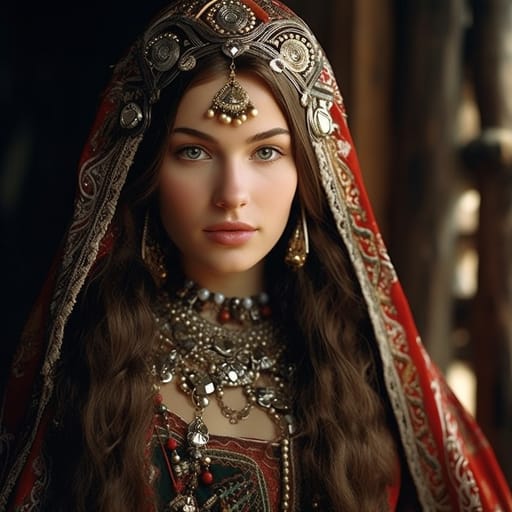
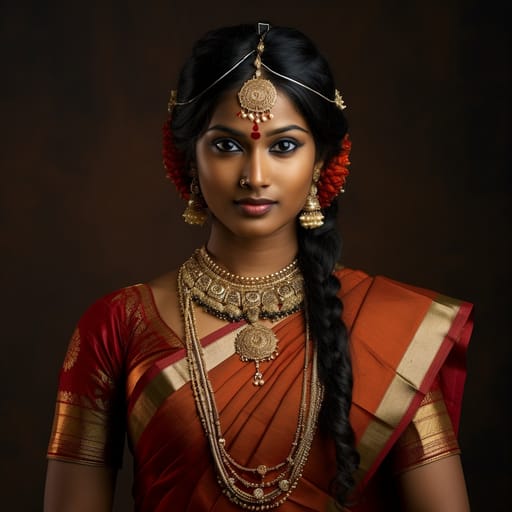
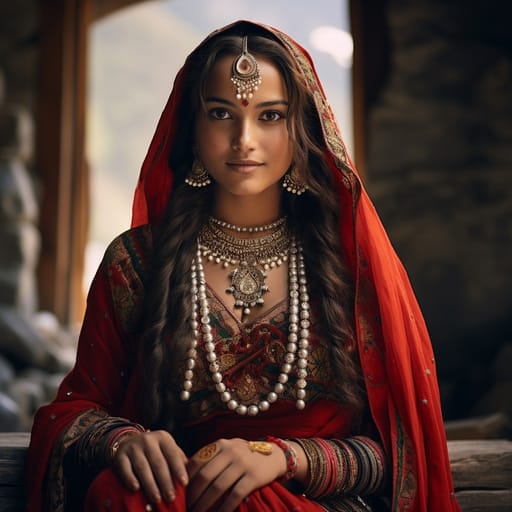
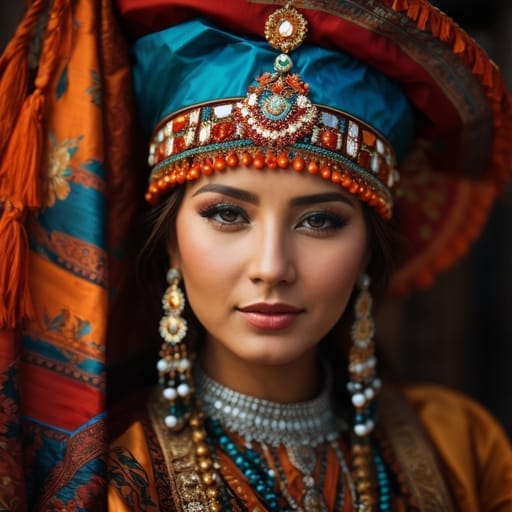
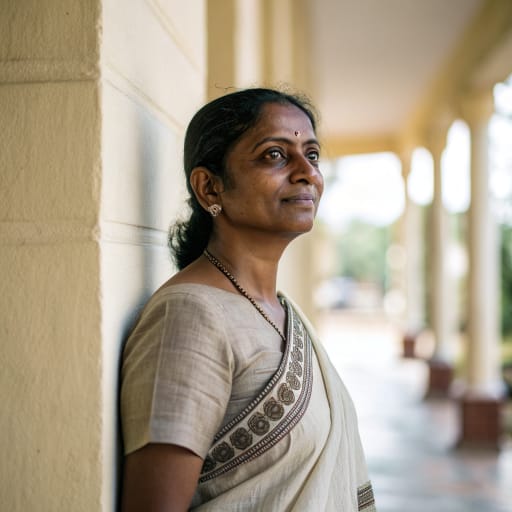
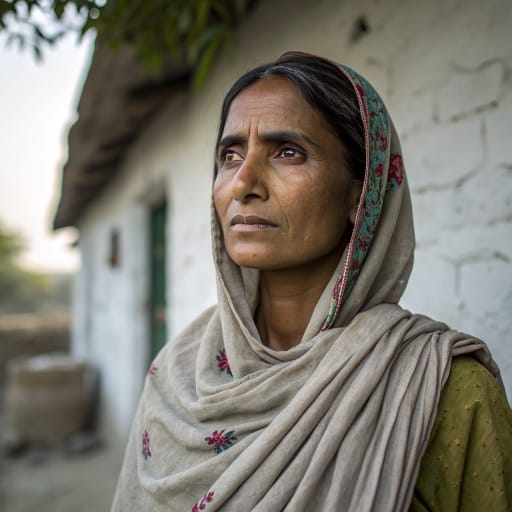
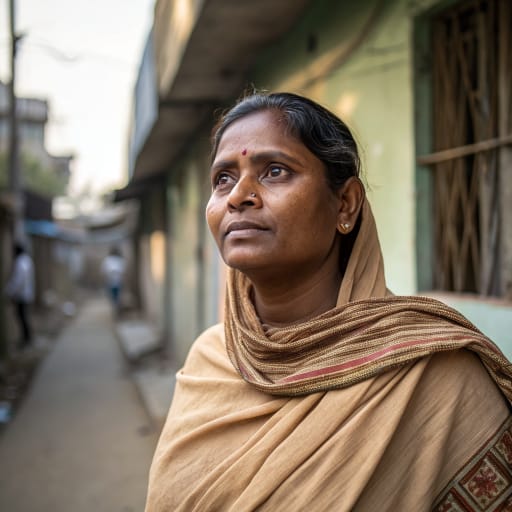
Typical Bhutia Phenotypes
Reference for AI generation: hair, eyes, skin, facial structure, build
Explore phenotype categories
Structured taxonomy with peer-reviewed scales · 22 anatomical categories
Erotic Poses & Sex Positions
From the pose catalog: 219 named positions with reference skeletons
Frequently asked questions about Bhutia people
Where is the Bhutia homeland?
The Bhutia homeland is Sikkim in northeastern India, with communities in the Darjeeling and Kalimpong districts of West Bengal and across the borders in Nepal and Bhutan. in Southern Asia.
What language do Bhutia people speak?
Bhutia people primarily speak Drenjongke, also called Sikkimese or Bhutia (Tibetic, Sino-Tibetan); Nepali, Hindi and English in wider public use.
What religion do Bhutia people practice?
The predominant religion among Bhutia people is Tibetan Buddhism, predominantly the Nyingma school, with Karma Kagyu institutions and older mountain deity worship folded into the calendar.






Make your own Bhutia images
Five a day, free, no credits to buy. The studio starts from this group's phenotype data, so you can set body type, pose and style and keep the traits accurate.
Start with Bhutia