Help us get this right
Does this portrait look right for Aimol?
Nobody has judged this one yet. You would be the first.
Aimol Erotic
Hill villages in Manipur, northeast India, chiefly in Chandel district
Aimol (Sino-Tibetan, Kuki-Chin branch); Meitei and English widely used as second languages
Largely Christian, with roots in an older animist tradition
One of the Old Kuki peoples of Manipur, related to the Chiru, Kom, Koireng and other Kuki-Chin speakers
About Aimol People
The Aimol are a small hill people of Manipur, in India's northeast. They have a language of their own, and they have kept their own name while living between much larger neighbors. There are only a few thousand of them. Many of their villages put the word Aimol at the front of the village name, which is about as plain a statement of identity as a place can make. Ethnographers group them with the Old Kuki: Kuki-Chin speakers who settled in the hills around the Imphal valley long before the big nineteenth century migrations of the Thadou and related clans.
The Aimol language belongs to the Kuki-Chin branch of Sino-Tibetan. Its closest relatives are the languages of other Old Kuki communities, such as the Chiru, Kom and Koireng. Aimol is spoken at home and in the village, but not at the market or in government offices. For those, Aimol people use Meitei, the common language of Manipur, and English, which they pick up at school and church. With so few speakers, keeping Aimol in daily use takes real effort from each generation.
Christianity reached the Aimol in the twentieth century, as it reached most hill communities in Manipur. Today the church shapes much of the week, the yearly calendar and village social life. The older religion centered on the village and the fields, and on spirits that had to be kept content with offerings and sacrifice. Village leadership has its own history too. Like other Old Kuki communities, the Aimol traditionally gave village offices titles such as khullakpa, which they share with the Meitei. That shared vocabulary shows how long these hill villages lived under the influence of the Manipur kingdom.
That long closeness helps explain why the Aimol's position is complicated today. Manipur's politics revolve around three large blocs: Meitei, Naga and Kuki. The Old Kuki peoples don't fit neatly into any of them, and several have been pulled toward one camp or another. As ethnic tension in the state has grown sharper, small communities like the Aimol have had to keep insisting on their own name. Farming still supports most village households, and the Aimol are officially recognized as one of Manipur's Scheduled Tribes.
Related ethnic groups
Groups that share Aimol's homeland, region, language, or religious tradition. These are likely candidates for comparative phenotype reference.



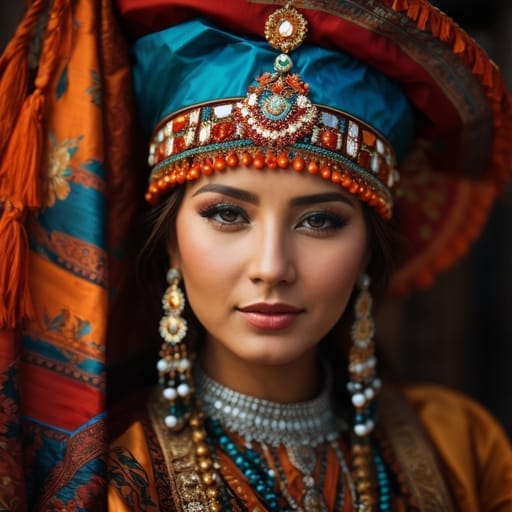
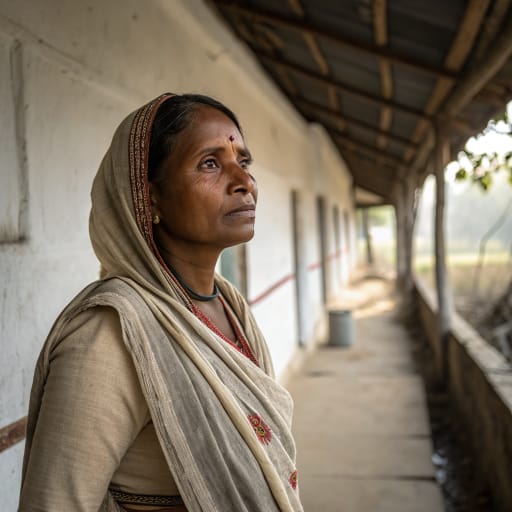
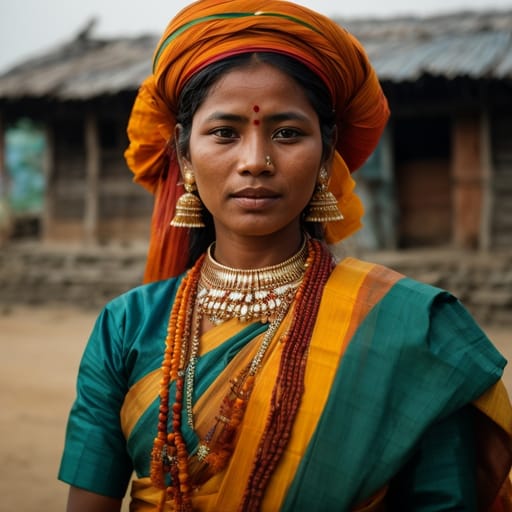
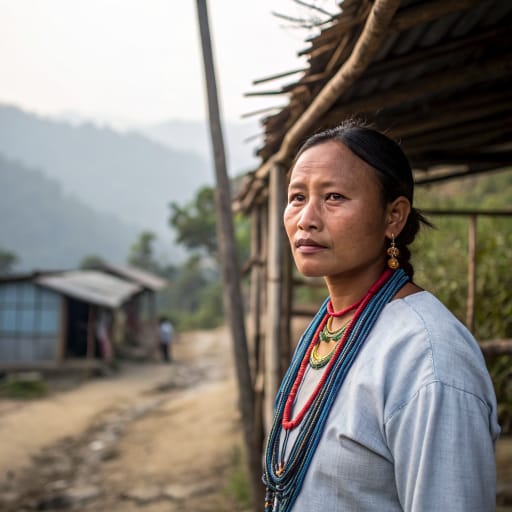
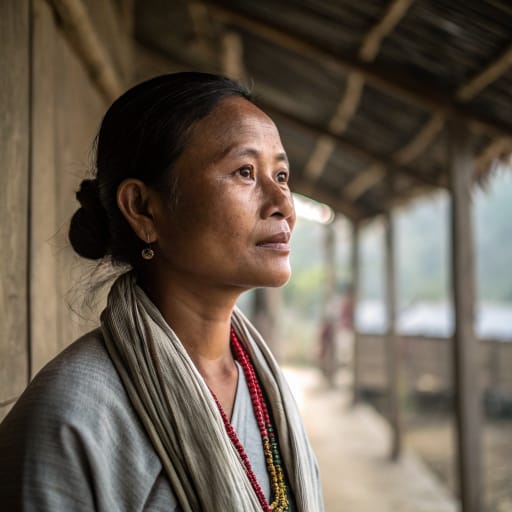
Typical Aimol Phenotypes
Reference for AI generation: hair, eyes, skin, facial structure, build
Explore phenotype categories
Structured taxonomy with peer-reviewed scales · 22 anatomical categories
Erotic Poses & Sex Positions
From the pose catalog: 219 named positions with reference skeletons
Frequently asked questions about Aimol people
Where is the Aimol homeland?
The Aimol homeland is Hill villages in Manipur, northeast India, chiefly in Chandel district in Southern Asia.
What language do Aimol people speak?
Aimol people primarily speak Aimol (Sino-Tibetan, Kuki-Chin branch); Meitei and English widely used as second languages.
What religion do Aimol people practice?
The predominant religion among Aimol people is Largely Christian, with roots in an older animist tradition.






Make your own Aimol images
Five a day, free, no credits to buy. The studio starts from this group's phenotype data, so you can set body type, pose and style and keep the traits accurate.
Start with Aimol