Help us get this right
Does this portrait look right for Tangkhul Naga?
One tap. It takes a second and it is recorded.
0 say it looks right, 1 says it looks off.
Tangkhul Naga Erotic
Ukhrul district, Manipur, India (also Somra tract, Myanmar)
Christianity (Baptist)
Numerous village-based dialect communities
About Tangkhul Naga People
The Tangkhul are a Naga people of the Ukhrul district of Manipur in northeast India, with related communities in the Somra tract of Myanmar. They speak Tangkhul, a Tangkhulic language of the Sino-Tibetan family, and number several hundred thousand. Hunphun (Ukhrul) is their principal town. Their territory stretches along the India and Myanmar frontier, and Tangkhul communities on both sides share close kinship and a strong common identity.
Society and subsistence
Tangkhul villages were traditionally independent, each under a hereditary headman (awunga) and a council, with strongly developed youth dormitories that trained young people in crafts, discipline and lore. Terraced and shifting cultivation of rice is the economic base, celebrated in the Luira Phanit seed-sowing festival. Christianity arrived through the pioneering missionary William Pettigrew around 1896 and is now near universal; the Tangkhul have produced prominent political and religious leaders in the region. The village of Longpi is famous for a distinctive black stone and clay pottery, shaped without a wheel, that remains a valued Tangkhul craft. Clan ties, oral tradition and communal labour remain socially important.
Appearance and adornment
Tangkhul festival dress uses handwoven cloth in horizontal bands of red and black. Men wear wraparound kilts and shawls, and for dance don tall headdresses of cane set with feathers and horns, along with cowrie-shell and bead ornaments and brass ear and arm rings. Women wear wrapped skirts and shawls with patterned borders and strings of coloured beads. Silver ornaments and coloured sashes once marked out chiefs and lead dancers on the greatest occasions, and villages had their own distinctive shawl patterns. As a long-Christianised and highly educated community, the Tangkhul wear modern clothing in daily life, bringing out traditional regalia chiefly for Luira Phanit and other festivals. Tangkhul choral singing and folk dance are widely admired, and the community places strong emphasis on schooling and church life.
Related ethnic groups
Groups that share Tangkhul Naga's homeland, region, language, or religious tradition. These are likely candidates for comparative phenotype reference.
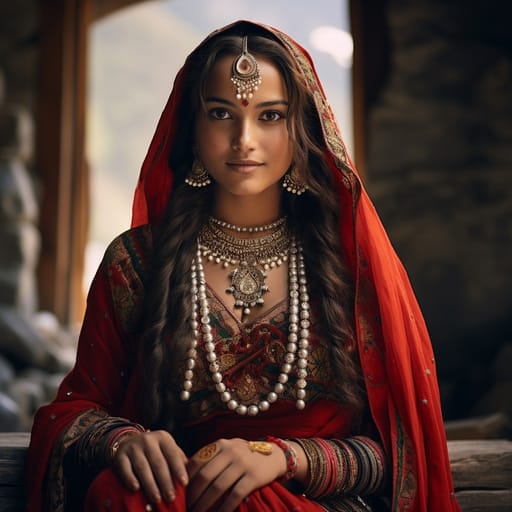
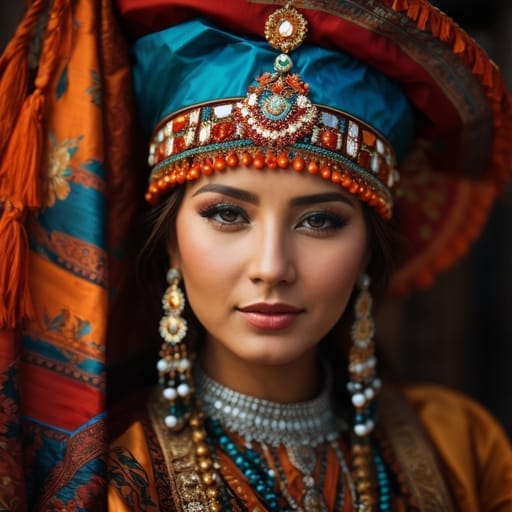
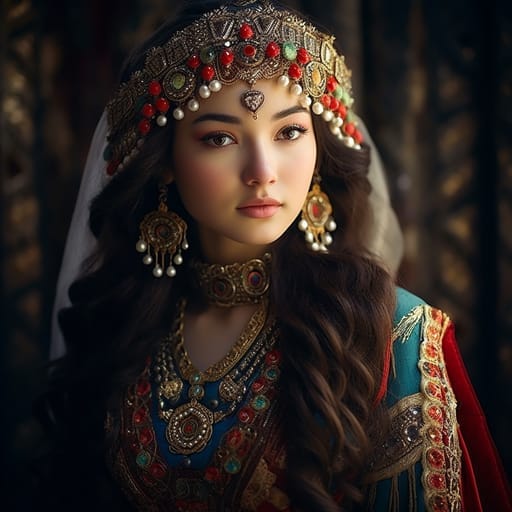
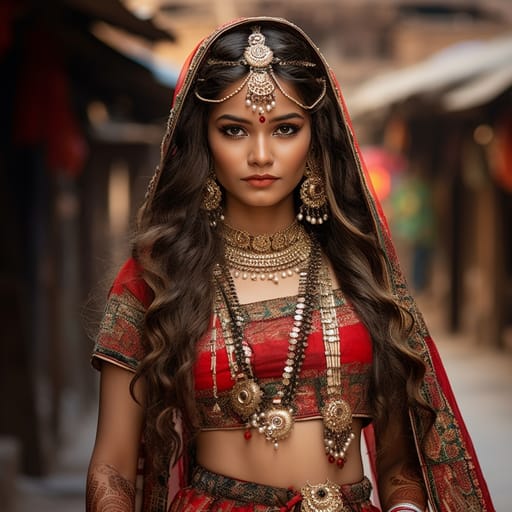
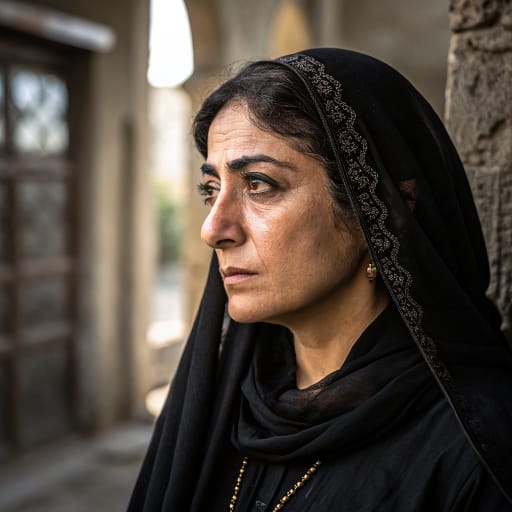
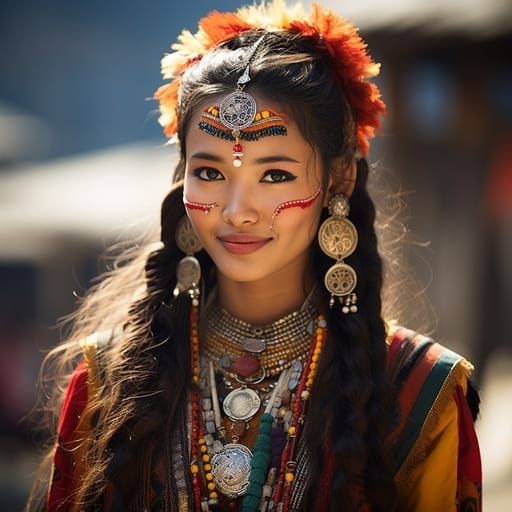
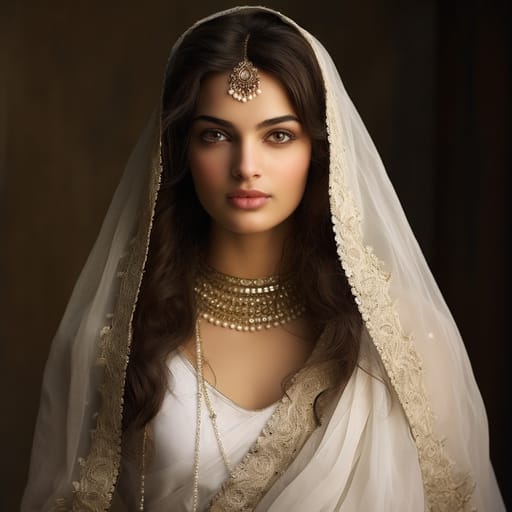
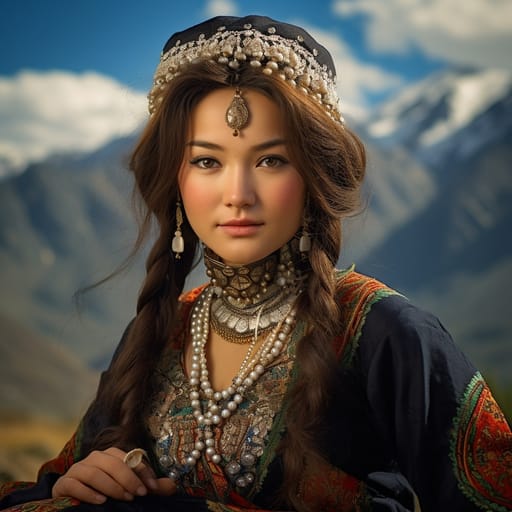
Typical Tangkhul Naga Phenotypes
Reference for AI generation: hair, eyes, skin, facial structure, build
Explore phenotype categories
Structured taxonomy with peer-reviewed scales · 22 anatomical categories
Erotic Poses & Sex Positions
From the pose catalog: 219 named positions with reference skeletons
Frequently asked questions about Tangkhul Naga people
Where is the Tangkhul Naga homeland?
The Tangkhul Naga homeland is Ukhrul district, Manipur, India (also Somra tract, Myanmar) in Southern Asia.
What language do Tangkhul Naga people speak?
Tangkhul Naga people primarily speak Tangkhul (Sino-Tibetan, Tangkhulic).
What religion do Tangkhul Naga people practice?
The predominant religion among Tangkhul Naga people is Christianity (Baptist).






Make your own Tangkhul Naga images
Five a day, free, no credits to buy. The studio starts from this group's phenotype data, so you can set body type, pose and style and keep the traits accurate.
Start with Tangkhul Naga