Help us get this right
Does this portrait look right for Ao Naga?
Nobody has judged this one yet. You would be the first.
Ao Naga Erotic
Mokokchung district, Nagaland, India
Ao (Sino-Tibetan, Central Naga; Chungli and Mongsen dialects)
Christianity (Baptist)
Chungli and Mongsen dialect groups
About Ao Naga People
The Ao are a major Naga people of the Mokokchung district of Nagaland in northeast India. They speak Ao, a Central Naga language of the Sino-Tibetan family, in two main dialects (Chungli and Mongsen), and number several hundred thousand. They are historically significant as the first Naga group to convert to Christianity in large numbers.
Society and subsistence
Ao villages were governed by a council of elders, the putu menden, representing the clans, a broadly republican system rather than hereditary chieftaincy. Terraced and shifting cultivation of rice was the mainstay, with the agricultural year marked by festivals, notably Moatsu after sowing and Tsungremong at harvest. American Baptist missionaries reached the Ao hills in the 1870s, and today the great majority are Christian, with high levels of education and a strong presence in Naga public life. Older animist belief and headhunting have passed, but clan identity, oral genealogy and festival culture remain central. Ao was among the first Naga languages to be written down and given a literature, and the community today has a strong record of education, church life and professional achievement across northeast India.
Appearance and adornment
Ao ceremonial dress centres on woven shawls in red and black. The most prestigious, the tsungkotepsu, carries a painted median band bearing symbolic figures such as the mithun, elephant, tiger, human head and spear, and may be worn only by men who have earned the right through feasts of merit or war honours. These feasts of merit, in which a wealthy man gained prestige by hosting the whole village, were a central path to status in the old society. Warriors wore cane headgear with hornbill feathers and boar tusks, kilts decorated with cowrie shells, and ivory or brass armlets. In everyday life, reflecting long Christian and educational influence, the Ao wear ordinary modern clothing.
Related ethnic groups
Groups that share Ao Naga's homeland, region, language, or religious tradition. These are likely candidates for comparative phenotype reference.
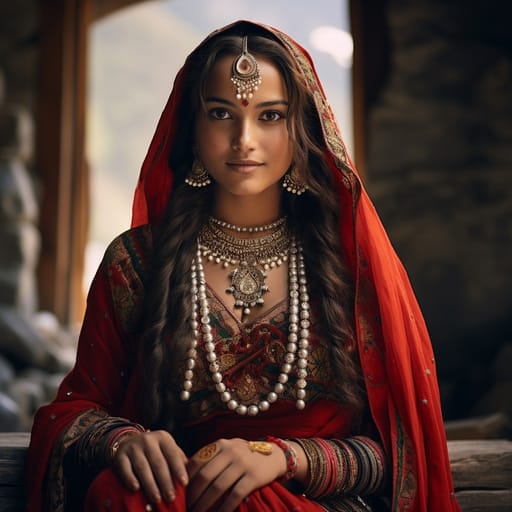
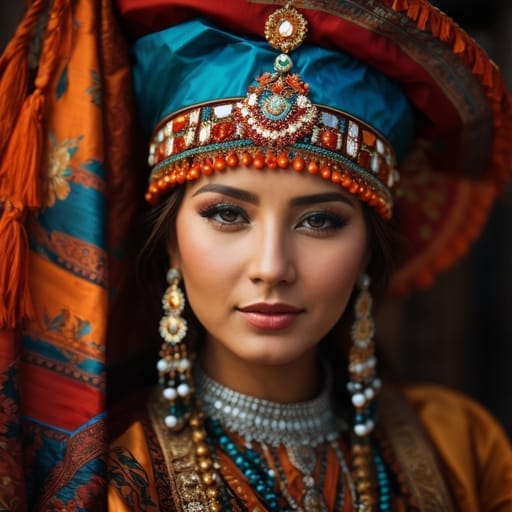
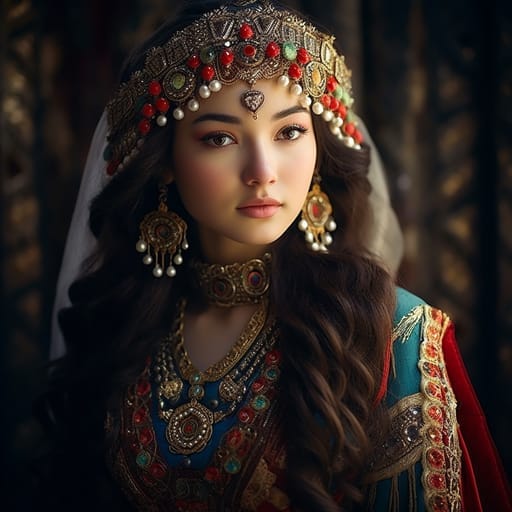
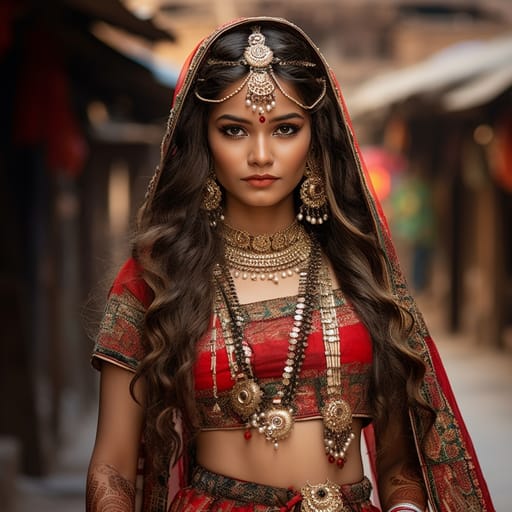
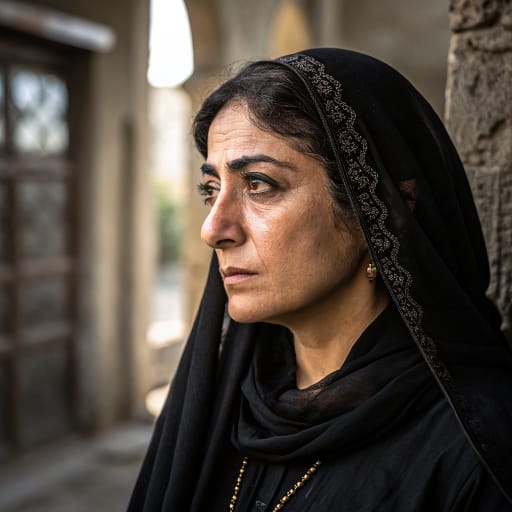
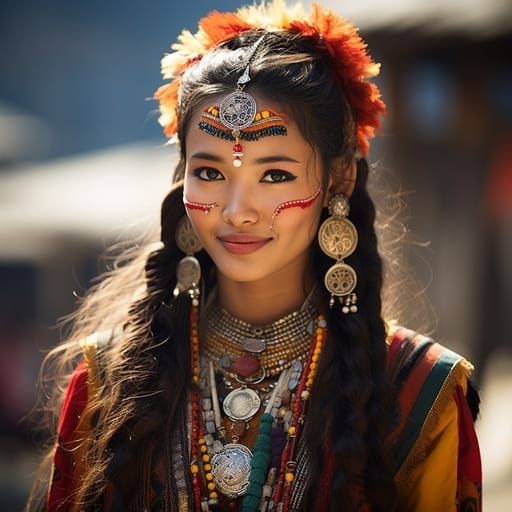
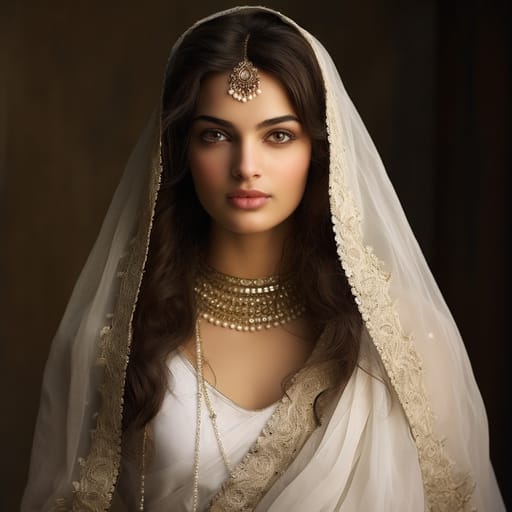
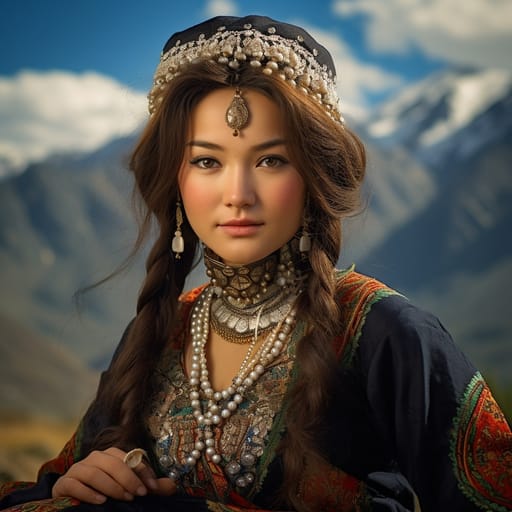
Typical Ao Naga Phenotypes
Reference for AI generation: hair, eyes, skin, facial structure, build
Explore phenotype categories
Structured taxonomy with peer-reviewed scales · 22 anatomical categories
Notable Ao Naga People
17 reference figures, sourced from Wikipedia
- L. Kijungluba Ao, 1906-97), Baptist Missionary
- Longri Ao, 1906-1981) Missionary to the Konyak Nagas
- Mayangnokcha Ao, 1901-1988), Educationist and Writer
- P. Shilu Ao, 1916-1988), First Chief Minister of the Indian state of Nagaland
- Talimeren Ao, 1918-1988), Footballer
- Temsüla Ao, Writer and Ethnographer
- T. Senka Ao, born 1945), Journalist
- Monalisa Changkija, Author and Journalist
- Imnainla Jamir, born 2002), Guitarist
- Metsübo Jamir, born 1959), Politician
- S. C. Jamir, born 1931), Former Chief Minister of the Indian State of Nagaland and Former …
- P. Kilemsungla, born 1951), Educationist
- Imtikümzük Longkümer, 1967-2018), Politician
- Sharingain Longkümer, born 1981), Politician
- Temjen Imna Along Longkümer, born 1980), Politician
- Macnivil, born 1992), Rapper and Recording Artist
- Tongpang Ozüküm, born 1981), Politician
Erotic Poses & Sex Positions
From the pose catalog: 219 named positions with reference skeletons
Frequently asked questions about Ao Naga people
Where is the Ao Naga homeland?
The Ao Naga homeland is Mokokchung district, Nagaland, India in Southern Asia.
What language do Ao Naga people speak?
Ao Naga people primarily speak Ao (Sino-Tibetan, Central Naga; Chungli and Mongsen dialects).
What religion do Ao Naga people practice?
The predominant religion among Ao Naga people is Christianity (Baptist).






Make your own Ao Naga images
Five a day, free, no credits to buy. The studio starts from this group's phenotype data, so you can set body type, pose and style and keep the traits accurate.
Start with Ao Naga