No portrait yet
Mulukanadu Brahmins Erotic
Mulikinadu region of southern Andhra Pradesh, India, with long-settled communities in Tamil Nadu, especially Chennai and the Thanjavur area
Telugu (Dravidian); Tamil also spoken by families settled in Tamil Nadu; Sanskrit for ritual (Indo-European)
Hindu, Smarta tradition following Adi Shankara's Advaita Vedanta
A Vaidiki subsect of Telugu Brahmins, alongside Velanadu, Veginadu and Telaganya; families organized by gotra
About Mulukanadu Brahmins People
Mulukanadu Brahmins are a Telugu Brahmin community whose name tells you where they come from. Mulikinadu was a historical territory in what is now southern Andhra Pradesh. The families who trace their descent to it kept the name long after many of them had moved away. They belong to the Vaidiki side of an old division among Telugu Brahmins. Vaidiki households centered their lives on the Vedas, ritual and teaching. The other side, the Niyogis, went into government work: administration, revenue and state service. Few careers follow that line today, but the category still shapes how families place themselves and where a search for a marriage partner begins.
At home they speak Telugu, the most widely spoken of the Dravidian languages, and they use Sanskrit for ritual. Their religion is Smarta Hinduism. Mulukanadus follow the Advaita teaching linked to Adi Shankara. Traditionally they worship Shiva, Vishnu, the Goddess, Ganesha and Surya side by side instead of ranking one god above the rest. Boys go through upanayanam, the sacred thread ceremony, and are expected to learn sandhyavandanam, the daily prayers. Family ties run through the gotra, a family line passed down through fathers and traced back to an ancient Vedic sage. Marrying someone from your own gotra is not allowed. Weddings follow Telugu Brahmin custom. At the chosen moment, the bride and groom press a paste of cumin and jaggery onto each other's heads. Later they pour rice mixed with turmeric over each other, a rite called talambralu.
Much of the community's history moved south. Telugu carried real prestige in the Tamil country under the Vijayanagara and Nayak rulers, and Telugu Brahmin families settled around Thanjavur and later in Madras, now Chennai. Mulukanadu households were among them. One of those families produced Tyagaraja, born in Tiruvarur in 1767. His family name, Kakarla, points back to a village in Andhra. In Telugu naming, the family name comes before the given name. His Telugu songs to Rama became the backbone of Carnatic music, and every year, usually in January, musicians gather at his tomb in Thiruvaiyaru to sing them. Mulukanadu families in Tamil Nadu still tend to speak Tamil outside the house and Telugu inside it, a habit centuries old.
Related ethnic groups
Groups that share Mulukanadu Brahmins's homeland, region, language, or religious tradition. These are likely candidates for comparative phenotype reference.
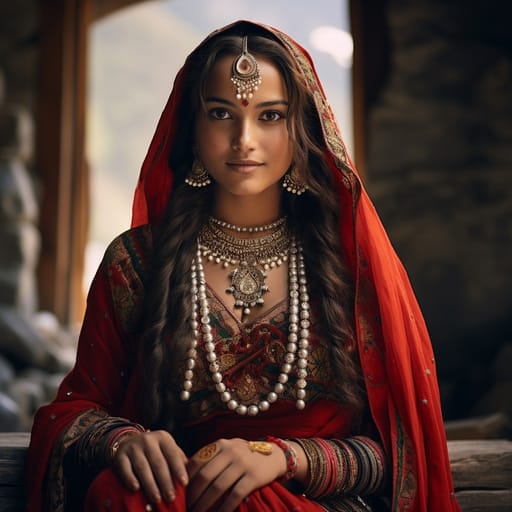
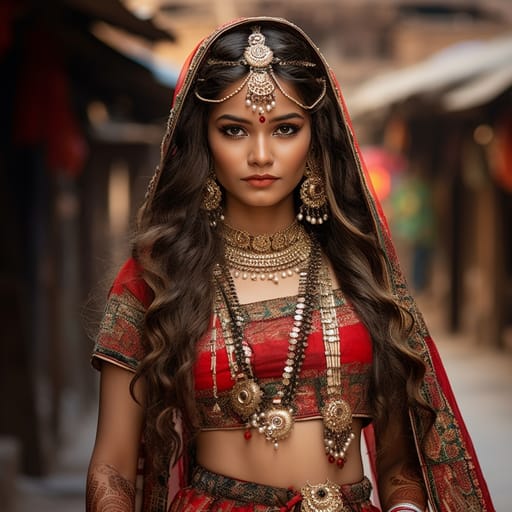
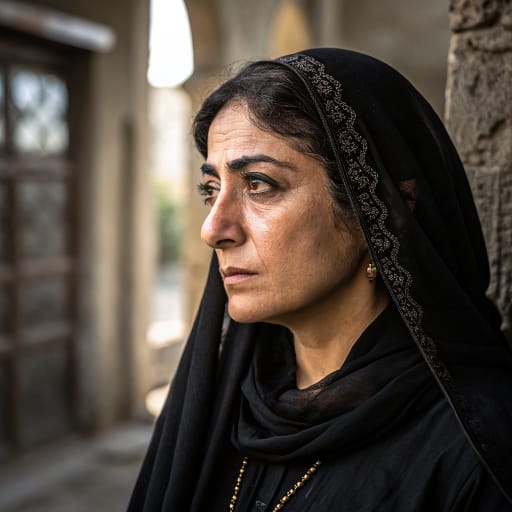
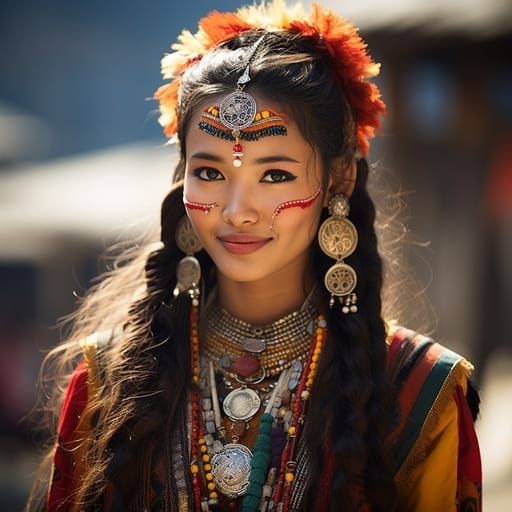
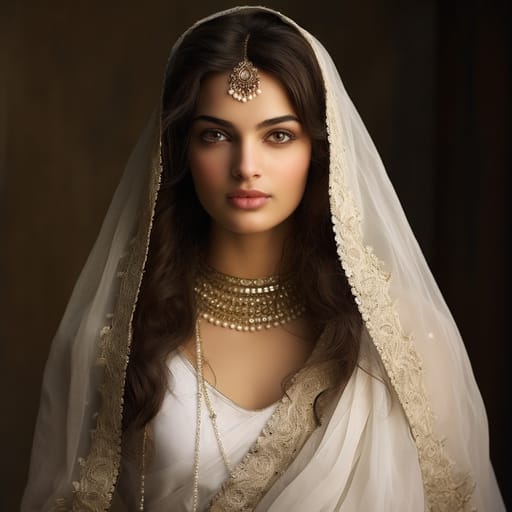
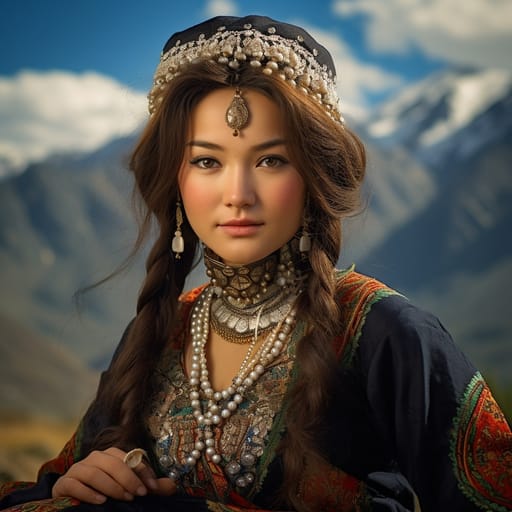
Typical Mulukanadu Brahmins Phenotypes
Reference for AI generation: hair, eyes, skin, facial structure, build
Mulukanadu Brahmins Body & Anatomy Reference
Anatomy by feature, Indo-Aryan / Dravidian South Asian phenotype
Mulukanadu Brahmins Boobs & Breasts
The typical Mulukanadu Brahmins bust is medium-to-large cup, moderate-to-full projection, in line with the wider Indo-Aryan / Dravidian South Asian pattern. Areolas usually fall in the 32-46mm range, with medium-brown to dark-brown areolar pigmentation against the wheatish-to-brown skin tone. Compared with the smaller East Asian bust profile, Mulukanadu Brahmins breasts sit forward and are generally full and soft, generally fuller than the East Asian norm. A faithful AI render of Mulukanadu Brahmins tits keeps that shape and areola size.
Mulukanadu Brahmins Ass & Hips
Butt shape among Mulukanadu Brahmins women: medium-to-full, moderate-to-high projection, classic curvy hip profile, over medium-to-wide iliac crests, full gluteal-femoral fat distribution. This follows Indo-Aryan / Dravidian South Asian ancestry and looks quite unlike the slim hip profile of East Asian women. An accurate Mulukanadu Brahmins ass in adult AI imagery keeps both the silhouette and the overall build (endomorph-to-mesomorph with fuller hip deposition) instead of a generic average.
Mulukanadu Brahmins Vagina & Pussy
Vulvar anatomy among Mulukanadu Brahmins women: medium-brown to dark-brown labial pigmentation, fuller labia minora projection. Pubic hair tends to be straight-to-wavy coarse texture, dense distribution, in the usual inverted-triangle pattern. Both follow Indo-Aryan / Dravidian South Asian pigmentation, which is why Mulukanadu Brahmins pussy renders should not fall back on a pale, sparse Western template.
Mulukanadu Brahmins Dicks & Penis
The Mulukanadu Brahmins cock profile, from Indo-Aryan / Dravidian South Asian anthropometric data: regional mean ~13cm erect; moderate girth; medium-brown shaft pigmentation. Pubic hair has a straight-to-wavy coarse texture and forms the usual inverted-V pattern. Whether Mulukanadu Brahmins men are circumcised follows religious and cultural practice rather than phenotype.
Mulukanadu Brahmins Body, Curves & Build
Build and curves among Mulukanadu Brahmins women follow the Indo-Aryan / Dravidian South Asian pattern: endomorph-to-mesomorph with fuller hip deposition, mean adult female BMI 22-25. Proportions matter as much as skin tone, so Mulukanadu Brahmins figures should keep their regional height and limb ratios.
Mulukanadu Brahmins Skin Tone & Hair Texture
The Mulukanadu Brahmins skin range is wheatish to brown (Fitzpatrick III-V), and hair tends to be straight-to-wavy 1A-2B, dense, dark-brown to black. That combination marks the Indo-Aryan / Dravidian South Asian phenotype, and skin tone is the trait AI generators most often get wrong for Mulukanadu Brahmins women.
Explore phenotype categories
Structured taxonomy with peer-reviewed scales · 22 anatomical categories
Erotic Poses & Sex Positions
From the pose catalog: 219 named positions with reference skeletons
Frequently asked questions about Mulukanadu Brahmins people
Where is the Mulukanadu Brahmins homeland?
The Mulukanadu Brahmins homeland is Mulikinadu region of southern Andhra Pradesh, India, with long-settled communities in Tamil Nadu, especially Chennai and the Thanjavur area in Southern Asia.
What language do Mulukanadu Brahmins people speak?
Mulukanadu Brahmins people primarily speak Telugu (Dravidian); Tamil also spoken by families settled in Tamil Nadu; Sanskrit for ritual (Indo-European).
What religion do Mulukanadu Brahmins people practice?
The predominant religion among Mulukanadu Brahmins people is Hindu, Smarta tradition following Adi Shankara's Advaita Vedanta.






Make your own Mulukanadu Brahmins images
Five a day, free, no credits to buy. The studio starts from this group's phenotype data, so you can set body type, pose and style and keep the traits accurate.
Start with Mulukanadu Brahmins