Help us get this right
Does this portrait look right for Tirahi?
Nobody has judged this one yet. You would be the first.
Tirahi Erotic
Villages southeast of Jalalabad in Nangarhar Province, Afghanistan; originally the Tirah valley in Khyber Pakhtunkhwa, Pakistan
Tirahi (Indo-Aryan, Dardic), nearly extinct; most now speak Pashto (Iranian)
Sunni Islam
Dardic-speaking peoples of the Hindu Kush region; now largely absorbed into the Pashto-speaking population of Nangarhar
About Tirahi People
The Tirahi are a people defined by a place they no longer hold and a language they have nearly stopped speaking. Their name points back to Tirah, the rugged valley country south of the Khyber Pass on the Pakistani side of the Afghan frontier. Today the community lives in a few villages southeast of Jalalabad, in Afghanistan's Nangarhar Province. To an outsider they look like any other farming families in a Pashto-speaking district. What sets them apart is ancestry and memory: they know they came from Tirah, and in a shrinking number of homes people still use words their neighbors cannot follow.
Those words belong to Tirahi, an Indo-Aryan language usually placed in the Dardic group, alongside the Kohistani languages of Swat and the upper Indus. It is far removed from Pashto, the Iranian language that surrounds it on every side. Its roots in Tirah are a reminder that the hills west of Peshawar, now solidly Pashtun, once held other peoples and other languages. Most of what scholars know about Tirahi comes from word lists and notes gathered in the colonial period. Since then the balance has tipped almost entirely, as families moved over to Pashto one generation after another. Tirahi now ranks among the most endangered languages of the region and may already be gone from daily use.
The defining break in their history was the loss of Tirah itself. Afridi and Orakzai Pashtun tribes moved into the valley and pushed the older population out, and the Tirahi resettled across the mountains in Nangarhar. The valley's later fame, including the British Tirah Campaign of 1897 and 1898, belongs to the tribes who replaced them. The Tirahi, meanwhile, became a small minority living inside another people's language and customs.
They are Sunni Muslims, and religion works for them much as it does for the villages around them. The mosque, Friday prayer and the Ramadan fast set the rhythm of the week and the year, and faith is shared ground rather than a dividing line. Little has been written about customs of their own, and that silence is part of their story: groups this small, absorbed this thoroughly, rarely get ethnographers. What remains is a name, a line of descent, and the last traces of a mountain language that has outlived the loss of its mountains by generations.
Related ethnic groups
Groups that share Tirahi's homeland, region, language, or religious tradition. These are likely candidates for comparative phenotype reference.
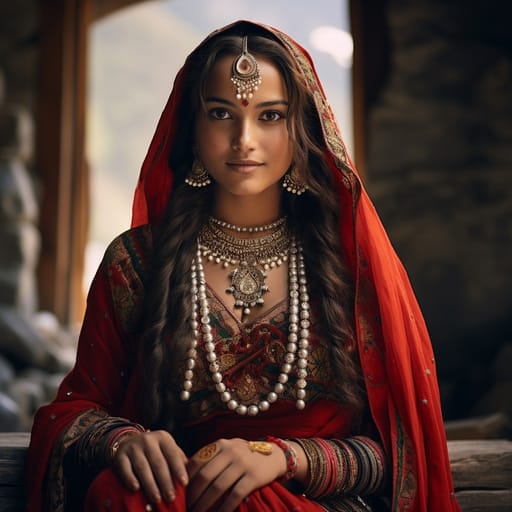
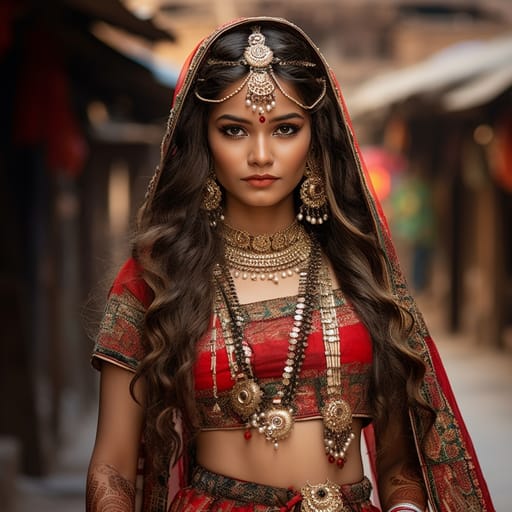
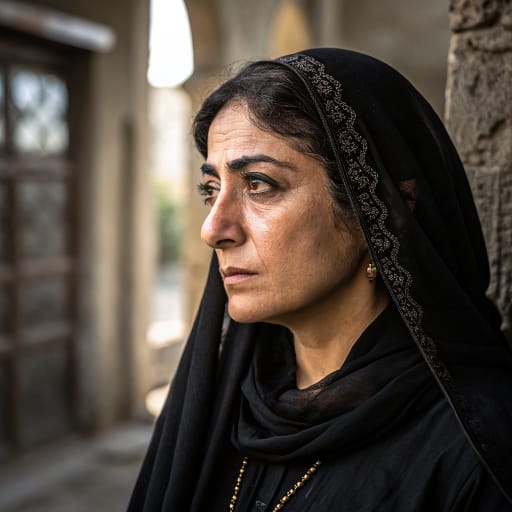
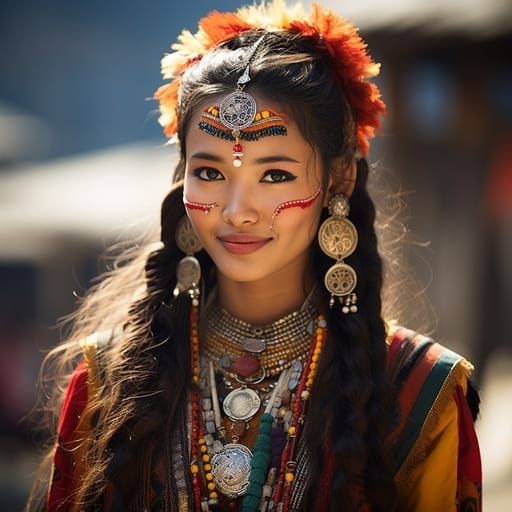
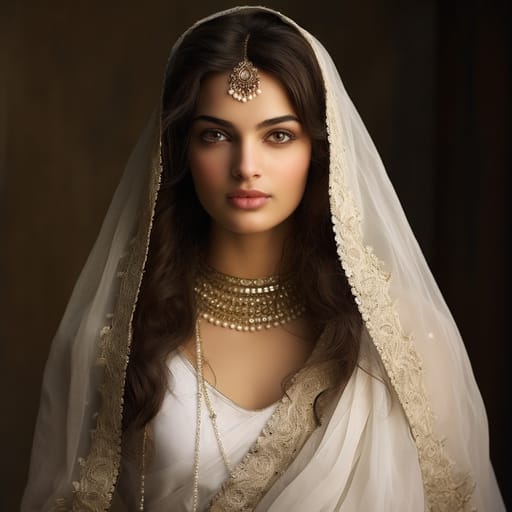
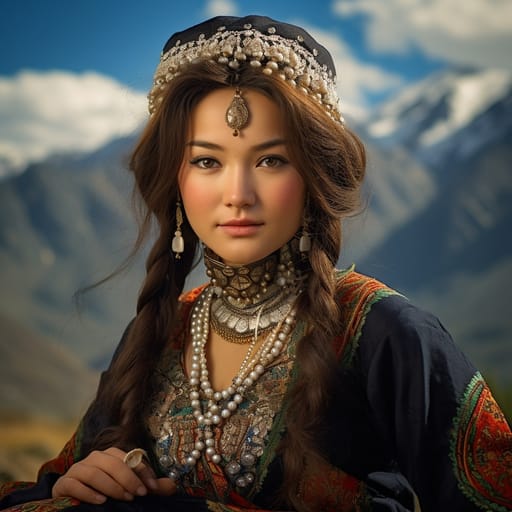
Typical Tirahi Phenotypes
Reference for AI generation: hair, eyes, skin, facial structure, build
Explore phenotype categories
Structured taxonomy with peer-reviewed scales · 22 anatomical categories
Erotic Poses & Sex Positions
From the pose catalog: 219 named positions with reference skeletons
Frequently asked questions about Tirahi people
Where is the Tirahi homeland?
The Tirahi homeland is Villages southeast of Jalalabad in Nangarhar Province, Afghanistan; originally the Tirah valley in Khyber Pakhtunkhwa, Pakistan in Southern Asia.
What language do Tirahi people speak?
Tirahi people primarily speak Tirahi (Indo-Aryan, Dardic), nearly extinct; most now speak Pashto (Iranian).
What religion do Tirahi people practice?
The predominant religion among Tirahi people is Sunni Islam.






Make your own Tirahi images
Five a day, free, no credits to buy. The studio starts from this group's phenotype data, so you can set body type, pose and style and keep the traits accurate.
Start with Tirahi