Help us get this right
Does this portrait look right for Makrani?
Nobody has judged this one yet. You would be the first.
Makrani Erotic
The Makran coast of Pakistan and Iran, Karachi (especially Lyari) and lower Sindh in Pakistan; Kathiawar and Kutch in Gujarat, India
Balochi (Iranian, Indo-European); Sindhi, Urdu, Gujarati and Kutchi (Indo-Aryan, Indo-European), depending on country
Sunni Islam, with strong Sufi shrine devotion
Pakistani Makranis of the Makran coast and Karachi, many of them Afro-Baloch; Gujarati Makranis of Kathiawar and Kutch; overlaps with the Baloch and with Sheedi and Siddi communities
About Makrani People
The Makrani carry a place in their name. Makran is the dry, sun-hammered coast where the Iranian and Pakistani halves of Balochistan meet the sea. For centuries, people who left it or passed through its ports were called Makrani wherever they settled. So the name marks a shared route more than a single bloodline. It covers Baloch families from the coast and people of East African descent brought across the Indian Ocean, who over generations came to share the same neighborhoods and the same name. In India the Makrani are treated as a distinct Muslim caste community. In Pakistan the word often means the Afro-Baloch of the coast and of Karachi.
Two branches stand out. In Gujarat, mainly on the Kathiawar peninsula and in Kutch, the Makrani presence goes back to soldiering. The small princely states of western India hired fighters from Makran, alongside Arabs and Sindhis, as guards and garrison troops. Their descendants stayed on after those states were folded into independent India, and today they speak Gujarati or Kutchi. In Pakistan, Makrani communities run along the coast from Gwadar to Karachi, and Lyari, one of the city's oldest districts, is a historic center. There Balochi is still a home language next to Sindhi and Urdu. Their history is tied to the Indian Ocean slave trade that linked East Africa, Muscat and these ports. Gwadar itself belonged to Oman until 1958.
The faith is Sunni Islam, lived through the mosque and, just as visibly, through Sufi shrines, saints' festivals and devotional music. What sets Makrani culture apart is how much of Africa survived inside a South Asian Muslim world. Drum-driven dances such as the lewa, played at weddings on the Makran coast and in Karachi, keep rhythms and call-and-response singing that point back across the ocean. Lyari's passion for football and boxing is a newer tradition, turning out players and fighters from crowded lanes that have seen plenty of hardship.
Identity is still being worked out. Many Makranis in Pakistan call themselves Baloch first, some accept the Sheedi label and others avoid it because it recalls slavery. In Gujarat the name carries memories of hired swords and service to princes. Either way, the Makrani show that the Arabian Sea worked less as a border than as a road.
Related ethnic groups
Groups that share Makrani's homeland, region, language, or religious tradition. These are likely candidates for comparative phenotype reference.
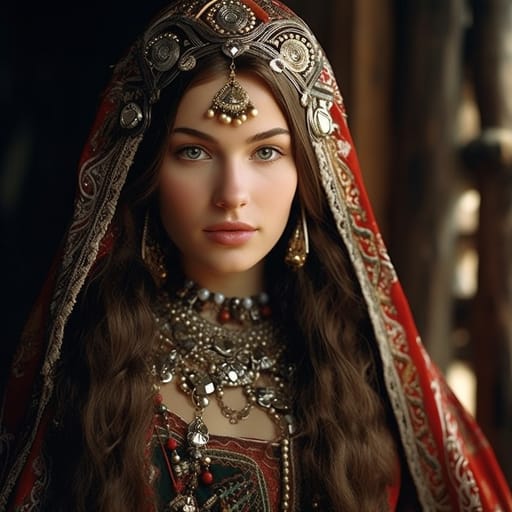
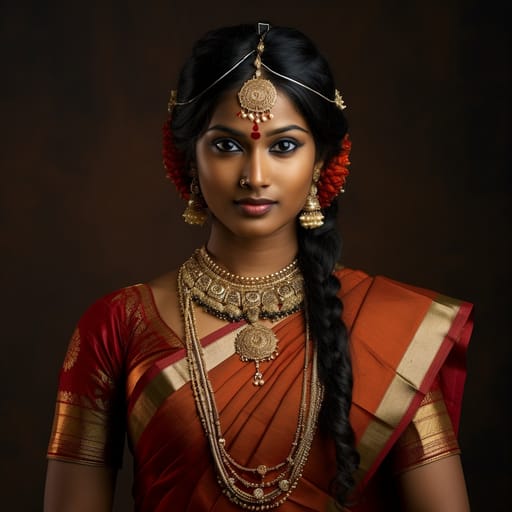
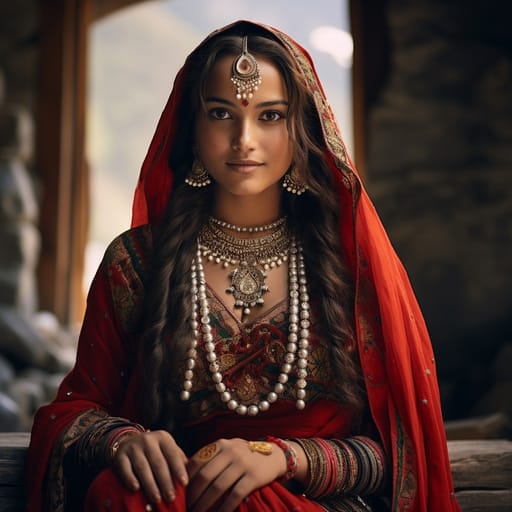
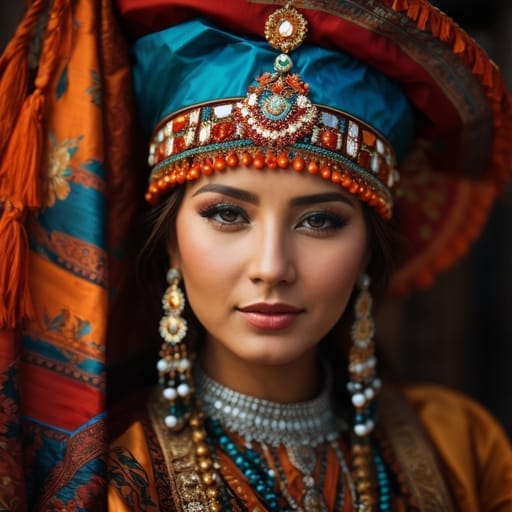
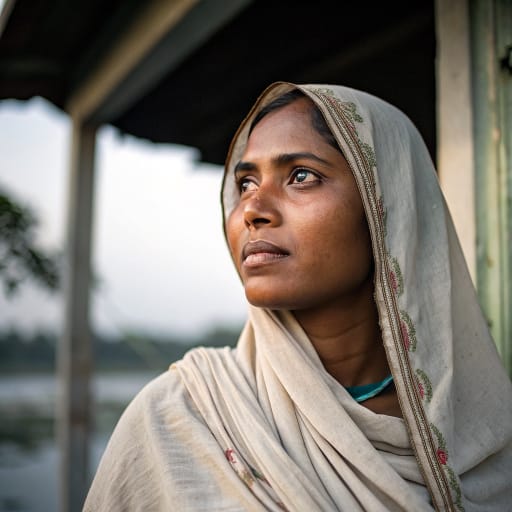
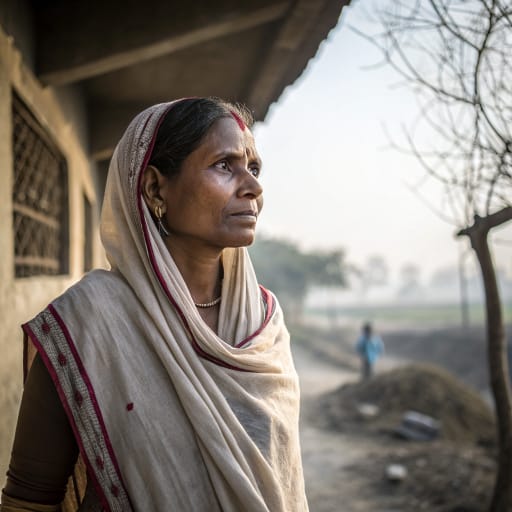
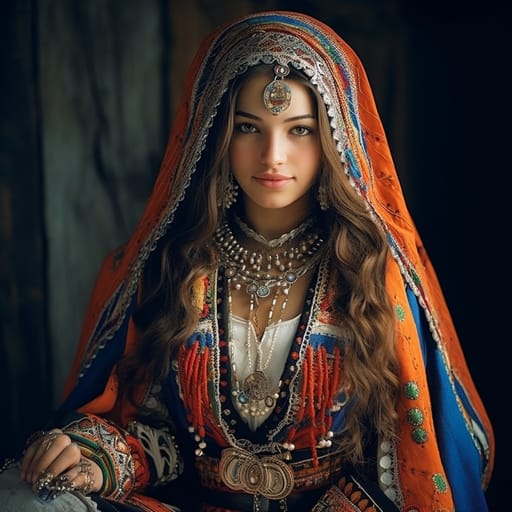
Typical Makrani Phenotypes
Reference for AI generation: hair, eyes, skin, facial structure, build
Explore phenotype categories
Structured taxonomy with peer-reviewed scales · 22 anatomical categories
Erotic Poses & Sex Positions
From the pose catalog: 219 named positions with reference skeletons
Frequently asked questions about Makrani people
Where is the Makrani homeland?
The Makrani homeland is The Makran coast of Pakistan and Iran, Karachi (especially Lyari) and lower Sindh in Pakistan; Kathiawar and Kutch in Gujarat, India in Southern Asia.
What language do Makrani people speak?
Makrani people primarily speak Balochi (Iranian, Indo-European); Sindhi, Urdu, Gujarati and Kutchi (Indo-Aryan, Indo-European), depending on country.
What religion do Makrani people practice?
The predominant religion among Makrani people is Sunni Islam, with strong Sufi shrine devotion.






Make your own Makrani images
Five a day, free, no credits to buy. The studio starts from this group's phenotype data, so you can set body type, pose and style and keep the traits accurate.
Start with Makrani