Help us get this right
Does this portrait look right for Bengali Muslims?
Nobody has judged this one yet. You would be the first.
Bengali Muslims Erotic
The Bengal delta: Bangladesh, where they are the majority, and the Indian states of West Bengal, Assam and Tripura, with large diasporas in the United Kingdom, the Gulf states and the United States
Bengali (Indo-Aryan, Indo-European), including regional varieties such as Sylheti and Chittagonian; Arabic for prayer and Quranic study
Sunni Islam, mostly of the Hanafi school, with strong Sufi and shrine traditions; small Shia and Ahmadiyya minorities
Part of the Bengali people; regional communities include Sylhetis, Chittagonians, Noakhailla and Dhakaiyas, plus the Bengali-origin Miya Muslims of Assam
About Bengali Muslims People
Bengali Muslims hold together two identities that history has repeatedly tried to pry apart: Islam as their faith and Bengali as their mother tongue. They number well over 150 million, the biggest Muslim ethnic group after the Arabs, and they form the great majority of Bangladesh. Across the Indian border they are a large minority in West Bengal and Assam and a smaller one in Tripura. Home is the low, river-cut delta of the Ganges, Brahmaputra and Meghna, a country of rice paddies, jute, monsoon floods and silt islands called chars that appear and vanish with the current. Islam arrived by several roads: Arab and Persian traders on the coast, Turkic horsemen after Bakhtiyar Khalji's conquest of northwestern Bengal around 1204, and Sufi teachers who settled deep in the countryside. The independent Bengal Sultanate supported Bengali poetry alongside Persian. Over the following centuries the eastern delta became majority Muslim as forest gave way to rice fields, a shift many historians tie to pioneering holy men still honored at local shrines. Most Bengali Muslims are Sunni of the Hanafi school. Even so, the shrine of Shah Jalal in Sylhet draws steady streams of pilgrims, and the mystic songs of Baul and fakir singers live alongside reformist mosque teaching, sometimes uneasily.
The twentieth century put the pairing under real strain. The All-India Muslim League was founded in Dhaka in 1906, and in 1947 East Bengal became the eastern wing of Pakistan. When the new state pushed Urdu as its sole national language, students in Dhaka marched, and on 21 February 1952 police opened fire and killed several protesters. The date is now International Mother Language Day, and the rift ended in the 1971 Liberation War and an independent Bangladesh. In Assam the story runs differently: descendants of Bengali-speaking Muslim farmers who settled the Brahmaputra valley under British rule, often called Miya, still face doubts about their citizenship. The language itself is Indo-Aryan, close kin to Assamese and Odia. Muslim speech draws more on Persian and Arabic words, so many Muslim families say pani for water where Hindu neighbors say jol. Sylheti and Chittagonian differ enough from standard Bengali that some linguists count them as separate languages. Chittagong keeps the mezban, a beef feast cooked for hundreds to mark a death anniversary, a birth or a new business. On Shab-e-Barat households make halwa and rice-flour bread to share, while Pohela Boishakh, the Bengali New Year, is celebrated across religious lines. Abroad, Sylheti migrants built much of Britain's curry-house trade and the Bangladeshi community of London's East End.
Related ethnic groups
Groups that share Bengali Muslims's homeland, region, language, or religious tradition. These are likely candidates for comparative phenotype reference.
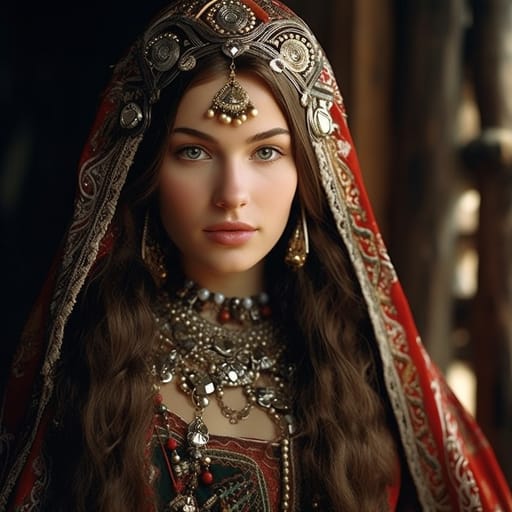
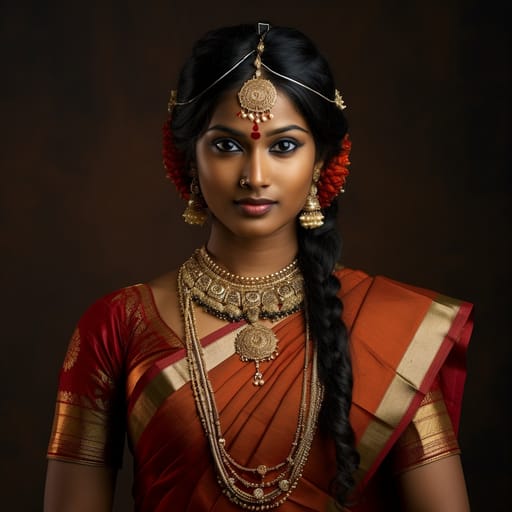
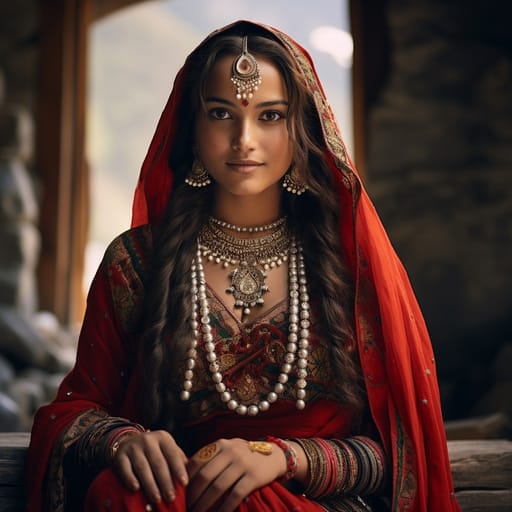
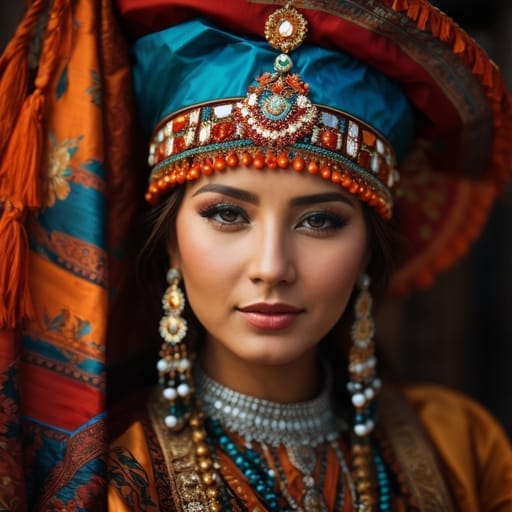
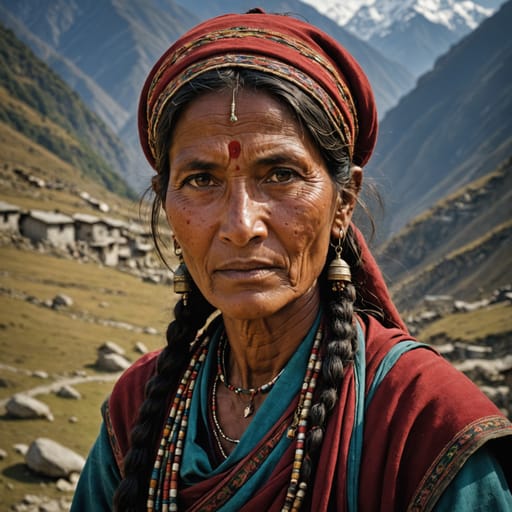
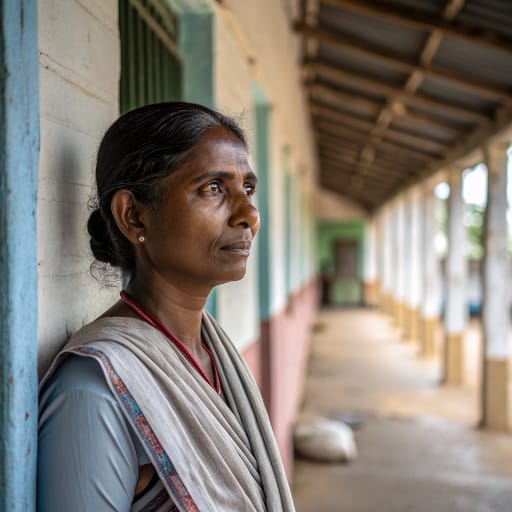
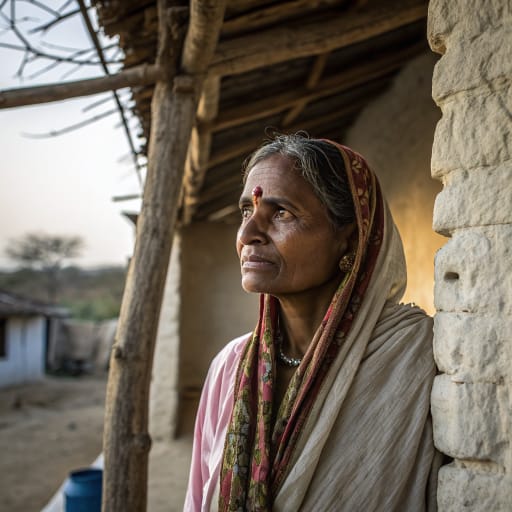
Typical Bengali Muslims Phenotypes
Reference for AI generation: hair, eyes, skin, facial structure, build
Bengali Muslims Body & Anatomy Reference
Indo-Aryan / Dravidian South Asian phenotype: anatomy reference for AI nude generation
Bengali Muslims Boobs & Breasts
Bengali Muslims boobs follow the Indo-Aryan / Dravidian South Asian profile: medium-to-large cup, moderate-to-full projection. Areolar diameter is usually 32-46mm, and the coloring is medium-brown to dark-brown areolar pigmentation against the wheatish-to-brown skin tone. Breast shape tracks body composition (endomorph-to-mesomorph with fuller hip deposition, mean adult female BMI 22-25), so Bengali Muslims breasts tend to be full and soft, generally fuller than the East Asian norm. Expect a forward-set shape, not the smaller East Asian bust profile.
Bengali Muslims Ass & Hips
Bengali Muslims ass and hip morphology presents as medium-to-full, moderate-to-high projection, classic curvy hip profile, distinctly different from the slim hip profile of East Asian women. The Bengali Muslims pelvic profile shows medium-to-wide iliac crests, full gluteal-femoral fat distribution, anchored in the Indo-Aryan / Dravidian South Asian skeletal pattern. Bengali Muslims butt shots in adult AI imagery should render the medium-to-full, moderate-to-high projection, classic curvy hip profile silhouette with the overall build (endomorph-to-mesomorph with fuller hip deposition) and the fat distribution typical of the Indo-Aryan / Dravidian South Asian phenotype.
Bengali Muslims Vagina & Pussy
Bengali Muslims pussy anatomy typically shows medium-brown to dark-brown labial pigmentation, fuller labia minora projection. Pubic hair is usually straight-to-wavy coarse texture, dense distribution. In AI-generated Bengali Muslims nudes, labial color should blend into the wheatish to brown skin with a gradual transition, and the hair should keep its straight-to-wavy coarse texture.
Bengali Muslims Dicks & Penis
Penis reference for Bengali Muslims men: regional mean ~13cm erect, moderate girth. Coloring: medium-brown shaft pigmentation. An accurate Bengali Muslims cock in AI imagery matches the surrounding wheatish to brown skin rather than a generic porn default. Circumcision depends on religion and custom, not ancestry.
Bengali Muslims Body, Curves & Build
The Bengali Muslims figure is generally endomorph-to-mesomorph with fuller hip deposition, with mean adult female BMI 22-25, characteristic of Indo-Aryan / Dravidian South Asian ancestry. AI image tools tend to flatten regional body types into a few stock shapes; here the Bengali Muslims build is kept as its own reference.
Bengali Muslims Skin Tone & Hair Texture
Skin: wheatish to brown (Fitzpatrick III-V). Hair: straight-to-wavy 1A-2B, dense, dark-brown to black. Both are typical of Indo-Aryan / Dravidian South Asian ancestry. The most common mistake in AI nudes of Bengali Muslims women is a body rendered lighter than the face.
Explore phenotype categories
Structured taxonomy with peer-reviewed scales · 22 anatomical categories
Erotic Poses & Sex Positions
From the pose catalog: 219 named positions with reference skeletons
Frequently asked questions about Bengali Muslims people
Where is the Bengali Muslims homeland?
The Bengali Muslims homeland is The Bengal delta: Bangladesh, where they are the majority, and the Indian states of West Bengal, Assam and Tripura, with large diasporas in the United Kingdom, the Gulf states and the United States in Southern Asia.
What language do Bengali Muslims people speak?
Bengali Muslims people primarily speak Bengali (Indo-Aryan, Indo-European), including regional varieties such as Sylheti and Chittagonian; Arabic for prayer and Quranic study.
What religion do Bengali Muslims people practice?
The predominant religion among Bengali Muslims people is Sunni Islam, mostly of the Hanafi school, with strong Sufi and shrine traditions; small Shia and Ahmadiyya minorities.






Make your own Bengali Muslims images
Five a day, free, no credits to buy. The studio starts from this group's phenotype data, so you can set body type, pose and style and keep the traits accurate.
Start with Bengali Muslims