No portrait yet
Pangals Erotic
Imphal Valley of Manipur, India, especially the Imphal, Thoubal and Bishnupur areas; smaller communities in Assam's Barak Valley and the Sylhet region of Bangladesh
Meitei, also called Manipuri (Sino-Tibetan); Arabic for religious study
Sunni Islam
Muslim branch of the Meitei people; related Manipuri Muslim communities in Assam and Bangladesh
About Pangals People
A Pangal is a Meitei by language and kinship and a Muslim by faith, and the community has spent four centuries showing that the two fit together. Pangals speak Meitei as their mother tongue. They share the valley, the rice fields and the lineage-based family names of their Hindu and Sanamahi neighbors, and they keep a Muslim religious life of their own. The word itself simply means "Muslim" in Meitei. It is usually traced to Bangal, a nod to the Bengal plains where the first settlers came from.
Their home ground is the Imphal Valley in Manipur, in India's far northeast, where towns such as Lilong and Kwakta have long had large Pangal populations. Most histories agree on one founding date: 1606, when King Khagemba beat back a force that had come up from the west to back his estranged brother. The Muslim soldiers taken captive were allowed to settle. They married Meitei women and were given places in the kingdom's lineage system. Others joined them over the following centuries, and the result was a people fully Meitei in speech and custom.
Islam here is Sunni, and it sets the rhythm of the week and the year: Friday prayers, the Ramadan fast, the two Eids, Qur'anic study in Arabic. Outside the mosque, life is thoroughly Manipuri. The language at home, much of the cooking, the markets and the state's politics are shared ground. Families still carry sagei names, the patrilineal family units that organize Meitei society.
Two ruptures shaped the modern community. The first was the Burmese occupation of 1819 to 1826, remembered in Manipur as the Seven Years Devastation. It pushed Manipuris of every faith westward, which is why Meitei-speaking Muslims still live in the Barak Valley of Assam and the Sylhet region of Bangladesh. The second came in May 1993, when violence between Meitei and Pangal communities in the valley left scores of Pangals dead, a memory that still weighs on relations between neighbors. Today Pangals are a sizable minority in Manipur, and the state government recognizes them as Indigenous. Their history is a standing reply to anyone who assumes that being Meitei and being Muslim are at odds.
Related ethnic groups
Groups that share Pangals's homeland, region, language, or religious tradition. These are likely candidates for comparative phenotype reference.
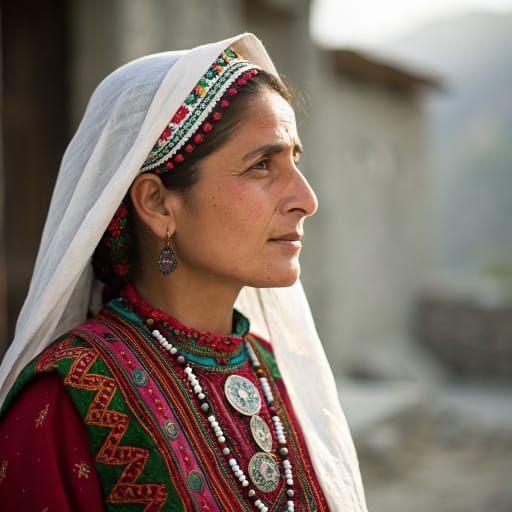
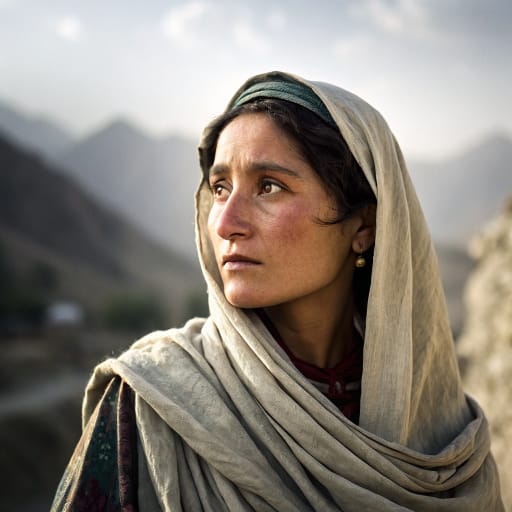
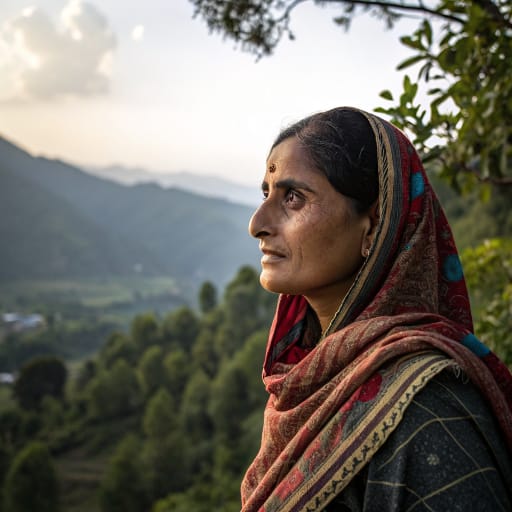
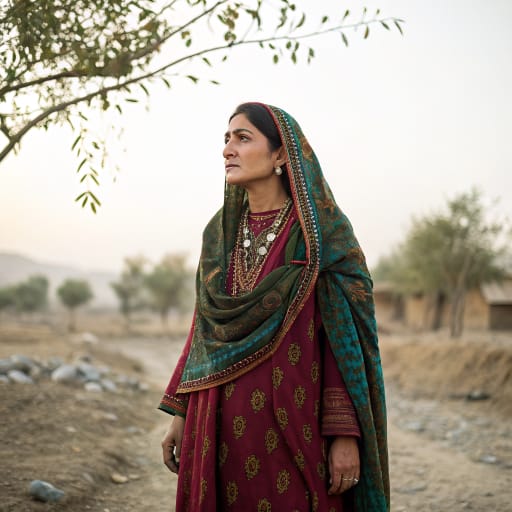
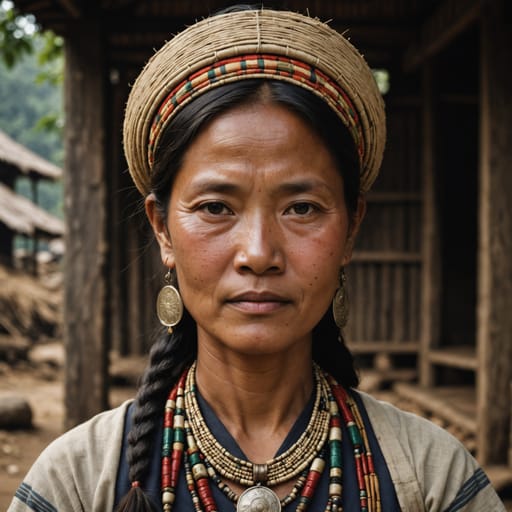
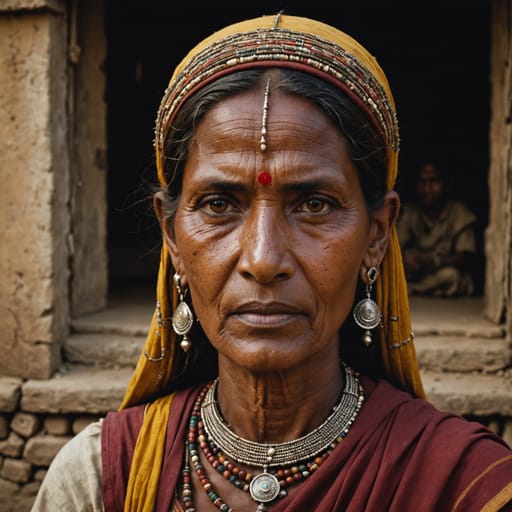
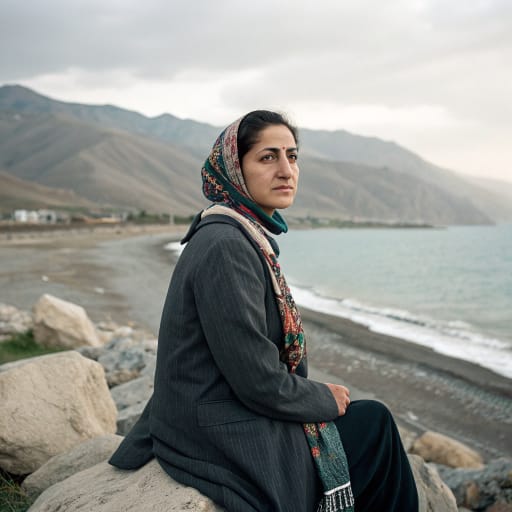
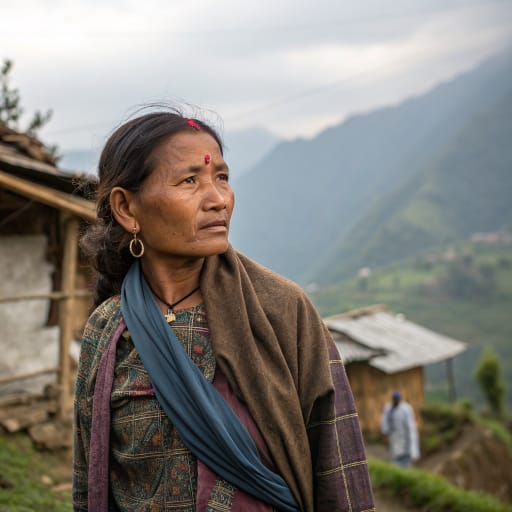
Typical Pangals Phenotypes
Reference for AI generation: hair, eyes, skin, facial structure, build
Explore phenotype categories
Structured taxonomy with peer-reviewed scales · 22 anatomical categories
Erotic Poses & Sex Positions
From the pose catalog: 219 named positions with reference skeletons
Frequently asked questions about Pangals people
Where is the Pangals homeland?
The Pangals homeland is Imphal Valley of Manipur, India, especially the Imphal, Thoubal and Bishnupur areas; smaller communities in Assam's Barak Valley and the Sylhet region of Bangladesh in Southern Asia.
What language do Pangals people speak?
Pangals people primarily speak Meitei, also called Manipuri (Sino-Tibetan); Arabic for religious study.
What religion do Pangals people practice?
The predominant religion among Pangals people is Sunni Islam.






Make your own Pangals images
Five a day, free, no credits to buy. The studio starts from this group's phenotype data, so you can set body type, pose and style and keep the traits accurate.
Start with Pangals