Help us get this right
Does this portrait look right for Chhantyal?
Nobody has judged this one yet. You would be the first.
Chhantyal Erotic
Hills of Myagdi and Baglung districts in Gandaki Province, western Nepal, below the Dhaulagiri range; migrant communities in Pokhara, Kathmandu and abroad.
Chhantyal (Sino-Tibetan, Tamangic), closest to Thakali and spoken by a minority; Nepali (Indo-European, Indo-Aryan) now the first language of most.
Mainly Hindu, with Buddhist influence and older shamanic practice.
A Tamangic-speaking hill people of Nepal, related by language to the Thakali, Gurung and Tamang; officially recognized as one of Nepal's indigenous nationalities.
About Chhantyal People
The Chhantyal are a small hill people of western Nepal, and for a long time their name was tied to one kind of work: mining. Chhantyal families dug copper in the steep valleys below the Dhaulagiri range, in what are now Myagdi and Baglung districts. To their neighbors, that trade was what set them apart. The mines are no longer the center of life. Chhantyal households now farm terraced slopes, keep livestock and run small businesses. Like so many families in the Nepal hills, they also send sons and daughters to Pokhara, Kathmandu and abroad for wages. The villages still stand, but the trade that once defined the community is now more memory than living.
Their numbers are small, around ten to twelve thousand people, and their language is in worse shape than the community itself. Chhantyal is part of the Tamangic branch of Sino-Tibetan. That puts it in the same family as Gurung and Tamang, and closest of all to Thakali, spoken farther up the Kali Gandaki. Yet only a minority of Chhantyal speak it today. Nepali has been the language of trade, school and government for so long that it has replaced Chhantyal in many homes and worked its way into the language itself. Linguists who recorded Chhantyal found Nepali words, and even pieces of Nepali grammar, running all through everyday speech. It is a clear example of a small language bending under a large one well before it disappears.
Religious life follows the broad pattern of the middle hills. Most Chhantyal identify as Hindu and keep Dashain and Tihar, while Buddhist influence and older shamanic practice carry on alongside that calendar. The big political shift has been recognition. The Chhantyal are one of the indigenous nationalities formally listed by the Nepali state, and they now appear as a separate group in the national census. For a people this size, that matters. Without a line of their own, a few thousand households are easily absorbed on paper into their larger neighbors. Chhantyal associations use that standing to keep the language, and the story of the mines, from shrinking into a footnote.
Related ethnic groups
Groups that share Chhantyal's homeland, region, language, or religious tradition. These are likely candidates for comparative phenotype reference.
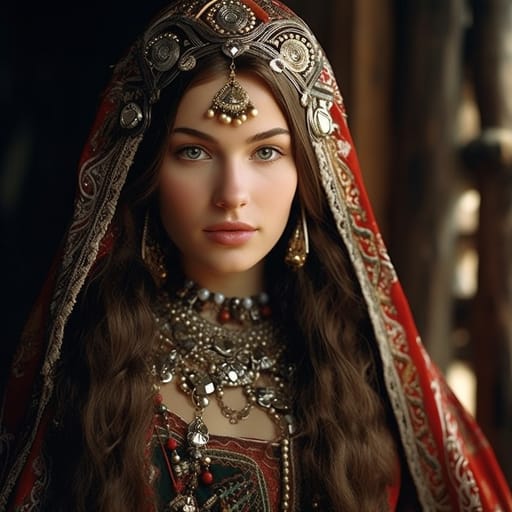
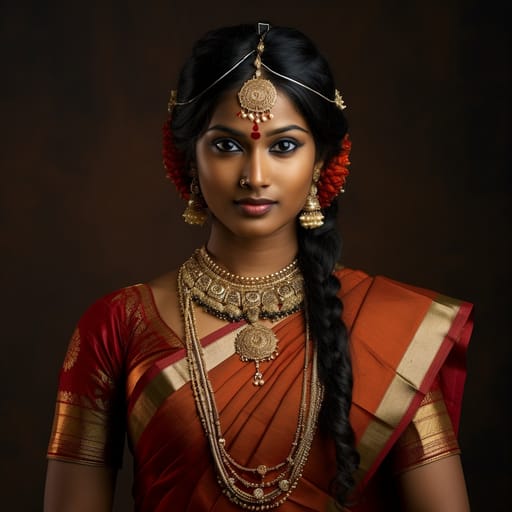
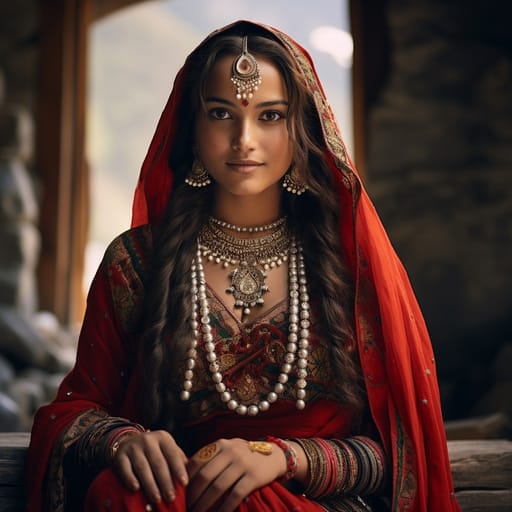
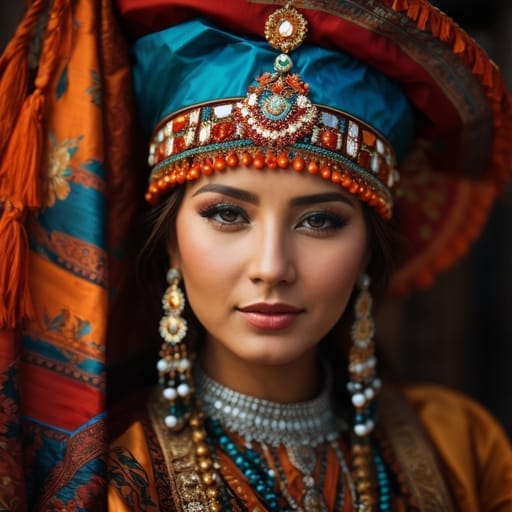
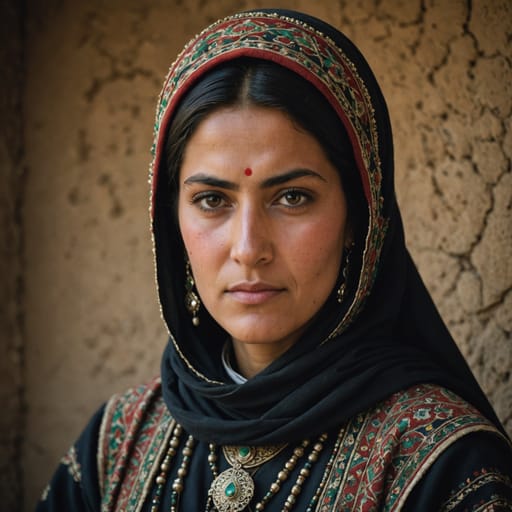
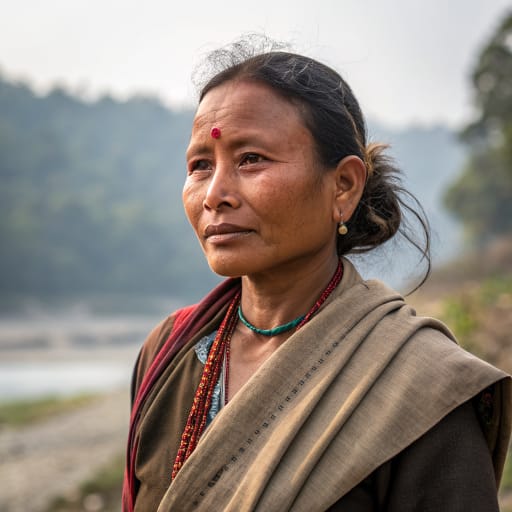
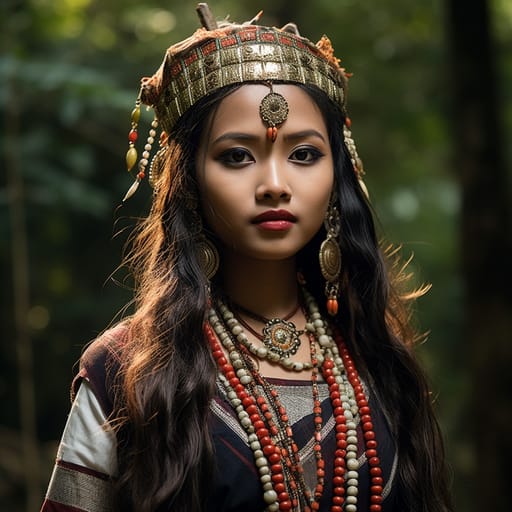
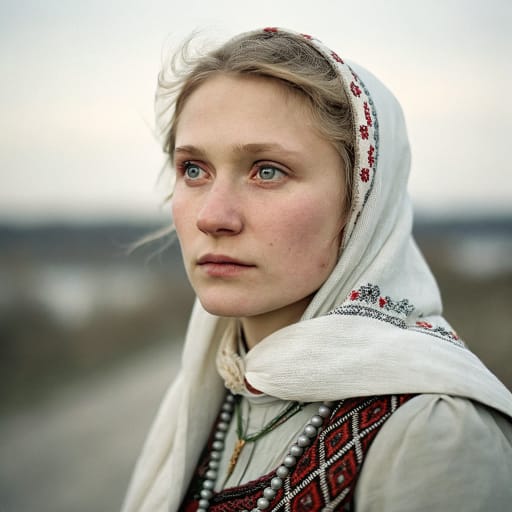
Typical Chhantyal Phenotypes
Reference for AI generation: hair, eyes, skin, facial structure, build
Explore phenotype categories
Structured taxonomy with peer-reviewed scales · 22 anatomical categories
Erotic Poses & Sex Positions
From the pose catalog: 219 named positions with reference skeletons
Frequently asked questions about Chhantyal people
Where is the Chhantyal homeland?
The Chhantyal homeland is Hills of Myagdi and Baglung districts in Gandaki Province, western Nepal, below the Dhaulagiri range; migrant communities in Pokhara, Kathmandu and abroad. in Southern Asia.
What language do Chhantyal people speak?
Chhantyal people primarily speak Chhantyal (Sino-Tibetan, Tamangic), closest to Thakali and spoken by a minority; Nepali (Indo-European, Indo-Aryan) now the first language of most..
What religion do Chhantyal people practice?
The predominant religion among Chhantyal people is Mainly Hindu, with Buddhist influence and older shamanic practice..






Make your own Chhantyal images
Five a day, free, no credits to buy. The studio starts from this group's phenotype data, so you can set body type, pose and style and keep the traits accurate.
Start with Chhantyal