Help us get this right
Does this portrait look right for Şaddilî?
One tap. It takes a second and it is recorded.
1 says it looks right, 0 say it looks off.
Şaddilî Erotic
Northern Khorasan in northeastern Iran, centered on Bojnurd in North Khorasan Province
Kurmanji Kurdish (Indo-European, Iranian); Persian widely spoken as a second language
Twelver Shia Islam
One of the Kurmanji-speaking Kurdish tribes of Khorasan, alongside the Zafaranlu of Quchan; part of the wider Kurdish people
About Şaddilî People
The Şaddilî, known in Iran as the Shadlu or Shadillu, are a Kurdish tribe whose name is bound to one town: Bojnurd, in Iran's far northeast. They are part of the Kurmanji-speaking Kurds of Khorasan. This community lives a long way from the Kurdish heartland of the Zagros and eastern Anatolia, and it has kept its language and tribal identity through roughly four centuries of separation.
That distance is the defining fact of their story. Under the Safavid shahs, above all Abbas I around 1600, Kurdish tribes from the western frontier were moved east to guard the passes of northern Khorasan against Uzbek and Turkmen raids. The Shadlu were among those settled there. Their leading family came to govern Bojnurd as hereditary khans, and for generations the town was the seat of a tribal lordship that owed loyalty to the shah while running much of its own business. The arrangement outlasted several changes of dynasty. It ended in the twentieth century, when the Pahlavi state disarmed the tribes, pushed nomads to settle and put appointed officials in place of khans.
Their language is Kurmanji, the northern form of Kurdish and a member of the Iranian branch of Indo-European. In Khorasan it lives beside Persian and the Turkic speech of local Turks and Turkmen, and it has taken loanwords from both. As a result, Khorasani Kurmanji sounds distinctly its own to Kurds from Turkey or Syria. Religion marks a second break with the west. Most Kurmanji speakers there are Sunni, but the Kurds of Khorasan are Twelver Shia, sharing the faith of the Iranian majority and of the shrine city of Mashhad, a few hours' drive to the southeast. Muharram mourning rites and pilgrimage sit comfortably alongside Nowruz in the yearly round.
Seasonal moves to highland pasture have largely given way to farming villages and town life, but lineage and tribal name still carry weight in family life. The clearest marker is music. Kurmanji songs of northern Khorasan, played on the long-necked dotar and the shamshal flute, keep tribal history alive. Celebrations still bring out circle dances and the bright layered dress that sets Kurdish families apart from their Persian and Turkic neighbors.
Related ethnic groups
Groups that share Şaddilî's homeland, region, language, or religious tradition. These are likely candidates for comparative phenotype reference.
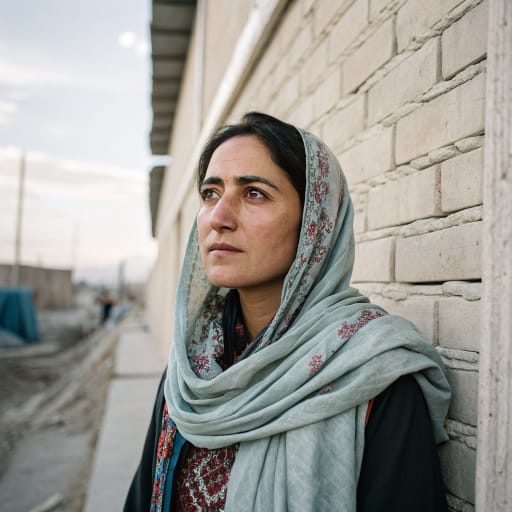
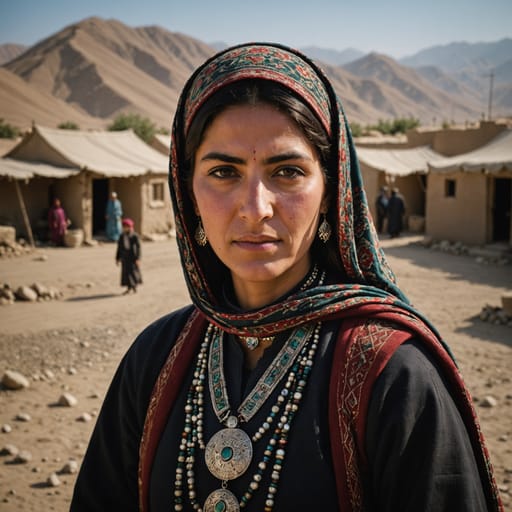
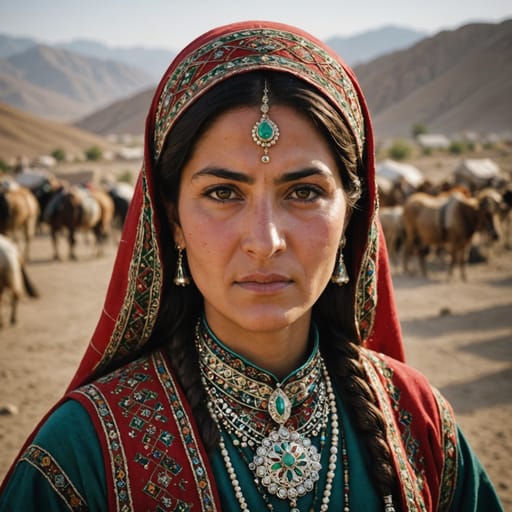
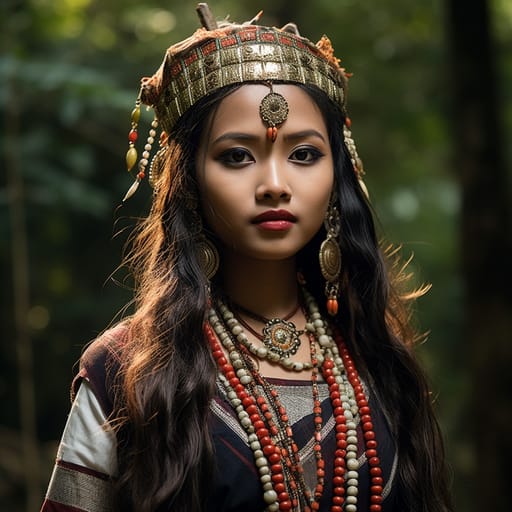
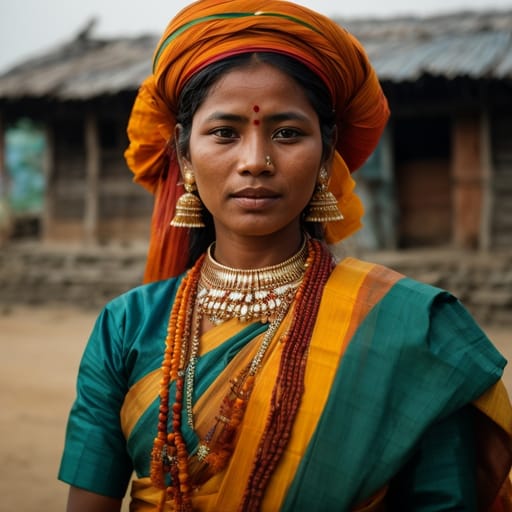
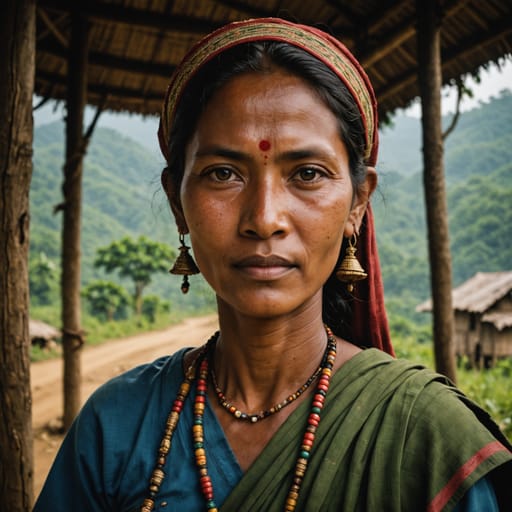
Typical Şaddilî Phenotypes
Reference for AI generation: hair, eyes, skin, facial structure, build
Explore phenotype categories
Structured taxonomy with peer-reviewed scales · 22 anatomical categories
Erotic Poses & Sex Positions
From the pose catalog: 219 named positions with reference skeletons
Frequently asked questions about Şaddilî people
Where is the Şaddilî homeland?
The Şaddilî homeland is Northern Khorasan in northeastern Iran, centered on Bojnurd in North Khorasan Province in Southern Asia.
What language do Şaddilî people speak?
Şaddilî people primarily speak Kurmanji Kurdish (Indo-European, Iranian); Persian widely spoken as a second language.
What religion do Şaddilî people practice?
The predominant religion among Şaddilî people is Twelver Shia Islam.






Make your own Şaddilî images
Five a day, free, no credits to buy. The studio starts from this group's phenotype data, so you can set body type, pose and style and keep the traits accurate.
Start with Şaddilî