Help us get this right
Does this portrait look right for Qarai?
One tap. It takes a second and it is recorded.
1 says it looks right, 0 say it looks off.
Qarai Erotic
Torbat-e Heydarieh and the surrounding districts of Razavi Khorasan, northeastern Iran
Qarai Turkic (Turkic, Oghuz branch), heavily Persianized and now largely displaced by Persian (Indo-European, Iranian)
Twelver Shia Islam
Oghuz Turkic; counted among the Turkic tribes of Khorasan alongside the Afshar and Bayat, with a traditional descent from the Qara Tatars
About Qarai People
The Qarai are a Turkic people of eastern Iran, rooted for centuries in the plains around Torbat-e Heydarieh, south of Mashhad, where the Khorasan highlands break toward the desert. The name is the Turkic word for black, qara, and the tribe's own account of itself runs back to the Qara Tatars, groups Timur uprooted from Anatolia at the start of the fifteenth century and pushed east across the plateau. Historians argue about how clean that line of descent is. What is not in doubt is the shape of the story: a Turkic-speaking population planted on a frontier province, far from the Turkic heartlands of the northwest, and still there six hundred years later.
Their speech, Qarai Turkic, belongs to the Oghuz branch, kin to Azerbaijani and to the Khorasani Turkic spoken further north around Quchan and Bojnurd, and it has spent those six centuries surrounded by Persian. The result is a dialect thick with Persian vocabulary and steadily losing ground to it. Persian is the language of school, of paperwork, of the shrine city up the road, and a large share of people who call themselves Qarai now speak only Persian. The surname Qaraei is considerably more common in Khorasan than the language is. Religiously they are Twelver Shia, like their neighbors, and close enough to Mashhad that the shrine of Imam Reza is an afternoon's journey rather than the pilgrimage of a lifetime.
The Qarai mattered most in the disorder after Nader Shah's death, when the Afsharid state came apart and nothing had yet replaced it. Eshaq Khan Qarai turned Torbat-e Heydarieh into something close to an independent principality, walled and garrisoned, playing the new Qajar dynasty against the powers on the other side of the eastern frontier and answering to neither. Fath-Ali Shah had him killed in 1816. His sons fought on for years, and the Qajars ground the tribe down from a military force into a landholding one. That is roughly what the Qarai have been since: farmers and townspeople in a district known for saffron and wheat, carrying the tribal name as a family name and a claim about origins rather than as a way of living. It is a quiet ending to a loud history, and an ordinary one in Iran, where a great many settled families were frontier soldiers or herders within living memory.
Related ethnic groups
Groups that share Qarai's homeland, region, language, or religious tradition. These are likely candidates for comparative phenotype reference.
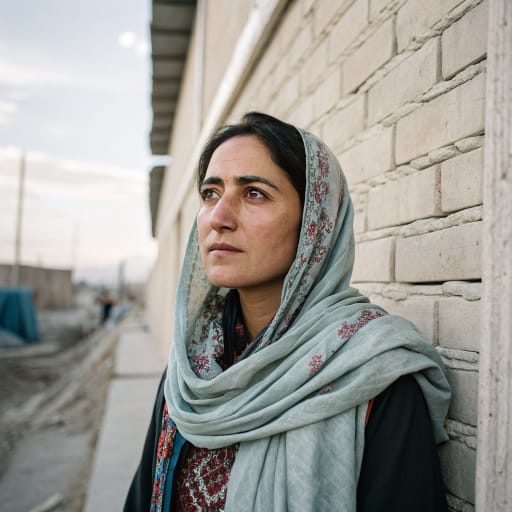
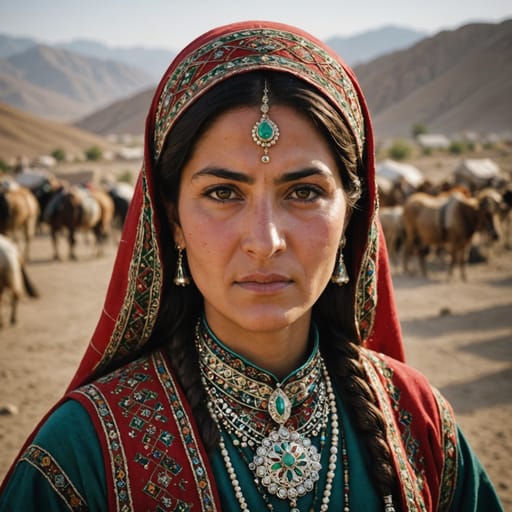
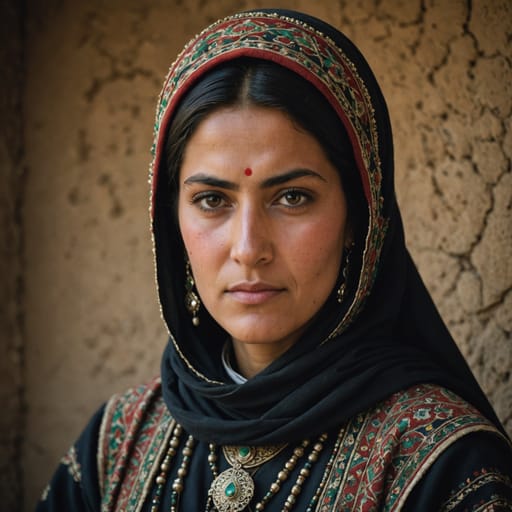
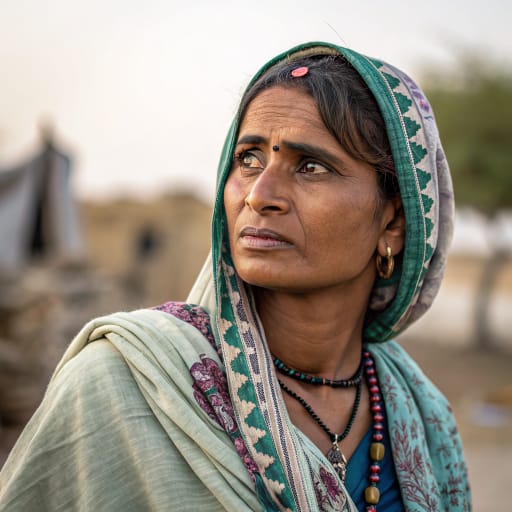
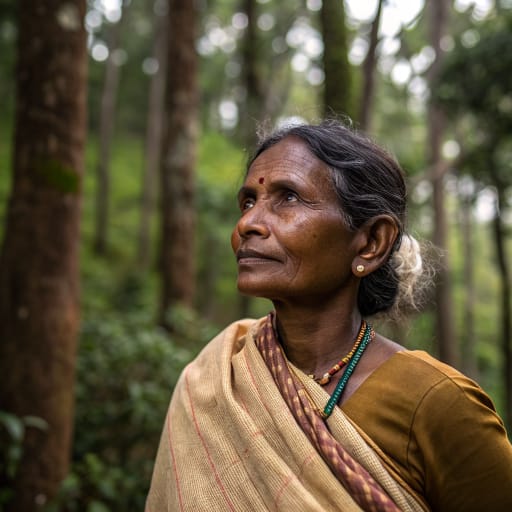
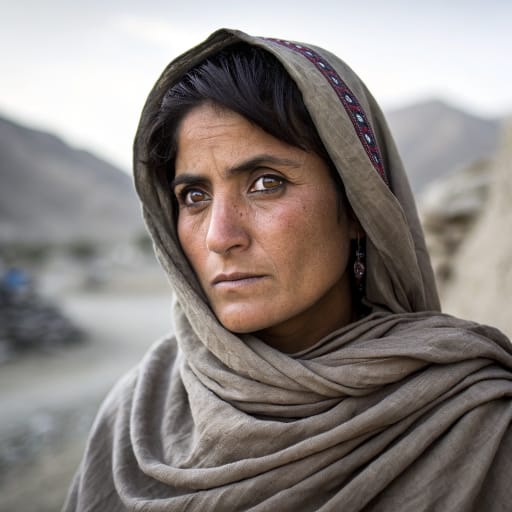
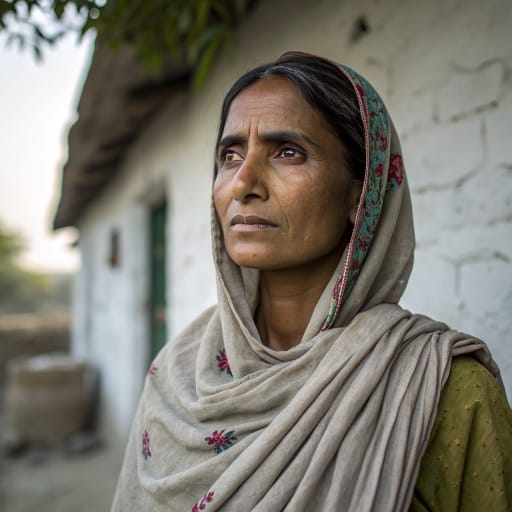
Typical Qarai Phenotypes
Reference for AI generation: hair, eyes, skin, facial structure, build
Explore phenotype categories
Structured taxonomy with peer-reviewed scales · 22 anatomical categories
Erotic Poses & Sex Positions
From the pose catalog: 219 named positions with reference skeletons
Frequently asked questions about Qarai people
Where is the Qarai homeland?
The Qarai homeland is Torbat-e Heydarieh and the surrounding districts of Razavi Khorasan, northeastern Iran in Southern Asia.
What language do Qarai people speak?
Qarai people primarily speak Qarai Turkic (Turkic, Oghuz branch), heavily Persianized and now largely displaced by Persian (Indo-European, Iranian).
What religion do Qarai people practice?
The predominant religion among Qarai people is Twelver Shia Islam.






Make your own Qarai images
Five a day, free, no credits to buy. The studio starts from this group's phenotype data, so you can set body type, pose and style and keep the traits accurate.
Start with Qarai