No portrait yet
Qizilbash Erotic
Chiefly Kabul, especially the old Chindawol quarter, with smaller communities in Herat and Kandahar, Afghanistan; diaspora in Pakistan, Iran, Europe and North America
Dari Persian (Indo-European, Iranian); ancestral Turkic speech (Turkic, Oghuz) now largely lost
Twelver Shia Islam
Clan lineages include Jawanshir and Afshar; an offshoot of the wider Qizilbash of Safavid Iran, with related families in Pakistan, notably Lahore
About Qizilbash People
The Qizilbash of Afghanistan are defined less by a territory than by how they arrived. Their ancestors were Turkic soldiers from Iran, heirs to the red-capped Turkoman tribes that carried the Safavid dynasty to power. They came east with Nader Shah Afshar in the late 1730s and stayed on after his empire came apart. Ahmad Shah Durrani, founder of the Afghan state, took them into his army and royal guard. For generations after that they served the Afghan crown as household troops, secretaries, scribes and accountants. Soldiering and clerical skill together made them a town people from the start. Their center was Kabul's old Chindawol quarter, with smaller communities in Herat and Kandahar.
Turkic has mostly dropped out of everyday speech. The community speaks Dari, the Persian of Kabul, and in speech and daily life many Qizilbash are hard to tell apart from their Tajik neighbors. What sets them apart is faith. They are Twelver Shia Muslims in a mostly Sunni country, and nothing has shaped their fortunes more. The Muharram mourning season for Imam Hussein anchors the religious year. Clan names such as Jawanshir and Afshar are still kept as markers of lineage and standing.
Being close to power cut both ways. Their place near the throne, and the readiness of some leaders to deal with the British during the Anglo-Afghan wars, left them open to charges of divided loyalty. Under Amir Abdur Rahman Khan in the late nineteenth century, Shia communities faced open hostility. Many Qizilbash kept their faith quiet, using the concealment that Shia tradition allows under threat, and presented themselves publicly as Tajik or Sunni. Some families left for British India, where a Qizilbash landed elite took root in Lahore. Those who stayed became prominent in government service, medicine, trade and education during the twentieth century. The wars that began in 1978 scattered them again. Many now live in Pakistan, Iran, Europe and North America, where the name lives on as much in family memory as in daily life.
Related ethnic groups
Groups that share Qizilbash's homeland, region, language, or religious tradition. These are likely candidates for comparative phenotype reference.
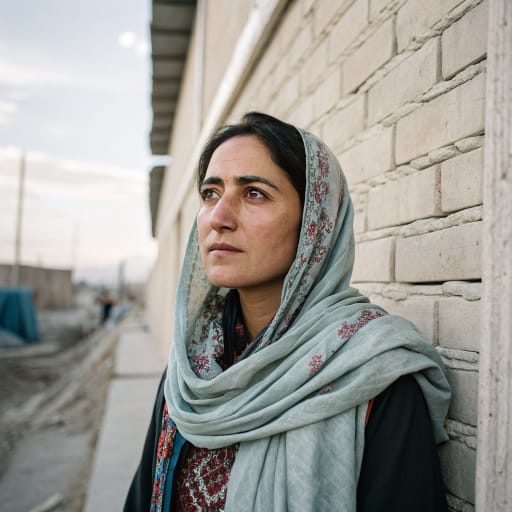
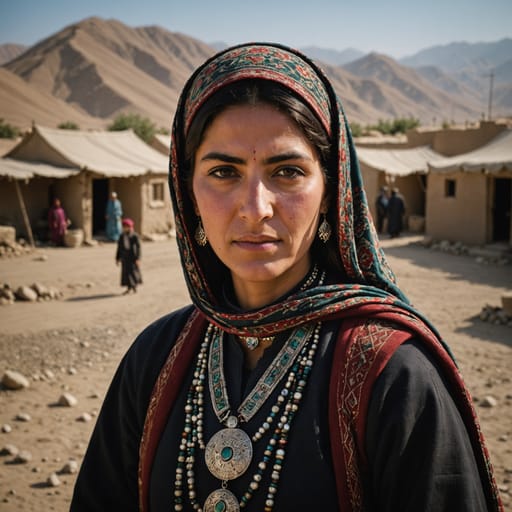
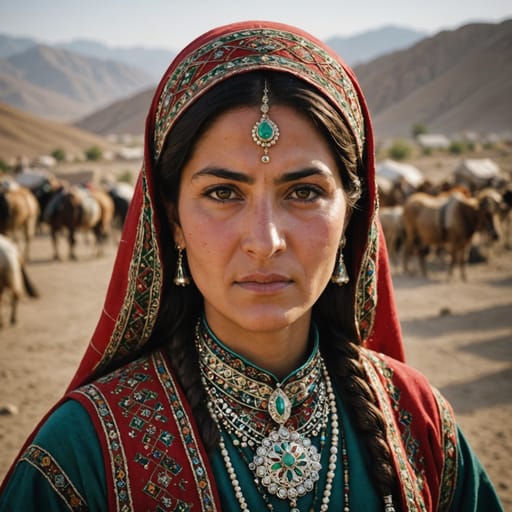
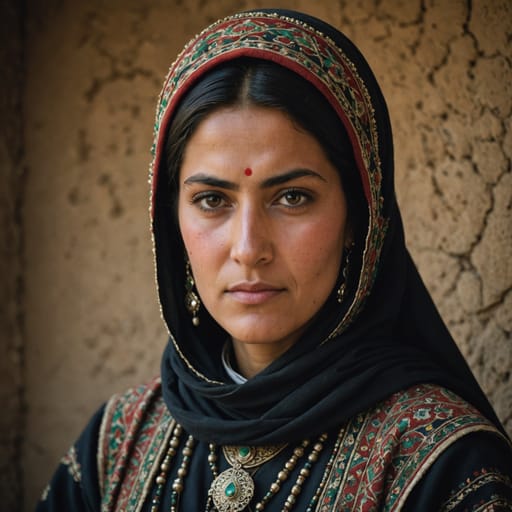
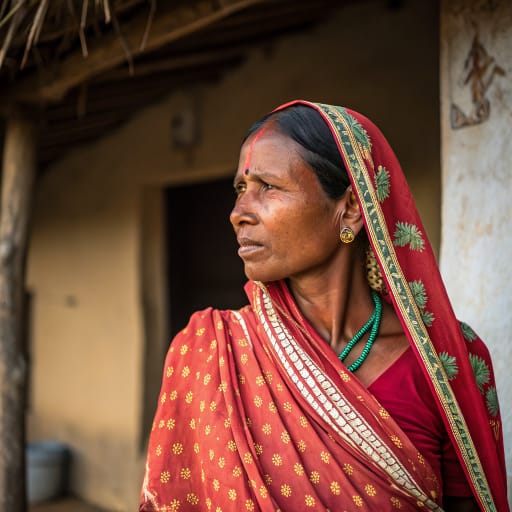
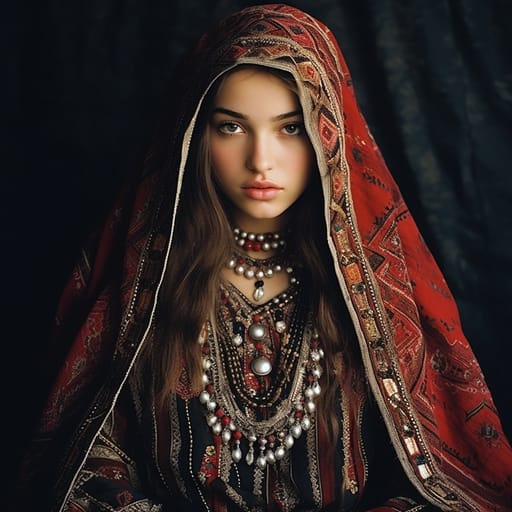
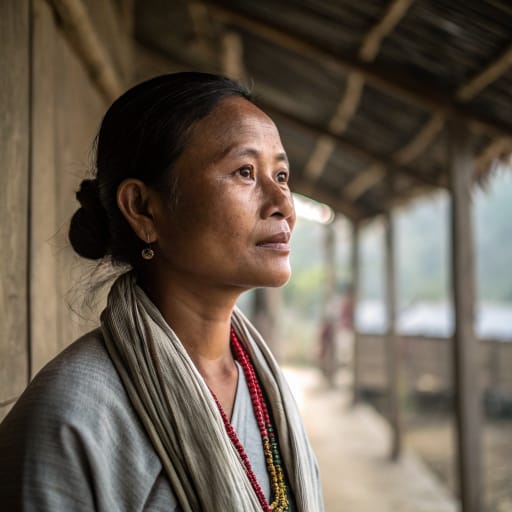
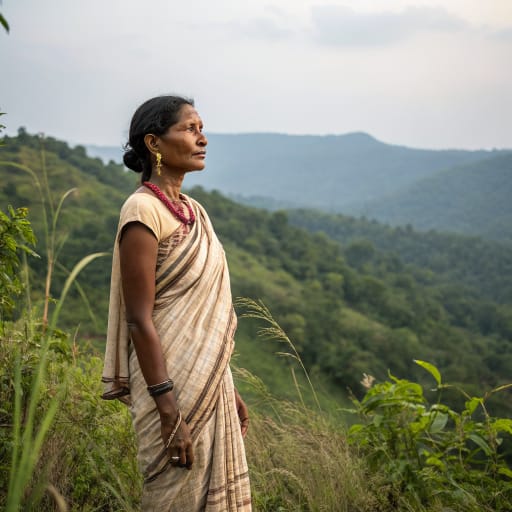
Typical Qizilbash Phenotypes
Reference for AI generation: hair, eyes, skin, facial structure, build
Explore phenotype categories
Structured taxonomy with peer-reviewed scales · 22 anatomical categories
Erotic Poses & Sex Positions
From the pose catalog: 219 named positions with reference skeletons
Frequently asked questions about Qizilbash people
Where is the Qizilbash homeland?
The Qizilbash homeland is Chiefly Kabul, especially the old Chindawol quarter, with smaller communities in Herat and Kandahar, Afghanistan; diaspora in Pakistan, Iran, Europe and North America in Southern Asia.
What language do Qizilbash people speak?
Qizilbash people primarily speak Dari Persian (Indo-European, Iranian); ancestral Turkic speech (Turkic, Oghuz) now largely lost.
What religion do Qizilbash people practice?
The predominant religion among Qizilbash people is Twelver Shia Islam.






Make your own Qizilbash images
Five a day, free, no credits to buy. The studio starts from this group's phenotype data, so you can set body type, pose and style and keep the traits accurate.
Start with Qizilbash