Help us get this right
Does this portrait look right for Farsiwan?
Nobody has judged this one yet. You would be the first.
Farsiwan Erotic
Western Afghanistan, chiefly Herat and Farah provinces, with older urban communities in Kandahar, Ghazni and Kabul
Persian, in western Afghan dialects closer to Khorasani Persian than to Kabuli Dari (Indo-European, Iranian branch)
Twelver Shia Islam
One of the Persian-speaking peoples of Afghanistan: shares its language with Tajiks and its Shia affiliation with Hazaras and Qizilbash, without belonging to either
About Farsiwan People
The name is a label from outside. In Pashto, Farsiwan means roughly the Persian speakers, and it was coined by neighbors who needed a word for the people of the western plains who spoke what they spoke. Most of those people would introduce themselves differently: as Heratis, as Farahis, or just as Persian speakers. The category holds anyway, because two things travel together inside it. These are Persian speakers and they are Twelver Shia, in a country where Persian speakers are otherwise mostly Sunni. Remove the second half and they would simply be counted as Tajiks, and the word would not exist.
The homeland is the west: Herat province above all, then Farah, the irrigated country along the Hari River, and the road running to the Iranian border at Islam Qala. Smaller communities sit further east in Kandahar, Ghazni and Kabul, usually old city populations rather than recent arrivals. Their Persian leans toward Khorasan rather than Kabul. A Herati and someone from Mashhad, a few hours west, share idioms and a sound that a Kabuli hears as slightly foreign.
That closeness is not only geography. Herat spent long stretches under Safavid rule, and Shia practice took hold there while Iran was consolidating it. The border that turned the Farsiwan into a minority rather than a provincial population was settled late, after the Anglo-Persian War of 1856 to 1857 left Herat on the Afghan side of a treaty signed in Paris. Most of what followed comes from that: a Persian-speaking Shia community inside an Afghan state. In March 1979 Herat rose against the communist government and was bombarded in reprisal, with deaths in the thousands. The wars after it moved enormous numbers of Heratis across the border into Iran, where the shared language made daily life easier and made nobody Iranian.
Religion shows up in the calendar. Muharram is the fixed point of the year, with mourning assemblies, processions and the retelling of Karbala. Nowruz is kept as the start of spring, and the shrine complex at Gazargah outside Herat draws visitors year round. The Herat countryside also has its own sung verse form, the chaharbeiti, four-line stanzas carried on the dutar and improvised as often as remembered. That last detail is the sort of thing a metadata table will never hold: a regional culture with its own poetry, in place long before anyone needed a demographic label for it.
Related ethnic groups
Groups that share Farsiwan's homeland, region, language, or religious tradition. These are likely candidates for comparative phenotype reference.
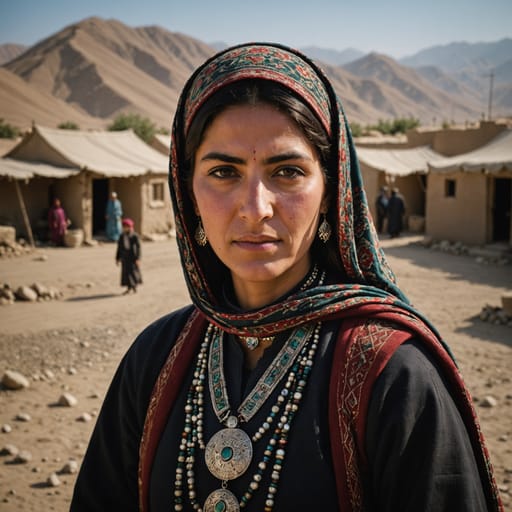
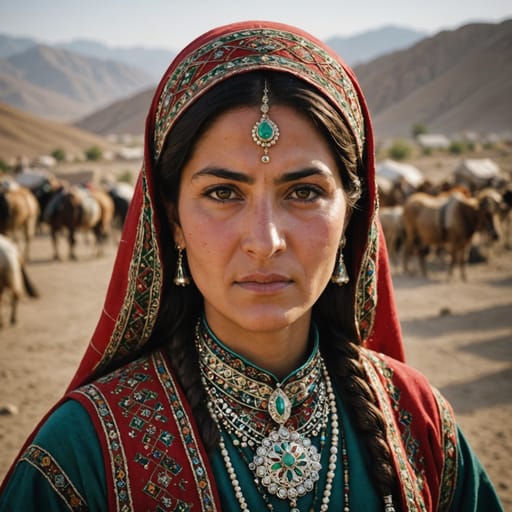
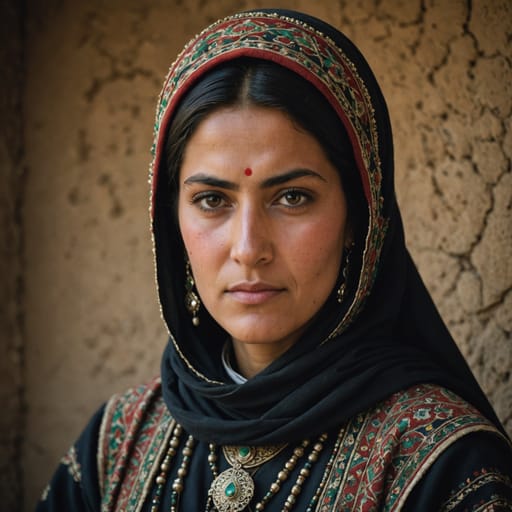
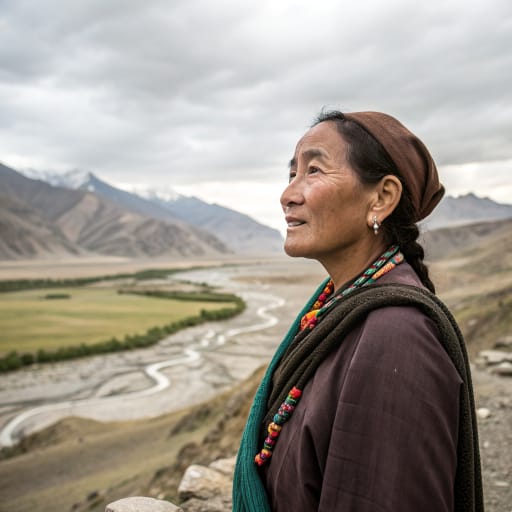
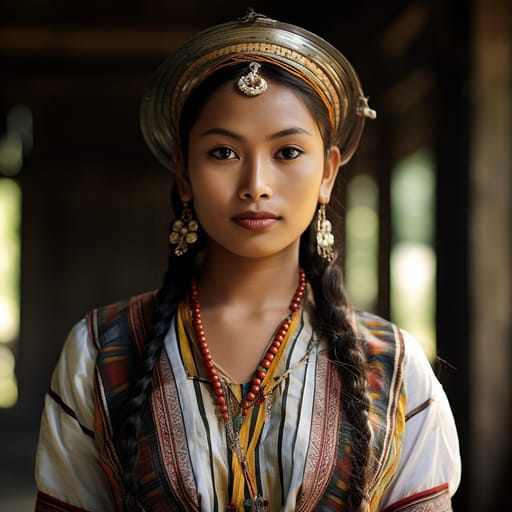
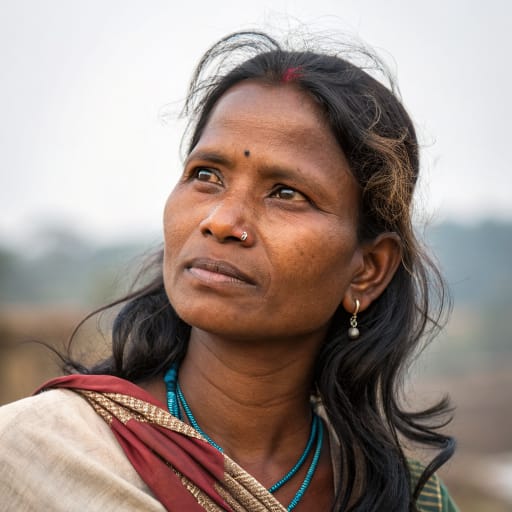
Typical Farsiwan Phenotypes
Reference for AI generation: hair, eyes, skin, facial structure, build
Explore phenotype categories
Structured taxonomy with peer-reviewed scales · 22 anatomical categories
Erotic Poses & Sex Positions
From the pose catalog: 219 named positions with reference skeletons
Frequently asked questions about Farsiwan people
Where is the Farsiwan homeland?
The Farsiwan homeland is Western Afghanistan, chiefly Herat and Farah provinces, with older urban communities in Kandahar, Ghazni and Kabul in Southern Asia.
What language do Farsiwan people speak?
Farsiwan people primarily speak Persian, in western Afghan dialects closer to Khorasani Persian than to Kabuli Dari (Indo-European, Iranian branch).
What religion do Farsiwan people practice?
The predominant religion among Farsiwan people is Twelver Shia Islam.






Make your own Farsiwan images
Five a day, free, no credits to buy. The studio starts from this group's phenotype data, so you can set body type, pose and style and keep the traits accurate.
Start with Farsiwan