No portrait yet
Jadran Erotic
The mountains where Paktia, Khost and Paktika provinces meet in southeastern Afghanistan (Loya Paktia)
Sunni Islam (Hanafi)
A Pashtun tribe of the Karlani branch, which also includes the Mangal and Wazir
About Jadran People
The Jadran, better known in English as the Zadran and also written Dzadran, are a Pashtun tribe tied to one stretch of mountains in southeastern Afghanistan. Their country is the steep, forested ground where Paktia, Khost and Paktika provinces meet. It is a curve of ridges and tight valleys that Western analysts came to call the Zadran Arc. The road from Gardez to Khost climbs through it over the Satakandaw Pass. For most of modern history, anyone who wanted that road open had to deal with the people living along it.
They speak Pashto, an Eastern Iranian language of the Indo-European family and the common tongue of all Pashtuns. Their name has several spellings because one Pashto sound is said and written differently from one dialect and one writer to the next. By family tree they belong to the Karlani, the branch of Pashtun tribes rooted in the hill country along the Afghan-Pakistani frontier, which also includes the Mangal and the Wazir. In Loya Paktia, as the greater Paktia region is known, the tribe still matters more in everyday government than it does in most of Afghanistan. Kabul has usually ruled here by bargaining with elders rather than by giving orders.
They are Sunni Muslims of the Hanafi school, and their faith sits alongside Pashtunwali, the unwritten code of hospitality, refuge, honor and group decision making. Disputes go before a jirga, a council of elders. In many communities the jirga's rulings are backed by the arbakai, men chosen by the tribe to guard shared land and enforce what the elders decide. Afghan governments and foreign militaries have both tried to borrow the custom, with uneven results.
Their modern history runs through clashes with the state. Jadran fighters played a leading part in the tribal revolts against Kabul in the mid-1940s. In the 1980s their mountains became a mujahideen stronghold against the Soviet-backed government, and Jalaluddin Haqqani, one of that war's best-known commanders, was a Jadran. The network that carried his name into later wars is why many outsiders first hear of the tribe in war reporting. That is a narrow view. Most Jadran are farmers, herders, traders and wage laborers, and many men from the region have spent years working in the Gulf. Village life still turns on land, family lines, harvests and marriages arranged between families.
Related ethnic groups
Groups that share Jadran's homeland, region, language, or religious tradition. These are likely candidates for comparative phenotype reference.
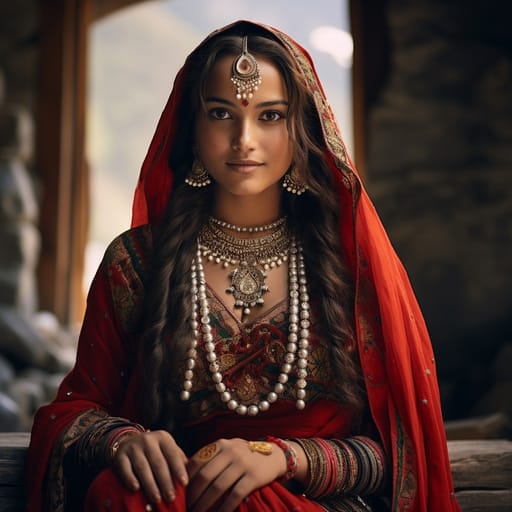
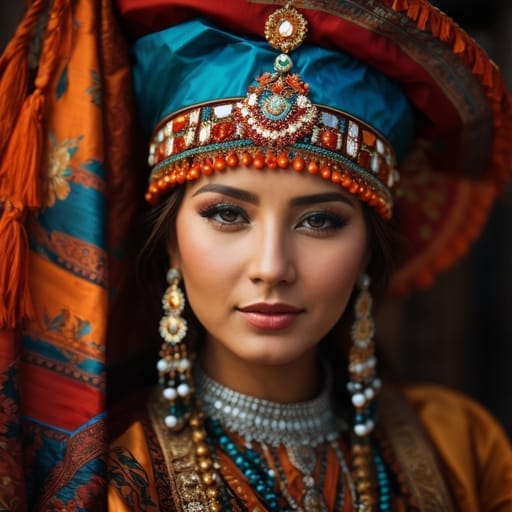
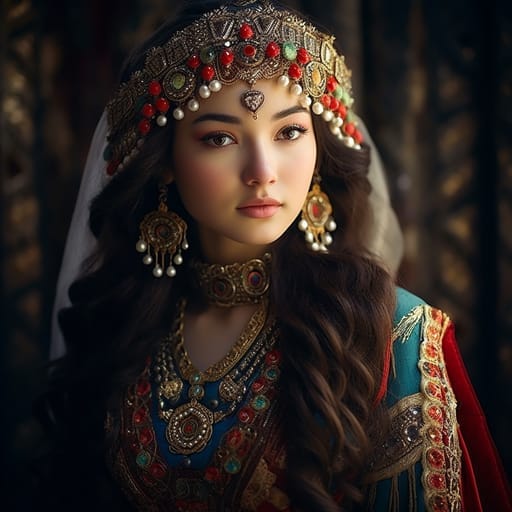
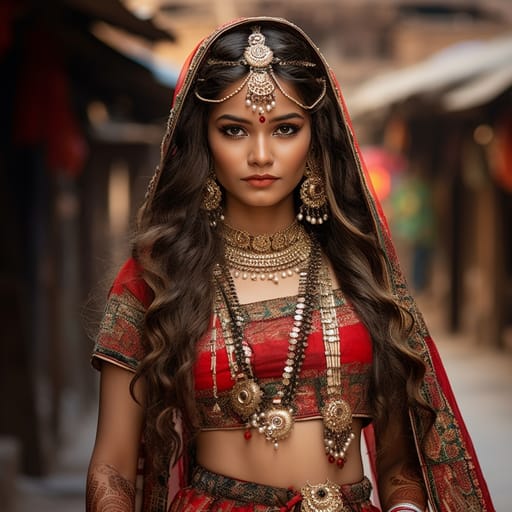
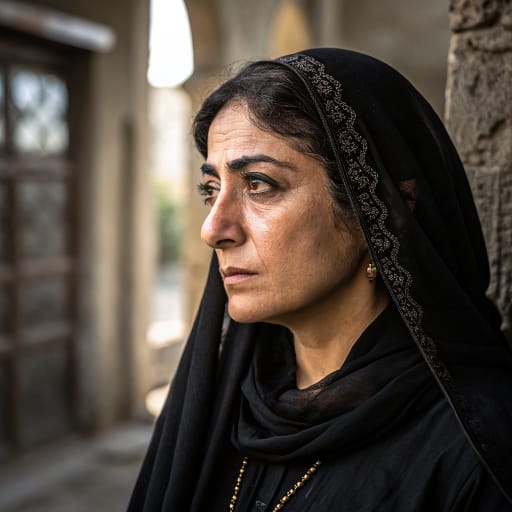
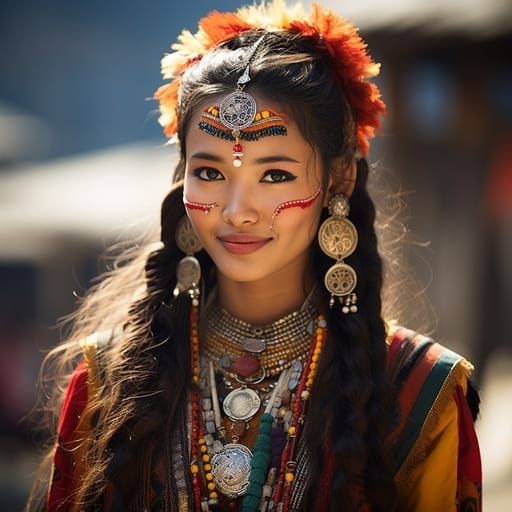
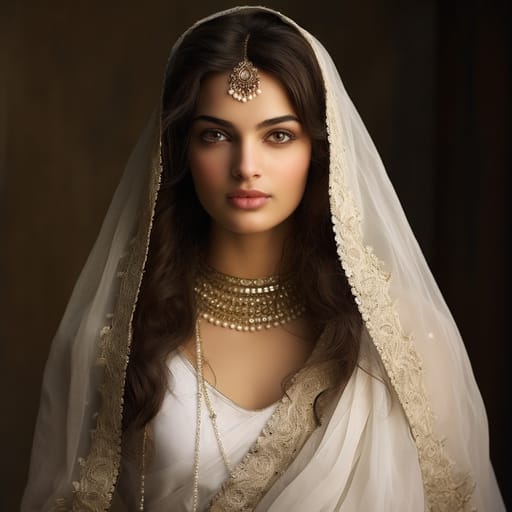
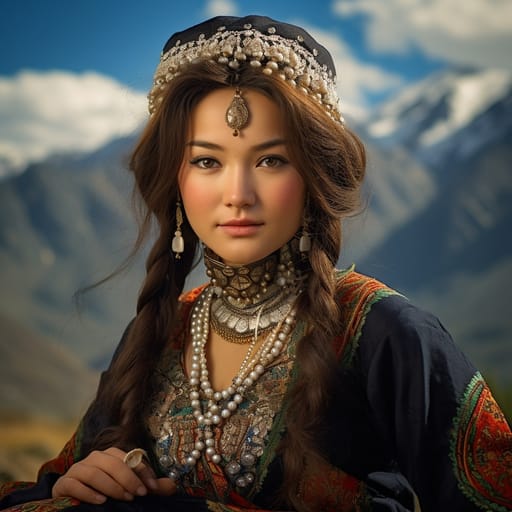
Typical Jadran Phenotypes
Reference for AI generation: hair, eyes, skin, facial structure, build
Explore phenotype categories
Structured taxonomy with peer-reviewed scales · 22 anatomical categories
Erotic Poses & Sex Positions
From the pose catalog: 219 named positions with reference skeletons
Frequently asked questions about Jadran people
Where is the Jadran homeland?
The Jadran homeland is The mountains where Paktia, Khost and Paktika provinces meet in southeastern Afghanistan (Loya Paktia) in Southern Asia.
What language do Jadran people speak?
Jadran people primarily speak Pashto (Indo-European, Eastern Iranian).
What religion do Jadran people practice?
The predominant religion among Jadran people is Sunni Islam (Hanafi).






Make your own Jadran images
Five a day, free, no credits to buy. The studio starts from this group's phenotype data, so you can set body type, pose and style and keep the traits accurate.
Start with Jadran